
B.S. Abdur Rahman Crescent Institute of Science and Technology is committed to advancing Sustainable Development Goal (SDG 7) by ensuring universal access to reliable, affordable, and modern energy for all within our campus community. Through energy-efficient building upgrades, smart energy management, and the integration of on-site renewable energy, we strive to reduce energy demand, lower operating costs, and improve indoor environmental quality for students, faculty, and staff. Our ongoing initiatives—ranging from LED retrofits and inverter-driven HVAC systems to cloud-based controls and solar installations—reflect a clear dedication to sustainable development, resilience, and leadership in energy stewardship.
A. Proclaiming a 100% Renewable Vision: BSACIST as a Regional Leader in Sustainable Energy Transition and Civic Stewardship
BS Abdur Rahman Crescent Institute of Science and Technology (BSACIST) undertook a strategic effort to publicly commit to a 100% renewable energy pledge beyond the university campus. Building on campus energy initiatives and community-facing outreach, the initiative positions BSACIST as a forward-looking leader in sustainable energy transition. The pledge frames renewable energy adoption as both an internal operational mandate and a civic duty to influence local partners, industry stakeholders, and neighbouring communities.
Crescent Energy Club Initiative for 100% Renewable Energy Adoption in the Community
The Crescent Energy Club of B.S. Abdur Rahman Crescent Institute of Science and Technology, is dedicated to promoting sustainable energy practices and fostering a community passionate about energy literacy and environmental stewardship. The club’s vision is to create a vibrant community that recognizes the critical role of sustainable energy in shaping the future. Its mission focuses on providing a platform for knowledge sharing, networking, and collaboration among individuals interested in energy-related fields. The club empowers its members to become leaders in the transition towards a clean and sustainable energy system through various initiatives and activities.
The extensive energy-club led activities and broader sustainability outreach associated with BSACIST’s Crescent Energy Club and The Institution of Green Engineers, IGEN. It includes public-facing campaigns.
100% Clean Energy, 100% Community: A Local Commitment to Renewable Power
BS Abdur Rahman Crescent Institute of Science and Technology (BSACIST) reinforces its commitment to a 100% clean energy future that extends beyond campus. This local pledge invites students, faculty, businesses, and residents to join in deploying scalable renewable solutions primarily solar and related technologies—that boost energy resilience, reduce emissions, and create local economic opportunities. By framing renewable energy adoption as both an institutional obligation and a community-wide responsibility, the initiative aims to mobilize collaboration, knowledge sharing, and practical action that collectively transform the energy landscape of the surrounding region.
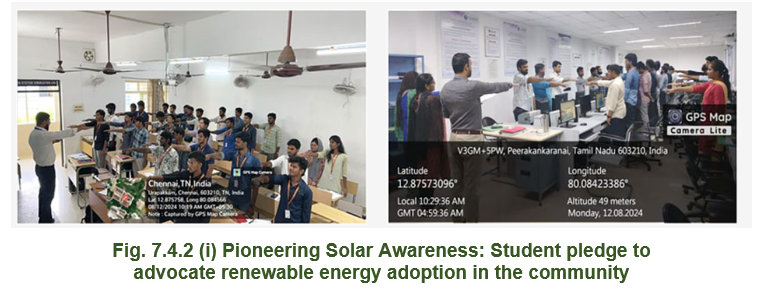
Pledge by the Students for Promoting Renewable Energy in the Community
- I pledge to prioritize renewable energy sources, with a focus on solar power, in my home, school, workplace, and community projects.
- I pledge to raise awareness about the benefits of renewable energy, including environmental protection, energy security, and long-term cost savings.
- I pledge to share practical steps for adopting solar energy, such as evaluating solar feasibility, selecting reputable installers, and understanding incentives and subsidies.
- I pledge to advocate for access to reliable solar energy for underserved communities and local villages, and to support equitable energy solutions.
- I pledge to encourage energy efficiency measures (insulation, efficient lighting, smart thermostats) to maximize the benefits of renewable energy.
- I pledge to promote transparent information on energy options, costs, and environmental impacts so communities can make informed choices.
- I pledge to engage with local policymakers, schools, and organizations to create pilot projects, solar demonstrations, and demonstration gardens.
- I pledge to monitor and report progress toward increased renewable energy use, including metrics like solar installations, energy savings, and emissions reductions.
- I pledge to foster collaboration among students, residents, businesses, and engineers to share knowledge and resources for renewable energy adoption.
- I pledge to model responsible usage, reduce waste, recycle solar equipment where possible, and encourage sustainable practices beyond energy use.
- I pledge to protect the community’s natural resources by promoting clean energy that minimizes pollution and preserves ecosystems for future generations.
- I pledge to commit to lifelong learning in renewable energy technologies and to mentor others who want to contribute to a cleaner energy future.
Powering Together: Building a Cleaner, Brighter Community with Renewable Energy
The Crescent Energy Club at BS Abdur Rahman Crescent Institute of Science and Technology organized an event highlighting the vital importance of renewable energy for a sustainable future. The program brought together students, faculty, and local stakeholders to discuss practical pathways for increasing community adoption of solar, wind, and other clean energy sources. Through expert talks, interactive demonstrations, and collaborative workshops, attendees explored how renewable energy can reduce emissions, create local jobs, and enhance energy resilience. The event reinforced BSACIST’s commitment to a 100% renewable energy future beyond campus and underscored the role of student-led initiatives in driving collective action toward a cleaner, brighter community.
Report on IGEN Green Day 2024
Organized by Crescent Energy Club
- S. Abdur Rahman Crescent Institute of Science & Technology
As part of Crescent’s ongoing commitment towards sustainability and the United Nations Sustainable Development Goals (SDGs), the Crescent Energy Club, in collaboration with The Institution of Green Engineers (IGEN), successfully organized IGEN Green Day 2024 on 22nd October 2024. The initiative aimed at motivating students to adopt responsible and climate-positive lifestyle changes within the campus and beyond.
The event encouraged students to take up Pledge4Green actions aligned with different SDGs including:
- SDG 7: Affordable & Clean Energy
- SDG 12: Responsible Consumption & Production
- SDG 13: Climate Action
- SDG 3: Good Health & Well-Being
- SDG 6: Clean Water & Sanitation
- SDG 15: Life on Land
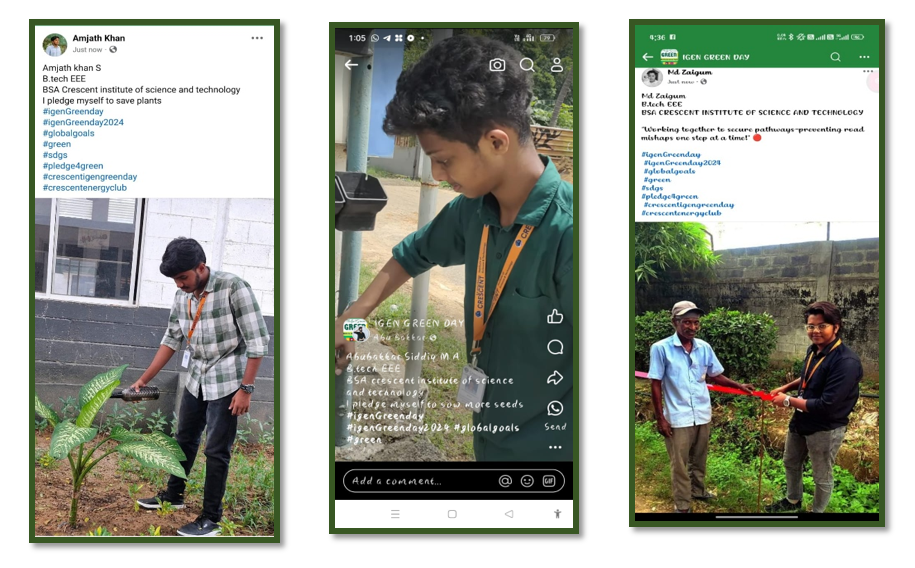
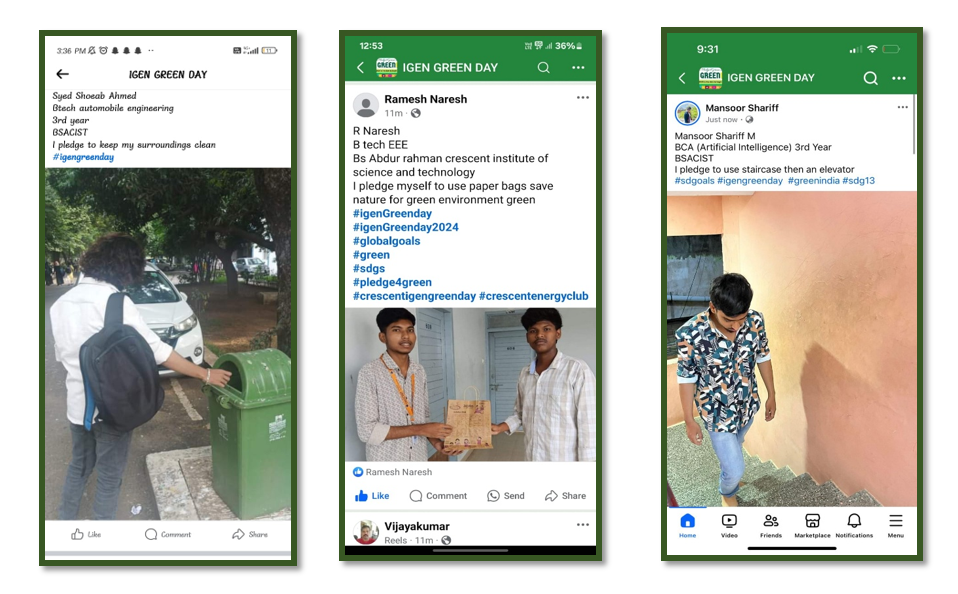
More than 120 students from B.S.Abdur Rahman Crescent Institute of Science and Technology (BSACIST) actively took pledges on the official IGEN platform and shared their commitments publicly. These included actions such as:
✔ Avoiding lift usage and using stairs to save energy
✔ Reducing single-use plastics
✔ Conserving water in daily usage
✔ Promoting clean mobility & cycling
✔ Supporting green campus initiatives
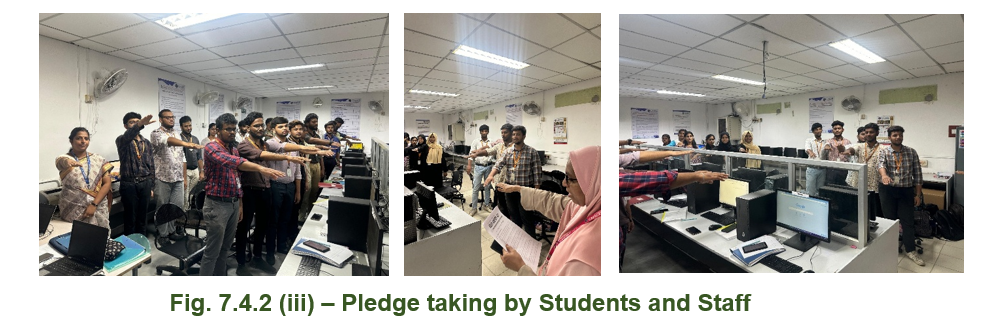
A briefing session was conducted to educate students on the importance of SDGs and their direct influence on climate mitigation efforts. Students then pledged their chosen eco-friendly habits and posted evidence through the IGEN Green Day portal and social channels.
This awareness program fostered a sense of responsibility among young engineers, making them active contributors toward achieving a sustainable, smart & carbon-neutral campus. The campaign will be continued in future semesters to strengthen Crescent’s visibility in SDG action platforms and community engagement.
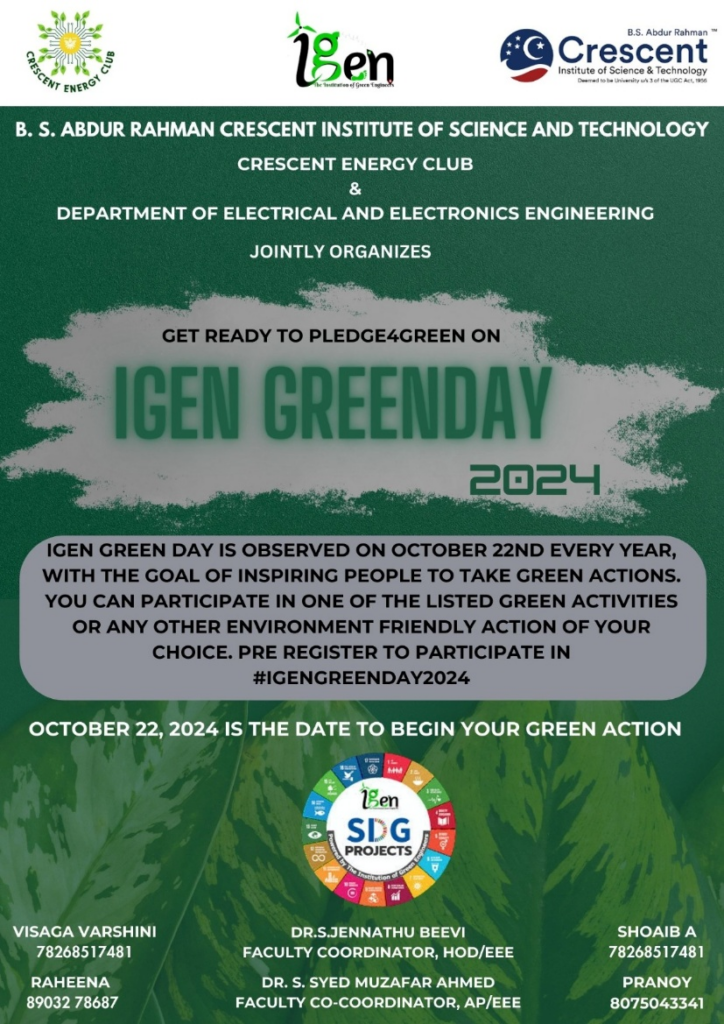
Fig. 7.4.2 (ii) – Poster : IGen Green Day 2024
From Roof to Grid: Commuxxnity Action for Renewable Energy Adoption
The Crescent Energy Club at BS Abdur Rahman Crescent Institute of Science and Technology (BSACIST) is driving a renewable energy future that reaches beyond campus boundaries. This initiative invites students, faculty, local businesses, and residents to join forces on scalable solar and other clean-energy solutions that boost resilience, reduce emissions, and spur local economic growth. By framing renewable energy adoption as both an institutional duty and a shared community responsibility, the program aims to foster broad participation, knowledge exchange, and practical actions that collectively transform the regional energy landscape.
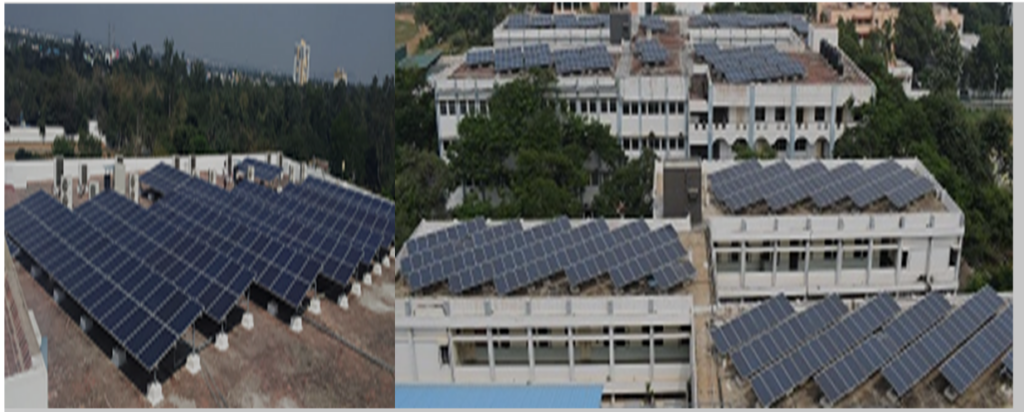
Fig. 7.4.2 (ii) Solar Power in Action: Crescent as a Beacon of Renewable Energy for the Community
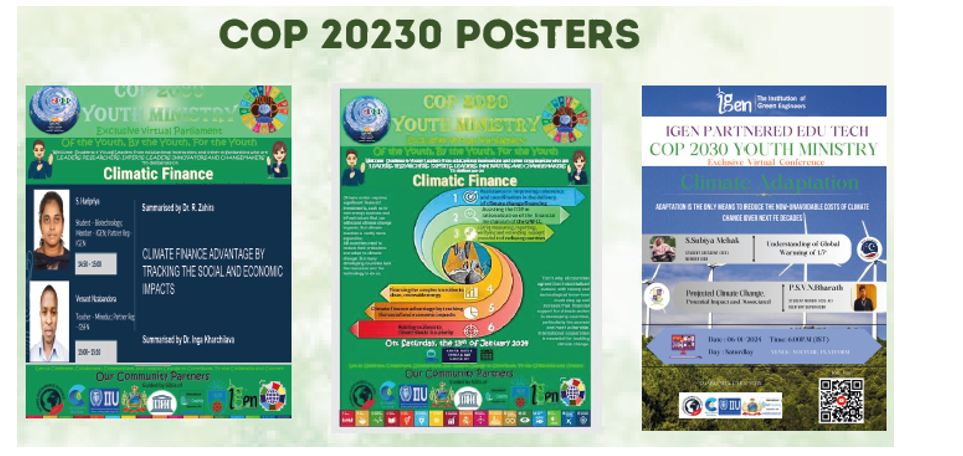
COP 2030 youth initiatives, G20 youth cabinet engagement, and energy-awareness programs.
A talk was presented by the Crescent Energy Club Speakers under the Weekly COP 2030 initiative, focusing on the importance of climate action and sustainable development. The session highlighted key objectives such as enhanced national climate action plans, phasing out coal, adopting nature-based solutions, and limiting global warming.
The discussion emphasized the significance of climate finance in supporting developing nations, promoting renewable energy transitions, improving transparency in climate initiatives, and strengthening resilience against climate challenges. The talk effectively raised awareness among students and encouraged them to contribute actively to global sustainability efforts.
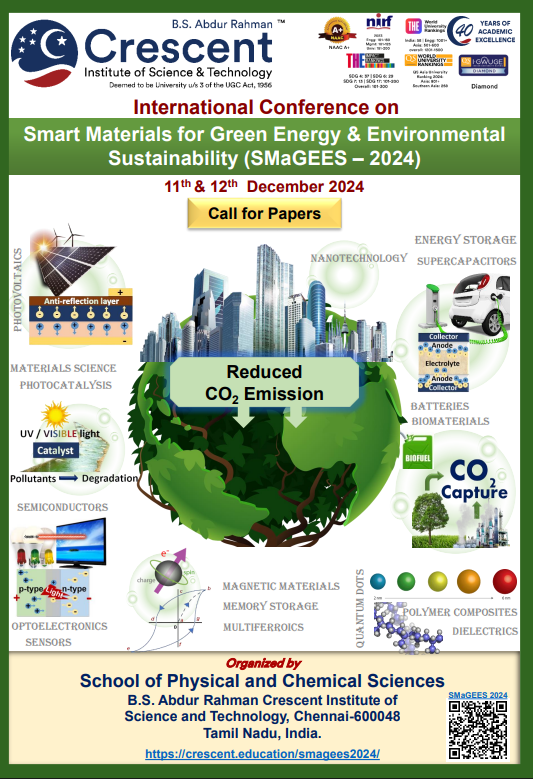
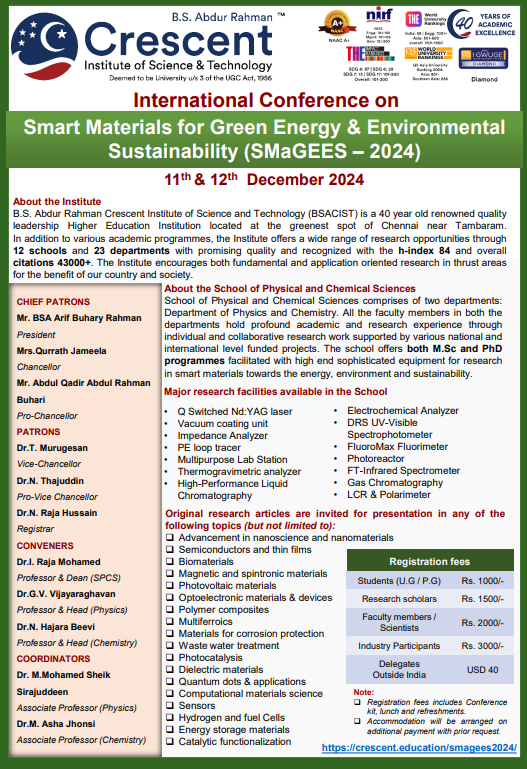
B.Community Outreach for Renewable Energy Adoption and Environmental Impact Reduction (SMaGEES 2024)
The SMaGEES 2024 an International conference, hosted by the B.S. Abdur Rahman Crescent Institute’s School of Physical and Chemical Sciences, demonstrates the pivotal role universities can play in bridging research and community action to accelerate renewable energy adoption and reduce environmental impacts. With ~300 participants from education community and industry community over two days, the event showcased advances in smart materials, energy storage, and sustainable technologies, emphasizing direct university outreach to local and regional communities. While the conference effectively disseminated knowledge and fostered networking, it also highlighted opportunities to strengthen the measurement of community impact, formalize partnerships, and document scalable demonstrations that translate campus-level innovations into neighborhood- and municipal-scale energy improvements.