

B.S. Abdur Rahman Crescent Institute of Science and Technology is committed to advancing Sustainable Development Goal (SDG 7) by ensuring universal access to reliable, affordable, and modern energy for all within our campus community. Through energy-efficient building upgrades, smart energy management, and the integration of on-site renewable energy, we strive to reduce energy demand, lower operating costs, and improve indoor environmental quality for students, faculty, and staff. Our ongoing initiatives—ranging from LED retrofits and inverter-driven HVAC systems to cloud-based controls and solar installations—reflect a clear dedication to sustainable development, resilience, and leadership in energy stewardship.
A. Fostering a Sustainable Campus: Environment and Community at BSACIST
BSACIST is committed to a vibrant, sustainable campus that balances ecological stewardship with a welcoming community. Our green spaces and landscapes provide not only aesthetic value but also essential ecosystem services, supporting biodiversity and offering serene areas for study and reflection. We are dedicated to preserving the campus ecosystem, ensuring that native habitats thrive alongside our facilities.
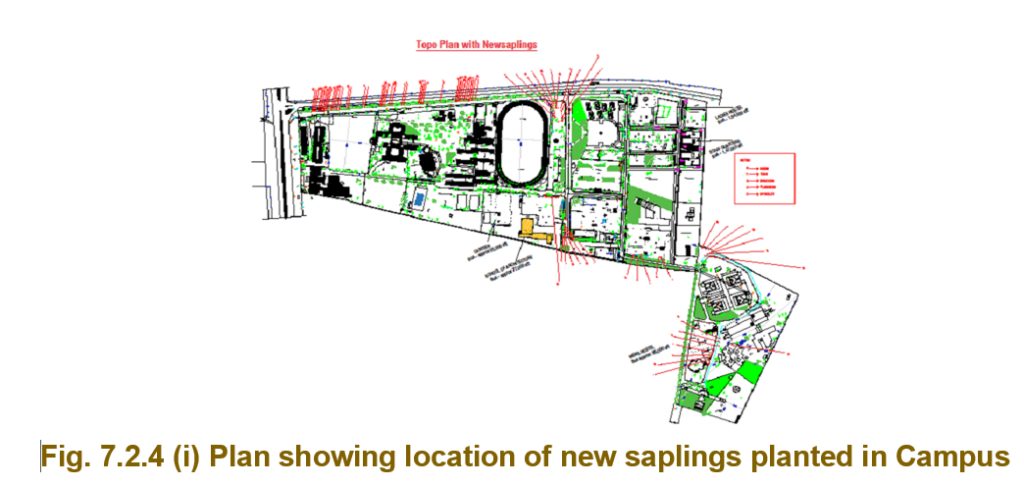
Public spaces for students and staff—such as cafes, lounges, and square gardens—promote social interaction and well-being while encouraging mindful practices. The campus prioritizes recycling and waste reduction, turning waste streams into opportunities for reuse and responsible disposal. Through sustainable consumption of water and energy, we seek to minimize resource use and maximize efficiency, keeping our footprint as light as possible.
Promoting low-carbon practices across the campus community is central to our approach. By encouraging everyday choices—reusing materials, conserving energy, and selecting environmentally friendly options—we foster a culture of sustainability. Our commitment to minimizing waste and pollution is reinforced by robust waste management strategies, from reduction and segregation to recycling and safe disposal.
B.Heat-Resistant Tiles and Solar-Reflective Design
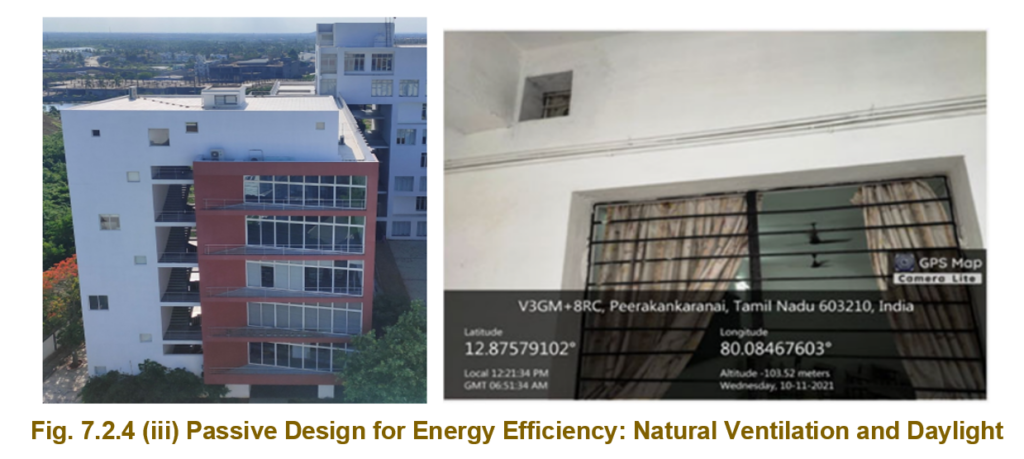
Innovation in building design is another pillar of our strategy. By enhancing daylighting and natural ventilation, we reduce reliance on artificial lighting and mechanical cooling, while improving indoor environmental quality. Together, these efforts create a healthier, more resilient campus that serves as a model for sustainable living and learning.
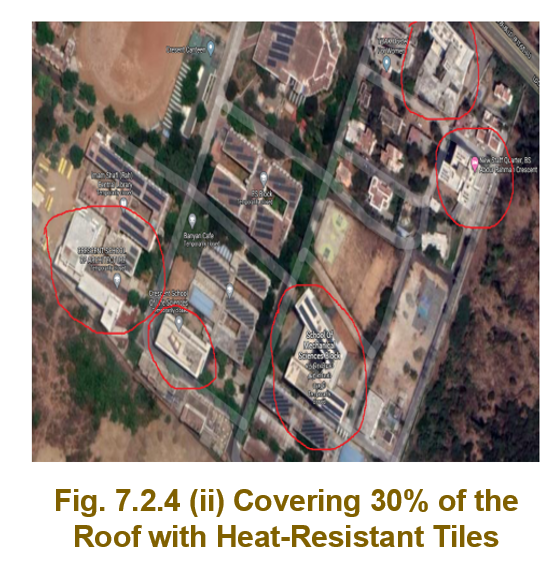
BSACIST has adopted a targeted roofing strategy that prioritizes both comfort and energy efficiency. By covering 30% of the roof with heat-resistant tiles and high SRI (Solar Reflective Index) materials—SRI value 97—the campus minimizes heat absorption, reduces cooling loads, and enhances indoor thermal comfort. The heat-resistant tiles reflect infrared radiation while maintaining durable performance in harsh weather, contributing to a cooler roof surface and lower ambient temperatures. The high SRI of 97 means the roof reflects a large portion of solar energy rather than absorbing it, which translates to reduced heat transfer into interior spaces and energy savings for air conditioning. This approach complements other sustainability efforts on campus, supporting a cooler, more comfortable environment for students and staff while lowering energy consumption and associated emissions
C. Regular Energy Audit Drives Substantial Campus Savings at BSACIST
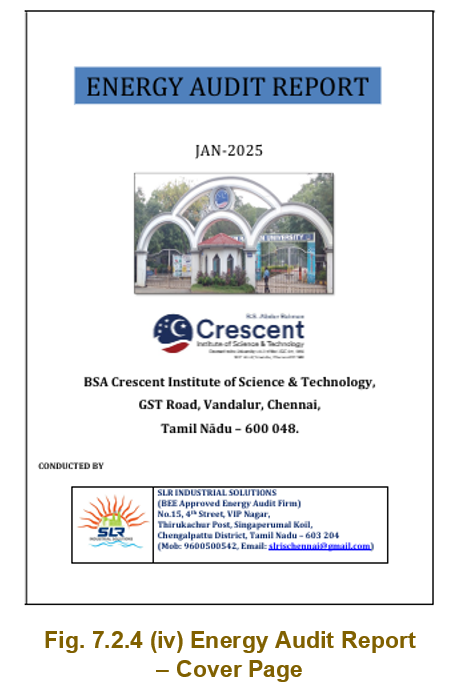
A Regular Energy Audit is in place at B.S. Abdur Rahman Crescent Institute of Science and Technology provides a solid foundation for an efficiency program aimed at substantially reducing campus energy consumption. The audit identifies key savings opportunities with an annual potential of 487,014 kWh, corresponding to about Rs. 4,011,685 in cost savings. Proposed investments for implementing various energy conservation measures (ECMs) total Rs. 15,950,000, with an average payback period of 48 months. This structured approach prioritizes immediate savings while aligning with the institute’s commitment to sustainability and renewable energy.

D.Technological Innovations and Infrastructure Upgrades
The plan embraces advanced technologies and strategic upgrades. Key initiatives include:
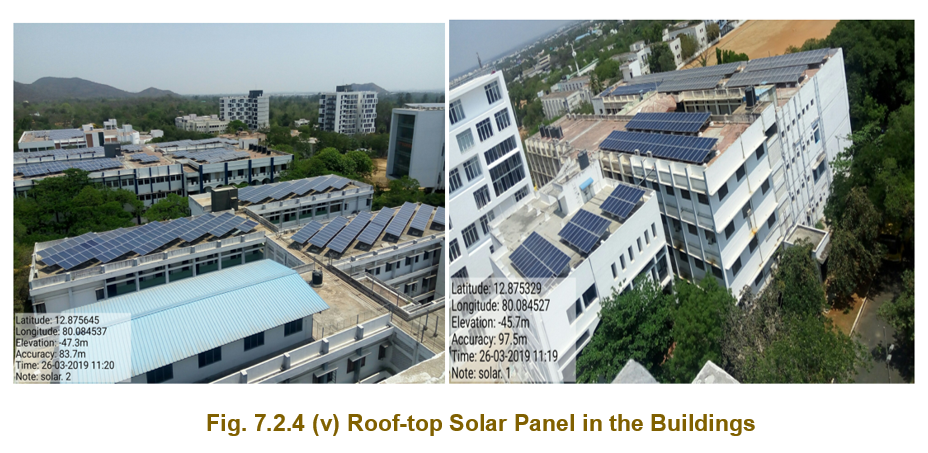
- A new 125 kWp rooftop plant is currently being installed on the New Hostel Block, to operate alongside the existing 650 kWp system. Together, these installations bring the campus’s total solar capacity to 775 kWp, enhancing clean and green energy generation
- Implementing solar water heating with a 39,500-liter capacity
- Replacing older air conditioning units with BEE 5-star rated models (117 units)
- Deploying variable frequency drives for pumps, cooling towers, and air handling units to enable real-time energy management based on occupancy
- Using AAC/Aerocon blocks, high-performance glazing, and energy-efficient roof configurations to reduce heat gain and cooling demand
E. Comprehensive Monitoring and Adaptive Strategies
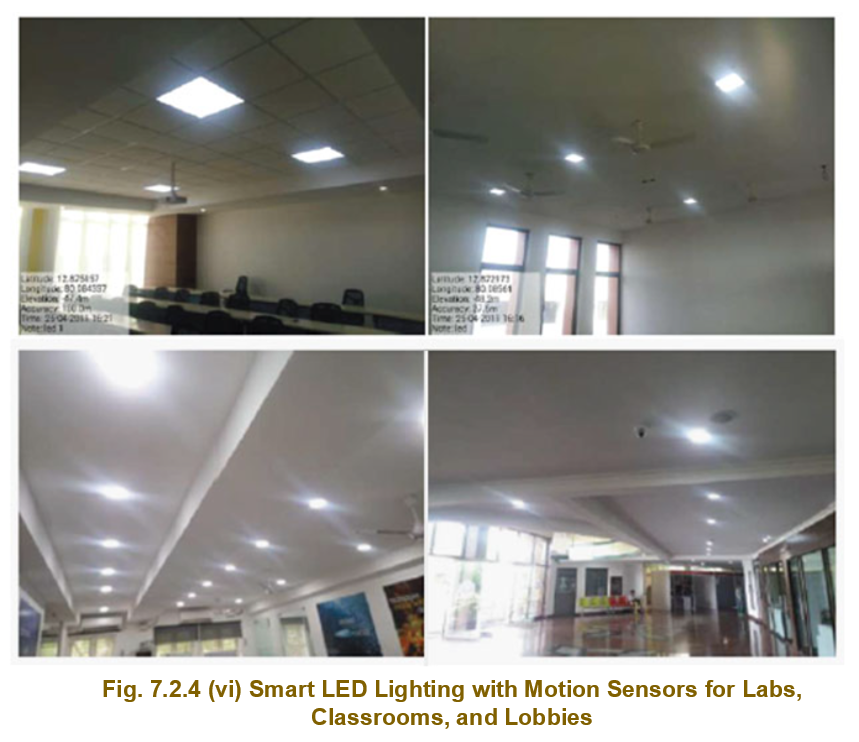
BSACIST emphasizes continuous monitoring and adaptive management. Annual energy audits identify opportunities, and detailed metering supports real-time data collection and resource optimization. Initiatives such as motion-sensor lighting in computer science labs, staff cabins, and restrooms, along with natural ventilation strategies in classrooms and work areas, drive meaningful energy savings. The use of low-VOC materials, biodegradable cleaning chemicals, and high-reflectivity roofing further enhances energy conservation.
Comprehensive Energy Efficiency Strategy at BSACIST: Transforming Campus Sustainability
B.S. Abdur Rahman Crescent Institute of Science and Technology (BSACIST) has developed a comprehensive energy efficiency plan that goes beyond traditional conservation. The approach places sustainability at the center of building design, renovation, and administration. By pursuing multiple building-rating certifications—EDGE, IGBC, and LEED—BSACIST ensures that both existing and new structures meet stringent energy-efficiency standards. The plan presents a holistic strategy that includes sustainable design features, efficient waste management, and cutting-edge technologies to minimize campus-wide energy use.
Research and Collaborative Sustainability Initiatives
The energy strategy extends into research and collaboration. BSACIST supports R&D in energy-efficient renovation and building technologies and actively pursues national and international partnerships to access green-building technologies. Student volunteer programs and technology-transfer activities engage local communities, government bodies, and NGOs, helping disseminate energy-efficient practices. The ultimate aim is to achieve net-zero energy on campus and to serve as a model for sustainable institutional development.
Future-Oriented Sustainability Vision
BSACIST’s energy efficiency strategy reflects a forward-looking commitment to environmental stewardship. By integrating advanced technologies, sustainable design, and collaborative research, the institute has built a holistic framework for reducing energy consumption. The plan addresses immediate conservation needs and establishes a benchmark for sustainable practices in higher education. Continued investment in these approaches reinforces BSACIST’s role as an environmentally responsible campus for current and future generations.