
B.S. Abdur Rahman Crescent Institute of Science and Technology (BSACIST) is committed to ensuring safe, affordable, and reliable access to clean water while safeguarding water quality and ecosystems. We advance wastewater treatment and pollution prevention, and promote water-conscious practices. We strengthen water reuse and measurement, and track consumption to drive efficiency. Our ongoing initiatives aim to reduce water stress, protect aquatic ecosystems, and expand safe water access, with progress demonstrated through defined metrics and regular monitoring.
B S Abdur Rahman Crescent Institute of Science & Technology, National Service Scheme organized the LAKE CLEAN-UP WITH SEED BALL PLANTATION in collaboration with the Environmentalist Foundation of India (EFI), brought volunteers together on 04.10.2023 at 10:00 am to revive a local water body in Kolapakkam village near Vandalur. This initiative underscores the dual aim of cleaning polluted lakes and restoring ecological balance through community-driven conservation. EFI’s science-based approach, paired with NSS’s youth leadership, highlights how practical, on-the-ground actions—such as removing litter and monitoring water quality—can catalyse broader environmental stewardship and neighborhood resilience against ongoing threats to freshwater ecosystems.
A key component of the effort was the deployment of seed balls, a simple yet effective method for reintroducing native vegetation to degraded landscapes. Comprising seeds, soil, clay, and organic materials, these seed balls can be scattered over hard-to-reach areas, facilitating natural germination and growth. As the seeds establish, they are expected to enhance soil health, reduce erosion, and promote biodiversity, ultimately supporting the lake’s ecological recovery. The event was coordinated by NSS Programme Officers Dr. C. Srinivasan, Dr. Noushad.C, and Dr. R. Anitha, with Dr. D. Ayub Khan Dawood serving as NSS Coordinator, reflecting a collaborative effort between faculty, students, and EFI to advance sustainable water management and habitat restoration in the region.
Lakes and ponds often bear the brunt of modern day human negligence. Most of India’s freshwater bodies are polluted/contaminated due to human activity. E.F.I focuses on scientific revival of these freshwater bodies through a community based collaborative conservation effort.
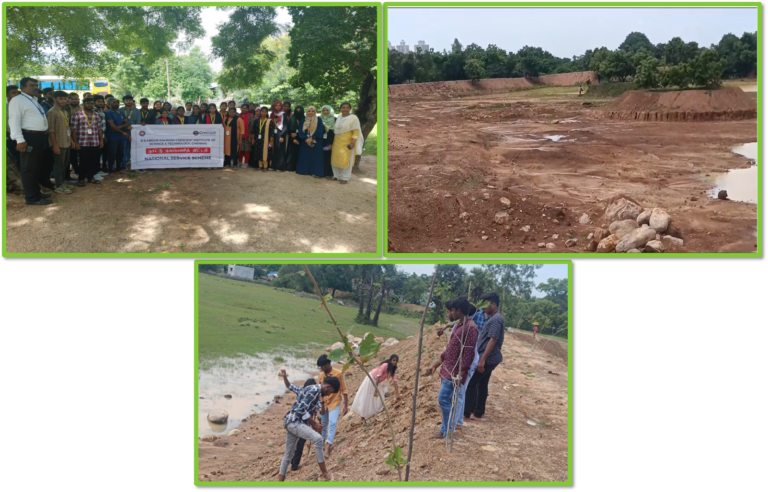
Figure VI (5.7) – 1: Crescent NSS Volunteers in Field Work
Overview
B.S. Abdur Rahman Crescent Institute of Science & Technology, in collaboration with the National Service Scheme (NSS), organized a community-centered environmental initiative titled “Lake Clean-Up with Seed Ball Plantation.” The event aimed to restore a locally polluted lake and initiate ecological restoration through seed-ball planting. Volunteers from NSS, including students and faculty, came together to demonstrate practical environmental stewardship and community resilience in the face of ongoing threats to freshwater ecosystems.
Partnership and Purpose
- Partners: Crescent Institute and the Environmentalist Foundation of India (EFI).
- Focus: Combine academic resources with community action to address lake degradation.
- Activities: Litter removal, debris collection, and periodic water-quality monitoring, with seed-ball planting to promote habitat restoration.
- Impact: Demonstrates how organized cleaning efforts can catalyze broader environmental stewardship and healthier lake ecosystems.
Why Lake Cleaning Matters
Lake pollution arises from human activities such as improper waste disposal, industrial effluents, agricultural runoff, and urban runoff. Cleaning and restoration yield multiple benefits:
- Public health: Reduces waterborne diseases and exposure to hazardous substances.
- Ecosystem restoration: Supports habitat recovery, biodiversity, and ecosystem services like flood control, groundwater recharge, and climate regulation.
- Economic and social benefits: Boosts tourism, fishing, and community well-being; lowers potable-water treatment costs.
- Resilience and sustainability: Regular cleanups, combined with prevention and waste management, strengthen resilience to climate change and urbanization.
- Educational impact: Engages communities, raises environmental awareness, and empowers youth in conservation.
Seed Ball Plantation as a Core Intervention
A central component of the event was seed-ball deployment—a simple, scalable method for reintroducing native vegetation to degraded shoreline and lake-adjacent habitats. Seed balls consist of seeds, soil, clay, and organic binders, designed for easy dispersal in areas difficult to access with traditional planting. After dispersion, balls break down and germinate in suitable microhabitats, promoting natural regeneration. Expected benefits include improved soil structure, increased moisture retention, reduced shoreline erosion, enhanced biodiversity, and a gradual return of native flora to support local fauna and habitat resilience. This approach aligns with EFI’s community-driven restoration philosophy and complements ongoing conservation efforts in the region.
Role of NSS and EFI
- Coordination: NSS Programme Officers Dr. C. Srinivasan, Dr. Noushad C., and Dr. R. Anitha; NSS Coordinator Dr. D. Ayub Khan Dawood led the event.
- Collaboration: Faculty mentors, student volunteers, and EFI representatives worked together to ensure organized deployment, safe field activities, and integration of scientific guidance with hands-on action.
- Impact: EFI provided the scientific framework for restoration, while NSS mobilized youth participation, fostering leadership, civic engagement, and environmental literacy.
Field Activities and Observations
- Community Participation: A large turnout of students, faculty, and community members demonstrated solidarity and enthusiasm for environmental restoration.
- Lake Clean-Up: Volunteers removed waste and debris from the lake perimeter and nearby pathways, yielding immediate improvements in cleanliness and sanitation.
- Seed Ball Deployment: Seed balls were prepared and strategically dispersed across degraded shoreline zones to maximize germination potential and future vegetative cover.
- Site Assessment: Visual observations indicated recovery potential, with seed-ball planting intended to complement existing restoration measures and encourage ongoing monitoring.
Impact and Future Prospects
The Lake Clean-Up with Seed Ball Plantation serves as a practical model of university–NGO collaboration to address local ecological challenges. Key outcomes include:
- Immediate improvements in site cleanliness.
- Long-term ecological benefits from native vegetation restoration and improved habitat structure.
- Enhanced community empowerment and awareness around freshwater conservation and sustainable water management.
- A framework for continued collaboration among Crescent Institute, EFI, and NSS on future restoration projects, water-quality monitoring, and educational outreach.
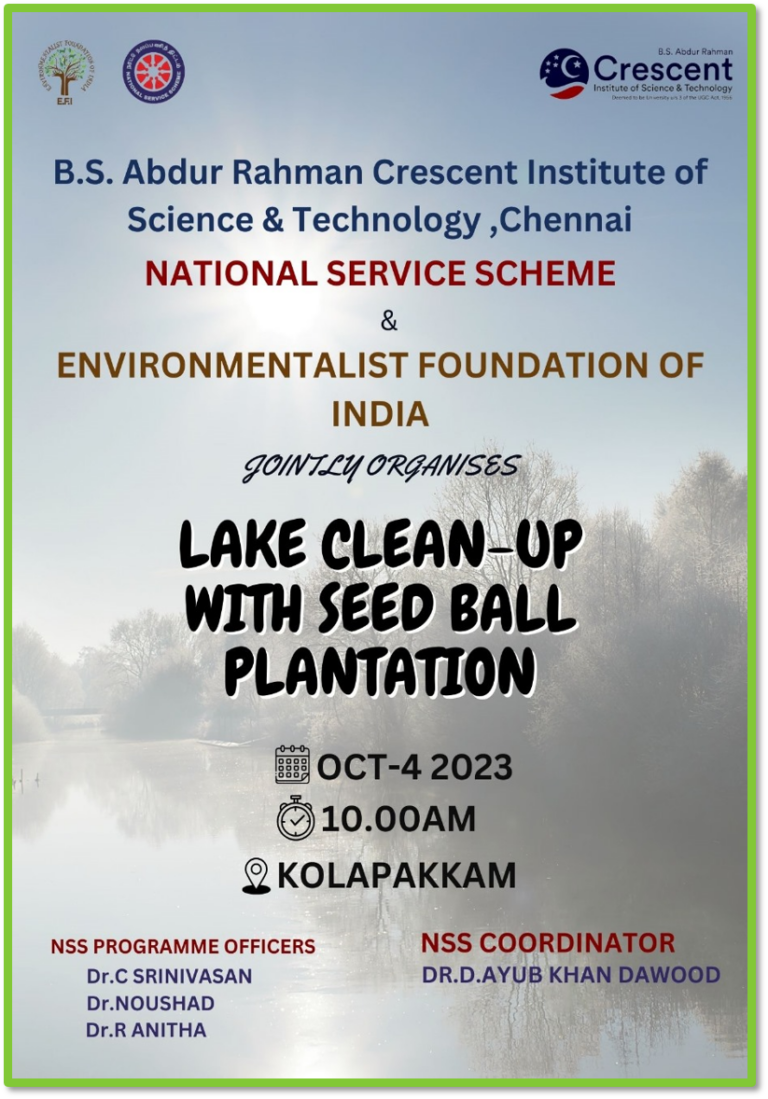
Figure VI (5.7) – 2: Invitation of the Event

1: Water-Smart Beach Clean-Ups: Integrating Conservation into Community Action
Promoting conscious water usage across the wider community hinges on turning beach and coastal clean-up efforts into opportunities for sustained water stewardship. By foregrounding water conservation within every cleanup, communities can align environmental restoration with daily habits that protect aquatic health. Building on established NSS-led beach clean-ups and partnerships with NGOs, organize regular, well-publicized events that tackle plastic pollution—the most visible and direct threat to both water quality and marine life. When these events are designed to educate as they clean, participants leave with a clearer understanding of how reduced plastic waste translates into safer, healthier waterways for recreation, fishing, and everyday use.
2: From Cleanup to Change: Data-Driven Guidance for Everyday Water Stewardship
A data-informed approach strengthens the impact of these initiatives. Systematically tracking debris types and volumes during each cleanup enables communities to identify pollution sources and track trends over time. This data becomes a powerful tool for advocacy, informing targeted improvements in waste collection schedules, shoreline management, and public awareness campaigns. By translating findings into straightforward, actionable recommendations for residents—such as minimizing single-use plastics, ensuring proper disposal, and adopting water-conserving behaviors at home and during beach visits—the effort moves from episodic events to lasting behavioral change.
3: Broad Stakeholder Engagement: Expanding Reach and Resources
Engagement with a broad network of stakeholders is essential for scalability and resilience. Involve local fishing communities, schools, coastal residents, and environmental organizations to extend reach beyond campus boundaries. Leverage partnerships with NGOs and national campaigns (like Swachh Bharat and related initiatives) to amplify messaging and resources. Utilizing diverse channels—social media, short videos, and local media—helps share success stories, present debris data transparently, and offer practical tips for reducing plastic use and conserving water in daily life. Recognizing sustained volunteers with certificates and public acknowledgments can incentivize ongoing participation and nurture a culture of collective responsibility around water stewardship.
4: Building a Data-Driven Framework: Communicating Debris Insights to Residents
A data-driven, community-facing framework should underpin ongoing efforts. Collect and analyze debris data not only to inform local policy discussions with authorities about waste management scheduling and shoreline care but also to communicate findings in accessible formats that resonate with residents. Translate complex data into simple, actionable steps that individuals can implement at home and during beach visits. Regular, collaborative actions paired with transparent reporting create a long-term ethos of conscious water usage, turning coastal clean-ups into catalysts for healthier waterways and more resilient aquatic ecosystems.
5: Sustaining Momentum: Institutionalizing Water-Conscious Practices
To sustain momentum, embed these practices within local institutions and plans. Develop a schedule that ensures consistency in cleanup events and data collection, accompanied by regular briefings that connect the dots between plastic pollution, water health, and community well-being. Encourage schools and community organizations to adopt similar water-conscious practices, extending the reach and reinforcing the message across generations. In doing so, communities not only improve shoreline conditions but also cultivate a proactive culture that prioritizes clean water, protected ecosystems, and a shared sense of stewardship for coastal environments.
C. KOVALAM BEACH CLEAN-UP 2024: ADVANCING WATER CONSERVATION THROUGH COMMUNITY ACTION DATED: 02ND OCTOBER 2024
The Beach Clean-Up on October 2, 2024, at Kovalam Beach was a collaborative effort led by the National Service Scheme (NSS) and UNNAT BHARAT ABHIYAN (UBA) of B. S. Abdur Rahman Crescent Institute of Science and Technology, in association with the Environmental Foundation of India (EFI) as part of Swachhata Hi Seva 2024. Under NSS Coordinator Dr. Ayub Khan Dawood, volunteers worked in teams to promote waste-free coastal environments and raise awareness about plastic pollution as a major threat to water health and marine ecosystems. The event ran from 7:00 a.m. to 9:00 a.m., with volunteers collecting litter—particularly non-biodegradable plastic waste—and coordinating disposal with local waste management services. The drive underscored the pervasive issue of plastic pollution in coastal environments and reinforced the collective responsibility to protect coastal beauty for recreation, fishing, and daily life. The overarching message throughout was the importance of Water Conservation as a foundational practice for healthier waterways.
The initiative demonstrated that well-organized, publicized beach clean-ups can mobilize significant volunteer effort and deliver tangible environmental benefits. Collaboration among students, NSS officers, EFI, and the university administration highlighted the value of cross-institutional partnerships in achieving sustainable outcomes. A certificate program recognized student volunteers, reinforcing a culture of service and environmental stewardship, while the event also served as an educational touchpoint to illuminate the link between plastic waste and water health. Looking ahead, the project team plans more regular clean-ups, expanded volunteer participation, and data-driven assessments to inform local waste management scheduling and shoreline care decisions, with a continued emphasis on educating about Water Conservation as an integral component of coastal stewardship.
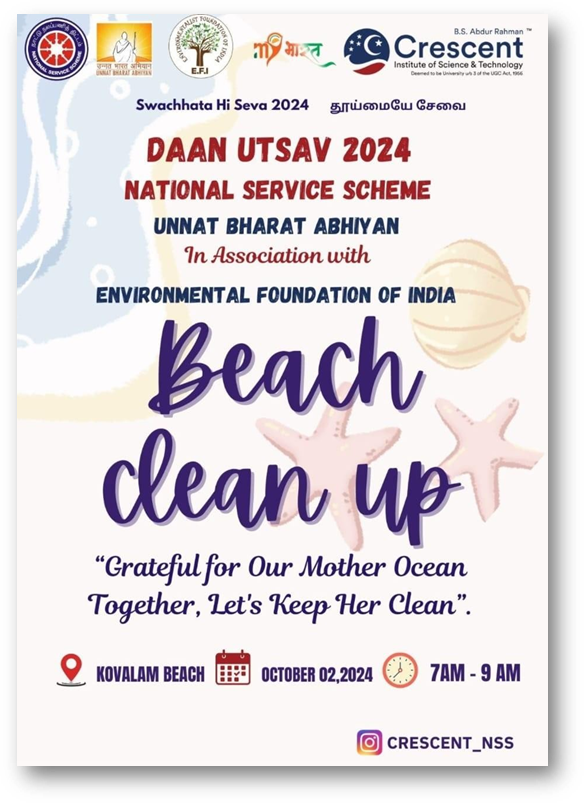
Figure VI (5.7) – 3: Invitation of the Event
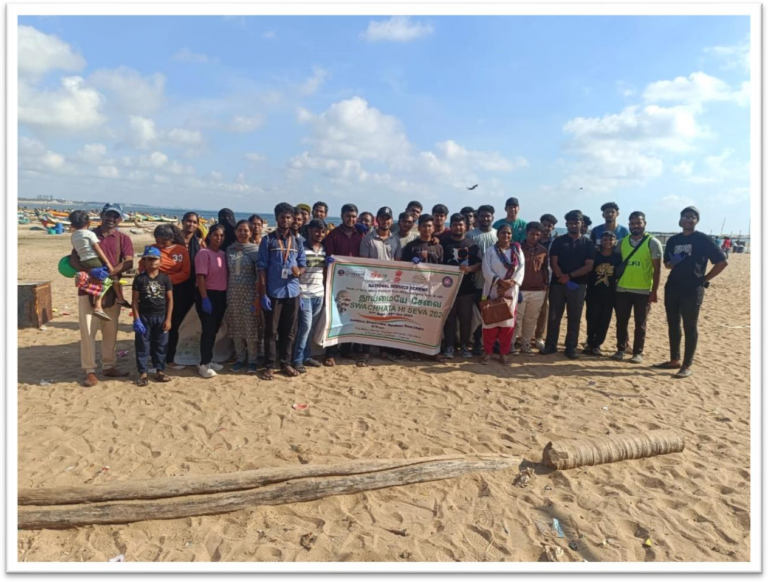
Figure VI (5.7) – 4: A total of 40 volunteers participated in the beach cleaning event as part of the “Swachhata Hi Seva campaign”
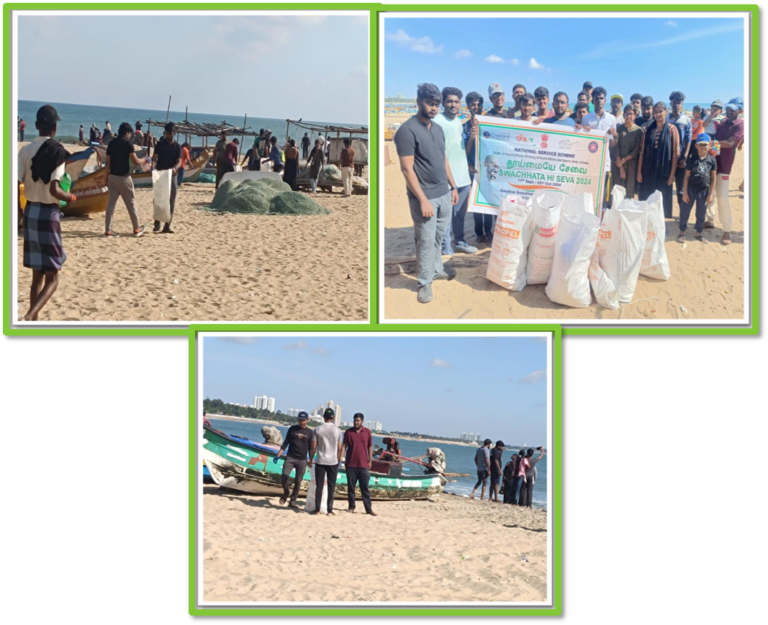
Figure VI (5.7) – 5: Crescent Students and volunteers participate in a beach clean-up, promoting water conservation and plastic pollution awareness.
D. KOVALAM BEACH CLEAN-UP 2023 — INTEGRATING WATER CONSERVATION WITH PLASTIC POLLUTION AWARENESS DATED : 10TH OCTOBER 2023
The Beach Cleaning & Plastic Awareness Program, held on 10 October 2023 at Kovalam Beach, was a collaborative effort organized by the National Service Scheme (NSS) in association with VIDHAIYIN SIRAGUGAL (Social Welfare Association) and the B.S. Abdur Rahman Crescent Institute of Science & Technology. The initiative aimed to protect coastal ecosystems by removing waste that harms marine life and impedes water quality, while also collecting data on debris to inform future conservation strategies. As the program highlighted the detrimental effects of plastic pollution on water health, participants were reminded that reducing litter directly supports healthier waterways and aquatic habitats, underscoring Water Conservation as a foundational element of coastal stewardship.
NSS students, along with social activists and community partners, joined hands at Kovalam Beach to implement practical cleanup actions, engaging in litter removal and debris documentation to monitor pollution trends. The effort demonstrated how organized volunteer activities can mobilize communities to safeguard water resources, protect aquatic species, and improve beach aesthetics—benefiting residents and coastal livelihoods alike. Moving forward, organizers and participants aim to expand the program, enhance data collection, and promote Water Conservation as an integral component of ongoing coastal health initiatives and plastic pollution awareness campaigns.
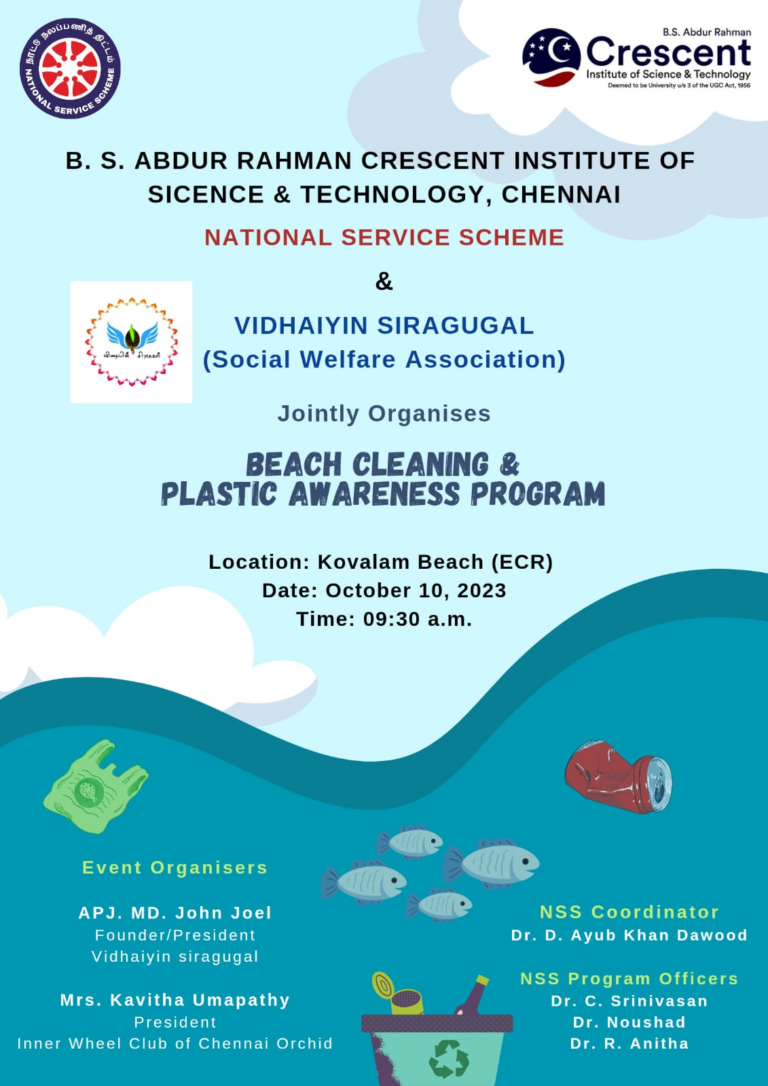
Figure VI (5.7) – 6: Invitation of the Event
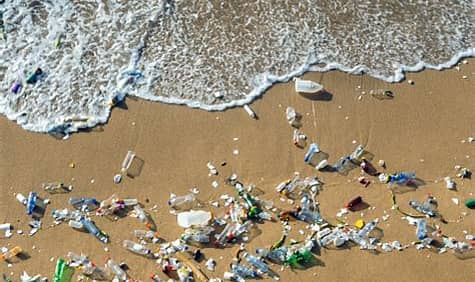
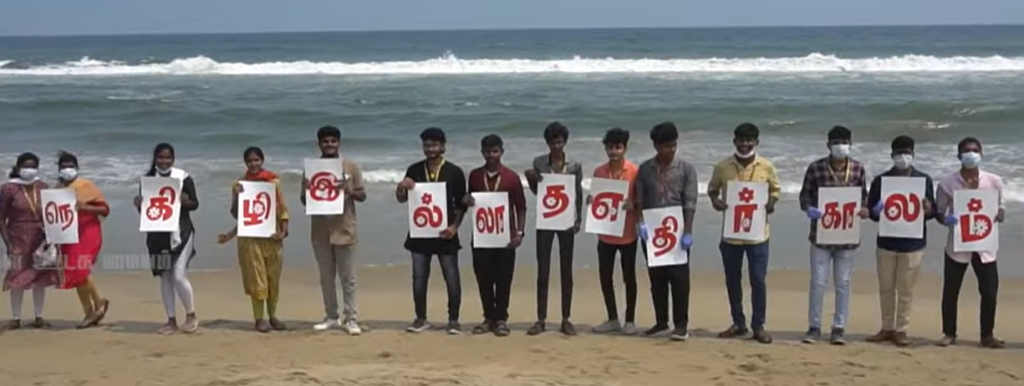
Figure VI (5.7) – 7: Raising awareness about plastic pollution and Water Conservation during a Kovalam Beach clean-up event.
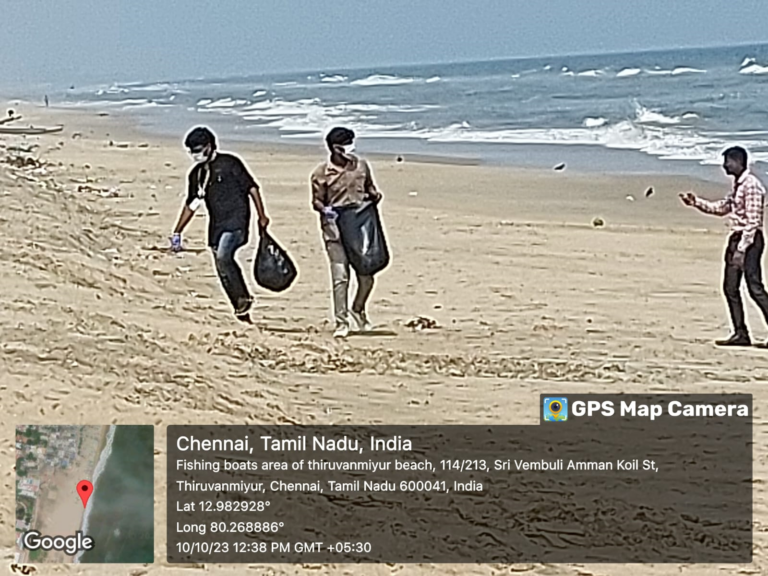
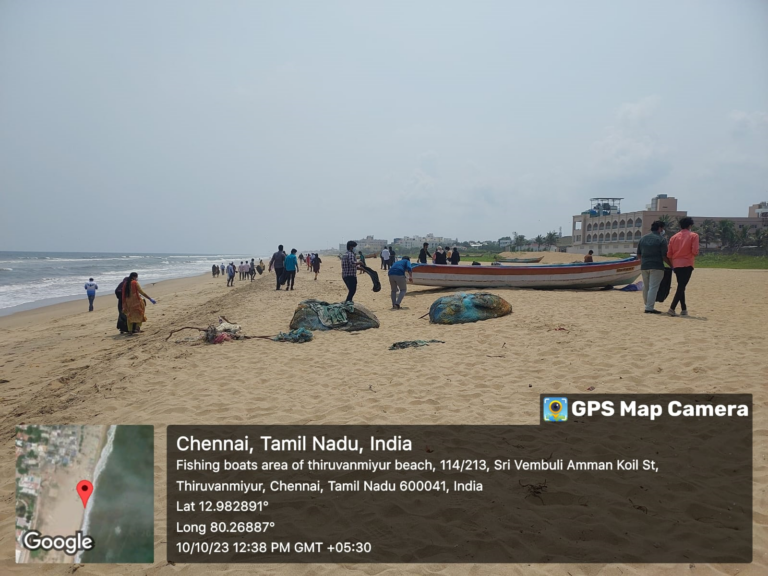
Figure VI (5.7) – 8: CLEANING PROCESS IN BEACH BY BSACIST NSS STUDENTS
Water Management and Reuse Policy
Issue: 04; Revised on 2023
| Policy Created on | July 2009 |
| 1st Revision amended on | IQAC Meeting held on 27th October 2017 |
| 2nd Revision amended on | IQAC Meeting held on 31st March 2021 |
| 3rd Revision amended on | IQAC Meeting held on 16th June 2023 |
Responsible Executive : Director (IQAC)
Responsible Office : Internal Quality Assurance Cell,
Student Affairs, Estate Office, Academic Office, Library and SDG Cell
Contacts : Registrar and Director (IQAC)
6.1 STATEMENT OF POLICY
The B.S. Abdur Rahman Crescent Institute of Science and Technology is committed to achieving the following objectives in alignment with Sustainable Development Goal 6 (SDG 6) – Clean Water and Sanitation:
a) Ensure universal and equitable access to safe and affordable drinking water for all stakeholders.
b) Provide adequate and equitable sanitation and hygiene for all, with special attention to the needs of women, girls, and vulnerable groups.
c) Improve water quality by reducing pollution, eliminating dumping, and minimizing the release of hazardous chemicals and materials.
d) Halve the proportion of untreated wastewater and substantially increase recycling and safe reuse globally.
e) Substantially increase water-use efficiency across all sectors and ensure sustainable withdrawals and freshwater supply to address water scarcity.
f) Implement integrated water resources management at all levels, including transboundary cooperation as appropriate.
g) Protect and restore water-related ecosystems, including mountains, forests, wetlands, rivers, aquifers, and lakes.
h) Expand international cooperation and capacity-building support to developing countries in water- and sanitation-related activities and programs.
i) Support and strengthen the participation of local communities in improving water and sanitation management.
6.2 REASON FOR THIS POLICY
The policy aims to provide all stakeholders with adequate water supply, sanitation, and hygiene. It emphasises maximising the collection and treatment of sewage generated and the reuse of treated wastewater sustainably, thereby reducing dependency on freshwater resources. The policy promotes treating wastewater as an economic resource.
6.3 RESPONSIBILITIES
6.3.1 Policy Principles
a) The campus shall provide adequate water supply and maximize water reuse by adhering to the following principles:
- Equitable access to safe and affordable drinking water for all stakeholders.
- Access to adequate sanitation and hygiene, ending open defecation, with special attention to vulnerable groups.
- Calculation of water usage per person (students, staff, and faculty) annually.
- Improving water quality by reducing pollution and increasing recycling and safe reuse.
- Utilization of recycled/treated wastewater for beneficial purposes, such as irrigation and toilet flushing.
- Implementation of integrated water resources management at all levels.
- Protection and restoration of water-related ecosystems on campus.
- Expansion of rainwater harvesting initiatives.
- Collaboration with government, NGOs, and industries in water-related activities.
- Support for student and staff participation in water management.
6.4.1 Water Reuse Policy Objectives
- Establish a comprehensive policy to maximize water reuse across the university.
- Ensure that all new buildings adhere to water-conscious building standards that facilitate water reuse.
- Implement systems for tracking and measuring water consumption and reuse.
6.4.2 Water Reuse
- Water Reuse Policy: maximise water reuse across the university.
- Water Reuse Measurement: Measure water reuse across the university.
6.5 DISSEMINATION OF POLICY
a) Display signage promoting water use efficiency across the campus.
b) Conduct awareness programs at regular intervals to increase water-use efficiency.
c) Post the policy on the Institute’s website and update it as necessary.
6.6 ENFORCEMENT OF POLICY
a) The Director (Planning & Development) and Deputy Director monitor compliance and address breaches.
b) Awareness of the policy among students, staff, and visitors is essential.
c) Breaches may lead to disciplinary action as per the Institute’s code of conduct.