

B.S. Abdur Rahman Crescent Institute of Science and Technology (BSACIST) is committed to ensuring safe, affordable, and reliable access to clean water while safeguarding water quality and ecosystems. We advance wastewater treatment and pollution prevention, and promote water-conscious practices. We strengthen water reuse and measurement, and track consumption to drive efficiency. Our ongoing initiatives aim to reduce water stress, protect aquatic ecosystems, and expand safe water access, with progress demonstrated through defined metrics and regular monitoring.
Brief details about the programme:
Guest Lecture on “Water for Peace – World Water Day 2024”,was organized by the Institution of Engineers (India), Kancheepuram Local Centre in association with the Department of Civil Engineering, School of Infrastructure, B.S.Abdur Rahman Crescent Institute of Science & Technology on 21stMarch 2024 as part of World Water Day Celebrations. Dr.Vasanthi Padmanabhan, Professor & Student Advisor IE(I) School of Infrastructure, B.S.Abdur Rahman Crescent Institute of Science & Technology welcomed the chief guest Dr.Sekhar Raghavan (Rain Man), the honorary secretary of IE(I) – KLC Dr.S.Karthikeyan, and the audience. She appraised the importance of conserving and effectively storing the rainwater and available water for the future use. Dr.S.Karthikeyan, honorary secretary IE(I) felicitated the gathering and briefed the essential role of water in our human life and its importance. He stated that the Institution of Engineers (India) is the National organization of engineering professionals in India. It is the largest multi-disciplinary engineering professional society. He insisted everyone to become member of IEI and encouraged the students to apply for the project proposal for which the fundings are given in order to motivate the students.
About the Lecture
Dr.Sekhar Raghavan is the Director of Rain centre at Adyar, Chennai which was been inaugurated by the Former Chief Minister Late. Dr.J.Jayalalitha. Dr.Sekhar Raghavana is also known as Rain man. The speaker started the lecture explaining the need, relevance and importance of rainwater harvesting. During his lecture he explained to students about his initiating the rain centre which was a part of his Akash Ganga Trust that spreads awareness about rainwater conservation in a country that thirsts for water yet allows the precious fluid to go waste. Hence a universal access to water still remains an issue in India and in particular in Chennai. He also shared his experience in bridging the gaps between society and rainwater harvesting in his life long journey to keep the water-tables high and the groundwater sweet (as opposed to salty groundwater due to over-use and seawater ingress). In this case moving forward to the future generation and needs. It’s that time of year when we should start worrying about our rain water harvesting systems and get them ready for the coming rains. The speaker shared about the most common problems that can be expected in RWH structures for which he has given few tips to follow. The issues are deposit of silt picked up by rainwater from dirty rooftops and driveways. Take preventive measures like pruning tree branches, empty and clean the filters, wash, dry and fill them. Regularly check the roof top pipes for leaks and replace where necessary. Finally, the speaker concluded by saying save rainwater as it is free. Around 70 students from IV and VI semester B.Tech, Civil Engineering participated in the event and got benefited. This lecture was useful and compliments the UG courses viz. CEDX 53 – Stormwater and Flood management, CEDX 51 –Hydrology and CED 2205 –Water Resources Engineering.
Programme Schedule
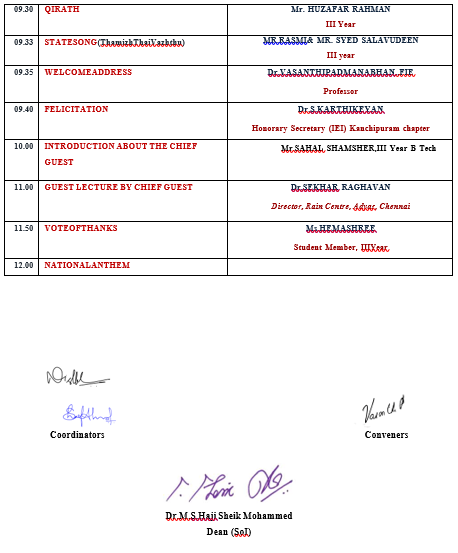
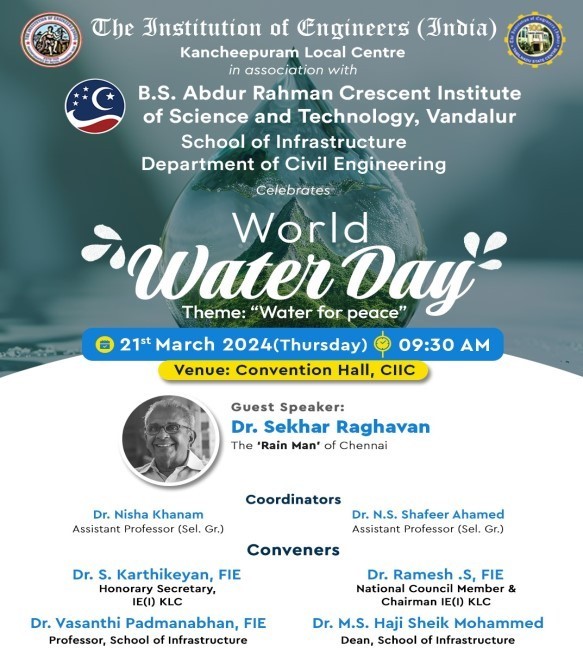
Figure VI (5.1) – 1: Invitation
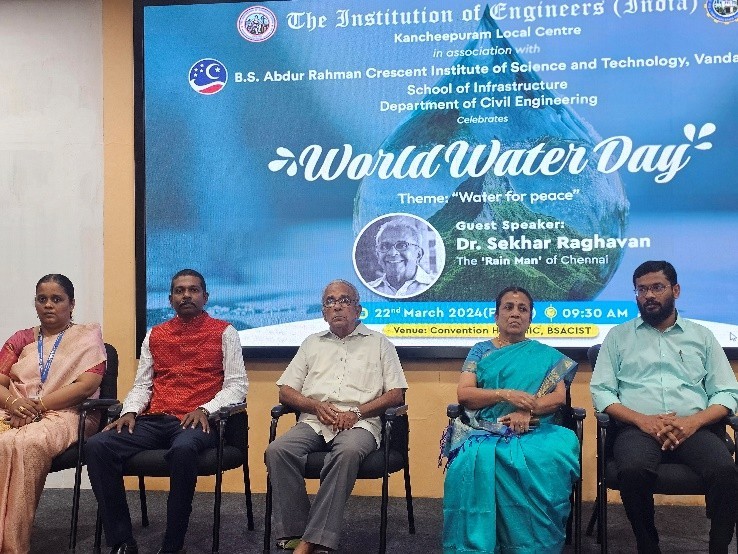
Figure VI (5.1) – 2: Dignitaries and Professors on the dias Chief Guest : Dr Sekhar Raghavan, Rainman of Chennai |
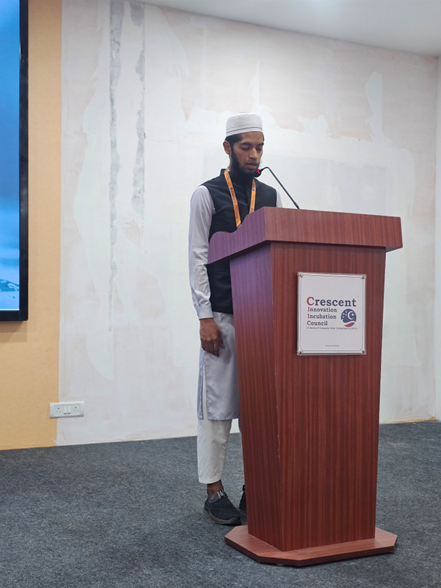
Figure VI (5.1) – 3: Qirath by Mr.Huzafur Rahman, III year B.Tech. Civil
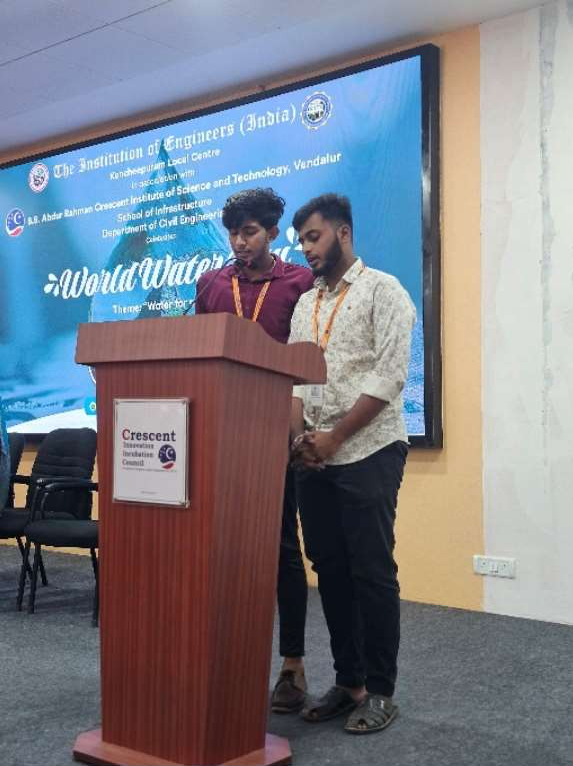
Figure VI (5.1) – 4: Thamizh Thai Vaazthu by Mr.Mohamed Rasmi and Mr.SyedSalavudeen, III year B.Tech. Civil
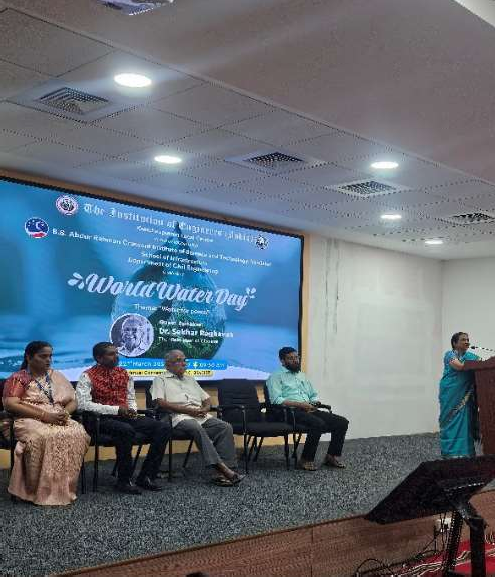
Figure VI (5.1) – 5: Welcome address by Dr.Vasanthi Padmanabhan, Professor & Student Advisor IE(I)
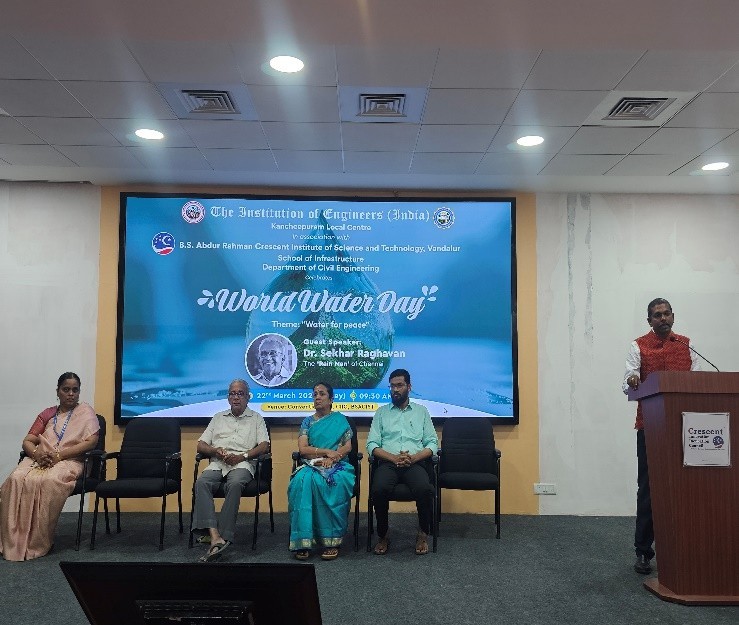
Figure VI (5.1) – 6: Felicitation by Dr.S.Karthikeyan, Honarary Secretary of IE(I), Kanchipuram Local Centre
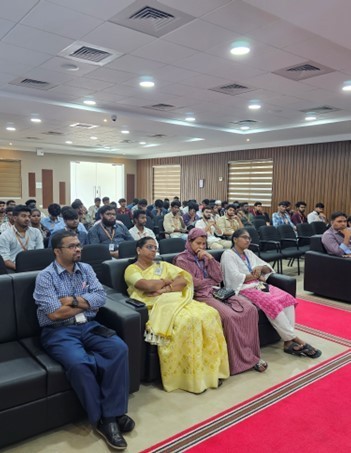
Figure VI (5.1) – 7: Faculty and students attended the lecture
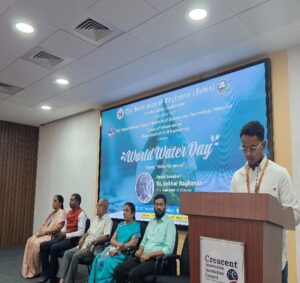
Figure VI (5.1) – 8: Chief Guest Introduction by Mr.Sahal Shamsher, III year B.Tech. Civil
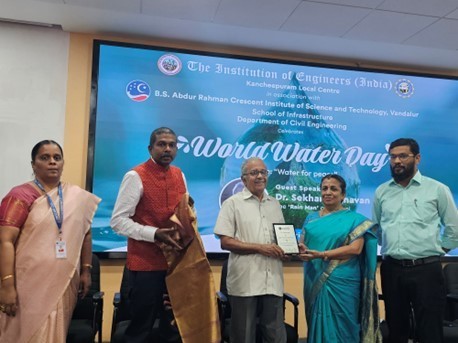
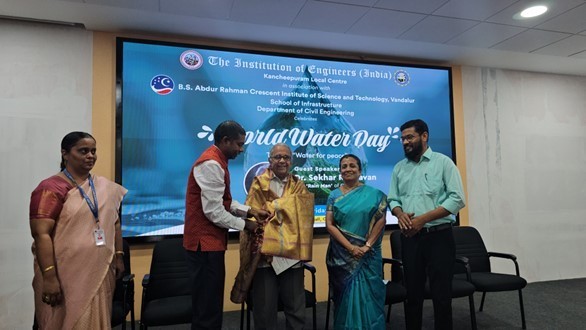
Figure VI (5.1) – 9: Dr.Vasanthi Padmanabhan (Professor) and Dr.S.Karthikeyan (Honorary Secretary) Honoured our esteemed Chief guest Dr.Sekhar Raghavan (Rain Man), Director, Rain Centre, Adyar, Chennai.
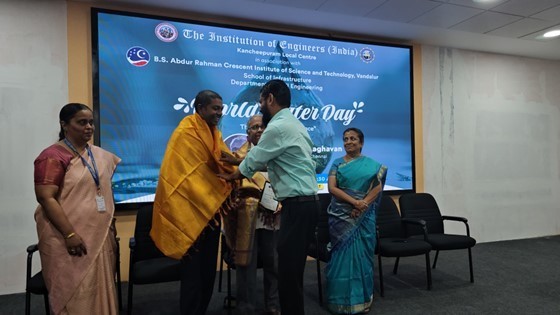
Figure VI (5.1) – 10: Dr.Vasanthi Padmanabhan (Professor) and Dr.N.S.Shafeer Ahamed (Asst.Prof – Sl.G) honoured the Honorary Secretary Dr.S.Karthikeyan, Honarary Secretary IE(I), Kanchipuram Local Centre
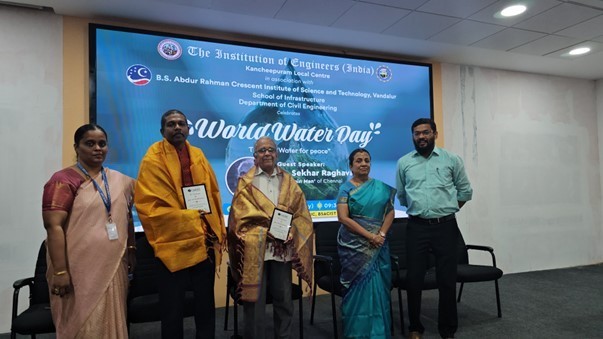
Figure VI (5.1) – 11: Honouring of the dignitaries
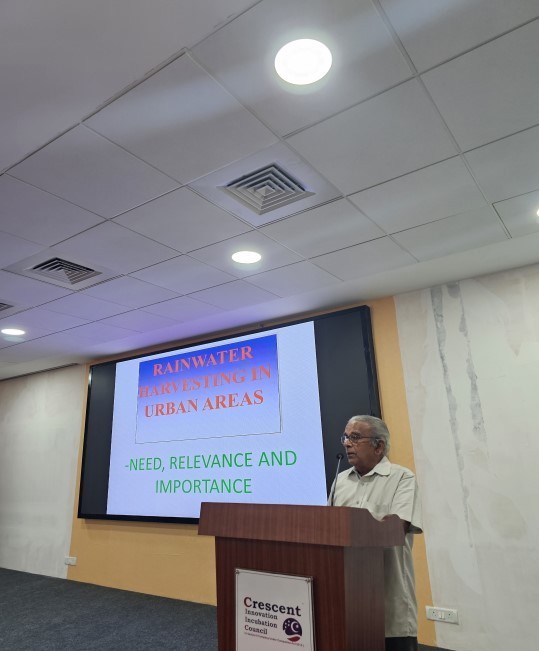
Figure VI (5.1) – 12: Lecture by Dr.Sekhar Raghavan on the Need, Relevance and Importance of Rainwater Harvesting.
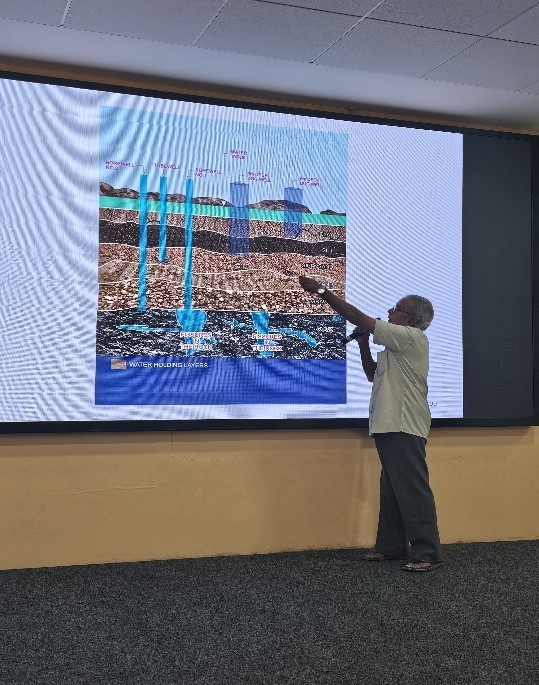
Figure VI (5.1) – 13: The speaker explained about the infiltration of the rainwater into the ground surface as it is more essential.
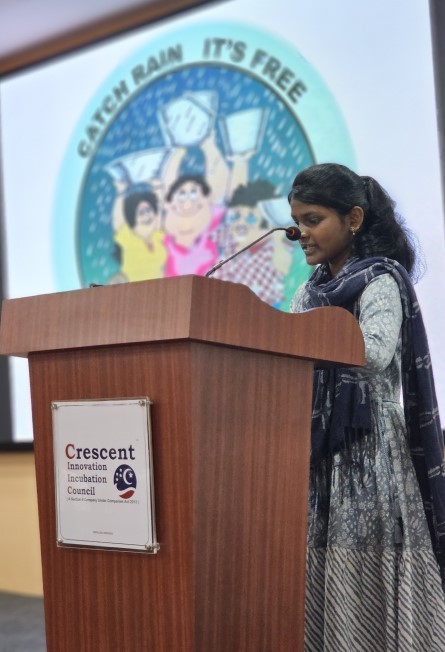
Figure VI (5.1) – 14: Vote of thanks by Ms.Hemashree, III year B.Tech. Civil

B. CAMPUS GUIDELINES AND OPERATIONAL PROTOCOLS
Enhance water-use efficiency comprehensively across various sectors and guarantee the sustainable extraction and provision of freshwater. B.S. Abdur Rahman Crescent Institute of Science and Technology has released guidelines and operational protocols aimed at minimizing water usage.
WATER AND WASTE MANAGEMENT
SAVE WATER
There is no life without water. Water is not only important for human beings but for the entire ecosystem. Hence prioritizing water management helps us to eliminate water waste and keep our water infrastructure operating in peak condition. Therefore, we kindly request our staff and students to close the water taps immediate after usage.
WASTE MANAGEMENT
Maintaining a clean environment is indeed a great place to live. If we keep our premises neat & clean in-turn our mind will be fresh and campus ambiance will be good, therefore we request our staff and students of our campus to drop the waste item in appropriate dustbins placed in the campus.
SIGNAGE BOARD(S)
Water is becoming a costly commodity and 80 % of the water requirements of this campus are met by the out sourced contract. As a result, we are promoting the conscious usage of water by all the stakeholders of the campus viz., students, scholars, faculty members, supporting staff and their families. In addition, awareness programmes such as World Water Day Celebration, Seminar on Water Usage etc., are being regularly organized.
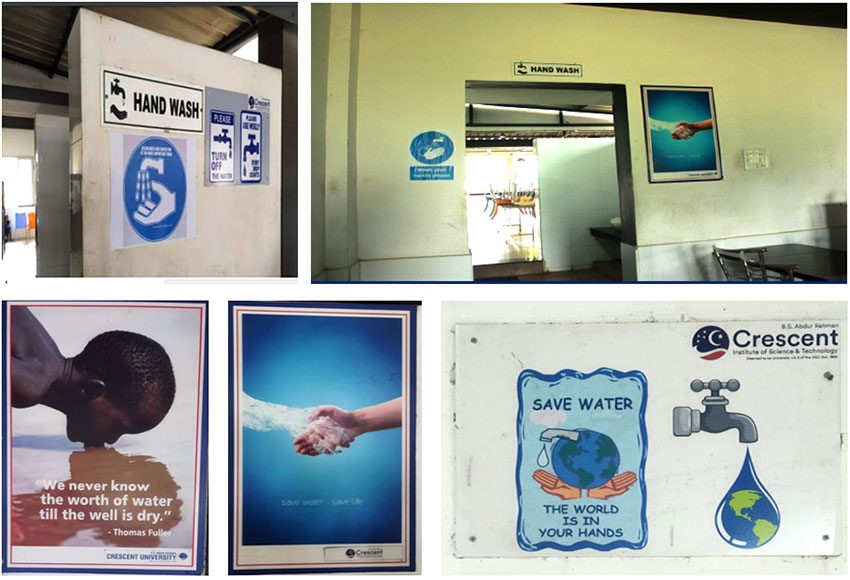
Figure VI (5.6) – 15 : Water conscious usage – Signage Boards at Crescent Canteen
Water Management and Reuse Policy
Issue: 04; Revised on 2023
| Policy Created on | July 2009 |
| 1st Revision amended on | IQAC Meeting held on 27th October 2017 |
| 2nd Revision amended on | IQAC Meeting held on 31st March 2021 |
| 3rd Revision amended on | IQAC Meeting held on 16th June 2023 |
Responsible Executive : Director (IQAC)
Responsible Office : Internal Quality Assurance Cell,
Student Affairs, Estate Office, Academic Office, Library and SDG Cell
Contacts : Registrar and Director (IQAC)
6.1 STATEMENT OF POLICY
The B.S. Abdur Rahman Crescent Institute of Science and Technology is committed to achieving the following objectives in alignment with Sustainable Development Goal 6 (SDG 6) – Clean Water and Sanitation:
a) Ensure universal and equitable access to safe and affordable drinking water for all stakeholders.
b) Provide adequate and equitable sanitation and hygiene for all, with special attention to the needs of women, girls, and vulnerable groups.
c) Improve water quality by reducing pollution, eliminating dumping, and minimizing the release of hazardous chemicals and materials.
d) Halve the proportion of untreated wastewater and substantially increase recycling and safe reuse globally.
e) Substantially increase water-use efficiency across all sectors and ensure sustainable withdrawals and freshwater supply to address water scarcity.
f) Implement integrated water resources management at all levels, including transboundary cooperation as appropriate.
g) Protect and restore water-related ecosystems, including mountains, forests, wetlands, rivers, aquifers, and lakes.
h) Expand international cooperation and capacity-building support to developing countries in water- and sanitation-related activities and programs.
i) Support and strengthen the participation of local communities in improving water and sanitation management.
6.2 REASON FOR THIS POLICY
The policy aims to provide all stakeholders with adequate water supply, sanitation, and hygiene. It emphasises maximising the collection and treatment of sewage generated and the reuse of treated wastewater sustainably, thereby reducing dependency on freshwater resources. The policy promotes treating wastewater as an economic resource.
6.3 RESPONSIBILITIES
6.3.1 Policy Principles
a) The campus shall provide adequate water supply and maximize water reuse by adhering to the following principles:
- Equitable access to safe and affordable drinking water for all stakeholders.
- Access to adequate sanitation and hygiene, ending open defecation, with special attention to vulnerable groups.
- Calculation of water usage per person (students, staff, and faculty) annually.
- Improving water quality by reducing pollution and increasing recycling and safe reuse.
- Utilization of recycled/treated wastewater for beneficial purposes, such as irrigation and toilet flushing.
- Implementation of integrated water resources management at all levels.
- Protection and restoration of water-related ecosystems on campus.
- Expansion of rainwater harvesting initiatives.
- Collaboration with government, NGOs, and industries in water-related activities.
- Support for student and staff participation in water management.
6.4.1 Water Reuse Policy Objectives
- Establish a comprehensive policy to maximize water reuse across the university.
- Ensure that all new buildings adhere to water-conscious building standards that facilitate water reuse.
- Implement systems for tracking and measuring water consumption and reuse.
6.4.2 Water Reuse
- Water Reuse Policy: maximise water reuse across the university.
- Water Reuse Measurement: Measure water reuse across the university.
6.5 DISSEMINATION OF POLICY
a) Display signage promoting water use efficiency across the campus.
b) Conduct awareness programs at regular intervals to increase water-use efficiency.
c) Post the policy on the Institute’s website and update it as necessary.
6.6 ENFORCEMENT OF POLICY
a) The Director (Planning & Development) and Deputy Director monitor compliance and address breaches.
b) Awareness of the policy among students, staff, and visitors is essential.
c) Breaches may lead to disciplinary action as per the Institute’s code of conduct.