

B.S. Abdur Rahman Crescent Institute of Science and Technology (BSACIST) is committed to ensuring safe, affordable, and reliable access to clean water while safeguarding water quality and ecosystems. We advance wastewater treatment and pollution prevention, and promote water-conscious practices. We strengthen water reuse and measurement, and track consumption to drive efficiency. Our ongoing initiatives aim to reduce water stress, protect aquatic ecosystems, and expand safe water access, with progress demonstrated through defined metrics and regular monitoring.
A. COMPREHENSIVE WATER EXTRACTION STRATEGY
The B.S. Abdur Rahman Crescent Institute of Science and Technology has implemented a comprehensive and sustainable water extraction strategy on its campus, focusing on various sources and innovative technologies to optimize water use. The institution utilizes multiple water sources, including reverse osmosis (RO) water for drinking, bore water extracted from depths of up to 300 feet, and open wells strategically located near hostels and canteens. Additionally, the campus receives lorry water deliveries, which supplement its water supply. A sophisticated rainwater harvesting system (RWHS) is also in place, capturing runoff from building rooftops to enhance groundwater recharge and ensure a sustainable water supply.
ADVANCED WATER MANAGEMENT TECHNOLOGIES
The institute’s water management infrastructure incorporates advanced technologies that facilitate efficient water extraction and usage. The rainwater harvesting system is complemented by state-of-the-art sewage treatment plants that recycle water for non-potable applications, such as gardening and toilet flushing. Smart water management technologies, including IoT-based monitoring systems and digital flow meters, allow for real-time tracking of water consumption, enabling the campus to optimize its water usage effectively. This multi-dimensional approach transforms water management from a utility concern into a strategic environmental initiative, addressing critical challenges like water scarcity and resource optimization.
COMMITMENT TO REGULATORY COMPLIANCE
Regulatory compliance is a cornerstone of the institute’s sustainable water extraction practices. The campus adheres to national and international water conservation guidelines, aligning its water management strategies with the Ministry of Jal Shakthi’s regulations and comprehensive water conservation protocols. By implementing systematic water distribution management and advanced purification processes, the institute ensures optimal resource utilization while maintaining high-quality water consumption and recycling standards. This commitment to regulatory compliance enhances the sustainability of water extraction practices and reinforces the institution’s dedication to environmental stewardship.
ENGAGING STAKEHOLDERS FOR WATER CONSERVATION
Stakeholder engagement is vital to the institute’s sustainable water management strategy. The institution has developed extensive awareness programs to educate students, faculty, and staff about the importance of water conservation. Interactive initiatives, such as painting competitions and slogan-making events, foster a culture of environmental consciousness and encourage proactive participation in sustainable practices. The institute cultivates a community that values and actively engages in water conservation efforts by transforming individual awareness into collective responsibility.
CONTINUOUS IMPROVEMENT – EDGE CERTIFICATION
Looking ahead, the institute’s vision for sustainable water extraction includes continuous improvement and progressive goal-setting. Key recommendations focus on maximising the utilisation of treated water, reducing groundwater extraction, and implementing centralized real-time water monitoring systems. The long-term goal is to create a replicable model of sustainable infrastructure that can be adopted by other educational institutions and organizations, further minimising their environmental footprint. The achievement of EDGE certification for various buildings on campus underscores the institute’s commitment to sustainability and resource efficiency, setting a benchmark for future construction projects.
SUSTAINABLE WATER EXTRACTION ON CAMPUS
In summary, the B.S. Abdur Rahman Crescent Institute of Science and Technology exemplifies a proactive approach to sustainable water extraction on campus. By utilizing diverse water sources, integrating advanced technologies, ensuring regulatory compliance, engaging stakeholders, and focusing on continuous improvement, the institution addresses its immediate water needs and contributes to broader environmental sustainability goals. This comprehensive strategy serves as a model for other institutions seeking to implement sustainable water management practices and reduce their ecological impact.
B. EDGE GREEN BUILDING CERTIFICATION

Figure VI (5.4) – 1: Photographs showing the BSA Staff Quarters
The B.S. Abdur Rahman Crescent Institute has received final EDGE certification from GBCI India.
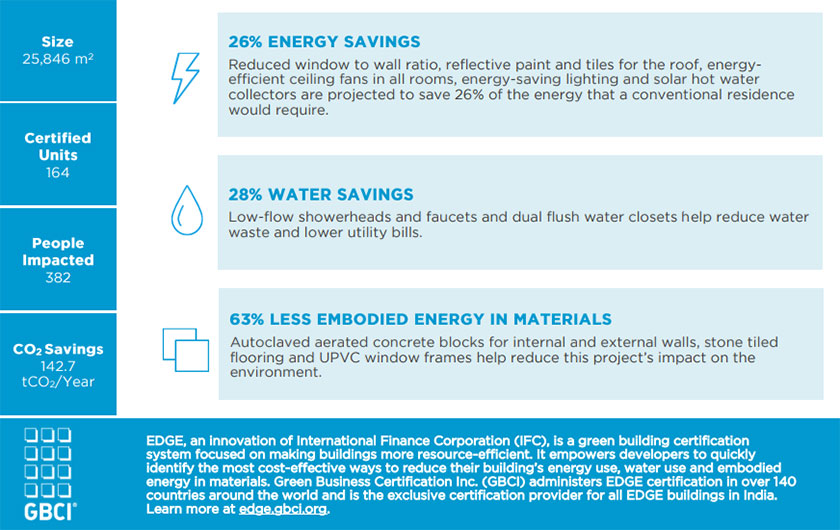
Figure VI (5.4) – 2: Screenshot showing the gist of Statistics of Audit conducted by EDGE



Figure VI (5.4) – 3: GBCI-EDGE GREEN BUILDING Certification for Ladies Hostel
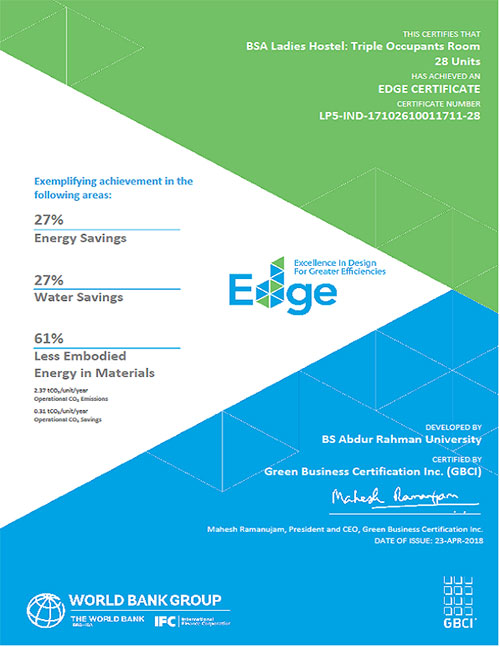
Figure VI (5.4) – 4: GBCI-EDGE GREEN BUILDING Certification for Ladies Hostel
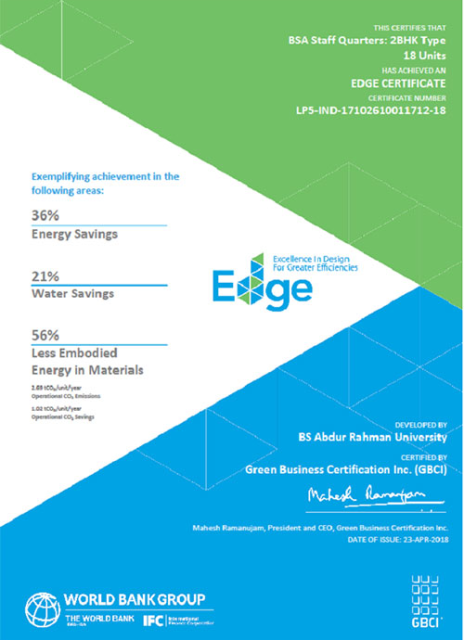
Figure VI (5.4) – 5: GBCI- EDGE Certificate for Staff Quarters
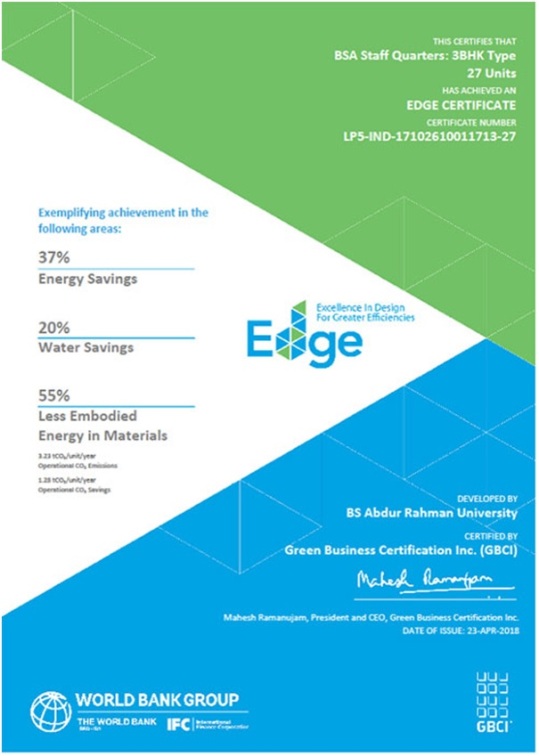
Figure VI (5.4) – 6: GBCI- EDGE Certificate for Staff Quarters
Table VI (5.5) – 1: Indian Standards Adopted / Implemented for water conscious building
| S. No. | Name of the Building | Indian Standards |
| 1 | Extension of Mechanical Block | Loading Standards as per BIS-875, Seismic Force as per BIS-1893 and BIS – 456 https://www.bis.gov.in/ https://standardsbis.bsbedge.com/ https://www.bis.gov.in/standards/technical-department/national-building-code/ |
| 2 | Aeronautical Block | |
| 3 | Staff Quarters | |
| 4 | Ladies Hostel |
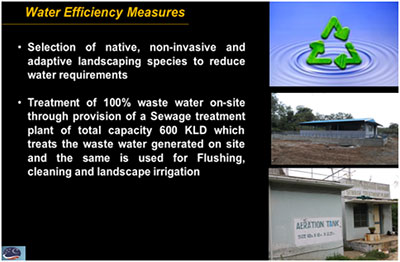
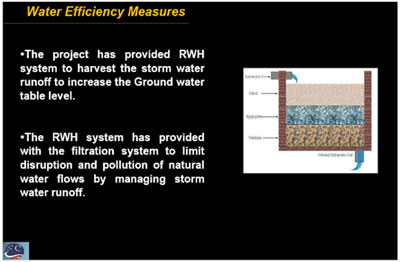
Figure VI (5.4) – 7: Water Efficiency Measures
C. INITIATIVES OF THE INSTITUTION
B.S.Abdur Rahman Crescent Institute of Science and Technology takes initiatives to maintain sustainability in several aspects such as water reuse, water conservation, rainwater harvesting, implementing sustainable technologies for water and wastewater treatment etc. One of the major source of water supply for the Institute is from well. Sufficient care is taken that the water is drawn from the well at a constant phase and it is not over exploited. It is also ensured that the motors and other pipe appurtenances are in proper function so that the loss of water during extraction is prevented.
As a sustainable approach, the rainwater harvesting pipelines collecting rain water from the Mens Hostel is being redirected to the one of the wells in the Campus. The rainwater collection pipe discharging rainwater into the well is shown in the figure below. This would serve as a sustainable method to recharge the ground water and it would also reduce the burden of the well for the water supply. Hence the rain water can also be harvested and effectively utilized. The solar panels are also fixed on the surface of the wells inorder to capture the energy form the sunlight. It is further utilized for supplying power to the motors used for extracting water from the well. The Solar powered pumping system is also an approach aiming towards sustainability.
WATER HARVESTING
- B S Abdur Rahman Crescent Institute of Science and Technology is one of the pioneers in implementing solutions to save water.
- The institute has implemented rain water harvesting system in the campus with a strong desire to utilize the rain water at maximum extent.
- The Institute has taken tremendous efforts to reduce the water consumption and also to treat the wastewater generated within the campus so that it can be effectively reused for gardening and toilet flushing.
- In the forefront to save water, our institute of science and technology has initiated and executed the rainwater harvesting in the campus.
- Rainwater harvesting facility is done in all blocks to collect rainwater from the roof of all buildings.
- The harvested water is diverted to open wells in institute campus, Men’s Hostel and ladies hostel.
- The placement of rainwater facility within the campus is decided upon by considering the profile of the land so as to drain the maximum amount of water collected with ease.
- In the buildings, sufficient plumbing connections are provided to trap the rain water from the roof tops.
- Underground connections are ensured to connect the collected water from the roof top to the rainwater recharge pit.
- It was also ensured that the rainwater harvesting structures are constructed as per the norms. The recharge pit provided to collect the rain water is series of filter bed.
- This initiative took shape when the institute faced shortage of water during summer. Cost of buying water was becoming a financial burden. The only alternative to the water crisis was to use the available water more effectively.
- The features of the recharge pit are described below.
- A mesh is provided at the inlets of rain water pipes so that solid waste/debris is prevented B.S.Abdur Rahman Crescent Institute of Science and Technology has taken initiatives to install rain water harvesting pits in the campus from entering the pit system.
- The recharge pits are of size 2m x 2m x 2m is excavated
- The recharge pit comprises different set of filter media. The filter media comprises of thick layers of boulders at the bottom followed by layers of gravels and coarse sand.
- This enables the filtration of water and also prevents the deposition of silt on the recharge pit.
- Access Manhole frames and covers are provided.
- The rain water is also stored in Underground sumps of Life Science block, Mechanical Science Block and New Staff Quarters.
RAIN WATER HARVESTING STRUCTURES AND UTILIZATION IN THE CAMPUS
B.S. Abdur Rahman Crescent Institute of Science and Technology has taken initiatives to install rain water harvesting pits in the campus.
D. RAIN WATER HARVESTING
Rainwater harvesting facility is done in all blocks to collect rain water from the terrace. The harvested water is diverted to open wells in institute campus, Men’s Hostel and ladies hostel. The rain water is also stored in Underground sumps of Life Science block, Mechanical Science Block and New Staff Quarters. The rain water is stored after passing through the pre-filter as shown in Figure below.
Table VI (5.4) – 2: Block-wise Rainwater Harvesting
S. No | CAMPUS/BLOCKS | Number of Rain Water Harvesting | Quantity of Water Collected(L) |
1 | College/Life Sciences Block | 1 | 10000 (Approx) |
2 | New Architecture Block | 1 | 10000 (Approx) |
3 | Computer Science block | 1 | 10000 (Approx) |
4 | Pharmacy Block | 1 | 10000 (Approx) |
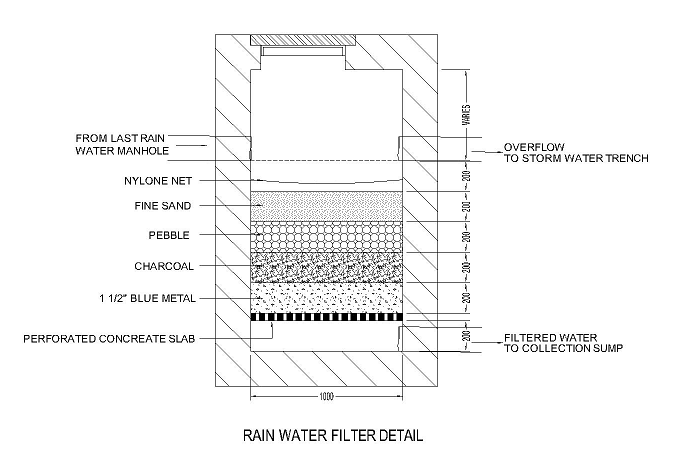
Figure VI (5.4) – 8: Rain Water Harvesting Filter Pit
The special features of the filtration unit connected with the rain water harvesting system is given as follow
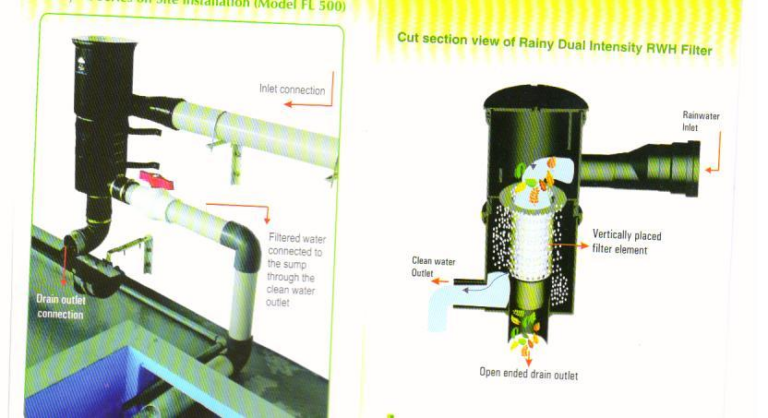
Figure VI (5.4) – 9: Rain water filtered using Dual Intensity filters and stored in underground sumps
Special Features:
- Dual Intensity Filter works on the principle of cohesive & centrifugal force.
- Works on Gravitational force (No external energy required)
- Compact in size and wall mounted
- Automatic flush out of dirt particles
- Flexibility in pipe connection to any angle and degree
- Provision of bypass valve
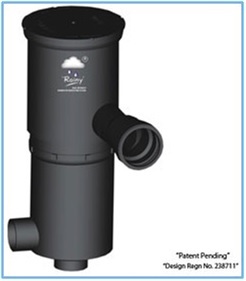
In our Institute Rainy filter –FL 500 is used as part of the rainwater harvesting system. Thetechnical specifications of Model FL 500 is given below.
Rainy Filter –FL 500:
Table VI (5.4) – 3: Technical Specifications & Parameters of Model FL 500
Suitable up to area: | 500 SQMTRS |
Max: Intensity of Rainfall: | 75 mm/hr |
Working Principle : | Cohesive Force & Centrifugal force |
Operating Pressure: | Less than 2 feet of head (0.060kg/cm2) |
Capacity: | 480 LPM |
Filter Element: | SS-304 Screen |
Mesh Size: | 250 Microns |
Inlet: | 110 MM |
Clean Water Outlet: | 90 MM |
Drain Outlet: | 110 MM |
Housing: | High Density Polyethylene |
Efficiency of Filter: | Above 90% |
Source of Power: | Gravity |
The characteristic features of FL Series Dual Intensity RWH Filter are its capacity to take up the load up to 10 to 500 square meters of Roof area with variable intensity of rainfall of 5 to 75 mm/ hour with a discharge capacity of 10 To 480 Liters per minute.
RAIN WATER HARVESTING STRUCTURES IN CAMPUS
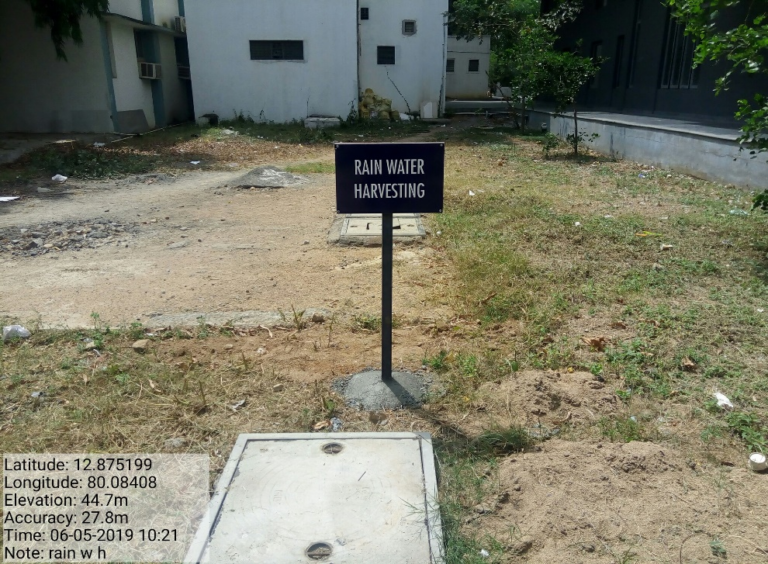
Figure VI (5.4) – 10: Rainwater harvesting pit
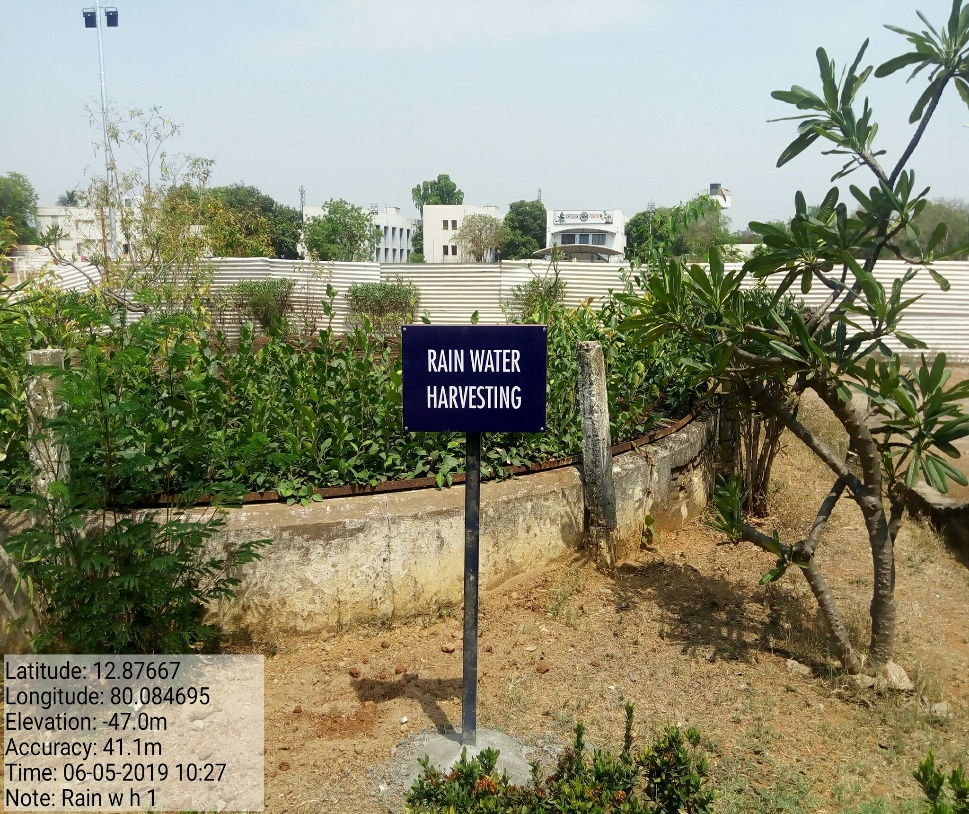
Figure VI (5.4) – 11: Rainwater collection well
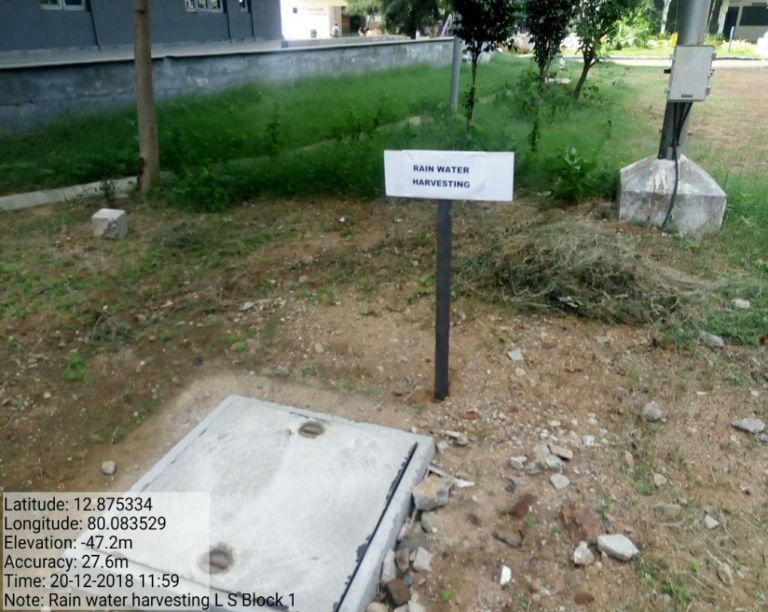
Figure VI (5.4) – 12: Rainwater harvesting pit at life science block
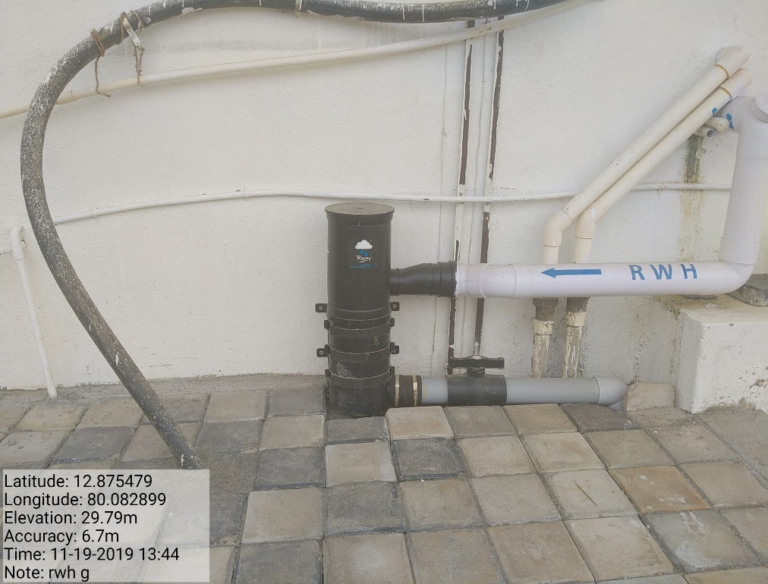
Figure VI (5.4) – 13: Filter unit in rainwater harvesting system (architectural block)
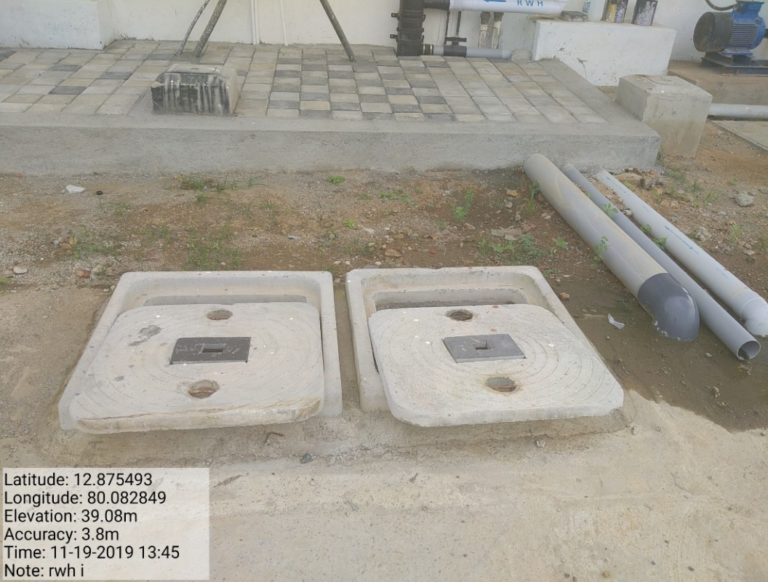
Figure VI (5.4) – 14: Rainwater collection sump (architectural block)
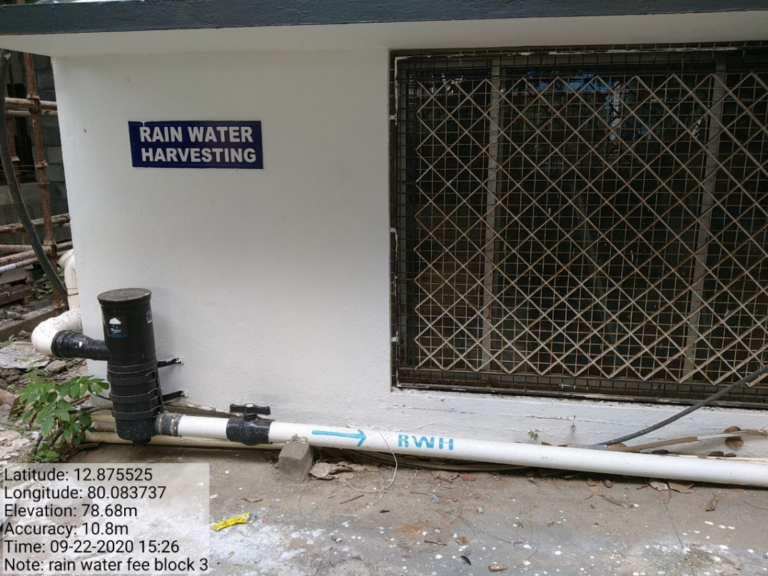
Figure VI (5.4) – 15: Filter unit in rainwater harvesting system (computer science block)
Rainwater harvesting facility is done in all blocks to collect rain water from the terrace. The details are listed below.
Table VI (5.4) – 4: Rain Water Harvesting Details
S. No | Inlet Pit Detail | Area (sq. m) | Rain water filter capacity (Litres) | Location |
1 | Inlet pit-1 | 156 | 200 | Mechanical Science Block |
Inlet pit-2 | 122 | 200 | ||
Inlet pit-3 | 296 | 300 | ||
Inlet pit-4 | 175 | 200 | ||
Inlet pit-5 | 243 | 300 | ||
2 | Inlet pit-1 | 191 | 200 | Ladies Hostel-New Block |
Inlet pit-2 | 188 | 200 | ||
Inlet pit-3 | 132 | 200 | ||
3 | Inlet pit-1 | 68 | 100 | New Staff quarters |
Inlet pit-2 | 65 | 100 | ||
Inlet pit-3 | 81 | 100 | ||
Inlet pit-4 | 66 | 100 | ||
Inlet pit-5 | 81 | 100 | ||
Inlet pit-6 | 66 | 100 | ||
4 | Inlet pit-1 | 61 | 100 | Men’s Hostel-A&B BLOCK |
Inlet pit-2 | 71 | 100 | ||
Inlet pit-3 | 43 | 100 | ||
Inlet pit-4 | 132 | 200 | ||
Inlet pit-5 | 132 | 200 | ||
Inlet pit-6 | 43 | 100 | ||
Inlet pit-7 | 71 | 100 | ||
Inlet pit-8 | 61 | 100 | ||
5 | Inlet pit-1 | 297 | 300 | Men’s Hostel -C& D BLOCK |
Inlet pit-2 | 297 | 300 | ||
6 | Inlet pit-1 | 71 | 100 | Men’s Hostel -PG BLOCK |
Inlet pit-2 | 71 | 100 | ||
Inlet pit-3 | 71 | 100 | ||
Inlet pit-4 | 71 | 100 | ||
Inlet pit-5 | 71 | 100 | ||
Inlet pit-6 | 71 | 100 | ||
Inlet pit-7 | 71 | 100 | ||
Inlet pit-8 | 71 | 100 | ||
7 | Inlet pit-1 | 275 | 300 | Pharmacy Block |
8 | Inlet pit-1 | 340 | 300 | Library Block |
RAIN WATER HARVESTING WELL DETAIL UNDER PROCESS
The project outlines a rain water harvesting initiative involving 82 proposed wells with a total project cost of 1.61 Crores (excluding GST). The work is divided into two stages: Stage 1 covers 35 wells, of which 14 have been completed as of 23.11.2024, with the remaining 21 expected to be finished by 31.12.2025. Stage 2 comprises 47 wells, slated to commence on 30.11.2024 and be completed by May 2025. The wells vary in capacity, contributing to a cumulative ground recharge rain water total of 9,01,000 liters. The distribution includes 9 wells of 4’x15’ capacity (46,800 liters), 26 wells of 5’x15’ capacity (2,13,200 liters), 47 wells of 3’x10’ capacity (1,41,000 liters), and a single large well of 30’x25’ capacity (5,00,000 liters).
Sustainable Water Extraction on Campus: In aggregate, these installations are designed to maximize aquifer recharge by capturing and storing rainfall across multiple well configurations, aligning with a total ground recharge target of 9,01,000 liters.
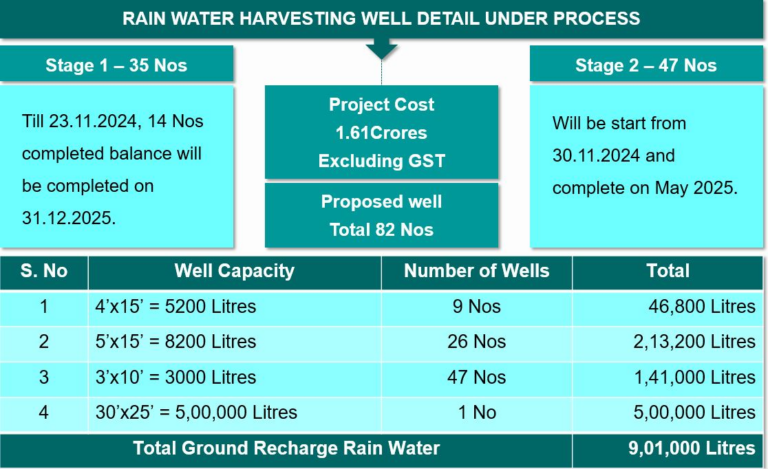
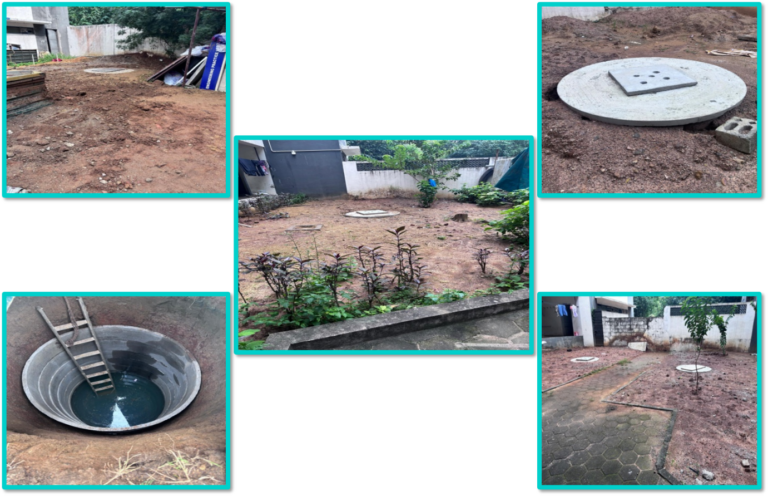
Figure VI (5.4) – 16: Rain water harvesting well – under process
E. VETIVER PLANTING TO REDUCE WATER POLLUTION: LOCAL COMMUNITY ENGAGEMENT AND ENVIRONMENTAL BENEFIT (03RD AUGUST, 2023)
Community-driven action by National Service Scheme (NSS) volunteers from B.S. Abdur Rahman Crescent Institute of Science & Technology, in collaboration with local authorities, targeted sewage-induced water pollution in the 27-foot-deep Urapakkam Kolatchiammal temple pond. The intervention focused on planting Vetiver grass along pond banks and upstream catchment areas to stabilize soil, reduce erosion, filter runoff, and enhance infiltration, thereby limiting pollutant transport to the pond. NSS volunteers from B.S. Abdur Rahman Crescent Institute of Science & Technology, alongside participants from SRM University, SRM Valliammai Engineering College, and Aadhi Engineering College, worked with local authorities to implement the plan. Vetiver’s deep, dense, fibrous root system is central to the approach, as it improves soil stability and infiltration, reduces surface runoff, and exhibits pollutant-retention properties. Expected outcomes include reduced sediment and nutrient loads entering the pond, improved groundwater recharge, and long-term soil rehabilitation around the watershed.
COMMUNITY AND GOVERNANCE FOCUS
The Urapakkam Kolatchiammal Temple pond faces long-standing sewage discharge from nearby residences, with unauthorized connections channeling wastewater into stormwater drains that should carry only rainwater. This situation contaminates the pond, accelerates sedimentation, risks eutrophication, and degrades water quality, potentially affecting local biodiversity and the pond’s cultural and community uses. The pollution also poses health risks to nearby residents and undermines the pond’s aesthetic and communal value. Addressing these issues requires a dual approach: managing soil erosion and runoff at the watershed level while simultaneously tackling sewage leakage through governance and infrastructure improvements.
EMPHASIS ON EDUCATION AND STEWARDSHIP
The primary objective is to reduce pollutant loads entering the pond by enhancing soil stability and filtering runoff at the source and along runoff pathways. A secondary aim is to improve soil health and infiltration around the pond to promote groundwater recharge and resilience against erosion. The intervention also seeks to foster collaborative learning and stewardship by involving NSS volunteers from multiple institutes and linking community action with local authorities, thereby building a model for cross-institutional watershed management and pollution prevention.
INTERVENTION DETAILS
Vetiver grass (Chrysopogon zizanioides) was introduced along the pond’s banks and in key erosion-prone zones within the upstream catchment. NSS volunteers from B.S. Abdur Rahman Crescent Institute of Science & Technology and partner institutions, under guidance from local authorities, participated in planting Vetiver. Vetiver was chosen for its deep, dense, and fibrous root system that stabilizes banks, reduces runoff velocity, and improves soil porosity and infiltration in compacted soils. Additionally, Vetiver can act as a biofilter, supporting microbial communities in the rhizosphere that aid in pollutant degradation and sequestration, including uptake of certain nutrients and heavy metals. Planting sites focused on the pond’s banks, upstream catchment areas, and zones most susceptible to runoff entry points.
MECHANISMS BY WHICH VETIVER REDUCES WATER POLLUTION
Vetiver reduces water pollution through several interrelated mechanisms. Its extensive root network anchors soil, significantly reducing bank instability and sediment entrainment during rainfall. Dense vegetative cover slows runoff, promotes infiltration, and lowers both the volume and velocity of runoff that would otherwise transport sediments and attached pollutants to the pond. As a biofilter, Vetiver’s root zone traps particulates and supports uptake of nutrients such as nitrogen and phosphorus, thereby reducing nutrient leakage to the water body. Improved soil structure from root penetration enhances infiltration rates, further diminishing surface runoff. Infiltration improvements also aid groundwater recharge, contributing to watershed resilience. Vetiver’s low-maintenance, drought-tolerant characteristics make it a robust, scalable solution for interfaces between rural and urban environments, supporting long-term sustainability.
EXPECTED ENVIRONMENTAL AND COMMUNITY BENEFITS
The initiative is anticipated to yield several benefits: improved pond water quality through reduced turbidity and nutrient loads; decreased sedimentation, which enhances the pond’s storage capacity and ecological health; strengthened ecosystem resilience with better habitat conditions around the pond; and empowered communities through NSS-led engagement that raises awareness about pollution sources and promotes responsible waste disposal. The approach also holds promise for informing local watershed management plans and anti-pollution strategies, particularly when integrated with proactive sewage management and enforcement of wastewater discharges.
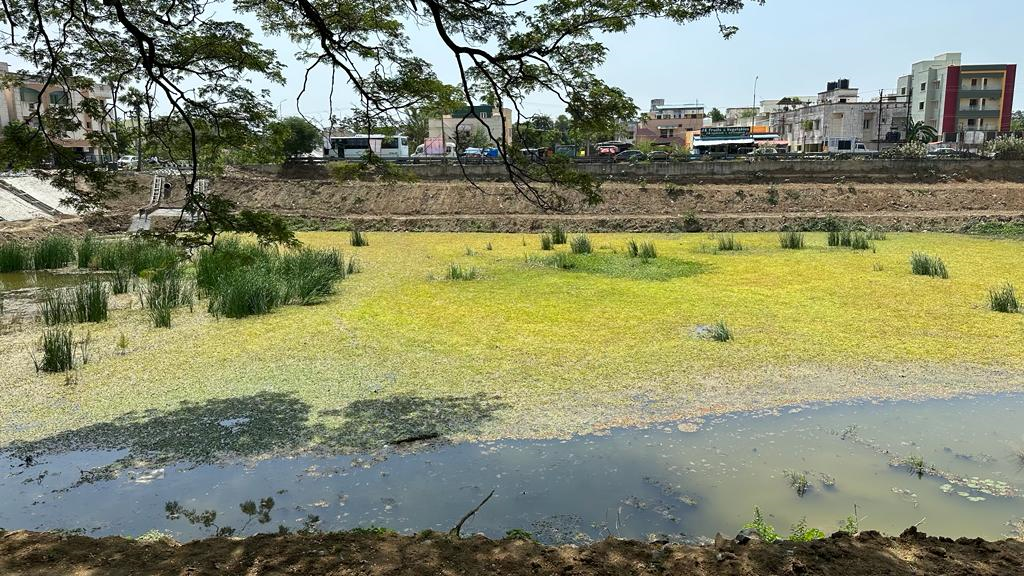
Figure VI (5.3) – 1: Contaminated Pond
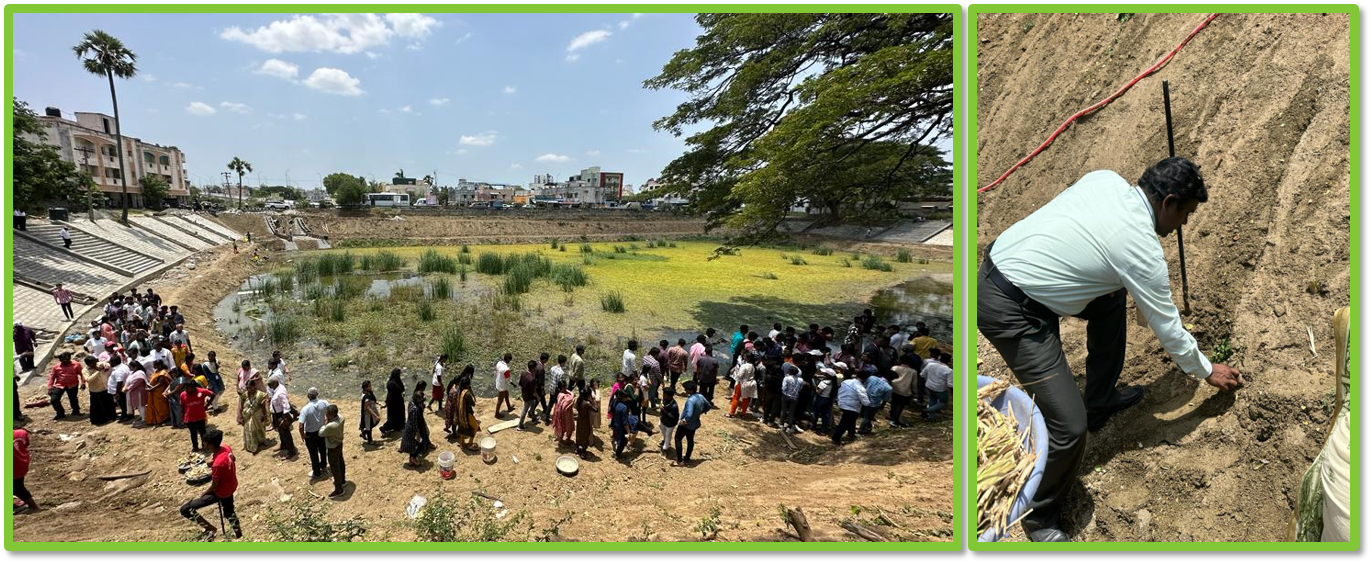
Figure VI (5.3) – 2: NSS Programme Offciers and NSS volunteers jointly worked together

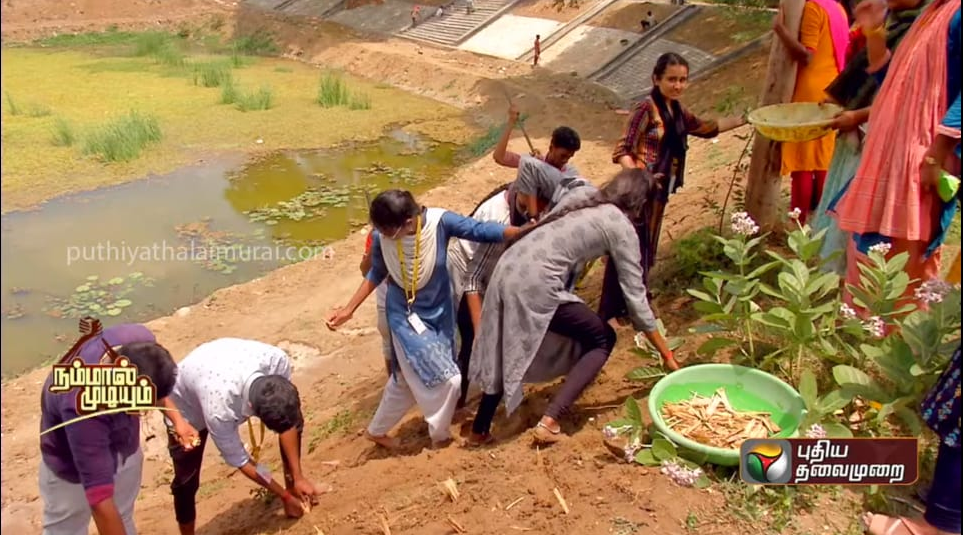
Figure VI (5.3) – 3: NSS Volunteers from Crescent University in Field Work
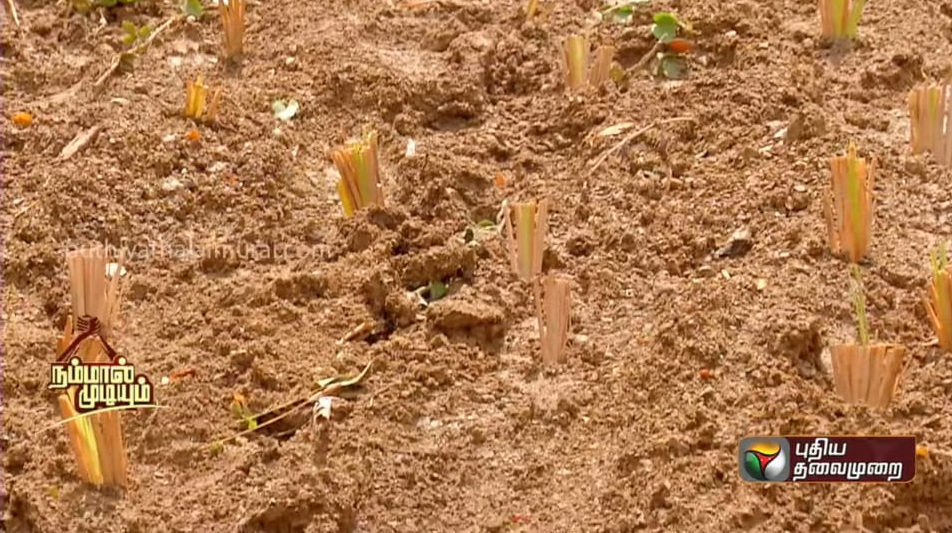

Figure VI (5.3) – 4: Pond after plantation of Vettiver
Water Management and Reuse Policy
Issue: 04; Revised on 2023
| Policy Created on | July 2009 |
| 1st Revision amended on | IQAC Meeting held on 27th October 2017 |
| 2nd Revision amended on | IQAC Meeting held on 31st March 2021 |
| 3rd Revision amended on | IQAC Meeting held on 16th June 2023 |
Responsible Executive : Director (IQAC)
Responsible Office : Internal Quality Assurance Cell,
Student Affairs, Estate Office, Academic Office, Library and SDG Cell
Contacts : Registrar and Director (IQAC)
6.1 STATEMENT OF POLICY
The B.S. Abdur Rahman Crescent Institute of Science and Technology is committed to achieving the following objectives in alignment with Sustainable Development Goal 6 (SDG 6) – Clean Water and Sanitation:
a) Ensure universal and equitable access to safe and affordable drinking water for all stakeholders.
b) Provide adequate and equitable sanitation and hygiene for all, with special attention to the needs of women, girls, and vulnerable groups.
c) Improve water quality by reducing pollution, eliminating dumping, and minimizing the release of hazardous chemicals and materials.
d) Halve the proportion of untreated wastewater and substantially increase recycling and safe reuse globally.
e) Substantially increase water-use efficiency across all sectors and ensure sustainable withdrawals and freshwater supply to address water scarcity.
f) Implement integrated water resources management at all levels, including transboundary cooperation as appropriate.
g) Protect and restore water-related ecosystems, including mountains, forests, wetlands, rivers, aquifers, and lakes.
h) Expand international cooperation and capacity-building support to developing countries in water- and sanitation-related activities and programs.
i) Support and strengthen the participation of local communities in improving water and sanitation management.
6.2 REASON FOR THIS POLICY
The policy aims to provide all stakeholders with adequate water supply, sanitation, and hygiene. It emphasises maximising the collection and treatment of sewage generated and the reuse of treated wastewater sustainably, thereby reducing dependency on freshwater resources. The policy promotes treating wastewater as an economic resource.
6.3 RESPONSIBILITIES
6.3.1 Policy Principles
a) The campus shall provide adequate water supply and maximize water reuse by adhering to the following principles:
- Equitable access to safe and affordable drinking water for all stakeholders.
- Access to adequate sanitation and hygiene, ending open defecation, with special attention to vulnerable groups.
- Calculation of water usage per person (students, staff, and faculty) annually.
- Improving water quality by reducing pollution and increasing recycling and safe reuse.
- Utilization of recycled/treated wastewater for beneficial purposes, such as irrigation and toilet flushing.
- Implementation of integrated water resources management at all levels.
- Protection and restoration of water-related ecosystems on campus.
- Expansion of rainwater harvesting initiatives.
- Collaboration with government, NGOs, and industries in water-related activities.
- Support for student and staff participation in water management.
6.4.1 Water Reuse Policy Objectives
- Establish a comprehensive policy to maximize water reuse across the university.
- Ensure that all new buildings adhere to water-conscious building standards that facilitate water reuse.
- Implement systems for tracking and measuring water consumption and reuse.
6.4.2 Water Reuse
- Water Reuse Policy: maximise water reuse across the university.
- Water Reuse Measurement: Measure water reuse across the university.
6.5 DISSEMINATION OF POLICY
a) Display signage promoting water use efficiency across the campus.
b) Conduct awareness programs at regular intervals to increase water-use efficiency.
c) Post the policy on the Institute’s website and update it as necessary.
6.6 ENFORCEMENT OF POLICY
a) The Director (Planning & Development) and Deputy Director monitor compliance and address breaches.
b) Awareness of the policy among students, staff, and visitors is essential.
c) Breaches may lead to disciplinary action as per the Institute’s code of conduct.