
B.S. Abdur Rahman Crescent Institute of Science and Technology (BSACIST) is committed to ensuring safe, affordable, and reliable access to clean water while safeguarding water quality and ecosystems. We advance wastewater treatment and pollution prevention, and promote water-conscious practices. We strengthen water reuse and measurement, and track consumption to drive efficiency. Our ongoing initiatives aim to reduce water stress, protect aquatic ecosystems, and expand safe water access, with progress demonstrated through defined metrics and regular monitoring.
A. WATER REUSE MEASUREMENT AT THE UNIVERSITY
The university has implemented a robust water reuse strategy, demonstrating a commitment to sustainability and efficient resource management. The total wastewater generated from the sewage treatment plant (STP) is approximately 14,694 cubic meters per year.
This water is recycled for various beneficial purposes, significantly reducing the demand for fresh water. The university’s approach aligns with the definition of water reuse, which involves recycling treated wastewater for applications such as irrigation, industrial processes, and toilet flushing.
B. BREAKDOWN OF RECYCLED WATER USAGE
The recycled water is allocated across different uses, with 85% designated for landscaping, 10% for toilet flushing, and 5% for housekeeping. This strategic allocation highlights the university’s focus on maximizing the utility of recycled water in areas that can significantly benefit from it. For instance, using treated wastewater for landscaping not only conserves fresh water but also supports the maintenance of green spaces on campus, enhancing the overall environment for students and staff.
C. MONTHLY WATER REUSE DATA
The monthly data from January 2024 to December 2024 illustrates the university’s ongoing efforts in water recycling. Each month, the quantity of recycled water varies, reflecting seasonal changes and water usage patterns. For example, in May 2024, the university recycled 1,351 cubic meters of water, showcasing a peak in water reuse efforts. The total treated water over the period indicates a consistent commitment to recycling, with a total of 13,005 cubic meters of recycled water recorded, demonstrating the effectiveness of the university’s water management practices.
D. COMMITMENT TO SUSTAINABLE PRACTICES
Overall, the university’s water reuse measurement and practices exemplify a proactive approach to sustainability. By effectively recycling wastewater and utilizing it for essential functions, the institution not only conserves valuable water resources but also sets a standard for other universities to follow.
This commitment to water reuse is crucial in addressing the challenges of water scarcity and promoting environmental stewardship within the academic community.
Total Sewage generated 14,694 m³ and Treated Sewage 13,005 m³ per year.
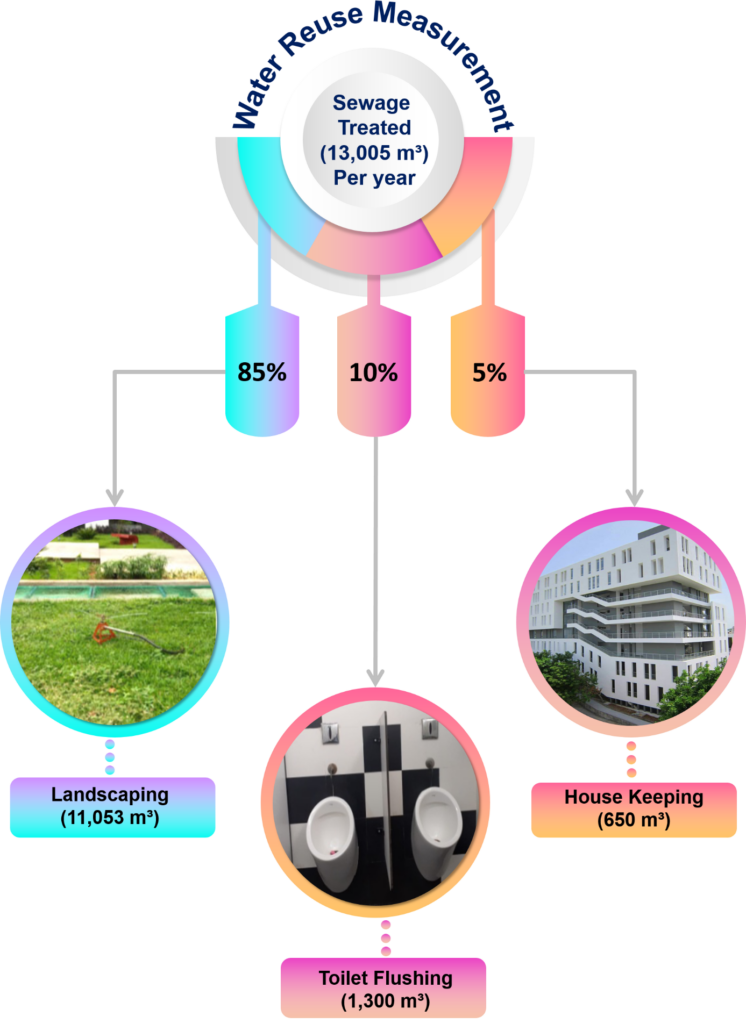
Figure VI (4.2) – 1: Water Reuse Measurement
Table VI (4.2) – 1: Water Reuse Measurement Data for the period 2023-24
Sl. No. | Month / Year | No. of Loads | Quantity of Lorry Water before treatment (m³) | Lorry Water after treatment (m³) | Well Water before treatment (m³) | Well Water after treatment (m³) | Total Treated Water | Sewage Generated (m³) | Sewage Treatment (m³) | |||
1 | Jan-24 | 1143 | 1143 m³ | 1039 | 266 | 242 | 1281 | 1012 | 901 | |||
2 | Feb-24 | 1574 | 1574 m³ | 1402 | 256 | 233 | 1635 | 1292 | 1150 | |||
3 | Mar-24 | 1771 | 1771 m³ | 1578 | 257 | 234 | 1812 | 1431 | 1274 | |||
4 | Apr-24 | 1325 | 1325 m³ | 1181 | 275 | 250 | 1431 | 1130 | 1006 | |||
5 | May-24 | 1873 | 1873 m³ | 1669 | 277 | 252 | 1921 | 1518 | 1351 | |||
6 | Jun-24 | 1225 | 1225 m³ | 1091 | 270 | 246 | 1338 | 1057 | 940 | |||
7 | Jul-24 | 1296 | 1296 m³ | 1155 | 273 | 243 | 1398 | 1090 | 959 | |||
8 | Aug-24 | 1626 | 1626 m³ | 1449 | 250 | 222 | 1671 | 1303 | 1147 | |||
9 | Sep-24 | 1775 | 1775 m³ | 1582 | 262 | 233 | 1815 | 1415 | 1245 | |||
10 | Oct-24 | 1413 | 1413 m³ | 1259 | 260 | 231 | 1490 | 1162 | 1023 | |||
11 | Nov-24 | 1467 | 1467 m³ | 1307 | 259 | 230 | 1537 | 1199 | 1055 | |||
12 | Dec-24 | 1307 | 1307 m³ | 1165 | 253 | 225 | 1390 | 1084 | 954 | |||
Total | 17,795 | 17,795 m³ | 15,876 | 3,157 | 2,842 | 18,718 | 14,694 | 13,005 | ||||
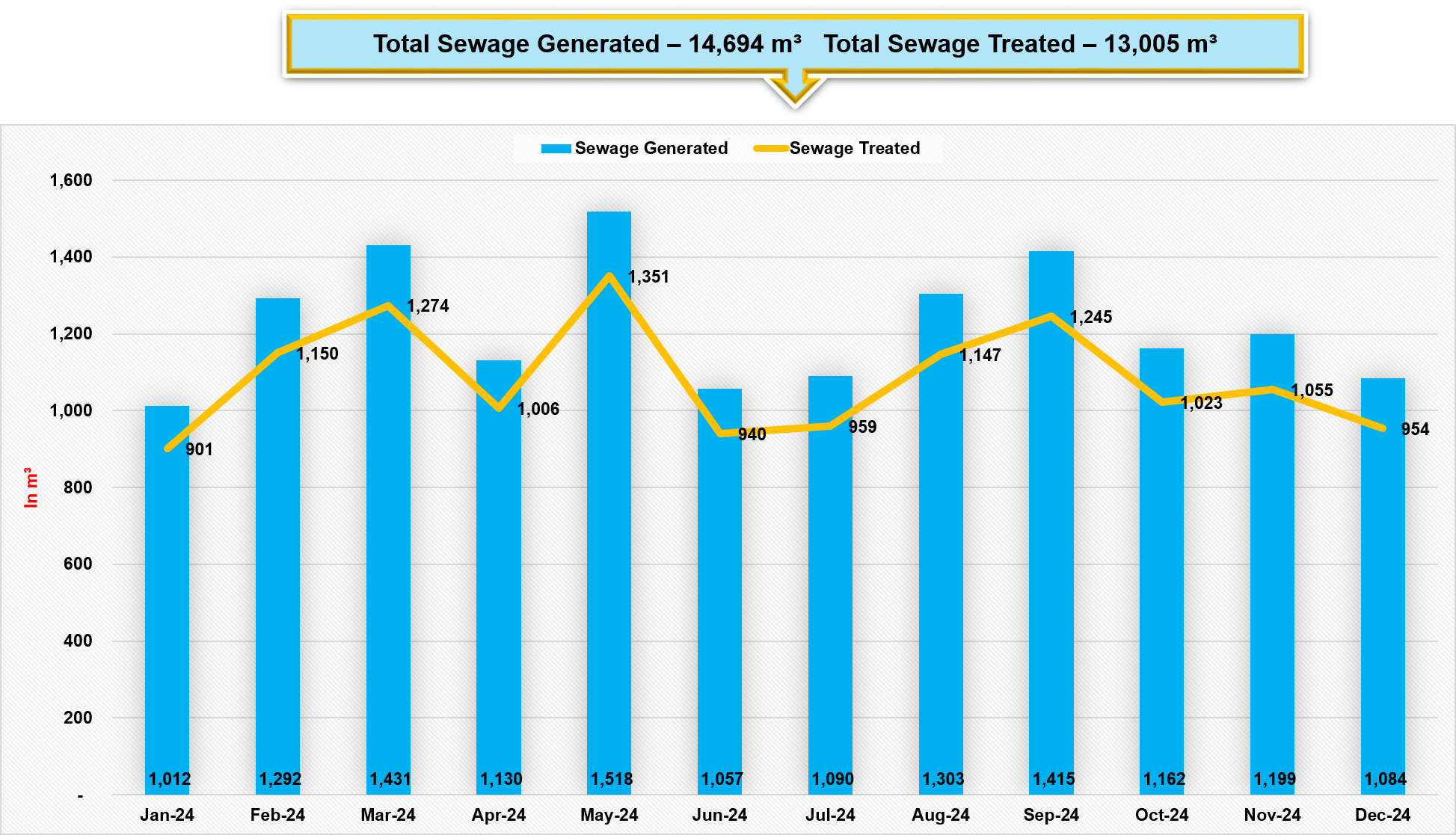
Figure VI (4.2) – 2: Month-wise Water Reuse Data
E. WATER TREATMENT AND SEWAGE MANAGEMENT REPORT
The above table summarizes the monthly water treatment and sewage management data from January 2024 to December 2024. It documents the quantities of lorry and well water used, the treatment processes undertaken, and the associated sewage generated and treated.
OVERVIEW OF WATER SOURCES AND TREATMENT PROCESS
- Lorry Water Treatment: Each month, lorry water was collected in various quantities, and after treatment, 90% efficiency was achieved. The data shows a monthly range of lorry water treated, with figures fluctuating from 1039 m³ to 1,669 m³.
- Well Water Treatment: Collected well water, which was fully utilized initially (100%), underwent a similar treatment process at 90% efficiency. This process yielded an average collection close to 222 m³ and peaked at 252 m³ during specific months.
- Total Treated Water: The combined total of treated water from both sources shows a consistent monthly output, indicating effective resource management.
MONTHLY WATER AND SEWAGE MANAGEMENT
- Monthly data from January 2024 to December 2024 showed significant variations, with total water collected each month reflecting operational demands and treatment capacities.
- For instance, January 2024 recorded a collection of 1,039 m³ of lorry water and 242 m³ of well water, generating of sewage 1,012 m³ and 901 m³ of sewage treated. Over the period, the highest recorded sewage generation was 1,518 m³ in May 2024.
- The total treated water from all sources across the reporting period was 18,718 m³, while the total sewage generated reached 14,694 m³. Furthermore, the total sewage treated was 13,005 m³, representing a significant efficiency in sewage management.
The data reflects a proactive approach to managing both water resources and sewage treatment within the facility. The implementation of efficient treatment processes has led to substantial recycling of water, aligning with sustainability goals. Continuous monitoring and analysis of monthly figures ensure that the facility can make informed decisions regarding water usage and treatment efficacy, ultimately contributing to responsible environmental stewardship.
Water Management and Reuse Policy
Issue: 04; Revised on 2023
| Policy Created on | July 2009 |
| 1st Revision amended on | IQAC Meeting held on 27th October 2017 |
| 2nd Revision amended on | IQAC Meeting held on 31st March 2021 |
| 3rd Revision amended on | IQAC Meeting held on 16th June 2023 |
Responsible Executive : Director (IQAC)
Responsible Office : Internal Quality Assurance Cell,
Student Affairs, Estate Office, Academic Office, Library and SDG Cell
Contacts : Registrar and Director (IQAC)
6.1 STATEMENT OF POLICY
The B.S. Abdur Rahman Crescent Institute of Science and Technology is committed to achieving the following objectives in alignment with Sustainable Development Goal 6 (SDG 6) – Clean Water and Sanitation:
a) Ensure universal and equitable access to safe and affordable drinking water for all stakeholders.
b) Provide adequate and equitable sanitation and hygiene for all, with special attention to the needs of women, girls, and vulnerable groups.
c) Improve water quality by reducing pollution, eliminating dumping, and minimizing the release of hazardous chemicals and materials.
d) Halve the proportion of untreated wastewater and substantially increase recycling and safe reuse globally.
e) Substantially increase water-use efficiency across all sectors and ensure sustainable withdrawals and freshwater supply to address water scarcity.
f) Implement integrated water resources management at all levels, including transboundary cooperation as appropriate.
g) Protect and restore water-related ecosystems, including mountains, forests, wetlands, rivers, aquifers, and lakes.
h) Expand international cooperation and capacity-building support to developing countries in water- and sanitation-related activities and programs.
i) Support and strengthen the participation of local communities in improving water and sanitation management.
6.2 REASON FOR THIS POLICY
The policy aims to provide all stakeholders with adequate water supply, sanitation, and hygiene. It emphasises maximising the collection and treatment of sewage generated and the reuse of treated wastewater sustainably, thereby reducing dependency on freshwater resources. The policy promotes treating wastewater as an economic resource.
6.3 RESPONSIBILITIES
6.3.1 Policy Principles
a) The campus shall provide adequate water supply and maximize water reuse by adhering to the following principles:
- Equitable access to safe and affordable drinking water for all stakeholders.
- Access to adequate sanitation and hygiene, ending open defecation, with special attention to vulnerable groups.
- Calculation of water usage per person (students, staff, and faculty) annually.
- Improving water quality by reducing pollution and increasing recycling and safe reuse.
- Utilization of recycled/treated wastewater for beneficial purposes, such as irrigation and toilet flushing.
- Implementation of integrated water resources management at all levels.
- Protection and restoration of water-related ecosystems on campus.
- Expansion of rainwater harvesting initiatives.
- Collaboration with government, NGOs, and industries in water-related activities.
- Support for student and staff participation in water management.
6.4 WATER REUSE POLICY
6.4.1 Water Reuse Policy Objectives
- Establish a comprehensive policy to maximize water reuse across the university.
- Ensure that all new buildings adhere to water-conscious building standards that facilitate water reuse.
- Implement systems for tracking and measuring water consumption and reuse.
6.4.2 Water Reuse
- Water Reuse Policy: maximise water reuse across the university.
- Water Reuse Measurement: Measure water reuse across the university.
6.5 DISSEMINATION OF POLICY
a) Display signage promoting water use efficiency across the campus.
b) Conduct awareness programs at regular intervals to increase water-use efficiency.
c) Post the policy on the Institute’s website and update it as necessary.
6.6 ENFORCEMENT OF POLICY
a) The Director (Planning & Development) and Deputy Director monitor compliance and address breaches.
b) Awareness of the policy among students, staff, and visitors is essential.
c) Breaches may lead to disciplinary action as per the Institute’s code of conduct.