

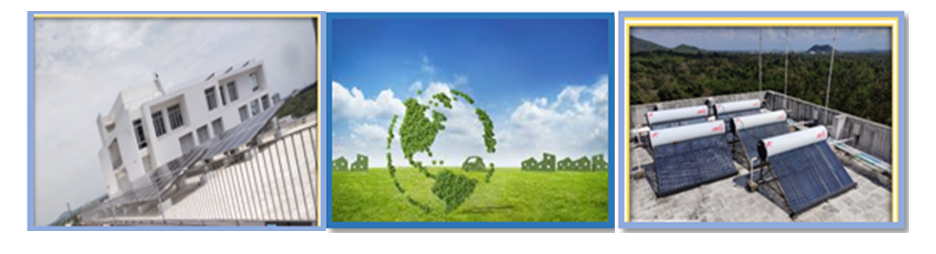
Powering the Future with Clean Energy
B.S. Abdur Rahman Crescent Institute of Science and Technology (BSACIST) demonstrates a strong commitment to Sustainable Development Goal 17, which emphasizes the importance of enhancing the capacity for effective public-private partnerships in the field of sustainable development. The institute has established comprehensive policies for energy-efficient renovations and divestment from carbon-intensive energy industries, aligning its practices with global sustainability efforts. By adhering to recognized energy efficiency standards such as EDGE, IGBC, and LEED, BSACIST ensures that all new constructions and renovations contribute to reducing the carbon footprint and promoting sustainable energy practices.
The implementation of these policies is evidenced by various initiatives, including the installation of rooftop solar photovoltaic power plants and solar water heating systems, which significantly reduce reliance on conventional energy sources. Furthermore, the institute actively engages with financial institutions to promote sustainable investment practices, ensuring transparency in its divestment from fossil fuels. Regular energy audits have identified substantial opportunities for energy savings, reinforcing the effectiveness of BSACIST’s strategies. Public accessibility to policy documents and ongoing community outreach programs further enhance stakeholder engagement, fostering a culture of sustainability and innovation within the educational sector.
Through continuous policy reviews and updates, BSACIST remains proactive in adapting to new challenges and advancements in energy efficiency technologies. This commitment not only positions the institute as a leader in sustainable practices within higher education but also contributes significantly to global efforts in combating climate change. By fostering partnerships and promoting sustainable practices, BSACIST sets a precedent for other institutions, demonstrating the vital role of collaboration in achieving the objectives of SDG 17.
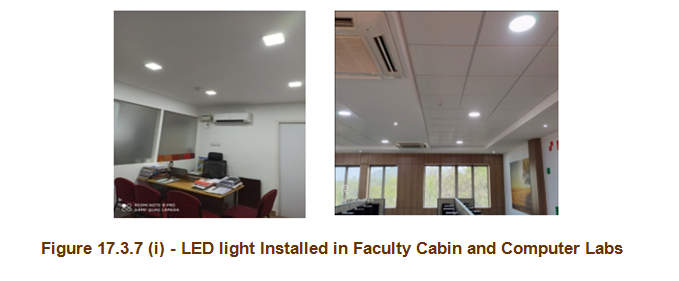
BSACIST demonstrates a comprehensive, multi-pronged approach to upgrading buildings for higher energy efficiency under its Green Campus initiative. The strategy combines energy-efficient infrastructure (LED retrofits, BEE 5-star inverter AC units, motion-sensor lighting), smart controls, and integration of on-site renewable energy. Notably, LED installations across the campus total 159.8 kW, achieving substantial electricity savings, while HVAC upgrades shift from older, less efficient units to centralized VRF and inverter models to save space and energy. The design emphasizes passive and active efficiency: optimized window-to-wall ratios, abundant natural daylight, external shading, high-performance AAC envelope, and solar thermal water heating, all aligned with BEE standards (4–5 stars) and low-CFC equipment.
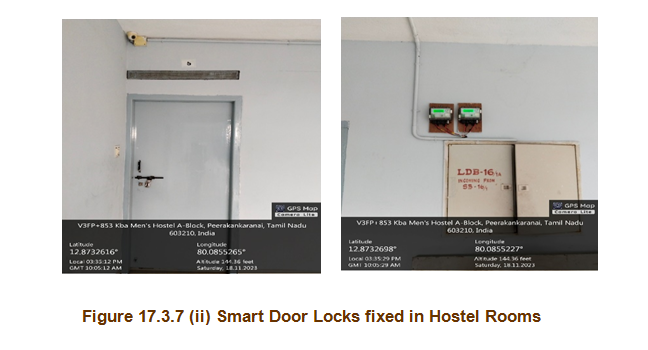
BSACIST also highlights large-scale, renewable energy deployment and intelligent energy management. The campus hosts a rooftop solar portfolio totaling 775 kWp (650 kWp existing plus 125 kWp underway), delivering around 20% of total electricity consumption since 2014 and resulting in significant cost savings (over 5 crore INR saved to date). Complementary measures include solar water heating with a capacity of 39,500 litres and zero-export devices to prevent overproduction from harming diesel generators while allowing surplus energy to support the campus grid during load shedding. Smart door locks and other occupancy-based controls further reduce energy loss in shared spaces, reinforcing a cohesive, collaborative approach to reducing energy demand, cutting operating costs, and improving indoor environmental quality.
B. Enhancing Energy Efficiency with Smart Door Locks
B.S. Abdur Rahman Crescent Institute of Science and Technology (BSACIST) has implemented energy-sparing solutions through the installation of smart door locks in its facilities, such as the KBA Men’s Hostel. These state-of-the-art locking systems not only enhance security but also contribute to energy efficiency by controlling access to communal spaces based on real-time occupancy. The integration of smart technology allows for automatic locking and unlocking, reducing the frequency of door handling and minimizing energy loss associated with heating or cooling open areas. By ensuring that doors remain closed when not in use, these smart locks help maintain optimal indoor climates, furthering BSACIST’s commitment to sustainable practices. This innovative approach reflects the institution’s dedication to creating a more energy-conscious campus environment while prioritizing the safety and comfort of its residents.
Holistic Sustainability: Transforming Campus Energy Ecosystem
By integrating multiple approaches – solar power generation, energy-efficient technologies, smart infrastructure design, and collaborative student-driven projects – B.S. Abdur Rahman Crescent Institute of Science and Technology, has created a holistic framework for upgrading buildings to higher energy efficiency. The institute’s commitment goes beyond mere technological implementation, fostering a culture of sustainability and innovation. These strategic upgrades not only reduce operational costs and carbon footprint but also serve as a model for sustainable institutional development, demonstrating how existing infrastructure can be transformed into energy-efficient, environmentally responsible spaces.
Strategic Solar Infrastructure: BSACIST’s Comprehensive Energy Efficiency Approach
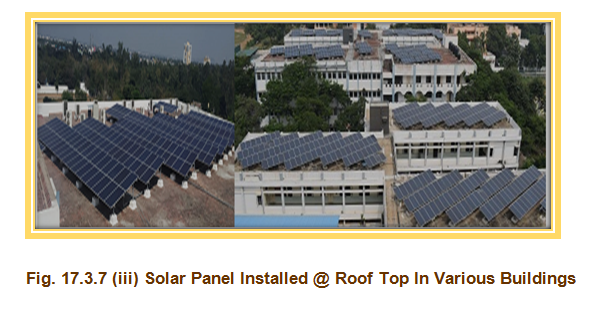
B.S. Abdur Rahman Crescent Institute of Science and Technology (BSACIST) has implemented a comprehensive strategy to upgrade existing buildings to higher energy efficiency through innovative renewable energy solutions. As part of its ‘Green Campus’ initiative, the institute has installed multiple rooftop solar photovoltaic power plants with a total capacity of 650 kWp, strategically positioned across various campus buildings. These solar installations include a 550 kWp grid-tied plant on academic buildings and a recently added 100 kWp plant in the New Architecture Block and CIIC Block, demonstrating a systematic approach to energy infrastructure upgrades.
C. Quantifying Success: Solar Power Generation and Financial Savings
The solar power implementation has yielded significant energy efficiency improvements.
Total Solar Power Generation – 650kWp up to from 2014 to 2024
| Plant | Units | Amount Saved |
| 150Kwp | 16,49,008 | 1,51,57,896 |
| 100kWp | 12,95,898 | 1,21,75,627 |
| 300kWp | 20,38,673 | 2,02,81,665 |
| New 100kWp | 4,33,469 | 44,55,983 |
| Total | 54,17,048 | 5,20,71,171 |
These solar installations now constitute 18% of the total electricity consumption since June 2014, representing a substantial upgrade in the campus’s energy efficiency infrastructure.
Innovative Energy Solutions: Beyond Solar Power Generation
Beyond solar power, BSACIST has implemented complementary energy-efficient technologies to upgrade existing buildings. A notable example is the installation of solar water heating systems with a total capacity of 39,500 litres, equivalent to 365 electric geysers of 2kW capacity. These systems are strategically placed in Men’s Hostel blocks, Ladies Hostel, and New Staff Quarters, estimated to save approximately 24 lakhs in power consumption annually. The institute has also introduced innovative solutions like zero-export devices to manage surplus solar power generation and prevent potential damage to diesel generator sets.
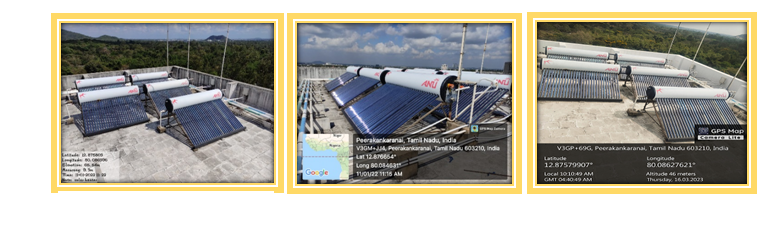
Fig. 17.3.7 (iv) Geotag photos documenting the installation of Solar Panel in KBA Men’s Hostel, Ladies Hostel and Staff Quarters.
Block | No. of tanks | Capacity in litres |
Men’s Hostel | ||
A Block | 20 | 5000 |
B Block | 6 | 3000 |
C Block | 6 | 3000 |
D Block | 8 | 4000 |
Main block | 20 | 5000 |
PG block | 12 | 3000 |
Ladies Hostel | ||
Main block | 10 | 5000 |
Annexure Block | ||
New Block Phase 1 | 17 | 5750 |
Staff Quarters | ||
New Staff Quarters | 23 | 5750 |
Total Capacity | 122 | 39,500Litres |
Smart Infrastructure: Collaborative Energy Management Strategies
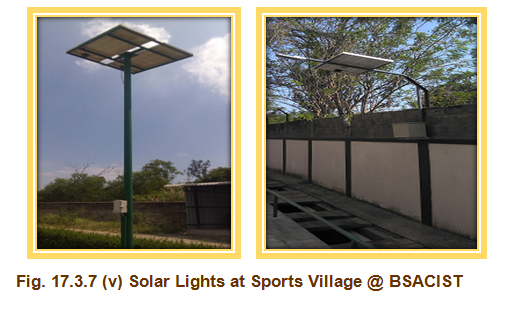
To further enhance energy efficiency, the institute has developed additional infrastructure improvements. Solar street lighting projects have been implemented along the road connecting staff quarters to the men’s hostel and the architecture block – a collaborative effort between third-year electrical engineering students and the estate electrical department. The zero-export device ensures that excess power generated by the solar power plant does not damage the diesel generator sets, while allowing the solar power to be shared across the campus grid during load shedding.
COMMUNITY OUTREACH
Local Outreach for Energy Efficiency – ENERGY 99 (29TH AUGUST 2024)
The Crescent Energy Club, in association with IGEN (The Institution of Green Engineers) an NGO, organized the ENERGY99 awareness program at Mannivakkam Village with the objective of promoting energy conservation and sustainable living. The initiative aimed to empower the local community by introducing the “9 Energy Mantras”, which provide simple and practical ways to reduce energy usage, lower electricity expenses, and contribute to environmental protection.
As part of the outreach, the team visited over 100 households, directly engaging with residents and educating them on energy-efficient practices. Through interactive discussions and demonstrations, villagers were encouraged to adopt small but impactful changes to support resource conservation and climate action.
This initiative helped strengthen community awareness on sustainability and highlighted the role of responsible energy use in achieving a greener future
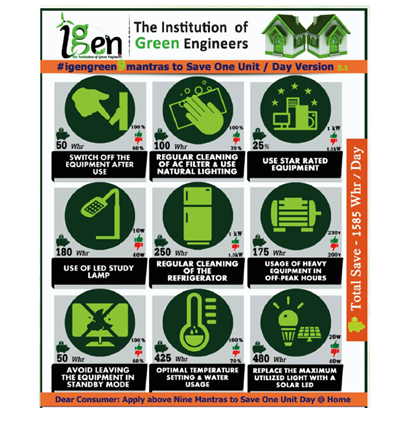
Fig. 17.3.7 (vi) – Crescent Energy Club – 9 Energy Mantras

D. International Outreach for Renewable Energy Adoption and Environmental Impact Reduction (SMaGEES 2024)
The SMaGEES 2024 an International conference, hosted by the B.S. Abdur Rahman Crescent Institute’s School of Physical and Chemical Sciences, demonstrates the pivotal role universities can play in bridging research and community action to accelerate renewable energy adoption and reduce environmental impacts. With ~300 participants from education community and industry community over two days, the event showcased advances in smart materials, energy storage, and sustainable technologies, emphasizing direct university outreach to local and regional communities. While the conference effectively disseminated knowledge and fostered networking, it also highlighted opportunities to strengthen the measurement of community impact, formalize partnerships, and document scalable demonstrations that translate campus-level innovations into neighborhood- and municipal-scale energy improvements.
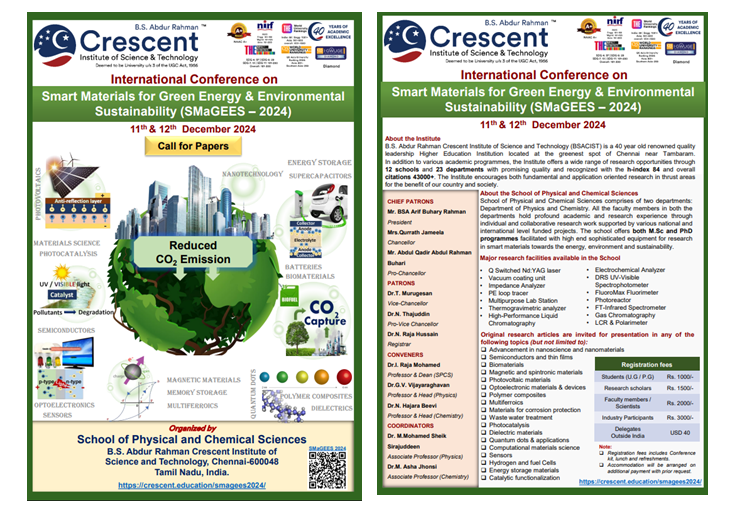
Fig. 17.3.7 (vii) – BROCHURE – SMAGEES 2024
Purpose and scope: To illuminate how universities can
(a) promote renewable energy adoption,
(b) reduce environmental footprints through community-oriented outreach, and
(c) operationalize findings from smart materials and green energy research into practical applications beyond campus.
ENERGY SERVICES TO INDUSTRY
Energy Efficiency Education:
Provide seminars and workshops aimed at industry professionals and students to disseminate best practices in energy efficiency, waste management, and sustainable design.

Industry-Relevant Training:
Deliver hands-on and theory-based training aligned with industry needs, including corrosion techniques, solar power design, solid waste management, and green design principles.

Guest Lectures by Experts:
Host industry and academic leaders to share insights on current trends, technologies, and policy implications affecting energy efficiency and sustainability.

Cross-Disciplinary Outreach:
Engage multiple schools and departments of the institute to broaden impact and foster collaboration with industry.
Technical Seminar on Durable Construction – Need for Corrosion Protection and Water Proofing
BSACIST’s Professor Dr. Haji Shaik Mohammed delivered a lecture focusing on the durability of recent buildings in Chennai. As the Dean of the School of Infrastructure at B.S. Abdur Rahman Crescent Institute of Science and Technology, Chennai, he addressed how coastal exposure and the marine environment heighten corrosion risks to reinforcement in concrete, with particular attention to water quality, moisture issues, and their impact on concrete and mortar performance, including reinforcement corrosion and efflorescence. He highlighted challenges with M-sand mortar adherence and higher water requirements, and proposed preventive strategies such as regular material testing (at source and on-site) for M-sand, cement, and rebars, anti-corrosive coatings on rebars (cement-polymer anticorrosive coating, CPAC) as a first line of defense, the addition of corrosion inhibitors to concrete, and the use of polymer-modified mortar/concrete for waterproofing terrace slabs and sunken areas. The lecture also covered practical procedures for applying CPAC and preparing polymer-modified concrete, emphasizing durability, proper storage of reinforcement, and ensuring a strong bond between steel and concrete.
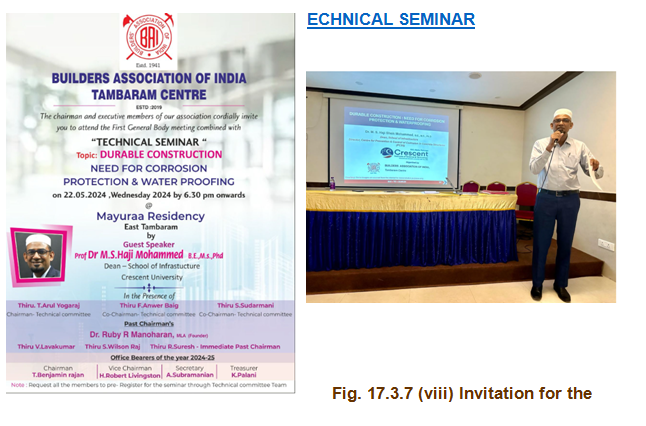
Fig. 17.3.7 (viii) Invitation for the Technical Seminar and Lecture Photo
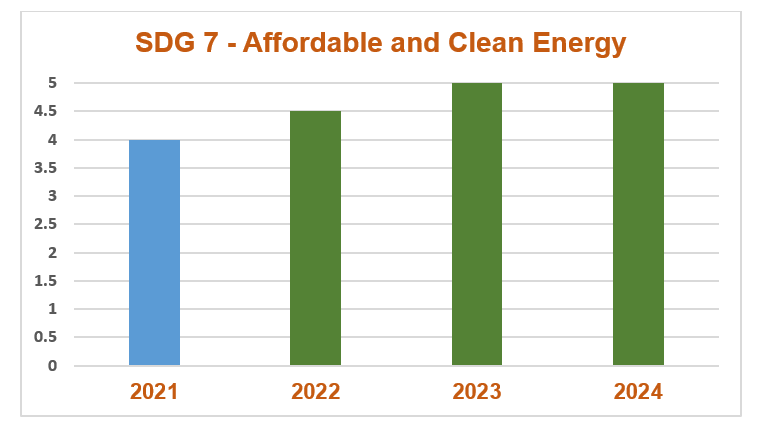
Rubrics for the SDG 7: Affordable and Clean Energy
| 4 to 5 | There is significant progress in effective implementation compared to the previous year |
| 3 to 4 | The necessary processes/activities (Energy-efficient renovation and building, Energy use density, Renewable energy, Outreach activities) have been implemented |
| 2 to 3 | There is an explicit plan to address the ‘Affordable and Clean Energy’ and necessitated processes have been initiated |
| 1 to 2 | There is an understanding and willingness to contribute effectively for achieving the UN targets of SDG 7 |
| 0 to 1 | There is no/partial willingness and plan to contribute for achieving the UN targets of SDG 7 Affordable and Clean Energy |
B.S. Abdur Rahman Crescent Institute of Science and Technology (BSACIST), this positions the institute not only as a learner but as a contributor to national and regional SDG policy dialogues. The 2024 entry on relationships with regional NGOs and government for SDG policy underscores an ongoing posture of engagement with policy ecosystems, aligning institutional activity with policy development, monitoring, and adaptive management. This alignment suggests BSACIST can translate its SDG work into formal policy input, scenario modelling, and accountability mechanisms that inform broader regional development trajectories.
The 2025 SDG Accord report highlights that most signatories are moving toward embedding sustainability at an organizational level, with many reporting up-to-date sustainability policies endorsed by senior leadership. For BSACIST, the implication is to articulate a clear, leadership-backed sustainability policy or action plan that directly references SDGs most relevant to the institute’s mission and operations. Given the 2024 emphasis on engaging with government and regional NGOs, BSACIST could position its policy inputs as anchored in the connected governance and partnerships depicted in the report, ensuring that policy submissions, stakeholder consultations, and adaptive management are institutionally codified rather than ad hoc activities.
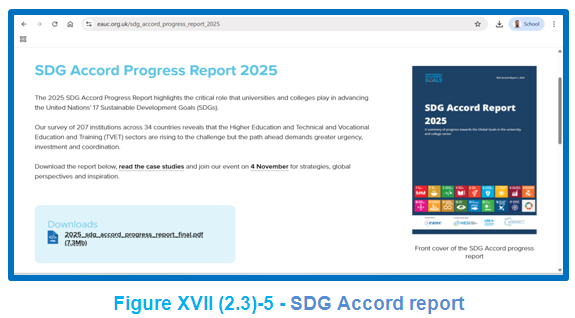
The SDG Accord Progress Report 2025 frames universities and colleges as pivotal agents for implementing the United Nations Sustainable Development Goals through whole-institution approaches. The thematic focus on Learning and Teaching reveals that while progress is ongoing, Learning and Teaching remains the least mature operational area for many signatories. BSACIST should view this as a guide to invest in curriculum integration of SDGs, faculty development, and assessment practices that explicitly test sustainability knowledge. The report notes significant barriers such as limited time for staff development and inadequate integration of sustainability into curricula. BSACIST can address these barriers by allocating dedicated funding and time for professional development, integrating SDG-related outcomes into degree programs, and creating standardized assessments that measure students’ sustainability competencies.
The progress report emphasizes the value of evidence-based case studies and peer learning. BSACIST can contribute through documenting and sharing successful Learning and Teaching innovations—for example, climate pedagogy initiatives, service-learning projects, and interdisciplinary modules that map to SDG4 (Quality Education), SDG 6 (Clean Water and Sanitation), SDG 7 (Affordable and Clean Energy) and SDG17 (Partnerships for the Goals). By contributing BSACIST-specific case studies to the SDG Accord platform, the institute would participate in a global knowledge network, enabling replication and contextual adaptation across similar universities and colleges in the region.
The results section of the report highlights top SDGs influenced by signatories and the priority SDGs for the upcoming year. In the last year, SDG4, SDG13, and SDG 6 (Clean Water and Sanitation), SDG 7 (Affordable and Clean Energy) were prominent, with SDG17 as a top priority for partnerships. For BSACIST, this pattern suggests focusing efforts on education quality, climate action initiatives, and strengthening collaborative frameworks with industry, government bodies, and civil society. Establishing formal partnerships and joint programmes with regional NGOs and the government can advance SDG implementation while creating opportunities for funding, capacity-building, and scalable impacts.
The report documents the internal and external support needs identified by signatories, with budget, dedicated staff capacity, and funding from external sources highlighted as top needs. BSACIST should prepare a resource plan that secures funding streams for SDG-aligned activities, including staff training, climate-related research, and curriculum transformation. Engaging government and sector partners can help unlock external support, align institutional priorities with national development plans, and provide procurement or grant-based pathways to sustain SDG initiatives over multiple years.
Finally, the BSACIST context benefits from the report’s emphasis on evaluating new partnerships and governance improvements. The Accord notes that sustainability work benefits from cross-departmental collaboration and a shared, mission-driven culture. BSACIST can leverage its 2024 policy-involvement experience to foster cross-disciplinary governance structures, establish an SDG steering committee, and implement a transparent reporting framework that communicates progress to internal and external stakeholders. By aligning these governance practices with the SDG Accord methodology, the institute can demonstrate measurable progress toward embedding the SDGs into education, research, operations, and community engagement.
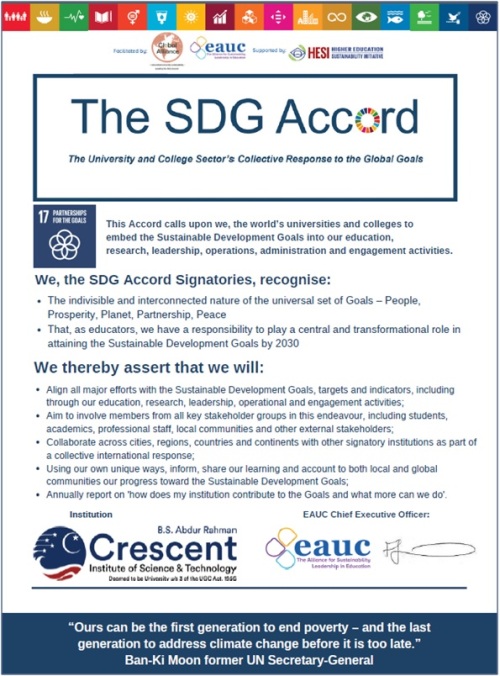
Figure XVII(3.5)-8_SDG ACCORD REPORT 2025