

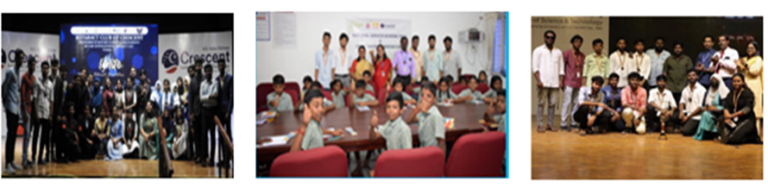
“Education for All”
BSACIST’s Commitment to Lifelong Learning
B.S. Abdur Rahman Crescent Institute of Science and Technology (BSACIST) demonstrate a strong commitment to promoting lifelong learning by ensuring accessible educational resources for all, regardless of background. This aligns with the university’s mission to foster an inclusive educational environment supporting continuous learning and community engagement. BSACIST prioritizes inclusive, quality education for all through inclusive outreach and STEM capacity building.
Lifelong Learning Access Policy: Equity, Resources, and Community Partnerships
The Lifelong Learning Access Policy of B.S. Abdur Rahman Crescent Institute of Science and Technology establishes a commitment to inclusive, equitable quality education and ongoing learning opportunities aligned with SDG 4. The policy emphasizes universal access to educational resources and campus facilities, with a focus on reducing barriers related to gender, socio-economic status, race, religion, and disability. It outlines the roles of the Internal Quality Assurance Cell (IQAC) and related offices in implementing lifelong learning measures, including public access to libraries and digital resources, on-site and online coaching, and community-facing programs. The overarching aim is to foster a culture of continuous learning, broaden community engagement, and provide open access to materials and courses that support self-directed learning and skill development.
Key mechanisms to realize this vision include: (1) public resources such as library access, computer labs, and meeting spaces for community members and local organizations; (2) workshops and vocational training covering technology, legal awareness, and design to enhance practical competencies; (3) online resources and open-access materials, including video lectures, notes, and course content, complemented by online courses; and (4) community engagement initiatives like educational outreach events and legal aid programs. The policy incorporates monitoring and evaluation to assess impact, gather participant feedback, and refine offerings accordingly. Potential enhancements for execution include defining specific performance metrics, establishing timelines and accountability, clarifying funding and resource allocation, and developing a communications plan to promote opportunities to the community.
Promotion / Implementation / Evidence of Policy
Public Resources (lifelong learning) | |
Public Events (lifelong learning) | |
Vocational Training Events (lifelong learning) | |
Education Outreach Activities Beyond Campus |
A. EDUCATIONAL PROGRAMS
NEP Orientation and Sensitization Programme:
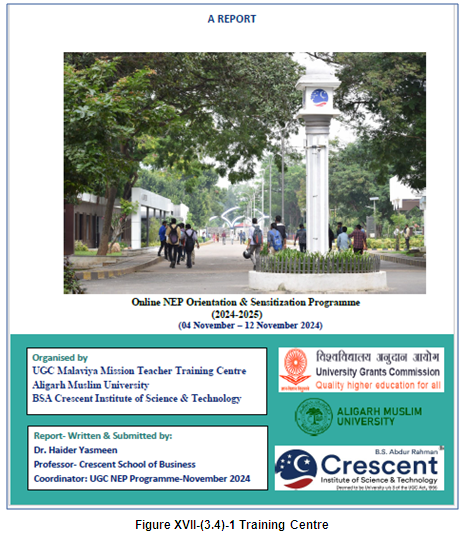
The NEP-Nov 2024 online orientation, in collaboration with UGC Malaviya Mission Teacher Training Centre, exemplifies BSACIST’s commitment to SDG 41. This eight-day program expands access to high-quality educational experiences beyond traditional classrooms, featuring lectures by eminent professors, industry professionals, and NEP 2020 governance sessions.
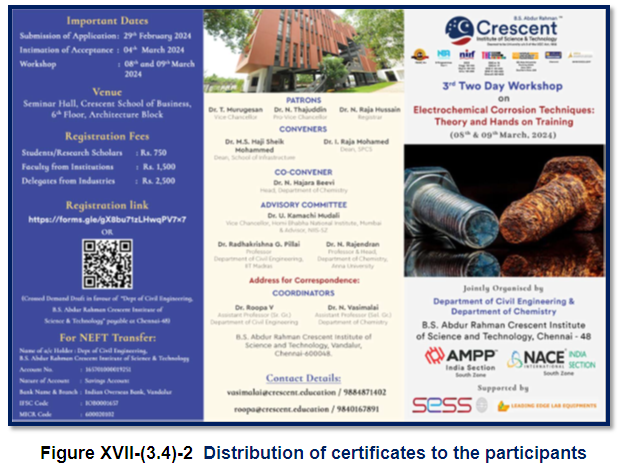
Electrochemical Corrosion Techniques Workshop:
A two-day workshop on “Electrochemical Corrosion Techniques: Theory and Hands-on Training” was organized in association with AMPP India section (SZ) & NIIS (SZ). The workshop trained postgraduate students, research scholars, faculty members, and industry personnel in electrochemical analytical equipment and related theory. It provided knowledge on the latest advancements in electrochemical corrosion and its control techniques.
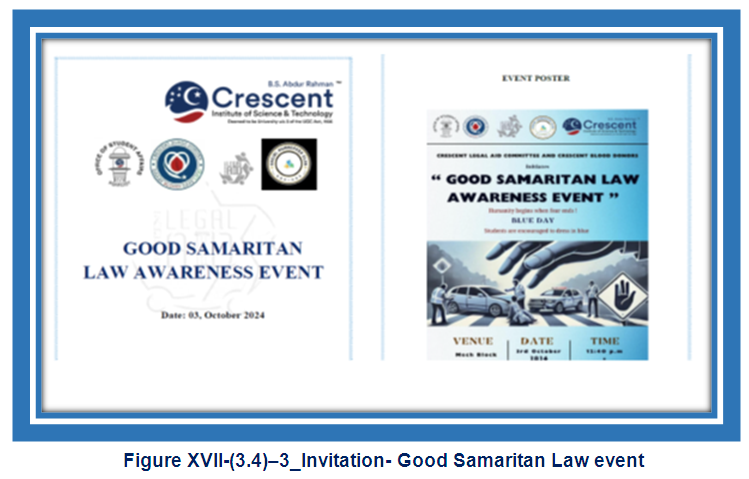
Good Samaritan Law Awareness Event:
BSACIST conducted an awareness session on the Good Samaritan Law, encouraging bystanders to assist accident victims without fear of legal repercussions. The Crescent Legal Aid Committee, in collaboration with Crescent Blood Donors and Crescent awareness club, coordinated the event to spread awareness regarding Good Samaritan Law in case of road accidents with reference to Motor Vehicle Act.
Disaster Preparedness Awareness Program:
BSACIST, jointly with the Tamil Nadu Fire and Rescue Services Department, organized a “Disaster Preparedness Awareness Program” focusing on inclusive education, safety culture, and Sustainable Development Goals (SDGs). The program engaged students, faculty, staff, and the general public, demonstrating practical fire safety measures and the handling of household liquids and gases
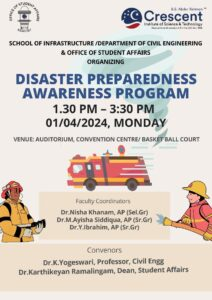
Figure XVII-(3.4)-4 – Invitation- Disaster Preparedness Awareness Program
One-Day Legal Awareness Program on “Breaking Barriers: Understanding Gender Equity and Girls’ Rights:
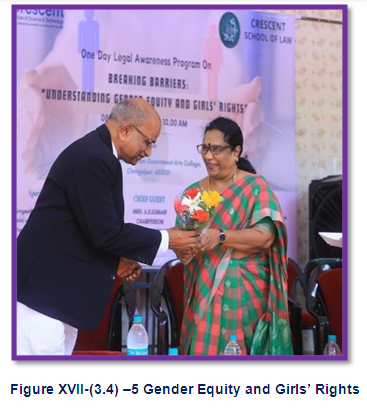
BSACIST’s Crescent Legal Aid Committee spearheaded an outreach activity titled “Breaking Barriers: Understanding Gender Equity and Girls’ Rights” at Rajeswari Vedachalam Government Arts and Science College, Chengalpattu. The program empowered students with knowledge on gender equity and girls’ rights, addressing issues facing women’s rights in India.
The event featured a ceremonial inauguration and distinguished sessions that connected gender equity with everyday realities. A notable highlight was the handing over of five sanitary napkin vending and disposal machines, emphasizing women’s health, hygiene, and dignity within educational institutions. Sessions included insights on gender equity through Tamil literature, discussions on domestic violence laws, hiplines, and support mechanisms for issues such as stalking and forced marriages. These activities demonstrated BSACIST’s commitment to translating legal knowledge into actionable, community-facing initiatives that promote safety, empowerment, and informed civic participation. One-Day Legal Awareness Program on “Breaking Barriers: Understanding Gender Equity and Girls’ Rights”
C. Community Outreach through NSS Special Camp
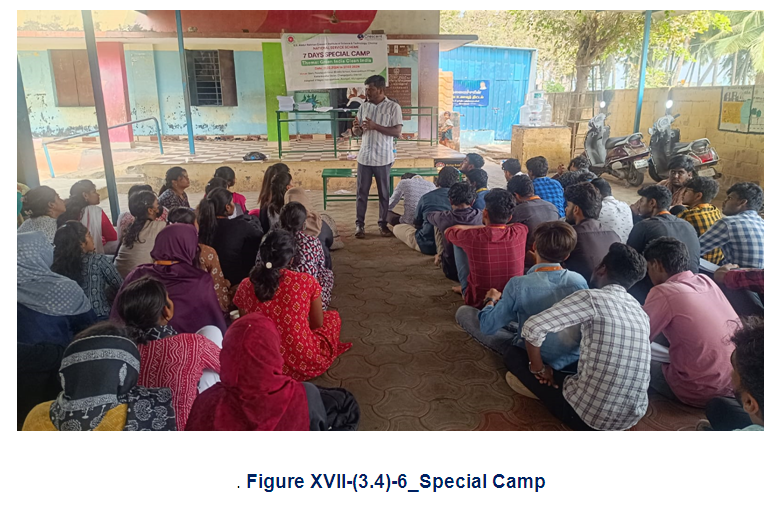
BSACIST demonstrates a strong commitment to quality education through broad outreach activities for the local community, as evidenced by its NSS special camp4. The seven-day Green India Clean India camp, conducted at Keerapakkam with village surveys, Health and Safety Programs, Blood Donation Drives, Stress Management, Reading Challenges, Self-Defense Sessions, First Aid Awareness, and Sports Outreach, Showcases Hands-on Learning, Civic Responsibility, and Intergenerational Engagement.
B.S. Abdur Rahman Crescent Institute of Science & Technology demonstrates a commitment to SDG 4 (Quality Education) through various initiatives aimed at enhancing educational opportunities and promoting lifelong learning. The institution actively engages in programs that extend beyond traditional classroom settings, emphasizing community involvement and environmental awareness.
Monitoring and Evaluation
The effectiveness of the lifelong learning measures will be regularly assessed through participant feedback and community engagement metrics. Adjustments will be made based on evaluations to improve the policy’s impact continuously.
This revised policy document reflects the commitment of B.S. Abdur Rahman Crescent Institute of Science and Technology to promote lifelong learning and educational equity. By implementing these measures, the Institute aims to empower individuals and communities, contributing to the broader goals of sustainable development and social welfare.
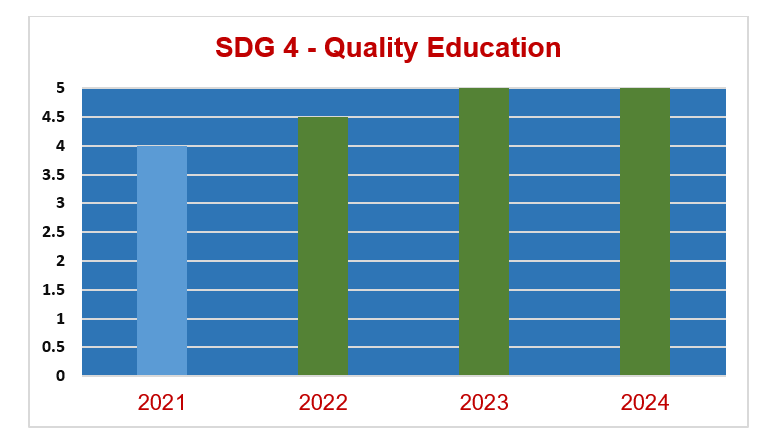
Rubrics for the SDG 4: Quality Education
| 4 to 5 | There is significant progress in effective implementation compared to the previous year |
| 3 to 4 | The necessary processes/activities (Support to students based on income, assistance to local start-ups) have been implemented |
| 2 to 3 | There is an explicit plan to address the ‘No Poverty’ and necessitated processes have been initiated |
| 1 to 2 | There is an understanding and willingness to contribute effectively for achieving the UN targets of SDG 1 |
| 0 to 1 | There is no/partial willingness and plan to contribute for achieving the UN targets of SDG 1 No Poverty |
SDG ACCORD REPORT 2025
B.S. Abdur Rahman Crescent Institute of Science and Technology (BSACIST), this positions the institute not only as a learner but as a contributor to national and regional SDG policy dialogues. The 2024 entry on relationships with regional NGOs and government for SDG policy underscores an ongoing posture of engagement with policy ecosystems, aligning institutional activity with policy development, monitoring, and adaptive management. This alignment suggests BSACIST can translate its SDG work into formal policy input, scenario modelling, and accountability mechanisms that inform broader regional development trajectories.
The 2025 SDG Accord report highlights that most signatories are moving toward embedding sustainability at an organizational level, with many reporting up-to-date sustainability policies endorsed by senior leadership. For BSACIST, the implication is to articulate a clear, leadership-backed sustainability policy or action plan that directly references SDGs most relevant to the institute’s mission and operations. Given the 2024 emphasis on engaging with government and regional NGOs, BSACIST could position its policy inputs as anchored in the connected governance and partnerships depicted in the report, ensuring that policy submissions, stakeholder consultations, and adaptive management are institutionally codified rather than ad hoc activities.
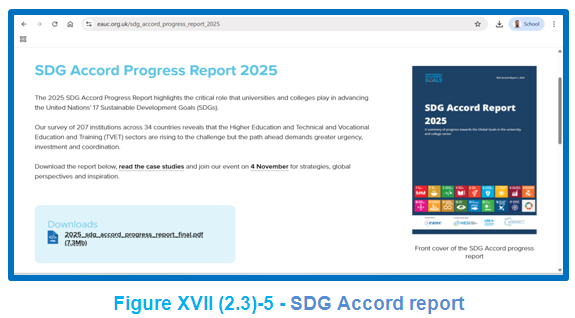

The SDG Accord Progress Report 2025 frames universities and colleges as pivotal agents for implementing the United Nations Sustainable Development Goals through whole-institution approaches. The thematic focus on Learning and Teaching reveals that while progress is ongoing, learning and Teaching remains the least mature operational area for many signatories. BSACIST should view this as a guide to invest in curriculum integration of SDGs, faculty development, and assessment practices that explicitly test sustainability knowledge. The report notes significant barriers such as limited time for staff development and inadequate integration of sustainability into curricula. BSACIST can address these barriers by allocating dedicated funding and time for professional development, integrating SDG-related outcomes into degree programs, and creating standardized assessments that measure students’ sustainability competencies.
The progress report emphasizes the value of evidence-based case studies and peer learning. BSACIST can contribute through documenting and sharing successful Learning and Teaching innovations—for example, climate pedagogy initiatives, service-learning projects, and interdisciplinary modules that map to SDG4 (Quality Education), SDG 6 (Clean Water and Sanitation), SDG 7 (Affordable and Clean Energy) and SDG17 (Partnerships for the Goals). By contributing BSACIST-specific case studies to the SDG Accord platform, the institute would participate in a global knowledge network, enabling replication and contextual adaptation across similar universities and colleges in the region.
The results section of the report highlights top SDGs influenced by signatories and the priority SDGs for the upcoming year. In the last year, SDG4, SDG13, and SDG 6 (Clean Water and Sanitation), SDG 7 (Affordable and Clean Energy) were prominent, with SDG17 as a top priority for partnerships. For BSACIST, this pattern suggests focusing efforts on education quality, climate action initiatives, and strengthening collaborative frameworks with industry, government bodies, and civil society. Establishing formal partnerships and joint programmes with regional NGOs and the government can advance SDG implementation while creating opportunities for funding, capacity-building, and scalable impacts.
The report documents the internal and external support needs identified by signatories, with budget, dedicated staff capacity, and funding from external sources highlighted as top needs. BSACIST should prepare a resource plan that secures funding streams for SDG-aligned activities, including staff training, climate-related research, and curriculum transformation. Engaging government and sector partners can help unlock external support, align institutional priorities with national development plans, and provide procurement or grant-based pathways to sustain SDG initiatives over multiple years.
Finally, the BSACIST context benefits from the report’s emphasis on evaluating new partnerships and governance improvements. The Accord notes that sustainability work benefits from cross-departmental collaboration and a shared, mission-driven culture. BSACIST can leverage its 2024 policy-involvement experience to foster cross-disciplinary governance structures, establish an SDG steering committee, and implement a transparent reporting framework that communicates progress to internal and external stakeholders. By aligning these governance practices with the SDG Accord methodology, the institute can demonstrate measurable progress toward embedding the SDGs into education, research, operations, and community engagement.
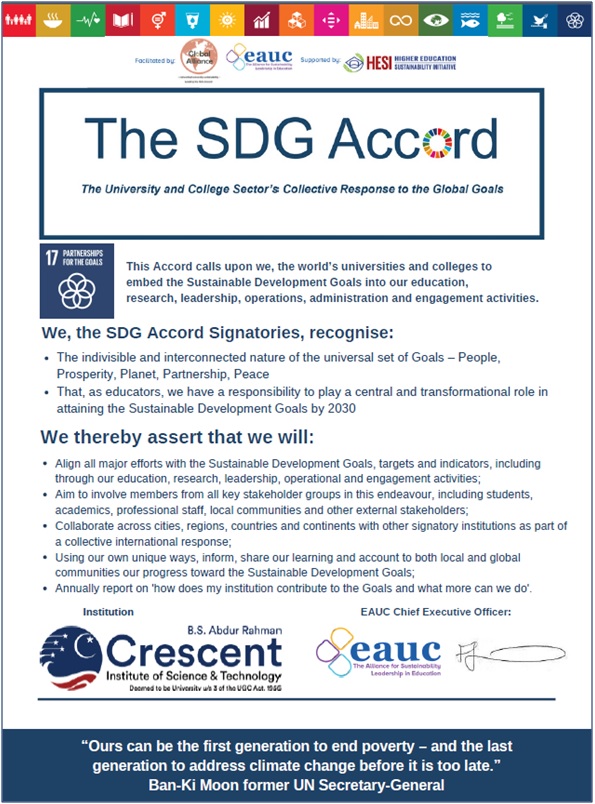
Figure XVII(3.4)-8_SDG ACCORD REPORT 2025