

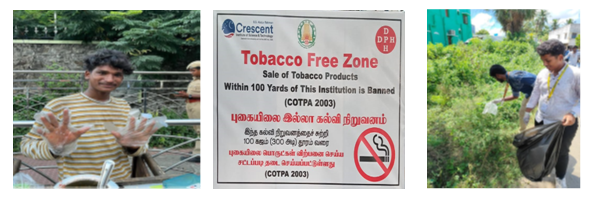
B.S. Abdur Rahman Crescent Institute of Science and Technology intends to provide a smoke-free, tobacco-free, alcohol-free, drug-free atmosphere and ambience for its students, research scholars, faculty/staff members, and visitors in recognition of smoke, nicotine, alcohol, and drug-related health risks. The Policy for Smoke-free and Tobacco-Free Campus shall apply to all facilities, property, and vehicles, owned or leased, regardless of location in the Institute.
POLICY PRINCIPLES
B.S. Abdur Rahman Crescent Institute of Science and Technology campus shall be entirely smoke-free and tobacco-free by meticulously following the policy principles mentioned below.
i. This policy applies to all the stakeholders of the Institute including but not limited to students, research scholars, faculty, staff, other employees, contractors, volunteers, visitors and members of the public, and is applicable 24/7 round the clock.
ii. The use of tobacco products/stuff, alcohol, narcotic drug shall not be permitted on all campus property, including, but not limited to, sports fields, gym, parking areas, streets, food courts, recreational areas, and as well as in all personal/hired vehicles while on campus.
iii. The use of tobacco products and smoking are prohibited in any enclosed place, including, but not limited to, all classrooms, laboratories, offices, restrooms, conference halls, board rooms, community areas, auditoriums, hostels and staff quarters.
iv. Smoking products including e-cigarettes, tobacco products/stuff, alcohol, narcotic drug shall not be sold or distributed in any form inside the campus.
v. Tobacco/alcohol-related advertising or sponsorship shall not be permitted on Institute property.
vi. No individual or campus unit subject to this policy may discriminate or retaliate against any person who makes a complaint of a violation of this policy or provides information concerning a violation of this policy.
DISSEMINATION OF POLICY
- Signs boards prohibiting smoking, use of tobacco products, alcohol and narcotic drug shall be displayed at across the campus including common places like library, canteen etc.
- Awareness programmes on smoking, consumption of alcohol, drug and its adverse effects to be conducted on a regular basis.
- The policy for smoke-free and tobacco-free campus and the compliance for the same shall be posted on the Institute website.
- The policy shall be updated whenever required and the same shall be updated on the Institute website to ensure the awareness among all stakeholders in the campus.
A. HEALTH AWARENESS PROGRAMS – THRIVE WELL
One notable initiative is the “Thrive Well” health awareness program, organized by the Crescent Student Council 3. This program aims to provide valuable insights and knowledge on maintaining good health, featuring sessions led by prominent doctors and experts in the healthcare. The program covers important subtopics such as mental health, menstrual health, gender stereotypes, and food and nutrition, addressing key aspects of overall well-being.
The “Thrive Well” program includes a panel discussion format, encouraging active participation from students through questions and interactions with experts. This interactive approach enhances the learning experience and allows students to clarify doubts and gain a deeper understanding of health-related issues. An e-participation certificate is provided to attendees, recognizing their engagement and commitment to health awareness 3.
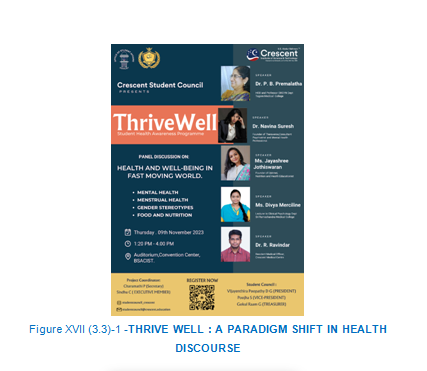
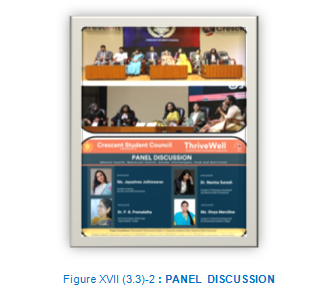
On the 9th of November 2023, the Crescent Student Council coordinated a groundbreaking event titled “Thrive Well,” an event aimed at shattering taboos and fostering open conversations on crucial topics such as mental health, menstrual health, gender stereotypes, food, and nutrition. The event unfolded seamlessly, marked by insightful sessions and an unprecedented level of student engagement.
The heart of the event, the panel discussion, began at 1:45 PM after a brief introductory session by the Dr.R.Karthikeyan, Dean of Student Affairs. Hosts Rasheeqa Sheriff and Poojha led the conversation, interviewing distinguished guests who left an indelible mark on the audience. Dr. P. B. Premalatha, HOD and Professor of the OBGYN Department at Tagore Medical College, fearlessly addressed women’s mental health, menstrual health, and debunked myths surrounding menstrual cups.
Following Dr. Premalatha, Dr. Navina Suresh, the founder of Theraverse, provided a professional perspective on mental health, sharing her experiences as a women entrepreneur. Dr. Jayashree Jothiswaran, the founder of Uyirmei, delved into nutrition, women’s health, and bravely spoke against sexual harassment and importance of saying NO to a situation where one might feel threatened or forced. Ms. Divya Merciline, a lecturer in the Clinical Psychology department at Sri Ramachandra Medical College, tackled issues such as unrealistic beauty standards, suicide, and drug addiction which most of the students found relatable and informative. And finally through a comprehensive presentation, Dr. Ravindar, the resident medical officer of Crescent Medical Centre, enlightened students with vital information on mental stress, health, medical support and effective solutions, ensuring active engagement from the entire student body.
A notable feature of the event was its interactive nature. Students actively participated by submitting queries through a QR code displayed on the screen. The engagement elevated the event from a conventional one-way dialogue to a dynamic exchange of ideas. The Crescent Student Council’s meticulous coordination was evident throughout the event. The success of “Thrive Well” lies not only in its relevance to students but also in the professionalism of the panelists who tackled controversial and stereotypical topics. The inclusive approach, addressing issues from both male and female perspectives, added another layer of significance to the event. The students’ articulate expressions of support and opposition showcased a healthy and constructive discussion. n conclusion, “Thrive Well” emerged as a milestone in health discourse, reshaping societal norms and fostering a community that values open dialogue on vital issues.
Community Impact : The institute is actively engaged in community outreach through initiatives such as:
- Sanitary Pad Drives: Distributed over 320 sanitary pads in Coimbatore and Chennai under Project 3232.
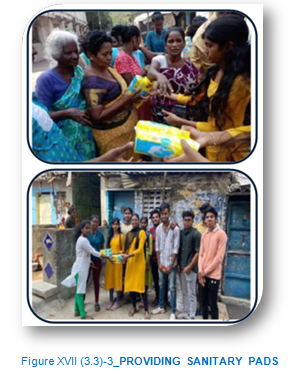
Furthermore, BSACIST recognizes the importance of maternal health education and has partnered with healthcare professionals to provide webinars that educate students on maternal health issues. This initiative contributes to raising awareness about maternal health and promoting healthy practices among students.
- Maternal Health Education: Partnered with healthcare professionals, including Dr. Parimala Saveetha, to provide webinars that educate students on maternal health issues.
In addition to health awareness programs and community outreach, BSACIST provides healthcare services and support for its students. This includes access to sexual and reproductive healthcare services, information, and education, as well as mental health support. These services contribute to ensuring the overall well-being of students and addressing their specific health needs.
NGO COLLABORATION IVOLUNTEER FOR SDG’S IN CANCER CARE
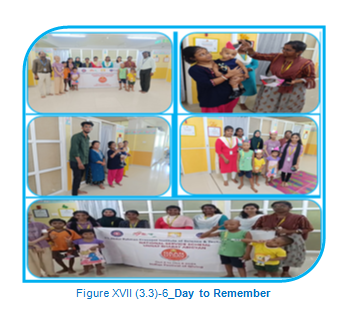
BSACIST also emphasizes community outreach through initiatives like the National Service Scheme (NSS) and Unnat Bharat Abhiyan (UBA) . As part of Daan Utsav 2024, NSS and UBA organized a visit to a “Home for Cancer Children,” providing fresh fruits and cakes to the children and engaging in activities to spread joy and enhance their well-being1. This collaboration demonstrates the institution’s commitment to supporting vulnerable populations and promoting humane care.
This student volunteering programs and non-governmental organizations (NGOs) to advance Sustainable Development Goals (SDGs) related to cancer prevention, treatment, and education in 2024. Guided by a framework of structured partnerships, impact measurement, and accountability, the initiative aligns activities with SDG 3 (Good Health and Well-being), SDG 4 (Quality Education), and SDG 17 (Partnerships for the Goals).
NGO Partner–Initiative Context
Student volunteering programs engage NGOs such as Ivolunteer (https://www.ivolunteer.in/) to extend the reach of cancer prevention and care efforts. By leveraging NGO networks, the initiative can expand screening campaigns, raise health literacy, and support palliative care where gaps exist. The program draws on regional insights, population needs, and identified gaps to inform targeted collaboration plans, ensuring NGO partnerships address real-world barriers and deliver measurable improvements in cancer outcomes.
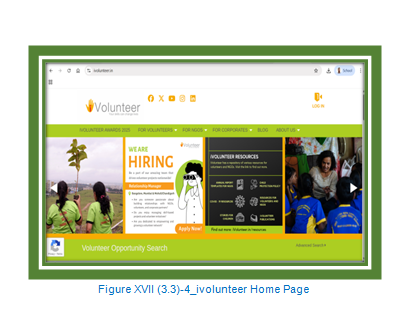

Daan Utsav 2024 Celebrations
As part of Daan Utsav 2024, the National Service Scheme (NSS) and Unnat Bharat Abhiyan (UBA) at B.S. Abdur Rahman Crescent Institute of Science and Technology organized a visit to HOME FOR CANCER CHILDREN on October 8, 2024. St. Jude India ChildCare Centres (St. Jude’s), Royapettah, Chennai, identified by Ivolunteer, served as a bridge between BSACIST and Home for Cancer Children. St. Jude’s provides a “home away from home” for children undergoing cancer treatment and supports families relocating from rural and semi-urban areas to metropolitan centers due to limited local treatment options.
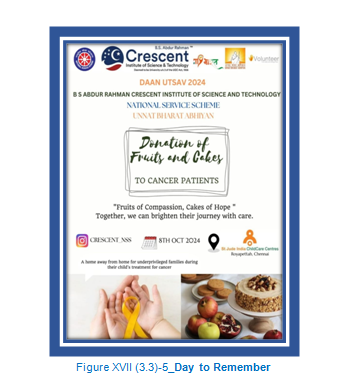
Event highlights
Participation: NSS programme officers and student volunteers attended.
Mission: To ensure that every child battling cancer receives essential medical care, emotional support, and social services.
Activity: On October 8, 2024, NSS and UBA organized a donation event, providing fresh fruits (apples and pomegranates) and cakes to the children, accompanied by an hour of engagement to spread joy and enhance well-being.
The collaboration demonstrates the value of student volunteers in delivering direct support to pediatric cancer patients and strengthening linkages between BSACIST, NGOs, and community-based care. By formalizing partnership processes, documenting outcomes, and expanding volunteer initiatives, the program can scale its impact on education, awareness, and humane care for children undergoing cancer treatment.
C. COLLABORATIONS WITH HEALTH CARE INSTITUTIONS
BSACIST’s commitment to SDG 3 is further demonstrated through its collaborations with healthcare institutions. These collaborations aim to improve health and well-being outcomes at the local, national, and global levels 1. By working with health institutions, the university can leverage expertise and resources to address pressing health challenges and contribute to the overall health of the community.
A. 4th Annual International Conference on Applications of Millets and Probiotics on Cancer Therapy and Management (ICAMP 2024)
The 4th Annual International Conference on Applications of Millets and Probiotics on Cancer Therapy and Management (ICAMP 2024) was held on January 30-31, 2024, in association with the Association of Cancer Education and Research (ACER) and Purdue University, USA. This prestigious event brought together researchers, clinicians, and healthcare professionals from around the globe by discussing the promising role of millets and probiotics in cancer prevention and management. The conference aims to foster collaboration, share groundbreaking research, and explore the potential of dietary interventions in cancer therapy, focusing on how millets and probiotics may serve as complementary treatment options.
The conference featured a range of sessions that delve into the latest advancements in cancer research, with a particular emphasis on the therapeutic applications of millets and probiotics. Topics will include the scientific mechanisms behind these interventions, their impact on cancer prevention, and the emerging clinical evidence supporting their use in oncology. Researchers will present their findings through both live and virtual formats, offering a platform for international exchange of ideas and collaboration. The discussions will also highlight the potential for integrating these natural foods into modern cancer care strategies, with a view toward improving patient outcomes and quality of life.
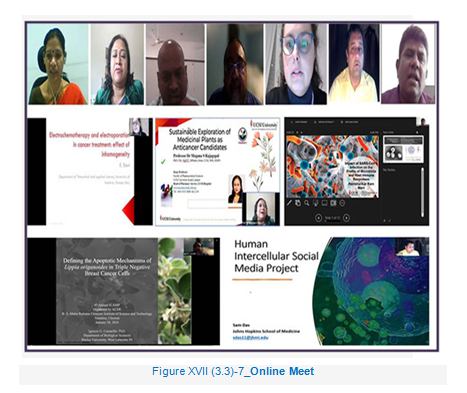
In addition to the in-person sessions, the conference will host an online meeting component (Figure XVII (3.3)-16_Online Meet), allowing remote participants to join the discussions and interact with experts. This hybrid format ensures accessibility for a wider audience, fostering global participation and enabling real-time engagement across time zones. As the understanding of cancer therapy evolves, the ICAMP 2024 conference will be a key opportunity for participants to learn about the latest research trends, form interdisciplinary collaborations, and contribute to the growing field of nutrition-based cancer therapies.
B. SMILE ON – DENTAL CAMP
The “Smile On” Dental Camp, organized on January 30–31, 2024, at Crescent Campus, aimed to provide essential dental care to students while promoting awareness about the importance of oral hygiene. Led by Project Chairperson RTR. Jainandhika, the initiative brought together over 750 students who received free dental services, including professional tooth cleaning and fillings. This event was made possible through a collaboration with Chettinad Hospital, whose expert dental professionals offered high-quality care, ensuring that the students received the best possible treatment. The camp was designed not only to address immediate dental needs but also to create lasting awareness about the importance of maintaining good oral health.
In addition, to offering free dental services, the camp served as an important educational platform for students. Many participants were introduced to proper oral hygiene practices, including brushing techniques, flossing, and the significance of regular dental check-ups. The camp’s outreach extended beyond just treatment, as it aimed to instill a long-term understanding of how crucial dental health is to overall well-being. By offering services like tooth cleaning and filling, the event provided practical solutions to common dental issues, while also emphasizing the role of prevention in maintaining a healthy smile for years to come.
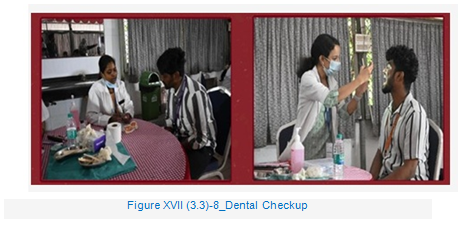
The impact of the “Smile On” Dental Camp was far-reaching, fostering a sense of community and well-being on Crescent Campus. Not only did it serve as a valuable health resource, but it also helped create a culture of proactive health care among students. The successful turnout and positive feedback from participants highlighted the need for more such initiatives, where students can access health services that are often overlooked. The camp’s success set a new standard for student health services on campus and demonstrated the importance of collaboration between educational institutions and healthcare providers in ensuring the well-being of students.
D. “SAY NO TO DRUGS” AWARENESS PROGRAM
The institute’s efforts also extend to promoting a drug-free lifestyle through the “Say No to Drugs” awareness program 4. This program actively engages students and the community in discussions about the dangers of drug abuse, fostering a culture of health consciousness 4. The involvement of law enforcement officials and university leadership in these programs highlights the collaborative effort required to combat substance abuse and promote a healthier community.
REPORT ON
The International Day Against Drug Abuse and Illicit Trafficking
26.06.2024
B S Abdur Rahman Crescent Institute of Science & Technology, National Service Scheme organized The International Day Against Drug Abuse and Illicit Trafficking campaign On 26.06.2024, at the Institute campus.
The International Day Against Drug Abuse and Illicit Trafficking is observed on June 26th each year. This day was established by the United Nations General Assembly in 1987 through Resolution 42/112 to strengthen action and cooperation to achieve a world free of drug abuse. The observance aims to raise awareness about the global drug problem and to promote efforts to combat drug abuse and illicit drug trafficking.
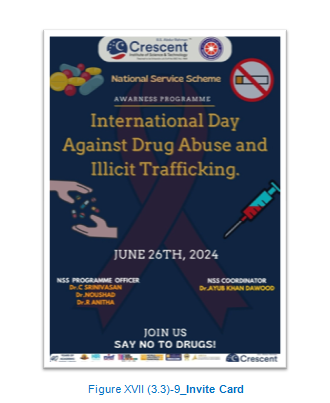
The event commenced with an inaugural address by Dr. Ayub Khan Dawood, NSS coordinator, B S Abdur Rahman Crescent Institute of Science & Technology. Mr. K M Ilanchezhian, Programme Director, B A public Policy described the consequences include health problems, social and economic instability, crime, and violence.
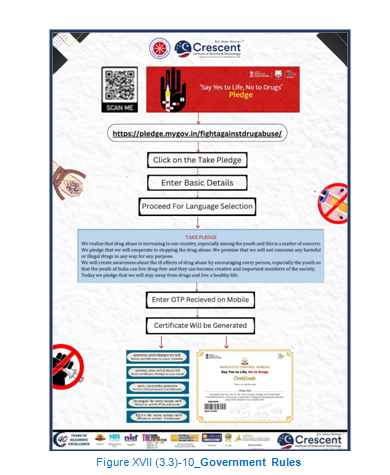
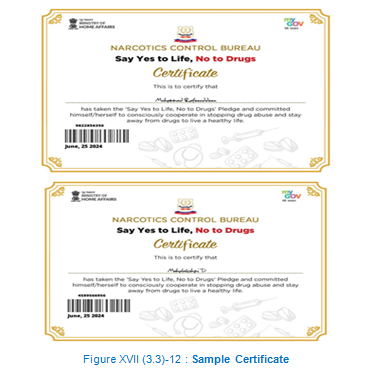
A pivotal moment of the event was when the students of the institute took a solemn pledge following the government rules described below
The enthusiastic participation of the students showcased their eagerness to contribute to the drug abuse day.
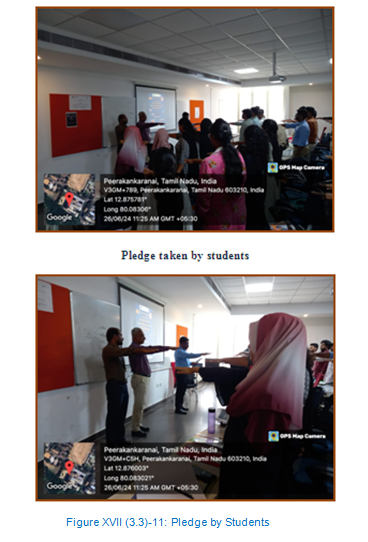
PLEDGE VIDEO:
https://drive.google.com/drive/u/1/my-drive
B.S. Abdur Rahman Crescent Institute of Science and Technology has taken significant strides towards promoting Good Health and Well-Being, aligning with Sustainable Development Goal 3 (SDG 3). Through initiatives such as the “Say No to Drugs” awareness program, the institute has actively engaged students and the community in discussions about the dangers of drug abuse, fostering a culture of health consciousness. The involvement of law enforcement officials and university leadership in these programs highlights the collaborative effort required to combat substance abuse and promote a drug-free lifestyle. Additionally, the mandatory pledge-taking and social media engagement further reinforce the commitment to a healthier community.
Through these various initiatives, B.S. Abdur Rahman Crescent Institute of Science and Technology demonstrates a strong commitment to promoting good health and well-being, aligning with SDG 3 and contributing to a healthier and more sustainable community. The institution’s efforts in health awareness, community outreach, healthcare services, and creating a safe environment contribute to the overall well-being of its students, staff, and the wider community
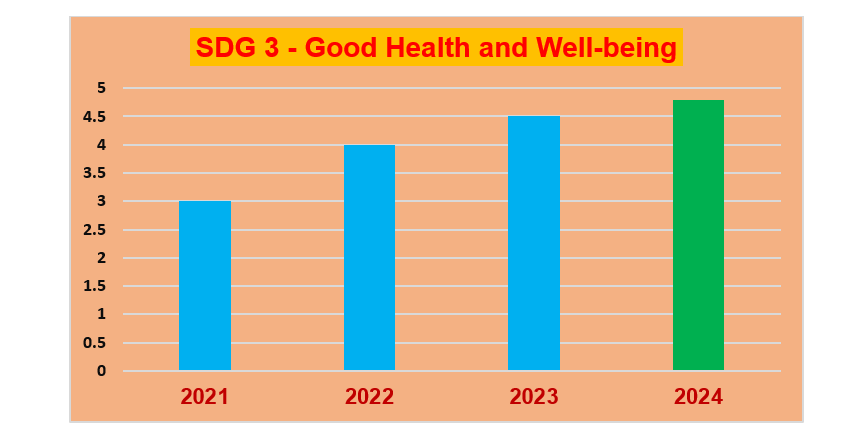
Rubrics for SDG 3: Good Health and Well-being
| 4 to 5 | There is significant progress in effective implementation compared to the previous year |
| 3 to 4 | The necessary processes/activities (Support to students based on income, assistance to local start-ups) have been implemented |
| 2 to 3 | There is an explicit plan to address the ‘No Poverty’ and necessitated processes have been initiated |
| 1 to 2 | There is an understanding and willingness to contribute effectively for achieving the UN targets of SDG 1 |
| 0 to 1 | There is no/partial willingness and plan to contribute for achieving the UN targets of SDG 1 No Poverty |
PART – III
SDG ACCORD
B.S. Abdur Rahman Crescent Institute of Science and Technology (BSACIST), this positions the institute not only as a learner but as a contributor to national and regional SDG policy dialogues. The 2024 entry on relationships with regional NGOs and government for SDG policy underscores an ongoing posture of engagement with policy ecosystems, aligning institutional activity with policy development, monitoring, and adaptive management. This alignment suggests BSACIST can translate its SDG work into formal policy input, scenario modelling, and accountability mechanisms that inform broader regional development trajectories.
The 2025 SDG Accord report highlights that most signatories are moving toward embedding sustainability at an organizational level, with many reporting up-to-date sustainability policies endorsed by senior leadership. For BSACIST, the implication is to articulate a clear, leadership-backed sustainability policy or action plan that directly references SDGs most relevant to the institute’s mission and operations. Given the 2024 emphasis on engaging with government and regional NGOs, BSACIST could position its policy inputs as anchored in the connected governance and partnerships depicted in the report, ensuring that policy submissions, stakeholder consultations, and adaptive management are institutionally codified rather than ad hoc activities.
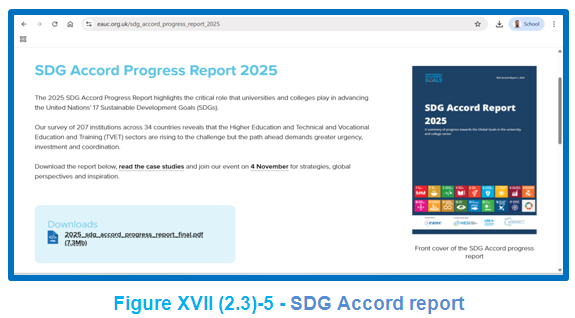
The SDG Accord Progress Report 2025 frames universities and colleges as pivotal agents for implementing the United Nations Sustainable Development Goals through whole-institution approaches. The thematic focus on Learning and Teaching reveals that while progress is ongoing, Learning and Teaching remains the least mature operational area for many signatories. BSACIST should view this as a guide to invest in curriculum integration of SDGs, faculty development, and assessment practices that explicitly test sustainability knowledge. The report notes significant barriers such as limited time for staff development and inadequate integration of sustainability into curricula. BSACIST can address these barriers by allocating dedicated funding and time for professional development, integrating SDG-related outcomes into degree programs, and creating standardized assessments that measure students’ sustainability competencies.
The progress report emphasizes the value of evidence-based case studies and peer learning. BSACIST can contribute through documenting and sharing successful Learning and Teaching innovations—for example, climate pedagogy initiatives, service-learning projects, and interdisciplinary modules that map to SDG4 (Quality Education), SDG 6 (Clean Water and Sanitation), SDG 7 (Affordable and Clean Energy) and SDG17 (Partnerships for the Goals). By contributing BSACIST-specific case studies to the SDG Accord platform, the institute would participate in a global knowledge network, enabling replication and contextual adaptation across similar universities and colleges in the region.
The results section of the report highlights top SDGs influenced by signatories and the priority SDGs for the upcoming year. In the last year, SDG4, SDG13, and SDG 6 (Clean Water and Sanitation), SDG 7 (Affordable and Clean Energy) were prominent, with SDG17 as a top priority for partnerships. For BSACIST, this pattern suggests focusing efforts on education quality, climate action initiatives, and strengthening collaborative frameworks with industry, government bodies, and civil society. Establishing formal partnerships and joint programmes with regional NGOs and the government can advance SDG implementation while creating opportunities for funding, capacity-building, and scalable impacts.
The report documents the internal and external support needs identified by signatories, with budget, dedicated staff capacity, and funding from external sources highlighted as top needs. BSACIST should prepare a resource plan that secures funding streams for SDG-aligned activities, including staff training, climate-related research, and curriculum transformation. Engaging government and sector partners can help unlock external support, align institutional priorities with national development plans, and provide procurement or grant-based pathways to sustain SDG initiatives over multiple years.
Finally, the BSACIST context benefits from the report’s emphasis on evaluating new partnerships and governance improvements. The Accord notes that sustainability work benefits from cross-departmental collaboration and a shared, mission-driven culture. BSACIST can leverage its 2024 policy-involvement experience to foster cross-disciplinary governance structures, establish an SDG steering committee, and implement a transparent reporting framework that communicates progress to internal and external stakeholders. By aligning these governance practices with the SDG Accord methodology, the institute can demonstrate measurable progress toward embedding the SDGs into education, research, operations, and community engagement.
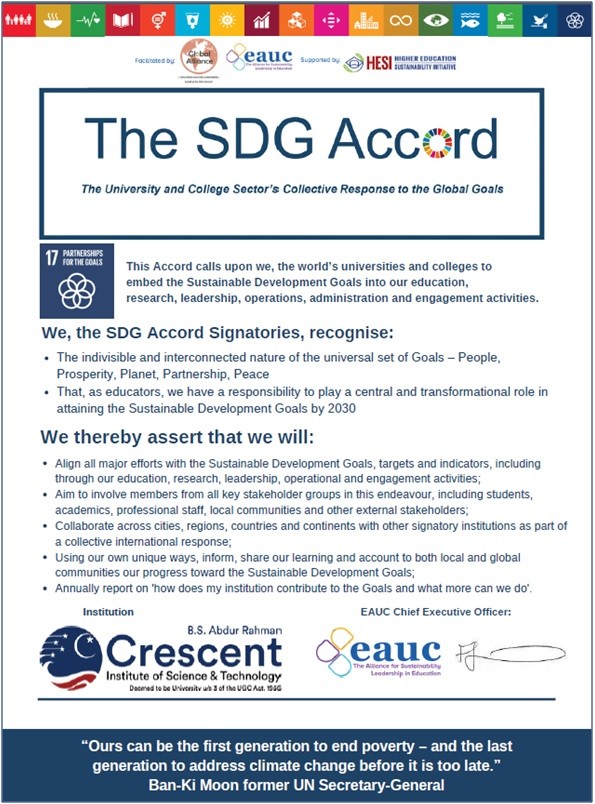
Figure XVII(3.3)-8_SDG ACCORD REPORT 2025