

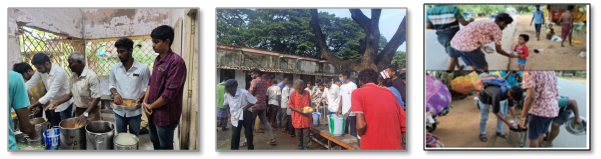
The B.S. Abdur Rahman Crescent Institute of Science and Technology is actively contributing to Sustainable Development Goal 2 (SDG 2), which aims to end hunger, achieve food security, improve nutrition, and promote sustainable agriculture by 2030. The institute’s initiatives align with the core objectives of SDG 2, focusing on sustainable agricultural practices, nutrition education, and resilience to food insecurity. Through various programs, the institute emphasizes the importance of ensuring that all individuals have reliable access to sufficient, safe, and nutritious food year-round, addressing the root causes of food insecurity and malnutrition.
One of the key efforts includes an awareness campaign aimed at minimizing food waste on campus, where students and staff are encouraged to adopt sustainable practices through informative signage. The institute’s canteen plays a vital role in promoting healthy and affordable food choices, serving as a social hub for the community. Additionally, the National Service Scheme (NSS) has engaged students in hands-on activities at local organic farms, empowering farmers with knowledge and skills in sustainable agriculture. These initiatives not only enhance food security within the community but also foster a culture of collaboration and innovation. By integrating education, practical experience, and community engagement, B.S. Abdur Rahman Crescent Institute of Science and Technology exemplifies a holistic approach to achieving Zero Hunger, ensuring that no one is left behind in the journey toward a sustainable future.
REPORT ON
PALM SEED PLANTATION
26.09.2023
B S Abdur Rahman Crescent Institute of Science & Technology, National Service Scheme organized the Palm Seed Plantation in association with Kuzhalosai Trust in Oragadam Lake, on 26.09.2023, at 10.00 am.
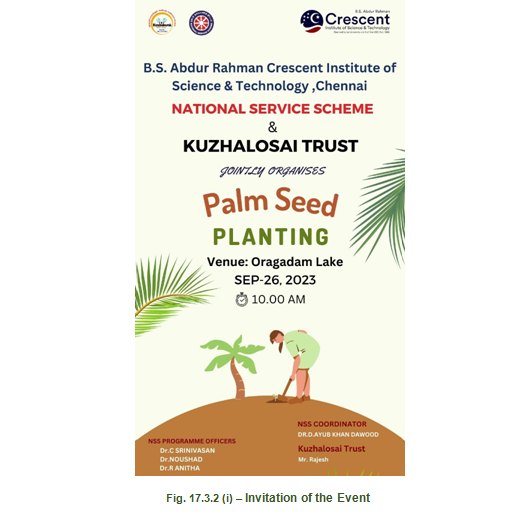
This event aimed to establish a sustainable and thriving palm tree plantation at Oragadam Lake. The primary objectives of the Palm Seed Plantation is promote environmental sustainability.
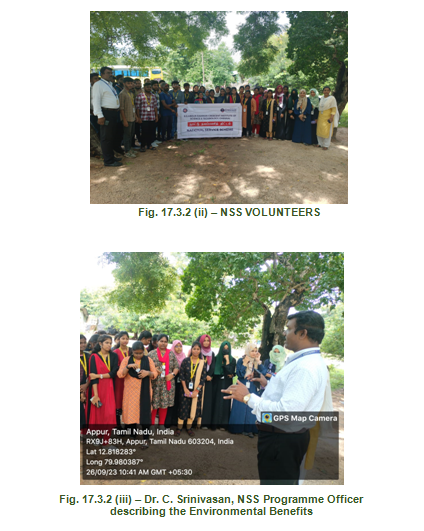
Environmental Benefits:
Carbon Sequestration: Palm trees, particularly oil palm and date palm, are highly effective at sequestering carbon dioxide from the atmosphere, helping mitigate climate change.
Soil Erosion Control: The extensive root systems of palm trees help prevent soil erosion, preserving topsoil and preventing land degradation.
Economic Benefits:
Income Generation: Palm seed plantations can be a source of income for local communities through the sale of palm products such as palm oil, palm fruits, palm fronds, and palm kernel oil.
Nutrient-Rich Food: Palm fruits, like dates and oil palm fruit, are nutrient-rich and provide essential vitamins and fats, contributing to food security and nutrition.
Diverse Uses: Different parts of the palm tree, including the fruit, leaves, and seeds, can be used for various culinary purposes.
Sustainable Agriculture:
Crop Rotation: Palm seed plantations can be integrated into sustainable agricultural practices, serving as a rotational crop to improve soil fertility.
Diversification: In regions where monoculture is prevalent, introducing palm seed plantations diversifies agriculture and reduces the risk of pests and diseases.
Erosion Control:
Soil Stabilization: Palm trees have extensive root systems that help stabilize soil, preventing erosion and protecting valuable agricultural land.
Ecosystem Services:
Oxygen Production: Like all trees, palm trees release oxygen during photosynthesis, contributing to cleaner air.
Shade and Microclimate: Palm trees provide shade, which can help moderate temperatures and create comfortable microclimates.
Achieving zero hunger by combining targeted nutrition support, local agricultural engagement, and inclusive access to affordable, nutritious foods.
B. Sustainable food choices for Students and Staff members @ BSACIST
BSA Crescent Institute of Science and Technology plays a vital role in promoting healthy and affordable food choices. With its spacious and well-furnished environment, the canteen serves delicious and nutritious meals, creating a social hub for students and staff. Additionally, it houses kiosks offering fresh juices and milkshakes, further enhancing the array of healthy dining options. A mobile canteen operates throughout the campus, with a dedicated canteen for first-year students to meet their needs. This commitment to providing accessible and nutritious food enhances the overall well-being of students while fostering an inclusive culture.
This Institute exemplifies a holistic approach to achieving Zero Hunger. By raising awareness about food waste, offering diverse healthy options, and ensuring accessibility, the institute is making strides toward aligning its practices with the Sustainable Development Goals, ultimately fostering a sustainable future where no student is left behind in the journey towards food security.
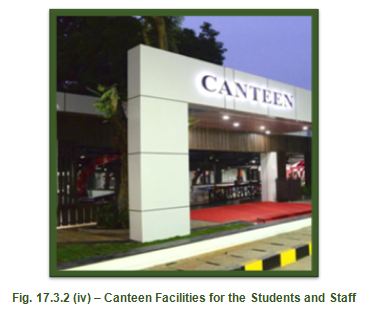
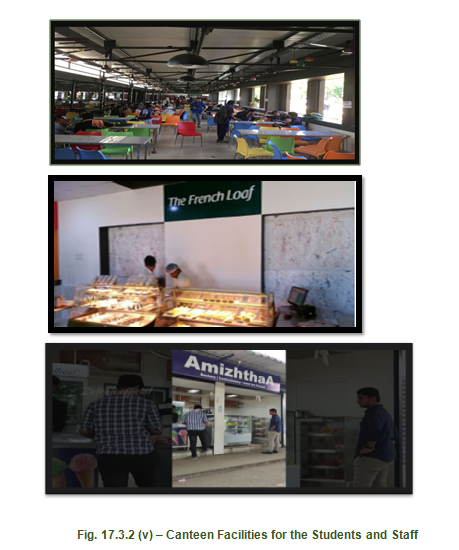

The institute’s canteen plays a vital role in promoting healthy and affordable food choices. With its spacious and well-furnished environment, the canteen serves delicious and nutritious meals, creating a social hub for students and staff. Additionally, it houses kiosks offering fresh juices and milkshakes, further enhancing the array of healthy dining options. A mobile canteen operates throughout the campus, with a dedicated canteen for first-year students to meet their needs. This commitment to providing accessible and nutritious food enhances the overall well-being of students while fostering an inclusive culture.
C. CAMPUS FOOD WASTE – TRACKING
Zero Hunger, as outlined in Sustainable Development Goal (SDG) 2, reflects a global commitment to eradicate hunger and secure access to nutritious food for all by 2030. The B.S. Abdur Rahman Crescent Institute of Science and Technology aligns its initiatives with this vision, focusing on various indicators (2.3.1 to 2.3.5) that address sustainable agricultural practices, nutrition education, and resilience to food insecurity.

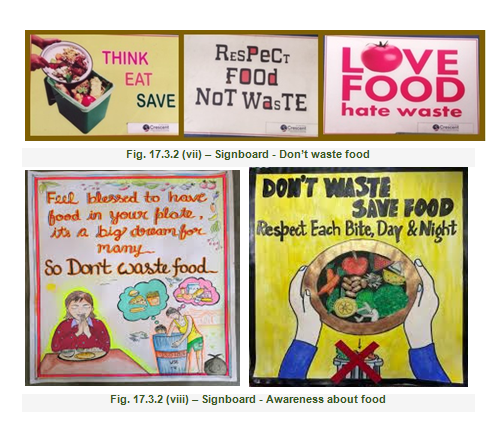
At the heart of the institute’s efforts is an awareness campaign aimed at minimizing food waste. Recognizing that food waste can occur at every stage of the supply chain—from production to consumption—the institution has taken proactive measures. Through informative signage and notice boards, students and staff are encouraged to adopt practices that prevent excess waste, contributing to a more sustainable food system on campus.
OUTREACH ACTIVITIES
D. NGO COLLABORATION IVOLUNTEER FOR SDG’S IN CANCER CARE
It is collaborative model where NGOs leverage volunteer networks to advance SDG 2 by increasing access to nutritious food, improving local food security, and supporting community resilience. It highlights partnerships between civil society, educational institutions, and local governments to mobilize volunteers for food distribution, community kitchens, and nutrition education, thereby reducing hunger and malnutrition in targeted populations.
This student volunteering programs and non-governmental organizations (NGOs) to advance Sustainable Development Goals (SDGs) related to cancer prevention, treatment, and education in 2024. Guided by a framework of structured partnerships, impact measurement, and accountability, the initiative aligns activities with SDG2, SDG 3 (Good Health and Well-being), SDG 4 (Quality Education), and SDG 17 (Partnerships for the Goals).
NGO Partner–Initiative Context
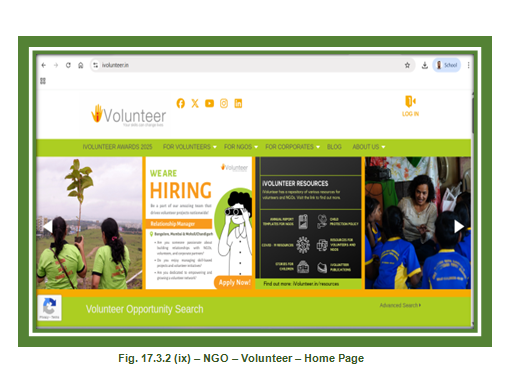
Student volunteering programs engage NGOs such as Ivolunteer (https://www.ivolunteer.in/) to extend the reach of cancer prevention and care efforts. By leveraging NGO networks, the initiative can expand screening campaigns, raise health literacy, and support palliative care where gaps exist. The program draws on regional insights, population needs, and identified gaps to inform targeted collaboration plans, ensuring NGO partnerships address real-world barriers and deliver measurable improvements in cancer outcomes.
Daan Utsav 2024 Celebrations
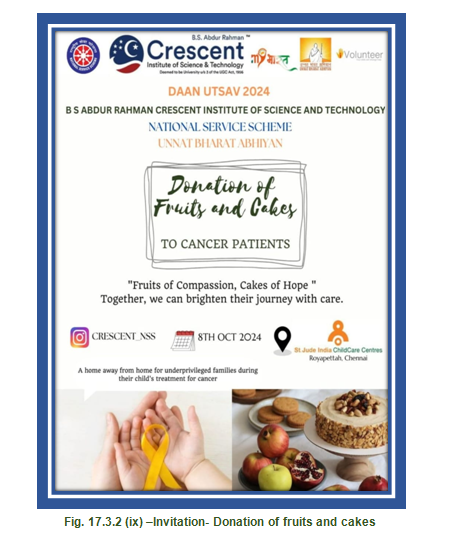
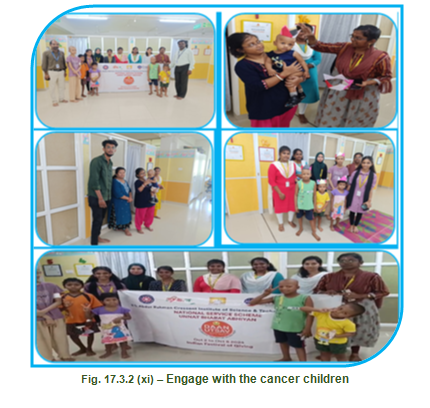
As part of Daan Utsav 2024, the National Service Scheme (NSS) and Unnat Bharat Abhiyan (UBA) at B.S. Abdur Rahman Crescent Institute of Science and Technology organized a visit to HOME FOR CANCER CHILDREN on October 8, 2024. St. Jude India ChildCare Centres (St. Jude’s), Royapettah, Chennai, identified by Ivolunteer, served as a bridge between BSACIST and Home for Cancer Children. St. Jude’s provides a “home away from home” for children undergoing cancer treatment and supports families relocating from rural and semi-urban areas to metropolitan centers due to limited local treatment options.
Event highlights
Participation: NSS programme officers and student volunteers attended.
Mission: To ensure that every child battling cancer receives essential medical care, emotional support, and social services.
Activity: On October 8, 2024, NSS and UBA organized a donation event, providing fresh fruits (apples and pomegranates) and cakes to the children, accompanied by an hour of engagement to spread joy and enhance well-being.
The collaboration demonstrates the value of student volunteers in delivering direct support to pediatric cancer patients and strengthening linkages between BSACIST, NGOs, and community-based care. By formalizing partnership processes, documenting outcomes, and expanding volunteer initiatives, the program can scale its impact on education, awareness, and humane care for children undergoing cancer treatment.
D. VISIT TO OLD-AGE HOME
The Visit to old Age Home is a campus outreach activity that engages elderly beneficiaries in food security initiatives, highlighting intergenerational learning and social support as mechanisms to improve access to nutritious food for vulnerable groups, aligning with SDG 2 through inclusive community care. It covers outcomes such as increased awareness of affordable nutrition, strengthened community ties, and potential for continued collaboration with elder-care organizations. The narrative concludes with recommendations for embedding similar visits into ongoing SDG 2 programming and expanding impact through partnerships.

B S ABDUR RAHMAN CRESCENT INSTITUTE OF SCIENCE & TECHNOLOGY
NATIONAL SERVICE SCHEME
UNNAT BHARAT ABHIYAAN
REPORT ON
DAAN UTSAV 2024
VISIT TO OLD-AGE HOME
07.10.24
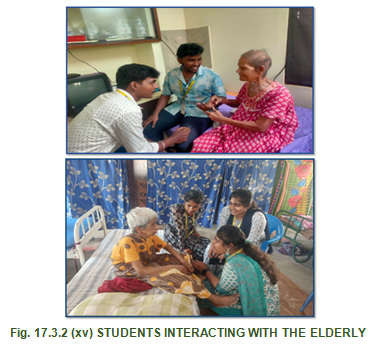
As part of the Daan Utsav 2024 celebrations, the National Service Scheme (NSS) Unit, in collaboration with Unnat Bharat Abhiyan, organized a significant visit to OLD AGE HOME on October 7rd, 2024 at B.S. Abdur Rahman Crescent Institute of Science and Technology. Themed “Lunch with Love: Nourishing Bodies and Souls Together” the event was dedicated to building bonds, sharing meals, and bringing joy to our elders aligning with the broader goals of the Joy of Giving Week.
The event was graced by the presence of several members of the institution, including the NSS programme officers Dr.C.Srinivasan , Dr.C.Noushad , Dr.R.Anitha and student volunteers. Their participation underscored the significance of the initiative and the collective commitment of the institution towards community service and social welfare.
NSS team of faculty and student volunteers visited Sri Ramanujar Old age home, Old Perungalathur, West Tambaram, Chennai on 07th Oct 2024. Visiting an old age home provided emotional support and companionship to seniors, alleviating feelings of loneliness. It fosters intergenerational connections by allowing the sharing of stories and experiences, promotes respect for elders, and encourages community engagement. The event commenced with a warm welcome address from SRI RAMANUJAR OLD AGE HOME.
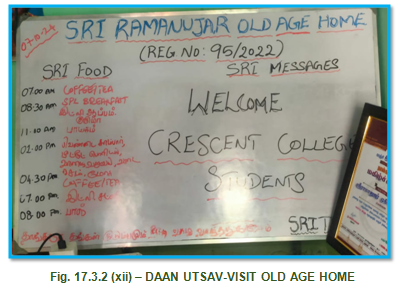
Mrs. Kasthuri, the trustee of the old age home, provided a detailed account of the residents and their daily lives. The home currently houses 38 elderly people, each with their own unique stories and experiences.
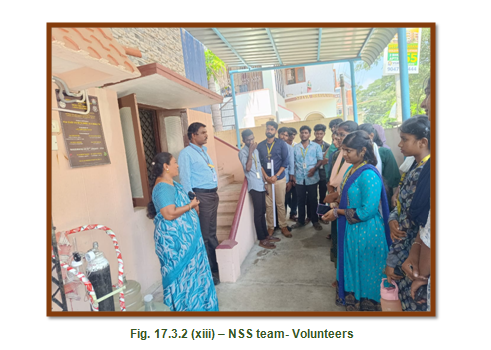
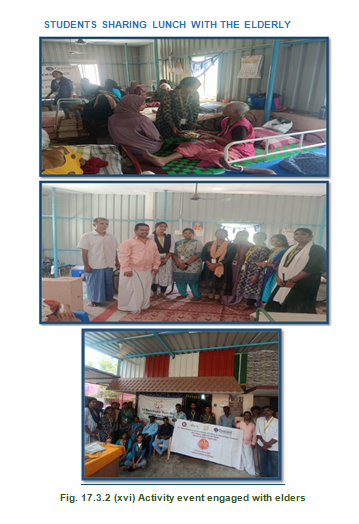
On this particular day, a team of dedicated volunteers visited the home to serve lunch to the elderly, ensuring that each individual received care and attention.
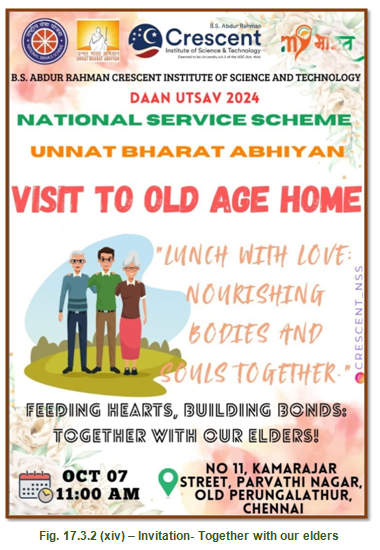
INVITATION OF THE EVENT
The student volunteers not only provided nourishment but also engaged in various activities to entertain the residents, bringing joy and comfort to their day. Through laughter and companionship, the elderly felt uplifted by the presence of the young volunteers, creating a heart warming and memorable experience for all involved.
In the home, volunteers engaged in various activities, such as playing games, singing songs, and organizing small performances to entertain the residents. These activities fostered a sense of companionship, bridging the gap between generations and bringing smiles to everyone’s faces.
STUDENTS SHARING LUNCH WITH THE ELDERLY
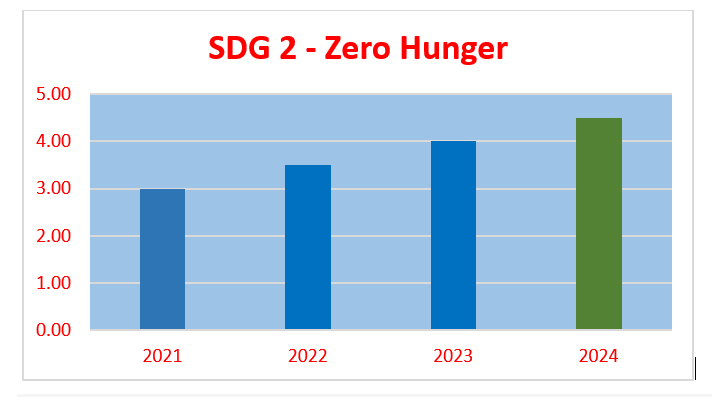
Rubrics for SDG 2: Zero Hunger
| 4 to 5 | There is significant progress in effective implementation compared to the previous year |
| 3 to 4 | The necessary processes/activities (Food waste tracking, nutritious and affordable food, food security) have been implemented |
| 2 to 3 | There is an explicit plan to address the ‘Zero Hunger’ and necessitated processes have been initiated |
| 1 to 2 | There is an understanding and willingness to contribute effectively for achieving the UN targets of SDG 2 |
| 0 to 1 | There is no/partial willingness and plan to contribute for achieving the UN targets of SDG 2 Zero Hunger |
SDG ACCORD REPORT 2025
B.S. Abdur Rahman Crescent Institute of Science and Technology (BSACIST), this positions the institute not only as a learner but as a contributor to national and regional SDG policy dialogues. The 2024 entry on relationships with regional NGOs and government for SDG policy underscores an ongoing posture of engagement with policy ecosystems, aligning institutional activity with policy development, monitoring, and adaptive management. This alignment suggests BSACIST can translate its SDG work into formal policy input, scenario modelling, and accountability mechanisms that inform broader regional development trajectories.
The 2025 SDG Accord report highlights that most signatories are moving toward embedding sustainability at an organizational level, with many reporting up-to-date sustainability policies endorsed by senior leadership. For BSACIST, the implication is to articulate a clear, leadership-backed sustainability policy or action plan that directly references SDGs most relevant to the institute’s mission and operations. Given the 2024 emphasis on engaging with government and regional NGOs, BSACIST could position its policy inputs as anchored in the connected governance and partnerships depicted in the report, ensuring that policy submissions, stakeholder consultations, and adaptive management are institutionally codified rather than ad hoc activities.
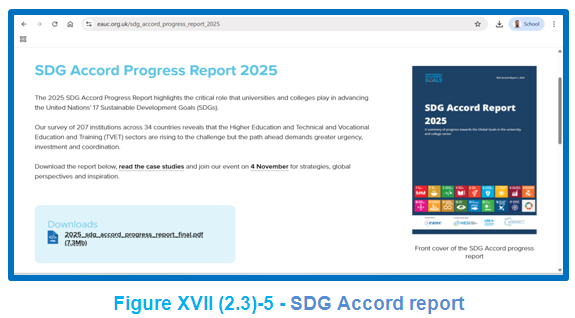
The SDG Accord Progress Report 2025 frames universities and colleges as pivotal agents for implementing the United Nations Sustainable Development Goals through whole-institution approaches. The thematic focus on Learning and Teaching reveals that while progress is ongoing, Learning and Teaching remains the least mature operational area for many signatories. BSACIST should view this as a guide to invest in curriculum integration of SDGs, faculty development, and assessment practices that explicitly test sustainability knowledge. The report notes significant barriers such as limited time for staff development and inadequate integration of sustainability into curricula. BSACIST can address these barriers by allocating dedicated funding and time for professional development, integrating SDG-related outcomes into degree programs, and creating standardized assessments that measure students’ sustainability competencies.
The progress report emphasizes the value of evidence-based case studies and peer learning. BSACIST can contribute through documenting and sharing successful Learning and Teaching innovations—for example, climate pedagogy initiatives, service-learning projects, and interdisciplinary modules that map to SDG4 (Quality Education), SDG 6 (Clean Water and Sanitation), SDG 7 (Affordable and Clean Energy) and SDG17 (Partnerships for the Goals). By contributing BSACIST-specific case studies to the SDG Accord platform, the institute would participate in a global knowledge network, enabling replication and contextual adaptation across similar universities and colleges in the region.
The results section of the report highlights top SDGs influenced by signatories and the priority SDGs for the upcoming year. In the last year, SDG4, SDG13, and SDG 6 (Clean Water and Sanitation), SDG 7 (Affordable and Clean Energy) were prominent, with SDG17 as a top priority for partnerships. For BSACIST, this pattern suggests focusing efforts on education quality, climate action initiatives, and strengthening collaborative frameworks with industry, government bodies, and civil society. Establishing formal partnerships and joint programmes with regional NGOs and the government can advance SDG implementation while creating opportunities for funding, capacity-building, and scalable impacts.
The report documents the internal and external support needs identified by signatories, with budget, dedicated staff capacity, and funding from external sources highlighted as top needs. BSACIST should prepare a resource plan that secures funding streams for SDG-aligned activities, including staff training, climate-related research, and curriculum transformation. Engaging government and sector partners can help unlock external support, align institutional priorities with national development plans, and provide procurement or grant-based pathways to sustain SDG initiatives over multiple years.
Finally, the BSACIST context benefits from the report’s emphasis on evaluating new partnerships and governance improvements. The Accord notes that sustainability work benefits from cross-departmental collaboration and a shared, mission-driven culture. BSACIST can leverage its 2024 policy-involvement experience to foster cross-disciplinary governance structures, establish an SDG steering committee, and implement a transparent reporting framework that communicates progress to internal and external stakeholders. By aligning these governance practices with the SDG Accord methodology, the institute can demonstrate measurable progress toward embedding the SDGs into education, research, operations, and community engagement.
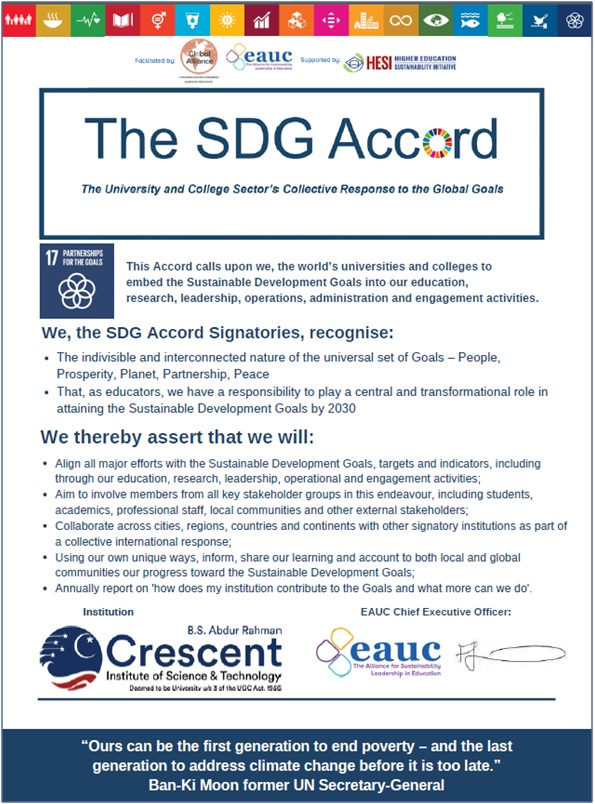
Figure XVII (3.2)-18