

Crescent Sustainability Initiatives
B. International Conference on “Smart Materials for Green Energy & Environmental Sustainability (SMaGEES 2024)
In 2024, BSACIST positions itself as an active facilitator of cross-sector dialogue on the Sustainable Development Goals. By engaging with government bodies, regional NGOs, industry partners, and academic peers through events like the SMaGEES – Smart Materials for Green Energy & Environmental Sustainability conference, the institute embodies the expectation of initiating and participating in multi-stakeholder discussions. This approach helps translate SDG ambitions into concrete policy questions, research agendas, and collaborative projects that bridge science, policy, and practice.
The SMaGEES-2024 conference provides a structured platform for BSACIST to showcase relevant research and facilitate dialogue on green energy and environmental sustainability. By bringing together government representatives, NGO leaders, and industry practitioners, the event creates an environment for identifying policy gaps, testing ideas, and co-creating recommendations. Such cross-sector engagement aligns with the methodology’s emphasis on modelling potential futures, monitoring impacts, and refining interventions through collaborative learning.
The Complete Report of the International Conference on “Smart Materials for Green Energy & Environmental Sustainability (SMaGEES 2024) is available in the following web link shown in Figure
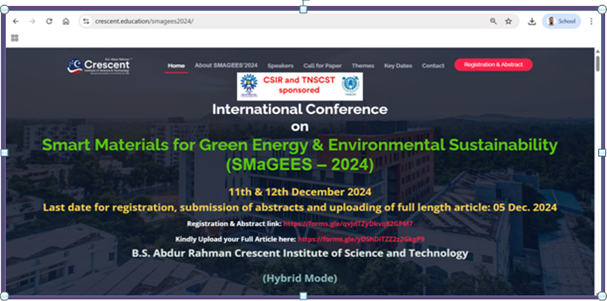
Figure XVII(2.2)-1 – (SMaGEES – 2024)

A core benefit of cross-sector SDG dialogue is the opportunity to model future scenarios with and without specific interventions. BSACIST can leverage the expertise gathered at SMaGEES-2024 to co-develop scenario analyses that illuminate trade-offs between energy innovation, environmental protection, and social outcomes. This aligns with the methodology’s emphasis on scenario planning as a tool for policy development and strategic decision-making.
Cross-sector dialogues generate diverse inputs that can feed monitoring and reporting mechanisms. BSACIST can curate learning from the conference discussions into a set of indicators, case studies, and monitoring frameworks. These outputs support adaptive management by providing evidence on what interventions work in practice, helping policymakers and partners adjust strategies in response to real-world feedback.
The attendance, presentations, and panel discussions at SMaGEES-2024 yield tangible knowledge products—policy briefs, research summaries, and best-practice guidelines—that can be disseminated to regional NGOs and government agencies. Such outputs serve as evidence of BSACIST’s contribution to SDG policy knowledge, fulfilling the cross-sector dialogue objective and enhancing the institute’s credibility as a policy-informing actor.
To sustain cross-sector SDG dialogue, BSACIST should formalize mechanisms that capture conference insights, track policy-relevant contributions, and report progress to internal and external stakeholders. Establishing a cross-sector SDG task force or working group can institutionalize collaboration with government and NGOs, ensuring that dialogues translate into policy inputs, funding opportunities, and coordinated action across sectors.
For robust reporting, BSACIST can track indicators such as: number of cross-sector events participated in or hosted (including SMaGEES-2024), policy recommendations submitted, joint research proposals with government or NGOs, SDG-aligned outputs (briefs, policy papers, or case studies), and documented adaptive management decisions influenced by multi-stakeholder inputs.
EVENT DETAILS
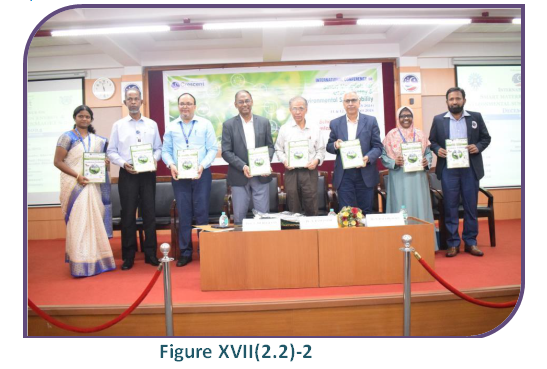
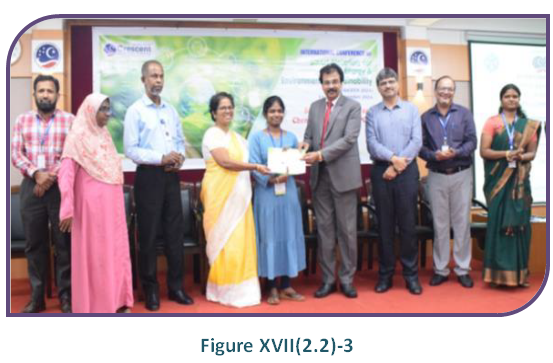
On behalf of the School of Physical and Chemical Sciences, B. S. Abdur Rahman Crescent Institute of Science and Technology, 2 days International Conference on “Smart Materials for Green Energy & Environmental Sustainability is organized during 11-12 December 2024.The conference was presided by Dr. T. Murugesan, Vice Chancellor, BSACIST and felicitated by Dr. N. Raja Hussain, Registrar, BSACIST. Padma Bhushan Dr. T. Ramasami, Distinguished Professor of Eminence, Anna university, Chennai and former secretary, DST India has inaugurated the conference and delivered the inaugural address with mentioning the importance of conference theme, materials towards green energy and environmental sustainability (shown in the following Figures).
The Conference arrangements were done by a team consist of conveners Dr. I. Raja Mohamed, Dean, SPCS, Dr. N. Hajara beevi, HoD / Chemistry and Dr. G. V. Vijayaraghavan, HoD / Physics, coordinators Dr. M. Mohamed Sheik Sirjuddeen, Associate Professor/Physics and Dr. M. Asha Jhonsi, Associate Professor/Chemistry. On day two, the valedictory program of the conference was presided by Dr. N. Thajuddin, Pro-Vice Chancellor, felicitated by Dr. Irfan, Deputy Registrar and the valedictory address was delivered by Dr. D. Kalpana, Senior Principal Scientist, CSIR Madras Complex, Chennai. From different universities and colleges around 300 researchers and students were participated in the international conference.
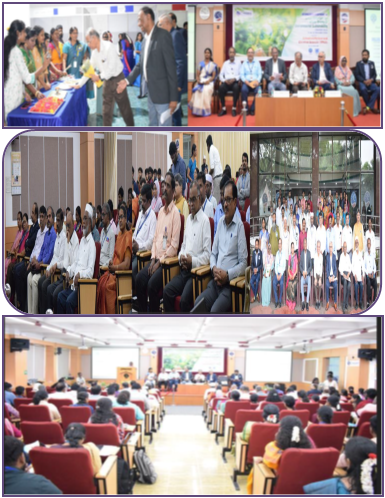
As a leading institution in India, BSA Crescent Institute of Science and Technology is ideally positioned to host this prestigious conference. The conference will not only showcase cutting-edge research but also provide a platform for students, early-career researchers, and professionals to network, gain knowledge, and collaborate on future innovations that will contribute to a more sustainable world.
C. BSACIST’S 2024 POLICY ENGAGEMENT WITH REGIONAL NGOS AND GOVERNMENT FRAMED WITHIN THE SDG ACCORD 2025 PROGRESS CONTEXT AND THE SDG-THEMED GOVERNANCE, LEARNING, AND PARTNERSHIPS AGENDA
B.S. Abdur Rahman Crescent Institute of Science and Technology (BSACIST), this positions the institute not only as a learner but as a contributor to national and regional SDG policy dialogues. The 2024 entry on relationships with regional NGOs and government for SDG policy underscores an ongoing posture of engagement with policy ecosystems, aligning institutional activity with policy development, monitoring, and adaptive management. This alignment suggests BSACIST can translate its SDG work into formal policy input, scenario modelling, and accountability mechanisms that inform broader regional development trajectories.
The 2025 SDG Accord report highlights that most signatories are moving toward embedding sustainability at an organizational level, with many reporting up-to-date sustainability policies endorsed by senior leadership. For BSACIST, the implication is to articulate a clear, leadership-backed sustainability policy or action plan that directly references SDGs most relevant to the institute’s mission and operations. Given the 2024 emphasis on engaging with government and regional NGOs, BSACIST could position its policy inputs as anchored in the connected governance and partnerships depicted in the report, ensuring that policy submissions, stakeholder consultations, and adaptive management are institutionally codified rather than ad hoc activities.
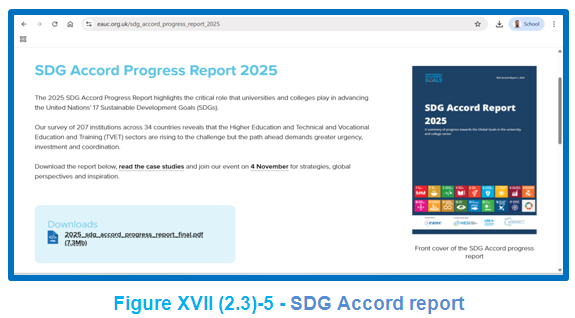
The SDG Accord Progress Report 2025 frames universities and colleges as pivotal agents for implementing the United Nations Sustainable Development Goals through whole-institution approaches. The thematic focus on Learning and Teaching reveals that while progress is ongoing, Learning and Teaching remains the least mature operational area for many signatories. BSACIST should view this as a guide to invest in curriculum integration of SDGs, faculty development, and assessment practices that explicitly test sustainability knowledge. The report notes significant barriers such as limited time for staff development and inadequate integration of sustainability into curricula. BSACIST can address these barriers by allocating dedicated funding and time for professional development, integrating SDG-related outcomes into degree programs, and creating standardized assessments that measure students’ sustainability competencies.
The progress report emphasizes the value of evidence-based case studies and peer learning. BSACIST can contribute through documenting and sharing successful Learning and Teaching innovations—for example, climate pedagogy initiatives, service-learning projects, and interdisciplinary modules that map to SDG4 (Quality Education), SDG 6 (Clean Water and Sanitation), SDG 7 (Affordable and Clean Energy) and SDG17 (Partnerships for the Goals). By contributing BSACIST-specific case studies to the SDG Accord platform, the institute would participate in a global knowledge network, enabling replication and contextual adaptation across similar universities and colleges in the region.
The results section of the report highlights top SDGs influenced by signatories and the priority SDGs for the upcoming year. In the last year, SDG4, SDG13, and SDG 6 (Clean Water and Sanitation), SDG 7 (Affordable and Clean Energy) were prominent, with SDG17 as a top priority for partnerships. For BSACIST, this pattern suggests focusing efforts on education quality, climate action initiatives, and strengthening collaborative frameworks with industry, government bodies, and civil society. Establishing formal partnerships and joint programmes with regional NGOs and the government can advance SDG implementation while creating opportunities for funding, capacity-building, and scalable impacts.
The report documents the internal and external support needs identified by signatories, with budget, dedicated staff capacity, and funding from external sources highlighted as top needs. BSACIST should prepare a resource plan that secures funding streams for SDG-aligned activities, including staff training, climate-related research, and curriculum transformation. Engaging government and sector partners can help unlock external support, align institutional priorities with national development plans, and provide procurement or grant-based pathways to sustain SDG initiatives over multiple years.
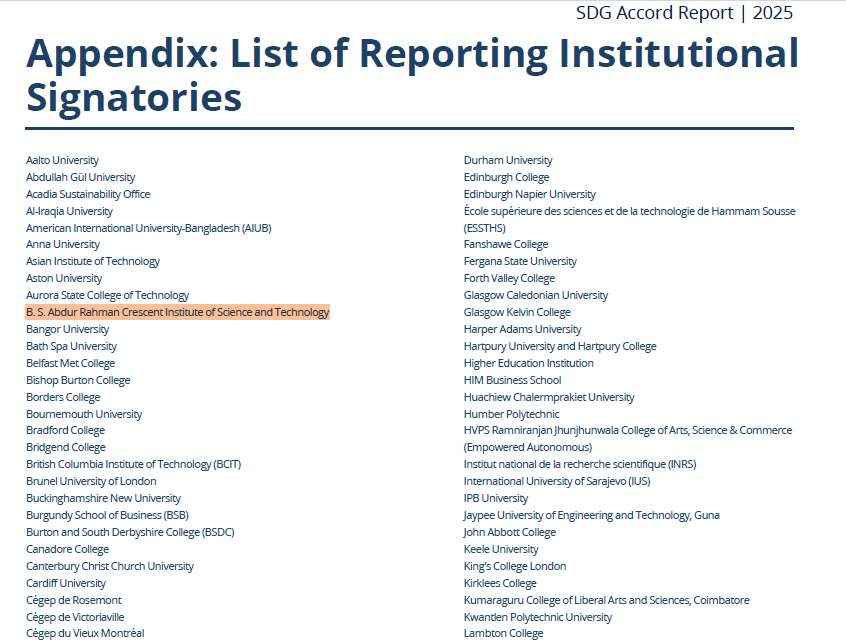
Appendix List of Report
Finally, the BSACIST context benefits from the report’s emphasis on evaluating new partnerships and governance improvements. The Accord notes that sustainability work benefits from cross-departmental collaboration and a shared, mission-driven culture. BSACIST can leverage its 2024 policy-involvement experience to foster cross-disciplinary governance structures, establish an SDG steering committee, and implement a transparent reporting framework that communicates progress to internal and external stakeholders. By aligning these governance practices with the SDG Accord methodology, the institute can demonstrate measurable progress toward embedding the SDGs into education, research, operations, and community engagement.
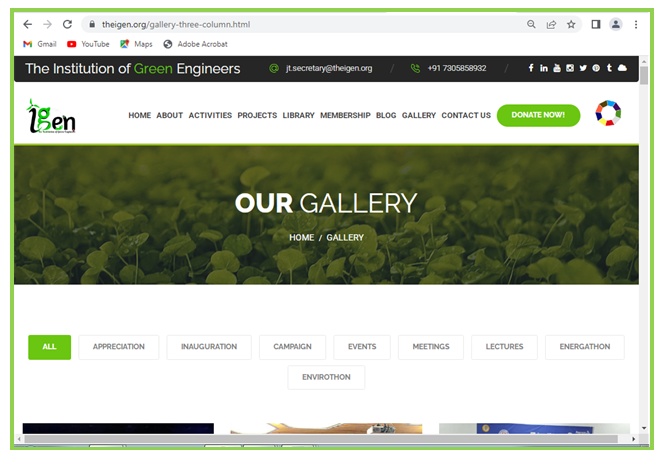
D. BSACIST 2024 SDG Policy Engagement and Governance Through Regional Non-Governmental Organizations (https://theigen.org/) Partnerships
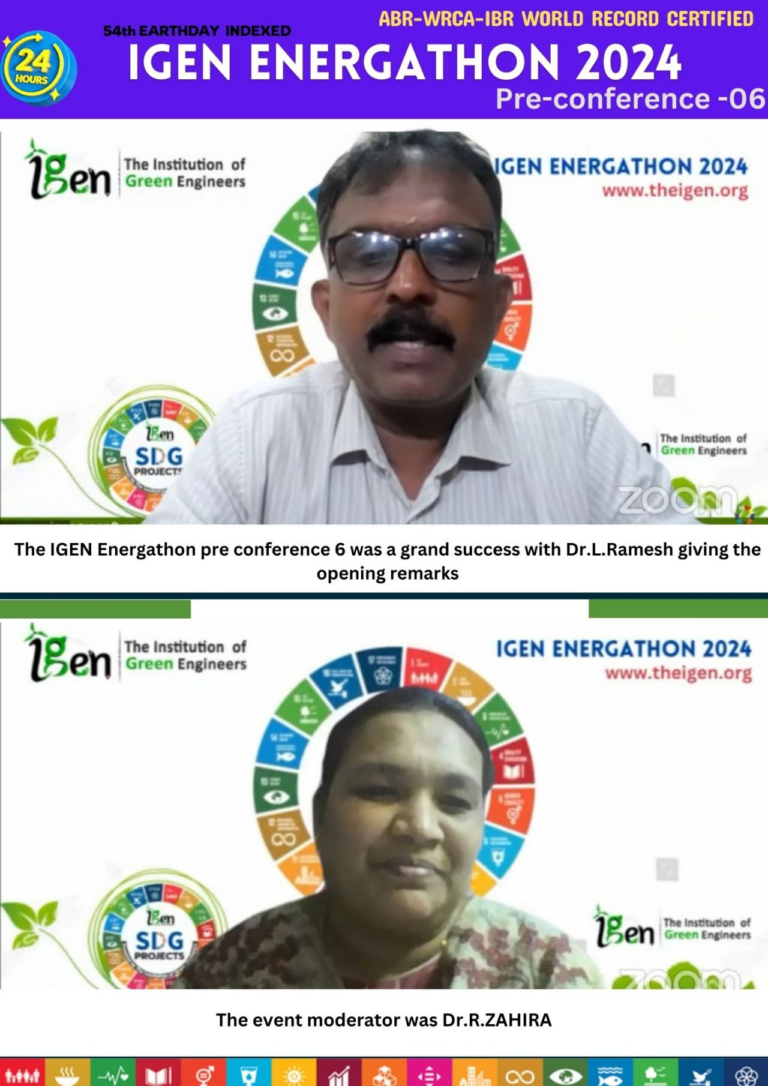
BSACIST demonstrates a policy-oriented stance by engaging with regional NGOs and government on SDG matters in 2024. The institute’s participation as a resource person and panellist in energy and sustainability dialogues (as seen in the IGEN Energyathon and related events) signals a proactive role in shaping issues, challenges, and potential policy responses rather than a purely academic exercise.
The involvement spans multiple stakeholders, including government bodies, regional NGOs, industry partners, and academic peers. By contributing expertise through panels and knowledge-sharing sessions, BSACIST helps identify problems, shape policy agendas, and foster adaptive management. This collaborative mode reflects a governance approach where diverse voices inform SDG policy design and monitoring, enabling more context-relevant and implementable strategies.
BSACIST’s visibility in energy and sustainability forums indicates engagement in scenario planning activities, where different SDG-related interventions are explored to understand potential outcomes. This modelling supports evidence-based policy development, helping policymakers anticipate trade-offs and prioritize interventions that yield sustainable development gains.
Monitoring and reporting on interventions is central to adaptive management. Through conferences, expert panels, and documented contributions, BSACIST contributes to transparency around SDG initiatives, enabling stakeholders to track progress, learn from results, and adjust actions accordingly. The institute’s public-facing materials and event outputs function as accountability artifacts that demonstrate ongoing stakeholder engagement.
Enabling adaptive management means BSACIST supports iterative policy processes that respond to new data and changing conditions. The institute’s engagement in energy events and knowledge exchanges provides a feedback loop for policy refinement, ensuring SDG strategies stay relevant to regional energy challenges and evolving technology landscapes. This adaptive stance strengthens resilience and alignment with national development priorities.
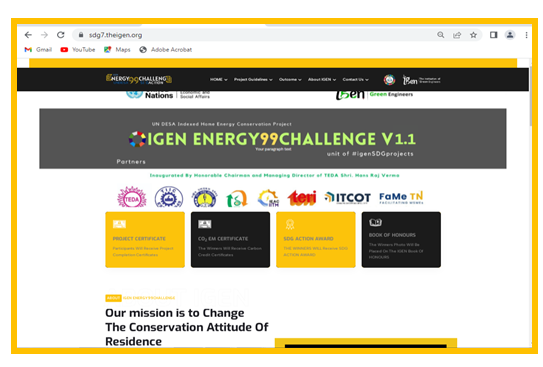
BSACIST faculty member Dr. R. Zahira as a resource person and panellist in energy-oriented advocacy forums. This visible participation translates into concrete evidence of policy-relevant activity: sharing expertise, informing decisions, and contributing to the public discourse on SDG-related policies. Such practice helps legitimize the institute’s role in national and regional SDG governance and enhances its credibility with partners and policymakers.
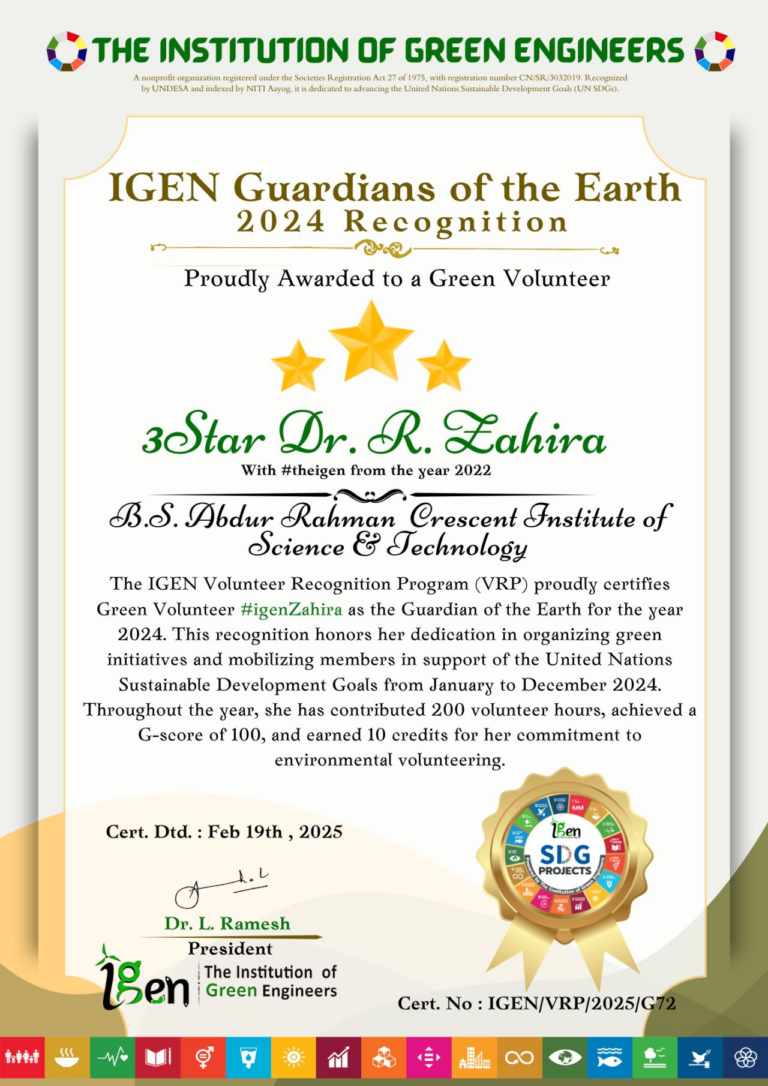
IGen Certificate
IGen Signed Copy
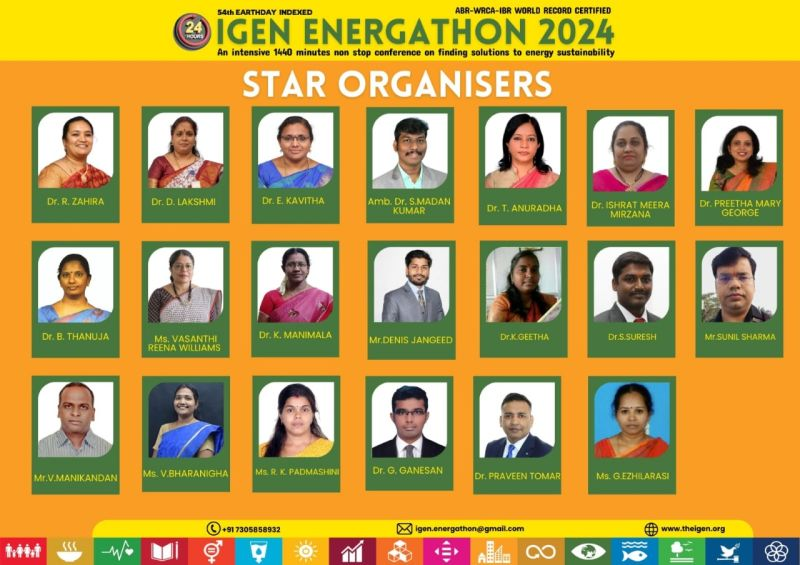
STAR ORGANISER
PARTNERS ENERGY AND ACTION PRIVATE MEET – 2024
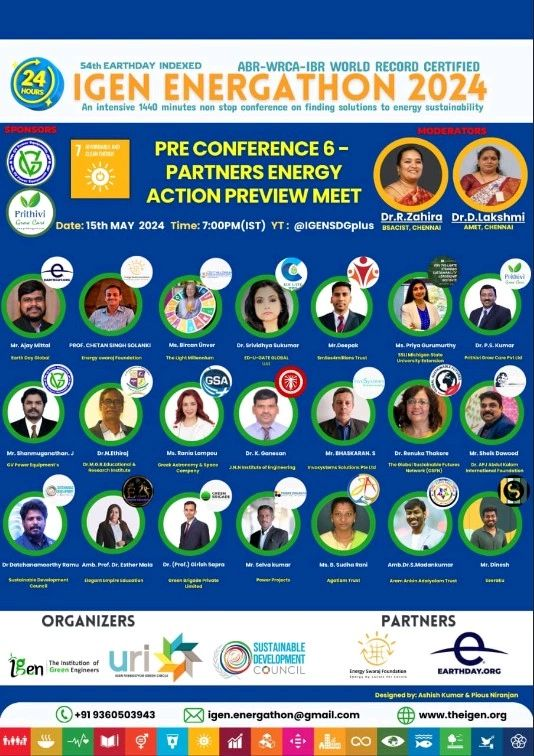
The Program conference video link: https://www.youtube.com/live/0OJTDfqnmO4