

B.S. Abdur Rahman Crescent Institute of Science and Technology is committed to advancing Sustainable Development Goal (SDG 7) by ensuring universal access to reliable, affordable, and modern energy for all within our campus community. Through energy-efficient building upgrades, smart energy management, and the integration of on-site renewable energy, we strive to reduce energy demand, lower operating costs, and improve indoor environmental quality for students, faculty, and staff. Our ongoing initiatives—ranging from LED retrofits and inverter-driven HVAC systems to cloud-based controls and solar installations—reflect a clear dedication to sustainable development, resilience, and leadership in energy stewardship.
B.S. Abdur Rahman Crescent Institute of Science and Technology actively informs and supports government efforts related to Clean Energy and Energy-Efficient Technology policy. The institute engages in research, policy analysis, stakeholder engagement, and capacity-building to influence policy development at local, regional, and national levels.
Research and Analysis
- Conducting interdisciplinary research on renewable energy integration, energy storage, grid modernization, and energy efficiency technologies.
- Producing policy briefs, white papers, and impact assessments to inform government decision-makers.
- Analyzing economic, environmental, and social implications of proposed energy policies.
Policy Engagement and Advocacy
- Participating in government committees, task forces, and public consultations on energy policy.
- Providing evidence-based recommendations to policymakers to advance clean energy adoption and energy efficiency standards.
- Organizing seminars, roundtables, and stakeholder dialogues with industry, academia, and government representatives.
Collaboration and Partnerships
- Establishing research partnerships with national laboratories, energy agencies, and industry players.
- Collaborating with universities and research institutes to share best practices in policy design and implementation.
- Supporting pilot projects and demonstration programs that showcase viable clean energy solutions.
Education and Capacity Building
- Developing curricula and training programs focused on renewable energy, energy systems, and sustainability.
- Offering continuing education and professional development for government officials, engineers, and policymakers.
- Building public awareness campaigns to educate citizens about energy conservation and clean energy options.
Data, Standards, and Evaluation
- Building data repositories and dashboards for energy consumption, generation, and policy impact metrics.
- Contributing to the development and harmonization of energy efficiency standards and measurement methodologies.
- Conducting impact evaluations to assess the effectiveness of implemented policies and programs.
Expected Impacts
- Informed policy decisions that accelerate the deployment of clean energy and improve energy efficiency.
- Strengthened collaboration between academia, government, and industry.
- Enhanced capacity of public institutions to design, implement, and monitor energy policies.
- Progress toward national and regional sustainable development goals related to energy access, affordability, and environmental protection.
Crescent Global Outreach Mission: R&D
I. Government Advisory Panel Members/Policy development (how the institution informs a supports government in policy development such as clean energy)
1.Member committee for TANSA from TamilNadu State Council for Science and Technology ( of TamilNadu), Chennai for the year 2024 & 2025 for Biological Sciences
2.Project Reviewer for Bioenergy related proposal submitted to Department of Biotechnology (DBT, Govt. of India)
3. Mentor for Idea Lab supported by All India Council for Technical Education (AICTE, Govt. of India)
II . A detail report CGOM consultancy and research projects relevant to the SDG
S.No | Title of the Project / Consultancy | Supporting Agency | Amount (Rs.) | SDGs |
1 | Development and Improving the Energy Storage of Li-based Devices using Reduced Graphene | NanoFold Inc., Bangalore, India | 97,00,000 | 7,9,11, 12,13 |
2 | Superbattery-Revolutionizing Next-Generation Energy Storage | TNSCST, Chennai | 90,000 | 7,9,11, 12 |
3 | Development and Fabrication of a High-Efficiency Solid-State Rechargeable Zinc-Sulfur Battery for Wearable Technology. | DST Nidhi Prayas | 6,00,000 | 3,7,9, 12,13 |
4 | Innovative Super capacitor for Energy Storage Solutions- from Modelling to Device Fabrication | CSM, BSACIST | 1,00,000 | 7, 9, 11, 12, 13 |
A. Continuous Ambient Air Quality Monitoring Station (CAAQMS) A Step Towards Sustainable Clean Energy Policy in Tamil Nadu
The Tamil Nadu Pollution Control Board, in collaboration with B.S. Abdur Rahman Crescent Institute of Science and Technology, inaugurated the Continuous Ambient Air Quality Monitoring Station (CAAQMS) on the institute’s campus. This initiative marks a significant advancement in the region’s efforts to monitor air quality and develop policies related to clean energy technology. The establishment of the CAAQMS is a crucial step towards understanding and managing air pollution, thereby supporting the broader goals of environmental sustainability.
This process underscores the collaborative commitment of governmental and educational institutions to enhance air quality monitoring, which is essential for informing effective clean energy and energy-efficient technology policies.
The CAAQMS will play a vital role in providing real-time data on air quality, which is instrumental in assessing the impact of various energy sources. This data will inform strategies aimed at transitioning from fossil fuels to cleaner alternatives, thereby supporting regulatory frameworks and engaging stakeholders in the importance of air quality management. Overall, the establishment of the CAAQMS represents a proactive approach to environmental governance and clean energy policy development.
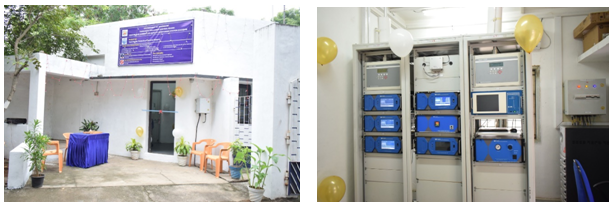
Figure 7.4.4 (i) : Continuous Ambient Air Quality Monitoring Station (CAAQMS)
B. Strategic Solar Infrastructure: BSACIST’s Comprehensive Energy Efficiency Approach
B.S. Abdur Rahman Crescent Institute of Science and Technology (BSACIST) has implemented a comprehensive strategy to upgrade existing buildings to higher energy efficiency through innovative renewable energy solutions. As part of its ‘Green Campus’ initiative, the institute has installed multiple rooftop solar photovoltaic power plants with a total capacity of 650 kWp, strategically positioned across various campus buildings. A new 125 kWp rooftop plant is currently being installed on the New Hostel Block, to operate alongside the existing 650 kWp system. Together, these installations bring the campus’s total solar capacity to 775 kWp, enhancing clean and green energy generation.
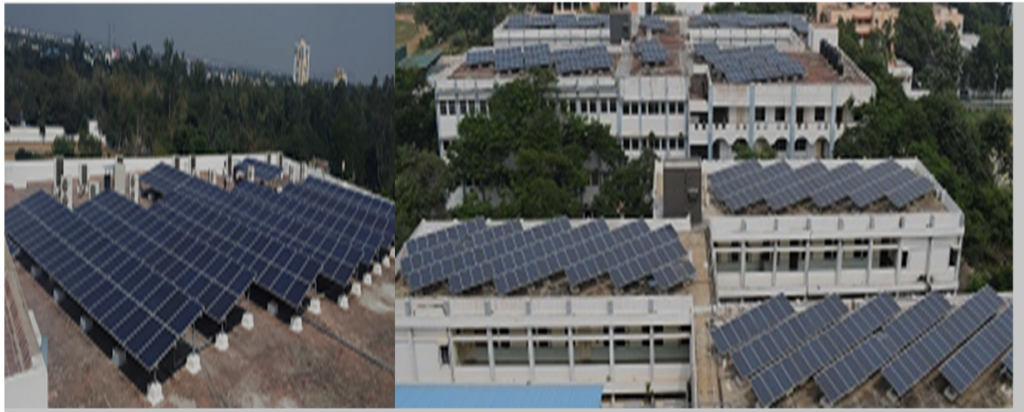
Figure 7.4.4 (ii) : Solar Panel Installed at Roof Top in Various Buildings
Quantifying Success: Solar Power Generation and Financial Savings
The solar power implementation has yielded significant energy efficiency improvements.
Plant | Units | Amount Saved |
150Kwp | 16,49,008 | 1,51,57,896 |
100kWp | 12,95,898 | 1,21,75,627 |
300kWp | 20,38,673 | 2,02,81,665 |
100kWp | 4,33,469 | 44,55,983 |
Total | 54,17,048 | 5,20,71,171 |
Total Solar Power Generation – 650kWp from 2014 to 31st December 2024
These solar installations now constitute 20% of the total electricity consumption since June 2014, representing a substantial upgrade in the campus’s energy efficiency infrastructure.
Innovative Energy Solutions: Beyond Solar Power Generation
Beyond solar power, BSACIST has implemented complementary energy-efficient technologies to upgrade existing buildings. A notable example is the installation of solar water heating systems with a total capacity of 39,500 litres, equivalent to 365 electric geysers of 2kW capacity. These systems are strategically placed in Men’s Hostel blocks, Ladies Hostel, and New Staff Quarters, estimated to save approximately 24 lakhs in power consumption annually. The institute has also introduced innovative solutions like zero-export devices to manage surplus solar power generation and prevent potential damage to diesel generator sets.
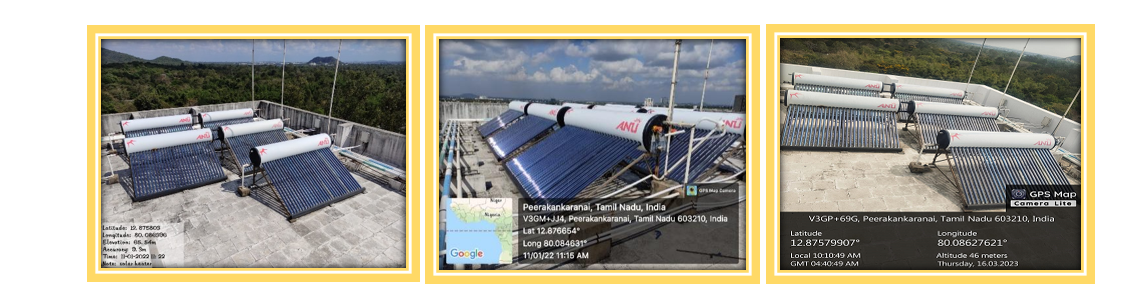
Figure 7.4.4 (iii) : Solar Panel Installed at Roof Top Hostels and Staff Quarters
Block | No. of tanks | Capacity in litres |
Men’s Hostel | ||
A Block | 20 | 5000 |
B Block | 6 | 3000 |
C Block | 6 | 3000 |
D Block | 8 | 4000 |
Main block | 20 | 5000 |
PG block | 12 | 3000 |
Ladies Hostel | ||
Main block | 10 | 5000 |
Annexure Block | ||
New Block Phase 1 | 17 | 5750 |
Staff Quarters | ||
New Staff Quarters | 23 | 5750 |
Total Capacity | 122 | 39,500Litres |
Total capacity of water through Solar Heater
C. Smart Infrastructure: Collaborative Energy Management Strategies
To further enhance energy efficiency, the institute has developed additional infrastructure improvements. Solar street lighting projects have been implemented along the road connecting staff quarters to the men’s hostel and the architecture block – a collaborative effort between third-year electrical engineering students and the estate electrical department. The zero-export device ensures that excess power generated by the solar power plant does not damage the diesel generator sets, while allowing the solar power to be shared across the campus grid during load shedding.
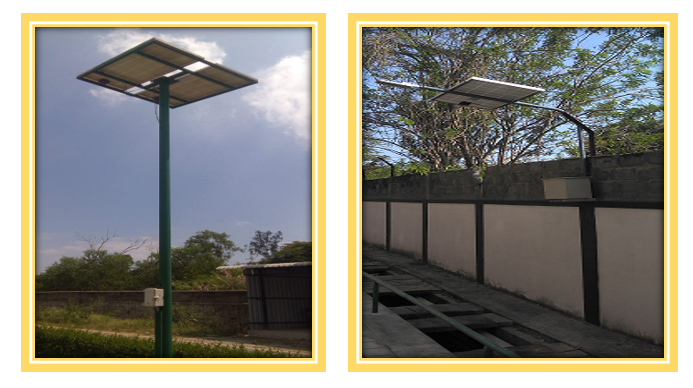
Figure 7.4.4 (iv) : Solar Street Lights @ Crescent Campus