

Crescent Sustainability Initiatives
Affordable and Clean Energy (SDG 7)
Issue: 04; Revised on 2023
| Policy Created on | July 2009 |
| 1st Revision amended on | IQAC Meeting held on 27th October 2017 |
| 2nd Revision amended on | IQAC Meeting held on 31st March 2021 |
| 3rd Revision amended on | IQAC Meeting held on 16th June 2023 |
Responsible Executive : Director (IQAC)
Responsible Office : Internal Quality Assurance Cell, Estate Office, and SDG Cell
Contacts : Registrar, Director (IQAC)
The B.S. Abdur Rahman Crescent Institute of Science and Technology is committed to ensuring that all renovations and new constructions on campus adhere to stringent energy efficiency standards. This policy aims to:
- Ensure universal access to affordable, reliable, modern energy services.
- Increase substantially the share of renewable energy in the global energy mix.
- Double the global rate of improvement in energy efficiency
- Enhance international cooperation to facilitate access to clean energy research and technology.
- Expand infrastructure and upgrade technology to supply modern and sustainable energy services, particularly in developing countries.
7.2 REASON FOR THIS POLICY
This policy is established to promote energy-efficient practices in renovating existing infrastructures and constructing new buildings. By adhering to energy efficiency standards, the Institute aims to reduce greenhouse gas emissions, lower operational costs, and contribute to the global efforts to combat climate change, which aligns with SDG 7 – Affordable and Clean Energy.
7.3 RESPONSIBILITIES
7.3.1 Policy Principles
The Institute shall implement the following principles to ensure compliance with energy efficiency standards:
- All renovations and new constructions must achieve recognised building rating systems such as EDGE, IGBC, and LEED.
- Sustainable design features, including using renewable energy sources, shall be integrated into all projects.
- An efficient waste management plan shall be established to minimize waste and promote recycling.
- Rainwater harvesting systems shall be implemented in all new buildings.
- Energy conservation shall be prioritized through the installation of energy-efficient appliances and equipment.
- Regular audits of energy consumption shall be conducted to identify areas for improvement.
- Use of low VOC (Volatile Organic Compounds) materials in construction and renovation to minimize harmful emissions.
- Adoption of eco-friendly housekeeping practices using biodegradable chemicals.
- Implementation of high reflective roofing materials and green roofs to reduce heat island effects.
- Encourage water-efficient landscaping and high-efficiency irrigation technology in new construction projects.
- Support R&D activities towards energy-efficient renovation and building.
- Enhance national/international cooperation to facilitate access to green building technology.
- Dissemination of Policy
- Awareness programs shall be conducted regularly for all stakeholders regarding energy-efficient practices.
- This policy shall be publicly accessible on the Institute’s website and updated as necessary.
7.3.3 Enforcement of Policy
- The Director (Planning and Development) and their team are responsible for monitoring compliance with this policy.
- Compliance shall be communicated to architects, design engineers, and construction workers involved in projects.
7.2.1 – ENERGY EFFICIENCY POLICY.pdf
Promotion and Implementation of Energy-Efficient Renovation and Building Policy
The B.S. Abdur Rahman Crescent Institute of Science and Technology (BSACIST) has established a comprehensive policy to ensure that all renovations and new constructions on campus adhere to stringent energy efficiency standards. This commitment is encapsulated in the Policy for Energy-Efficient Renovation and Building, which outlines the institute’s dedication to sustainable practices and aligns with global efforts to combat climate change.
Existence of Policy
The policy’s existence is clearly articulated in the Policy for Upgrading Buildings document, which emphasises the institute’s commitment to energy efficiency in all construction and renovation projects. The policy mandates that all new buildings and renovations comply with recognised energy efficiency standards, such as EDGE, IGBC, and LEED. This ensures that the institute meets regulatory requirements and sets a benchmark for sustainable development in the educational sector.
Evidence Provided
Evidence of the policy’s implementation is demonstrated through various initiatives and projects undertaken by BSACIST. The institute has successfully installed multiple rooftop solar photovoltaic power plants with a total capacity of 650 kWp, significantly contributing to its energy requirements while reducing dependence on conventional energy sources. Additionally, the establishment of solar water heating systems with a capacity of 39,500 litres and solar street lighting projects further exemplifies the practical application of the policy. These initiatives enhance energy efficiency and serve as a model for other institutions aiming to achieve similar sustainability goals.
Moreover, comprehensive simulation studies conducted for various buildings indicate potential energy consumption reductions of up to 10.5%, showcasing the effectiveness of the implemented energy-efficient technologies. Integrating advanced materials, such as AAC (Autoclaved Aerated Concrete) blocks and high-performance glass, further supports the institute’s commitment to reducing energy consumption.
Public Accessibility of Evidence
The evidence supporting the policy’s implementation is publicly accessible, as the policy document is available on the institute’s website. This transparency ensures that stakeholders, including students, faculty, and the community, are informed about the institute’s energy efficiency and sustainability commitment. Furthermore, regular awareness programs and workshops are conducted to engage the community and promote energy-efficient practices, reinforcing the institute’s role as a leader in sustainable development.
Policy Review Period
The policy has undergone revisions to remain relevant and effective, with the most recent review occurring in 2023. This continuous improvement process reflects the institute’s proactive approach to adapting to new challenges and advancements in energy efficiency technologies. The policy’s history indicates a commitment to evolving practices, with previous revisions made in 2017 and 2021, ensuring that the institute stays at the forefront of sustainable building practices.
Summary
In summary, BSACIST’s policy for upgrading buildings to higher energy efficiency standards is a robust framework that promotes sustainable practices and provides tangible evidence of its implementation. The institute’s commitment to energy-efficient renovations and new constructions is evident through its various projects, public accessibility of policy documents, and regular reviews, ensuring alignment with contemporary sustainability goals. By fostering a culture of sustainability and innovation, BSACIST sets a precedent for educational institutions and contributes significantly to global efforts in combating climate change. Integrating innovative technologies and comprehensive energy management strategies further solidifies the institute’s role as a leader in sustainable practices within higher education.
Table VII – 1: Promotion / Implementation/ Evidence of Policy of Energy Efficient & Divestment Policy
| Upgrade buildings to higher energy efficiency. | https://crescent.education/iqac_csi_sdg7_722_2022-23/ |
| Carbon reduction and emission reduction process | https://crescent.education/iqac_csi_sdg7_723_2022-23/ |
| Plan to Reduce Energy Consumption | https://crescent.education/iqac_csi_sdg7_724_2022-23/ |
| Energy waste identification | https://crescent.education/iqac_csi_sdg7_725_2022-23/ |
| Local community outreach | https://crescent.education/iqac_csi_sdg7_741_2022-23/ |
| Renewable Energy Pledge | https://crescent.education/iqac_csi_sdg7_742_2022-23/ |
| Energy efficiency services for the industry | https://crescent.education/iqac_csi_sdg7_743_2022-23/ |
| Policy – Clean Energy Technology | https://crescent.education/iqac_csi_sdg7_744_2022-23/ |
| Low–carbon innovation | https://crescent.education/iqac_csi_sdg7_745_2022-23/ |
Commitment to Upgrading Energy Efficiency
The initiative to upgrade existing buildings to higher energy efficiency is a cornerstone of sustainable development at B. S. Abdur Rahman Crescent Institute of Science and Technology (BSACIST). This commitment aligns with the broader definition of sustainability, which emphasizes meeting present needs without compromising future generations’ ability to meet theirs. By focusing on energy-efficient upgrades, BSACIST aims to minimize its environmental impact, reduce operational costs, and enhance the overall quality of life for its occupants. The university recognizes that the built environment significantly influences energy consumption and resource use, making these upgrades essential for fostering a sustainable campus.
Comprehensive Sustainability Measures
BSACIST’s approach to upgrading buildings encompasses a wide range of sustainability measures that address various aspects of energy efficiency. The campus incorporates advanced technologies such as high-performance insulation, energy-efficient Heating, Ventilation, and Air Conditioning (HVAC) systems, and renewable energy investments, including solar panels. These upgrades are designed to reduce energy consumption significantly, with comprehensive simulation studies indicating potential reductions of up to 10.5% in energy use across various buildings. The integration of these technologies not only lowers energy costs but also contributes to the university’s goal of achieving a “Net Zero Energy Building,” where energy generation meets or exceeds consumption.
Water and Resource Efficiency
In addition to energy efficiency, BSACIST emphasizes water conservation and resource management as part of its sustainability upgrades. The implementation of rainwater harvesting systems and on-site wastewater treatment facilities exemplifies the university’s commitment to responsible water use. By treating 100% of wastewater on-site and utilizing it for flushing and irrigation, BSACIST effectively reduces its reliance on external water sources. Furthermore, the selection of native and adaptive landscaping species minimizes water requirements, showcasing a holistic approach to resource management that complements energy efficiency efforts.
Enhancing Indoor Environment Quality
Upgrading buildings for higher energy efficiency also involves improving indoor environmental quality. BSACIST has adopted measures to ensure that indoor air quality is prioritized, including the use of low volatile organic compounds materials, adequate ventilation, and natural lighting. These enhancements not only contribute to energy savings but also promote the health and well-being of students and staff. By creating spaces that are conducive to learning and productivity, the university fosters an environment where occupants can thrive, thereby enhancing overall performance and satisfaction.
A Vision for a Sustainable Future
In summary, BSACIST’s plans to upgrade existing buildings to higher energy efficiency reflect a comprehensive commitment to sustainability. By integrating energy-efficient technologies, water conservation practices, and indoor environmental quality measures, the university is setting a benchmark for sustainable practices in higher education. This proactive approach not only reduces the ecological footprint of the campus but also serves as a model for other institutions aiming to achieve similar sustainability goals. As BSACIST continues to invest in these initiatives, it reinforces its vision of transforming the campus into a green, sustainable environment that benefits both current and future generations.
Enhanced Energy Efficiency – Campus Development Plan
Commitment to Sustainable Practices
Upgrading existing buildings to higher energy efficiency is a critical step in fostering sustainable practices within campus environments. The initiative transcends mere compliance with regulatory requirements; it embodies a strategic commitment to minimizing the environmental impact of our university infrastructure. By leveraging modern engineering and sustainable materials, institutions can significantly reduce energy consumption, thus lowering greenhouse gas emissions and contributing to a healthier environment for current and future generations.
Figure VII (2.2) – 1 : Campus Map of Energy Effiency Initiatives


Strategic Planning for Energy Efficiency
The BSACIST campus layout, as depicted in the accompanying map, reflects a meticulous strategy for implementing energy-efficient upgrades. Key buildings, including the Crescent School of Architecture, Basic Science Block, and Mechanical Science Block, are categorized according to their engagement with various sustainability rating systems, such as the Leadership in Energy and Environmental Design (LEED) India New Construction Rating System and the IGBC Green Homes and Green Existing Buildings Rating Systems. This distinct colour coding not only clarifies each building’s status but also underscores the university’s commitment to integrating sustainable practices throughout its operations.
Forward-Thinking New Constructions
Buildings within the LEED rating system, such as the KBA Men’s Hostel (Phase II) at BSACIST, represent a progressive approach to construction. By prioritizing energy efficiency, waste reduction, and the use of sustainable materials from the outset, these structures establish benchmarks for future projects. This proactive strategy not only lowers operational costs but also enhances the living and learning environments for students and faculty, promoting a culture of sustainability across the campus.
Renovating Older Infrastructure
The IGBC Green Existing Buildings rating system highlights the university’s commitment to modernizing older infrastructures, such as the Electrical Science Block, Convention Center, Ladies Hostel, and Quarters. This initiative involves assessing and retrofitting these spaces with energy-efficient technologies, breathing new life into them while significantly lowering their ecological footprints. These upgrades not only enhance operational efficiency but also serve as exemplary models of how institutions can honor their heritage while embracing contemporary sustainability standards.
A Legacy of Environmental Stewardship
In conclusion, the strategic planning for energy efficiency at BSACIST illustrates a comprehensive commitment to sustainability across new and existing infrastructures. By integrating energy-efficient practices and sustainable materials, the university not only enhances its buildings but also fosters a culture of environmental responsibility. The careful categorization of projects under various sustainability rating systems, combined with proactive measures for both new constructions and the retrofitting of older buildings, establishes BSACIST as a leader in sustainable practices within higher education. This holistic approach not only reduces operational costs but also creates a vibrant and environmentally conscious campus, setting a standard for others to follow in the pursuit of sustainability.

Figure VII (2.2) – 2 : Mechanical Science Block

Figure VII (2.2) – 3 : Life Science Block
To enhance energy efficiency and reduce overall energy consumption by approximately 10.5%, comprehensive simulation studies were conducted to model the buildings’ energy-consuming systems. These studies provided a thorough understanding of where energy savings could be realized, leading to the implementation of various energy measures.
1. AAC/Aerocon Blocks and Energy-Efficient Roof Configurations:
The use of walls constructed from AAC (Autoclaved Aerated Concrete) or Aerocon blocks, along with energy-efficient roofing materials, helps to minimize heat ingress, which is crucial for maintaining comfortable indoor temperatures and reducing cooling demands.
2. Efficient Chiller Machines:
Upgrading to more efficient chiller machines is essential for optimizing cooling performance while consuming less energy. These machines provide better thermal comfort with less energy expenditure.
3. Variable Frequency Drives:
Incorporating variable frequency drives in pumps, cooling towers, and air handling units (AHUs) allows for the regulation of energy consumption based on real-time occupancy. This ensures that energy is used effectively, as the system adapts to the actual demand rather than operating at a constant high capacity.
4. Heat Recovery Wheels:
The installation of heat recovery wheels contributes to energy efficiency by recovering waste heat and reusing it, thereby reducing the overall energy required for heating and cooling.
5. High-Performance Glass:
Selecting high-performance glass that allows minimal heat transfer is another significant measure. This not only reduces the cooling load during hot months but also enhances the building’s thermal insulation properties.
6. Efficient Lighting Design:
The lighting design incorporates energy-efficient solutions, such as compact fluorescent lamps (CFLs) and T5 bulbs, which provide higher brightness with lower energy consumption.
7. Low Power Consumption Fans:
The use of fans designed to consume less power contributes to overall energy savings while ensuring adequate ventilation and comfort.
8. Optimized Lighting Design:
The lighting layout has been carefully planned to maximize visual comfort while minimizing overall lighting power density, ensuring an efficient use of energy.
9. External Fins and Shading:
Implementing external fins and shading devices reduces direct sunlight penetration, further lowering cooling demands and enhancing thermal comfort within the buildings.
By adopting these measures, BSACIST not only enhances energy efficiency but also sets a strong foundation for sustainable building practices that can be modelled by other institutions aiming for similar goals.

Figure VII (2.2) – 4 : Architecture Block
The project aims to transform the building into a “Net Zero Energy Building,” wherein it will produce more energy than it consumes. This ambitious goal is central to promoting sustainable practices in architecture and design. By incorporating a range of innovative energy-efficient features and sustainable materials, the building aspires to set a precedent for academic institutions in the region, potentially becoming the first of its kind in South India.
Key Design Features:
- Walls Made of Autoclaved Aerated Concrete (AAC) /Aerocon Blocks:The use of Autoclaved Aerated Concrete (AAC) or Aerocon blocks in the construction of walls is a significant step towards enhancing thermal insulation. These materials not only provide structural integrity but also help in reducing heat ingress, contributing to lower energy consumption for cooling.
- Efficient Air Conditioning System:A state-of-the-art air conditioning system will be implemented to optimize energy use while maintaining comfort. This system will be designed to cater to the building’s specific thermal load requirements, ensuring effective climate control with minimal energy wastage.
- Selection of High-Performance Glass:High-performance glazing will be utilized to minimize heat transfer through windows. This selection significantly reduces the reliance on artificial cooling and enhances the overall energy efficiency of the building.
- Efficient Lighting Design:The lighting design incorporates compact fluorescent lamps (CFLs) and T5 bulbs, which provide sufficient illumination while consuming less energy. This efficient lighting strategy supports the building’s sustainability goals by reducing energy demand during operational hours.
- Reflective Roof with Under Deck Insulation:The roof is designed to reflect sunlight, thereby minimizing heat absorption. Coupled with under-deck insulation, this feature helps to maintain a comfortable indoor climate and lowers the need for mechanical cooling.
- Heat Recovery Wheels:These systems will be integrated to capture and reuse waste heat from various building operations, enhancing overall energy efficiency. By recapturing energy that would otherwise be lost, the building will further reduce its reliance on external energy sources.
- Low Power Consumption Fans:To complement the efficient cooling and ventilation strategies, low power consumption fans will be installed. These fans are designed to operate effectively while using significantly less energy than traditional models.

Figure VII (2.2) – 5 : Staff Quarters

Figure VII (2.2) – 6 : Ladies Hostel
Energy Efficiency Strategies
The comprehensive simulation studies conducted for the building aimed to analyze and optimize various energy-consuming systems, leading to an overall energy consumption reduction of approximately 25%. This proactive approach emphasizes the commitment to sustainable building practices and highlights several key strategies to enhance energy efficiency.
Natural Lighting Optimization
The design of the building is focused on maximizing natural light penetration. With over 75% of each apartment strategically oriented to make the best use of daylight, the reliance on artificial lighting during the day is significantly minimized. This not only creates a more pleasant living environment but also contributes to substantial energy savings by reducing electricity demand for lighting.
High-Performance Building Envelope
Employing high-performance building envelope materials, such as AAC (Autoclaved Aerated Concrete) blocks, plays a crucial role in reducing heat ingress. These materials effectively insulate the building, helping to maintain comfortable indoor temperatures. By decreasing the necessity for heating and cooling, the reliance on energy-intensive HVAC systems is significantly lowered, leading to further reductions in energy consumption.
Efficient Lighting and Energy Monitoring Systems
To enhance energy efficiency further, the building is equipped with efficient lighting systems that minimize energy use without compromising illumination. Additionally, a detailed metering system has been implemented to ensure continuous measurement and monitoring of all energy systems within the building. This allows for real-time data collection, enabling efficient management of resources and identification of areas for improvement.
Integration of Renewable Energy Systems
The building also incorporates a solar hot water system, which utilizes renewable energy to meet water heating requirements. This not only reduces reliance on conventional energy sources but also supports the building’s sustainable objectives by integrating green technologies.
Additional Energy-Efficient Features
To further enhance energy performance, the building adheres to minimum Bureau of Energy Efficiency (BEE) standards, targeting 4 or 5-star ratings. Furthermore, the incorporation of external shading devices helps control solar heat gain, improving overall comfort and reducing the need for mechanical cooling.


Figure VII (2.2) – 7 : Vice Chancellor’s Villa
Comprehensive simulation studies have been pivotal in modelling the energy-consuming systems of the building, leading to an impressive reduction in overall energy consumption of about 25%. These studies informed a series of strategic design decisions aimed at optimizing energy efficiency across various dimensions.
- Window to Wall Ratio: The building features an optimal design for its window-to-wall ratio, ensuring that windows are strategically placed to maximize natural light while minimizing heat gain. This balance is crucial in creating a comfortable indoor environment and reducing reliance on artificial lighting.
- Natural Lighting Utilization: The design effectively harnesses natural light, ensuring that over 75% of each apartment is well-lit during the day. This thoughtful approach minimizes the need for artificial lighting, thereby conserving energy.
- External Shading Devices: To further enhance energy efficiency, external shading devices have been incorporated into the design. These devices play a critical role in reducing solar radiation exposure, thereby contributing to a more stable indoor temperature and decreasing the demand for cooling.
- High-Performance Building Envelope: The building incorporates a high-performance envelope using AAC (Autoclaved Aerated Concrete) blocks. This choice significantly reduces heat ingress, which helps in lowering the overall energy requirements for heating and cooling.
- Efficient Lighting Systems: The implementation of efficient lighting systems is essential for reducing overall energy consumption. By utilizing modern, energy-saving bulbs, the building ensures adequate illumination while minimizing electricity usage.
- Solar Hot Water System: The provision of a solar hot water system integrates renewable energy into the building’s operational strategy. This system significantly reduces the dependency on conventional energy sources for heating water, aligning with sustainability goals.
- Adherence to BEE Standards: Lastly, the building meets minimum Bureau of Energy Efficiency (BEE) standards, targeting a rating of 4 or 5 stars. This commitment to energy efficiency is reflected in the choice of split units that are CFC-free, further enhancing the building’s sustainable profile.
Holistic Sustainability: Transforming Campus Energy Ecosystem
By integrating multiple approaches – solar power generation, energy-efficient technologies, smart infrastructure design, and collaborative student-driven projects – B.S. Abdur Rahman Crescent Institute of Science and Technology, has created a holistic framework for upgrading buildings to higher energy efficiency. The institute’s commitment goes beyond mere technological implementation, fostering a culture of sustainability and innovation. These strategic upgrades not only reduce operational costs and carbon footprint but also serve as a model for sustainable institutional development, demonstrating how existing infrastructure can be transformed into energy-efficient, environmentally responsible spaces.
Strategic Solar Infrastructure: BSACIST’s Comprehensive Energy Efficiency Approach
B.S. Abdur Rahman Crescent Institute of Science and Technology (BSACIST) has implemented a comprehensive strategy to upgrade existing buildings to higher energy efficiency through innovative renewable energy solutions. As part of its ‘Green Campus’ initiative, the institute has installed multiple rooftop solar photovoltaic power plants with a total capacity of 650 kWp, strategically positioned across various campus buildings. These solar installations include a 550 kWp grid-tied plant on academic buildings and a recently added 100 kWp plant in the New Architecture Block and CIIC Block, demonstrating a systematic approach to energy infrastructure upgrades.

Figure VII (2.2) – 8 :Solar panel installed at roof top in various buildings
Quantifying Success: Solar Power Generation and Financial Savings
The solar power implementation has yielded significant energy efficiency improvements.
Table VII (2.2) – 1 : Total Solar Power Generation – 650kWp up to from 2014 to 2023
| Plant | Units | Amount Saved |
| 150Kwp | 16,14,426 | 1,47,77,494 |
| 100kWp | 12,24,046 | 1,13,85,248 |
| 300kWp | 17,59,980 | 1,72,16,042 |
| New 100kWp | 3,31,420 | 33,33,444 |
| Total | 49,29,872 | 4,67,12,228 |
These solar installations now constitute 18% of the total electricity consumption since June 2014, representing a substantial upgrade in the campus’s energy efficiency infrastructure.
Innovative Energy Solutions: Beyond Solar Power Generation
Beyond solar power, BSACIST has implemented complementary energy-efficient technologies to upgrade existing buildings. A notable example is the installation of solar water heating systems with a total capacity of 39,500 litres, equivalent to 365 electric geysers of 2kW capacity. These systems are strategically placed in Men’s Hostel blocks, Ladies Hostel, and New Staff Quarters, estimated to save approximately 24 lakhs in power consumption annually. The institute has also introduced innovative solutions like zero-export devices to manage surplus solar power generation and prevent potential damage to diesel generator sets.
Figure VII (2.2) – 9 : Solar Water Heater – Men’s Hostel, Ladies Hostel and Staff Quarters

Table VII (2.2) – 2 : Water generated through Solar Heater
| Block | No. of tanks | Capacity in litres |
| Men’s Hostel | ||
| A Block | 20 | 5000 |
| B Block | 6 | 3000 |
| C Block | 6 | 3000 |
| D Block | 8 | 4000 |
| Main block | 20 | 5000 |
| PG block | 12 | 3000 |
| Ladies Hostel | ||
| Main block | 10 | 5000 |
| Annexure Block | ||
| New Block Phase 1 | 17 | 5750 |
| Staff Quarters | ||
| New Staff Quarters | 23 | 5750 |
| Total Capacity | 122 | 39,500 Litres |
Smart Infrastructure: Collaborative Energy Management Strategies
To further enhance energy efficiency, the institute has developed additional infrastructure improvements. Solar street lighting projects have been implemented along the road connecting staff quarters to the men’s hostel and the architecture block – a collaborative effort between third-year electrical engineering students and the estate electrical department. The zero-export device ensures that excess power generated by the solar power plant does not damage the diesel generator sets, while allowing the solar power to be shared across the campus grid during load shedding.


Figure VII (2.2) – 10 : Solar Lamp – Near Sports Village and Architecture block
POLICY FOR ENERGY-EFFICIENT RENOVATION AND BUILDING
Issue: 04; Revised on 2023
| Policy Created on | July 2009 |
| 1st Revision amended on | IQAC Meeting held on 27th October 2017 |
| 2nd Revision amended on | IQAC Meeting held on 31st March 2021 |
| 3rd Revision amended on | IQAC Meeting held on 16th June 2023 |
Responsible Executive : Director (IQAC)
Responsible Office : Internal Quality Assurance Cell, Estate Office, and SDG Cell
Contacts : Registrar, Director (IQAC)
The B.S. Abdur Rahman Crescent Institute of Science and Technology is committed to ensuring that all renovations and new constructions on campus adhere to stringent energy efficiency standards. This policy aims to:
- Ensure universal access to affordable, reliable, modern energy services.
- Increase substantially the share of renewable energy in the global energy mix.
- Double the global rate of improvement in energy efficiency
- Enhance international cooperation to facilitate access to clean energy research and technology.
- Expand infrastructure and upgrade technology to supply modern and sustainable energy services, particularly in developing countries.
7.2 REASON FOR THIS POLICY
This policy is established to promote energy-efficient practices in renovating existing infrastructures and constructing new buildings. By adhering to energy efficiency standards, the Institute aims to reduce greenhouse gas emissions, lower operational costs, and contribute to the global efforts to combat climate change, which aligns with SDG 7 – Affordable and Clean Energy.
7.3 RESPONSIBILITIES
7.3.1 Policy Principles
The Institute shall implement the following principles to ensure compliance with energy efficiency standards:
- All renovations and new constructions must achieve recognised building rating systems such as EDGE, IGBC, and LEED.
- Sustainable design features, including using renewable energy sources, shall be integrated into all projects.
- An efficient waste management plan shall be established to minimize waste and promote recycling.
- Rainwater harvesting systems shall be implemented in all new buildings.
- Energy conservation shall be prioritized through the installation of energy-efficient appliances and equipment.
- Regular audits of energy consumption shall be conducted to identify areas for improvement.
- Use of low VOC (Volatile Organic Compounds) materials in construction and renovation to minimize harmful emissions.
- Adoption of eco-friendly housekeeping practices using biodegradable chemicals.
- Implementation of high reflective roofing materials and green roofs to reduce heat island effects.
- Encourage water-efficient landscaping and high-efficiency irrigation technology in new construction projects.
- Support R&D activities towards energy-efficient renovation and building.
- Enhance national/international cooperation to facilitate access to green building technology.
- Dissemination of Policy
- Awareness programs shall be conducted regularly for all stakeholders regarding energy-efficient practices.
- This policy shall be publicly accessible on the Institute’s website and updated as necessary.
7.3.3 Enforcement of Policy
- The Director (Planning and Development) and their team are responsible for monitoring compliance with this policy.
- Compliance shall be communicated to architects, design engineers, and construction workers involved in projects.
7.2.1 – ENERGY EFFICIENCY POLICY.pdf
POLICY FOR DIVESTMENT FROM CARBON-INTENSIVE ENERGY INDUSTRIES
Issue: 04; Revised on 2023
| Policy Created on | July 2009 |
| 1st Revision amended on | IQAC Meeting held on 27th October 2017 |
| 2nd Revision amended on | IQAC Meeting held on 31st March 2021 |
| 3rd Revision amended on | IQAC Meeting held on 16th June 2023 |
Responsible Executive: Director (IQAC)
Responsible Office: Internal Quality Assurance Cell, Estate Office, and SDG Cell
Contacts: Registrar, Director (IQAC)
The B.S. Abdur Rahman Crescent Institute of Science and Technology is committed to divesting from carbon-intensive energy industries, particularly coal and oil, to promote sustainable energy practices and contribute to the global efforts to combat climate change. This policy aims to:
- Ensure universal access to affordable, reliable, and modern energy services.
- Increase substantially the share of renewable energy in the global energy mix.
- Double the global rate of improvement in energy efficiency.
- Enhance international cooperation to facilitate access to clean energy research and technology.
- Promote investment in energy infrastructure and clean energy technology.
7.2 REASON FOR THIS POLICY
This policy is established to minimize the Institute’s carbon footprint by reducing investments in fossil fuels and promoting renewable energy sources. By divesting from carbon-intensive industries, the Institute aligns with the United Nations’ Sustainable Development Goals, particularly SDG 7: Affordable and Clean Energy, and supports the transition to a sustainable energy future.
7.3 RESPONSIBILITIES
7.3.1 Policy Principles
The Institute shall implement the following principles to ensure effective divestment from carbon-intensive energy industries:
- Conduct a comprehensive review of current investments to identify carbon-intensive assets.
- Gradually divest from all investments in coal and oil industries within a specified timeframe.
- Reallocate funds towards renewable energy projects and sustainable technologies.
- Collaborate with financial institutions that prioritize sustainable investment practices.
- Promote transparency in investment decisions and publicly report on divestment progress.
- Engage with stakeholders, including students and faculty, to raise awareness about the importance of divestment from fossil fuels.
- Support research and development initiatives focused on clean energy technologies.
7.3.2 Dissemination of Policy
- This policy shall be publicly accessible on the Institute’s website to ensure transparency.
- Awareness programs shall be conducted regularly for all stakeholders regarding the importance of divestment from carbon-intensive industries.
- Updates on divestment progress shall be communicated through newsletters and reports.
7.3.3 Enforcement of Policy
- The Director (Finance) and their team are responsible for monitoring compliance with this policy and reporting on divestment progress.
- Any breach of this policy may result in a review of investment strategies and potential disciplinary actions as prescribed by the Institute’s code of conduct.
Benchmarking Carbon Efficiency:
Redefining Institutional Environmental Performance B. S. Abdur Rahman Crescent Institute of Science and Technology (BSACIST) has implemented a comprehensive carbon management strategy that significantly reduces its carbon footprint through innovative and sustainable practices. The institute’s total carbon emission stands at 7,369 tons per year, with a per capita carbon footprint of 1.05 tons, which is remarkably lower than the national average of 1.58 tons per capita. This represents a 33.54% reduction from the national average, demonstrating the institution’s commitment to environmental sustainability and carbon reduction.
Green Infrastructure – Strategic carbon offsetting through Ecological Interventions:
The carbon offsetting strategy at BSACIST is multifaceted, leveraging green areas and renewable energy initiatives to mitigate carbon emissions. The campus boasts 19 acres of green spaces, including tree-covered areas, lawns, and Beema Bamboo plantations, which collectively absorb 747 tons of CO2 annually. This represents 10.13% of the total carbon emissions, with the green areas covering 37.86% of the campus. The solar infrastructure plays a crucial role in this carbon reduction effort, with 650 kWp of solar photovoltaic plants installed across campus buildings, offsetting approximately 474 tons of CO2 emissions annually – equivalent to planting 21,545 trees.
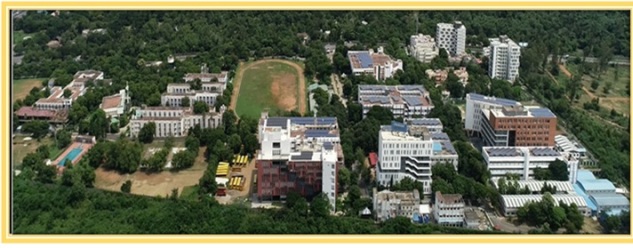
Figure VII (2.3)-1 : Green Areas – 19 Acres (37.86% of the Total Campus
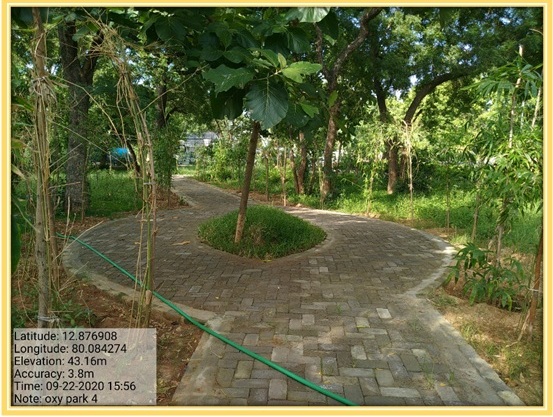
Figure VII (2.3)-2 :Beema Bamboo Plantations
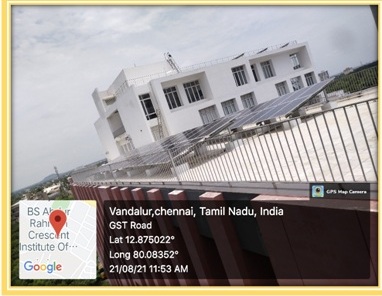
Figure VII (2.3)-3 :Installed Roof Top Solar Power Plants
Emission Management : Integrated Technological and Operational Strategies
The institute’s carbon management approach extends beyond green spaces and solar energy. The comprehensive strategy includes multiple energy-efficient technologies and sustainable practices across various campus operations. Transportation emissions are carefully managed, with detailed tracking of petrol and diesel consumption. Electricity consumption, which accounts for the largest portion of carbon emissions (5,251,791 kg CO2), is being systematically reduced through energy-efficient technologies, including high-performance building envelopes, efficient lighting systems, and advanced HVAC technologies. The institute has also implemented water conservation measures and waste management strategies that contribute to overall carbon reduction.
Innovative Technologies and Collaborative Sustainability : Beyond Traditional Approaches
Innovative technologies and collaborative approaches further enhance BSACIST’s carbon management efforts. The implementation of zero-export devices for solar power management, solar water heating systems, and energy-efficient building designs demonstrate a holistic approach to sustainability. The solar water heating systems, with a total capacity of 39,500 litres, are estimated to save approximately 24 lakhs in power consumption annually. Additionally, student-driven projects, such as solar street lighting installations, showcase the institute’s commitment to engaging the academic community in sustainable practices.
Driving Sustainability: The Role of Eco-Friendly Vehicles in BSACIST’s Green Transportation Initiative
The integration of eco-friendly vehicles into the university’s transportation system highlights a practical application of BSACIST’s sustainability values, encouraging a shift toward cleaner mobility solutions while reducing overall campus emissions.
Figure VII (2.3)-4 :Eco-Friendly Conveyance @ Crescent

| Table VII (2.3)-1 :Carbon foot print / Capita | ||||||
| Activity Data | Type | unit | GHG | Emission factor | Quantity | CO2 emission /year |
| Transportation | petrol | litres | KgCO2e | 2.196 | 1300 | 2855 |
| diesel | litres | 2.65 | 381461 | 1010872 | ||
| Electricity | kWh | KgCO2e | 1.2 | 4376492 | 5251791 | |
| Paper consumption | kg | KgCO2e | 0.683 | 21900 | 14958 | |
| Water consumption | water supply | cum | KgCO2e | 0.8 | 160611 | 128489 |
| Solid waste | kg | KgCO2e | 3.7 | 259560 | 960372 | |
| Total CO2 Emission Per Year | Kg | KgCO2e | 7369336 | |||
| Over all carbon foot print / year | Ton | 7369 | ||||
| Total population (avg) | 7000 | |||||
| Carbon Foot Print per capita in Ton | 1.05 | |||||
| National average per capita | 1.58 Ton/Capita/Year |
| Actual CO2 emission | 1.05 Ton/Capita/Year |
| % of CO2 emission – on National avg. | 66.63% |
| % of CO2 reduced from National avg. | 33.37% |
10 % of Carbon foot print is offset by the above environment – friendly measures in campus.
Calculation:
Carbon Offsetting
Total trees green area – 19 Acres
Total Co2 absorption ton/year – 747 tones
Over all carbon foot print/year (Co2 Emission) – 7369 tones
% of Co2 → offsetting within campus
(747 / 7369 X 100) – 10.13%
Bal: 90% to be offset by planting more trees or trading
% of Linear area (19/50 Acres – carbon foot print) – 38%
Carbon Footprint
Total Co2 Emission per year: Kg – 7369336
Over all carbon foot print / year = 7369336/1000 – 7369 tones
Total Population (Avg.) – 7000 (students)
Carbon foot print per Capita in Ton = 7369/7000 – 1.05
National Avg. per emission – 1.58 / ton / capita / year
Actual Co2 Emission – 1.05 / ton / capita / year
% of Co2 Emission on National Avg. 1.05/1.58 X 100 – 66.46%
% of Co2 reduced from National Avg. 100 – 66.46 – 33.54%
Visioning Net-Zero: The Roadmap to Transformative Environmental Stewardship
The institute’s carbon management strategy represents a forward-thinking approach to environmental stewardship. While the current initiatives offset 10% of carbon emissions within the campus, BSACIST has a clear plan to address the remaining 90% through continued tree planting, exploring carbon trading options, and implementing increasingly sophisticated sustainable technologies. The ultimate goal is to transform the campus into a net-zero energy environment that not only minimizes its carbon footprint but also serves as a model for sustainable institutional development. By consistently innovating and implementing cutting-edge green technologies, BSACIST demonstrates that comprehensive carbon management is not just an environmental necessity but an achievable and impactful institutional commitment.
POLICY FOR ENERGY-EFFICIENT RENOVATION AND BUILDING
Issue: 04; Revised on 2023
| Policy Created on | July 2009 |
| 1st Revision amended on | IQAC Meeting held on 27th October 2017 |
| 2nd Revision amended on | IQAC Meeting held on 31st March 2021 |
| 3rd Revision amended on | IQAC Meeting held on 16th June 2023 |
Responsible Executive : Director (IQAC)
Responsible Office : Internal Quality Assurance Cell, Estate Office, and SDG Cell
Contacts : Registrar, Director (IQAC)
The B.S. Abdur Rahman Crescent Institute of Science and Technology is committed to ensuring that all renovations and new constructions on campus adhere to stringent energy efficiency standards. This policy aims to:
- Ensure universal access to affordable, reliable, modern energy services.
- Increase substantially the share of renewable energy in the global energy mix.
- Double the global rate of improvement in energy efficiency
- Enhance international cooperation to facilitate access to clean energy research and technology.
- Expand infrastructure and upgrade technology to supply modern and sustainable energy services, particularly in developing countries.
7.2 REASON FOR THIS POLICY
This policy is established to promote energy-efficient practices in renovating existing infrastructures and constructing new buildings. By adhering to energy efficiency standards, the Institute aims to reduce greenhouse gas emissions, lower operational costs, and contribute to the global efforts to combat climate change, which aligns with SDG 7 – Affordable and Clean Energy.
7.3 RESPONSIBILITIES
7.3.1 Policy Principles
The Institute shall implement the following principles to ensure compliance with energy efficiency standards:
- All renovations and new constructions must achieve recognised building rating systems such as EDGE, IGBC, and LEED.
- Sustainable design features, including using renewable energy sources, shall be integrated into all projects.
- An efficient waste management plan shall be established to minimize waste and promote recycling.
- Rainwater harvesting systems shall be implemented in all new buildings.
- Energy conservation shall be prioritized through the installation of energy-efficient appliances and equipment.
- Regular audits of energy consumption shall be conducted to identify areas for improvement.
- Use of low VOC (Volatile Organic Compounds) materials in construction and renovation to minimize harmful emissions.
- Adoption of eco-friendly housekeeping practices using biodegradable chemicals.
- Implementation of high reflective roofing materials and green roofs to reduce heat island effects.
- Encourage water-efficient landscaping and high-efficiency irrigation technology in new construction projects.
- Support R&D activities towards energy-efficient renovation and building.
- Enhance national/international cooperation to facilitate access to green building technology.
- Dissemination of Policy
- Awareness programs shall be conducted regularly for all stakeholders regarding energy-efficient practices.
- This policy shall be publicly accessible on the Institute’s website and updated as necessary.
7.3.3 Enforcement of Policy
- The Director (Planning and Development) and their team are responsible for monitoring compliance with this policy.
- Compliance shall be communicated to architects, design engineers, and construction workers involved in projects.
7.2.1 – ENERGY EFFICIENCY POLICY.pdf
POLICY FOR DIVESTMENT FROM CARBON-INTENSIVE ENERGY INDUSTRIES
Issue: 04; Revised on 2023
| Policy Created on | July 2009 |
| 1st Revision amended on | IQAC Meeting held on 27th October 2017 |
| 2nd Revision amended on | IQAC Meeting held on 31st March 2021 |
| 3rd Revision amended on | IQAC Meeting held on 16th June 2023 |
Responsible Executive: Director (IQAC)
Responsible Office: Internal Quality Assurance Cell, Estate Office, and SDG Cell
Contacts: Registrar, Director (IQAC)
The B.S. Abdur Rahman Crescent Institute of Science and Technology is committed to divesting from carbon-intensive energy industries, particularly coal and oil, to promote sustainable energy practices and contribute to the global efforts to combat climate change. This policy aims to:
- Ensure universal access to affordable, reliable, and modern energy services.
- Increase substantially the share of renewable energy in the global energy mix.
- Double the global rate of improvement in energy efficiency.
- Enhance international cooperation to facilitate access to clean energy research and technology.
- Promote investment in energy infrastructure and clean energy technology.
7.2 REASON FOR THIS POLICY
This policy is established to minimize the Institute’s carbon footprint by reducing investments in fossil fuels and promoting renewable energy sources. By divesting from carbon-intensive industries, the Institute aligns with the United Nations’ Sustainable Development Goals, particularly SDG 7: Affordable and Clean Energy, and supports the transition to a sustainable energy future.
7.3 RESPONSIBILITIES
7.3.1 Policy Principles
The Institute shall implement the following principles to ensure effective divestment from carbon-intensive energy industries:
- Conduct a comprehensive review of current investments to identify carbon-intensive assets.
- Gradually divest from all investments in coal and oil industries within a specified timeframe.
- Reallocate funds towards renewable energy projects and sustainable technologies.
- Collaborate with financial institutions that prioritize sustainable investment practices.
- Promote transparency in investment decisions and publicly report on divestment progress.
- Engage with stakeholders, including students and faculty, to raise awareness about the importance of divestment from fossil fuels.
- Support research and development initiatives focused on clean energy technologies.
7.3.2 Dissemination of Policy
- This policy shall be publicly accessible on the Institute’s website to ensure transparency.
- Awareness programs shall be conducted regularly for all stakeholders regarding the importance of divestment from carbon-intensive industries.
- Updates on divestment progress shall be communicated through newsletters and reports.
7.3.3 Enforcement of Policy
- The Director (Finance) and their team are responsible for monitoring compliance with this policy and reporting on divestment progress.
- Any breach of this policy may result in a review of investment strategies and potential disciplinary actions as prescribed by the Institute’s code of conduct.
Strategic Energy Reduction Framework – Institutional Commitment to Sustainable Practices
B.S. Abdur Rahman Crescent Institute of Science and Technology (BSACIST) has developed a comprehensive energy efficiency plan that goes beyond traditional conservation methods. The institute’s approach is meticulously documented, emphasizing sustainability as a core principle in building construction, renovation, and administration. By pursuing multiple building rating systems such as EDGE, IGBC, and LEED, BSACIST ensures that both existing and new structures meet rigorous energy efficiency standards. The plan encompasses a holistic strategy that includes sustainable design features, efficient waste management, and innovative technologies to minimize energy consumption across the campus.
Establishing a Robust Energy Efficiency Plan for Sustainable Savings
The energy audit conducted at B.S. Abdur Rahman Crescent Institute of Science and Technology has laid a robust foundation for an energy efficiency plan aimed at significantly reducing overall energy consumption on campus. The audit identified key areas where energy savings can be achieved, amounting to an annual savings potential of 487,014 kWh, which translates to a cost saving of approximately Rs. 4,011,685. The proposed investment for implementing various energy conservation measures (ECMs) is estimated at Rs. 15,950,000, with an average payback period of 48 months. This structured approach not only emphasizes immediate cost savings but also aligns with the institution’s commitment to sustainability and renewable energy.
Technological Innovations and Infrastructure Upgrades
The energy efficiency plan incorporates cutting-edge technologies and strategic infrastructure improvements. Key initiatives include the installation of 650 kWp solar photovoltaic power plants, which now constitute 18% of total electricity consumption, and solar water heating systems with a 39,500-liter capacity. The institute has systematically replaced old air conditioning units with BEE 5-star rated units, with 117 units installed featuring energy-efficient specifications. Advanced technologies like variable frequency drives in pumps, cooling towers, and air handling units allow for real-time energy consumption regulation based on actual occupancy. Additionally, the use of AAC/Aerocon blocks, high-performance glass, and energy-efficient roof configurations helps minimize heat ingress and reduce cooling demands.
Comprehensive Monitoring and Adaptive Strategies
BSACIST’s energy efficiency approach is characterized by continuous monitoring and adaptive strategies. Annual energy consumption audits are conducted to identify and implement energy-saving measures. The institute has implemented detailed metering systems that enable real-time data collection and resource management. Innovative solutions such as motion sensor lights in computer science labs, staff cabins, and toilets, along with natural ventilation strategies in classrooms and staff areas, contribute to significant energy savings. The use of low VOC materials, bio-degradable cleaning chemicals, and high-reflective roofing materials further enhances the institution’s comprehensive approach to energy conservation.
Research and Collaborative Sustainability Initiatives
The energy efficiency plan extends beyond technological implementations to include research and collaborative initiatives. BSACIST supports R&D activities focused on energy-efficient renovation and building technologies. The institute actively seeks national and international collaborations to facilitate access to green building technologies. Student volunteering programs and technology transfer initiatives play a crucial role in promoting energy-efficient practices among local communities, governments, and NGOs. The ultimate vision is to transform the campus into a net-zero energy environment that not only minimizes its carbon footprint but also serves as a model for sustainable institutional development.
Future-Oriented Sustainability Vision
BSACIST’s energy efficiency strategy represents a forward-thinking approach to environmental stewardship. By integrating advanced technologies, sustainable design principles, and collaborative research initiatives, the institute has created a holistic framework for reducing energy consumption. The comprehensive plan not only addresses immediate energy conservation needs but also sets a benchmark for sustainable practices in higher education. As BSACIST continues to invest in these innovative approaches, it reinforces its commitment to creating an environmentally responsible campus that benefits current and future generations.
ENERGY EFFICIENT APPLIANCES @ BSACIST
Enhancing Energy Efficiency with Smart Door Locks

Figure VII (2.4)-1 : Smart Door Locks – KBA Men’s Hostel
B.S. Abdur Rahman Crescent Institute of Science and Technology (BSACIST) has implemented energy-sparing solutions through the installation of smart door locks in its facilities, such as the KBA Men’s Hostel. These state-of-the-art locking systems not only enhance security but also contribute to energy efficiency by controlling access to communal spaces based on real-time occupancy. The integration of smart technology allows for automatic locking and unlocking, reducing the frequency of door handling and minimizing energy loss associated with heating or cooling open areas. By ensuring that doors remain closed when not in use, these smart locks help maintain optimal indoor climates, furthering BSACIST’s commitment to sustainable practices. This innovative approach reflects the institution’s dedication to creating a more energy-conscious campus environment while prioritizing the safety and comfort of its residents.
Sustainable Cooling with Evaporative Air Cooling Systems

Figure VII (2.4)-2 : Evaporative Air Cooling Systems
B.S. Abdur Rahman Crescent Institute of Science and Technology (BSACIST) has adopted evaporative air cooling systems as an energy-efficient solution for maintaining indoor comfort across its campus facilities. This environmentally friendly cooling method leverages the natural process of evaporation to cool the air, using significantly less energy than conventional air conditioning systems. By drawing in hot, dry air and passing it over water-saturated pads, the system effectively reduces the air temperature, creating a comfortable atmosphere for students and staff. This not only lowers energy consumption but also minimizes the campus’s overall carbon footprint. The strategic placement of these systems ensures optimal air circulation while maintaining efficiency, reinforcing BSACIST’s commitment to sustainable practices and innovative solutions for a greener future.
Energy-Efficient Lighting with LED Fixtures
B.S. Abdur Rahman Crescent Institute of Science and Technology (BSACIST) has embraced energy efficiency through the extensive use of LED lighting fixtures throughout its campus. These modern lighting solutions, showcased in various spaces—including classrooms, conference rooms, and hallways—offer significant improvements over traditional lighting systems. LED fixtures consume considerably less energy while providing superior illumination quality, resulting in lower electricity bills and reduced environmental impact. Additionally, the longevity of LED bulbs minimizes the need for frequent replacements, further enhancing cost-effectiveness and sustainability. By integrating LED lighting across the campus, BSACIST not only fosters a bright, conducive learning environment but also reinforces its commitment to sustainable practices that benefit both the institution and its community.

Figure VII (2.4)-3 : The image features various indoor spaces within a facility optimized for energy efficiency through modern lighting solutions.
Efficient Lighting through Passive Infrared Motion Sensor Technology
B.S. Abdur Rahman Crescent Institute of Science and Technology (BSACIST) has integrated Passive Infrared (PIR) Motion Sensor lights into various spaces, including staff cabins and computer labs, to enhance energy efficiency while ensuring optimal illumination. These innovative lighting solutions automatically detect occupancy, turning on when individuals enter a room and switching off when the space is unoccupied. This not only reduces energy consumption significantly but also prolongs the lifespan of the lighting fixtures. In the staff cabins, the subtle and efficient lighting creates a conducive working environment, while in the computer labs, it supports focused study sessions without the constant need for manual control. By implementing PIR motion sensor lights, BSACIST is not only enhancing the functionality of its spaces but also reaffirming its commitment to sustainable practices that minimize energy waste.

Figure VII (2.4)-4 : Passive Infrared Motion Sensor Lights installed – Staff Cabin & Computer Lab
Reimagining Thermal Comfort through Natural Ventilation
B.S. Abdur Rahman Crescent Institute of Science and Technology (BSACIST) has pioneered a revolutionary approach to energy conservation by prioritizing natural ventilation over traditional air conditioning systems. This strategic initiative focuses on mechanical air circulation combined with natural airflow, significantly reducing energy consumption in classrooms and staff cabins. By leveraging architectural design and strategic ventilation techniques, the institute has created an environment that not only minimizes electricity usage but also enhances indoor air quality.

Figure VII (2.4)-4 : Mechanical Air Circulation is Used with Natural Ventilation
POLICY FOR ENERGY-EFFICIENT RENOVATION AND BUILDING
Issue: 04; Revised on 2023
| Policy Created on | July 2009 |
| 1st Revision amended on | IQAC Meeting held on 27th October 2017 |
| 2nd Revision amended on | IQAC Meeting held on 31st March 2021 |
| 3rd Revision amended on | IQAC Meeting held on 16th June 2023 |
Responsible Executive : Director (IQAC)
Responsible Office : Internal Quality Assurance Cell, Estate Office, and SDG Cell
Contacts : Registrar, Director (IQAC)
The B.S. Abdur Rahman Crescent Institute of Science and Technology is committed to ensuring that all renovations and new constructions on campus adhere to stringent energy efficiency standards. This policy aims to:
- Ensure universal access to affordable, reliable, modern energy services.
- Increase substantially the share of renewable energy in the global energy mix.
- Double the global rate of improvement in energy efficiency
- Enhance international cooperation to facilitate access to clean energy research and technology.
- Expand infrastructure and upgrade technology to supply modern and sustainable energy services, particularly in developing countries.
7.2 REASON FOR THIS POLICY
This policy is established to promote energy-efficient practices in renovating existing infrastructures and constructing new buildings. By adhering to energy efficiency standards, the Institute aims to reduce greenhouse gas emissions, lower operational costs, and contribute to the global efforts to combat climate change, which aligns with SDG 7 – Affordable and Clean Energy.
7.3 RESPONSIBILITIES
7.3.1 Policy Principles
The Institute shall implement the following principles to ensure compliance with energy efficiency standards:
- All renovations and new constructions must achieve recognised building rating systems such as EDGE, IGBC, and LEED.
- Sustainable design features, including using renewable energy sources, shall be integrated into all projects.
- An efficient waste management plan shall be established to minimize waste and promote recycling.
- Rainwater harvesting systems shall be implemented in all new buildings.
- Energy conservation shall be prioritized through the installation of energy-efficient appliances and equipment.
- Regular audits of energy consumption shall be conducted to identify areas for improvement.
- Use of low VOC (Volatile Organic Compounds) materials in construction and renovation to minimize harmful emissions.
- Adoption of eco-friendly housekeeping practices using biodegradable chemicals.
- Implementation of high reflective roofing materials and green roofs to reduce heat island effects.
- Encourage water-efficient landscaping and high-efficiency irrigation technology in new construction projects.
- Support R&D activities towards energy-efficient renovation and building.
- Enhance national/international cooperation to facilitate access to green building technology.
- Dissemination of Policy
- Awareness programs shall be conducted regularly for all stakeholders regarding energy-efficient practices.
- This policy shall be publicly accessible on the Institute’s website and updated as necessary.
7.3.3 Enforcement of Policy
- The Director (Planning and Development) and their team are responsible for monitoring compliance with this policy.
- Compliance shall be communicated to architects, design engineers, and construction workers involved in projects.
7.2.1 – ENERGY EFFICIENCY POLICY.pdf
POLICY FOR DIVESTMENT FROM CARBON-INTENSIVE ENERGY INDUSTRIES
Issue: 04; Revised on 2023
| Policy Created on | July 2009 |
| 1st Revision amended on | IQAC Meeting held on 27th October 2017 |
| 2nd Revision amended on | IQAC Meeting held on 31st March 2021 |
| 3rd Revision amended on | IQAC Meeting held on 16th June 2023 |
Responsible Executive: Director (IQAC)
Responsible Office: Internal Quality Assurance Cell, Estate Office, and SDG Cell
Contacts: Registrar, Director (IQAC)
The B.S. Abdur Rahman Crescent Institute of Science and Technology is committed to divesting from carbon-intensive energy industries, particularly coal and oil, to promote sustainable energy practices and contribute to the global efforts to combat climate change. This policy aims to:
- Ensure universal access to affordable, reliable, and modern energy services.
- Increase substantially the share of renewable energy in the global energy mix.
- Double the global rate of improvement in energy efficiency.
- Enhance international cooperation to facilitate access to clean energy research and technology.
- Promote investment in energy infrastructure and clean energy technology.
7.2 REASON FOR THIS POLICY
This policy is established to minimize the Institute’s carbon footprint by reducing investments in fossil fuels and promoting renewable energy sources. By divesting from carbon-intensive industries, the Institute aligns with the United Nations’ Sustainable Development Goals, particularly SDG 7: Affordable and Clean Energy, and supports the transition to a sustainable energy future.
7.3 RESPONSIBILITIES
7.3.1 Policy Principles
The Institute shall implement the following principles to ensure effective divestment from carbon-intensive energy industries:
- Conduct a comprehensive review of current investments to identify carbon-intensive assets.
- Gradually divest from all investments in coal and oil industries within a specified timeframe.
- Reallocate funds towards renewable energy projects and sustainable technologies.
- Collaborate with financial institutions that prioritize sustainable investment practices.
- Promote transparency in investment decisions and publicly report on divestment progress.
- Engage with stakeholders, including students and faculty, to raise awareness about the importance of divestment from fossil fuels.
- Support research and development initiatives focused on clean energy technologies.
7.3.2 Dissemination of Policy
- This policy shall be publicly accessible on the Institute’s website to ensure transparency.
- Awareness programs shall be conducted regularly for all stakeholders regarding the importance of divestment from carbon-intensive industries.
- Updates on divestment progress shall be communicated through newsletters and reports.
7.3.3 Enforcement of Policy
- The Director (Finance) and their team are responsible for monitoring compliance with this policy and reporting on divestment progress.
- Any breach of this policy may result in a review of investment strategies and potential disciplinary actions as prescribed by the Institute’s code of conduct.
Foundational Insights from the Energy Audit
The energy audit conducted at B.S. Abdur Rahman Crescent Institute of Science and Technology has laid a robust foundation for an energy efficiency plan aimed at significantly reducing overall energy consumption on campus. The audit identified key areas where energy savings can be achieved, amounting to an annual savings potential of 487,014 kWh, which translates to a cost saving of approximately Rs. 40,11,685/- (Rupees Forty Lakh Eleven Thousand Six Hundred and Eighty-Five only). The proposed investment for implementing various energy conservation measures (ECMs) is estimated at Rs. 1,59,50,000/- (Rupees One Crore Fifty Nine Lakh Fifty Thousand only), with an average payback period of 48 months. This structured approach not only emphasizes immediate cost savings but also aligns with the institution’s commitment to sustainability and renewable energy.
Actionable Measures for Energy Conservation
The energy efficiency plan encompasses a range of actionable measures, including the replacement of Fluorescent Tube Lamps (FTL) with energy-efficient LED lamps, which alone can save 19,200 kWh annually. Other significant initiatives include rectifying solar water heaters in the ladies’ hostel, upgrading existing air conditioning units to 5-star rated split ACs, and replacing conventional ceiling fans with energy-efficient Brushless DC electric motor fans. Each of these measures has been meticulously calculated to ensure substantial reductions in energy consumption while maintaining comfort and operational efficiency across the campus facilities.
Enhancing Energy Management Through Monitoring
Additionally, the audit highlights the importance of monitoring and controlling energy usage through the installation of dedicated energy meters and a demand controller. These systems will provide real-time data on energy consumption, enabling the management to make informed decisions about energy usage patterns and identify further opportunities for savings. By actively managing demand and optimizing energy consumption, the institute can avoid penalties associated with exceeding contract demand, thereby enhancing overall financial efficiency.
Towards a Sustainable Future: A Commitment to Energy Efficiency
In conclusion, the energy efficiency plan at Crescent Institute is a comprehensive strategy that not only aims to reduce energy consumption but also fosters a culture of sustainability within the campus community. By implementing these measures, the institute is poised to make significant strides toward achieving its renewable energy goals while setting a benchmark for energy efficiency in educational institutions across the region. The commitment to continuous improvement and innovation in energy management will ultimately contribute to a greener and more sustainable future for the institute and its stakeholders.
The energy audit report for Crescent Institute of Science & Technology conducted by SLR Industrial Solutions provides a comprehensive analysis of energy consumption and identifies areas of energy waste. Here’s a synthesized summary based on the report, focusing on energy wastage identification:
| The copy of the complete report is available in the following web link : Energy Wastage Identification Report |
The gist of the Audit Report is provided in the following sections.
Summary of Energy Waste Identification
- Overall Energy Consumption:
- The total annual energy consumption is approximately 4,083,312 kWh, with significant contributions from air conditioning (54%), fans (14%), and lighting (8%).
- The electricity bill amounts to Rs. 4,26,70,284 annually, indicating a high operational cost due to energy consumption.
- Key Areas of Energy Waste:
- Air Conditioning: The audit highlights that the air conditioning systems are a major source of energy consumption. Recommendations include maintaining set temperatures above 24°C and replacing old window AC units with energy-efficient 5-star rated split ACs.
- Lighting: While 70% of lamps have been replaced with LED lights, there are still areas, such as the Men’s hostel and Canteen, where fluorescent tube lamps (FTLs) are in use. Replacing these with LEDs could save significant energy.
Table VII (2.5) – 1: 70% lamps are replaced with LED lamps to reduce energy consumption
SL NO | BUILDING | QTY | TOTAL WATTS | Operating Hours/day | kWh/day |
1 | AUDITORIUM | 206 | 4487 | 8 | 36 |
2 | SCIENCE BLOCK | 435 | 5684 | 12 | 68 |
3 | AERO BLOCK | 573 | 6964 | 12 | 84 |
4 | MAIN BLOCK | 382 | 6252 | 12 | 75 |
5 | MBA BLOCK | 123 | 2597 | 12 | 31 |
6 | FIRST YEAR BLOCK | 217 | 4305 | 12 | 52 |
7 | LIFE SCIENCE BLOCK | 108 | 2828 | 12 | 34 |
8 | NEW STAFF QUARTERS | 383 | 5135 | 12 | 62 |
9 | LADIES HOSTEL | 664 | 8359 | 12 | 100 |
10 | CAMPUS STREET LIGHT | 286 | 8570 | 12 | 103 |
11 | MEDICAL | 35 | 589 | 12 | 7 |
12 | PHARMACY | 143 | 2575 | 12 | 31 |
13 | GM OFFICE | 47 | 910 | 8 | 7 |
14 | MAIN CANTEEN | 45 | 1042 | 12 | 13 |
15 | VC OFFICE | 100 | 620 | 8 | 5 |
16 | VC VILLA | 51 | 571 | 12 | 7 |
17 | GUEST HOUSE | 37 | 680 | 12 | 8 |
18 | DRIVERS CABIN | 8 | 120 | 12 | 1 |
19 | OLD STAFF QUARTERS | 53 | 1005 | 12 | 12 |
20 | SPORTS LIGHTING | 64 | 12800 | 8 | 102 |
21 | HR OFFICE | 27 | 500 | 8 | 4 |
22 | PARANTS WAITING HALL | 12 | 166 | 8 | 1 |
24 | NEW ARCHITECTURE BLOCK | 614 | 10808 | 12 | 130 |
25 | CIVIL YARD CLASS ROOMS | 40 | 650 | 12 | 8 |
26 | CSB ROOM MENS HOSTEL | 47 | 780 | 12 | 9 |
27 | ROBOTICS LAB | 22 | 280 | 12 | 3 |
28 | RESEARCH SCHOLAR ROOM CHEMISTRY | 4 | 144 | 12 | 2 |
29 | FOOD WASTE MANAGEMENT PLANT | 26 | 640 | 12 | 8 |
30 | SOLAR STREET LIGHT | 10 | 250 | 12 | 3 |
31 | MENS HOSTEL | 1007 | 13219 | 12 | 159 |
32 | MBA PHASE 1 | 49 | 595 | 12 | 7 |
33 | MBA PHASE 2 | 170 | 3108 | 12 | 37 |
34 | COMPUTER SCIENCE LAB | 51 | 690 | 12 | 8 |
35 | PURCHASE OFFICE (EO) | 2 | 30 | 8 | 0 |
36 | CIIC BLOCK | 328 | 5479 | 12 | 66 |
37 | CIIC 2ND FLOOR STUDIO | 13 | 225 | 12 | 3 |
38 | DRAWING HALLS & LABS(MECH) | 60 | 709 | 12 | 9 |
39 | CANTEENS | 119 | 1984 | 12 | 24 |
40 | OUTDOOR LIGHTING | 63 | 1306 | 12 | 16 |
TOTAL | 6624 | 117,656 |
| 1,334 | |


Figure VII (2.5) – 1 : Geotag photos documenting the installation of LED lamps in the CSE Lab entrance, Web Technology Lab, and Common Staff Room.
Pumps and Blowers: The existing pumps are noted to be old and inefficient. The report suggests replacing them with energy-efficient models to reduce power consumption. Similarly, the STP blowers are recommended for replacement with more efficient tri-lobe blowers.
3. Renewable Energy Utilization:
- The report indicates that the solar water heaters in the ladies’ hostel are not operational, leading to reliance on electric heaters. Rectifying these systems could reduce energy waste.
- The solar rooftop panels are underperforming due to some panels being non-functional. Addressing these issues could enhance energy generation and reduce dependency on grid electricity.

Figure VII (2.5) – 2 : Geotag photos documenting the installation of Solar Panel in KBA Men’s Hostel, Ladies Hostel and Staff Quarters.
4. Demand Management:
- The report identifies that the maximum recorded demand has exceeded the contract demand, leading to demand penalties. Implementing a demand controller could help manage peak loads and avoid penalties.
5. Energy Conservation Measures (ECMs):
- The audit outlines several ECMs with potential savings:
- Replace FTLs with LEDs: Estimated savings of 19,200 kWh annually.
- Rectify solar water heaters: Potential savings of 20,930 kWh annually.
- Replace old ACs with energy-efficient models: Estimated savings of 45,000 kWh annually.
- Install demand controllers: Savings of 21,120 kWh annually.
- The audit outlines several ECMs with potential savings:
6. Financial Implications:
The total proposed investment for implementing the recommended measures is Rs. 1,59,50,000/- (Rupees One Crore, Fifty Nine Lakhs, Fifty Thousand only) , with an overall payback period of approximately 48 months. The total annual savings from these measures could reach Rs. 40,11,685 (Rupees Forty Lakhs Eleven Thousand Six Hundred and Eighty Five only).
Table VII (2.5) – 2: Executive Summary : Financial Implications
ECM. No | Energy Conservation Measures | Annual Savings | Investment | Payback | |
| kWh | Rs. | Rs. | Months | ||
| Short-Term Payback | |||||
| 1 | Replace FTL Lamps with LED and reduce power consumption | 19,200 | 180,480 | 120,000 | 8 |
| 2 | Rectify solar water heater in ladies hostel and reduce power consumption | 20,930 | 196,744 | 180,000 | 11 |
| 3 | Replace existing STP blower with new energy efficient blower | 25,810 | 242,615 | 250,000 | 12 |
Medium-Term Payback | |||||
| 4 | Rectify Solar roof top panel problem and increase power generation | 8,040 | 61,506 | 100,000 | 20 |
| 5 | Install Demand Controller to avoid demand penalty charges | 21,120 | 40,000 | 23 | |
Long-Term Payback | |||||
| 6 | Replace conventional ceiling fans with BLDC fans | 37,800 | 355,320 | 1,050,000 | 35 |
| 7 | Replace old AC with Energy Efficient 5 star rated split AC | 45,000 | 423,000 | 1,500,000 | 43 |
| 8 | Replace main block water pump with new one and reduce power consumption | 1,320 | 12,408 | 50,000 | 48 |
| 9 | Replace street light with solar power light and reduce power consumption | 1,314 | 12,352 | 60,000 | 58 |
| 10 | Explore roof top solar PV possibility to generate electrical energy | 327,600 | 2,506,140 | 12,600,000 | 60 |
Annual
| Total Savings & Investment and Average Payback
| 487,014 | 4,011,685 | 15,950,000 | 48 |
| Total kWh Savings in Percentage : 10 | |||||
| Total Cost Savings in Percentage : 9 | |||||
| Total CO2 reduction in Tons : 385 | |||||

Figure VII (2.5) – 3 : Annual Cost Savings

Figure VII (2.5) – 4 : Annual Energy Savings

Figure VII (2.5) – 5 : Percentage of Savings
The energy audit report reveals significant opportunities for energy savings at Crescent Institute of Science & Technology. By focusing on the identified areas of high energy consumption, such as air conditioning, lighting, and inefficient pumps, and by implementing the recommended energy conservation measures, the institute can substantially reduce energy waste, lower operational costs, and enhance sustainability. Regular energy reviews and monitoring will be essential to track progress and ensure continued energy efficiency improvements.
POLICY FOR ENERGY-EFFICIENT RENOVATION AND BUILDING
Issue: 04; Revised on 2023
| Policy Created on | July 2009 |
| 1st Revision amended on | IQAC Meeting held on 27th October 2017 |
| 2nd Revision amended on | IQAC Meeting held on 31st March 2021 |
| 3rd Revision amended on | IQAC Meeting held on 16th June 2023 |
Responsible Executive : Director (IQAC)
Responsible Office : Internal Quality Assurance Cell, Estate Office, and SDG Cell
Contacts : Registrar, Director (IQAC)
The B.S. Abdur Rahman Crescent Institute of Science and Technology is committed to ensuring that all renovations and new constructions on campus adhere to stringent energy efficiency standards. This policy aims to:
- Ensure universal access to affordable, reliable, modern energy services.
- Increase substantially the share of renewable energy in the global energy mix.
- Double the global rate of improvement in energy efficiency
- Enhance international cooperation to facilitate access to clean energy research and technology.
- Expand infrastructure and upgrade technology to supply modern and sustainable energy services, particularly in developing countries.
7.2 REASON FOR THIS POLICY
This policy is established to promote energy-efficient practices in renovating existing infrastructures and constructing new buildings. By adhering to energy efficiency standards, the Institute aims to reduce greenhouse gas emissions, lower operational costs, and contribute to the global efforts to combat climate change, which aligns with SDG 7 – Affordable and Clean Energy.
7.3 RESPONSIBILITIES
7.3.1 Policy Principles
The Institute shall implement the following principles to ensure compliance with energy efficiency standards:
- All renovations and new constructions must achieve recognised building rating systems such as EDGE, IGBC, and LEED.
- Sustainable design features, including using renewable energy sources, shall be integrated into all projects.
- An efficient waste management plan shall be established to minimize waste and promote recycling.
- Rainwater harvesting systems shall be implemented in all new buildings.
- Energy conservation shall be prioritized through the installation of energy-efficient appliances and equipment.
- Regular audits of energy consumption shall be conducted to identify areas for improvement.
- Use of low VOC (Volatile Organic Compounds) materials in construction and renovation to minimize harmful emissions.
- Adoption of eco-friendly housekeeping practices using biodegradable chemicals.
- Implementation of high reflective roofing materials and green roofs to reduce heat island effects.
- Encourage water-efficient landscaping and high-efficiency irrigation technology in new construction projects.
- Support R&D activities towards energy-efficient renovation and building.
- Enhance national/international cooperation to facilitate access to green building technology.
- Dissemination of Policy
- Awareness programs shall be conducted regularly for all stakeholders regarding energy-efficient practices.
- This policy shall be publicly accessible on the Institute’s website and updated as necessary.
7.3.3 Enforcement of Policy
- The Director (Planning and Development) and their team are responsible for monitoring compliance with this policy.
- Compliance shall be communicated to architects, design engineers, and construction workers involved in projects.
7.2.1 – ENERGY EFFICIENCY POLICY.pdf
POLICY FOR DIVESTMENT FROM CARBON-INTENSIVE ENERGY INDUSTRIES
Issue: 04; Revised on 2023
| Policy Created on | July 2009 |
| 1st Revision amended on | IQAC Meeting held on 27th October 2017 |
| 2nd Revision amended on | IQAC Meeting held on 31st March 2021 |
| 3rd Revision amended on | IQAC Meeting held on 16th June 2023 |
Responsible Executive: Director (IQAC)
Responsible Office: Internal Quality Assurance Cell, Estate Office, and SDG Cell
Contacts: Registrar, Director (IQAC)
The B.S. Abdur Rahman Crescent Institute of Science and Technology is committed to divesting from carbon-intensive energy industries, particularly coal and oil, to promote sustainable energy practices and contribute to the global efforts to combat climate change. This policy aims to:
- Ensure universal access to affordable, reliable, and modern energy services.
- Increase substantially the share of renewable energy in the global energy mix.
- Double the global rate of improvement in energy efficiency.
- Enhance international cooperation to facilitate access to clean energy research and technology.
- Promote investment in energy infrastructure and clean energy technology.
7.2 REASON FOR THIS POLICY
This policy is established to minimize the Institute’s carbon footprint by reducing investments in fossil fuels and promoting renewable energy sources. By divesting from carbon-intensive industries, the Institute aligns with the United Nations’ Sustainable Development Goals, particularly SDG 7: Affordable and Clean Energy, and supports the transition to a sustainable energy future.
7.3 RESPONSIBILITIES
7.3.1 Policy Principles
The Institute shall implement the following principles to ensure effective divestment from carbon-intensive energy industries:
- Conduct a comprehensive review of current investments to identify carbon-intensive assets.
- Gradually divest from all investments in coal and oil industries within a specified timeframe.
- Reallocate funds towards renewable energy projects and sustainable technologies.
- Collaborate with financial institutions that prioritize sustainable investment practices.
- Promote transparency in investment decisions and publicly report on divestment progress.
- Engage with stakeholders, including students and faculty, to raise awareness about the importance of divestment from fossil fuels.
- Support research and development initiatives focused on clean energy technologies.
7.3.2 Dissemination of Policy
- This policy shall be publicly accessible on the Institute’s website to ensure transparency.
- Awareness programs shall be conducted regularly for all stakeholders regarding the importance of divestment from carbon-intensive industries.
- Updates on divestment progress shall be communicated through newsletters and reports.
7.3.3 Enforcement of Policy
- The Director (Finance) and their team are responsible for monitoring compliance with this policy and reporting on divestment progress.
- Any breach of this policy may result in a review of investment strategies and potential disciplinary actions as prescribed by the Institute’s code of conduct.
Promotion and Implementation of the Divestment Policy from Carbon-Intensive Energy Industries
The B.S. Abdur Rahman Crescent Institute of Science and Technology (BSACIST) has established a robust Divestment Policy for Carbon-Intensive Energy Industries, mainly focusing on coal and oil. This policy reflects the institute’s commitment to sustainable energy practices. It aligns with global efforts to combat climate change, specifically targeting the United Nations’ Sustainable Development Goals (SDGs), particularly SDG 7: Affordable and Clean Energy.
Existence of Policy
The existence of the divestment policy is clearly articulated in the document titled Policy for Divestment from Carbon-Intensive Energy Industries. This policy outlines the institute’s strategic approach to minimizing its carbon footprint by reducing investments in fossil fuels and promoting renewable energy sources. The policy aims to ensure universal access to affordable, reliable, and modern energy services while increasing the share of renewable energy in the global energy mix.
Evidence Provided
Evidence of the policy’s implementation is demonstrated through the institute’s commitment to gradually divest from all investments in coal and oil industries within a specified timeframe. The policy mandates a comprehensive review of current investments to identify carbon-intensive assets and reallocates funds towards renewable energy projects and sustainable technologies. BSACIST has actively engaged financial institutions to prioritise sustainable investment practices, promote transparency in investment decisions, and publicly report divestment progress.
Additionally, the recent energy audit conducted at BSACIST has identified significant opportunities for energy savings and efficiency improvements, which align with the divestment policy’s objectives. The audit revealed a potential annual savings of 487,014 kWh, translating to a cost saving of approximately Rs. 40,11,685. This financial evidence supports the institute’s commitment to reducing reliance on carbon-intensive energy sources and investing in energy-efficient technologies.
Public Accessibility of Evidence
The evidence supporting the policy’s implementation is publicly accessible, as the divestment policy document is available on the institute’s website. This transparency ensures stakeholders, including students, faculty, and the broader community, are informed about the institute’s commitment to sustainable practices. Regular awareness programs educate stakeholders about the importance of divestment from carbon-intensive industries, further reinforcing the institute’s dedication to sustainability.
Policy Review Period
The divestment policy has undergone several revisions to ensure its relevance and effectiveness, with the most recent review occurring on June 16, 2023. This continuous improvement reflects the institute’s proactive approach to adapting to new challenges and advancements in sustainable investment practices. Previous revisions were made in October 2017 and March 2021, indicating a consistent commitment to enhancing the policy aligned with evolving sustainability goals.
Summary
In summary, BSACIST’s Divestment Policy from Carbon-Intensive Energy Industries is a comprehensive framework that promotes sustainable investment practices and provides tangible evidence of its implementation. The institute’s commitment to divesting from fossil fuels is evident through its strategic initiatives, public accessibility of policy documents, and regular reviews, ensuring alignment with contemporary sustainability goals. The insights gained from the energy audit further bolster this commitment, showcasing the institute’s dedication to energy efficiency and sustainability. By fostering a culture of sustainability and innovation, BSACIST sets a precedent for educational institutions and contributes significantly to global efforts in combating climate change. This commitment enhances the institute’s environmental stewardship and empowers the community to engage in sustainable practices, further amplifying the impact of the divestment policy.
| Upgrade buildings to higher energy efficiency. | https://crescent.education/iqac_csi_sdg7_722_2022-23/ |
| Carbon reduction and emission reduction process | https://crescent.education/iqac_csi_sdg7_723_2022-23/ |
| Plan to Reduce Energy Consumption | https://crescent.education/iqac_csi_sdg7_724_2022-23/ |
| Energy waste identification | https://crescent.education/iqac_csi_sdg7_725_2022-23/ |
| Local community outreach | https://crescent.education/iqac_csi_sdg7_741_2022-23/ |
| Renewable Energy Pledge | https://crescent.education/iqac_csi_sdg7_742_2022-23/ |
| Energy efficiency services for the industry | https://crescent.education/iqac_csi_sdg7_743_2022-23/ |
| Policy – Clean Energy Technology | https://crescent.education/iqac_csi_sdg7_744_2022-23/ |
| Low–carbon innovation | https://crescent.education/iqac_csi_sdg7_745_2022-23/ |
community outreach plays a vital role in educating residents on the importance of these concepts, equipping them with the knowledge and tools necessary to reduce their energy consumption and transition towards cleaner energy sources. Through targeted programs, communities can foster a sense of responsibility and agency in addressing energy issues, ultimately leading to a more sustainable future.
One of the primary objectives of local outreach programs is to raise awareness about energy efficiency. This involves organizing workshops, seminars, and information sessions that highlight the benefits of energy-saving techniques. Participants learn about simple yet effective measures, such as using energy-efficient appliances, implementing smart thermostats, and embracing renewable energy solutions like solar panels. By demystifying these concepts and presenting them in an accessible manner, outreach initiatives empower community members to take actionable steps toward reducing their energy consumption.
Moreover, hands-on training and demonstrations are effective strategies for engaging residents and promoting energy efficiency. Programs can include home energy audits, where trained volunteers assist families in identifying energy-wasting practices and suggest improvements. Furthermore, community energy challenges can stimulate friendly competition among residents, encouraging them to adopt energy-saving habits while fostering a sense of camaraderie. These interactive approaches not only educate participants but also create a supportive environment that motivates individuals to make lasting changes.
Lastly, collaboration with local governments, non-profit organizations, and businesses is crucial for the success of outreach initiatives. By leveraging resources and expertise, these partnerships can enhance the scope and impact of energy efficiency programs. Providing incentives, such as rebates for energy-efficient appliances, or organizing community events that promote local clean energy projects can further encourage participation. Ultimately, local community outreach for energy efficiency serves as a foundation for cultivating informed, engaged citizens committed to creating a sustainable future for their neighborhoods and beyond.
Activities:
- A. The Crescent Energy Club’s Outreach Initiatives – “Energy 99 – An initiative to practice 9 Energy Mantras” – designed to reduce energy consumption and lower electricity costs
- B. Guest Lecture on “Sustainable Construction Technologies – A Way Forward” – Organized by Department of Civil Engineering
- Community Empowerment Through Tree Plantation Initiatives – “Green Tamil Nadu” – NSS, BSACIST jointly organized with the Government of Tamil Nadu
- “MeriLiFE – Massive Tree Plantation Drive 2023 – One Student – One Tree” jointly organized with All India Council for Technical Education (AICTE)
The Crescent Energy Club, as outlined in the magazine, is dedicated to fostering a culture of sustainability and energy efficiency within the local community. Through various initiatives and events, the club aims to educate residents about the significance of energy conservation and the adoption of clean energy practices. By engaging with the community, the club not only raises awareness but also empowers individuals to make informed choices that contribute to a sustainable future.
Figure VII (4.1) – 1 : Crescent Energy Club – ECOGENZ Magazine
Educational Programs and Initiatives
One of the key programs highlighted is the “Energy 99” initiative, which focuses on educating local households in Mannivakkam village about energy conservation. The club’s team visited over 100 homes, introducing residents to practical tips and the “9 Energy Mantras” designed to reduce energy consumption and lower electricity costs. This hands-on approach not only informs the community about energy efficiency but also encourages them to implement these practices in their daily lives, thereby fostering a sense of responsibility towards environmental stewardship.
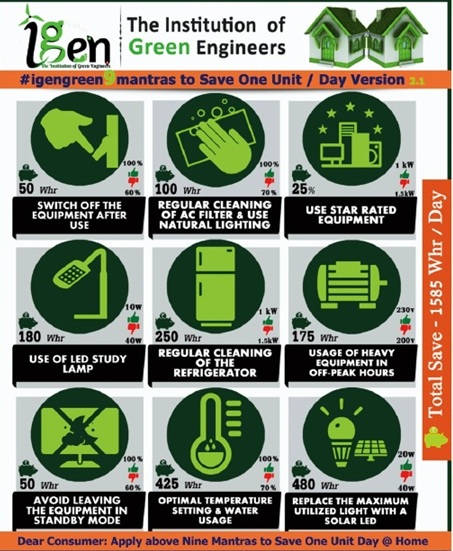
Figure VII (4.1) – 2 : Crescent Energy Club – 9 Energy Mantras designed to reduce energy consumption and lower electricity costs
Community Engagement and Participation
The club’s outreach efforts extend beyond mere education; they actively involve community members in various activities. This interactive approach not only raises awareness but also builds a network of individuals committed to environmental conservation, demonstrating the club’s dedication to creating a collaborative community focused on energy efficiency.

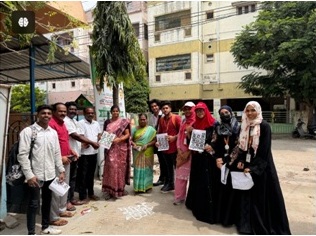
Figure VII (4.1) – 3 : Crescent Energy Club – 9 Energy Mantras – Distribution of posters – Creating a collaborative community focused on energy efficiency
Impact and Future Directions
The outcomes of these outreach programs are significant, as they lead to increased knowledge and awareness of clean energy practices among community members. The Crescent Energy Club’s initiatives have inspired many to adopt energy-efficient habits, contributing to a broader movement towards sustainability. Looking ahead, the club plans to continue its efforts by organizing more educational events and workshops, ensuring that the local community remains engaged and informed about the importance of energy efficiency and clean energy solutions. Through these ongoing initiatives, the Crescent Energy Club aims to create lasting change and promote a culture of sustainability within the community.
B.S. Abdur Rahman Crescent Institute of Science and Technology demonstrates a robust approach to local community outreach for energy efficiency through strategic educational initiatives. The institute organized a significant guest lecture on “Sustainable Construction Technologies – A Way Forward” delivered by Dr. Shweta Goyal from Thapar Institute of Engineering & Technology, highlighting the critical importance of sustainable development and energy-efficient practices. This event exemplifies the institution’s commitment to spreading awareness about environmental conservation and innovative construction methodologies that minimize carbon emissions.
The lecture comprehensively addressed key sustainability challenges, emphasizing the concept of zero carbon and zero waste through practical strategies like reduce, reuse, and recycle. Dr. Goyal elaborated on critical aspects of carbon emission reduction, including the importance of energy-efficient infrastructure, utilization of low-carbon alternatives, material reuse, and waste minimization. By introducing advanced concepts such as Life Cycle Assessment (LCA) and highlighting emerging technologies like fiber-reinforced concrete and 3D printed buildings, the program provided local community members with cutting-edge insights into sustainable construction practices and their environmental implications.
The outreach program’s primary objective was to educate participants about sustainable development that meets present needs without compromising future generations’ capabilities. By focusing on practical solutions and innovative technologies, the institute created an interactive platform for knowledge dissemination, encouraging community members to understand and adopt energy-efficient practices. The lecture not only shared theoretical knowledge but also provided actionable strategies for reducing carbon emissions, thereby empowering local residents to contribute meaningfully to environmental conservation and sustainable urban development.

Figure VII (4.1) – 4 : Invitation for the Guest Lecture – Sustainable Construction Technologies – A way forward
The guest lecture on ‘Sustainable Construction Technology – A way forward’ was delivered by the guest speaker by Dr. Shweta Goyal, Professor, Department of Civil Engineering from Thapar Institute of Engineering & Technology, Patiala, Punjab, which was organised by Department of Civil Engineering, School of Infrastructure, and held on 27th July 2023 at Seminar hall, Department of Management Studies. The event was coordinated by Dr. Nisha Khanam Assistant Professor (Sl. Gr), Department of Civil Engineering. The speaker initiated the talk by stating the contribution she has done in the construction industry pertaining to the sustainability through her research work and publications.
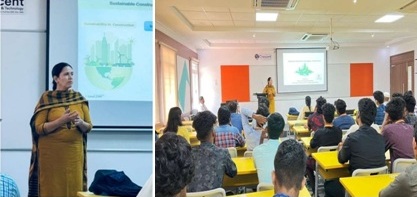
Figure VII (4.1) – 5 : Engaging Minds: A Workshop on Sustainable Technologies
The speaker highlighted about the sustainable development which is nothing but the development that meets the needs of the present, without compromising the ability of future generations to meet their own needs. In order to attain sustainability first the challenges faced by the industry must be studied. The challenges faced are cost, quality and time taken for the raw materials to be transformed to the final product.
The speaker further mentioned the importance of zero carbon and zero waste by the process of reduce, reuse, and recycle. Zero carbon emission can be divided into embodied and operational carbon. Embodied carbon emission is emitted during the construction and transportation process whereas operational carbon is emitted aftermath the construction.
To reduce the embodied carbon which contributes 49% of carbon the following steps are emphasized
- Energy efficient infrastructure
- Use low carbon alternatives
- Reuse materials
- Minimise waste
In order to understand the carbon emission, she briefed about LCA – Life Cycle Assessment which is a flow chart of carbon at different levels.
- Cradle to cradle – from manufacturing till recycle
- Cradle to grave – till demolition
- Cradle to handover – till building is hand overed
- To construction site – carbon emission taking place till construction
- To gate – carbon reduction at industry level
The steps that can be taken to initiate zero carbon and zero waste are by using supplementary cementitious materials, high performance material, utilization of waste for construction, extending the usable life of a structure. Further she briefed about fibre reinforced concrete, textile reinforced concrete and some new generation technology such as 3D printed buildings which can be implemented in future for sustainable development.
B.S. Abdur Rahman Crescent Institute of Science and Technology is committed to fostering a sustainable and energy-conscious community through various outreach programs focused on energy efficiency and clean energy solutions. In addition to educational initiatives, the institute actively participates in community service events, such as the recent tree plantation drive during N.S.S. Day celebrations. The N.S.S. unit planted 200 trees as part of the “Green Tamil Nadu” program, organized by the Tamil Nadu Government. This event, attended by over 300 volunteers and dignitaries including Chief Minister Thiru. M. K. Stalin, showcased the institute’s commitment to environmental stewardship. Such activities not only promote awareness about energy efficiency and clean energy but also engage the local community in practical actions that contribute to sustainability and ecological balance. Through these combined efforts, B.S. Abdur Rahman Crescent Institute aims to empower residents with knowledge and inspire collective action towards a greener future.
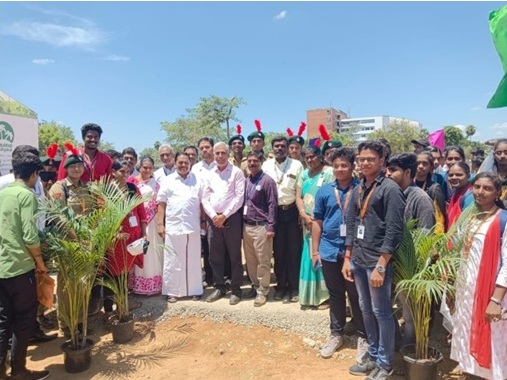
Figure VII (4.1) – 6 : Community Empowerment Through Tree Plantation Initiatives – BSACIST Students
B.S. Abdur Rahman Crescent Institute of Science and Technology actively participates in local community outreach aimed at promoting energy efficiency and clean energy practices. A notable initiative is the “MeriLiFE – Massive Tree Plantation Drive 2023,” which encompasses the theme “One Student – One Tree.” This program, organized by the All India Council for Technical Education (AICTE), encourages students to engage in tree planting as a means of fostering environmental stewardship and raising awareness about sustainable practices.
The tree plantation drive not only contributes to enhancing green cover but also serves as an educational opportunity for participants to learn about the significance of trees in reducing carbon footprints and improving air quality. The event saw enthusiastic participation from students and faculty, who gathered to plant trees and further the cause of sustainability. By combining the efforts of these outreach programs with hands-on activities like tree planting, the institute effectively promotes the importance of energy efficiency and clean energy within the community, encouraging a shift towards more sustainable living practices.
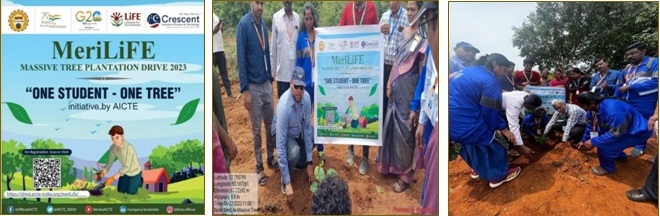
Figure VII (4.1) – 7 : MeriLiFE: Cultivating a Greener Future Through Student Engagement – One Student-One Tree
POLICY FOR ENERGY-EFFICIENT RENOVATION AND BUILDING
Issue: 04; Revised on 2023
| Policy Created on | July 2009 |
| 1st Revision amended on | IQAC Meeting held on 27th October 2017 |
| 2nd Revision amended on | IQAC Meeting held on 31st March 2021 |
| 3rd Revision amended on | IQAC Meeting held on 16th June 2023 |
Responsible Executive : Director (IQAC)
Responsible Office : Internal Quality Assurance Cell, Estate Office, and SDG Cell
Contacts : Registrar, Director (IQAC)
The B.S. Abdur Rahman Crescent Institute of Science and Technology is committed to ensuring that all renovations and new constructions on campus adhere to stringent energy efficiency standards. This policy aims to:
- Ensure universal access to affordable, reliable, modern energy services.
- Increase substantially the share of renewable energy in the global energy mix.
- Double the global rate of improvement in energy efficiency
- Enhance international cooperation to facilitate access to clean energy research and technology.
- Expand infrastructure and upgrade technology to supply modern and sustainable energy services, particularly in developing countries.
7.2 REASON FOR THIS POLICY
This policy is established to promote energy-efficient practices in renovating existing infrastructures and constructing new buildings. By adhering to energy efficiency standards, the Institute aims to reduce greenhouse gas emissions, lower operational costs, and contribute to the global efforts to combat climate change, which aligns with SDG 7 – Affordable and Clean Energy.
7.3 RESPONSIBILITIES
7.3.1 Policy Principles
The Institute shall implement the following principles to ensure compliance with energy efficiency standards:
- All renovations and new constructions must achieve recognised building rating systems such as EDGE, IGBC, and LEED.
- Sustainable design features, including using renewable energy sources, shall be integrated into all projects.
- An efficient waste management plan shall be established to minimize waste and promote recycling.
- Rainwater harvesting systems shall be implemented in all new buildings.
- Energy conservation shall be prioritized through the installation of energy-efficient appliances and equipment.
- Regular audits of energy consumption shall be conducted to identify areas for improvement.
- Use of low VOC (Volatile Organic Compounds) materials in construction and renovation to minimize harmful emissions.
- Adoption of eco-friendly housekeeping practices using biodegradable chemicals.
- Implementation of high reflective roofing materials and green roofs to reduce heat island effects.
- Encourage water-efficient landscaping and high-efficiency irrigation technology in new construction projects.
- Support R&D activities towards energy-efficient renovation and building.
- Enhance national/international cooperation to facilitate access to green building technology.
- Dissemination of Policy
- Awareness programs shall be conducted regularly for all stakeholders regarding energy-efficient practices.
- This policy shall be publicly accessible on the Institute’s website and updated as necessary.
7.3.3 Enforcement of Policy
- The Director (Planning and Development) and their team are responsible for monitoring compliance with this policy.
- Compliance shall be communicated to architects, design engineers, and construction workers involved in projects.
7.2.1 – ENERGY EFFICIENCY POLICY.pdf
POLICY FOR DIVESTMENT FROM CARBON-INTENSIVE ENERGY INDUSTRIES
Issue: 04; Revised on 2023
| Policy Created on | July 2009 |
| 1st Revision amended on | IQAC Meeting held on 27th October 2017 |
| 2nd Revision amended on | IQAC Meeting held on 31st March 2021 |
| 3rd Revision amended on | IQAC Meeting held on 16th June 2023 |
Responsible Executive: Director (IQAC)
Responsible Office: Internal Quality Assurance Cell, Estate Office, and SDG Cell
Contacts: Registrar, Director (IQAC)
The B.S. Abdur Rahman Crescent Institute of Science and Technology is committed to divesting from carbon-intensive energy industries, particularly coal and oil, to promote sustainable energy practices and contribute to the global efforts to combat climate change. This policy aims to:
- Ensure universal access to affordable, reliable, and modern energy services.
- Increase substantially the share of renewable energy in the global energy mix.
- Double the global rate of improvement in energy efficiency.
- Enhance international cooperation to facilitate access to clean energy research and technology.
- Promote investment in energy infrastructure and clean energy technology.
7.2 REASON FOR THIS POLICY
This policy is established to minimize the Institute’s carbon footprint by reducing investments in fossil fuels and promoting renewable energy sources. By divesting from carbon-intensive industries, the Institute aligns with the United Nations’ Sustainable Development Goals, particularly SDG 7: Affordable and Clean Energy, and supports the transition to a sustainable energy future.
7.3 RESPONSIBILITIES
7.3.1 Policy Principles
The Institute shall implement the following principles to ensure effective divestment from carbon-intensive energy industries:
- Conduct a comprehensive review of current investments to identify carbon-intensive assets.
- Gradually divest from all investments in coal and oil industries within a specified timeframe.
- Reallocate funds towards renewable energy projects and sustainable technologies.
- Collaborate with financial institutions that prioritize sustainable investment practices.
- Promote transparency in investment decisions and publicly report on divestment progress.
- Engage with stakeholders, including students and faculty, to raise awareness about the importance of divestment from fossil fuels.
- Support research and development initiatives focused on clean energy technologies.
7.3.2 Dissemination of Policy
- This policy shall be publicly accessible on the Institute’s website to ensure transparency.
- Awareness programs shall be conducted regularly for all stakeholders regarding the importance of divestment from carbon-intensive industries.
- Updates on divestment progress shall be communicated through newsletters and reports.
7.3.3 Enforcement of Policy
- The Director (Finance) and their team are responsible for monitoring compliance with this policy and reporting on divestment progress.
- Any breach of this policy may result in a review of investment strategies and potential disciplinary actions as prescribed by the Institute’s code of conduct.
Overview of the Crescent Energy Club
The Crescent Energy Club, affiliated with B.S. Abdur Rahman Crescent Institute of Science and Technology, is dedicated to promoting sustainable energy practices and fostering a community passionate about energy literacy and environmental stewardship. The club’s vision is to create a vibrant community that recognizes the critical role of sustainable energy in shaping the future. Its mission focuses on providing a platform for knowledge sharing, networking, and collaboration among individuals interested in energy-related fields. The club empowers its members to become leaders in the transition towards a clean and sustainable energy system through various initiatives and activities.
Green Day Celebration by IGEN
The Crescent Energy Club actively participated in the IGEN Green Day event held in Kattur Village. This event aimed to inspire individuals and communities to engage in green actions and advocate for sustainable practices. During the celebration, the club took a significant step by launching a public pledge with the local community, committing to the goal of achieving 100% renewable energy. This initiative aligns with the United Nations Sustainable Development Goals (SDGs) and emphasizes the importance of collective action in addressing climate change and promoting sustainability.
The IGEN Green Day served as a platform to recognize the contributions of various academic institutions and individuals in promoting environmental awareness. The event encouraged participants to take actionable steps towards sustainability, fostering a sense of responsibility and community engagement.
Commitment to 100% Renewable Energy
The public pledge made during the IGEN Green Day is a pivotal part of the Crescent Energy Club’s mission to advocate for renewable energy. By engaging with the local community, the club aims to raise awareness about the benefits of transitioning to renewable energy sources and the importance of sustainable practices. This commitment not only reflects the club’s dedication to environmental stewardship but also serves as a model for other institutions and communities to follow.
Through ongoing initiatives, educational programs, and community engagement, the Crescent Energy Club seeks to inspire individuals to adopt renewable energy solutions and contribute to a sustainable future. The pledge for 100% renewable energy is a call to action for everyone to participate in the transition towards a cleaner, greener planet.
Inspiring Change: From Campus Initiatives to Community Empowerment
B.S. Abdur Rahman Crescent Institute of Science and Technology has strategically committed to transitioning towards 100% renewable energy, establishing a ground breaking model for educational institutions across Tamil Nadu and India. The institute’s comprehensive approach leverages its Energy Centre for Sustainable Development and green campus initiatives to demonstrate practical renewable energy solutions. Specifically, their solar-based bird protection project at Kattur Village, funded by Unnat Bharat Abhiyan, serves as a compelling showcase of how renewable technologies can be effectively integrated into agricultural practices while promoting sustainable development.
The project’s innovative components include solar-powered security infrastructure with motion-activated CCTV surveillance systems, bird banger technologies, and smart monitoring capabilities. By implementing zero-carbon surveillance and energy-efficient solutions, the institute not only addresses local agricultural challenges but also creates a replicable model for community engagement. The key strategy involves organizing demonstration sessions for local farmers and communities, highlighting the economic and environmental benefits of renewable energy adoption. This approach aims to inspire a public pledge toward 100% renewable energy beyond university boundaries, effectively creating a multiplier effect that can accelerate sustainable energy transitions across various societal sectors.
The broader vision extends beyond technological implementation, focusing on structured knowledge sharing and support systems that can drive widespread renewable energy adoption. By showcasing real-world applications and tangible impacts, B.S. Abdur Rahman Crescent Institute is positioning itself as a catalyst for sustainable transformation. The initiative directly contributes to Sustainable Development Goal 7 (SDG7), demonstrating how educational institutions can play a pivotal role in promoting renewable energy awareness and practical implementation at community levels. The ultimate goal is to create a scalable and inspirational model that encourages other communities and institutions to embrace renewable energy solutions, thereby contributing to a more sustainable future.
The journey toward 100% renewable energy requires practical demonstrations of sustainable solutions that can inspire broader adoption. The solar-based bird protection project implemented at Kattur Village through BSACIST, funded by Unnat Bharat Abhiyan, serves as an excellent example of how renewable energy can be effectively integrated into agricultural practices while promoting sustainable development.
Project Overview and Impact:
The completed project demonstrates the practical application of solar energy in agricultural settings, specifically in poultry farming. This initiative showcases how renewable energy solutions can address real-world challenges while promoting sustainable practices beyond university boundaries.
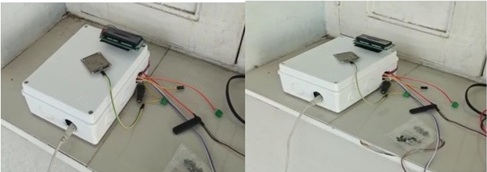
Figure VII (4.2) – 1 : Data Guard: Smart Analytics for Proactive Predator Management
Key Components and Innovations:
- Solar-Powered Security Infrastructure:
- Implementation of motion-activated CCTV surveillance systems
- Integration of bird banger systems powered by solar energy
- Smart monitoring capabilities with data logging features
- Real-time threat detection and response mechanisms
2. Sustainable Technology Integration:
- Zero-carbon surveillance and protection systems
- Energy-efficient motion-activated features
- Data collection and analysis capabilities for continuous improvement
- Demonstration of renewable energy reliability in critical operations
Expanding the Renewable Energy Pledge:
- Community Engagement Strategy:
- Showcase successful implementation at Kattur Village as a model
- Organize demonstration sessions for local farmers and communities

Figure VII (4.2) – 1 : Green Surveillance: Solar-Powered CCTV Innovation in Poultry Management
The successful implementation of the solar-based poultry protection project at Kattur Village demonstrates the practical viability of renewable energy solutions in agricultural settings. This project serves as a powerful catalyst for promoting a public pledge toward 100% renewable energy adoption beyond university boundaries. By showcasing real-world applications, economic benefits, and environmental impacts, this initiative can inspire other communities and institutions to embrace renewable energy solutions.
The path forward involves expanding this successful model through structured knowledge sharing, community engagement, and support systems. By promoting a public pledge toward 100% renewable energy, we can create a multiplier effect that accelerates the transition to sustainable energy systems across various sectors of society, contributing significantly to the achievement of SDG7 goals.
POLICY FOR ENERGY-EFFICIENT RENOVATION AND BUILDING
Issue: 04; Revised on 2023
| Policy Created on | July 2009 |
| 1st Revision amended on | IQAC Meeting held on 27th October 2017 |
| 2nd Revision amended on | IQAC Meeting held on 31st March 2021 |
| 3rd Revision amended on | IQAC Meeting held on 16th June 2023 |
Responsible Executive : Director (IQAC)
Responsible Office : Internal Quality Assurance Cell, Estate Office, and SDG Cell
Contacts : Registrar, Director (IQAC)
The B.S. Abdur Rahman Crescent Institute of Science and Technology is committed to ensuring that all renovations and new constructions on campus adhere to stringent energy efficiency standards. This policy aims to:
- Ensure universal access to affordable, reliable, modern energy services.
- Increase substantially the share of renewable energy in the global energy mix.
- Double the global rate of improvement in energy efficiency
- Enhance international cooperation to facilitate access to clean energy research and technology.
- Expand infrastructure and upgrade technology to supply modern and sustainable energy services, particularly in developing countries.
7.2 REASON FOR THIS POLICY
This policy is established to promote energy-efficient practices in renovating existing infrastructures and constructing new buildings. By adhering to energy efficiency standards, the Institute aims to reduce greenhouse gas emissions, lower operational costs, and contribute to the global efforts to combat climate change, which aligns with SDG 7 – Affordable and Clean Energy.
7.3 RESPONSIBILITIES
7.3.1 Policy Principles
The Institute shall implement the following principles to ensure compliance with energy efficiency standards:
- All renovations and new constructions must achieve recognised building rating systems such as EDGE, IGBC, and LEED.
- Sustainable design features, including using renewable energy sources, shall be integrated into all projects.
- An efficient waste management plan shall be established to minimize waste and promote recycling.
- Rainwater harvesting systems shall be implemented in all new buildings.
- Energy conservation shall be prioritized through the installation of energy-efficient appliances and equipment.
- Regular audits of energy consumption shall be conducted to identify areas for improvement.
- Use of low VOC (Volatile Organic Compounds) materials in construction and renovation to minimize harmful emissions.
- Adoption of eco-friendly housekeeping practices using biodegradable chemicals.
- Implementation of high reflective roofing materials and green roofs to reduce heat island effects.
- Encourage water-efficient landscaping and high-efficiency irrigation technology in new construction projects.
- Support R&D activities towards energy-efficient renovation and building.
- Enhance national/international cooperation to facilitate access to green building technology.
- Dissemination of Policy
- Awareness programs shall be conducted regularly for all stakeholders regarding energy-efficient practices.
- This policy shall be publicly accessible on the Institute’s website and updated as necessary.
7.3.3 Enforcement of Policy
- The Director (Planning and Development) and their team are responsible for monitoring compliance with this policy.
- Compliance shall be communicated to architects, design engineers, and construction workers involved in projects.
7.2.1 – ENERGY EFFICIENCY POLICY.pdf
POLICY FOR DIVESTMENT FROM CARBON-INTENSIVE ENERGY INDUSTRIES
Issue: 04; Revised on 2023
| Policy Created on | July 2009 |
| 1st Revision amended on | IQAC Meeting held on 27th October 2017 |
| 2nd Revision amended on | IQAC Meeting held on 31st March 2021 |
| 3rd Revision amended on | IQAC Meeting held on 16th June 2023 |
Responsible Executive: Director (IQAC)
Responsible Office: Internal Quality Assurance Cell, Estate Office, and SDG Cell
Contacts: Registrar, Director (IQAC)
The B.S. Abdur Rahman Crescent Institute of Science and Technology is committed to divesting from carbon-intensive energy industries, particularly coal and oil, to promote sustainable energy practices and contribute to the global efforts to combat climate change. This policy aims to:
- Ensure universal access to affordable, reliable, and modern energy services.
- Increase substantially the share of renewable energy in the global energy mix.
- Double the global rate of improvement in energy efficiency.
- Enhance international cooperation to facilitate access to clean energy research and technology.
- Promote investment in energy infrastructure and clean energy technology.
7.2 REASON FOR THIS POLICY
This policy is established to minimize the Institute’s carbon footprint by reducing investments in fossil fuels and promoting renewable energy sources. By divesting from carbon-intensive industries, the Institute aligns with the United Nations’ Sustainable Development Goals, particularly SDG 7: Affordable and Clean Energy, and supports the transition to a sustainable energy future.
7.3 RESPONSIBILITIES
7.3.1 Policy Principles
The Institute shall implement the following principles to ensure effective divestment from carbon-intensive energy industries:
- Conduct a comprehensive review of current investments to identify carbon-intensive assets.
- Gradually divest from all investments in coal and oil industries within a specified timeframe.
- Reallocate funds towards renewable energy projects and sustainable technologies.
- Collaborate with financial institutions that prioritize sustainable investment practices.
- Promote transparency in investment decisions and publicly report on divestment progress.
- Engage with stakeholders, including students and faculty, to raise awareness about the importance of divestment from fossil fuels.
- Support research and development initiatives focused on clean energy technologies.
7.3.2 Dissemination of Policy
- This policy shall be publicly accessible on the Institute’s website to ensure transparency.
- Awareness programs shall be conducted regularly for all stakeholders regarding the importance of divestment from carbon-intensive industries.
- Updates on divestment progress shall be communicated through newsletters and reports.
7.3.3 Enforcement of Policy
- The Director (Finance) and their team are responsible for monitoring compliance with this policy and reporting on divestment progress.
- Any breach of this policy may result in a review of investment strategies and potential disciplinary actions as prescribed by the Institute’s code of conduct.
The Crescent Energy Club at B.S. Abdur Rahman Crescent Institute of Science and Technology is dedicated to fostering a vibrant community focused on sustainable energy and environmental stewardship. With a mission to promote energy literacy and sustainability, the club provides a platform for knowledge sharing, networking, and collaboration among students, faculty, and professionals. The club’s motto emphasizes empowering members to lead the transition towards a clean energy system through various initiatives and activities.
The Crescent Energy Club has achieved significant recognition, including the Star Performer Award during the IGEN Green Day and participation in the Energathon 2023, where they contributed to a world record for continuous online events promoting sustainability. The club’s commitment to energy efficiency services for local industries includes conducting assessments, workshops, and research on renewable energy options, aiming to empower the community and drive positive change.
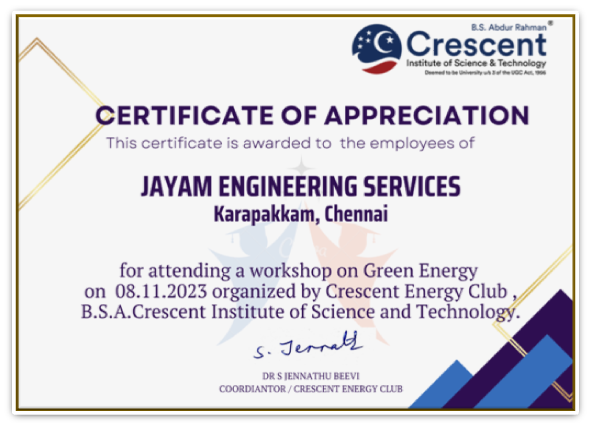
Figure VII (4.3) – 1 : Certificate for the Employers of M/s. Jayam Engineering Services, Chennai
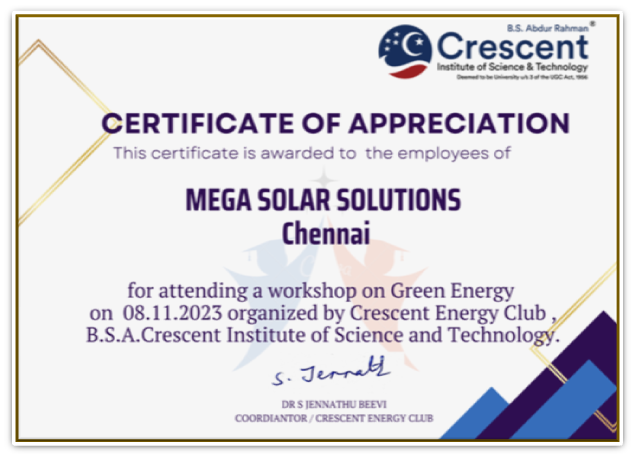
Figure VII (4.3) – 1 : Certificate for the Employers of M/s. Mega Solar Solutions, Chennai
The Certificate of Appreciation awarded to M/s. Jayam Engineering Services, located in Karapakkam, Chennai and M/s. Mega Solar Solutions, Chennai , recognizes the dedication and participation of its employees in a “Workshop on Green Energy”. Conducted on November 8, 2023, by the Crescent Energy Club at the B.S. Abdur Rahman Crescent Institute of Science and Technology, this initiative represents a crucial intersection between academic expertise and local industry needs.
This certificate not only highlights the employees’ commitment to enhancing their knowledge on renewable energy solutions but also serves as a testament to the direct services provided to local industries aimed at improving energy efficiency. The workshop included assessments of energy efficiency practices, strategies for implementing sustainable energy solutions, and discussions on research into renewable energy options. Such initiatives empower industries to transition towards cleaner energy sources, which is vital for achieving broader environmental and sustainability goals.
Dr. S. Jennathu Beevi, the Coordinator of the Crescent Energy Club, the certificate underscores the collaborative approach between educational institutions and industry players. By empowering local industries with practical knowledge and resources, the workshop contributes significantly to the ongoing dialogue on energy efficiency and cleaner energy practices. This alignment with industry needs not only enhances operational efficiencies but also solidifies a shared commitment to sustainable development in the region.
Table VII (4.3) – 1: Attendance details of the Participants
No. | Name | Designation | Organization |
1 | Ram Mohan N. | Engineer | Mega Solar Solutions |
2 | Suryakala S | Technician | Mega Solar Solutions |
3 | Aravind M. | Project Manager | Mega Solar Solutions |
4 | Sagar Krishna M. | Research Analyst | Mega Solar Solutions |
5 | Thiagarajan S | Engineer | Mega Solar Solutions |
6 | Manivannan R | Consultant | Mega Solar Solutions |
7 | Abdul Samath R | Operations Manager | Mega Solar Solutions |
8 | Rani Malliga R. | Quality Assurance | Mega Solar Solutions |
9 | K. Soundarya | Engineer | Mega Solar Solutions |
10 | Thulasi Narayanan | Environmental Scientist | Mega Solar Solutions |
11 | Ahamed Khan | Supervisor | Mega Solar Solutions |
12 | Chandrika K. | Sales Executive | Mega Solar Solutions |
13 | R. Kannan | Renewable Energy Specialist | Mega Solar Solutions |
14 | Selvam A. | Energy Analyst | Mega Solar Solutions |
15 | Manigandan P | Business Development | Mega Solar Solutions |
16 | Shahin M. | Marketing Executive | Mega Solar Solutions |
17 | Shailaja R | Technician | Mega Solar Solutions |
18 | Vani P. | Project Coordinator | Mega Solar Solutions |
19 | Rajnisha | Business Development | Jayam Engineering Services |
20 | Kannabiran | Engineer | Jayam Engineering Services |
21 | Pandiyan | Engineer | Jayam Engineering Services |
22 | Kamalanathan | Project Coordinator | Jayam Engineering Services |
23 | Roopa | Technician | Jayam Engineering Services |
24 | Ravi Kumar | Technician | Jayam Engineering Services |
25 | Farook Ahamed | Supervisor | Jayam Engineering Services |
26 | Devendiran | Engineer | Jayam Engineering Services |
27 | Priya N. | Engineer | Jayam Engineering Services |
28 | Radhakrishnan | Technician | Jayam Engineering Services |
29 | Goutham Raj | Project coordinator | Jayam Engineering Services |
30 | Mani | Technician | Jayam Engineering Services |
Testimonials from Workshop Participants : (Sample)
- Sagar Krishan : “The workshop was incredibly enlightening! The insights on renewable energy technologies were eye-opening and will definitely influence our future projects.”
- Pandiyan : “I appreciated the hands-on approach and the practical examples shared during the sessions. It motivated us to integrate more sustainable practices into our work.”
- Ahamed Khan : “The knowledge shared about energy efficiency assessments was invaluable. I feel better equipped to make recommendations that could save our company costs while being environmentally responsible.”
- Goutham Raj : “This workshop transformed my understanding of clean energy solutions. I am eager to implement what I’ve learned into our current projects.”
- Kannabiran : “Interacting with experts in the field made the learning experience enriching. The discussions sparked new ideas for potential collaborations on renewable energy initiatives.”
- Vani : “I found the energy efficiency strategies particularly useful. I am confident that we can apply these concepts to improve our operational efficiency moving forward.”
- Shailaja : “The workshop provided comprehensive knowledge about the latest trends in green energy. I am excited to share this information with my team.”
- Chandrika : “It was inspiring to be in a room filled with like-minded professionals. The networking opportunities were a great bonus.”
POLICY FOR ENERGY-EFFICIENT RENOVATION AND BUILDING
Issue: 04; Revised on 2023
| Policy Created on | July 2009 |
| 1st Revision amended on | IQAC Meeting held on 27th October 2017 |
| 2nd Revision amended on | IQAC Meeting held on 31st March 2021 |
| 3rd Revision amended on | IQAC Meeting held on 16th June 2023 |
Responsible Executive : Director (IQAC)
Responsible Office : Internal Quality Assurance Cell, Estate Office, and SDG Cell
Contacts : Registrar, Director (IQAC)
The B.S. Abdur Rahman Crescent Institute of Science and Technology is committed to ensuring that all renovations and new constructions on campus adhere to stringent energy efficiency standards. This policy aims to:
- Ensure universal access to affordable, reliable, modern energy services.
- Increase substantially the share of renewable energy in the global energy mix.
- Double the global rate of improvement in energy efficiency
- Enhance international cooperation to facilitate access to clean energy research and technology.
- Expand infrastructure and upgrade technology to supply modern and sustainable energy services, particularly in developing countries.
7.2 REASON FOR THIS POLICY
This policy is established to promote energy-efficient practices in renovating existing infrastructures and constructing new buildings. By adhering to energy efficiency standards, the Institute aims to reduce greenhouse gas emissions, lower operational costs, and contribute to the global efforts to combat climate change, which aligns with SDG 7 – Affordable and Clean Energy.
7.3 RESPONSIBILITIES
7.3.1 Policy Principles
The Institute shall implement the following principles to ensure compliance with energy efficiency standards:
- All renovations and new constructions must achieve recognised building rating systems such as EDGE, IGBC, and LEED.
- Sustainable design features, including using renewable energy sources, shall be integrated into all projects.
- An efficient waste management plan shall be established to minimize waste and promote recycling.
- Rainwater harvesting systems shall be implemented in all new buildings.
- Energy conservation shall be prioritized through the installation of energy-efficient appliances and equipment.
- Regular audits of energy consumption shall be conducted to identify areas for improvement.
- Use of low VOC (Volatile Organic Compounds) materials in construction and renovation to minimize harmful emissions.
- Adoption of eco-friendly housekeeping practices using biodegradable chemicals.
- Implementation of high reflective roofing materials and green roofs to reduce heat island effects.
- Encourage water-efficient landscaping and high-efficiency irrigation technology in new construction projects.
- Support R&D activities towards energy-efficient renovation and building.
- Enhance national/international cooperation to facilitate access to green building technology.
- Dissemination of Policy
- Awareness programs shall be conducted regularly for all stakeholders regarding energy-efficient practices.
- This policy shall be publicly accessible on the Institute’s website and updated as necessary.
7.3.3 Enforcement of Policy
- The Director (Planning and Development) and their team are responsible for monitoring compliance with this policy.
- Compliance shall be communicated to architects, design engineers, and construction workers involved in projects.
7.2.1 – ENERGY EFFICIENCY POLICY.pdf
POLICY FOR DIVESTMENT FROM CARBON-INTENSIVE ENERGY INDUSTRIES
Issue: 04; Revised on 2023
| Policy Created on | July 2009 |
| 1st Revision amended on | IQAC Meeting held on 27th October 2017 |
| 2nd Revision amended on | IQAC Meeting held on 31st March 2021 |
| 3rd Revision amended on | IQAC Meeting held on 16th June 2023 |
Responsible Executive: Director (IQAC)
Responsible Office: Internal Quality Assurance Cell, Estate Office, and SDG Cell
Contacts: Registrar, Director (IQAC)
The B.S. Abdur Rahman Crescent Institute of Science and Technology is committed to divesting from carbon-intensive energy industries, particularly coal and oil, to promote sustainable energy practices and contribute to the global efforts to combat climate change. This policy aims to:
- Ensure universal access to affordable, reliable, and modern energy services.
- Increase substantially the share of renewable energy in the global energy mix.
- Double the global rate of improvement in energy efficiency.
- Enhance international cooperation to facilitate access to clean energy research and technology.
- Promote investment in energy infrastructure and clean energy technology.
7.2 REASON FOR THIS POLICY
This policy is established to minimize the Institute’s carbon footprint by reducing investments in fossil fuels and promoting renewable energy sources. By divesting from carbon-intensive industries, the Institute aligns with the United Nations’ Sustainable Development Goals, particularly SDG 7: Affordable and Clean Energy, and supports the transition to a sustainable energy future.
7.3 RESPONSIBILITIES
7.3.1 Policy Principles
The Institute shall implement the following principles to ensure effective divestment from carbon-intensive energy industries:
- Conduct a comprehensive review of current investments to identify carbon-intensive assets.
- Gradually divest from all investments in coal and oil industries within a specified timeframe.
- Reallocate funds towards renewable energy projects and sustainable technologies.
- Collaborate with financial institutions that prioritize sustainable investment practices.
- Promote transparency in investment decisions and publicly report on divestment progress.
- Engage with stakeholders, including students and faculty, to raise awareness about the importance of divestment from fossil fuels.
- Support research and development initiatives focused on clean energy technologies.
7.3.2 Dissemination of Policy
- This policy shall be publicly accessible on the Institute’s website to ensure transparency.
- Awareness programs shall be conducted regularly for all stakeholders regarding the importance of divestment from carbon-intensive industries.
- Updates on divestment progress shall be communicated through newsletters and reports.
7.3.3 Enforcement of Policy
- The Director (Finance) and their team are responsible for monitoring compliance with this policy and reporting on divestment progress.
- Any breach of this policy may result in a review of investment strategies and potential disciplinary actions as prescribed by the Institute’s code of conduct.
The global challenge of climate change necessitates a robust policy framework that promotes clean energy technologies, particularly solar power. The United Nations emphasizes the critical role of renewable energy in mitigating climate change and achieving sustainable development goals. In this context, the Government of India (GOI) and the Tamil Nadu Government have established comprehensive policies aimed at facilitating the transition from fossil fuels to cleaner energy sources. These policies are designed to engage a wide range of stakeholders, ensuring that they are socially acceptable and economically viable. By creating an enabling environment through financial incentives and regulatory frameworks, these governments aim to attract private sector investments, ultimately enhancing energy efficiency across various sectors.
National Initiatives: The Jawaharlal Nehru National Solar Mission’s Impact
The Jawaharlal Nehru National Solar Mission (JNNSM) https://www.seci.co.in/upload/static/files/mission_document_JNNSM(1).pdf serves as a cornerstone of India’s solar energy policy, launched in 2010 to position the country as a global leader in solar power. The mission has set ambitious targets, including achieving 100 GW of installed solar capacity by 2022, and emphasizes the importance of grid connectivity, solar thermal applications, and off-grid systems. This initiative not only aims to bolster India’s energy security but also addresses climate change challenges by promoting the development and deployment of solar technologies. The Tamil Nadu Government has aligned its policies with these national objectives, implementing various programs that encourage the adoption of solar energy in both urban and rural settings https://cms.tn.gov.in/sites/default/files/documents/energy_2012_2013.pdf.
Institutional Leadership in Solar Energy: BSACIST’s Pioneering Efforts
At the institutional level, B.S. Abdur Rahman Crescent Institute of Science and Technology (BSACIST) exemplifies the effective implementation of solar energy policies. The institute has established multiple rooftop solar power plants with a total capacity of 650 kWp, significantly contributing to its energy requirements while reducing dependence on conventional energy sources. These installations are part of a broader strategy to harness renewable energy, which includes solar water heating systems and solar street lighting projects. By integrating solar power into its infrastructure, BSACIST not only supports the Tamil Nadu Government’s renewable energy initiatives but also serves as a model for other educational institutions to follow.
Collaborative Progress in Renewable Energy: A Path Towards Sustainability
Overall, the collaborative efforts between the UN, GOI, and the Tamil Nadu Government in developing clean energy policies have paved the way for significant advancements in solar energy implementation. Institutions like BSACIST play a vital role in this transition by adopting and promoting renewable energy technologies, thereby contributing to a sustainable energy future. As these policies continue to evolve, the focus on clean energy technology will remain crucial in addressing the pressing challenges of climate change and energy security.
Holistic Sustainability: Transforming Campus Energy Ecosystem
By integrating multiple approaches – solar power generation, energy-efficient technologies, smart infrastructure design, and collaborative student-driven projects – B.S. Abdur Rahman Crescent Institute of Science and Technology, has created a holistic framework for upgrading buildings to higher energy efficiency. The institute’s commitment goes beyond mere technological implementation, fostering a culture of sustainability and innovation. These strategic upgrades not only reduce operational costs and carbon footprint but also serve as a model for sustainable institutional development, demonstrating how existing infrastructure can be transformed into energy-efficient, environmentally responsible spaces.
Strategic Solar Infrastructure: BSACIST’s Comprehensive Energy Efficiency Approach
B.S. Abdur Rahman Crescent Institute of Science and Technology (BSACIST) has implemented a comprehensive strategy to upgrade existing buildings to higher energy efficiency through innovative renewable energy solutions. As part of its ‘Green Campus’ initiative, the institute has installed multiple rooftop solar photovoltaic power plants with a total capacity of 650 kWp, strategically positioned across various campus buildings. These solar installations include a 550 kWp grid-tied plant on academic buildings and a recently added 100 kWp plant in the New Architecture Block and CIIC Block, demonstrating a systematic approach to energy infrastructure upgrades.
Figure VII (4.4) – 1 : Solar Panel Installed at Roof Top in Various Buildings

Quantifying Success: Solar Power Generation and Financial Savings
The solar power implementation has yielded significant energy efficiency improvements.
Plant | Units | Amount Saved |
150Kwp | 16,14,426 | 1,47,77,494 |
100kWp | 12,24,046 | 1,13,85,248 |
300kWp | 17,59,980 | 1,72,16,042 |
New 100kWp | 3,31,420 | 33,33,444 |
Total | 49,29,872 | 4,67,12,228 |
Table VII (4.4) – 1 : Total Solar Power Generation – 650kWp up to from 2014 to 2023
These solar installations now constitute 18% of the total electricity consumption since June 2014, representing a substantial upgrade in the campus’s energy efficiency infrastructure.
Innovative Energy Solutions: Beyond Solar Power Generation

Figure VII (4.4) – 2 : Solar Water Heater – KBA Men’s Hostel, Ladies Hostel and Staff Quarters
Beyond solar power, BSACIST has implemented complementary energy-efficient technologies to upgrade existing buildings. A notable example is the installation of solar water heating systems with a total capacity of 39,500 litres, equivalent to 365 electric geysers of 2kW capacity. These systems are strategically placed in Men’s Hostel blocks, Ladies Hostel, and New Staff Quarters, estimated to save approximately 24 lakhs in power consumption annually. The institute has also introduced innovative solutions like zero-export devices to manage surplus solar power generation and prevent potential damage to diesel generator sets.
Block | No. of tanks | Capacity in litres |
Men’s Hostel | ||
A Block | 20 | 5000 |
B Block | 6 | 3000 |
C Block | 6 | 3000 |
D Block | 8 | 4000 |
Main block | 20 | 5000 |
PG block | 12 | 3000 |
Ladies Hostel | ||
Main block | 10 | 5000 |
Annexure Block | ||
New Block Phase 1 | 17 | 5750 |
Staff Quarters | ||
New Staff Quarters | 23 | 5750 |
Total Capacity | 122 | 39,500Litres |
Table VII (4.4) – 2 : Capacity in Litres
Smart Infrastructure: Collaborative Energy Management Strategies
To further enhance energy efficiency, the institute has developed additional infrastructure improvements. Solar street lighting projects have been implemented along the road connecting staff quarters to the men’s hostel and the architecture block – a collaborative effort between third-year electrical engineering students and the estate electrical department. The zero-export device ensures that excess power generated by the solar power plant does not damage the diesel generator sets, while allowing the solar power to be shared across the campus grid during load shedding.


Figure VII (4.4) – 3 : Solar Street Lights @ Sports Village & Near Architecture Block
The Tamil Nadu Pollution Control Board, in collaboration with B.S. Abdur Rahman Crescent Institute of Science and Technology, inaugurated the Continuous Ambient Air Quality Monitoring Station (CAAQMS) on the institute’s campus. This initiative marks a significant advancement in the region’s efforts to monitor air quality and develop policies related to clean energy technology. The establishment of the CAAQMS is a crucial step towards understanding and managing air pollution, thereby supporting the broader goals of environmental sustainability.
This process underscores the collaborative commitment of governmental and educational institutions to enhance air quality monitoring, which is essential for informing effective clean energy and energy-efficient technology policies.
The CAAQMS will play a vital role in providing real-time data on air quality, which is instrumental in assessing the impact of various energy sources. This data will inform strategies aimed at transitioning from fossil fuels to cleaner alternatives, thereby supporting regulatory frameworks and engaging stakeholders in the importance of air quality management. Overall, the establishment of the CAAQMS represents a proactive approach to environmental governance and clean energy policy development.

Figure VII (4.4) – 4 : Continuous Ambient Air Quality Monitoring Station (CAAQMS)
Analysis and Interpretation of January 2023 Pollutant Data
Key Findings
Daily Averages:
The average pollutant levels for January 2023 are as follows:
- SO2 (Sulfur Dioxide): 8.13 µg/m³
- NO2 (Nitrogen Dioxide): 26.21 µg/m³
- PM10 (Particulate Matter <10µm): 84.85 µg/m³
- PM2.5 (Particulate Matter <2.5µm): 50.89 µg/m³
Maximum and Minimum Levels:
- Maximum Levels:
- SO2: 8.4 µg/m³
- NO2: 49.38 µg/m³
- PM10: 167.77 µg/m³ (indicating significant emissions events)
- PM2.5: 124.97 µg/m³
Trends Over Time
While daily variations are not fully detailed, the recorded spikes in PM10 and PM2.5 levels suggest significant air quality degradation on specific days. Correlating these peaks with potential energy policy impacts or industrial activities can provide insights into pollution sources and inform future clean energy strategies.
Interpretations
Air Quality Impact:
The recorded levels of SO2 and NO2 are within prescribed standards, indicating compliance with health regulations. However, the elevated PM10 and PM2.5 levels exceed normal thresholds, highlighting potential health risks, particularly for respiratory and cardiovascular systems. This underscores the urgent need for policies aimed at reducing particulate emissions.
Policy Implications:
The data serves as a critical resource for policymakers in developing clean energy and energy-efficient technology initiatives. The elevated levels of PM10 and PM2.5 necessitate immediate attention and the implementation of stricter regulations on particulate emissions. This could involve:
- Promoting cleaner technologies in industrial sectors.
- Enhancing monitoring of emissions sources to better understand their impact on air quality.
Recommendations for Mitigation
- Transition to Renewable Energy:
- A key strategy for reducing particulate emissions is transitioning to cleaner energy sources. Emphasising renewable energy in divestment policies aligns with this objective and supports sustainable energy development.
- Public Awareness Campaigns:
- Initiating campaigns to raise community awareness about air quality issues can foster public engagement in monitoring and advocating for clean energy practices. This grassroots involvement is vital for supporting policy changes.
Future Monitoring
Ongoing air quality monitoring is essential for effective policy development. Implementing a real-time measurement system can facilitate timely responses to pollution sources, allowing for adaptive policy adjustments that promote air quality improvement and align with clean energy initiatives.
The January 2023 data provides valuable insights into air quality trends and their implications for clean energy policy development. Continuous monitoring and proactive policy measures ensure that air quality meets health standards and supports community well-being. By integrating air quality management with clean energy initiatives, governments can enhance their commitment to sustainable practices, ultimately fostering a healthier environment.
POLICY FOR ENERGY-EFFICIENT RENOVATION AND BUILDING
Issue: 04; Revised on 2023
| Policy Created on | July 2009 |
| 1st Revision amended on | IQAC Meeting held on 27th October 2017 |
| 2nd Revision amended on | IQAC Meeting held on 31st March 2021 |
| 3rd Revision amended on | IQAC Meeting held on 16th June 2023 |
Responsible Executive : Director (IQAC)
Responsible Office : Internal Quality Assurance Cell, Estate Office, and SDG Cell
Contacts : Registrar, Director (IQAC)
The B.S. Abdur Rahman Crescent Institute of Science and Technology is committed to ensuring that all renovations and new constructions on campus adhere to stringent energy efficiency standards. This policy aims to:
- Ensure universal access to affordable, reliable, modern energy services.
- Increase substantially the share of renewable energy in the global energy mix.
- Double the global rate of improvement in energy efficiency
- Enhance international cooperation to facilitate access to clean energy research and technology.
- Expand infrastructure and upgrade technology to supply modern and sustainable energy services, particularly in developing countries.
7.2 REASON FOR THIS POLICY
This policy is established to promote energy-efficient practices in renovating existing infrastructures and constructing new buildings. By adhering to energy efficiency standards, the Institute aims to reduce greenhouse gas emissions, lower operational costs, and contribute to the global efforts to combat climate change, which aligns with SDG 7 – Affordable and Clean Energy.
7.3 RESPONSIBILITIES
7.3.1 Policy Principles
The Institute shall implement the following principles to ensure compliance with energy efficiency standards:
- All renovations and new constructions must achieve recognised building rating systems such as EDGE, IGBC, and LEED.
- Sustainable design features, including using renewable energy sources, shall be integrated into all projects.
- An efficient waste management plan shall be established to minimize waste and promote recycling.
- Rainwater harvesting systems shall be implemented in all new buildings.
- Energy conservation shall be prioritized through the installation of energy-efficient appliances and equipment.
- Regular audits of energy consumption shall be conducted to identify areas for improvement.
- Use of low VOC (Volatile Organic Compounds) materials in construction and renovation to minimize harmful emissions.
- Adoption of eco-friendly housekeeping practices using biodegradable chemicals.
- Implementation of high reflective roofing materials and green roofs to reduce heat island effects.
- Encourage water-efficient landscaping and high-efficiency irrigation technology in new construction projects.
- Support R&D activities towards energy-efficient renovation and building.
- Enhance national/international cooperation to facilitate access to green building technology.
- Dissemination of Policy
- Awareness programs shall be conducted regularly for all stakeholders regarding energy-efficient practices.
- This policy shall be publicly accessible on the Institute’s website and updated as necessary.
7.3.3 Enforcement of Policy
- The Director (Planning and Development) and their team are responsible for monitoring compliance with this policy.
- Compliance shall be communicated to architects, design engineers, and construction workers involved in projects.
7.2.1 – ENERGY EFFICIENCY POLICY.pdf
POLICY FOR DIVESTMENT FROM CARBON-INTENSIVE ENERGY INDUSTRIES
Issue: 04; Revised on 2023
| Policy Created on | July 2009 |
| 1st Revision amended on | IQAC Meeting held on 27th October 2017 |
| 2nd Revision amended on | IQAC Meeting held on 31st March 2021 |
| 3rd Revision amended on | IQAC Meeting held on 16th June 2023 |
Responsible Executive: Director (IQAC)
Responsible Office: Internal Quality Assurance Cell, Estate Office, and SDG Cell
Contacts: Registrar, Director (IQAC)
The B.S. Abdur Rahman Crescent Institute of Science and Technology is committed to divesting from carbon-intensive energy industries, particularly coal and oil, to promote sustainable energy practices and contribute to the global efforts to combat climate change. This policy aims to:
- Ensure universal access to affordable, reliable, and modern energy services.
- Increase substantially the share of renewable energy in the global energy mix.
- Double the global rate of improvement in energy efficiency.
- Enhance international cooperation to facilitate access to clean energy research and technology.
- Promote investment in energy infrastructure and clean energy technology.
7.2 REASON FOR THIS POLICY
This policy is established to minimize the Institute’s carbon footprint by reducing investments in fossil fuels and promoting renewable energy sources. By divesting from carbon-intensive industries, the Institute aligns with the United Nations’ Sustainable Development Goals, particularly SDG 7: Affordable and Clean Energy, and supports the transition to a sustainable energy future.
7.3 RESPONSIBILITIES
7.3.1 Policy Principles
The Institute shall implement the following principles to ensure effective divestment from carbon-intensive energy industries:
- Conduct a comprehensive review of current investments to identify carbon-intensive assets.
- Gradually divest from all investments in coal and oil industries within a specified timeframe.
- Reallocate funds towards renewable energy projects and sustainable technologies.
- Collaborate with financial institutions that prioritize sustainable investment practices.
- Promote transparency in investment decisions and publicly report on divestment progress.
- Engage with stakeholders, including students and faculty, to raise awareness about the importance of divestment from fossil fuels.
- Support research and development initiatives focused on clean energy technologies.
7.3.2 Dissemination of Policy
- This policy shall be publicly accessible on the Institute’s website to ensure transparency.
- Awareness programs shall be conducted regularly for all stakeholders regarding the importance of divestment from carbon-intensive industries.
- Updates on divestment progress shall be communicated through newsletters and reports.
7.3.3 Enforcement of Policy
- The Director (Finance) and their team are responsible for monitoring compliance with this policy and reporting on divestment progress.
- Any breach of this policy may result in a review of investment strategies and potential disciplinary actions as prescribed by the Institute’s code of conduct.
B.S. Abdur Rahman Crescent Institute of Science and Technology (BSACIST) actively promotes low-carbon initiatives through its dedicated wing, the Crescent Innovation and Incubation Council (CIIC). Recognizing the urgent need for sustainable practices, CIIC provides robust support to start-ups focused on developing technologies and solutions that contribute to a low-carbon economy. By offering resources, mentorship, and funding opportunities, CIIC empowers innovative entrepreneurs to create impactful products and services that reduce carbon emissions and foster environmental sustainability. This commitment not only enhances the entrepreneurial ecosystem but also plays a crucial role in advancing the Institute’s mission towards a greener future.
Several innovative start-ups are making significant strides in sustainability and environmental responsibility in the pursuit of a low-carbon economy. Companies like Aloe Ecell, RAPTEEHV, Carbyne Energy Tech, and E-Daddy exemplify technology’s transformative potential in fostering a greener future. These organisations develop ground breaking products and contribute to a broader ecosystem that supports low-carbon innovation.
A. Aloe Ecell: Pioneering Eco-Friendly Batteries
Aloe Ecell stands out with its pioneering development of the world’s first 100% eco-friendly battery made from aloe vera. This innovative approach emphasises sustainability and aims to revolutionize battery technology, marking a significant advancement in energy solutions. The company has garnered global recognition for its contributions, including Schneider Electric accolades, highlighting its commitment to environmental stewardship. Furthermore, Aloe Ecell actively engages the next generation of innovators by offering internship programs for students at various academic levels, encouraging research in fields such as electrophysics and electrochemistry.
For more information, you can visit their official website: Aloe Ecell

Figure VII (4.5) – 1 : Front page of the website of M/s. Aloe Ecell Company
The Memorandum of Understanding (MoU) between Crescent Innovation and Incubation Council (CIIC) and Aloe Ecell Private Limited emphasizes collaboration to support start-ups focused on low-carbon innovations. This partnership aims to provide essential assistance and resources to foster the development of technologies that contribute to a sustainable, low-carbon economy, thereby promoting environmental sustainability and innovation in the region.
The MOU copy is enclosed herewith: Aloecell MOU with CIIC- BSACIST

Figure VII (4.5) – 2 : Front page of the MOU Copy
B. RAPTEEHV: High-Voltage Solutions for Sustainability
RAPTEEHV specializes in high-voltage electrical solutions, providing essential services and products for industrial applications. Their focus on delivering high-voltage electrical systems, such as substations and transformers, is crucial for modern energy demands. By offering engineering consulting services and project management for electrical infrastructure development, RAPTEEHV ensures that its solutions are efficient and sustainable. The company’s commitment to minimizing environmental impact while meeting energy needs aligns perfectly with the goals of a low-carbon economy.
For more detailed information, you can visit their official website: RAPTEEHV.
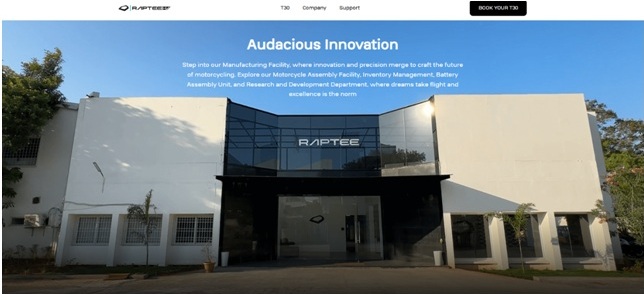
Figure VII (4.5) – 3 : Front page of the website of M/s. RAPTEEHV Company
The Memorandum of Understanding (MoU) is an Incubation Agreement between Crescent Innovation and Incubation Council (CIIC) and Raptee Energy Private Limited, aimed at fostering innovation and entrepreneurship. Signed on February 11, 2022, in Chennai, the agreement outlines the collaboration between the two parties, emphasizing their commitment to support the development of innovative projects and resolve any disputes through Indian arbitration.
The MOU copy is enclosed herewith: RAPTEEHV MOU with CIIC- BSACIST
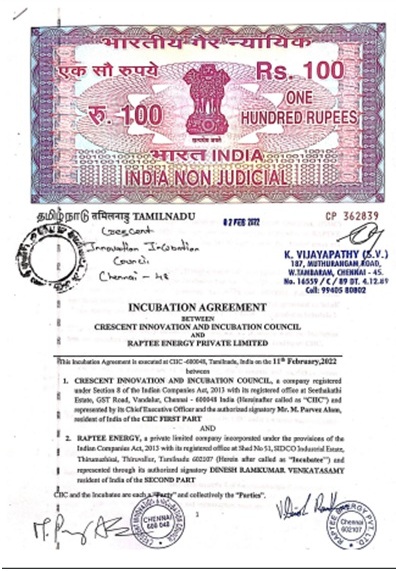
Figure VII (4.5) – 4 : Front page of the MOU Copy
C. Carbyne Energy Tech: Advancing Sustainable Energy Solutions
Carbyne Energy Tech is another key player in the low-carbon innovation landscape, harnessing cutting-edge technologies to develop sustainable energy sources. Their focus on energy storage technologies enhances the reliability and efficiency of energy distribution, which is vital for integrating renewable energy into the grid. Carbyne’s investment in research and development underscores its dedication to creating new solutions that optimise energy usage and facilitate the transition to greener alternatives. Carbyne ensures a broad impact on energy efficiency by catering to various sectors, including renewable energy and electric vehicles.
For more detailed information, you can visit their official website: Carbyne Energy Tech.
Figure VII (4.5) – 5 : Front page of the website of M/s. CARBYNE ENERGY
The Memorandum of Understanding (MoU) between Crescent Innovation and Incubation Council (CIIC) with M/s. Carbyne Energy underscores a commitment to assist start-ups that promote low-carbon innovation. CIIC is dedicated to providing essential resources, mentorship, and support to these start-ups, enabling them to develop technologies and solutions that contribute to a sustainable, low-carbon economy. This initiative aims to foster entrepreneurship while addressing critical environmental challenges.
The MOU copy is enclosed herewith: Carbyne Energy Technologies with CIIC- BSACIST
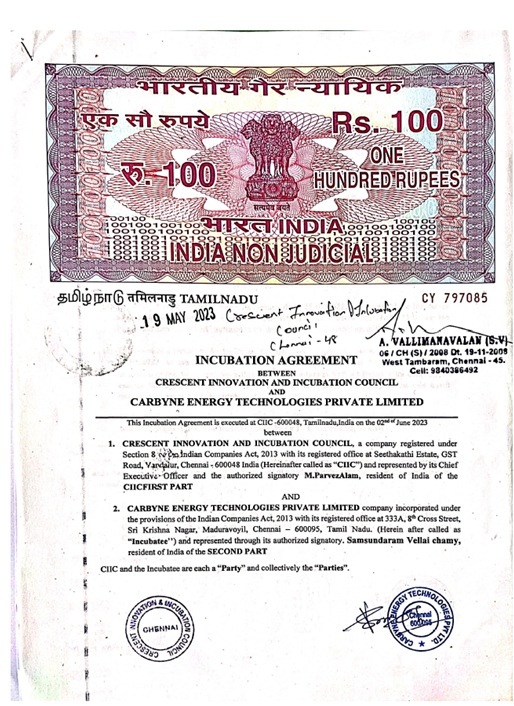
Figure VII (4.5) – 6 : Front page of the MOU Copy
D. E-Daddy: Revolutionizing Electric Vehicles
E-Daddy’s Electric Vehicle Intelligence System exemplifies the integration of advanced technology in the automotive sector. E-Daddy enhances vehicle performance while ensuring durability and intelligence using industry-grade powertrains and a modular power management strategy. This innovative approach improves driving experiences and supports the transition to electric vehicles, which are essential for reducing carbon emissions in transportation.
For more detailed information, you can visit their official website: Edaddy.
Figure VII (4.5) – 7 : Front page of the Website of M/s. E-Daddy
The Memorandum of Understanding (MoU) between Crescent Innovation and Incubation Council (CIIC) with M/s. E-Daddy underscores a commitment to assist start-ups that promote low-carbon innovation. CIIC is dedicated to providing essential resources, mentorship, and support to these start-ups, enabling them to develop technologies and solutions that contribute to a sustainable, low-carbon economy. This initiative aims to foster entrepreneurship while addressing critical environmental challenges.
The MOU copy is enclosed herewith: E-Daddy with CIIC- BSACIST

Figure VII (4.5) – 8 : Front page of the MOU Copy
POLICY FOR ENERGY-EFFICIENT RENOVATION AND BUILDING
Issue: 04; Revised on 2023
| Policy Created on | July 2009 |
| 1st Revision amended on | IQAC Meeting held on 27th October 2017 |
| 2nd Revision amended on | IQAC Meeting held on 31st March 2021 |
| 3rd Revision amended on | IQAC Meeting held on 16th June 2023 |
Responsible Executive : Director (IQAC)
Responsible Office : Internal Quality Assurance Cell, Estate Office, and SDG Cell
Contacts : Registrar, Director (IQAC)
The B.S. Abdur Rahman Crescent Institute of Science and Technology is committed to ensuring that all renovations and new constructions on campus adhere to stringent energy efficiency standards. This policy aims to:
- Ensure universal access to affordable, reliable, modern energy services.
- Increase substantially the share of renewable energy in the global energy mix.
- Double the global rate of improvement in energy efficiency
- Enhance international cooperation to facilitate access to clean energy research and technology.
- Expand infrastructure and upgrade technology to supply modern and sustainable energy services, particularly in developing countries.
7.2 REASON FOR THIS POLICY
This policy is established to promote energy-efficient practices in renovating existing infrastructures and constructing new buildings. By adhering to energy efficiency standards, the Institute aims to reduce greenhouse gas emissions, lower operational costs, and contribute to the global efforts to combat climate change, which aligns with SDG 7 – Affordable and Clean Energy.
7.3 RESPONSIBILITIES
7.3.1 Policy Principles
The Institute shall implement the following principles to ensure compliance with energy efficiency standards:
- All renovations and new constructions must achieve recognised building rating systems such as EDGE, IGBC, and LEED.
- Sustainable design features, including using renewable energy sources, shall be integrated into all projects.
- An efficient waste management plan shall be established to minimize waste and promote recycling.
- Rainwater harvesting systems shall be implemented in all new buildings.
- Energy conservation shall be prioritized through the installation of energy-efficient appliances and equipment.
- Regular audits of energy consumption shall be conducted to identify areas for improvement.
- Use of low VOC (Volatile Organic Compounds) materials in construction and renovation to minimize harmful emissions.
- Adoption of eco-friendly housekeeping practices using biodegradable chemicals.
- Implementation of high reflective roofing materials and green roofs to reduce heat island effects.
- Encourage water-efficient landscaping and high-efficiency irrigation technology in new construction projects.
- Support R&D activities towards energy-efficient renovation and building.
- Enhance national/international cooperation to facilitate access to green building technology.
- Dissemination of Policy
- Awareness programs shall be conducted regularly for all stakeholders regarding energy-efficient practices.
- This policy shall be publicly accessible on the Institute’s website and updated as necessary.
7.3.3 Enforcement of Policy
- The Director (Planning and Development) and their team are responsible for monitoring compliance with this policy.
- Compliance shall be communicated to architects, design engineers, and construction workers involved in projects.
7.2.1 – ENERGY EFFICIENCY POLICY.pdf
POLICY FOR DIVESTMENT FROM CARBON-INTENSIVE ENERGY INDUSTRIES
Issue: 04; Revised on 2023
| Policy Created on | July 2009 |
| 1st Revision amended on | IQAC Meeting held on 27th October 2017 |
| 2nd Revision amended on | IQAC Meeting held on 31st March 2021 |
| 3rd Revision amended on | IQAC Meeting held on 16th June 2023 |
Responsible Executive: Director (IQAC)
Responsible Office: Internal Quality Assurance Cell, Estate Office, and SDG Cell
Contacts: Registrar, Director (IQAC)
The B.S. Abdur Rahman Crescent Institute of Science and Technology is committed to divesting from carbon-intensive energy industries, particularly coal and oil, to promote sustainable energy practices and contribute to the global efforts to combat climate change. This policy aims to:
- Ensure universal access to affordable, reliable, and modern energy services.
- Increase substantially the share of renewable energy in the global energy mix.
- Double the global rate of improvement in energy efficiency.
- Enhance international cooperation to facilitate access to clean energy research and technology.
- Promote investment in energy infrastructure and clean energy technology.
7.2 REASON FOR THIS POLICY
This policy is established to minimize the Institute’s carbon footprint by reducing investments in fossil fuels and promoting renewable energy sources. By divesting from carbon-intensive industries, the Institute aligns with the United Nations’ Sustainable Development Goals, particularly SDG 7: Affordable and Clean Energy, and supports the transition to a sustainable energy future.
7.3 RESPONSIBILITIES
7.3.1 Policy Principles
The Institute shall implement the following principles to ensure effective divestment from carbon-intensive energy industries:
- Conduct a comprehensive review of current investments to identify carbon-intensive assets.
- Gradually divest from all investments in coal and oil industries within a specified timeframe.
- Reallocate funds towards renewable energy projects and sustainable technologies.
- Collaborate with financial institutions that prioritize sustainable investment practices.
- Promote transparency in investment decisions and publicly report on divestment progress.
- Engage with stakeholders, including students and faculty, to raise awareness about the importance of divestment from fossil fuels.
- Support research and development initiatives focused on clean energy technologies.
7.3.2 Dissemination of Policy
- This policy shall be publicly accessible on the Institute’s website to ensure transparency.
- Awareness programs shall be conducted regularly for all stakeholders regarding the importance of divestment from carbon-intensive industries.
- Updates on divestment progress shall be communicated through newsletters and reports.
7.3.3 Enforcement of Policy
- The Director (Finance) and their team are responsible for monitoring compliance with this policy and reporting on divestment progress.
- Any breach of this policy may result in a review of investment strategies and potential disciplinary actions as prescribed by the Institute’s code of conduct.