

Internal Quality Assurance Cell

Crescent Sustainability Initiatives

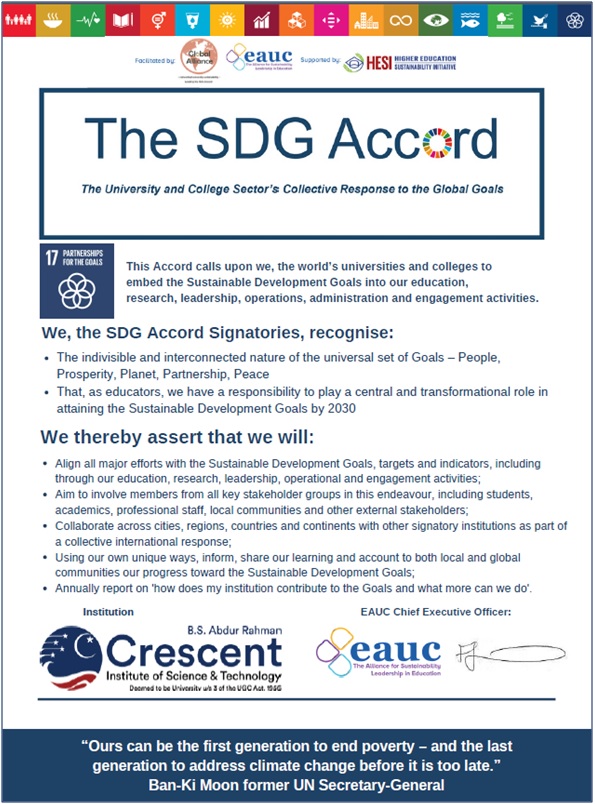
Partnerships for the Goals (SDG 17)

RELATIONSHIPS WITH REGIONAL NGOS AND GOVERNMENT FOR SDG POLICY 

A. BSACIST’S 2024 POLICY ENGAGEMENT WITH REGIONAL NGOS AND GOVERNMENT FRAMED WITHIN THE SDG ACCORD 2025 PROGRESS CONTEXT AND THE SDG-THEMED GOVERNANCE, LEARNING, AND PARTNERSHIPS AGENDA

B.S. Abdur Rahman Crescent Institute of Science and Technology (BSACIST), this positions the institute not only as a learner but as a contributor to national and regional SDG policy dialogues. The 2024 entry on relationships with regional NGOs and government for SDG policy underscores an ongoing posture of engagement with policy ecosystems, aligning institutional activity with policy development, monitoring, and adaptive management. This alignment suggests BSACIST can translate its SDG work into formal policy input, scenario modelling, and accountability mechanisms that inform broader regional development trajectories.

The 2025 SDG Accord report highlights that most signatories are moving toward embedding sustainability at an organizational level, with many reporting up-to-date sustainability policies endorsed by senior leadership. For BSACIST, the implication is to articulate a clear, leadership-backed sustainability policy or action plan that directly references SDGs most relevant to the institute’s mission and operations. Given the 2024 emphasis on engaging with government and regional NGOs, BSACIST could position its policy inputs as anchored in the connected governance and partnerships depicted in the report, ensuring that policy submissions, stakeholder consultations, and adaptive management are institutionally codified rather than ad hoc activities.

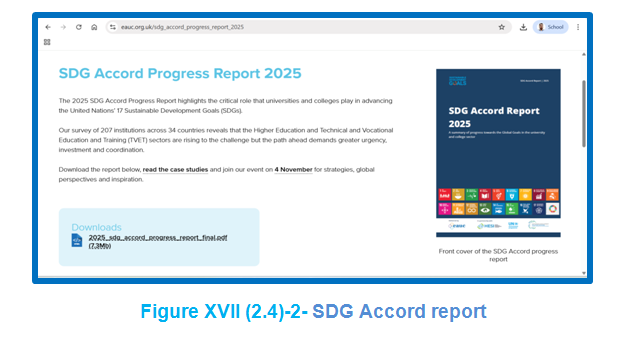
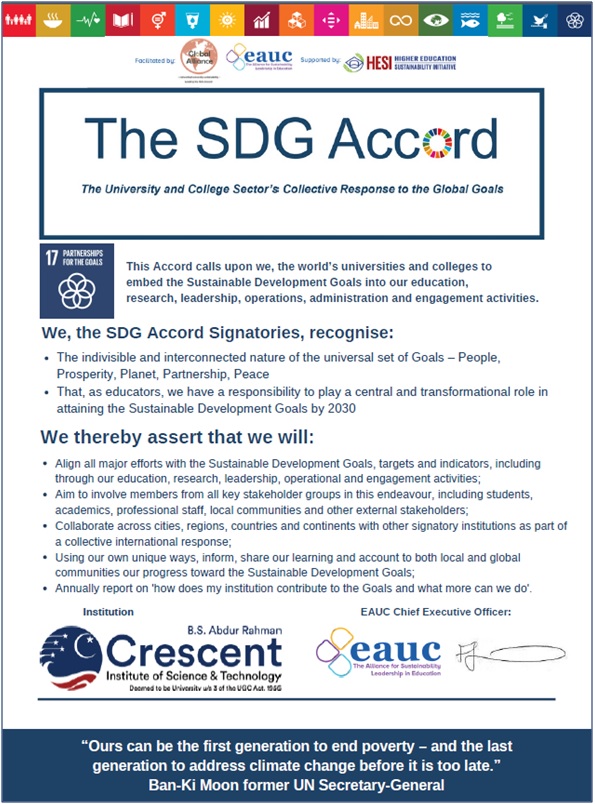
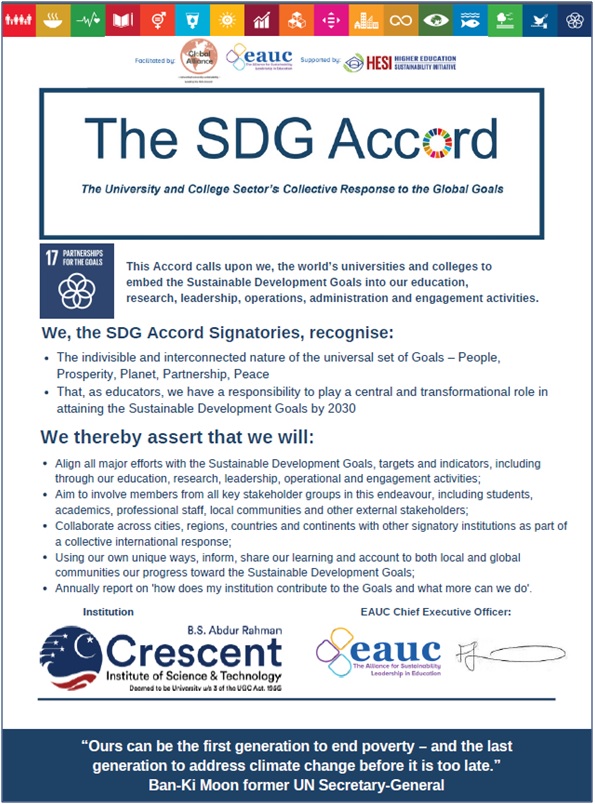
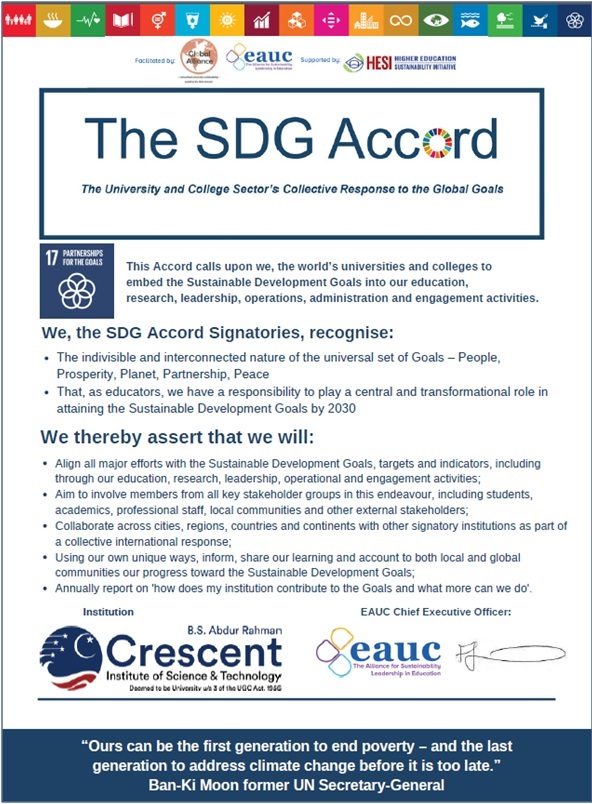
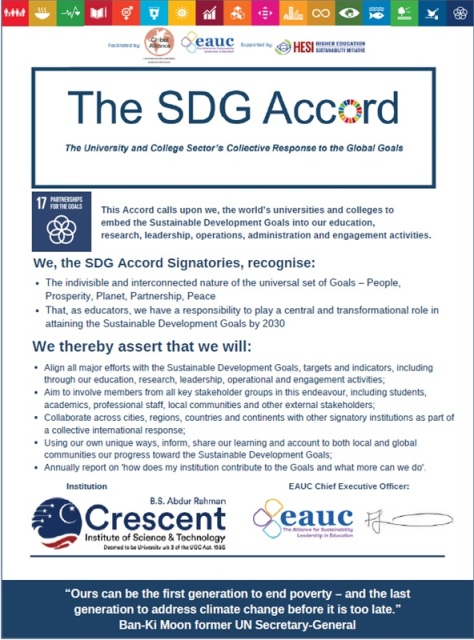
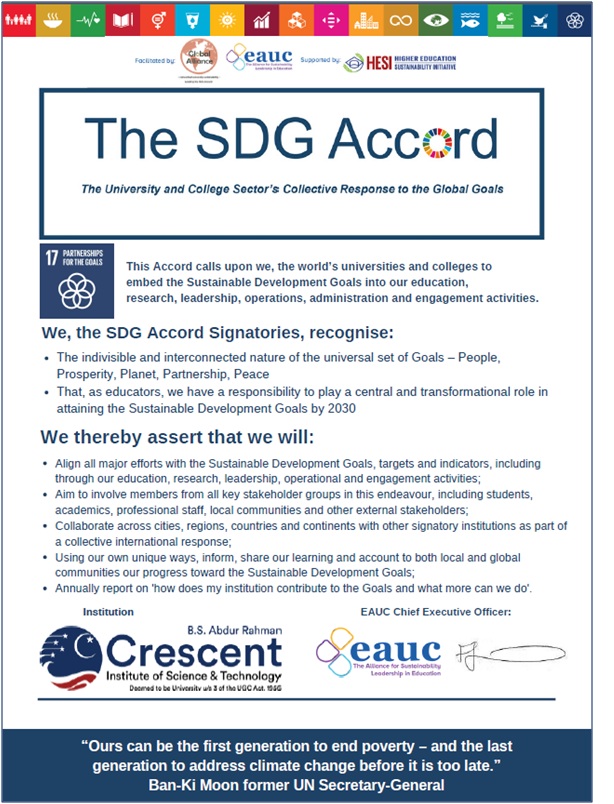
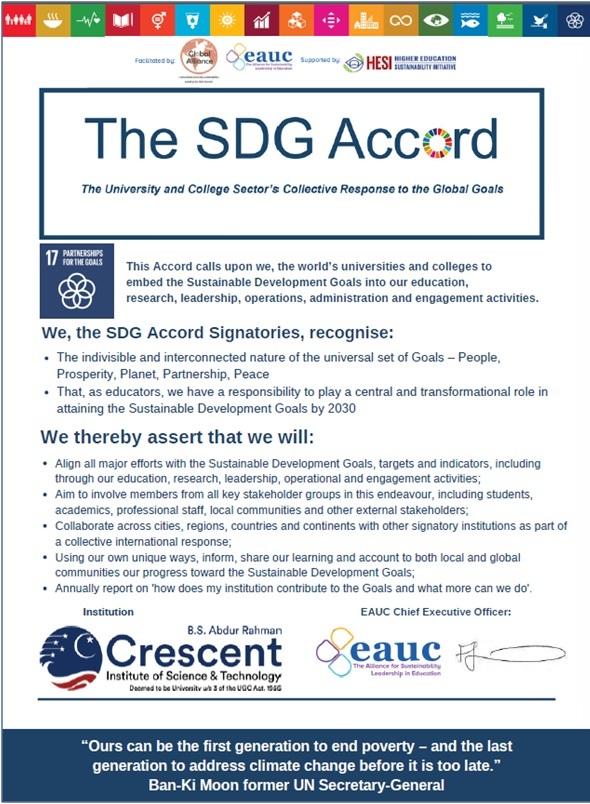
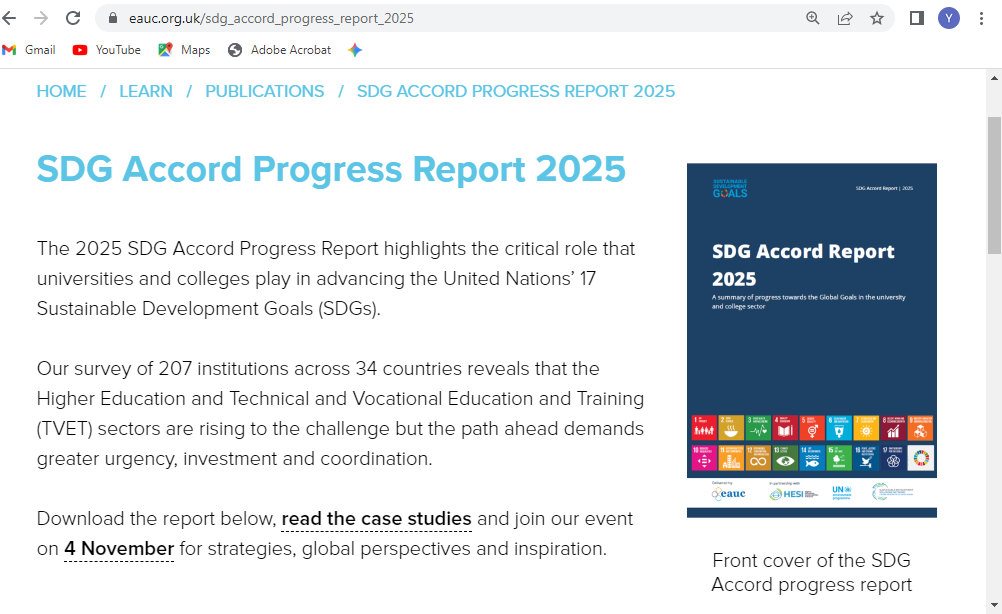
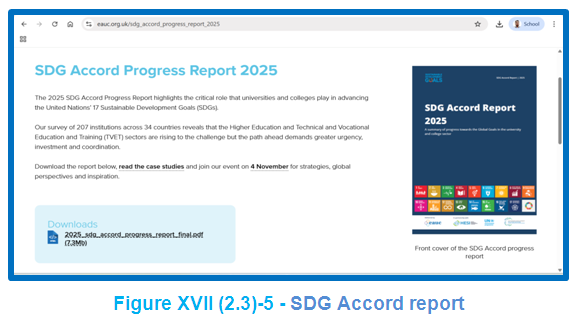
Poster for  SDG Accord report

The SDG Accord Progress Report 2025 frames universities and colleges as pivotal agents for implementing the United Nations Sustainable Development Goals through whole-institution approaches. The thematic focus on Learning and Teaching reveals that while progress is ongoing, Learning and Teaching remains the least mature operational area for many signatories. BSACIST should view this as a guide to invest in curriculum integration of SDGs, faculty development, and assessment practices that explicitly test sustainability knowledge. The report notes significant barriers such as limited time for staff development and inadequate integration of sustainability into curricula. BSACIST can address these barriers by allocating dedicated funding and time for professional development, integrating SDG-related outcomes into degree programs, and creating standardized assessments that measure students’ sustainability competencies.

The progress report emphasizes the value of evidence-based case studies and peer learning. BSACIST can contribute through documenting and sharing successful Learning and Teaching innovations—for example, climate pedagogy initiatives, service-learning projects, and interdisciplinary modules that map to SDG4 (Quality Education), SDG 6 (Clean Water and Sanitation), SDG 7 (Affordable and Clean Energy) and SDG17 (Partnerships for the Goals). By contributing BSACIST-specific case studies to the SDG Accord platform, the institute would participate in a global knowledge network, enabling replication and contextual adaptation across similar universities and colleges in the region.

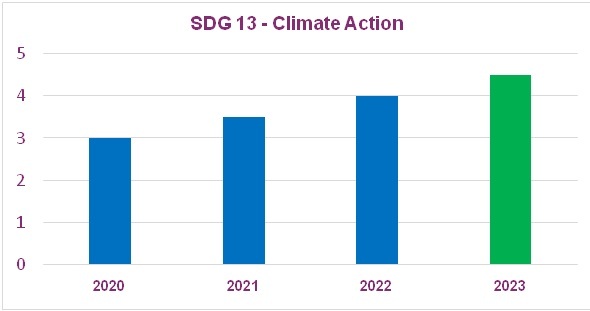
The results section of the report highlights top SDGs influenced by signatories and the priority SDGs for the upcoming year. In the last year, SDG4, SDG13, and SDG 6 (Clean Water and Sanitation), SDG 7 (Affordable and Clean Energy) were prominent, with SDG17 as a top priority for partnerships. For BSACIST, this pattern suggests focusing efforts on education quality, climate action initiatives, and strengthening collaborative frameworks with industry, government bodies, and civil society. Establishing formal partnerships and joint programmes with regional NGOs and the government can advance SDG implementation while creating opportunities for funding, capacity-building, and scalable impacts.

The report documents the internal and external support needs identified by signatories, with budget, dedicated staff capacity, and funding from external sources highlighted as top needs. BSACIST should prepare a resource plan that secures funding streams for SDG-aligned activities, including staff training, climate-related research, and curriculum transformation. Engaging government and sector partners can help unlock external support, align institutional priorities with national development plans, and provide procurement or grant-based pathways to sustain SDG initiatives over multiple years.

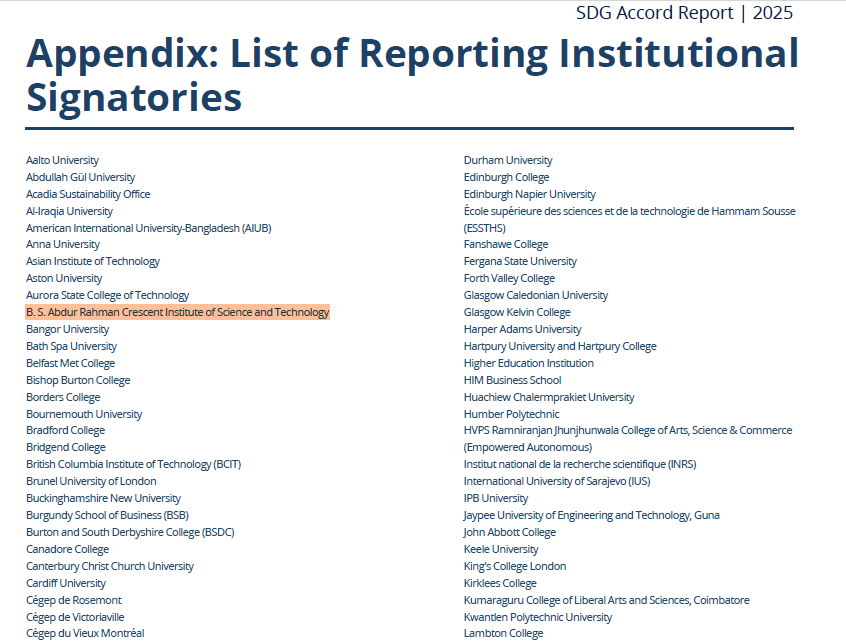
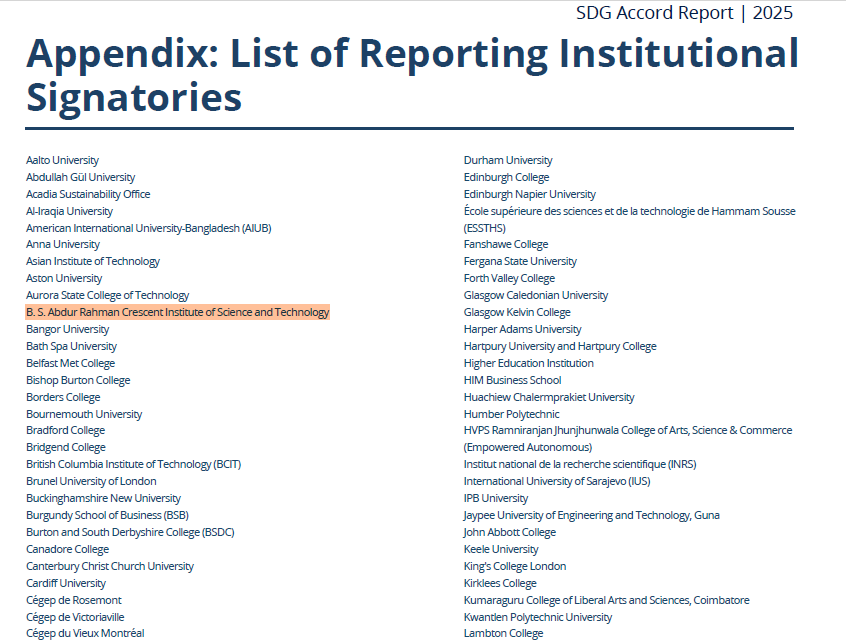
Appendix List of report 

Finally, the BSACIST context benefits from the report’s emphasis on evaluating new partnerships and governance improvements. The Accord notes that sustainability work benefits from cross-departmental collaboration and a shared, mission-driven culture. BSACIST can leverage its 2024 policy-involvement experience to foster cross-disciplinary governance structures, establish an SDG steering committee, and implement a transparent reporting framework that communicates progress to internal and external stakeholders. By aligning these governance practices with the SDG Accord methodology, the institute can demonstrate measurable progress toward embedding the SDGs into education, research, operations, and community engagement.

B. BSACIST 2024 SDG Policy Engagement and Governance Through Regional Non-Governmental Organizations Partnerships

BSACIST demonstrates a policy-oriented stance by engaging with regional NGOs and government on SDG matters in 2024. The institute’s participation as a resource person and panellist in energy and sustainability dialogues (as seen in the IGEN Energyathon and related events) signals a proactive role in shaping issues, challenges, and potential policy responses rather than a purely academic exercise.

The involvement spans multiple stakeholders, including government bodies, regional NGOs, industry partners, and academic peers. By contributing expertise through panels and knowledge-sharing sessions, BSACIST helps identify problems, shape policy agendas, and foster adaptive management. This collaborative mode reflects a governance approach where diverse voices inform SDG policy design and monitoring, enabling more context-relevant and implementable strategies.

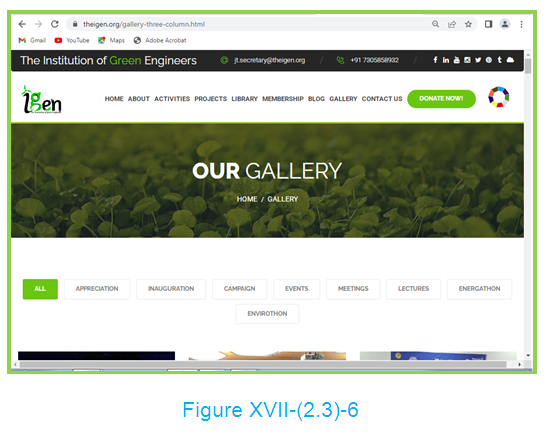
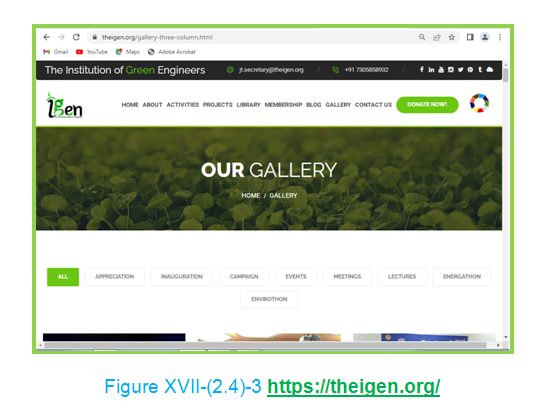
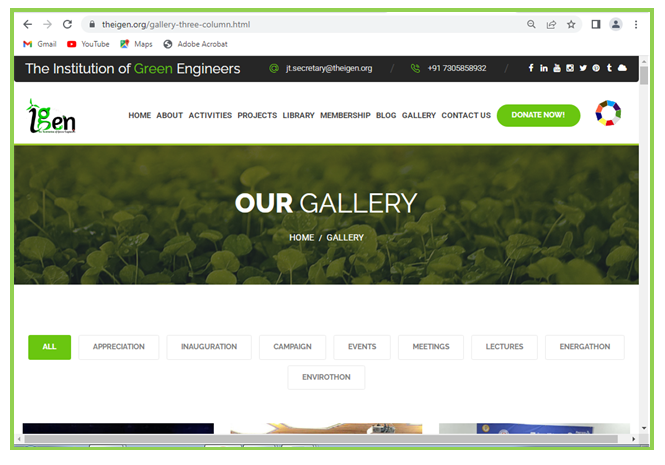
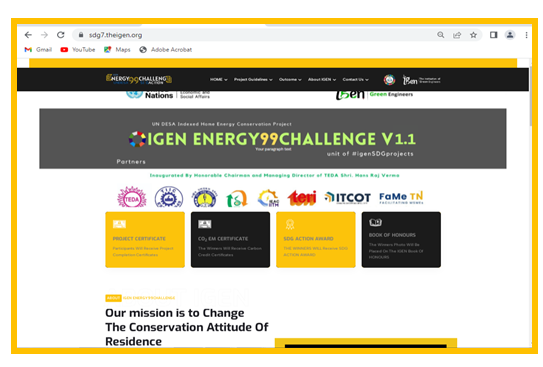
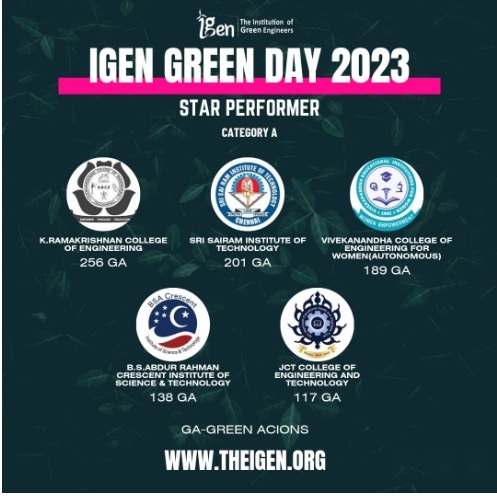
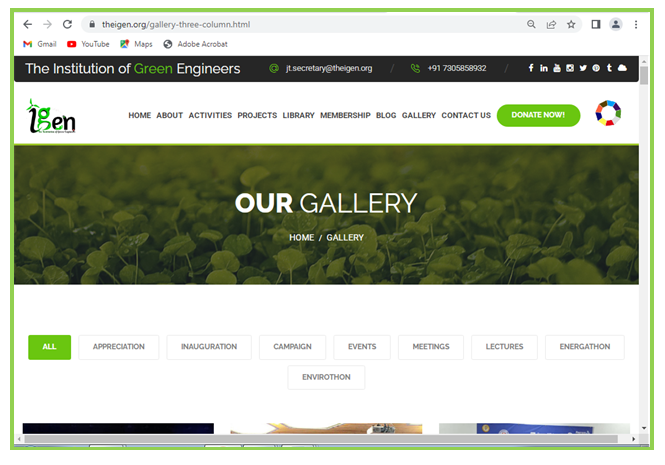
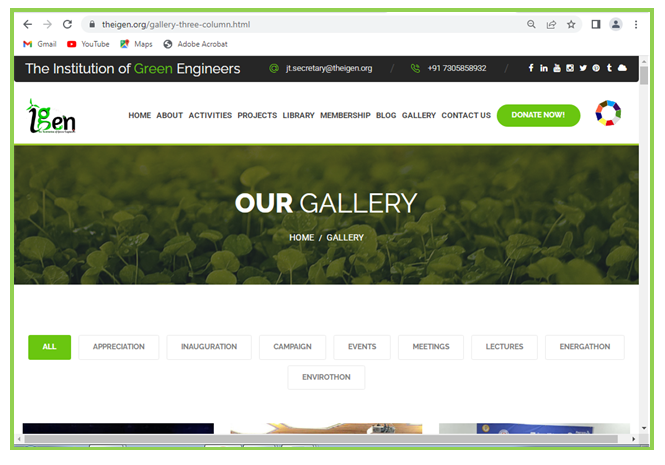
Poster for  IGEN web site

BSACIST’s visibility in energy and sustainability forums indicates engagement in scenario planning activities, where different SDG-related interventions are explored to understand potential outcomes. This modelling supports evidence-based policy development, helping policymakers anticipate trade-offs and prioritize interventions that yield sustainable development gains.

Monitoring and reporting on interventions is central to adaptive management. Through conferences, expert panels, and documented contributions, BSACIST contributes to transparency around SDG initiatives, enabling stakeholders to track progress, learn from results, and adjust actions accordingly. The institute’s public-facing materials and event outputs function as accountability artifacts that demonstrate ongoing stakeholder engagement.

Enabling adaptive management means BSACIST supports iterative policy processes that respond to new data and changing conditions. The institute’s engagement in energy events and knowledge exchanges provides a feedback loop for policy refinement, ensuring SDG strategies stay relevant to regional energy challenges and evolving technology landscapes. This adaptive stance strengthens resilience and alignment with national development priorities.

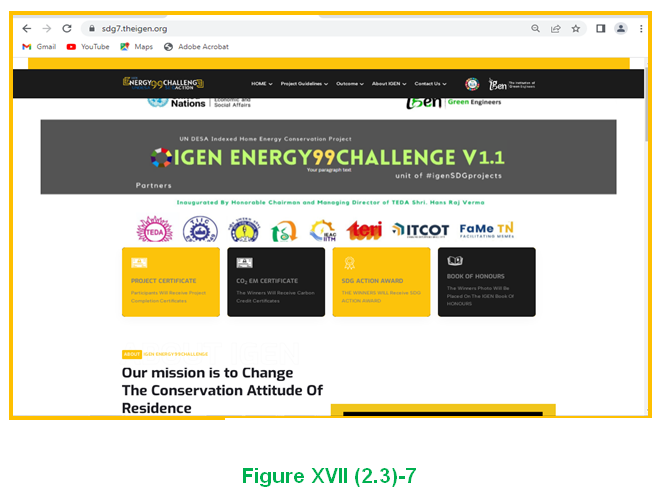
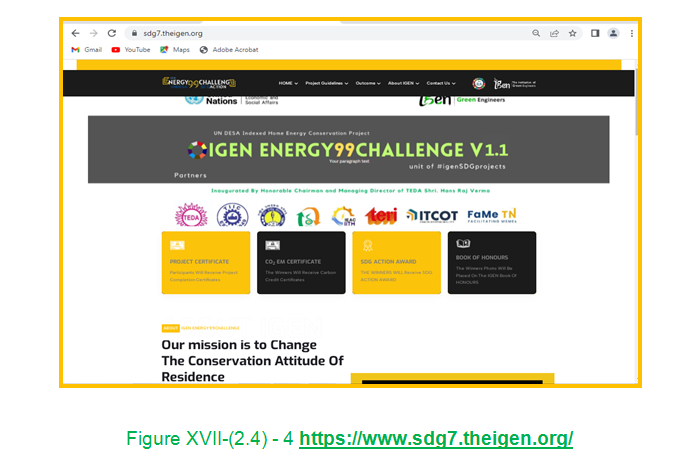
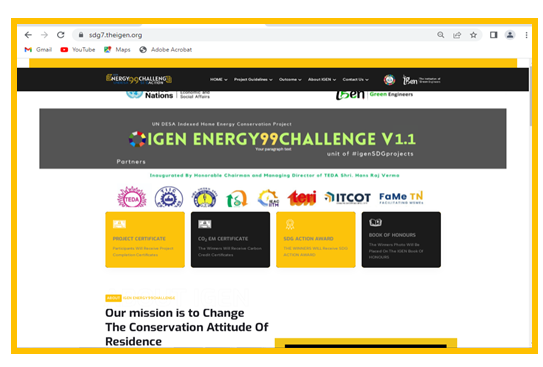
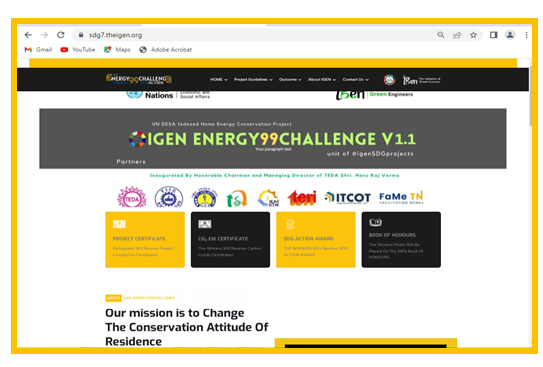
Poster for  IGEN  Energy99 challenge web site

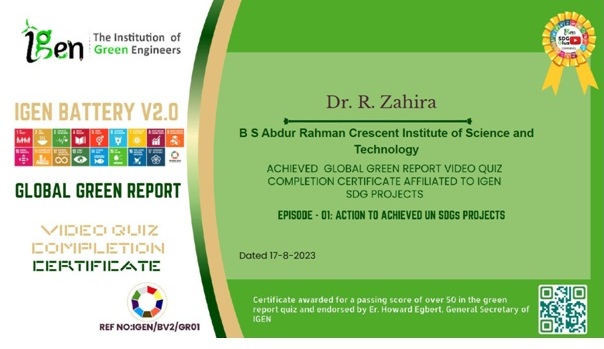
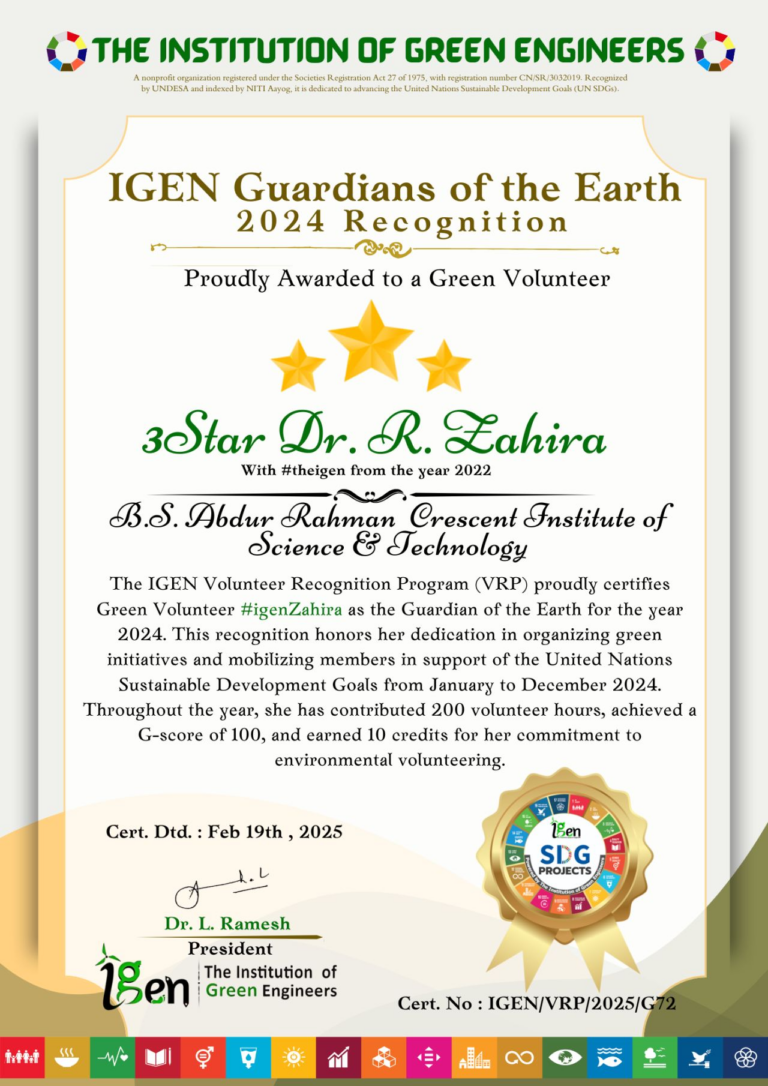
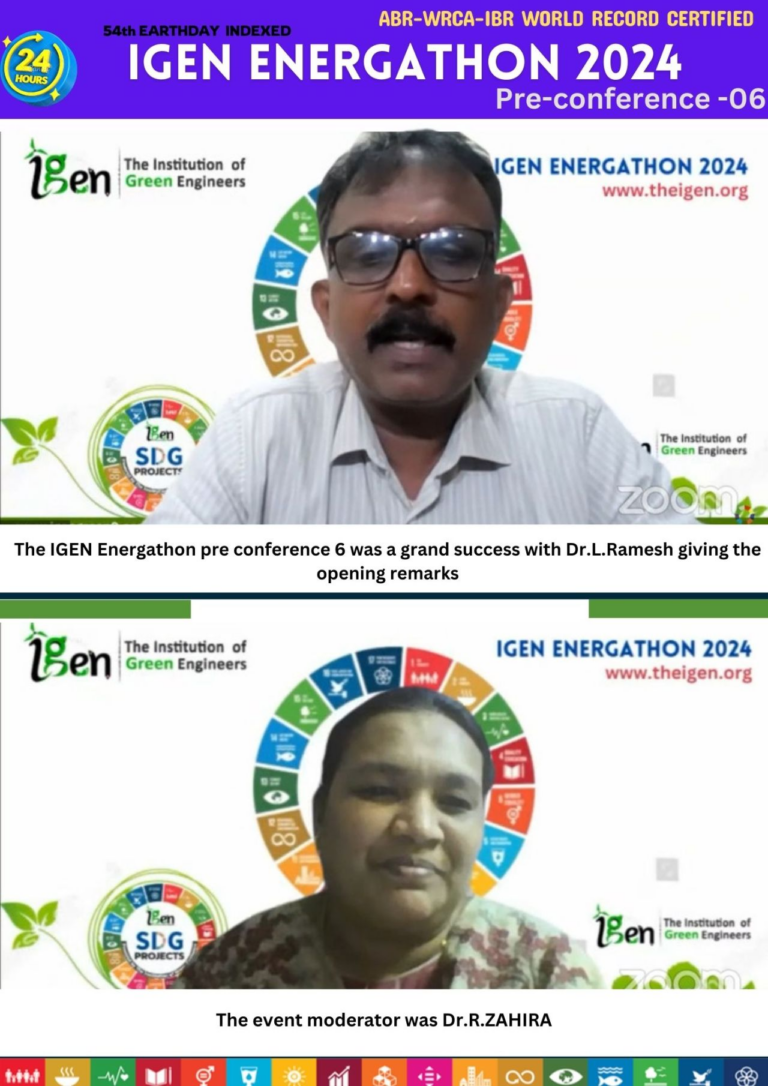
BSACIST faculty member Dr. R. Zahira as a resource person and panellist in energy-oriented advocacy forums. This visible participation translates into concrete evidence of policy-relevant activity: sharing expertise, informing decisions, and contributing to the public discourse on SDG-related policies. Such practice helps legitimize the institute’s role in national and regional SDG governance and enhances its credibility with partners and policymakers.

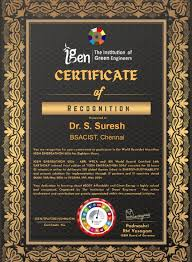
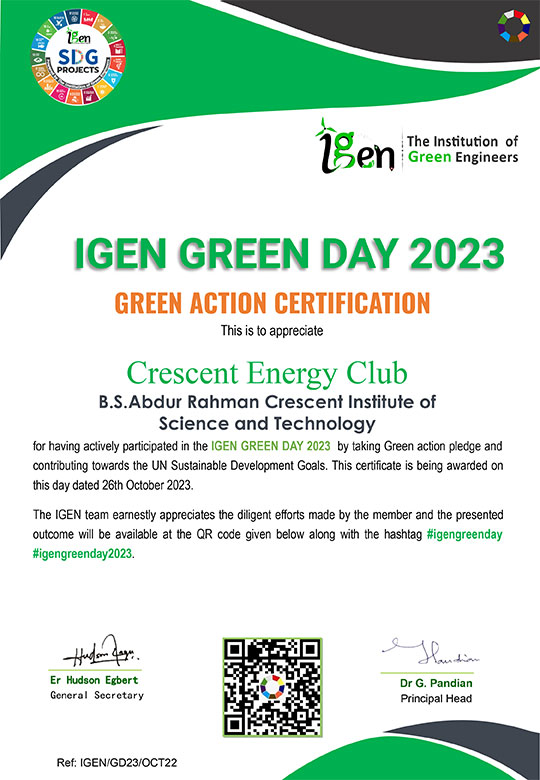
Poster for  IGEN Guardians of the earth Certificate

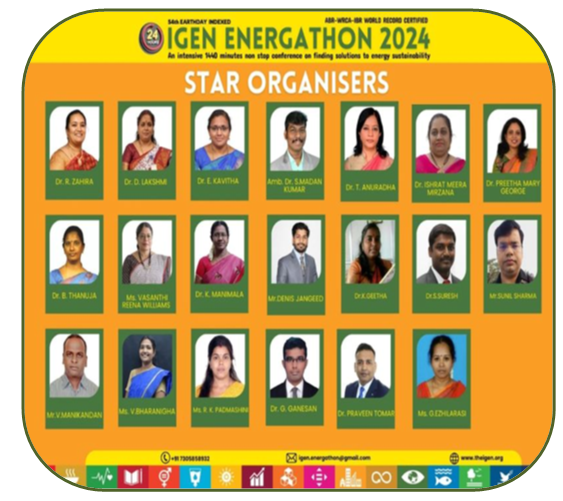
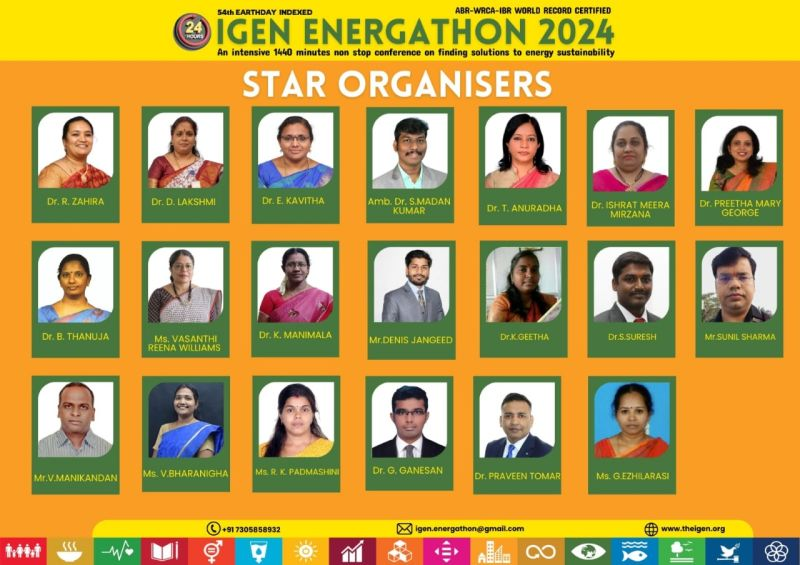
STAR ORGANISERS

Poster for IGen Energyathon 2024 star organisers

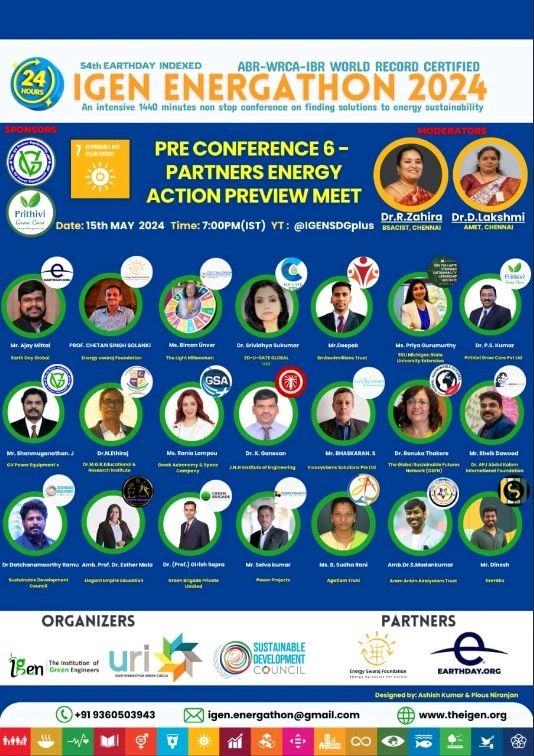
 PARTNERS ENERGY AND ACTION PRIVATE MEET – 2024

Poster for IGen Energyathon action preview meeting

Poster for IGen Energyathon 2024  pre-conference

The Program conference video link: https://www.youtube.com/live/0OJTDfqnmO4

CROSS SECTORAL DIALOGUE ABOUT SDGS

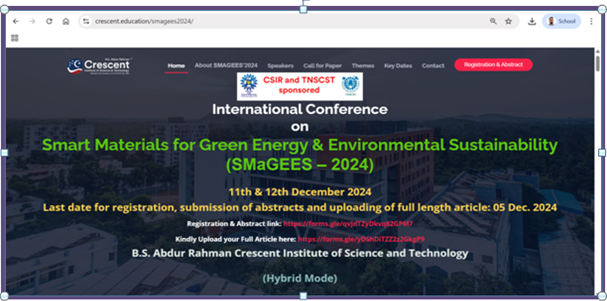
B. International Conference on “Smart Materials for Green Energy & Environmental Sustainability (SMaGEES 2024)

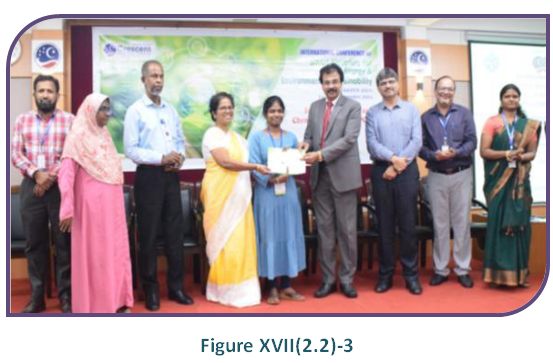
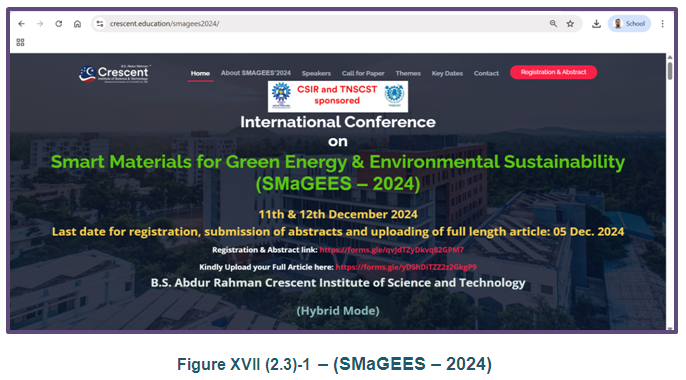
In 2024, BSACIST positions itself as an active facilitator of cross-sector dialogue on the Sustainable Development Goals. By engaging with government bodies, regional NGOs, industry partners, and academic peers through events like the SMaGEES – Smart Materials for Green Energy & Environmental Sustainability conference, the institute embodies the expectation of initiating and participating in multi-stakeholder discussions. This approach helps translate SDG ambitions into concrete policy questions, research agendas, and collaborative projects that bridge science, policy, and practice. The SMaGEES-2024 conference  provides a structured platform for BSACIST to showcase relevant research and facilitate dialogue on green energy and environmental sustainability. By bringing together government representatives, NGO leaders, and industry practitioners, the event creates an environment for identifying policy gaps, testing ideas, and co-creating recommendations. Such cross-sector engagement aligns with the methodology’s emphasis on modelling potential futures, monitoring impacts, and refining interventions through collaborative learning. The Complete Report of the International Conference on “Smart Materials for Green Energy & Environmental Sustainability (SMaGEES 2024) is available in the following web link shown in Figure 

Figure XVII(2.2)-1 – (SMaGEES – 2024)

A core benefit of cross-sector SDG dialogue is the opportunity to model future scenarios with and without specific interventions. BSACIST can leverage the expertise gathered at SMaGEES-2024 to co-develop scenario analyses that illuminate trade-offs between energy innovation, environmental protection, and social outcomes. This aligns with the methodology’s emphasis on scenario planning as a tool for policy development and strategic decision-making.

Cross-sector dialogues generate diverse inputs that can feed monitoring and reporting mechanisms. BSACIST can curate learning from the conference discussions into a set of indicators, case studies, and monitoring frameworks. These outputs support adaptive management by providing evidence on what interventions work in practice, helping policymakers and partners adjust strategies in response to real-world feedback.

The attendance, presentations, and panel discussions at SMaGEES-2024 yield tangible knowledge products—policy briefs, research summaries, and best-practice guidelines—that can be disseminated to regional NGOs and government agencies. Such outputs serve as evidence of BSACIST’s contribution to SDG policy knowledge, fulfilling the cross-sector dialogue objective and enhancing the institute’s credibility as a policy-informing actor.

To sustain cross-sector SDG dialogue, BSACIST should formalize mechanisms that capture conference insights, track policy-relevant contributions, and report progress to internal and external stakeholders. Establishing a cross-sector SDG task force or working group can institutionalize collaboration with government and NGOs, ensuring that dialogues translate into policy inputs, funding opportunities, and coordinated action across sectors.

For robust reporting, BSACIST can track indicators such as: number of cross-sector events participated in or hosted (including SMaGEES-2024), policy recommendations submitted, joint research proposals with government or NGOs, SDG-aligned outputs (briefs, policy papers, or case studies), and documented adaptive management decisions influenced by multi-stakeholder inputs.

EVENT DETAILS

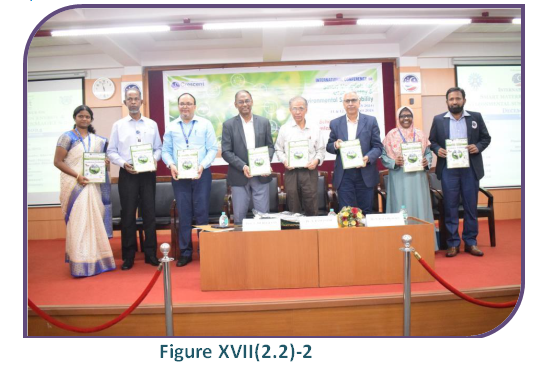
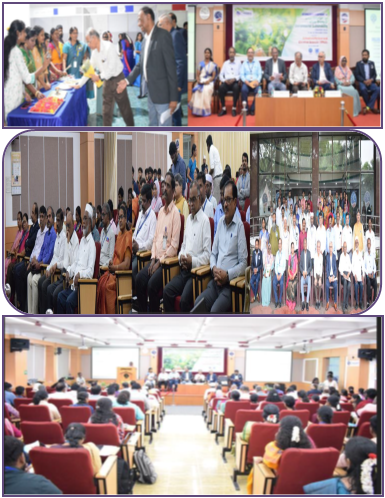
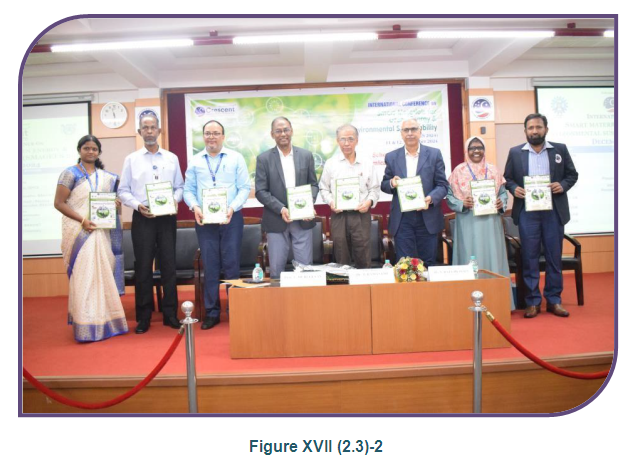
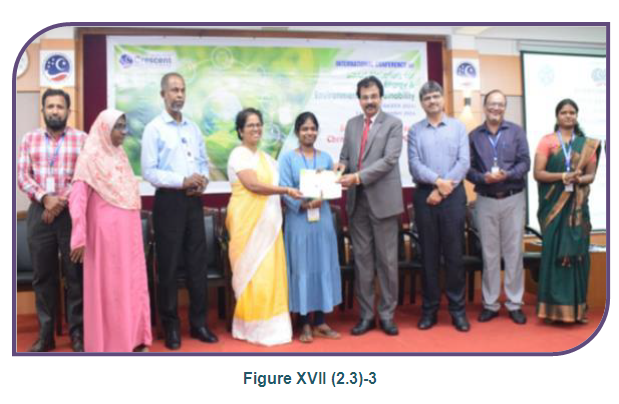
On behalf of the School of Physical and Chemical Sciences, B. S. Abdur Rahman Crescent Institute of Science and Technology, 2 days International Conference on “Smart Materials for Green Energy & Environmental Sustainability is organized during 11-12 December 2024.The conference was presided by Dr. T. Murugesan, Vice Chancellor, BSACIST and felicitated by Dr. N. Raja Hussain, Registrar, BSACIST. Padma Bhushan Dr. T. Ramasami, Distinguished Professor of Eminence, Anna university, Chennai and former secretary, DST India has inaugurated the conference and delivered the inaugural address with mentioning the importance of conference theme, materials towards green energy and environmental sustainability (shown in the following Figures).

The Conference arrangements were done by a team consist of conveners Dr. I. Raja Mohamed, Dean, SPCS, Dr. N. Hajara beevi, HoD / Chemistry and Dr. G. V. Vijayaraghavan, HoD / Physics, coordinators Dr. M. Mohamed Sheik Sirjuddeen, Associate Professor/Physics and Dr. M. Asha Jhonsi, Associate Professor/Chemistry. On day two, the valedictory program of the conference was presided by Dr. N. Thajuddin, Pro-Vice Chancellor, felicitated by Dr. Irfan, Deputy Registrar and the valedictory address was delivered by Dr. D. Kalpana, Senior Principal Scientist, CSIR Madras Complex, Chennai. From different universities and colleges around 300 researchers and students were participated in the international conference.

As a leading institution in India, BSA Crescent Institute of Science and Technology is ideally positioned to host this prestigious conference. The conference will not only showcase cutting-edge research but also provide a platform for students, early-career researchers, and professionals to network, gain knowledge, and collaborate on future innovations that will contribute to a more sustainable world.

C. BSACIST’S 2024 POLICY ENGAGEMENT WITH REGIONAL NGOS AND GOVERNMENT FRAMED WITHIN THE SDG ACCORD 2025 PROGRESS CONTEXT AND THE SDG-THEMED GOVERNANCE, LEARNING, AND PARTNERSHIPS AGENDA

B.S. Abdur Rahman Crescent Institute of Science and Technology (BSACIST), this positions the institute not only as a learner but as a contributor to national and regional SDG policy dialogues. The 2024 entry on relationships with regional NGOs and government for SDG policy underscores an ongoing posture of engagement with policy ecosystems, aligning institutional activity with policy development, monitoring, and adaptive management. This alignment suggests BSACIST can translate its SDG work into formal policy input, scenario modelling, and accountability mechanisms that inform broader regional development trajectories.

The 2025 SDG Accord report highlights that most signatories are moving toward embedding sustainability at an organizational level, with many reporting up-to-date sustainability policies endorsed by senior leadership. For BSACIST, the implication is to articulate a clear, leadership-backed sustainability policy or action plan that directly references SDGs most relevant to the institute’s mission and operations. Given the 2024 emphasis on engaging with government and regional NGOs, BSACIST could position its policy inputs as anchored in the connected governance and partnerships depicted in the report, ensuring that policy submissions, stakeholder consultations, and adaptive management are institutionally codified rather than ad hoc activities.

The SDG Accord Progress Report 2025 frames universities and colleges as pivotal agents for implementing the United Nations Sustainable Development Goals through whole-institution approaches. The thematic focus on Learning and Teaching reveals that while progress is ongoing, Learning and Teaching remains the least mature operational area for many signatories. BSACIST should view this as a guide to invest in curriculum integration of SDGs, faculty development, and assessment practices that explicitly test sustainability knowledge. The report notes significant barriers such as limited time for staff development and inadequate integration of sustainability into curricula. BSACIST can address these barriers by allocating dedicated funding and time for professional development, integrating SDG-related outcomes into degree programs, and creating standardized assessments that measure students’ sustainability competencies.

The progress report emphasizes the value of evidence-based case studies and peer learning. BSACIST can contribute through documenting and sharing successful Learning and Teaching innovations—for example, climate pedagogy initiatives, service-learning projects, and interdisciplinary modules that map to SDG4 (Quality Education), SDG 6 (Clean Water and Sanitation), SDG 7 (Affordable and Clean Energy) and SDG17 (Partnerships for the Goals). By contributing BSACIST-specific case studies to the SDG Accord platform, the institute would participate in a global knowledge network, enabling replication and contextual adaptation across similar universities and colleges in the region.                                     

The results section of the report highlights top SDGs influenced by signatories and the priority SDGs for the upcoming year. In the last year, SDG4, SDG13, and SDG 6 (Clean Water and Sanitation), SDG 7 (Affordable and Clean Energy) were prominent, with SDG17 as a top priority for partnerships. For BSACIST, this pattern suggests focusing efforts on education quality, climate action initiatives, and strengthening collaborative frameworks with industry, government bodies, and civil society. Establishing formal partnerships and joint programmes with regional NGOs and the government can advance SDG implementation while creating opportunities for funding, capacity-building, and scalable impacts.

The report documents the internal and external support needs identified by signatories, with budget, dedicated staff capacity, and funding from external sources highlighted as top needs. BSACIST should prepare a resource plan that secures funding streams for SDG-aligned activities, including staff training, climate-related research, and curriculum transformation. Engaging government and sector partners can help unlock external support, align institutional priorities with national development plans, and provide procurement or grant-based pathways to sustain SDG initiatives over multiple years.


Appendix List of Report 

Finally, the BSACIST context benefits from the report’s emphasis on evaluating new partnerships and governance improvements. The Accord notes that sustainability work benefits from cross-departmental collaboration and a shared, mission-driven culture. BSACIST can leverage its 2024 policy-involvement experience to foster cross-disciplinary governance structures, establish an SDG steering committee, and implement a transparent reporting framework that communicates progress to internal and external stakeholders. By aligning these governance practices with the SDG Accord methodology, the institute can demonstrate measurable progress toward embedding the SDGs into education, research, operations, and community engagement.


D. BSACIST 2024 SDG Policy Engagement and Governance Through Regional Non-Governmental Organizations (https://theigen.org/) Partnerships 

BSACIST demonstrates a policy-oriented stance by engaging with regional NGOs and government on SDG matters in 2024. The institute’s participation as a resource person and panellist in energy and sustainability dialogues (as seen in the IGEN Energyathon and related events) signals a proactive role in shaping issues, challenges, and potential policy responses rather than a purely academic exercise.

The involvement spans multiple stakeholders, including government bodies, regional NGOs, industry partners, and academic peers. By contributing expertise through panels and knowledge-sharing sessions, BSACIST helps identify problems, shape policy agendas, and foster adaptive management. This collaborative mode reflects a governance approach where diverse voices inform SDG policy design and monitoring, enabling more context-relevant and implementable strategies.

BSACIST’s visibility in energy and sustainability forums indicates engagement in scenario planning activities, where different SDG-related interventions are explored to understand potential outcomes. This modelling supports evidence-based policy development, helping policymakers anticipate trade-offs and prioritize interventions that yield sustainable development gains.

Monitoring and reporting on interventions is central to adaptive management. Through conferences, expert panels, and documented contributions, BSACIST contributes to transparency around SDG initiatives, enabling stakeholders to track progress, learn from results, and adjust actions accordingly. The institute’s public-facing materials and event outputs function as accountability artifacts that demonstrate ongoing stakeholder engagement.

Enabling adaptive management means BSACIST supports iterative policy processes that respond to new data and changing conditions. The institute’s engagement in energy events and knowledge exchanges provides a feedback loop for policy refinement, ensuring SDG strategies stay relevant to regional energy challenges and evolving technology landscapes. This adaptive stance strengthens resilience and alignment with national development priorities.

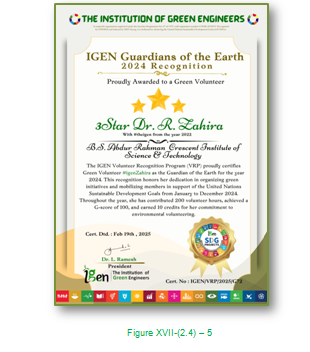
BSACIST faculty member Dr. R. Zahira as a resource person and panellist in energy-oriented advocacy forums. This visible participation translates into concrete evidence of policy-relevant activity: sharing expertise, informing decisions, and contributing to the public discourse on SDG-related policies. Such practice helps legitimize the institute’s role in national and regional SDG governance and enhances its credibility with partners and policymakers.

IGen Certificate

IGen Signed Copy

STAR ORGANISER

PARTNERS ENERGY AND ACTION PRIVATE MEET – 2024

The Program conference video link: https://www.youtube.com/live/0OJTDfqnmO4

International Collaboration Data Gathering For SDG

A. International Conference on “Smart Materials for Green Energy & Environmental Sustainability (SMaGEES 2024)

In 2024, BSACIST positions itself as an active facilitator of cross-sector dialogue on the Sustainable Development Goals. By engaging with government bodies, regional NGOs, industry partners, and academic peers through events like the SMaGEES – Smart Materials for Green Energy & Environmental Sustainability conference, the institute embodies the expectation of initiating and participating in multi-stakeholder discussions. This approach helps translate SDG ambitions into concrete policy questions, research agendas, and collaborative projects that bridge science, policy, and practice.

The SMaGEES-2024 conference (in Figure 1.1) provides a structured platform for BSACIST to showcase relevant research and facilitate dialogue on green energy and environmental sustainability. By bringing together government representatives, NGO leaders, and industry practitioners, the event creates an environment for identifying policy gaps, testing ideas, and co-creating recommendations. Such cross-sector engagement aligns with the methodology’s emphasis on modelling potential futures, monitoring impacts, and refining interventions through collaborative learning.

The Complete Report of the International Conference on “Smart Materials for Green Energy & Environmental Sustainability (SMaGEES 2024) is available in the following web link shown in XVII(2.3)-1.     

 A core benefit of cross-sector SDG dialogue is the opportunity to model future scenarios with and without specific interventions. BSACIST can leverage the expertise gathered at SMaGEES-2024 to co-develop scenario analyses that illuminate trade-offs between energy innovation, environmental protection, and social outcomes. This aligns with the methodology’s emphasis on scenario planning as a tool for policy development and strategic decision-making.

Cross-sector dialogues generate diverse inputs that can feed monitoring and reporting mechanisms. BSACIST can curate learning from the conference discussions into a set of indicators, case studies, and monitoring frameworks. These outputs support adaptive management by providing evidence on what interventions work in practice, helping policymakers and partners adjust strategies in response to real-world feedback.

The attendance, presentations, and panel discussions at SMaGEES-2024 yield tangible knowledge products—policy briefs, research summaries, and best-practice guidelines—that can be disseminated to regional NGOs and government agencies. Such outputs serve as evidence of BSACIST’s contribution to SDG policy knowledge, fulfilling the cross-sector dialogue objective and enhancing the institute’s credibility as a policy-informing actor.

To sustain cross-sector SDG dialogue, BSACIST should formalize mechanisms that capture conference insights, track policy-relevant contributions, and report progress to internal and external stakeholders. Establishing a cross-sector SDG task force or working group can institutionalize collaboration with government and NGOs, ensuring that dialogues translate into policy inputs, funding opportunities, and coordinated action across sectors.

For robust reporting, BSACIST can track indicators such as: number of cross-sector events participated in or hosted (including SMaGEES-2024), policy recommendations submitted, joint research proposals with government or NGOs, SDG-aligned outputs (briefs, policy papers, or case studies), and documented adaptive management decisions influenced by multi-stakeholder inputs.

EVENT DETAILS

On behalf of the School of Physical and Chemical Sciences, B. S. Abdur Rahman Crescent Institute of Science and Technology, 2 days International Conference on “Smart Materials for Green Energy & Environmental Sustainability is organized during 11-12 December 2024.The conference was presided by Dr. T. Murugesan, Vice Chancellor, BSACIST and felicitated by Dr. N. Raja Hussain, Registrar, BSACIST. Padma Bhushan Dr. T. Ramasami, Distinguished Professor of Eminence, Anna university, Chennai and former secretary, DST India has inaugurated the conference and delivered the inaugural address with mentioning the importance of conference theme, materials towards green energy and environmental sustainability (shown in the following Figures).

The Conference arrangements were done by a team consist of conveners Dr. I. Raja Mohamed, Dean, SPCS, Dr. N. Hajara beevi, HoD / Chemistry and Dr. G. V. Vijayaraghavan, HoD / Physics, coordinators Dr. M. Mohamed Sheik Sirjuddeen, Associate Professor/Physics and Dr. M. Asha Jhonsi, Associate Professor/Chemistry. On day two, the valedictory program of the conference was presided by Dr. N. Thajuddin, Pro-Vice Chancellor, felicitated by Dr. Irfan, Deputy Registrar and the valedictory address was delivered by Dr. D. Kalpana, Senior Principal Scientist, CSIR Madras Complex, Chennai. From different universities and colleges around 300 researchers and students were participated in the international conference.

Figure XVII (2.3) – 4

B. Our International Partners

S.NoPhoto of the Guest SpeakersNameName of UniversityCountry
1

Dr. Dennis solomon Balami

Nuclear Physicist University of MaiduguriNigeria
2Prof.Michel ReratUniversity de pau et des pays de|’ Adour, University of pauFrance
3Veerappan maniLeibniz Universitat HannoverGermany
4Prof. Dr. Detlef W.BahnemannUniversity of StrathclydeUnited kingdom

Outcome of the conference

 As a leading institution in India, BSA Crescent Institute of Science and Technology is ideally positioned to host this prestigious conference. The conference will not only showcase cutting-edge research but also provide a platform for students, early-career researchers, and professionals to network, gain knowledge, and collaborate on future innovations that will contribute to a more sustainable world.

C. Details of Participants (SMaGEES 2024)

S. NoNAME OF THE PARTICIPANTNAME OF THE INSTITUTIONTITLE OF THE PRESENTATION
1KISHOREE TManakula Vinayagar Institute of Technology, PuducherryQuantum Dots: Bright future for Environmental Sustainability and Biomedicine
2DHIYANESHWARI BVellore Institute of Technology, VelloreSynthesis of K+ and Mn Codoped Cs2NaInCl6 Double Perovskites for White LEDs Application
3AROCKIA JULIAS AB. S. Abdur Rahman Crescent Institute of Science and Technology, ChennaiVibration Study on Cashew shell sandwiched fiber Reinforced Materials
4SRIVIDYA TB. S. Abdur Rahman Crescent Institute of Science and Technology, ChennaiBond Behaviour of FA GGBS based Geopolymer Concrete
5NISHATH BEGUM JVellore Institute of Technology, VelloreThermoelectric Properties of Higher Manganese Silicide Synthesized by Molten Salt Shielded Synthesis Method
6VAISHNAVI CHANDRAN KVellore Institute of Technology, VelloreEffect of Tungsten and Cobalt as dopants to tune the metal insulator transition of VO2
7SAIKRISHNA VSRM Institute of Science and TechnologyBiocomposite sponges loaded with bioactive small molecules: A sustainable solution for advanced wound healing
8HARIHARASUDAN SSRM Institute of Science and Technology, RamapuramA Comprehensive Review of Hyperspectral Remote Sensing Images Spectral – Spatial Classification Approaches
9KAYASHRINI SVels Institute of Science, Technology & Advanced Studies (VISTAS), ChennaiSpectroscopic (FT-IR and UV-Vis) Structure Conformation, Electronic Properties, ELF, LOL, RDG Quantum Chemical Computational Investigation of 1,4-Benzenedicarboxylic Acid, Bis(2-Ethylhexyl) Ester Γ- Sitosterol and Molecular Docking Analysis of Anti-Cancer
10HUSSAMULLAH VB. S. Abdur Rahman Crescent Institute of Science and Technology, ChennaiModeling and control of pH processes: Comparative Analysis of PID and Fractional PID Controllers
11HEMASHREEB. S. Abdur Rahman Crescent Institute of Science and Technology, ChennaiDevelopment of Sustainable Self-Compacting Concrete with Copper Slag as a Partial Replacement for Fine Aggregates: A Green Building Approach
12KATHIRAVAN AVels Institute of Science, Technology and Advanced Studies (VISTAS), ChennaiInner Filter Effect-Based Sensor for Selective Discrimination of Picric Acid
13PAULINE IDA PSri Sivasubramaniya Nadar College of Engineering, ChennaiCharacterization of Solid Biopolymer Electrolyte developed for sustainable Na-based Energy Storage Systems
14GAJALAKSHMI PB. S. Abdur Rahman Crescent Institute of Science and Technology, ChennaiDevelopment of Sustainable Self-Compacting Concrete with Copper Slag as a Partial Replacement for Fine Aggregates: A Green Building Approach
15ANBAZHAGAN VVinayaka Mission’s Kirupananda Variyar Arts and Science College, Vinayaka Mission’s Research Foundation (Deemed to be University), SalemSynthesis, Characterization and Fluorescent Probe properties of Phenothiazine Derivative
16JEYAKANTHAN MVinayaka Mission’s Kirupananda Variyar Arts and Science College, Vinayaka Missions Research Foundation,(Deemed to be University), SalemPhotoluminescence, Magnetic and Electrochemical studies of near white light emitting nanostructured Sr0.675Pb0.225Ca0.1WO4 mixed solid solution
17MUKUND VB. S. Abdur Rahman Crescent Institute of Science and Technology, ChennaiIoT based localized air quality monitoring and prediction for construction sites
18HEMAMALINI VB. S. Abdur Rahman Crescent Institute of Science and Technology, ChennaiInvestigation of Fe₂O₃/PVDF-HFP nanocomposites for electromagnetic interference shielding in secure communication systems
19SRINIVASAN VVels Institute of Science, Technology and Advanced Studies (VISTAS), ChennaiAnthracene-based Potential Biomaterials: Synthesis, Characterization, Computational and Biological Applications
20PRITHIKA AIIBAT, International Institute of Biotechnology & Toxicology, Shanmuga Nagar, PadappaiValorisation of toxic Methyl Red Dye and its multifarious Applications
21VISHNUVARATHANAN MKalasalingam Academy of research and EducationDevelopment , Physical and mechanical characterization of Tree Bark Nano Powder Reinforced 3D Printed PLA Bio Nanocomposites
22AJAY GB. S. Abdur Rahman Crescent Institute of Science and Technology, ChennaiInvestigation of the structural, electronic, and magnetic properties of NiSe in cubic phase by incorporating Hubbard U corrections: A DFT+U study
23CHENTHIS KANISHA CB. S. Abdur Rahman Crescent Institute of Science and Technology, ChennaiSynthesis of Graphene oxide nanoparticles for enhanced antimicrobial properties against multi drug resistant bacteria
24RAJAPRAKASH RKalasalingam Academy of research and EducationDevelopment , Physical and mechanical characterization of Tree Bark Nano Powder Reinforced 3D Printed PLA Bio Nanocomposites
25PALANISAMY SB. S. Abdur Rahman Crescent Institute of Science and Technology, ChennaiSuper hydrophobic Polyurethane Nano composite coating for Aluminium Composite Panel- (ACP)
26NASREEN SAYEDB. S. Abdur Rahman Crescent Institute of Science and Technology, ChennaiMicrowave-Assisted Green Synthesis of CuO Nanoparticles: A Rapid and Efficient Approach for Biomedical Applications
27NIKITHA SKalasalingam Academy of research and EducationDevelopment , Physical and mechanical characterization of Tree Bark Nano Powder Reinforced 3D Printed PLA Bio Nanocomposites
28PERCY J. SEPHRAB. S. Abdur Rahman Crescent Institute of Science and Technology, ChennaiHighly sensitive pH-dependent electrochemical detection of phosphate ions using CoMoO₄ and Ammonium molybdate- modified electrodes
29BENITA MERLIN BAlpha Arts and Science College, ChennaiTheoretical study on the Structural, Electronic and Optical Properties of ABC stacked trilayer 2D Materials: Graphene, Silicene, Germanene and Stanene
30MOHAMED RIYAZ ALIB. S. Abdur Rahman Crescent Institute of Science and Technology, ChennaiCharacterization and Bioactivity of Cation-Substituted Bioactive Glasses for Bone Tissue Engineering
31PRAKASHRAJ MKalasalingam Academy of research and Education, SrivilliputhurDevelopment , Physical and mechanical characterization of Tree Bark Nano Powder Reinforced 3D Printed PLA Bio Nanocomposites
32RAMYASHRI SB. S. Abdur Rahman Crescent Institute of Science and Technology, ChennaiRealization of flexible pressure sensors based on ZnO nanowires /hybrid bilayers
33SILVIYA NEthiraj College for Women, ChennaiCoprecipitated Ni2+ doped M-type hexaferrite – a superior catalyst with magnetoelectric properties
34THENMOZHI RMother Teresa Womens University Kodaikanal, DindigulA Facile synthesis of Co Nanomaterial from Crotalaria Pallida leaves Extract by Hydrothermal method and their Anticancer, Ati-inflammatory, Antibioflim, Antifouling and Antibacterial Studies
35KAMESHWARAN ASri Ramakrishna Mission Vidyalaya College of arts and science, Periyanaickenpalayam, CoimbatorePhotoinduced interactions of GSH capped CdX Quantum dots (X = S, Se and Te) for Luminescent road marking strips
36SUDHARSAN MSri Ramakrishna Mission Vidyalaya College of arts and science, Periyanaickenpalayam, CoimbatorePhotoinduced interactions of GSH capped CdX Quantum dots (X = S, Se and Te) for Luminescent road marking strips
37SRAVANTHI REthiraj College for Women, ChennaiQuantum Computational Analysis of Pyridine Carboxylic Acid Derivative and its Interaction with the Silver Clusters
38ROSARY VB. S. Abdur Rahman Crescent Institute of Science and Technology, ChennaiAn Investigation on Structural and Optical properties of the Green Extract doped Hippuric Acid Single Crystal
39SHABITHA BANU IB. S. Abdur Rahman Crescent Institute of Science and Technology, ChennaiAn Investigation on Structural and Optical properties of the Green Extract doped Hippuric Acid Single Crystal
40ARTANBUJ RB. S. Abdur Rahman Crescent Institute of Science and Technology, ChennaiEffect of Catharanthus Roseus extract on the Physical Properties of Hippuric Acid Single Crystals
41PACHAYAMMAAL TB. S. Abdur Rahman Crescent Institute of Science and Technology, ChennaiDevelopment and Evaluation of Hybrid Carbon Black-Silica Fillers in Natural Rubber Matrices for Enhanced Mechanical and Rheological Properties
42MOHANRAJ.MVels Institute of Science, Technology and Advanced Studies (VISTAS), ChennaiStudies on the Growth, Structural, Optical, Thermal, and LDT analysis of Guanidinium Carbonate Single Crystal for Second- Order NLO Applications
43NOOR AMAN AHRAR MUNDARIB. S. Abdur Rahman Crescent Institute of Science and Technology, ChennaiSynthesis of Visible Light Active N, F Co-Doped TiO2 Based Mixed Oxide Photocatalysts for Environmental Remediation
44POOJITHA VEthiraj College for Women, ChennaiA Systematic study on the Effect of Cerium Doping on Bismuth ferrites Structural, and Physical Properties
45GAYATHRE LAKSHMI ASri Sivasubramaniya Nadar College of Engineering, Kalavakkam, ChennaiSynergy of cuboidal In2O3 and cubic TiO2 as electron transport bilayer in carbon-perovskite solar cell
46MAHALAKSHMI NVel Tech Rangarajan Dr. Sagunthala R & D Institute of Science and Technology, ChennaiInner Filter Effect-Based Sensor for Selective Discrimination of Picric Acid
47VISHAL MB. S. Abdur Rahman Crescent Institute of Science and Technology, ChennaiEnhancing Mechanical and Fire Resistance of Cementitious materials through Graphene oxide
48MANIVANNAN AVel Tech Rangarajan Dr. Sagunthala R & D Institute of Science and Technology, ChennaiSustainable concrete solutions using bacterial Geopolymerization of Industrial By-Products
49REVATHI GVel Tech Rangarajan Dr. Sagunthala R & D Institute of Science and Technology, ChennaiDFT Investigation of Cyclohexanone, 2,3-dimethyl-2-(3- oxobutyl)- And Molecular Docking for Anti-Cancer Activity
50DIANA JB. S. Abdur Rahman Crescent Institute of Science and Technology, ChennaiRecycling of used mobile phone temper glass into carbonaceous nanomaterial towards luminescent road marking strip: Scrap to Score
51PAVITHRA KIIBAT, International Institute ofValorisation of toxic Methyl Red Dye and its multifarious
52MOHAMED HISAM RVels Institute of Science and Technology & Advanced Studies, (VISTAS), ChennaiTheoretical and experimental study on 6-(3,3-Dimethyl- oxiran-2-ylidene)-5,5-dimethyl-hex-3-en-2-one compound: Its optimization with DFT and structural and spectroscopic investigation, HOMO-LUMO, MEP, atomic charge, and NBO Analysis
53JEFFRIN JA LAURAVels Institute of Science and Technology & Advanced Studies, (VISTAS), ChennaiQuantum Chemical Computation Calculations, Structural, Spectroscopic Characterization, Molecular Docking and HOMO-LUMO studies of 11,4-Methanoazulene-9-methanol, decahydro-4,8,8-trimethyl-, [1S-(1α,3aβ,4α,8aβ,9R*)]
54POORNIMA KVel Tech Rangarajan Dr. Sagunthala R & D Institute of Science and Technology, ChennaiAnthracene-based Potential Biomaterials: Synthesis, Characterization, Computational and Biological Applications
55RAJPRAKASH RKalasalingam Academy of Research and Education Krishnankovil, SrivilliputturDevelopment, Physical and Mechanical Characterization of Tree Bark Nano Powder Reinforced 3D Printed PLA Bio Nanocomposites
56MEERA ASri Sivasubramaniya Nadar College of Engineering, Kalavakkam, ChennaiSynergistic effects of Z-scheme band engineering for enhanced hydrogen evolution in TiO2 based ternary nanocomposite
57PAVITHRAA RAnna University-BIT Campus, TiruchirappalliDevelopment of organic semiconductor-tailored transition metal phosphides and Application of electrochemical hydrogen evolution and photocatalytic degradation
58ABDULLAH RAnna University –BIT Campus, TiruchirappalliMetal based bio-nanocomposite for Biological & Environmental Application
59TAMILARASI RSRM Institute of Science and Technology, Kattankulathur, ChennaiInvestigating the role of aluminium doping in Ca3Co4O9 for enhanced supercapacitor applications
60SUGUNA PVel Tech Rangarajan Dr. Sagunthala R&D Institute of Science and Technology, ChennaiInvestigating the Interaction between 9-Aminoacridine and Reduced Graphene Oxide
61GAJALAKSHMI TSRM Institute of Science and TechnologyDevelopment of Food Waste-Derived Electrode Material for Energy Storage Applications
62KAVYA GSaveetha College, ChennaiA Study on Waste Water Treatment with Special Reference to Chennai
63VISHWA PREETHI V SB. S. Abdur Rahman Crescent Institute of Science and Technology, ChennaiEffect of Catharanthus Roseus extract on the Physical Properties of Hippuric Acid Single Crystals
64LAVANYA YB. S. Abdur Rahman Crescent Institute of Science and Technology, ChennaiAn Investigation on Structural and Optical properties of the Green Extract doped Hippuric Acid Single Crystals
65ASHWIN KB. S. Abdur Rahman Crescent Institute of Science and Technology, ChennaiSmart Earthing Monitoring System for Enhanced Electrical Safety
66NAGARAJAN NGovernment Polytechnic College, Keezhapalur, AriyalurSynthesis and Characterisation of 2- (trifluoromethyl)pyrimidine and Carbazole based D-A-D Fluorophore
67SHAHITHA PARVEEN JB. S. Abdur Rahman Crescent Institute of Science and Technology, ChennaiDevelopment and Characterization of Poly (vinyl) alcohol- based Hydrogel with long term biocompatibility for skin wound repair
68DAULATH BANU RB. S. Abdur Rahman Crescent Institute of Science and Technology, ChennaiStudies on Dynamic Properties of Polypropylene /Al-C LDH /GNPs Hybrid Composites
69MOHAMED BAK KB. S. Abdur Rahman Crescent Institute of Science and Technology, ChennaiSynerization of Tal Palm Fiber and Coir Fiber with Combination of Tamarind Seed Powder and Nanoparticles Reinforced Epoxy Composite Material and Change in its Mechanical Attributes
70PADMAVATHYThiru Kolanjiappar Government PresentationCo Doped Haematite Nanoparticles Crystallographical Optical Morphological Magnetic Properties and Application for Antibactrial Activity
71SUJATHA DEVI SPeriyar Arts College , CuddaloreEffect of Dariegated Groundnut Shell Ash Incorporation on the Technological Properties of Fried Clay Bricks
72MAHALAKSHMI VThiru Kolanjiappar Government PresentationEffect of Dariegated Groundnut Shell Ash Incorporation on the Technological Properties of Fried Clay Bricks
73GOPINATHAN NAdhiyaman College of EngineeringAnalysis of structural, morphological and optical properties of Rb3Bi2I9 perovskite-structured semiconductors for optoelectronic applications
74SARAVANAPERUMAL.VManakula Vinayagar Institute of Technology, PuducherryCarbon diooxide Capture
75PRIYADHARSHINI SIDDARTHManakula Vinayagar Institute of Technology, PuducherryCarbon diooxide Capture
76CATHERINE SHALOM.GManakula Vinayagar Institute of Technology, PuducherryCarbon diooxide Capture
77MOHANA KRISHNA . CManakula Vinayagar Institute of Technology, PuducherryCarbon diooxide Capture
78BHAGYASHRI.KSRM Institute of Science and Technology, Kattankulathur, ChennaiCarbon Quantum Dots Incorporated Aloe Vera Hydrogel for Effective Wound Healing
79RAMAPRIYA. CMother Teresa Womens University Kodaikanal,A Facile Synthesis Of Co Nanomaterial from Crotalaria Pallida leaves Extract by Hydrothermal Method and Their Antiulcer, Anticancer, Anti-inflammatory, Antibiofilm, Antifouling and Antibacterial Studies
80VEERA MUTHAMMALB. S. Abdur Rahman Crescent Institute of Science and Technology, ChennaiSynthesis, characterization and antimicrobial activity of Zn(II) complex incorporating adamantylazo Schiff base ligand
81YOGESWARI.KB. S. Abdur Rahman Crescent Institute of Science and Technology, ChennaiInvestigating the synergy of LLDPE and Photovoltaic cells in Roof Tile Applications
82SOWMIYA NARAYAN .KManakula Vinayagar Institute of Technology, PuducherryQuantum Dots: Bright future for Environmental Sustainability and Biomedicine
83YOGAPRIYA.SVinayaka Mission’s Kirupananda Variyar Arts and Science College, Vinayaka Mission’s Research Foundation (Deemed to be University), SalemInvasion of Zinc in BiFeO3/Bi25FeO40 Perovskite-Structured Material as an Efficient Electrode for Symmetric Supercapacitor
84VENKATRAMANAN KUMARCSIR- Central Leather Research Institutev(CLRI)Water soluble sulphur quantum dots: A novel approach to fibrillation inhibition and latent fingerprint visualization
85ARUN DANIELB. S. Abdur Rahman Crescent Institute of Science and Technology, ChennaiEffect of Catharanthus Roseus extract on the Physical Properties of Hippuric Acid Single Crystals
86PADMAVATHI.RB. S. Abdur Rahman Crescent Institute of Science and Technology, ChennaiSuper Hydrophobic Carbonaceous Nanomaterials for Surface Coatings
87ABINAYASRM Institute of Science and Technology, Kattankulathur, ChennaiA novel approach for profiling of nature-inspired and bioactive proteins and peptides isolated from selected medicinal plants as bio-factories and their implications in Alzheimer diseases by in-silico analysis
88PINKI KUMARI SINGHSRM Institute of Science and Technology, Kattankulathur, ChennaiInsights into metabolites & hormonal regulation in Lagenaria siceraria for agricultural sustainability
89LILLY PRIYADHARSHINI.MB. S. Abdur Rahman Crescent Institute of Science and Technology, ChennaiAn Investigation on Structural and Optical properties of the Green Extract doped Hippuric Acid Single Crystals
90MAHALAKSHMI.SB. S. Abdur Rahman Crescent Institute of Science and Technology, ChennaiA tool for Estimate the Carbon footprint Calculation for Flexible Pavement Construction in India
91MOHAMMED THOUFEEQUE P KB. S. Abdur Rahman Crescent Institute of Science and Technology, ChennaiPVDF based polymer nanocomposites for Flexible Electronics Application
92GEETHA ASRM Institute of Science and Technology, Kattankulathur, ChennaiInvestigating the role of aluminium doping in Ca3Co4O9 for enhanced supercapacitor applications
93ABDUL MAAJITH BB. S. Abdur Rahman Crescent Institute of Science and Technology, ChennaiSmart Earthing Monitoring System for Enhanced Electrical Safety
94SHABITHA BANU IB. S. Abdur Rahman Crescent Institute of Science and Technology, ChennaiAn Investigation on Structural and Optical properties of the Green Extract doped Hippuric Acid Single Crystals

D. BSACIST’S 2024 POLICY ENGAGEMENT WITH REGIONAL NGOS AND GOVERNMENT FRAMED WITHIN THE SDG ACCORD 2025 PROGRESS CONTEXT AND THE SDG-THEMED GOVERNANCE, LEARNING, AND PARTNERSHIPS AGENDA

B.S. Abdur Rahman Crescent Institute of Science and Technology (BSACIST), this positions the institute not only as a learner but as a contributor to national and regional SDG policy dialogues. The 2024 entry on relationships with regional NGOs and government for SDG policy underscores an ongoing posture of engagement with policy ecosystems, aligning institutional activity with policy development, monitoring, and adaptive management. This alignment suggests BSACIST can translate its SDG work into formal policy input, scenario modelling, and accountability mechanisms that inform broader regional development trajectories.

The 2025 SDG Accord report highlights that most signatories are moving toward embedding sustainability at an organizational level, with many reporting up-to-date sustainability policies endorsed by senior leadership. For BSACIST, the implication is to articulate a clear, leadership-backed sustainability policy or action plan that directly references SDGs most relevant to the institute’s mission and operations. Given the 2024 emphasis on engaging with government and regional NGOs, BSACIST could position its policy inputs as anchored in the connected governance and partnerships depicted in the report, ensuring that policy submissions, stakeholder consultations, and adaptive management are institutionally codified rather than ad hoc activities.

The SDG Accord Progress Report 2025 frames universities and colleges as pivotal agents for implementing the United Nations Sustainable Development Goals through whole-institution approaches. The thematic focus on Learning and Teaching reveals that while progress is ongoing, Learning and Teaching remains the least mature operational area for many signatories. BSACIST should view this as a guide to invest in curriculum integration of SDGs, faculty development, and assessment practices that explicitly test sustainability knowledge. The report notes significant barriers such as limited time for staff development and inadequate integration of sustainability into curricula. BSACIST can address these barriers by allocating dedicated funding and time for professional development, integrating SDG-related outcomes into degree programs, and creating standardized assessments that measure students’ sustainability competencies.

The progress report emphasizes the value of evidence-based case studies and peer learning. BSACIST can contribute through documenting and sharing successful Learning and Teaching innovations—for example, climate pedagogy initiatives, service-learning projects, and interdisciplinary modules that map to SDG4 (Quality Education), SDG 6 (Clean Water and Sanitation), SDG 7 (Affordable and Clean Energy) and SDG17 (Partnerships for the Goals). By contributing BSACIST-specific case studies to the SDG Accord platform, the institute would participate in a global knowledge network, enabling replication and contextual adaptation across similar universities and colleges in the region.

The results section of the report highlights top SDGs influenced by signatories and the priority SDGs for the upcoming year. In the last year, SDG4, SDG13, and SDG 6 (Clean Water and Sanitation), SDG 7 (Affordable and Clean Energy) were prominent, with SDG17 as a top priority for partnerships. For BSACIST, this pattern suggests focusing efforts on education quality, climate action initiatives, and strengthening collaborative frameworks with industry, government bodies, and civil society. Establishing formal partnerships and joint programmes with regional NGOs and the government can advance SDG implementation while creating opportunities for funding, capacity-building, and scalable impacts.

The report documents the internal and external support needs identified by signatories, with budget, dedicated staff capacity, and funding from external sources highlighted as top needs. BSACIST should prepare a resource plan that secures funding streams for SDG-aligned activities, including staff training, climate-related research, and curriculum transformation. Engaging government and sector partners can help unlock external support, align institutional priorities with national development plans, and provide procurement or grant-based pathways to sustain SDG initiatives over multiple years.

Finally, the BSACIST context benefits from the report’s emphasis on evaluating new partnerships and governance improvements. The Accord notes that sustainability work benefits from cross-departmental collaboration and a shared, mission-driven culture. BSACIST can leverage its 2024 policy-involvement experience to foster cross-disciplinary governance structures, establish an SDG steering committee, and implement a transparent reporting framework that communicates progress to internal and external stakeholders. By aligning these governance practices with the SDG Accord methodology, the institute can demonstrate measurable progress toward embedding the SDGs into education, research, operations, and community engagement.

E. BSACIST 2024 SDG Policy Engagement and Governance Through Regional Non-Governmental Organizations (https://theigen.org/) Partnerships 

BSACIST demonstrates a policy-oriented stance by engaging with regional NGOs and government on SDG matters in 2024. The institute’s participation as a resource person and panellist in energy and sustainability dialogues (as seen in the IGEN Energyathon and related events) signals a proactive role in shaping issues, challenges, and potential policy responses rather than a purely academic exercise.

The involvement spans multiple stakeholders, including government bodies, regional NGOs, industry partners, and academic peers. By contributing expertise through panels and knowledge-sharing sessions, BSACIST helps identify problems, shape policy agendas, and foster adaptive management. This collaborative mode reflects a governance approach where diverse voices inform SDG policy design and monitoring, enabling more context-relevant and implementable strategies.

BSACIST’s visibility in energy and sustainability forums indicates engagement in scenario planning activities, where different SDG-related interventions are explored to understand potential outcomes. This modelling supports evidence-based policy development, helping policymakers anticipate trade-offs and prioritize interventions that yield sustainable development gains.

Monitoring and reporting on interventions is central to adaptive management. Through conferences, expert panels, and documented contributions, BSACIST contributes to transparency around SDG initiatives, enabling stakeholders to track progress, learn from results, and adjust actions accordingly. The institute’s public-facing materials and event outputs function as accountability artifacts that demonstrate ongoing stakeholder engagement.

Enabling adaptive management means BSACIST supports iterative policy processes that respond to new data and changing conditions. The institute’s engagement in energy events and knowledge exchanges provides a feedback loop for policy refinement, ensuring SDG strategies stay relevant to regional energy challenges and evolving technology landscapes. This adaptive stance strengthens resilience and alignment with national development priorities.

BSACIST faculty member Dr. R. Zahira as a resource person and panellist in energy-oriented advocacy forums. This visible participation translates into concrete evidence of policy-relevant activity: sharing expertise, informing decisions, and contributing to the public discourse on SDG-related policies. Such practice helps legitimize the institute’s role in national and regional SDG governance and enhances its credibility with partners and policymakers.

IGen Signed Copy

Figure XVII (2.3) – 8

STAR ORGANISER

Figure XVII(2.3)-9

PARTNERS ENERGY AND ACTION PRIVATE MEET – 2024

Figure XVII(2.3)-10

The Program conference video link: https://www.youtube.com/live/0OJTDfqnmO4

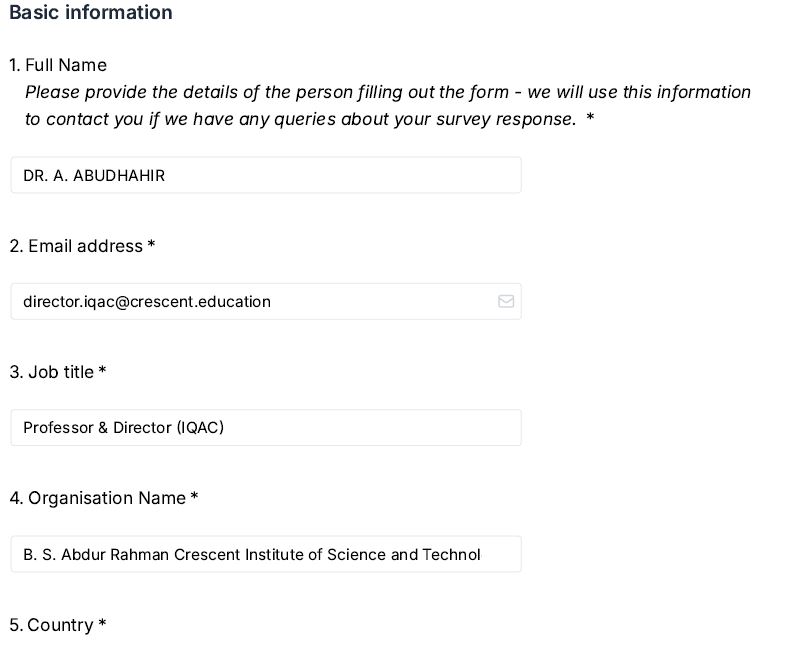
Online survey form

ONLINE SURVEY – RECEIVED RESPONSE

NIRF  SDG Data Submitted

COLLABORATION FOR SDG BEST PRACTICE

A. SUCCEED (SUSTAINABILITY CENTRIC CRESCENT EDUCATION FOR ENTREPRENEURSHIP DEVELOPMENT)

BEST PRACTICE

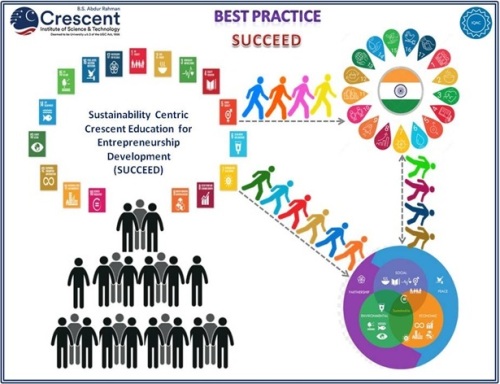
Title of the Practice: SUCCEED – Sustainability Centric Crescent Education for Entrepreneurship Development

To develop the best practice for the implementation of SDGs, MoU was signed with M/s Gibraltar Technologies, Dubai, on 5th November 2020. Several meetings were conducted School/Department-wise involving stakeholders such as faculty members, students and employees of Gibraltar Technologies (GT).

The meeting outcomes resulted in SUCCEED (Sustainability Centric Crescent Education for Entrepreneurship Development), the best practice for implementing SDGs.

Our faculty members and students are carrying out a few projects to address the SDGs in collaboration with GT are listed below.

OBJECTIVES OF THE PRACTICE

  • To bring a holistic transformational change within societies, economies and the environment through sustainable centric education.
  • To develop and implement a curriculum intended to be flexible and non-prescriptive that follows a competency development model through a combination of knowledge, skills, values and attitudes.
  • To enable the delivery of the SDGs by ensuring that each learner has the relevant skills, knowledge, values and attitudes for social, economic and environmental development, and to work in partnership to create peaceful societies.
  • To ensure that all learners acquire the knowledge and skills needed to promote sustainable development by 2030 through education for sustainable development and sustainable lifestyles, human rights, gender equality, promotion of a culture of peace and non-violence, global citizenship and appreciation of cultural diversity and culture’s contribution to sustainable development.

THE CONTEXT

Education is one of the Sustainable Development Goals (SDGs) in itself and as a catalyst for broader change.

Education is critical in shaping individual and collective knowledge, skills, values and attitudes to enable people to move along pathways towards sustainable development, and a catalyst for development itself. It is a key determinant of social and economic transformation, and an essential precursor to peace, tolerance and sustainability. Moreover, it equips learners of all ages with the knowledge, skills, values and attitudes needed to be responsible global citizens, such as respect for human rights, gender equality and environmental sustainability.

The purpose of the SDGs centric education is to develop successful learners, confident individuals, and responsible citizens who are resilient and uphold the core values and principles of the nation.

THE PRACTICE

The curriculum encompasses learning content and outcomes, and shifts learning from being only content-driven to being outcome-driven, action-oriented and participatory. The aim is that all learners can become engaged in promoting the transformation required for sustainable development.

The curriculum deals with the knowledge, skills, attitudes and values in relation to each of the SDGs and outlines:

  • The knowledge or content areas to be focused on, making provision for the inclusion of indigenous and traditional knowledge topics.
  • The skills to be developed
  • The values and attitudes that are desirable for the successful accomplishment of the learning outcome

At present, Core competencies required for sustainable development such as team building, communication, decision making, problem-solving, sense of community, self-esteem, personal responsibility, empathy, moral development, ethics, values, resilience and improved inclination for educational achievement are attained through few of the curricular courses and extension and outreach activities. Integrating the topic of the SDGs into a curriculum allows learners to understand their multiple identities, to work out what their roles should be for living together on a common planet and building a better future in an interdependent world at local, national and global levels.

EVIDENCE OF SUCCESS

The Crescent Innovation and Incubation Council (CIIC) encouraged the stakeholders (primarily the start-ups) to address the SDGs. As a result, our university’s faculty, students, and alumni created start-ups with the support of CIIC; 63 external start-ups, ten alumni start-ups, 14 faculty start-ups, and 26 student start-ups. Our university participated in the Times Higher Education (THE) Impact Ranking in 2020 and 2021 in the following SDGs: SDG 4: Quality Education, SDG 5: Gender Equity, SDG 6: Clean Water and Sanitation, SDG 7: Affordable and Clean Energy, SDG 9: Industry Innovation and Infrastructure and SDG 17: Partnership for the Goals. The rank bands are:

Our university participated in the following Green initiative award in 2019 and 2020.Beema Bamboo is one of the fastest-growing plants on earth under tropical conditions. As a result, it will act as the best carbon sink for carbon-di-oxide emission, one of the major greenhouse gases that can be effectively and quickly brought down by the trees that grow fast by absorbing carbon-di-oxide. About 2000 Beema Bamboos were planted in the university campus during the last two years to reduce carbon footprint and help fight global warming. Our faculty members published quite a few papers in high-quality research journals addressing the SDGs. Complete compulsory courses relevant to the environment, ethics, human values and sustainability were introduced in the curriculum. In addition, about 10% of elective courses addressing the SDGs are offered to the students.

PROBLEMS ENCOUNTERED AND RESOURCES REQUIRED

The development of the curriculum involved the identification and description of the competencies that learners should acquire, with an emphasis on the results of learning. In the context of the sustainability centric curriculum, the following was sought: a set of integrated competencies derived from the core competencies that learners need to develop for active and responsible participation in all relevant fields of life and to implement the SDGs, including empathy, ethics, compassionate values, and the ability to express social and environmental concerns and change behaviours. Integrated competencies and learning outcomes, specified in three categories – knowledge, skills, and values and attitudes, are adopted from “A Curriculum Framework for the Sustainable Development Goals – First Edition, Commonwealth, 2017” and “Education for Sustainable Development – Learning Objectives, UNESCO, 2017”.

Figure XVII (2.4) – 1 : SUCCEED (Sustainability Centric Crescent Education for Entrepreneurship Development) – Best Practice followed in the Institute

B. BSACIST’S 2024 POLICY ENGAGEMENT WITH REGIONAL NGOS AND GOVERNMENT FRAMED WITHIN THE SDG ACCORD 2025 PROGRESS CONTEXT AND THE SDG-THEMED GOVERNANCE, LEARNING, AND PARTNERSHIPS AGENDA

B.S. Abdur Rahman Crescent Institute of Science and Technology (BSACIST), this positions the institute not only as a learner but as a contributor to national and regional SDG policy dialogues. The 2024 entry on relationships with regional NGOs and government for SDG policy underscores an ongoing posture of engagement with policy ecosystems, aligning institutional activity with policy development, monitoring, and adaptive management. This alignment suggests BSACIST can translate its SDG work into formal policy input, scenario modelling, and accountability mechanisms that inform broader regional development trajectories. The 2025 SDG Accord report highlights that most signatories are moving toward embedding sustainability at an organizational level, with many reporting up-to-date sustainability policies endorsed by senior leadership. For BSACIST, the implication is to articulate a clear, leadership-backed sustainability policy or action plan that directly references SDGs most relevant to the institute’s mission and operations. Given the 2024 emphasis on engaging with government and regional NGOs, BSACIST could position its policy inputs as anchored in the connected governance and partnerships depicted in the report, ensuring that policy submissions, stakeholder consultations, and adaptive management are institutionally codified rather than ad hoc activities.

The SDG Accord Progress Report 2025 frames universities and colleges as pivotal agents for implementing the United Nations Sustainable Development Goals through whole-institution approaches. The thematic focus on Learning and Teaching reveals that while progress is ongoing, Learning and Teaching remains the least mature operational area for many signatories. BSACIST should view this as a guide to invest in curriculum integration of SDGs, faculty development, and assessment practices that explicitly test sustainability knowledge. The report notes significant barriers such as limited time for staff development and inadequate integration of sustainability into curricula. BSACIST can address these barriers by allocating dedicated funding and time for professional development, integrating SDG-related outcomes into degree programs, and creating standardized assessments that measure students’ sustainability competencies.

The progress report emphasizes the value of evidence-based case studies and peer learning. BSACIST can contribute through documenting and sharing successful Learning and Teaching innovations—for example, climate pedagogy initiatives, service-learning projects, and interdisciplinary modules that map to SDG4 (Quality Education), SDG 6 (Clean Water and Sanitation), SDG 7 (Affordable and Clean Energy) and SDG17 (Partnerships for the Goals). By contributing BSACIST-specific case studies to the SDG Accord platform, the institute would participate in a global knowledge network, enabling replication and contextual adaptation across similar universities and colleges in the region.                                     

The results section of the report highlights top SDGs influenced by signatories and the priority SDGs for the upcoming year. In the last year, SDG4, SDG13, and SDG 6 (Clean Water and Sanitation), SDG 7 (Affordable and Clean Energy) were prominent, with SDG17 as a top priority for partnerships. For BSACIST, this pattern suggests focusing efforts on education quality, climate action initiatives, and strengthening collaborative frameworks with industry, government bodies, and civil society. Establishing formal partnerships and joint programmes with regional NGOs and the government can advance SDG implementation while creating opportunities for funding, capacity-building, and scalable impacts.

The report documents the internal and external support needs identified by signatories, with budget, dedicated staff capacity, and funding from external sources highlighted as top needs. BSACIST should prepare a resource plan that secures funding streams for SDG-aligned activities, including staff training, climate-related research, and curriculum transformation. Engaging government and sector partners can help unlock external support, align institutional priorities with national development plans, and provide procurement or grant-based pathways to sustain SDG initiatives over multiple years.

Finally, the BSACIST context benefits from the report’s emphasis on evaluating new partnerships and governance improvements. The Accord notes that sustainability work benefits from cross-departmental collaboration and a shared, mission-driven culture. BSACIST can leverage its 2024 policy-involvement experience to foster cross-disciplinary governance structures, establish an SDG steering committee, and implement a transparent reporting framework that communicates progress to internal and external stakeholders. By aligning these governance practices with the SDG Accord methodology, the institute can demonstrate measurable progress toward embedding the SDGs into education, research, operations, and community engagement.

C. BSACIST 2024 SDG Policy Engagement and Governance Through Regional Non-Governmental Organizations ( https://theigen.org/ ) Partnerships 

BSACIST demonstrates a policy-oriented stance by engaging with regional NGOs and government on SDG matters in 2024. The institute’s participation as a resource person and panellist in energy and sustainability dialogues (as seen in the IGEN Energyathon and related events) signals a proactive role in shaping issues, challenges, and potential policy responses rather than a purely academic exercise.

The involvement spans multiple stakeholders, including government bodies, regional NGOs, industry partners, and academic peers. By contributing expertise through panels and knowledge-sharing sessions, BSACIST helps identify problems, shape policy agendas, and foster adaptive management. This collaborative mode reflects a governance approach where diverse voices inform SDG policy design and monitoring, enabling more context-relevant and implementable strategies.

BSACIST’s visibility in energy and sustainability forums indicates engagement in scenario planning activities, where different SDG-related interventions are explored to understand potential outcomes. This modelling supports evidence-based policy development, helping policymakers anticipate trade-offs and prioritize interventions that yield sustainable development gains.

Monitoring and reporting on interventions is central to adaptive management. Through conferences, expert panels, and documented contributions, BSACIST contributes to transparency around SDG initiatives, enabling stakeholders to track progress, learn from results, and adjust actions accordingly. The institute’s public-facing materials and event outputs function as accountability artifacts that demonstrate ongoing stakeholder engagement.

Enabling adaptive management means BSACIST supports iterative policy processes that respond to new data and changing conditions. The institute’s engagement in energy events and knowledge exchanges provides a feedback loop for policy refinement, ensuring SDG strategies stay relevant to regional energy challenges and evolving technology landscapes. This adaptive stance strengthens resilience and alignment with national development priorities.

BSACIST faculty member Dr. R. Zahira as a resource person and panellist in energy-oriented advocacy forums. This visible participation translates into concrete evidence of policy-relevant activity: sharing expertise, informing decisions, and contributing to the public discourse on SDG-related policies. Such practice helps legitimize the institute’s role in national and regional SDG governance and enhances its credibility with partners and policymakers.

STAR ORGANISER

Figure XVII(2.4)-6

PARTNERS ENERGY AND ACTION PRIVATE MEET – 2024

The Program conference video link: https://www.youtube.com/live/0OJTDfqnmO4

For reporting purposes, BSACIST should articulate concrete indicators linked number of policy inputs submitted, number of policy discussions hosted or moderated, number of modelling exercises completed, frequency of SDG-related monitoring reports produced, and instances of adaptive management decisions implemented. These indicators can be tied to the SDG Accord framework to demonstrate progress in governance, partnerships, and knowledge exchange, while also informing internal planning and external communications.

D. Partnerships and Collaborations of B.S. Abdur Rahman Crescent Institute of Science and Technology Aligned with Sustainable Development Goals

S. NoName of the Organisation / NGOsType (MOU / Member)SDGsEvidence
1a-IDEA NAARM, HyderabadMemorandum of Understanding (MOU)6, 17https://crescent.education/wp-content/uploads/2024/11/1.-a-idea-NAARM.pdf
2Aloe EcellMemorandum of Understanding (MOU)6, 7https://crescent.education/wp-content/uploads/2024/11/2.-Aloe-Ecell.pdf
3Anudip Foundation for Social WelfareMemorandum of Understanding (MOU)4, 8https://crescent.education/wp-content/uploads/2024/11/3.-Anudip-Foundation-for-social-welfare.pdf
4Apollo Tyres LtdMemorandum of Understanding (MOU)7, 17https://crescent.education/wp-content/uploads/2024/11/4.-Apllo-tyres-ltd.pdf
5Artelia Consulting Engineers Ltd.Memorandum of Understanding (MOU)7, 17https://crescent.education/wp-content/uploads/2024/11/5.-Artelia-Consulting-Engineers-Ltd.pdf
6Association of Muslim ProfessionalsMemorandum of Understanding (MOU)4, 8https://crescent.education/wp-content/uploads/2024/11/6.-Association-Muslim-Professionals.pdf
7Bhrathya Uva Shakti Trust (BYST)Memorandum of Understanding (MOU)4, 8https://crescent.education/wp-content/uploads/2024/11/7.-Bhrathya-Uva-Shakti-Trust-BYST.pdf
8Brigade Innovations LLP (“BILLP”) LimitedMemorandum of Understanding (MOU)7, 17https://crescent.education/wp-content/uploads/2024/11/8.-Brigade-Innovations-LLP-BILLP-Limited.pdf
9Cambridge CleantechMemorandum of Understanding (MOU)7, 17https://crescent.education/wp-content/uploads/2024/11/9.-Cambridge-Cleantech.pdf
10Campus Angels Network Pvt. LtdMemorandum of Understanding (MOU)4, 8https://crescent.education/wp-content/uploads/2024/11/10.-Campus-Angels-Network-Privated-Limited.pdf
11Carbyne Energy Technologies Pvt LtdMemorandum of Understanding (MOU)7, 17https://crescent.education/wp-content/uploads/2024/11/11.-Carbyne-Energy-Technologies.pdf
12Carppico LLPMemorandum of Understanding (MOU)7, 17https://crescent.education/wp-content/uploads/2024/11/12.-Carppico.pdf
13Council of Scientific and Industrial Research (CSIR) – Central Leather Research Institute (CLRI)Memorandum of Understanding (MOU)7, 17https://crescent.education/wp-content/uploads/2024/11/13.-CSIR-CLRI-Bio-Gas.pdf
14E Daddy Auto Tech Pvt. Ltd.Memorandum of Understanding (MOU)7, 17https://crescent.education/wp-content/uploads/2024/11/14.-E-Daddy-Auto-Tech-Pvt.-Ltd.pdf
15Edunet FoundationMemorandum of Understanding (MOU)4, 8https://crescent.education/wp-content/uploads/2024/11/15.-Edunet-Foundation.pdf
16Edveon TechnologiesMemorandum of Understanding (MOU)7, 17https://crescent.education/wp-content/uploads/2024/11/16.-Edveon-Technologies.pdf
17Envea India Pvt. Ltd.Memorandum of Understanding (MOU)7, 17https://crescent.education/wp-content/uploads/2024/11/17.-ENVEA-INDIA-PCT-LTD.pdf
18First Academy of Blockchain Council (FABC)Memorandum of Understanding (MOU)7, 17https://crescent.education/wp-content/uploads/2024/11/18.-FABCDubai.pdf
19Gibraltar Technologies LLCMemorandum of Understanding (MOU)7, 17https://crescent.education/wp-content/uploads/2024/11/19.-Gibraltar-Techologies.pdf
20Indian Institute of Islamic Studies and Research New DelhiMemorandum of Understanding (MOU)4, 8https://crescent.education/wp-content/uploads/2024/11/20.-Indian-Institute-of-Islamic-Studies-and-Research-New-Delhi.pdf
21INTI University, MalaysiaMemorandum of Understanding (MOU)4, 8https://crescent.education/wp-content/uploads/2024/11/21.-INTI-University.pdf
22Islamiah Womens Arts and Science CollegeMemorandum of Understanding (MOU)4, 8https://crescent.education/wp-content/uploads/2024/11/22.-Islamiah-Womens-Arts-and-Science-College.pdf
23Kardle Industries Pvt. Ltd.Memorandum of Understanding (MOU)7, 17https://crescent.education/wp-content/uploads/2024/11/23.-Kardle-industries-of-private-Limited.pdf
24Kelvin6K Technologies Pvt. Ltd.Memorandum of Understanding (MOU)7, 17https://crescent.education/wp-content/uploads/2024/11/24.-Kelvin6K-Technologies-Pvt.-Ltd.pdf
25Kirk University, Bangkok, ThailandMemorandum of Understanding (MOU)4, 8https://crescent.education/wp-content/uploads/2024/11/25.-Krirk-University.pdf
26Konwert India Motors Pvt.Ltd.Memorandum of Understanding (MOU)7, 17https://crescent.education/wp-content/uploads/2024/11/26.-Konwert-India-Motors.pdf
27Land Coordinates TechnologyMemorandum of Understanding (MOU)7, 17https://crescent.education/wp-content/uploads/2024/11/27.-Land-Coordinates-Technology.pdf
28Larsen toubro Limited (L&T)Memorandum of Understanding (MOU) https://crescent.education/wp-content/uploads/2024/11/28.-Larsen-toubro-Limited-LT.pdf
29Magudam CapitalMemorandum of Understanding (MOU)7, 17https://crescent.education/wp-content/uploads/2024/11/29.-Magudam-Capital.pdf
30Mando Automotive India Private LtdMemorandum of Understanding (MOU)7, 17https://crescent.education/wp-content/uploads/2024/11/30.-Mando-Automotive-India-Private-Ltd.pdf
31Marketxpander services private Limited – Lead SquaredMemorandum of Understanding (MOU)7, 17https://crescent.education/wp-content/uploads/2024/11/31.-Marketxpander-services-private-Limited-Lead-Squared.pdf
32MathworksMemorandum of Understanding (MOU)7, 17https://crescent.education/wp-content/uploads/2024/11/32.-MathWorks-Letter.pdf
33Maulana Mukhtar Ahmed Nadvi Technical Campus (MMANTC, Malegaon, Nashik)Memorandum of Understanding (MOU)4, 8https://crescent.education/wp-content/uploads/2024/11/33.-MMANTC-Nashik.pdf
34MedCuore Medical Solutions Pvt. Ltd.Memorandum of Understanding (MOU)7, 17https://crescent.education/wp-content/uploads/2024/11/34.-MedCuore-Medical-Solutions-Pvt.-Ltd.pdf
35Metharath UniversityMemorandum of Understanding (MOU)7, 17https://crescent.education/wp-content/uploads/2024/11/35.-Metharath-University.pdf
36MH CockpitMemorandum of Understanding (MOU)7, 17https://crescent.education/wp-content/uploads/2024/11/36.-MH-Cockpit.pdf
37MIT SquareMemorandum of Understanding (MOU)7, 17https://crescent.education/wp-content/uploads/2024/11/37.-MIT-Square.pdf
38National Institute of Technical Teachers Training and Research (NITTTR), ChennaiMemorandum of Understanding (MOU)4, 8https://crescent.education/wp-content/uploads/2024/11/38.-NITTR.pdf
39Noobtran Pvt. Ltd.Memorandum of Understanding (MOU)7, 17https://crescent.education/wp-content/uploads/2024/11/39.-Noobtran-Pvt-Ltd.pdf
40OHM Energy Management Systems Pvt. Ltd.Memorandum of Understanding (MOU)7, 17https://crescent.education/wp-content/uploads/2024/11/40.-OHM-Energy-Management-Systems-Private-Limited.pdf
41Petra Oil DMCC, DubaiMemorandum of Understanding (MOU)7, 17https://crescent.education/wp-content/uploads/2024/11/41.-Petra-Oil-DMCC-Dubai.pdf
42Pierer Innovation GmbHMemorandum of Understanding (MOU)7, 17https://crescent.education/wp-content/uploads/2024/11/42.-Pierer-Innovation-GmbH.pdf
43Raptee Energy Pvt. Ltd.Memorandum of Understanding (MOU)7, 17https://crescent.education/wp-content/uploads/2024/11/43.-Raptee-Energy-Private-Limited.pdf
44Roha369 Bio Tech Pvt. Ltd.Memorandum of Understanding (MOU)7, 17https://crescent.education/wp-content/uploads/2024/11/44.-Roha369.pdf
45SFP sons India Pvt LtdMemorandum of Understanding (MOU)7, 17https://crescent.education/wp-content/uploads/2024/11/45.-SFP-sons-India-Pvt-Ltd.pdf
46Smart Scale Ventures Pvt. Ltd.Memorandum of Understanding (MOU)7, 17https://crescent.education/wp-content/uploads/2024/11/46.-Smart-Scale-Ventures-Pvt.-Ltd.pdf
47SME Grow Africa (SMEGHA)Memorandum of Understanding (MOU)7, 17https://crescent.education/wp-content/uploads/2024/11/47.-SME-Growafrica-SMEGHA.pdf
48State Level Solid Waste Management committee that has been Constituted by the Public Works Department (State PWD)Industry Expert Members6, 12 
49The Institution of Green EngineersMember7, 17https://crescent.education/wp-content/uploads/2024/11/49.-The-Institution-of-Green-Engineers.jpg
50The Israeli National Center of Blue EconomyMemorandum of Understanding (MOU)6, 14https://crescent.education/wp-content/uploads/2024/11/50.-The-Isreali-National-Centre.pdf
51Thejo Engineering LimitedMemorandum of Understanding (MOU)7, 17https://crescent.education/wp-content/uploads/2024/11/51.-Thejo-Engineering-Limited.pdf
52Ticel Bio Park LimitedMemorandum of Understanding (MOU)7, 17https://crescent.education/wp-content/uploads/2024/11/52.-TICEL-BIO-PARK-LIMITED.pdf
53UCMI MalaysiaMemorandum of Understanding (MOU)7, 17https://crescent.education/wp-content/uploads/2024/11/53.-UCMI-Malaysia.pdf
54Uiversity of Cyberjaya MalaysiaMemorandum of Understanding (MOU)7, 17https://crescent.education/wp-content/uploads/2024/11/54.-Uiversity-of-Cyberjaya-Malaysia.pdf
55Visaiyan Energies and Electro Motors Pvt. Ltd.Memorandum of Understanding (MOU)7, 17https://crescent.education/wp-content/uploads/2024/11/55.-Visaiyan-Energies-and-Electro-Motors-Limited.pdf
56World Line Pvt LtdMemorandum of Understanding (MOU)7, 17https://crescent.education/wp-content/uploads/2024/11/56.-World-Line-Pvt-Ltd.pdf
57ZOHO Corporation Pvt. Ltd.Memorandum of Understanding (MOU)7, 17https://crescent.education/wp-content/uploads/2024/11/57.-Zoho-Corporation-Private-Limited.pdf

E. SDG Best Practice – Start-ups

B. S. Abdur Rahman Crescent Institute of Science and Technology possesses one of the top Incubators in India- Crescent Innovation and Incubation Council (CIIC). The CIIC houses 120 start-ups from different sectors, such as Life Sciences, Industry 4.0, and Smart mobility and transportation. The CIIC builds and nurtures our society by nudging entrepreneurs with Integrity, Sustainability, and a Culture of innovation, a Triple ‘M’ Strategy (Mentor, Money, and Market). The CIIC encourages Start-ups to provide the solution for the SDG problem. The Start-ups are as follows:

SDG 2:


SDG 3:


SDG 4:


SDG 6
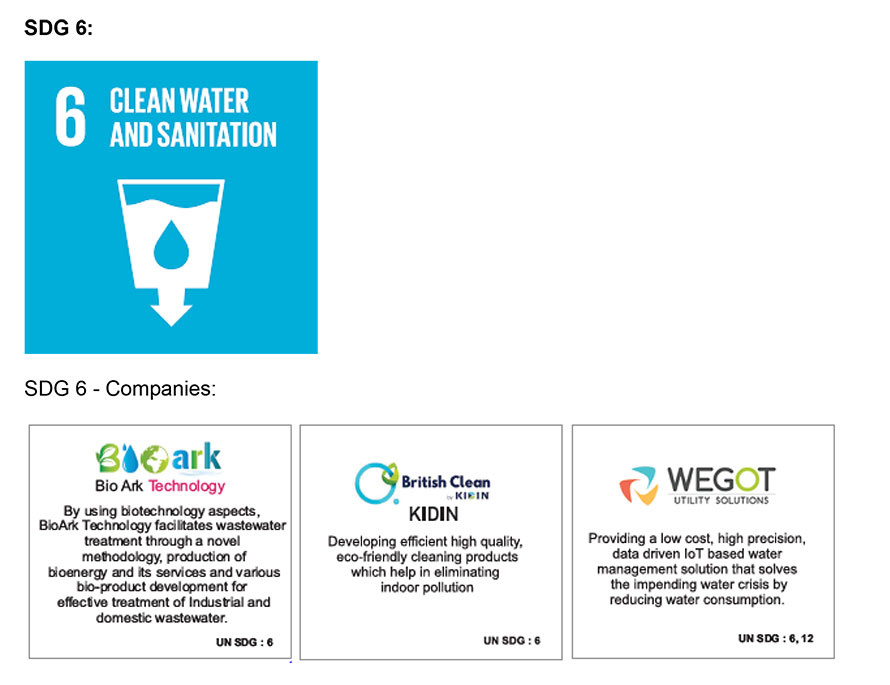

SDG 7
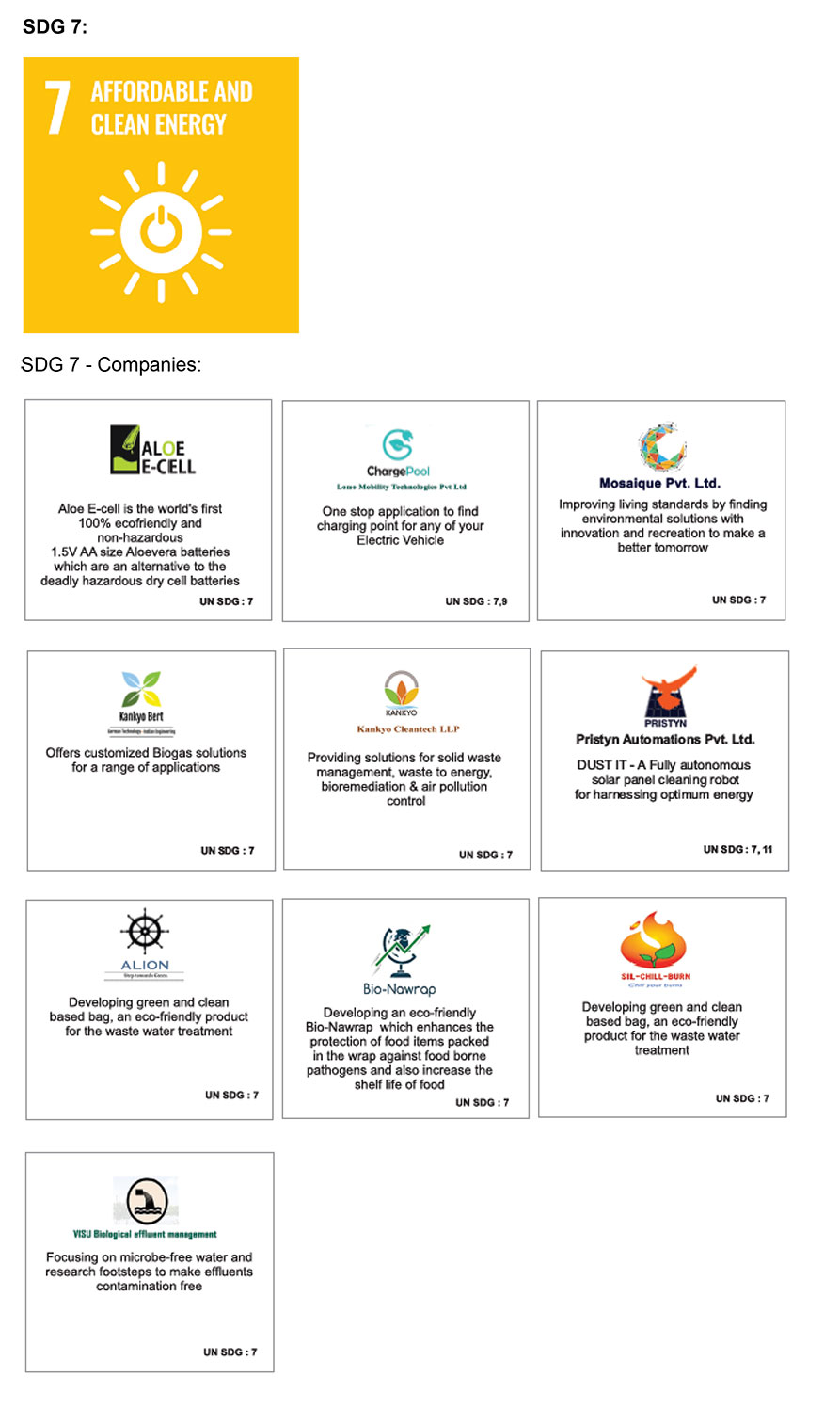

SDG 8
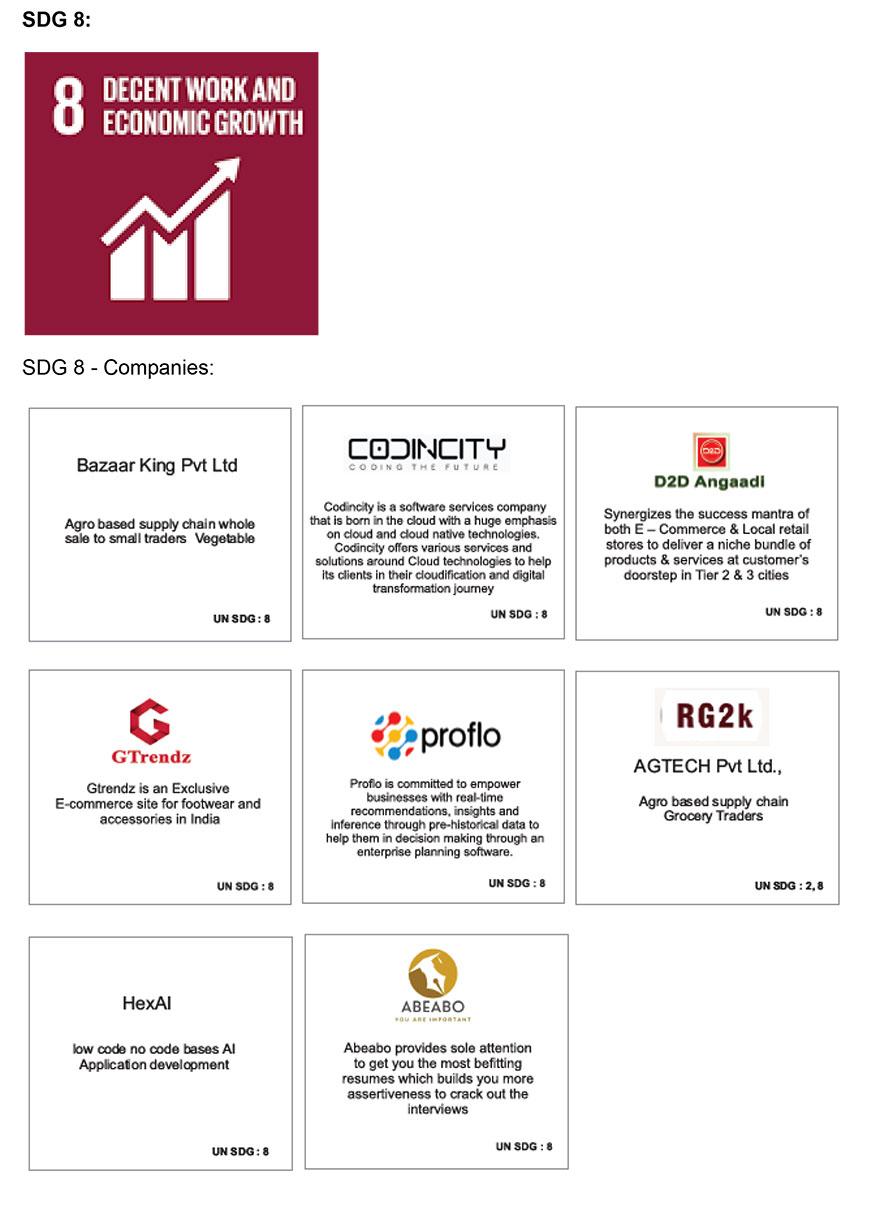

SDG 9
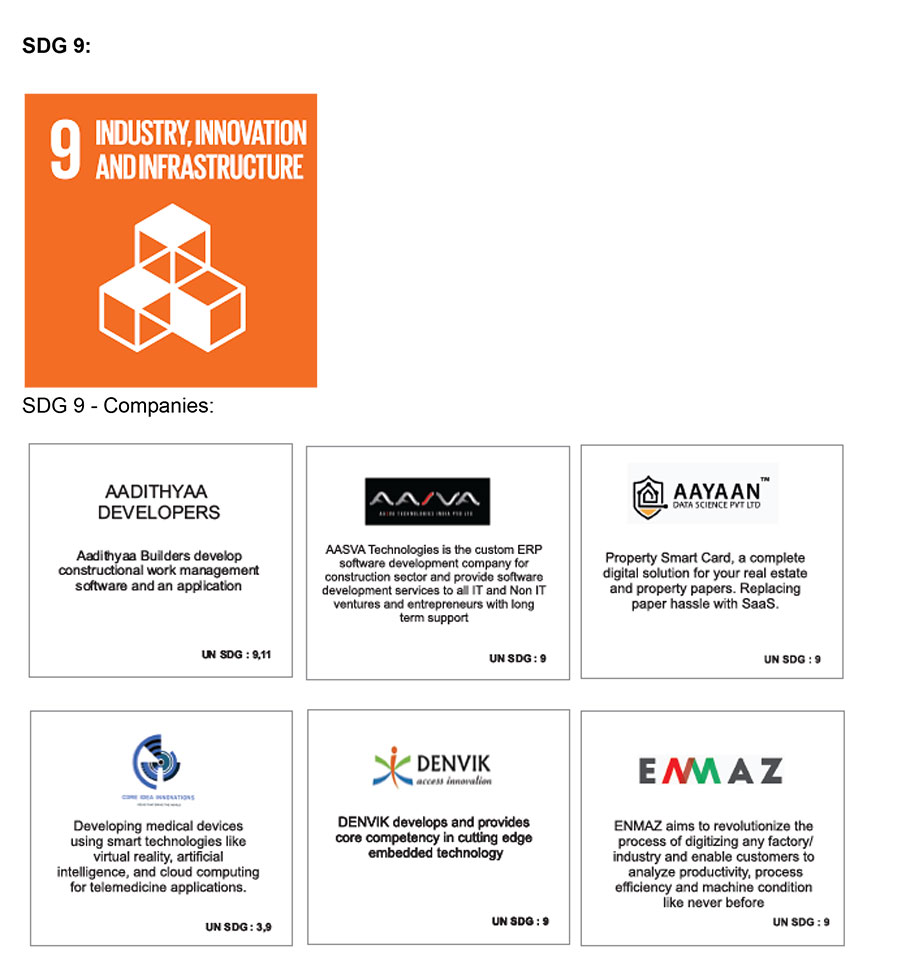


SDG 10
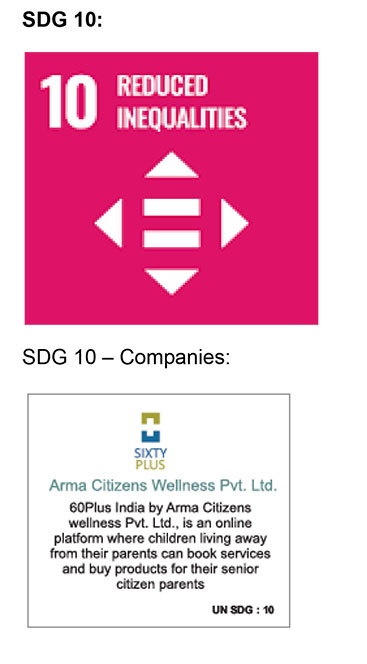

SDG 11
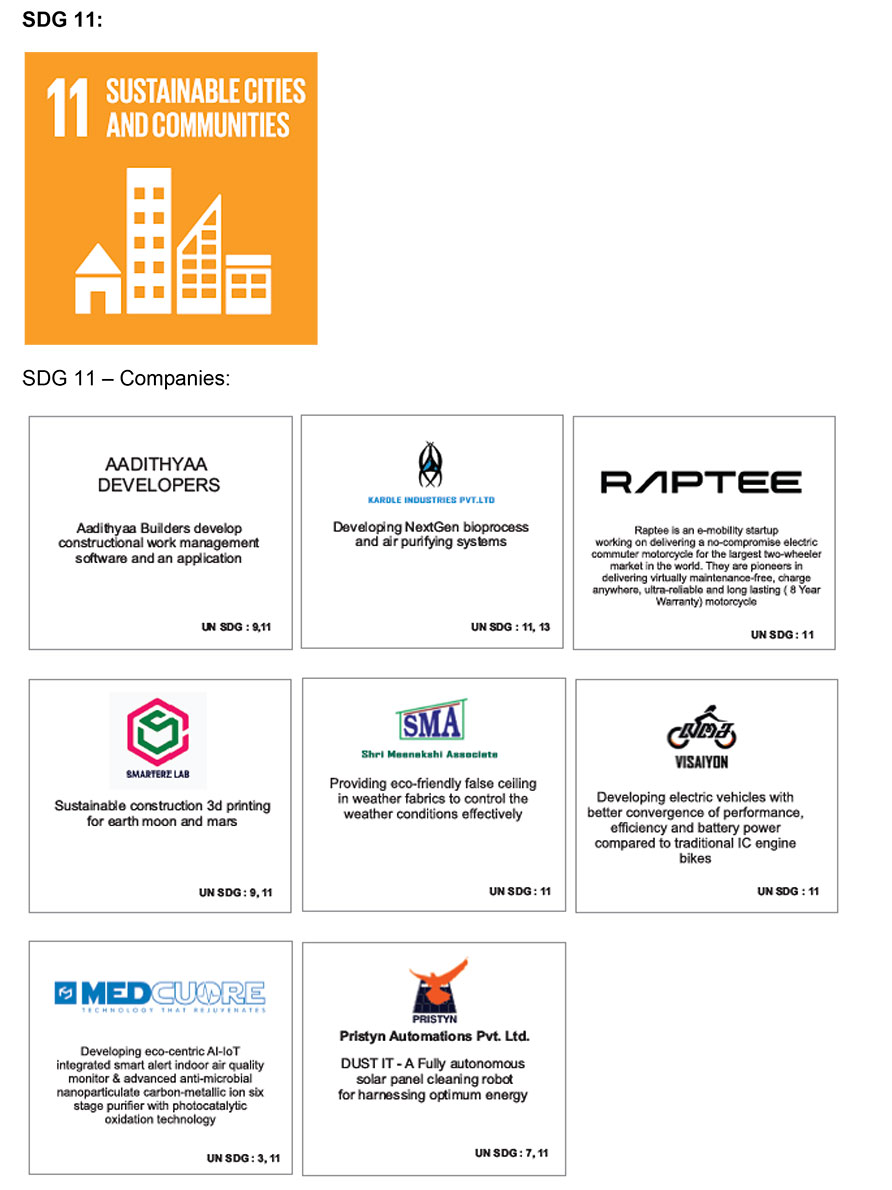

SDG 12
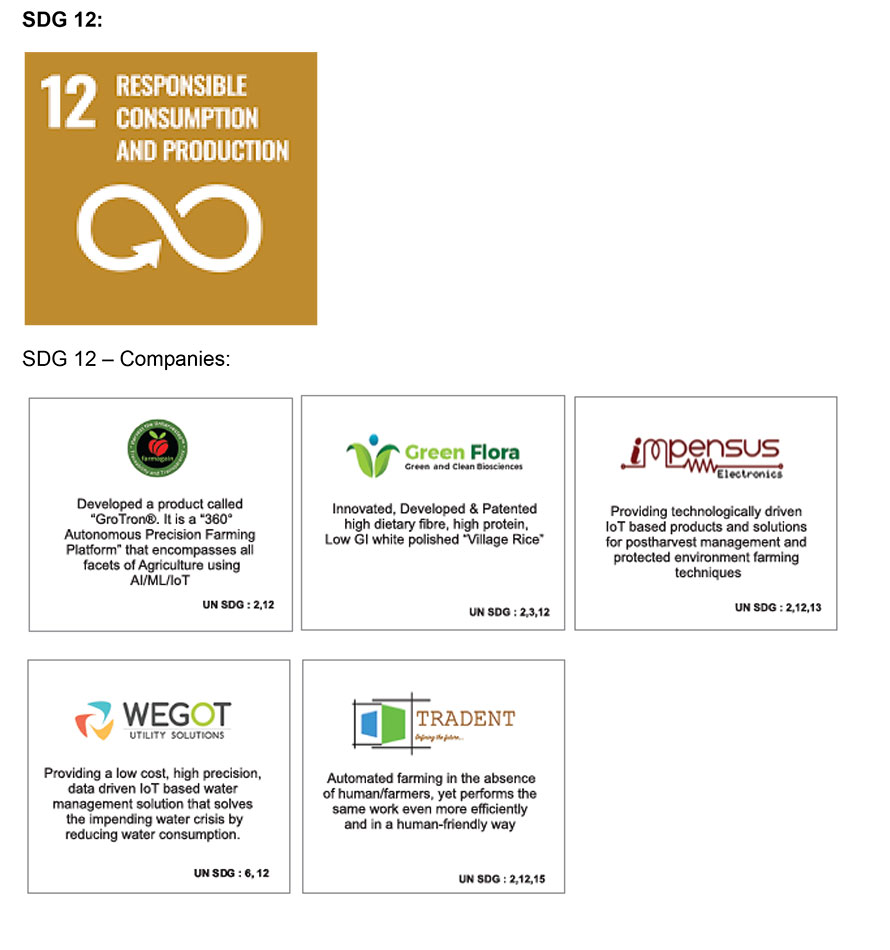

SDG 13
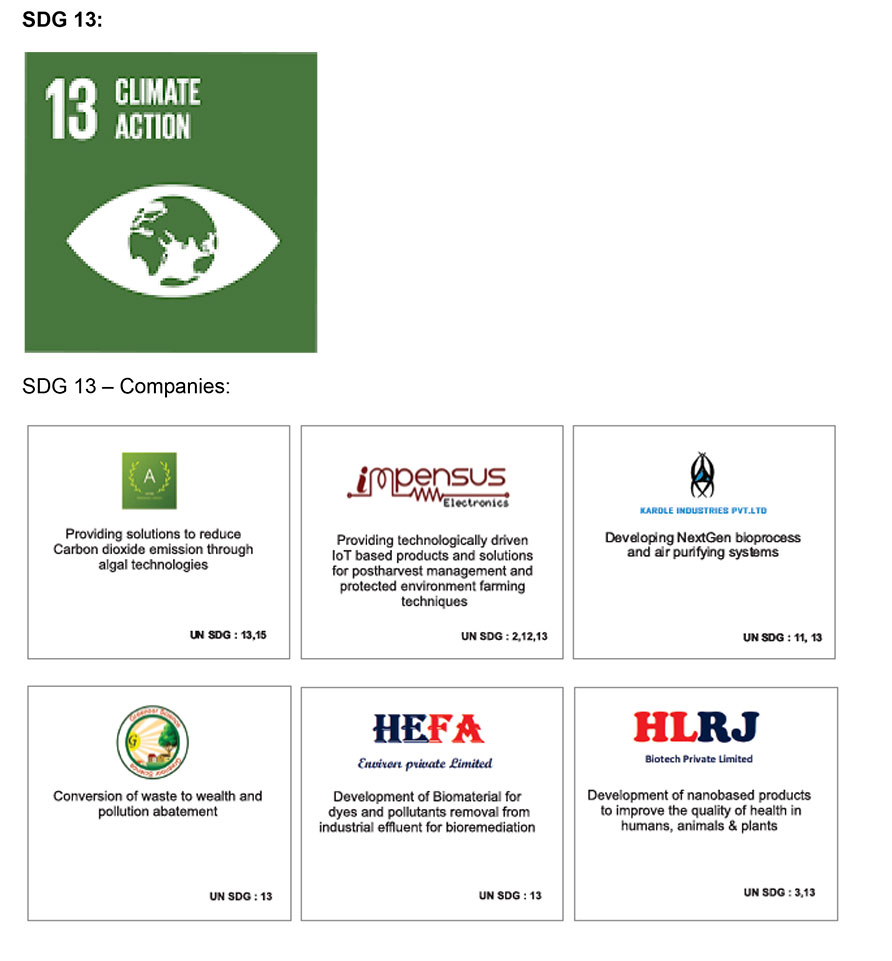

SDG 14
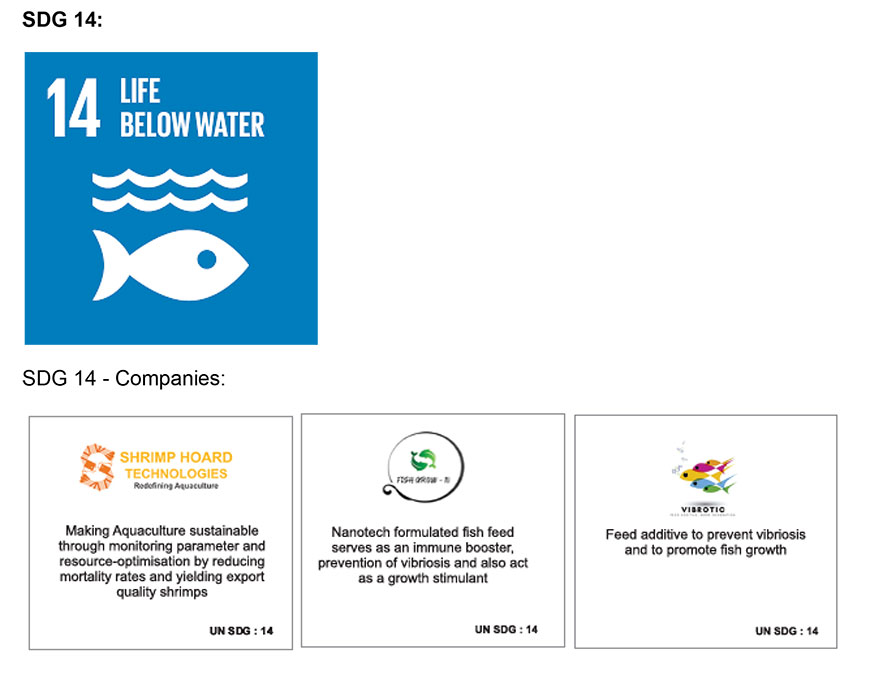

SDG 15


SDG 17
F. Policy for Partnerships for the Goals

Issue: 04; Revised on 2023
Policy Created on July 2009
1st  Revision amended on IQAC Meeting held on 27th October 2017
2nd Revision amended on IQAC Meeting held on 31st March 2021
3rd Revision amended on IQAC Meeting held on 16th  June 2023
17.1. OBJECTIVE

The primary objective of this policy is to establish and strengthen partnerships among universities, government bodies, NGOs, and the private sector to promote sustainable development through collaborative efforts, knowledge sharing, and resource mobilisation.

17.2 STATEMENT OF POLICY The following metrics and indicators will guide the implementation of this policy.
  • Research into Partnerships for the Goals: Increase the proportion of academic publications co-authored with low or lower-middle-income countries to foster global collaboration.
  • Relationships to Support the Goals: Develop mechanisms to gather data on SDG progress and promote best practices through cross-sectoral dialogue.
  • Publication of SDG Reports: Institutions must commit to publishing data on their performance against each of the 17 SDGs, ensuring transparency and accountability.
  • Education for SDGs: Ensure a commitment to meaningful education around the SDGs across all university programs relevant to all students.
  • Collaboration for SDG Best Practices: Engage in international collaboration to review and develop best practices for tackling the SDGs.
17.3 RESPONSIBILITIES
  • Establish Collaborative Frameworks:
    • Create Memoranda of Understanding (MoUs) with local and international organizations, NGOs, and government agencies to formalise partnerships.
    • Engage in joint research initiatives that align with SDGs
  • Enhance Sustainability Literacy:
    • Integrate sustainability concepts into the curriculum across all disciplines, ensuring that students acquire the necessary knowledge, skills, and values to contribute to sustainable development.
    • Implement workshops and training sessions for faculty and students to enhance understanding of the SDGs and their interconnections.
  • Promote Cross-Sectoral Dialogue:
    • Organize annual conferences and seminars that bring together stakeholders from academia, industry, and government to discuss progress, challenges, and innovative solutions related to the SDGs.
    • Facilitate platforms for knowledge exchange, such as webinars and collaborative projects, to share best practices and successful case studies.
  • Monitor and Evaluate Partnerships:
    • Develop a robust monitoring and evaluation framework to assess the effectiveness of partnerships and their contributions to achieving the SDGs.
    • Utilize data collected from partnerships to inform policy decisions and improve collaborative efforts.
17.4 IMPLEMENTATION
  • Short-term (1-2 years): Establish partnerships, integrate sustainability literacy into the curriculum, and initiate cross-sectoral dialogues.
  • Medium-term (3-5 years): Expand collaborative research projects, publish annual SDG reports, and evaluate the impact of partnerships.
  • Long-term (5+ years): Foster a culture of sustainability within the institution and the community, ensuring ongoing commitment to the SDGs.
17.5 DISSEMINATION OF POLICY . A. Signage and Visual Communication
  • Campus Signage:
    • Display clear and informative signage throughout the campus highlighting key aspects of the Partnerships for the Goals policy, focusing on sustainability practices.
    • Utilize engaging visuals and infographics that effectively capture attention and communicate important messages.
B. Awareness Programs
  • Regular Workshops and Seminars:
    • Conduct awareness programs at regular intervals, including workshops, seminars, and training sessions to educate the campus community about the importance of partnerships for sustainability.
    • Use interactive formats to promote engagement, encourage dialogue, and facilitate knowledge sharing among participants.
  • Student and Faculty Involvement:
    • Involve students and faculty in planning and executing awareness programs, fostering a sense of ownership and responsibility towards the policy’s implementation.
    • Encourage student-led initiatives that promote collaboration and sustainability practices across campus.
C. Digital Communication
  • Website Updates:
    • Post the Partnerships for the Goals policy on the Institute’s official website, ensuring easy access for all stakeholders.
    • Regularly update the webpage with new information regarding events, initiatives, and progress related to the policy.
  • Social Media Engagement:
    • Utilize social media platforms to raise awareness about the policy, share success stories, and promote upcoming events related to partnerships and sustainability.
    • Create engaging content, including videos, infographics, and testimonials, to reach a broader audience and enhance visibility.
D . Key Performance Indicators (KPIs)
  • Track the effectiveness of dissemination strategies through metrics.
17.6 ENFORCEMENT OF POLICY a) The Dean of Schools and Head of the Departments monitor compliance and address breaches. b) Awareness of the policy among students, staff, and visitors is essential. c) Breaches may lead to disciplinary action per the Institute’s code of conduct.                                         

G. INTERNATIONAL CONFERENCE

National Workshop

H. Startups

The Complete Report of the Startup Data has uploaded in the following web link :

https://crescent.education/wp-content/uploads/2025/07/Startup-July-2025_compressed.pdf

I. International conference on advances and applications of biotechnology (ICAAB 2024)

International conference on Advances and applications of biotechnology (ICAAB 2024) was organized in association with University of East London, UK supported by TamilNadu State Council for Science and Technology National Council for Science & Technology Communication, Department of Science and Technology, Govt.of India on July 30, 31, 2024

4th Annual International Conference on Applications of Millets and Probiotics on Cancer Therapy and Management (ICAMP 2024)

4th Annual International Conference on Applications of Millets and Probiotics on Cancer Therapy and Management (ICAMP 2024) was Organized in association with Association of Cancer Education and Research (ACER) and Purdue University, USA on January, 30-31, 2024

COLLABORATION WITH NGOS FOR SDGS

A.NGO COLLABORATION IVOLUNTEER FOR SDG’S IN CANCER CARE AND EDUCATION

This student volunteering programs and non-governmental organizations (NGOs) to advance Sustainable Development Goals (SDGs) related to cancer prevention, treatment, and education in 2024. Guided by a framework of structured partnerships, impact measurement, and accountability, the initiative aligns activities with SDG 3 (Good Health and Well-being), SDG 4 (Quality Education), and SDG 17 (Partnerships for the Goals).

NGO Partner–Initiative Context

Student volunteering programs engage NGOs such as Ivolunteer ( https://www.ivolunteer.in/ ) to extend the reach of cancer prevention and care efforts. By leveraging NGO networks, the initiative can expand screening campaigns, raise health literacy, and support palliative care where gaps exist. The program draws on regional insights, population needs, and identified gaps to inform targeted collaboration plans, ensuring NGO partnerships address real-world barriers and deliver measurable improvements in cancer outcomes.

 Figure 17.2.5 – NGO Partner–Initiative Context

Daan Utsav 2024 Celebrations

As part of Daan Utsav 2024, the National Service Scheme (NSS) and Unnat Bharat Abhiyan (UBA) at B.S. Abdur Rahman Crescent Institute of Science and Technology organized a visit to HOME FOR CANCER CHILDREN on October 8, 2024. St. Jude India ChildCare Centres (St. Jude’s), Royapettah, Chennai, identified by Ivolunteer, served as a bridge between BSACIST and Home for Cancer Children. St. Jude’s provides a “home away from home” for children undergoing cancer treatment and supports families relocating from rural and semi-urban areas to metropolitan centers due to limited local treatment options.

 Figure 17.2.5 – Daan Utsav 2024 Celebrations

Event highlights

Participation: NSS programme officers and student volunteers attended.

Mission: To ensure that every child battling cancer receives essential medical care, emotional support, and social services.

Activity: On October 8, 2024, NSS and UBA organized a donation event, providing fresh fruits (apples and pomegranates) and cakes to the children, accompanied by an hour of engagement to spread joy and enhance well-being.

The collaboration demonstrates the value of student volunteers in delivering direct support to pediatric cancer patients and strengthening linkages between BSACIST, NGOs, and community-based care. By formalizing partnership processes, documenting outcomes, and expanding volunteer initiatives, the program can scale its impact on education, awareness, and humane care for children undergoing cancer treatment.

 Figure 17.2.5 – NSS programme officers and student volunteers


B.NGO Collaboration for SDGs in Seed Collection and Sustainable Agriculture

Introduction

The student volunteering programs for collaborating with non-governmental organizations (NGOs) to advance Sustainable Development Goals (SDGs) through seed collection initiatives in 2024. Grounded in a framework of structured partnerships, impact measurement, and accountability, the approach leverages student volunteering programs, research collaborations, and the development of educational resources. The effort aligns with SDG 2 (Zero Hunger), SDG 15 (Life on Land), and SDG 17 (Partnerships for the Goals), with additional relevance to SDG 4 (Quality Education) through capacity-building and knowledge sharing.
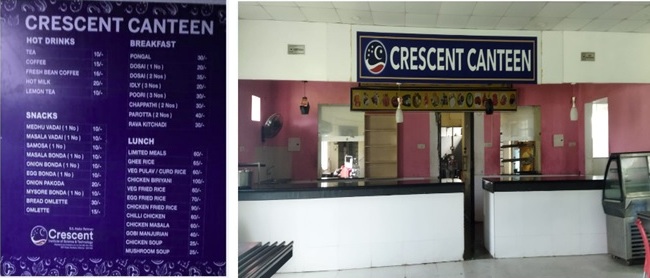
 Figure 17.2.5 – NGO Collaboration for SDGs in Seed Collection and Sustainable Agriculture

Context and Rationale

The seed collection initiative serves as a foundational activity for biodiversity conservation, farmer empowerment, and resilient agricultural systems. By coordinating with NGOs and community seed banks, the program can safeguard heirloom and regionally adapted seeds, support sustainable farming practices, and enhance food security. The collaboration emphasizes practical action, local engagement, and knowledge exchange to strengthen agro-biodiversity and climate resilience.

DAAN UTSAV 2024 CASE STUDY

As part of Daan Utsav 2024, the National Service Scheme (NSS) and Unnat Bharat Abhiyan (UBA) at B.S. Abdur Rahman Crescent Institute of Science & Technology (BSACIST) organized an impactful seed collection drive focused on Palmyra seeds. In collaboration with Vidhayin Siragugal (https://takecareinternational.org/vidhayin-siragugal-social-welfare-association) , a reputed NGO, the event promoted environmental conservation and community green initiatives. The drive took place on October 4, 2024, at Appur Village in Maraimalai Nagar, with NSS student volunteers contributing their time and effort toward a positive environmental impact.

 Figure 17.2.5 – NGO the event promoted environmental conservation and community green initiatives

Event Activities and Learning

The activity began at 10:00 AM, with volunteers collecting Palmyra seeds near local water bodies, chosen as germination-friendly sites to ensure seed viability for future planting. Nearly 500 Palmyra seeds were collected, reflecting the dedication of student volunteers. An educational session by a representative from Vidhayin Siragugal highlighted the Palmyra tree’s ecological and cultural value, including its resilience, water conservation properties, and economic importance to rural communities. Participants learned about traditional uses, including medicine, fruit nutrition, and production of natural sweeteners like jaggery.

Impact and Knowledge Exchange

Volunteers gained insights into the environmental and cultural significance of Palmyra trees, reinforcing the broader implications of seed collection beyond numbers. The session encouraged attendees to recognize the role of native species in climate resilience, groundwater conservation, and biodiversity, and to share this knowledge with local communities to foster sustainable practices.

Outcomes and Next Steps

Key outcomes include the collection of approximately 500 Palmyra seeds, heightened awareness of Palmyra’s ecological value, and a strengthened culture of environmental responsibility among participants. The seeds collected will contribute to green cover, groundwater conservation, and long-term biodiversity goals. Future steps may include follow-up planting days, seed distribution to partner farmers, and integrating seed collection activities into longer-term NGO partnerships for ongoing impact.

 Figure 17.2.5 –  Unnat Bharat Abhiyan (UBA)

NSS student Volunteers along with Dr.C. Srinivasan and Representative of Vidhaiyin Siragugal at Appura Village, Maraimalai Nagar

Figure 17.2.5 – NSS student Volunteers along with Dr.C. Srinivasan

Figure 17.2.5 –  Volunteers along with certificate

C.BSACIST– NGO Collaboration for SDGs (2024): Policy Engagement, Adaptive Governance, and Knowledge Exchange

BSACIST demonstrates a policy-oriented stance by engaging with regional NGOs and government on SDG matters in 2024. The institute’s participation as a resource person and panellist in energy and sustainability dialogues (as seen in the IGEN Energyathon and related events) signals a proactive role in shaping issues, challenges, and potential policy responses rather than a purely academic exercise.

Figure 17.2.5 – Igen Energyathon

Poster for  legal awareness program

The involvement spans multiple stakeholders, including government bodies, regional NGOs, industry partners, and academic peers. By contributing expertise through panels and knowledge-sharing sessions, BSACIST helps identify problems, shape policy agendas, and foster adaptive management. This collaborative mode reflects a governance approach where diverse voices inform SDG policy design and monitoring, enabling more context-relevant and implementable strategies.

Poster for IGen Energyathon website

BSACIST’s visibility in energy and sustainability forums indicates engagement in scenario planning activities, where different SDG-related interventions are explored to understand potential outcomes. This modelling supports evidence-based policy development, helping policymakers anticipate trade-offs and prioritize interventions that yield sustainable development gains.

Monitoring and reporting on interventions is central to adaptive management. Through conferences, expert panels, and documented contributions, BSACIST contributes to transparency around SDG initiatives, enabling stakeholders to track progress, learn from results, and adjust actions accordingly. The institute’s public-facing materials and event outputs function as accountability artifacts that demonstrate ongoing stakeholder engagement.

Enabling adaptive management means BSACIST supports iterative policy processes that respond to new data and changing conditions. The institute’s engagement in energy events and knowledge exchanges provides a feedback loop for policy refinement, ensuring SDG strategies stay relevant to regional energy challenges and evolving technology landscapes. This adaptive stance strengthens resilience and alignment with national development priorities.

Poster for IGen Energy99 challenge website

Poster for IGen Energy Participation program 

BSACIST faculty member Dr. R. Zahira as a resource person and panellist in energy-oriented advocacy forums. This visible participation translates into concrete evidence of policy-relevant activity: sharing expertise, informing decisions, and contributing to the public discourse on SDG-related policies. Such practice helps legitimize the institute’s role in national and regional SDG governance and enhances its credibility with partners and policymakers.

Poster for  IGEN Guardians of the earth Certificate

Poster for IGen Energyathon action preview meeting

PUBLICATION OF SDG REPORTS 

SDG 1 – NO POVERTY
PART – I
sdg1

Empowering Futures: B.S. Abdur Rahman Crescent Institute of Science and Technology’s Commitment to Eradicating Poverty through Education Introduction

The B.S. Abdur Rahman Crescent Institute of Science and Technology (BSACIST) is dedicated to fostering an inclusive educational environment that promotes lifelong learning opportunities for all individuals, particularly those from economically weaker backgrounds. This commitment aligns with the United Nations Sustainable Development Goal 1 (SDG 1) – No Poverty, which aims to end poverty in all its forms everywhere. By implementing various initiatives, including scholarship programs and community engagement activities, BSACIST actively contributes to reducing poverty and empowering students to pursue higher education.

 The Visionary Legacy of Dr. B.S. Abdur Rahman: Pioneering Educational Upliftment for All

The legacy of Dr. B.S. Abdur Rahman is epitomized in the establishment of the  B.S. Abdur Rahman Crescent Institute of Science and Technology, a realization of his dream to uplift society through education. As a great philanthropist, reformer, and a first-generation self-made entrepreneur, Dr. Abdur Rahman shared the profits of his 6 billion USD business in India and abroad to create “Not for Profit” institutions focused on empowering women and socially disadvantaged groups. He championed equal opportunities, founded on principles of honesty and transparency, and his Zakath Fund during Ramadan provides free scholarships amounting to over Rs. 3 Crore annually to support the poor.

A staunch advocate for the education of the poor, Dr. Abdur Rahman has established a vast network of educational institutions that cater to the needy. Founding the Seethakathi Trust in 1967 and the All India Islamic Foundation in 1979, he created a total of 12 educational institutions, including a leading engineering university, women’s college, Arabic college, multiple schools for boys and girls, a nursing college, a teacher training institute, a B.Ed college for women, as well as hospitals and orphanages in urban and rural Tamil Nadu. The B.S. Abdur Rahman Crescent Institute of Science and Technology is committed to providing educational assistance to individuals from all backgrounds, specifically targeting school dropouts and those unable to continue their higher education, regardless of caste, creed, sex, or religion.

Commitment to Educational Equity

 BSACIST’s policies reflect a strong commitment to ensuring equitable access to quality education. The institute’s Lifelong Learning Access Policy emphasizes the importance of providing educational resources to all individuals, regardless of their socio-economic background. This policy aims to enhance access to educational opportunities, thereby promoting social equity and contributing to the broader goals of sustainable development.

A. Scholarships for Economically Weaker Students

 One of the key initiatives BSACIST has undertaken to support economically weaker students is the BSA Crescent Alumni Zakat Scholarship program. This program is designed to assist needy college students in Tamil Nadu by providing financial support to help them pursue their education. The scholarship program aligns with the mission of alleviating poverty and empowering individuals through education.

Figure XVII (3.1) – 1 : BSA Crescent Alumni Association – Annual Report for the year 2022-23

In the year 2022, the BSA Crescent Alumni Association distributed a total of ₹14,98,977/- (Rupees Fourteen Lakhs Ninety-Eight Thousand Nine Hundred and Seventy-Seven only) in scholarships, benefiting 140 students. This financial assistance plays a crucial role in enabling students from low-income families to access higher education, thereby breaking the cycle of poverty. The scholarship program not only addresses immediate financial needs but also instils a sense of hope and dignity among recipients, empowering them to aspire for better futures.

B. Community Engagement – Bridging the Digital Divide for Enhanced Learning Opportunities

B.S. Abdur Rahman Crescent Institute of Science and Technology (BSACIST) has actively engaged in educational outreach activities beyond its campus, demonstrating a commitment to community development and the enhancement of local education. A notable initiative involved distributing computers to primary school children in the adopted villages of Padappai and Rattinamangalam on September 12, 2022.

The distribution of computers is a significant step in bridging the digital divide and enhancing learning opportunities for young students in these villages. By providing access to technology, BSACIST equips children with essential tools for their education and fosters an environment where they can develop digital literacy skills crucial for their future academic and professional endeavours.

This initiative reflects the university’s understanding of integrating technology into education, particularly in rural settings with limited resources.

Figure XVII (3.1) – 2 : Empowering Young Minds: BSACIST’s Educational Outreach Initiative in Padappai and Rattinamangalam – Distributing Computers and Enhancing Learning Opportunities for Local Schools

C. Community Engagement – Enhance Opportunities for Individuals in the Public Sector

The BSA Crescent Alumni Association’s recent initiative to donate TNPSC preparation books to the Abiramam Trust in the Ramanathapuram District exemplifies the commitment to Sustainable Development Goal 1: No Poverty. By providing essential educational resources to underserved communities, this project aims to enhance opportunities for individuals seeking employment in the public sector. Such endeavors not only empower individuals through education but also contribute to breaking the cycle of poverty by enabling access to stable job prospects. The initiative underscores the belief that education is a fundamental tool for social mobility and economic upliftment, aligning perfectly with the mission to foster equality and opportunity for all.

Figure XVII (3.1) – 3 : Empowering Minds: Donation of TNPSC Preparation Books to Abiramam Trust in Ramanathapuram

B.S. Abdur Rahman Crescent Institute of Science and Technology is committed to supporting economically weaker students through scholarships and community engagement initiatives. By aligning its policies with the principles of SDG 1 – No Poverty, the institute actively contributes to reducing poverty and promoting educational equity. Through programs like the BSA Crescent Alumni Zakat Scholarship and various outreach activities, BSACIST empowers individuals to pursue higher education, fostering a culture of lifelong learning and community development. As the institute continues to expand its initiatives, it remains dedicated to serving society and promoting knowledge for all, regardless of socio-economic status.

PART – II: Progress Measurement
Rubrics for SDG 1: No Poverty
4 to 5There is significant progress in effective implementation compared to the previous year
3 to 4The necessary processes/activities (Support to students based on income, assistance to local start-ups) have been implemented
2 to 3There is an explicit plan to address the ‘No Poverty’ and necessitated processes have been initiated
1 to 2There is an understanding and willingness to contribute effectively for achieving the UN targets of SDG 1
0 to 1There is no/partial willingness and plan to contribute for achieving the UN targets of SDG 1 No Poverty

PART – III: SDG Accord


Please find the Report:   SDG ACCORD REPORT

SDG 2 – ZERO HUNGER
PART – I
sdg2

B.S. Abdur Rahman Crescent Institute of Science and Technology: A Commitment to Achieving Zero Hunger through Sustainable Practices

The B.S. Abdur Rahman Crescent Institute of Science and Technology is actively contributing to Sustainable Development Goal 2 (SDG 2), which aims to end hunger, achieve food security, improve nutrition, and promote sustainable agriculture by 2030. The institute’s initiatives align with the core objectives of SDG 2, focusing on sustainable agricultural practices, nutrition education, and resilience to food insecurity. Through various programs, the institute emphasizes the importance of ensuring that all individuals have reliable access to sufficient, safe, and nutritious food year-round, addressing the root causes of food insecurity and malnutrition.

One of the key efforts includes an awareness campaign aimed at minimizing food waste on campus, where students and staff are encouraged to adopt sustainable practices through informative signage. The institute’s canteen plays a vital role in promoting healthy and affordable food choices, serving as a social hub for the community. Additionally, the National Service Scheme (NSS) has engaged students in hands-on activities at local organic farms, empowering farmers with knowledge and skills in sustainable agriculture. These initiatives not only enhance food security within the community but also foster a culture of collaboration and innovation. By integrating education, practical experience, and community engagement, B.S. Abdur Rahman Crescent Institute of Science and Technology exemplifies a holistic approach to achieving Zero Hunger, ensuring that no one is left behind in the journey toward a sustainable future.

A. Advancing Towards Zero Hunger: Sustainable Food Practices at B.S. Abdur Rahman Crescent Institute of Science and Technology

Zero Hunger, as outlined in Sustainable Development Goal (SDG) 2, reflects a global commitment to eradicate hunger and secure access to nutritious food for all by 2030. The B.S. Abdur Rahman Crescent Institute of Science and Technology aligns its initiatives with this vision, focusing on various indicators (2.3.1 to 2.3.5) that address sustainable agricultural practices, nutrition education, and resilience to food insecurity.

At the heart of the institute’s efforts is an awareness campaign aimed at minimizing food waste. Recognizing that food waste can occur at every stage of the supply chain—from production to consumption—the institution has taken proactive measures. Through informative signage and notice boards, students and staff are encouraged to adopt practices that prevent excess waste, contributing to a more sustainable food system on campus.

Figure XVII (3.2) – 1 : BSA Crescent Canteen  – Promoting Awareness about Food Waste and encouraging Sustainable Eating Practices

The institute’s canteen plays a vital role in promoting sustainable, healthy, and affordable food choices. With its spacious and well-furnished environment, the canteen serves delicious and nutritious meals, creating a social hub for students and staff. Additionally, it houses kiosks offering fresh juices and milkshakes, further enhancing the array of healthy dining options. A mobile canteen operates throughout the campus, with a dedicated canteen for first-year students to meet their needs. This commitment to providing accessible and nutritious food enhances the overall well-being of students while fostering an inclusive culture.

B.S. Abdur Rahman Crescent Institute of Science and Technology exemplifies a holistic approach to achieving Zero Hunger. By raising awareness about food waste, offering diverse healthy options, and ensuring accessibility, the institute is making strides toward aligning its practices with the Sustainable Development Goals, ultimately fostering a sustainable future where no student is left behind in the journey towards food security.

Figure XVII (3.2) – 2 : BSA Crescent Canteen  – Sustainable, Healthy and Affordable Food Choices On Campus

B. Empowering Local Farmers: Knowledge and Skills in Sustainable Agriculture

On February 24, 2023, the National Service Scheme (NSS) of B.S. Abdur Rahman Crescent Institute of Science & Technology took significant steps towards promoting sustainable agricultural practices by supporting local farmers in Pushpagiri Village, Padappai. Recognizing the fundamental role of agriculture in societal survival, NSS volunteers, accompanied by three programme officers, visited the VRISHAM Organic Farm, where they actively engaged in various field activities.

Figure XVII (3.2) – 3 : Engaging with Nature: NSS Volunteers at VRISHAM Organic Farm in Pushpagiri

Figure XVII (3.2) – 4 : Supporting Local Farmers in Pushpagiri Village, Padappai

At the farm, which is dedicated to cultivating diverse organic vegetables and greens, students participated in essential tasks such as weed removal and manure application in the fields. This hands-on experience not only assisted the farmers but also enriched the students’ understanding of sustainable agriculture. By providing access to knowledge and practical skills, the project fosters a culture of collaboration and innovation, empowering local farmers and enhancing food security in the community.

C. Promoting Health: Food Safety Awareness Program by B.S. Abdur Rahman Crescent Institute and the Tamil Nadu Food Safety Department”

In a significant initiative to enhance food safety knowledge and practices, the School of Life Sciences at B.S. Abdur Rahman Crescent Institute of Science and Technology, in collaboration with the Tamil Nadu Food Safety Department, has launched a Food Safety Awareness Program. This event aims to educate students on the importance of food safety, hygiene, and nutrition, adhering to the principles of Sustainable Development Goal 2 (SDG 2), which seeks to end hunger and improve nutrition globally.

The program, held at the Town Panchayat office in Madambakkam, Kancheepuram District on 13.06.2023, featured esteemed guest speaker Dr. T. Anuradha, the District Designated Officer for Kancheepuram, who highlighted the critical role of safe food practices in ensuring public health. Under the guidance of Dr. S. Hemalatha, Professor and Dean of the School of Life Sciences, along with coordinators Dr. I. Faridha Begum and Dr. S. Ranjani, the event fostered an interactive learning environment. Students engaged in discussions about food safety regulations, proper food handling techniques, and the nutritional value of food. This initiative not only empowers students with essential knowledge but also promotes a culture of health and safety within the community, contributing to a sustainable future where everyone has access to safe and nutritious food.

Figure XVII (3.2) – 5 : Brochure for the Food Safety Awareness Program

Figure XVII (3.2) – 6 : BSACIST Students Participation

Figure XVII (3.2) – 7 : Nourishing Futures: Inspiring Food Safety Awareness Among Youth

Figure XVII (3.2) – 7 : Spreading Awareness: Students and Officials Unite for Food Safety Education

PART – II: Progress Measurement
Rubrics for SDG 2: Zero Hunger
4 to 5There is significant progress in effective implementation compared to the previous year
3 to 4The necessary processes/activities (Food waste tracking, nutritious and affordable food, food security) have been implemented
2 to 3There is an explicit plan to address the ‘Zero Hunger’ and necessitated processes have been initiated
1 to 2There is an understanding and willingness to contribute effectively for achieving the UN targets of SDG 2
0 to 1There is no/partial willingness and plan to contribute for achieving the UN targets of SDG 2 Zero Hunger

PART – III: SDG Accord


Please find the Report:   SDG ACCORD REPORT

SDG 3 – GOOD HEALTH AND WELL BEING
PART – I
sdg3

Advancing Community Health: B.S. Abdur Rahman Crescent Institute of Science and Technology’s Commitment to SDG 3 – Good Health and Well-Being

B.S. Abdur Rahman Crescent Institute of Science and Technology has taken significant strides towards promoting Good Health and Well-Being, aligning with Sustainable Development Goal 3 (SDG 3). Through initiatives such as the “Say No to Drugs” awareness program, the institute has actively engaged students and the community in discussions about the dangers of drug abuse, fostering a culture of health consciousness. The involvement of law enforcement officials and university leadership in these programs highlights the collaborative effort required to combat substance abuse and promote a drug-free lifestyle. Additionally, the mandatory pledge-taking and social media engagement further reinforce the commitment to a healthier community.

Moreover, the institute’s organization of a Blood Donation Camp and a Cancer Awareness Programme illustrates its dedication to addressing critical health issues. By partnering with organizations like the Youth Red Cross and Madras Voluntary Blood Bureau, the university not only facilitated the donation of nearly 100 blood units but also educated local women about cancer prevention and treatment. These initiatives exemplify the institute’s holistic approach to health promotion, emphasizing the importance of community involvement and education in achieving better health outcomes. Through these efforts, B.S. Abdur Rahman Crescent Institute of Science and Technology is making a meaningful contribution to the well-being of its students and the broader community, embodying the essence of SDG 3.

A. “Say No to Drugs” Awareness Programme
Event Overview

On February 23, 2023, B.S. Abdur Rahman Crescent Institute of Science & Technology hosted an impactful awareness program titled “Say No to Drugs” at the university’s Convention Centre. This initiative aimed to sensitize students and the community about the dangers of drug abuse and promote a cleaner, healthier lifestyle.

Figure XVII (3.3) – 1 : Say No to Drugs – Awareness Program – Invitation

Program Highlights

The program commenced with the Pro Vice-Chancellor, Prof. Dr. T. Murugesan, delivering the presidential address. He emphasized the significance of collective efforts in combating drug addiction and the role of educational institutions in shaping a drug-free future. Dr. N. Raja Hussain, the registrar, welcomed the dignitaries and participants, underscoring the importance of awareness in fostering a supportive learning environment.

The event featured esteemed chief guests, including:

  • A. Amalraji, IPS: The Commissioner of Police for Tambaram City, who shared insights into the increasing drug-related issues in urban areas, emphasizing the necessity for proactive measures.
  • Mahesh Kumar Aggarwal, IPS: ADGP/Enforcement Bureau, CID, who discussed the government’s standpoint on drug enforcement and the importance of community vigilance in counteracting drug abuse.
  • Pa. Moorthy, IPS: Joint Commissioner of Police, who stressed on law enforcement strategies that empower youth and encourage a drug-free lifestyle.

Dr. Ayub Khan Dawood, the National Service Scheme (NSS) Coordinator, concluded the event with a vote of thanks, reiterating the collective responsibility of everyone in fostering a culture that dissuades drug use.

 Impact and Importance

The “Say No to Drugs” program not only enlightened attendees about the perils of drug abuse but also empowered them to take a stand against it. By involving law enforcement officials and university leadership, the event created a platform for constructive dialogue and community engagement.

Through such initiatives, B.S. Abdur Rahman Crescent Institute of Science & Technology demonstrates its dedication to promoting not just academic excellence but also the overall well-being of its students and the larger community. The awareness program significantly contributes to the objectives of Sustainable Development Goal 3 (Good Health and Well-Being) by emphasizing a healthy, drug-free lifestyle for the youth.

This commitment to health, safety, and community responsibility continues to shape the institute’s role as a leader in fostering well-rounded individuals prepared to contribute positively to society.

As per the Government’s instructions, all the students have to do the below two steps and it is mandatory for all the attending students.

  1. Student has to login https://enforcementbureautn.org/and take a pledge to download the certificate (instruction attached)
  2. Take a selfie in the picture frame placed near the clock tower and tag it in the handles : 

INSTAGRAM: enforcementbureautn,
TWITTER @drugfreetn and
FACEBOOK: Drive Against Drugs-DAD

Figure XVII (3.3) – 2 : Active Participation by the Student

Figure XVII (3.3) – 3 : Inaugural Function

Figure XVII (3.3) – 4 : Media Report

 Figure XVII (3.3) – 5 : Pledge Taking

B. BLOOD DONATION CAMP – A Collaborative Initiative with NSS – BSACIST, Youth Red Cross, NCC, Madras Voluntary Blood Bureau, Children’s Hospital – Egmore, Chennai.

B S Abdur Rahman Crescent Institute of Science & Technology, National Service Scheme organized BLOOD DONATION CAMP in association with Youth Red Cross, National Cadet Corps (NCC) and Madras Voluntary Blood Bureau, Children’s Hospital, Egmore on 17.05.23 at Crescent Medical Centre.

Prof. Dr.T.Murugesan, Pro-Vice Chancellor and Dr.N.Raja Hussain, Registrar inaugurated the event. Dr. D.Ayub Khan Dawood, NSS Coordinator introduced about Madras Voluntary Blood Bureau, Children’s Hospital. National Cadet Corp (NCC) team members and BSACIST students actively participated and donated nearly 100 blood units.

Figure XVII (3.3) – 6 : Invitation – Blood Donation Camp

Figure XVII (3.3) – 7 : During Blood Camp- Registrar, Pro-VC, NSS team and NCC Cadets

C. World Cancer Day 2023 – Cancer Awareness Programme

B S Abdur Rahman Crescent Institute of Science & Technology, BSA Crescent Alumini Association, National Service Scheme, BSACIST and Unnat Bharat Abhiyan (UBA) jointly Organized Cancer Awareness Programme on 7th February 2023 at Panchayat Office, Keerapakkam Village, Kattangkolathur Union. World Cancer Day is observed on February 4th to save millions of lives through education, creating awareness towards prevention, detection and treatment of cancer. Hence, this programme was organized in the Keerpakkam village for the welfare of village women.

 Figure XVII (3.3) – 8 : Cancer Awareness Program – Keerapakkam Village

NSS Program Officer Dr. C. Srinivasan welcomed the group. The coordinator of Unnat Bharat Abhiyan, Dr.W.Aisha Banu, emphasized the significance of cancer awareness. The Crescent Alumni Association Coordinator, Dr. Jabeen, Dr. S.M. Shaheedha, Associate Professor/Pharmacy addressed all the women during the presidential address about cancer awareness. She insisted on leading a healthy lifestyle and eating clean foods. NSS Program Officer Mrs. R. Anitha gave the vote of thanks. On behalf of Alumni Association, Sweets and snacks were distributed to all the members who participated in this programme.

PART – II: Progress Measurement
Rubrics for the SDG 3: Good Health and Well-being
4 to 5There is significant progress in effective implementation compared to the previous year
3 to 4The necessary processes/activities (Programmes related to the health profession, collaborations with health institutions, Health outreach programmes, Shared sports facilities, healthcare support) have been implemented
2 to 3There is an explicit plan to address the ‘Good Health and Well-being’ and necessitated processes have been initiated
1 to 2There is an understanding and willingness to contribute effectively for achieving the UN targets of SDG 3
0 to 1There is no/partial willingness and plan to contribute for achieving the UN targets of SDG 3 Good Health and Well-being

PART – III: SDG Accord


Please find the Report:   SDG ACCORD REPORT

SDG 4 – QUALITY EDUCATION
PART – I
sdg4

B.S. Abdur Rahman Crescent Institute of Science and Technology: Championing Quality Education through Active Engagement

B.S. Abdur Rahman Crescent Institute of Science and Technology (BSACIST) has demonstrated a robust commitment to promoting Quality Education, aligning with Sustainable Development Goal 4 (SDG 4). The institute actively engages in educational outreach initiatives that extend beyond its campus, fostering a culture of inclusivity and lifelong learning. Through programs such as the Special Coaching Program for higher secondary students, BSACIST provides tailored educational resources to local schools, ensuring that students from diverse backgrounds have access to quality learning experiences. This initiative not only enhances academic performance but also inspires students to pursue higher education, thereby breaking down barriers to educational advancement.

In addition to coaching programs, BSACIST has made significant strides in bridging the digital divide by distributing computers to primary school children in adopted villages. This initiative empowers young learners with essential technological tools, fostering digital literacy and enhancing their educational opportunities. The university’s outreach efforts also include interactive lectures and demonstrations conducted by faculty and students, which engage the community and address specific educational needs. By integrating technology into education, BSACIST ensures that students are equipped with the skills necessary for success in an increasingly digital world.

The institute’s commitment to quality education is further exemplified through vocational training events and workshops that promote hands-on learning. For instance, the Miniature Model Workshop and Luminaire Design Workshop provide higher secondary students with practical skills in architectural design and lighting solutions. These workshops not only enhance participants’ understanding of design principles but also instil confidence in their creative abilities. By offering accessible educational opportunities, BSACIST plays a crucial role in preparing students for future academic and career pursuits, ultimately contributing to a more skilled and informed community.

Moreover, BSACIST actively engages with the local community through public educational events, such as legal awareness programs tailored for women. These initiatives bridge the gap between academic institutions and local populations, empowering individuals with essential knowledge and resources. By ensuring that educational opportunities are accessible to all, regardless of their background, the university reinforces its commitment to social justice and community empowerment.

In conclusion, B.S. Abdur Rahman Crescent Institute of Science and Technology exemplifies how academic institutions can champion Quality Education through active involvement in both campus and community initiatives. By fostering a culture of inclusivity, providing access to resources, and engaging in meaningful outreach, BSACIST is not only fulfilling its educational mission but also contributing to the broader goals of sustainable development and social welfare. Through these efforts, the institute is paving the way for a more educated and empowered society, ensuring that quality education remains a fundamental right for all.

A. Public Events for Lifelong Learning: Career Guidance Programme for Higher Secondary Students

On November 15, 2023, the Department of Polymer Engineering at B. S. Abdur Rahman Crescent Institute of Science and Technology organized a significant Career Guidance Programme aimed at Higher Secondary Students. This event exemplified the university’s commitment to lifelong learning by providing educational opportunities that extend beyond traditional academic boundaries. Open to students from various schools in and around Chennai, the programme served as a platform for young learners to explore potential career pathways in the field of polymer engineering. The initiative not only highlighted the importance of education in shaping future careers but also fostered community engagement by inviting local schools to participate in a collaborative learning experience.

Figure XVII (3.4) – 1 : Invitation for the Career Guidance Program for Higher Secondary Students

The Students from the following schools participated :

  • Crescent School, Chennai
  • Anne’s Matriculation Higher Secondary School, Perungalathur
  • Sankara Vidyalaya, Urapakkam

B. Commitment to Community Development through Educational Outreach

B.S. Abdur Rahman Crescent Institute of Science and Technology (BSACIST) has actively engaged in educational outreach activities beyond its campus, demonstrating a commitment to community development and the enhancement of local education. A notable initiative involved distributing computers to primary school children in the adopted villages of Keerapakkam and Karasangal on September 12, 2022.

This event, presided over by the Honourable Vice Chancellor, Dr A. Peer Mohamed, alongside Dr Raja Hussain, the Registrar of BSACIST, and local panchayat leaders, underscores the university’s dedication to improving educational resources in underserved areas.

Bridging the Digital Divide for Enhanced Learning Opportunities

The distribution of computers is a significant step in bridging the digital divide and enhancing learning opportunities for young students in these villages. By providing access to technology, BSACIST equips children with essential tools for their education and fosters an environment where they can develop digital literacy skills crucial for their future academic and professional endeavours.

This initiative reflects the university’s understanding of integrating technology into education, particularly in rural settings with limited resources.

Figure XVII (3.4) – 2 : Integrating Technology in to Education, particularly in Rural settings

C. Commitment to Lifelong Learning and Community Engagement – Bridging Legal Knowledge with Community Needs

The B.S. Abdur Rahman Crescent Institute of Science and Technology (BSACIST) has actively promoted lifelong learning and community engagement through public educational events. One notable initiative was a comprehensive legal awareness program for women from the nearby village. This event, titled “Legal Education Outreach: Bridging Legal Knowledge with Community Needs,” provided approximately 50 women with essential knowledge on critical legal issues such as domestic violence, property rights, dowry-related matters, and sexual assault. The university ensured accessibility by hosting the event in its Seminar Hall-I and offering free transportation to participants, highlighting its commitment to inclusivity.

Figure XVII (3.4) – 3 : Legal Education Outreach: Bridging Legal Knowledge with Community Needs

PART – II: Progress Measurement
Rubrics for the SDG 4: Quality Education
4 to 5There is significant progress in effective implementation compared to the previous year
3 to 4The necessary processes/activities (Graduates with teaching qualification, Lifelong learning measures, admitting first-generation students) have been implemented
2 to 3There is an explicit plan to address the ‘Quality Education’ and necessitated processes have been initiated
1 to 2There is an understanding and willingness to contribute effectively for achieving the UN targets of SDG 4
0 to 1There is no/partial willingness and plan to contribute for achieving the UN targets of SDG 4 Quality Education

PART – III


Please find the Report:   SDG ACCORD REPORT

SDG 5 – GENDER EQUALITY
PART – I
sdg5

Empowering Women: B.S. Abdur Rahman Crescent Institute’s Commitment to Gender Equality

B.S. Abdur Rahman Crescent Institute of Science and Technology (BSACIST) actively champions women empowerment through various initiatives that align with Sustainable Development Goal 5 (SDG 5) – Gender Equality. The institute has demonstrated a commitment to increasing the representation of female students, with their percentage rising from 26.02% in 2020 to 29.51% in 2024, and female staff representation climbing from 41.67% in 2021 to 45.06% in 2024. Additionally, BSACIST organizes events such as the All India Inter University Ball Badminton Women Tournament, providing a platform for female athletes to showcase their talents and foster camaraderie among women from different universities. This tournament not only enhances the visibility of women in sports but also encourages their participation in leadership roles, thereby cultivating a culture of empowerment. Through these efforts, BSACIST is making significant strides toward promoting gender equity and supporting the empowerment of women in education and beyond.

A. Advancing Gender Equality: B.S. Abdur Rahman Crescent Institute of Science and Technology’s Commitment to SDG 5

B.S. Abdur Rahman Crescent Institute of Science and Technology (BSACIST) exemplifies its dedication to gender equality through its active support of female students and staff. The data indicates a steady increase in the proportion of female students, rising from 26.02% in 2020 to an impressive 29.51% in 2024. This upward trend reflects the university’s commitment to creating an inclusive environment that encourages women’s participation in higher education, thereby contributing to the broader goals of Sustainable Development Goal 5 (SDG 5).

Figure XVII (3.5) – a : Empowering Women Through Education: A Steady Rise in Enrollment Reflecting Our Commitment to Gender Equality

The Crescent Student Council proudly showcases the proactive involvement of girls at BSACIST in initiatives that support Sustainable Development Goal (SDG) 5, which aims to achieve gender equality and empower all women and girls.

Our illustrious council comprises a diverse group of talented young women across various departments and years, reflecting the institution’s commitment to fostering female leadership and participation in decision-making processes. Notable among them is Ms. Poojha S, the Vice-President, who plays a pivotal role in advocating for women’s rights and equality within the council and the broader community.

The executive members, including Ms. Cassandra Rifflin C.R, Ms. Zeena Qaaida, and Ms. Charumathi P, are actively engaged in planning and executing programs that promote gender awareness, community outreach, and support for women in science and technology fields. Their participation emphasizes the importance of female representation in traditionally male-dominated disciplines, empowering fellow students to pursue their aspirations without gender bias.

Additionally, other female members such as Ms. Faheema Jaffarin and Ms. Karthikaa R contribute their perspectives and ideas, ensuring that women’s voices are heard in all council activities. These initiatives not only enhance the visibility of female students but also create a supportive environment that champions gender equality across campus.

Through workshops, seminars, and collaborative projects, BSACIST’s girl students are leading the charge towards a more inclusive and equitable society. Their active engagement in these efforts is instrumental in shaping a culture that values and promotes the rights and leadership of women, thereby aligning with the objectives of SDG 5.

Crescent Student Council Office Bearers and Members
Office Bearers

S.No

Name

Department

Year

RRN

Posting

Photo

1.

Mr. Vijayenthira Poopathy.DG

BA. LLB(HONS)

3

208041601058

President

2.

Ms. Poojha S

B. TECH MECH

2

210021601066

Vice-President

3.

Mr. Saifudeen. S

B.TECH ECE

2

210051601089

Secretary

4.

Mr. Nandha Kumar R

B.COM(General)

1

221291601100

Jt. Secretary

5.

Mr. Gokul Raam G

B. TECH MECH

3

200021601008

Treasurer

Executive Members

S.No

Name

Department

Year

RRN

Photo

1.

Mr. Sharan Dillibabu

BBA LLB(HONS)

4

198031601088

2.

Mr.Balaji

B. PHARM

3

208021601007

3.

Ms.Cassandra Rifflin C.R

B. TECH (BIOTECH)

3

200151601010

4.

Ms. Zeena Qaaida

B.SC BIOTECH

3

201391601043

5.

Ms Charumathi. P

B. PHARM

3

208021601009

6.

Ms.Faheema Jaffarin

BA. ENG (HONS)

3

201481601003

7.

Mr. Mohd. Rayanuddeen.S

BBA LLB (HONS)

3

208031601073

8.

Mr.Syed Ahmed

B.TECH CSE

3

200071601140

9.

Ms. Karthikaa R

B. TECH CSE

2

210181601021

10.

Mr. Danish

B. TECH CYBER

2

210181601011

11.

Ms.Noor Hamna

B. TECH (BIOTECH)

2

210151601041

12.

Mr.Kavinvelan .S

B. TECH AUTOMOBILE

2

210121601007

13.

Ms. Devidara M N

BA.LLB(HONS)

2

218041601010

14.

Ms. Asma Nowmin A

B. TECH (IOT)

2

210191601015

15.

Mr.Sathish .S

BCA (CTIS)

2

211351601044

16.

Mr. Naveen R

B.COM (Hons)

2

211451601033

17.

Mr. Shrinivas J R

B. TECH (IT)

1

220081601061

18.

Ms. Sindhu.C

BA. LLB(HONS)

1

228041601050

19.

Mr. Fawwaz Khan

B. TECH CSE (IOT)

1

220191601014

In parallel, the representation of female staff at BSACIST has also shown significant improvement, climbing from 41.67% in 2021 to 45.06% in 2024. This increase not only underscores the institution’s efforts to promote gender equity within its workforce but also enhances the academic and professional environment for all students. By prioritizing gender equality in both student enrolment and faculty representation, BSACIST is fostering a culture that values diversity and empowers women, aligning with the global agenda to eliminate discrimination and violence against women and girls. Through these initiatives, the university is making meaningful strides toward achieving gender equity and supporting the empowerment of women in education and beyond.

Figure XVII (3.5) – b : Celebrating Progress: Increasing Representation of Female Staff in Our University—A Step Toward Gender Equality

The Women faculty members of B.S. Abdur Rahman Crescent Institute of Science and Technology (BSACIST) plays an instrumental role in promoting various activities that align with the institution’s mission of sustainability and community engagement. One notable example of their dedication is the recognition received by Dr. R. Zahira, who was awarded the “Star Green Organizer” certificate at the IGEN Energization 2023 event.


B. Empowering Equality: B.S. Abdur Rahman Crescent Institute’s Observance of Equality Day

On April 13, 2023, B.S. Abdur Rahman Crescent Institute of Science and Technology observed “Equality Day” to honor the birth anniversary of Dr. B. R. Ambedkar, a pivotal figure in the fight for social justice and equality in India. The observance, organized by the National Service Scheme (NSS), aimed to reaffirm the commitment to gender equity and social equality, aligning seamlessly with Sustainable Development Goal 5 (SDG 5). Dr. R. Anitha, NSS Programme Officer, welcomed attendees and set the stage for a day dedicated to reflecting on Dr. Ambedkar’s legacy and its relevance in promoting an inclusive society.

During the event, Dr. D. Ayubh Khan Dawood, NSS Coordinator, emphasized                    Dr. Ambedkar’s instrumental role in drafting the Indian Constitution, which serves as a legal framework for ensuring equality and justice for all citizens, regardless of gender or social standing. The administration of the Equality Day pledge by Dr. C. Srinivasan reinforced the collective promise to uphold the values of equality and respect within the university community. By commemorating this significant day, the institute not only honors Dr. Ambedkar’s contributions but also actively promotes the principles of gender equity and social justice, essential components of SDG 5. The program concluded with a heartfelt vote of thanks by Dr. Noushad C, further solidifying the community’s commitment to fostering an environment where equality thrives.

Figure XVII (3.5) – 1 : Equality Day pledge

C. Empowering Women, Inspiring Futures: All India Inter University Ball Badminton Women Tournament

B.S. Abdur Rahman Crescent Institute of Science and Technology (BSACIST) demonstrates its commitment to women empowerment and gender equity, aligning with Sustainable Development Goal 5 (SDG 5), through the organization of events like the All India Inter University Ball Badminton Women Tournament. By hosting such competitions, the institute provides a platform for female athletes to showcase their talents, engage in competitive sports, and foster camaraderie among women from various universities. This initiative not only boosts the visibility of women in sports but also encourages participation and leadership in traditionally male-dominated areas.

Figure XVII (3.5) – 2 : Commitment to Women Empowerment – Inauguration by  Mrs. Jareenna Begum , Additional Deputy Commissioner of Police

The tournament serves to inspire young women, highlighting the importance of physical fitness and teamwork in promoting personal development and self-confidence. By creating an inclusive environment that celebrates women’s achievements in sports, BSACIST actively cultivates a culture of empowerment. The presence of university officials and law enforcement representatives at the event signifies a broad institutional support for gender equity, reinforcing the message that women’s participation in sports is not only welcomed but celebrated.

Moreover, the event encourages female students to pursue their interests in athletics while balancing academic responsibilities, showing that dedication and hard work can lead to success both on and off the field. By championing initiatives like this tournament, BSACIST not only empowers its female students but also contributes to the larger goal of achieving gender equality in society. Through these efforts, the institute plays a crucial role in laying the groundwork for a more equitable future, where women are encouraged to excel in all spheres of life.

Figure XVII (3.5) – 3 : Women Athletes from various Universities

Figure XVII (3.5) – 4 : Women Athletes from B.R. Ambedkar University, Srikakulam, Andhra Pradesh

Figure XVII (3.5) – 5 : Women Athletes from B.R. Ambedkar University, Srikakulam, Andhra Pradesh

All India Inter University Ball Badminton Women Tournament Result: 

Winner           –           Mangalore University, Karnataka

Runner          –           Anna University, Tamil Nadu

Third             –           SRM University, Tamil Nadu

Fourth           –           University of Madras, Tamil Nadu

D. Policy document on Gender Equality

 The Gender Equality Policy at the BSACIST emphasizes the importance of empowering women and girls through education, equal opportunities, and support systems. It ensures non-discrimination in admissions, promotes female representation in leadership, and provides various measures for women’s safety and empowerment, including dedicated cells for grievances and support for academic and personal needs.

Women and girls represent half of the world’s population. Gender equality is considered basically as a fundamental human right and is very essential to achieve peaceful societies, with full human potential and sustainable development. Moreover, it has been shown that empowering women spurs productivity and economic growth as well to the Institute.

It is of paramount importance to end the multiple forms of gender violence and secure equal access to quality education and health, economic resources and participation in political life for both women and girls and men and boys. It is also essential to achieve equal opportunities in access to employment and to positions of leadership and decisionmaking at all levels.

No Discrimination

The Institute does not show any kind of discrimination among the students. In the application of admissions for UG, PG or PhD, the gender column shows three options to choose from – Male, Female and Trans genders. All the students are treated equally within the Institute. Being a Muslim minority institution, the Institute believes in the concept of educating a woman is equal to educating a family and for that purpose special privileges are provided to the female candidates during the admission process to ensure their active participation in studies.

Women Empowerment

Empowering a woman through education is something the Institute always try to achieve. For that purpose, several women empowerment strategies are founded by the Institute. As part of women empowerment, fifty percentage of the staff are female members and fifty percentage of the students are female. All the staff members are given equal opportunity at every stage of their career, be it promotion, incentives etc. The Institute always thinks one step ahead for the empowerment of the female members. In the senior administrative bodies, women members are given importance. In the Board of Management two members are from the faculty members of the Institute and later the same has been increased to four members, out of which two members should be female members. The same has been made mandatory. BoM, being one of the highest governing Council wants to empower the female members.

Academic Tracking Mechanism

Starting from admission till the graduation process, tracking mechanism for female candidates is employed by the Institute for assessing the progress of female students. There are more than 8000 students in the campus and for each and every individual student, History card is kept as a record which consists of all the details of the students including their personal details, performance of students in CAT 1, CAT 2, End Semester Examinations, their scholastic activities, co curricular activities etc. All the details are kept as a record for assessing the performance of the students.

Women support

Some branches like Mechanical Engineering and others, the admissions taken by the female candidates will be very less. So in such a situation, the Institute provides additional support to the female candidates who wish to join these streams without any hesitation.

Women related Cells and Committee

In the case of women candidates, there are several bodies created for their safety. A Women Empowerment Cell is established with the motive of empowering the students as well as the staff. Then an Internal Complaints Committee is established so that the female staff or students if they have any grievances, the same will be addressed. Several subordinate bodies like Anti Sexual Cell, Grievances Cell is also established by the Institute for the women and female students. The Dean, Research has taken a lot of specific measures when it comes to women empowerment.

Measures taken in relation to women empowerment

  • If a female student is qualified for JRF or SRF, she will be getting an additional amount of Rs.1,000/- per month in addition to the amount received as stipend.
  • Maternity leaves are provided by the Institute to the students, PhD scholars, supporting staff, faculty members etc.
  • There is also a provision of paternity leave if the male wants to support his family or have to take care of the children.
  • If a student enrols in PhD course, the minimum time limit for completing the course is six years, but in case of female candidates an additional time of two years is granted which makes it to eight years. So the Institute provides eight years for the female candidates to complete PhD course.
  • Child care leave up to two hundred and forty days are provided to the female research scholars.
  • Additional support is also provided to the female members to compete with the other gender.
  • Separate toilets adequate in number are provided for women in the campus.
  • A safe and secure accommodation with 24 x 7 security is available in the ladies hostel for women within the campus

PART – II: Progress Measurement
Rubrics for the SDG 5: Gender Equality
4 to 5There is significant progress in effective implementation compared to the previous year
3 to 4The necessary processes/activities (First-generation female students, Student access measures, Women in senior roles, Graduation of female students, Women’s progress measures) have been implemented
2 to 3There is an explicit plan to address the ‘Gender Equality’ and necessitated processes have been initiated
1 to 2There is an understanding and willingness to contribute effectively for achieving the UN targets of SDG 5
0 to 1There is no/partial willingness and plan to contribute for achieving the UN targets of SDG 5 Gender Equality

PART – III: SDG Accord

Please find the Report:   SDG ACCORD REPORT

SDG 6 – CLEAN WATER AND SANITATION
PART – I
sdg6

Commitment to Sustainable Water Management at B.S. Abdur Rahman Crescent Institute of Science and Technology

B.S. Abdur Rahman Crescent Institute of Science and Technology (BSACIST) demonstrates a strong commitment to achieving Sustainable Development Goal 6 (SDG 6) – Clean Water and Sanitation. The institute has developed a comprehensive water management strategy that includes efficient sourcing, treatment, and conservation practices. Utilizing diverse water sources such as reverse osmosis (RO) systems, bore wells, and an extensive rainwater harvesting system, BSACIST ensures a sustainable supply of clean water for its community. The integration of advanced technologies, including IoT-based monitoring systems, further enhances water usage efficiency and promotes responsible consumption across the campus.

In addition to its water sourcing and treatment initiatives, BSACIST actively engages in community outreach programs aimed at promoting conscious water usage. The National Service Scheme (NSS) volunteers have played a pivotal role in educating the local community about the importance of water conservation through hands-on initiatives, such as pond clean-up drives and workshops for primary school students. These efforts not only improve local water sources but also foster a culture of environmental responsibility. By aligning its practices with the principles of SDG 6 and engaging the community, BSACIST sets a benchmark for other educational institutions, showcasing how proactive initiatives can lead to lasting change in water management and conservation practices.

A. Water Consumption Tracking at B.S. Abdur Rahman Crescent Institute of Science and Technology

Water is an essential resource for educational institutions, and effective tracking of its consumption is crucial for sustainable management. B.S. Abdur Rahman Crescent Institute of Science and Technology (BSACIST) has implemented a comprehensive water management strategy that includes monitoring water sources, consumption patterns, and treatment processes. This report synthesizes data on the total volume of water used at the institute, focusing on various sources such as mains supply, desalinated water, and natural sources like rivers, lakes, and aquifers.

Water Sources and Supply

BSACIST relies on multiple sources for its water supply, ensuring a diverse and sustainable approach. The primary source includes raw water from private suppliers, which is transported via tanker lorries, contributing a total of 27,734 m³ during the 2022-23 period. Additionally, the institute has three bore wells and three open wells that collectively extract approximately 5,000 m³ of water annually. This water undergoes regular testing to ensure it meets drinking water standards. Furthermore, the campus is equipped with five water treatment plants that process water for various uses, including toilets, hostels, and staff quarters, ensuring safety and quality.

The main source of water supply for the Institute includes,

  • RAW WATER FROM PRIVATE SUPPLIERS (EXTRACTED FROM RIVERS, LAKES AND AQUIFERS):

The water is transported to the Institute by means of Tanker Lorries.

Figure XVII (3.6) – 1: The total number of loads for the period 2022-23 

  • UNIVERSITY – OPEN WELL & BORE WELLS:

 The water required is also met by extracting the water from the bore wells (3 Nos) and open wells (3 Nos) facility available in the Institute. The Annual Extraction of Water is 5000 m3 per year. The Institute also ensures that the quality of water obtained from the private supply and also from the well meets the drinking water standards by frequently conducting the water quality test.

Figure XVII (3.6) – 2: Water extraction from Open wells  

Figure XVII (3.6) – 3: Water extraction from Open wells for the period 2022-23

Water Consumption Data

The total water consumption for the academic year 2022-23 reflects the institute’s commitment to responsible resource management. With a total population of 10,919 individuals, the overall water consumption averages 146 m³ per day, translating to an annual total of 22,09,420 m³. The breakdown of consumption reveals that faculty members, staff, day scholars, and hostel residents all contribute to this figure, with day scholars alone consuming around 95 m³ daily. This detailed tracking of water usage allows the institute to identify patterns and implement strategies for conservation.

  • Water Usage Breakdown: The diagram provides a snapshot of daily water consumption, which averages 146 m³. Consumption is categorized into different sectors:
    • Staff quarters
    • Day scholars
    • Hostels
    • Kitchens and general workers
    • Faculty staff and estate staff
Water Treatment and Sewage Management

Effective water treatment is crucial for ensuring safety and sustainability. The institute’s water treatment plants demonstrate efficiency in processing both lorry water and well water. For instance, in June 2022, 1,792 m³ of lorry water was treated, resulting in 1,613 m³ of usable water. The sewage treatment plant at BSACIST has a capacity of 250 kiloliters per day and operates at a 90% efficiency rate, treating a total of 21,212 m³ of sewage generated annually. The treated sewage is repurposed for gardening, flushing, and housekeeping, showcasing the institute’s commitment to recycling and sustainable practices.

Future Initiatives

B.S. Abdur Rahman Crescent Institute of Science and Technology exemplifies a comprehensive approach to water management, utilizing multiple sources and ensuring quality through regular testing and treatment. The data collected highlights the importance of continuous monitoring and improvement of water usage practices, which are essential for future sustainability efforts. By fostering a culture of responsible water consumption and implementing innovative treatment solutions, BSACIST sets a benchmark for other educational institutions in sustainable water management, contributing positively to the broader goals of environmental stewardship and resource conservation.

B. INTEGRATED WATER CONSERVATION STRATEGY

B.S. Abdur Rahman Crescent Institute of Science and Technology has pioneered a comprehensive water-conscious building standard that represents a holistic approach to sustainable infrastructure management. The institute’s strategy goes beyond traditional water conservation methods, integrating advanced technological solutions, regulatory compliance, and innovative management practices. By implementing a multi-dimensional approach, the campus has transformed water management from a mere utility concern to a strategic environmental initiative, addressing critical challenges of water scarcity and resource optimization.

Achieving Edge Certification

B.S. Abdur Rahman Crescent Institute of Science and Technology’s Ladies Hostel, which includes single and triple occupant rooms, has successfully achieved EDGE certification from the Green Business Certification Inc. (GBCI), highlighting the university’s commitment to sustainability and resource efficiency through significant energy, water, and material savings in its building design and operations. For the single-occupant rooms, there is a notable 26% reduction in energy consumption, largely due to energy-efficient features like reflective roofing and solar water heaters, alongside a 28% decrease in water usage thanks to low-flow fixtures, resulting in a remarkable 63% reduction in embodied energy from sustainable construction materials. The triple-occupant rooms reflect similar success, achieving a 27% savings in energy and water usage, with embodied energy in materials reduced by 61%. These accomplishments not only improve living conditions for residents but also align with the university’s broader sustainability goals. The EDGE certification reinforces the institution’s dedication to creating sustainable living environments and sets a benchmark for future construction projects, emphasizing the integration of sustainable practices in architecture and building management. Moving forward, the institute is committed to fostering a culture of sustainability, encouraging awareness and participation among all stakeholders in the pursuit of a greener future.

Environment, Green, And Water Audit Process: A Comprehensive Overview

B.S. Abdur Rahman Crescent Institute of Science and Technology has developed a multifaceted approach to water management, focusing on diverse sources, efficient storage, and effective distribution systems. The institution utilizes a range of water sources, including reverse osmosis (RO) water for drinking purposes, bore water sourced from depths of up to 300 feet at prominent locations such as the Science Block, and multiple open wells strategically placed near hostels and the main canteen. Additionally, the college incorporates lorry water delivered at a remarkable rate of 150 tankers monthly and an extensive rainwater harvesting system (RWHS) deployed across various building blocks to capture runoff and enhance groundwater levels.

The college employs a detailed analysis of its water utilities to optimise water usage and storage, as outlined in a comprehensive report. For instance, the Main Building includes an underground sump with 80 kilolitres (KLD) capacity, supported by robust motor systems that enable efficient water delivery to multiple sub-units, including the MBA and Canteen blocks. In contrast, the Men’s Hostel features an impressive 1,100 KLD capacity, ensuring adequate supply for residents. Regular maintenance is integral to this system, with the management team ensuring that overhead tanks and storage facilities are cleaned every six months, thus guaranteeing the quality and safety of the water supplied throughout the campus.

The institution places considerable emphasis on sustainability, particularly through its rainwater harvesting initiatives. Rainwater is collected from building rooftops and routed via an effective piping system to dedicated pits that promote groundwater recharge. Plans are underway to expand the number of rainwater harvesting pits and conduct GIS studies to monitor improvements in the groundwater table over time. Such measures highlight the proactive role that B.S. Abdur Rahman Crescent Institute plays in enhancing water conservation and management practices while also addressing community needs through increased water availability.

Green Buildings & Certification 
  • All existing buildings are registered with Indian Green Building Council (IGBC) for green building certification under IGBC – EB rating
  • New buildings are constructed over the last six years and those under construction are registered with GBCI EDGE and USGBC LEED for green building certification for Gold rating.
  • GBCI-EDGE Green building certification received for New Ladies Hostel & New staff quarters on 23.04.2018.
  • Crescent School of Architecture block is conceived as a Net Zero Energy building and registered under USGBC-LEED for Gold rating certification.
 Green Building In Construction

 Sustainable and eco-friendly campus development has been adopted with following materials

  • Grass Crete: Method of laying Grass paver flooring, walkways, sidewalks and driveways to improve storm water absorption and drainage
  • Ash Crete: Fly ash (recycled) content with cement is being used for all Reinforced Cement concrete works.
  • Low – VOC paints: Painting with low VOC less than 50gm/liter is using for all painting works – Nippon and Berger
  • Engineered wood: MDF (Medium Densified Fibre) wood used for interior partition, doors and furniture’s.
  • Structural Insulated Panels (SIP): Foam board wall panels are used for prefab structures such as class room and indoor game space.
  • Insulated Concrete Forms: GFRC Technology being adopted to construct parent waiting guest rooms and essential staff quarters.
  • Steel: Steel roof panels (recyclable) used for workshop roofing.
  • Composites: Roof panels made of composite materials such as foam sandwiched between two metal sheets used for prefab class room ceiling.
  • Fibreglass: Fibreglass is also used in insulation in the form of Fibreglass batts for interior partition works.
  • AAC Blocks: Autoclaved Aerated Concrete blocks (non- toxic product) are used for the construction of all buildings to reduce low environmental impact.
  • Thermatek Roof tile: Heat Resistant Terrace tiles are used for all buildings.
  • VAV system: Variable air volume HVAC system is adopted to reduce energy consumption.
Edge Green Buildings Audit

Figure XVII (3.6) – 4: Photographs showing the BSA Staff Quarters

The B.S. Abdur Rahman Crescent Institute of Science and Technology, located in Chennai, has prepared students in India to pursue careers in engineering, science and technology for over 40 years. In addition to inspiring innovation among its students, the university has also chosen to improve its campus by adding green buildings. The new women’s residences and staff quarters have many green features that have all been implemented at no additional cost to the university. When utility bills are taken into consideration, the result is a positive sum gain.

The university has many green features such as solar hot water collectors and energy-saving lighting systems to reduce energy consumption, and UPVC windows to reduce embodied energy in materials. Located in a region that experiences frequent droughts and shortages of water, the university can also conserve its supply of water with the help of low-flow showerheads and faucets and dual flush water closets. The university hopes to use EDGE for future buildings on the campus, to further its resource-efficient and environmentally-friendly approach.

Summary of Edge Certification Reports

The following reports summarize the achievements of various buildings at BS Abdur Rahman University in terms of energy efficiency, water conservation, and reduced embodied energy in materials. Each building has been certified under the EDGE (Excellence in Design for Greater Efficiencies) program, which is an initiative by the International Finance Corporation (IFC).

BSA Ladies Hostel: Triple Occupants Room (28 Units)

Energy Savings: 27%

Water Savings: 27%

Less Embodied Energy in Materials: 61%

BSA Staff Quarters: 28HK Type (18 Units)

Energy Savings: 36%

Water Savings: 21%

Less Embodied Energy in Materials: 56%

BSA Staff Quarters: 38HK Type (27 Units)

Energy Savings: 37%

Water Savings: 20%

Less Embodied Energy in Materials: 55%

BSA Ladies Hostel: Single Occupant Room (91 Units)

Energy Savings: 26%

Water Savings: 28%

Less Embodied Energy in Materials: 63%

BSA Staff Quarters: 28HK Type (18 Units)

Energy Savings: 36%

Water Savings: 21%

Less Embodied Energy in Materials: 56%

C. Three-Day Program Focused On The Conscious Water Conservation Program For Primary School Students In An Adopted Village – Dated: 23.09.2022

The B.S. Abdur Rahman Crescent Institute of Science and Technology is dedicated to promoting conscious water usage, a critical aspect of sustainable living beyond the campus’s confines. Recently, the National Service Scheme (N.S.S.) and Urban Body Association (U.B.A.) organised a three-day program focused on the Conscious Water Conservation Program for primary school students in an adopted village. This initiative engaged over 30 schoolchildren, highlighting the value of education in fostering a culture of water conservation within the community.

The Conscious Water Conservation Program was designed to educate young minds and instil a sense of responsibility towards water conservation. N.S.S. and U.B.A. volunteers played a crucial role in delivering the content, teaching children about the significance of water as a vital resource for life by emphasising the various uses of water, including drinking, sanitation, and agriculture. The program aimed to create a comprehensive understanding of why water conservation is vital in today’s world. This foundational knowledge is essential for encouraging children to think critically about their water usage habits in the future.

Interactive activities enhanced the learning experience, making it engaging for the young participants. Through discussions and hands-on activities, children explored practical methods of conserving water, such as minimizing waste during daily routines and understanding the importance of rainwater harvesting. These interactive components made learning enjoyable and provided students with tangible actions they could incorporate into their lives to contribute to water conservation efforts.

The program extended beyond just educating children; it also aimed to empower them to become advocates for water conservation in their families and communities. The institute aims to create future leaders who prioritise responsible water usage by instilling a sense of environmental stewardship. When children bring these lessons home, they can influence their families’ habits, amplifying the program’s impact throughout the community.

Collaboration with local community leaders and parents played a vital role in the success of this initiative. By promoting the importance of water conservation through community networks, the institute fosters a collective responsibility towards sustainable water management. Such partnerships pave the way for broader outreach and the potential to enact community-wide changes in behaviour regarding water usage.

Looking ahead, the B.S. Abdur Rahman Crescent Institute of Science and Technology is committed to sustaining these efforts to promote conscious water usage within the community. By expanding initiatives like the water importance program, the institute aims to reinforce the knowledge gained and encourage continuous engagement in responsible water management. As the community becomes more aware and proactive about water conservation, it will contribute to a healthier environment and a more sustainable future for all.

Figure XVII (3.6) – 5: Students actively participate in the three-day Conscious Water Conservation Program

PART – II: Progress Measurement
Rubrics for the SDG 6: Clean Water and Sanitation
4 to 5There is significant progress in effective implementation compared to the previous year
3 to 4The necessary processes/activities (Water consumption tracking, Water usage and care, Water reuse, Water management) have been implemented
2 to 3There is an explicit plan to address the ‘Clean Water and Sanitation’ and necessitated processes have been initiated
1 to 2There is an understanding and willingness to contribute effectively for achieving the UN targets of SDG 6
0 to 1There is no/partial willingness and plan to contribute for achieving the UN targets of SDG 6 Clean Water and Sanitation

PART – III: SDG Accord


Please find the Report:   SDG ACCORD REPORT

SDG 7 – AFFORDABLE AND CLEAN ENERGY
PART – I
sdg7

Commitment to Sustainable Energy Practices at B.S. Abdur Rahman Crescent Institute of Science and Technology

B.S. Abdur Rahman Crescent Institute of Science and Technology (BSACIST) demonstrates a strong commitment to Sustainable Development Goal 17, which emphasizes the importance of enhancing the capacity for effective public-private partnerships in the field of sustainable development. The institute has established comprehensive policies for energy-efficient renovations and divestment from carbon-intensive energy industries, aligning its practices with global sustainability efforts. By adhering to recognized energy efficiency standards such as EDGE, IGBC, and LEED, BSACIST ensures that all new constructions and renovations contribute to reducing the carbon footprint and promoting sustainable energy practices.

The implementation of these policies is evidenced by various initiatives, including the installation of rooftop solar photovoltaic power plants and solar water heating systems, which significantly reduce reliance on conventional energy sources. Furthermore, the institute actively engages with financial institutions to promote sustainable investment practices, ensuring transparency in its divestment from fossil fuels. Regular energy audits have identified substantial opportunities for energy savings, reinforcing the effectiveness of BSACIST’s strategies. Public accessibility to policy documents and ongoing community outreach programs further enhance stakeholder engagement, fostering a culture of sustainability and innovation within the educational sector.

Through continuous policy reviews and updates, BSACIST remains proactive in adapting to new challenges and advancements in energy efficiency technologies. This commitment not only positions the institute as a leader in sustainable practices within higher education but also contributes significantly to global efforts in combating climate change. By fostering partnerships and promoting sustainable practices, BSACIST sets a precedent for other institutions, demonstrating the vital role of collaboration in achieving the objectives of SDG 17.

A. Comprehensive Energy Efficiency Measures

To enhance energy efficiency and reduce overall energy consumption by approximately 10.5%, comprehensive simulation studies were conducted to model the buildings’ energy-consuming systems. These studies provided a thorough understanding of where energy savings could be realized, leading to the implementation of various energy measures.

  1. AAC/Aerocon Blocks and Energy-Efficient Roof Configurations:

The use of walls constructed from AAC (Autoclaved Aerated Concrete) or Aerocon blocks, along with energy-efficient roofing materials, helps to minimize heat ingress, which is crucial for maintaining comfortable indoor temperatures and reducing cooling demands.

  1. Efficient Chiller Machines:

Upgrading to more efficient chiller machines is essential for optimizing cooling performance while consuming less energy. These machines provide better thermal comfort with less energy expenditure.

  1. Variable Frequency Drives:

Incorporating variable frequency drives in pumps, cooling towers, and air handling units (AHUs) allows for the regulation of energy consumption based on real-time occupancy. This ensures that energy is used effectively, as the system adapts to the actual demand rather than operating at a constant high capacity.

  1. Heat Recovery Wheels:The installation of heat recovery wheels contributes to energy efficiency by recovering waste heat and reusing it, thereby reducing the overall energy required for heating and cooling.
  2. High-Performance Glass:Selecting high-performance glass that allows minimal heat transfer is another significant measure. This not only reduces the cooling load during hot months but also enhances the building’s thermal insulation properties.
  3. Efficient Lighting Design:The lighting design incorporates energy-efficient solutions, such as compact fluorescent lamps (CFLs) and T5 bulbs, which provide higher brightness with lower energy consumption.
  4. Low Power Consumption Fans:The use of fans designed to consume less power contributes to overall energy savings while ensuring adequate ventilation and comfort.
  5. Optimized Lighting Design:The lighting layout has been carefully planned to maximize visual comfort while minimizing overall lighting power density, ensuring an efficient use of energy.
  6. External Fins and Shading:Implementing external fins and shading devices reduces direct sunlight penetration, further lowering cooling demands and enhancing thermal comfort within the buildings.

By adopting these measures, BSACIST not only enhances energy efficiency but also sets a strong foundation for sustainable building practices that can be modelled by other institutions aiming for similar goals.

B. Holistic Sustainability: Transforming Campus Energy Ecosystem

By integrating multiple approaches – solar power generation, energy-efficient technologies, smart infrastructure design, and collaborative student-driven projects – B.S. Abdur Rahman Crescent Institute of Science and Technology, has created a holistic framework for upgrading buildings to higher energy efficiency. The institute’s commitment goes beyond mere technological implementation, fostering a culture of sustainability and innovation. These strategic upgrades not only reduce operational costs and carbon footprint but also serve as a model for sustainable institutional development, demonstrating how existing infrastructure can be transformed into energy-efficient, environmentally responsible spaces.

 Strategic Solar Infrastructure: BSACIST’s Comprehensive Energy Efficiency Approach

B.S. Abdur Rahman Crescent Institute of Science and Technology (BSACIST) has implemented a comprehensive strategy to upgrade existing buildings to higher energy efficiency through innovative renewable energy solutions. As part of its ‘Green Campus’ initiative, the institute has installed multiple rooftop solar photovoltaic power plants with a total capacity of 650 kWp, strategically positioned across various campus buildings. These solar installations include a 550 kWp grid-tied plant on academic buildings and a recently added 100 kWp plant in the New Architecture Block and CIIC Block, demonstrating a systematic approach to energy infrastructure upgrades.

Figure XVII (3.7) – 1 : Solar Panel Installed At Roof Top In Various Buildings

Quantifying Success: Solar Power Generation and Financial Savings

The solar power implementation has yielded significant energy efficiency improvements.

Total Solar Power Generation – 650kWp up to from 2014 to 2023

PlantUnitsAmount Saved
150Kwp16,14,4261,47,77,494
100kWp12,24,0461,13,85,248
300kWp17,59,980 1,72,16,042
New 100kWp3,31,420 33,33,444
Total49,29,872 4,67,12,228

These solar installations now constitute 18% of the total electricity consumption since June 2014, representing a substantial upgrade in the campus’s energy efficiency infrastructure.

Innovative Energy Solutions: Beyond Solar Power Generation

Beyond solar power, BSACIST has implemented complementary energy-efficient technologies to upgrade existing buildings. A notable example is the installation of solar water heating systems with a total capacity of 39,500 litres, equivalent to 365 electric geysers of 2kW capacity. These systems are strategically placed in Men’s Hostel blocks, Ladies Hostel, and New Staff Quarters, estimated to save approximately 24 lakhs in power consumption annually. The institute has also introduced innovative solutions like zero-export devices to manage surplus solar power generation and prevent potential damage to diesel generator sets.

Figure XVII (3.7) – 2 : Geotag photos documenting the installation of Solar Panel in KBA Men’s Hostel, Ladies Hostel and Staff Quarters.

BlockNo. of tanksCapacity in litres

Men’s Hostel

A Block205000
B Block63000
C Block63000
D Block84000
Main block205000
PG block123000

Ladies Hostel

Main block105000
Annexure Block
New Block Phase 1175750

Staff Quarters

New Staff Quarters235750
Total Capacity12239,500Litres

Smart Infrastructure: Collaborative Energy Management Strategies

To further enhance energy efficiency, the institute has developed additional infrastructure improvements. Solar street lighting projects have been implemented along the road connecting staff quarters to the men’s hostel and the architecture block – a collaborative effort between third-year electrical engineering students and the estate electrical department. The zero-export device ensures that excess power generated by the solar power plant does not damage the diesel generator sets, while allowing the solar power to be shared across the campus grid during load shedding.

Figure XVII (3.7) – 3 : Solar Lights at Sports Village @ BSACIST

C. National Conference on Functional Materials for Sustainable Energy & Information Technology (FuMSEIT – 2023)

The School of Physical and Chemical Sciences at B.S. Abdur Rahman Crescent Institute of Science and Technology (BSACIST) organized a National Conference on Functional Materials for Sustainable Energy and Information Technology (FuMSEIT – 2023). This prestigious event, focussed on the critical role of smart materials in advancing green energy solutions and promoting environmental sustainability.

The conference bring together the researchers, industry experts, and academicians to share insights and innovations in the field of functional materials. Participants have the opportunity to engage in discussions on the latest developments in smart materials, their applications in sustainable energy systems, and their potential to address pressing environmental challenges. By fostering collaboration and knowledge exchange, FuMSEIT – 2023 seeks to inspire new ideas and strategies that contribute to a sustainable future.

As part of BSACIST’s commitment to sustainability and innovation, this conference serves as a platform for showcasing cutting-edge research and technological advancements. The series of keynote speeches, panel discussions, and networking opportunities facilitated meaningful connections and collaborations in the realm of sustainable energy and information technology. BSACIST enable the delegates for this important dialogue to explore the transformative potential of functional materials in creating a greener and more sustainable world.

Figure XVII (3.7) – 4 : National Conference Brochure

PART – II: Progress Measurement
Rubrics for the SDG 7: Affordable and Clean Energy
4 to 5There is significant progress in effective implementation compared to the previous year
3 to 4The necessary processes/activities (Energy-efficient renovation and building, Energy use density, Renewable energy, Outreach activities) have been implemented
2 to 3There is an explicit plan to address the ‘Affordable and Clean Energy’ and necessitated processes have been initiated
1 to 2There is an understanding and willingness to contribute effectively for achieving the UN targets of SDG 7
0 to 1There is no/partial willingness and plan to contribute for achieving the UN targets of SDG 7 Affordable and Clean Energy

PART – III: SDG Accord


Please find the Report:   SDG ACCORD REPORT

SDG 8 – DECENT WORK AND ECONMIC GROWTH
PART – I
sdg8

Fostering Sustainable Employment: B.S. Abdur Rahman Crescent Institute of Science and Technology’s Dedication to Decent Work Conditions for Faculty and Staff

Globalization has transformed the structure and functions of organizations by introducing a diverse talent pool that brings a wealth of skills and cultural adaptability. While recruiting a diverse team can pose challenges, it ultimately rewards the organization through long-term development and innovation. B.S. Abdur Rahman Crescent Institute of Science and Technology embraces this diversity, ensuring that all employees clearly understand their roles, expectations, and the criteria for success. Each year concludes with a comprehensive performance appraisal, allowing for constructive feedback that aligns staff efforts with institutional goals, thus reinforcing the institute’s commitment to fostering a thriving and supportive workplace.

Decent work in safe and stable conditions is a vital component in helping individuals rise out of poverty, directly influencing the reduction of hunger and improvement of health. In an era marked by the rise of precarious employment, modern slavery, and uneven economic growth, the search for sustainable solutions has become paramount. Universities, as prominent employers, hold a unique position to lead the charge; educators can prepare future generations, while innovators can develop new and equitable work practices that promote sustainability.

At B.S. Abdur Rahman Crescent Institute of Science and Technology, the impact on the personal and professional lives of faculty and staff is both significant and commendable. The institution stands firmly beside its employees from recruitment through retirement, emphasizing a belief in hiring intellectually gifted, highly motivated, and committed individuals who are passionate about their work. This commitment to attracting top talent ensures that the institute not only fosters a positive work environment but also enhances overall productivity and job satisfaction.

Empowering Staff Through Effective Welfare Measures: B.S. Abdur Rahman Crescent Institute of Science and Technology’s Commitment to SDG 8

B.S. Abdur Rahman Crescent Institute of Science and Technology (BSACIST) recognizes that decent work and economic growth are fundamental to achieving sustainable development, as outlined in Sustainable Development Goal 8 (SDG 8). The institution is dedicated to fostering a supportive and enriching environment for its faculty and staff, ensuring that their welfare is prioritized and effectively managed.

BSACIST has implemented a comprehensive range of welfare measures designed to enhance the personal and professional lives of its employees. These initiatives reflect the institution’s commitment to creating a workplace that not only values hard work but also promotes the well-being of its staff. Key welfare measures include:

1. Health and Insurance Benefits: The institution provides health insurance, medical leave, and maternity leave for eligible staff members, ensuring that their health needs are met. Additionally, a group insurance scheme is in place to offer further financial security.

2. Financial Support and Advances: BSACIST offers advances for school fees and festive occasions, demonstrating its understanding of the financial pressures staff may face. The institution also provides sponsorships for faculty to attend and present papers at conferences, both domestically and internationally, fostering professional development.

3. Work-Life Balance Initiatives: The institution promotes a healthy work-life balance through various measures, including access to a gym, recreational centers, and organized tours and sports activities. Faculty members benefit from summer and winter vacations, along with skill development courses for non-teaching staff to enhance their capabilities.

4. Supportive Infrastructure: BSACIST ensures that staff members have access to essential facilities such as a medical center, grocery store, and transport services at reasonable costs. The availability of staff quarters at affordable rates further alleviates housing concerns.

5. Cultural and Community Engagement: The institution fosters a multicultural environment by celebrating various festivals together, promoting inclusivity and camaraderie among staff. The establishment of a Women Empowerment Cell highlights BSACIST’s commitment to gender equality and empowerment within the workplace.

6. Performance and Recognition: The institution conducts annual performance appraisals to assess staff contributions and provide constructive feedback. Faculty members who enhance their research through quality publications are recognized through a research incentive scheme, motivating continuous professional growth.

7. Technological Integration: BSACIST employs modern technology, such as a biometric system for attendance and leave management, ensuring efficiency and transparency in administrative processes.

Through these initiatives, BSACIST not only adheres to the principles of SDG 8 but also creates a nurturing environment that encourages staff members to thrive both personally and professionally. By investing in the welfare of its employees, the institution is laying the groundwork for sustainable growth and development, ultimately contributing to the broader goals of economic prosperity and social well-being.

Enhancing Quality Employment: Insights from BSACIST Faculty Data

B.S. Abdur Rahman Crescent Institute of Science and Technology (BSACIST) exemplifies its commitment through a robust faculty composition that reflects diversity, experience, and educational qualifications. The data reveals a mix of experienced and newer faculty members, with various designations and backgrounds, contributing to a rich academic environment. The emphasis on hiring highly qualified staff, as evidenced by the presence of professionals with advanced degrees such as Ph.D, supports the institute’s goal of promoting sustained, inclusive economic growth and decent work for all. Additionally, faculty engagement in regular employment and their retention within the institution illustrates BSACIST’s dedication to establishing stable working conditions that enhance job security and professional development, thus aligning with the ethos of SDG 8. Efforts like these not only improve the quality of education but also empower individuals, fostering an environment where both staff and students can thrive.

Job Description – BSACIST

  • Vice Chancellor
  • Pro Vice-Chancellor
  • Registrar
  • Deputy Registrar
  • Director HR & FTA
  • COE
  • Dean Academics
  • Director – Admissions
  • Dean (Research)
  • Deputy Dean (Research)
  • Assistant Dean (Research)
  • Director – Sponsored research
  • Chief Financial Officer
  • CEO – CIIC
  • Director – Placement
  • School Deans
  • Dean – Law
  • HOD
  • Teaching Faculty
  • Librarian
  • Lab Assistant
  • Network Engineer
  • Physical Education

Operational Expenditure at B.S. Abdur Rahman Crescent Institute of Science and Technology: A Commitment to Sustainable Development Goal 8

B.S. Abdur Rahman Crescent Institute of Science and Technology (BSACIST) has demonstrated a significant commitment to its operational expenditures over the past three academic years, reflecting its dedication to maintaining a high-quality educational environment aligned with Sustainable Development Goal 8 (SDG 8), which emphasizes decent work and economic growth. In the academic year  2022-23, the institution’s total operational expenditure amounted to ₹1,005,026,000, underscoring its investment in various critical areas, including salaries for teaching and non-teaching staff, maintenance of academic infrastructure, and other ongoing costs. Notably, salaries accounted for ₹529,096,267, highlighting BSACIST’s priority in investing in human resources—an essential factor for achieving sustainable economic growth and ensuring a motivated, skilled workforce.

Furthermore, the budget allocation for maintenance of academic infrastructure and consumables, amounting to ₹386,828,331, guarantees that the facilities and resources necessary for effective teaching and learning are robustly supported. This expenditure is crucial for providing a conducive learning environment that fosters innovation and academic excellence. Additionally, the investment of ₹10,315,399 in seminars, conferences, and workshops signifies the institution’s commitment to continuous professional development and knowledge sharing within the academic community. These events not only enhance the skills of faculty and staff but also promote collaboration and capacity building, further reinforcing BSACIST’s mission to empower individuals and contribute to economic stability.

The strategic allocation of operational funds not only highlights BSACIST’s dedication to fostering an enriching educational experience for its students and faculty but also aligns with the broader objectives of SDG 8, which aims to promote inclusive and sustainable economic growth, employment, and decent work for all. By prioritizing effective operational expenditure, BSACIST is actively contributing to a more sustainable and equitable future, exemplifying its commitment to excellence in education and the empowerment of its academic community.

Enhancing Employability Through Work Placements: B.S. Abdur Rahman Crescent Institute of Science and Technology’s Commitment to SDG 8

B.S. Abdur Rahman Crescent Institute of Science and Technology (BSACIST) is dedicated to fostering a robust educational environment that aligns with Sustainable Development Goal 8 (SDG 8), which emphasizes decent work and economic growth. A critical component of this commitment is the focus on enhancing student employability through practical experiences, particularly through work placements.

BSACIST actively promotes work placements as a vital part of its curriculum, providing students with opportunities to gain hands-on experience in their respective fields. The university’s placement cell, as detailed on its dedicated placement webpage, plays a crucial role in facilitating these opportunities. It collaborates with various industries and organizations to secure placements that not only align with students’ academic pursuits but also enhance their professional skills and networks.

By integrating work placements into its educational framework, BSACIST not only adheres to the expectations set forth but also empowers its students to transition smoothly into the job market. This initiative not only contributes to individual career growth but also supports broader economic development by equipping graduates with the skills and experience necessary to thrive in their chosen professions. Through these efforts, BSACIST exemplifies its commitment to fostering a sustainable future where education and employment go hand in hand.

Effective Career Development Initiatives at B.S. Abdur Rahman Crescent Institute of Science & Technology

The Career Development Centre (CDC) at B.S. Abdur Rahman Crescent Institute of Science & Technology, plays a pivotal role in enhancing student employability. The placement process kicks off with pre-placement talks, followed by the actual placements, with numerous reputable organizations participating each year, reflecting the institute’s strong reputation. The CDC’s primary functions include creating awareness about the placement process through various programs, providing targeted training to prepare students for upcoming placements, and streamlining the process for both students and recruiters. The center aims to empower youth by equipping them with essential aptitude, soft, programming, and technical skills, alongside fostering professional leadership. Its objectives focus on imparting necessary skills at both undergraduate and postgraduate levels, improving placement statistics in top companies, and enhancing employability through advanced training and supplementary academic experiences such as seminars, guest lectures, and industrial visits, ultimately striving for 100% placement success.

Pre- Placement Talk M/s. Acies Global conducted the Pre-Placement Talk for B.Tech (CSE, IT & ECE) of 2024 batch. Mr. Kumar – Head Delivery Excellence presented the Company profile and job description to the students. 243 students took participated. Salary Package of Rs. 6.00/- LPA.

Seminar on “Don’t choose your career by chance, do it by choice!” The Industry Institute Partnership Cell organized a Seminar on the topic “Don’t choose your career by chance, do it by choice!” by Mr. Ravishankar Krishnan, Principal Architect – Harrison Assessments on 10th Feb 2023 from 11.00 am to 12.40 pm for third year B.Tech. Computer Science & Engineering students.


Celebrating Successful Placements of BSACIST Students: A Pathway to Future Success

PART – II: Progress Measurement
SDG 8: Decent Work and Economic Growth
4 to 5There is significant progress in effective implementation compared to the previous year
3 to 4The necessary processes/activities (Employment practice, Expenditure per employee, Students’ placement, ) have been implemented
2 to 3There is an explicit plan to address the ‘Decent Work and Economic Growth’ and necessitated processes have been initiated
1 to 2There is an understanding and willingness to contribute effectively for achieving the UN targets of SDG 8
0 to 1There is no/partial willingness and plan to contribute for achieving the UN targets of SDG 8 Decent Work and Economic Growth
PART – III: SDG Accord


Please find the Report:   SDG ACCORD REPORT

SDG 9: Industry, Innovation and Infrastructure
PART – I
sdg9

Promoting Innovation and Sustainable Industrialization: Crescent Innovation and Incubation Council of B.S. Abdur Rahman Crescent Institute of Technology’s Commitment to SDG 9

The Crescent Incubation and Innovation Center (CIIC), is dedicated to fostering innovation and supporting start-ups that align with Sustainable Development Goal 9 (SDG 9), which emphasizes building resilient infrastructure, promoting sustainable industrialization, and encouraging innovation. CIIC serves as a catalyst for nurturing entrepreneurial ventures that target critical areas such as technology, education, and sustainability.

Fostering Sustainable Startups

CIIC showcases a diverse array of startups focused on developing solutions that address global challenges. For instance, ventures like Playto Labs create innovative, play-based learning products aimed at equipping children with future-ready skills, revolutionizing the educational landscape. Other initiatives focus on sustainable practices, such as biotechnology firms and IoT solutions for efficient water management. These startups not only enhance productivity but also support eco-friendly practices, directly contributing to a more sustainable industrial framework.

Building Resilient Infrastructure

Through its comprehensive support programs, CIIC aids startups in refining their business models and accessing essential resources, thus contributing to the development of resilient infrastructure. This support encompasses mentorship, funding, and networking opportunities, enabling startups to scale their operations effectively while implementing sustainable practices.

Advancing Economic Growth through Innovation

CIIC aligns with SDG 9 by creating an ecosystem where innovation thrives. By nurturing these startups, the center promotes economic growth that prioritizes sustainability, ultimately enhancing community resilience. The focus on innovative solutions is crucial for addressing pressing social and environmental issues, ensuring that economic advancements do not come at the expense of our planet.

In conclusion, CIIC’s commitment to fostering innovative and sustainable industrial practices is pivotal for advancing SDG 9. By empowering startups and promoting resilience, the center plays an essential role in shaping a sustainable future, fostering economic growth, and building a more innovative society.

A. INDUSTRY, INNOVATION AND INFRASTRUCTURE

B.S.Abdur Rahman Crescent Institute of Technology has established an Technology Based Incubator “Crescent Innovation and Incubation Council (CIIC)” at a sprawling 25000+ sq. ft of space for an immediate jumpstart on September 2018. CIIC was incorporated as a separate legal entity i.e. ‘Section-8 not for profit company’ on March 2019 as per the government norms for Incubation Centres.

Since its inception, CIIC has strived to be at the forefront in the incubation arena. providing state-of-the-art facilities and high throughput technologies in the area of Industry 4.0, Life Sciences & Mobility and Transportation by establishing Centre of Excellence (CoE). These CoE’s supports with cutting edge techniques and technologies to start-ups& business coaching and mentoring to ambitious entrepreneurs. Networking with professionals from industries and academia, gain backing from the corporate and investors are the few core strengths of CIIC for their start-ups to venture to ensuing phase of their businesses.

The main objective is to convert more students into entrepreneurs and at the same time facilitate ideation stage start-ups in the ecosystem to accelerate them to the growth stage at a rapid pace. Our thrust areas are Life Sciences, Industry 4.0 and Mobility Transportation which are also the core economic sectors for the state of Tamil Nadu.We have received various Government grants from BIRAC, SISFS, EDII and GITA.

CIIC has currently incubated 100+ startups and has been acting as a “One Stop Shop – Technology Business Incubator (TBI)” for startups in the field of Life Sciences, Industry 4.0 and Mobility and Transportation. CIIC aims to support & render start-up into a profitable entity through the mission statement called Triple ‘M’ – Market, Money and Mentor transforming innovation into scalable business models with high productive impact, encouraging interdisciplinary advancement both nationally and internationally.

CIIC is recognized by the European Commission for collaborative projects and soft landing of startups. CIIC is administered by 10+ full time team with industry background to support startups.

B. UNIVERSITY SPIN OFFS

To nurture our society by nudging the entrepreneurs with

  • Integrity
  • Sustainability
  • Culture of innovation
  • Triple ‘M’ Strategy (Mentor, Money and Market)
C. IMPACTS

NIDHI – PRAYAS Program

NIDHI-PRAYAS Program: Empowering Innovators from Idea to Prototype

The NIDHI-PRAYAS Program, part of the National Initiative for Developing and Harnessing Innovations (NIDHI), serves as a vital resource for aspiring entrepreneurs and innovators in India. Aimed at facilitating the transition from innovative ideas to tangible prototypes, this program is crucial for those with limited financial backing. By offering incubation and prototype funding support, NIDHI-PRAYAS is designed to bridge the gap in early-stage funding, enabling quicker translation of concepts into successful startups based on emerging technologies.

Approved by the Department of Science and Technology (DST), Government of India, since March 2020, Deshpande Startups operates as a recognized NIDHI-PRAYAS center. The initiative invites students, graduates, professionals, and startups with innovative ideas to apply for prototyping grants. With funding up to ₹10 lakh, the program seeks to nurture indigenous innovations aligned with the “Atma Nirbhar Bharat Mission,” allowing young innovators to explore their ideas without the fear of failure.

Key Objectives

The primary objectives of the NIDHI-PRAYAS Program include:

  • Translation of Ideas: Supporting the conversion of innovative ideas into viable prototypes.
  • Fostering Experimentation: Providing a platform for rapid experimentation and adaptive strategies in the journey from idea to market.
  • Generating Local Solutions: Encouraging the development of innovative solutions to address both local and global challenges.
  • Attracting Young Innovators: Inspiring youth with problem-solving skills to engage in technology or knowledge-driven startups.
  • Enhancing Startup Quality: Improving the quality and volume of innovative startups entering incubators.
  • Building an Innovation Ecosystem: Establishing a collaborative network among innovators, academia, mentors, and incubators.

Focus Areas

NIDHI-PRAYAS places emphasis on several key domains, including:

  1. Life Sciences: Innovations in bio-pharma, med-tech, agri-tech, and more.
  2. Industry 4.0: Advents in AI, IoT, machine learning, automation, big data, and cybersecurity.
  3. Smart & Clean Mobility: Advances in drone technology, electric vehicles, and sustainable transportation solutions.

By targeting these areas, NIDHI-PRAYAS aims to catalyze a culture of innovation and entrepreneurship within the country. The program also functions as a pre-incubation initiative, providing startups at their nascent stages with necessary mentorship and support to thrive.

In summary, the NIDHI-PRAYAS Program is a significant step toward fostering a vibrant innovation ecosystem in India. By empowering young innovators to transform their ideas into prototypes, it plays a critical role in enhancing the startup landscape and promoting sustainable economic growth. For more information, aspiring innovators are encouraged to visit www.nidhi-prayas.org.

D. Evaluating University Research Impact: Patents Citing B.S. Abdur Rahman Crescent Institute of Science and Technology

B.S. Abdur Rahman Crescent Institute of Science and Technology (BSACIST) demonstrates a strong commitment to research and innovation, as evidenced by its growing portfolio of patents citing its research. The data reveals a concerted effort in research activities spanning several years, with a total of 59 published patents from 2020 to 2022. Specifically, the institute has seen an increase in patents published annually, with 15 in 2020, 28 in 2021, and 16 in 2022. Notable innovations include advancements in recycling technologies and synthesis methods that reflect significant contributions to various fields, indicating the relevance of university research to both industry and society.

In addition to the number of patents cited, the institute prides itself on fostering an environment conducive to innovation, evident in the number of granted patents, which totalled four over the same period. This emphasis on research not only enhances the institution’s academic reputation but also highlights the importance of university-led innovations in addressing contemporary challenges. By linking research outcomes to industry applications, BSACIST underscores its role in contributing to Sustainable Development Goal 9 (SDG 9), which focuses on building resilient infrastructure and promoting sustainable industrialization for a more innovative future.

Patent Grant Recognition for Innovative Research at BSACIST

The B.S. Abdur Rahman Crescent Institute of Science and Technology (BSACIST) has recently achieved a significant milestone in innovation with the granting of a patent for its research entitled “Synergistic Gas Nanoemulsion Compositions and Methods of Synthesis Thereof.” This patent, numbered 407699, reflects the institution’s commitment to advancing scientific knowledge and practical applications in emerging technologies.

Filed on September 15, 2021, the patent has been granted for the term of 20 years, showcasing the long-term value of the research conducted at BSACIST. This innovative work contributes to the fields of nanotechnology and emulsion science, presenting potential implications for various industrial applications, including energy solutions and environmental sustainability.

By securing this patent, BSACIST not only strengthens its academic and research reputation but also enhances its collaboration opportunities with industry partners eager to leverage cutting-edge technologies. This recognition is emblematic of the institute’s strategic focus on producing research that is not only academically rigorous but also commercially relevant, thereby bridging the gap between academia and industry.

The patent serves as a testament to the quality and impact of research conducted at BSACIST, contributing significantly to the university’s vision of fostering innovation that meets the needs of society and industry alike. It positions the institution as a key player in the development of sustainable technologies, which is essential for addressing the pressing challenges of today’s world.

Patent Certificate for Innovative Research at BSACIST

The B.S. Abdur Rahman Crescent Institute of Science and Technology (BSACIST) has achieved a noteworthy milestone by being granted a patent for an innovative research project entitled “Method for the Synthesis of Graphene Oxide Incorporated Copper Bismuth Nanorods.” This patent, numbered 440391, was filed on April 10, 2021, under Application No. 2021411018915.

 Key Details of the Patent

  • Inventors: The research was led by Dr. Mohd Ashfaq along with collaborators Neetu Talreja and Divya Chauhan, showcasing a strong collaborative effort in advancing scientific inquiry at the institute.
  • Date of Grant: This patent was officially granted on July 25, 2023, marking a significant recognition of the research’s novelty and potential applications.
  • Duration: The patent is valid for a term of 20 years from the date of filing, providing a robust framework for the protection of intellectual property.

 Significance of the Research

The research focuses on synthesizing advanced materials—specifically, copper bismuth nanorods incorporated with graphene oxide. The significance of such materials lies in their potential applications across various industries, including electronics, medical devices, and energy solutions. By developing efficient synthesis methods, this research contributes to the growing field of nanotechnology, enabling the creation of innovative solutions tailored for modern challenges.

Contribution to Innovation Ecosystem

This patent not only strengthens BSACIST’s position as a leader in cutting-edge research but also reflects the institution’s commitment to fostering innovation that aligns with global technological advancements. The success of this patent paves the way for further research endeavors, supports the establishment of a vibrant startup ecosystem, and contributes to India’s mission of self-reliance in technology—aligned with the “Atma Nirbhar Bharat Mission.”

In summary, the granting of this patent is a testament to the high-quality research and development efforts at BSACIST. It highlights the institution’s role in producing viable, market-ready innovations while encouraging young researchers to pursue groundbreaking scientific inquiries.

 A Synergistic Composition for Inhibiting Corrosion in Reinforced Concrete Structures

Overview

The B.S. Abdur Rahman Crescent Institute of Science and Technology (BSACIST) has officially been granted a patent for its innovative solution aimed at combating corrosion in reinforced concrete structures. This development addresses a critical challenge in civil engineering, directly impacting the longevity and safety of infrastructure.

Importance of the Invention

Inhibiting corrosion is crucial for maintaining the integrity and durability of concrete structures, which are essential in various construction projects. The patented composition is designed to enhance the performance of reinforced concrete, thereby contributing to more sustainable and resilient building practices. The innovation is set to make a significant difference in the construction industry, aligning with current trends towards long-lasting and environmentally friendly construction materials.

Intellectual Property Impact

This patent underscores BSACIST’s commitment to advancing research and innovation in material sciences. The granted patent is protected for a term of 20 years from the filing date, ensuring the institute retains exclusive rights to this significant technological advancement. Such initiatives enhance the institution’s role as a leader in innovative research and development, fostering a culture of entrepreneurship and innovation.

In conclusion, the granted patent demonstrates BSACIST’s dedication to addressing real-world challenges through scientific inquiry, paving the way for further advancements in the realm of construction and material technology. This achievement not only reinforces the institute’s reputation but also supports the broader goal of enhancing infrastructure resilience and sustainability.

PART – II: Progress Measurement
SDG 9: Industry, Innovation and Infrastructure
4 to 5There is significant progress in effective implementation compared to the previous year
3 to 4The necessary processes/activities (University spin offs, Research income from industry and commerce) have been implemented
2 to 3There is an explicit plan to address the ‘Industry, Innovation and Infrastructure’ and necessitated processes have been initiated
1 to 2There is an understanding and willingness to contribute effectively for achieving the UN targets of SDG 9
0 to 1There is no/partial willingness and plan to contribute for achieving the UN targets of SDG 9 Industry, Innovation and Infrastructure

PART – III: SDG Accord


Please find the Report:   SDG ACCORD REPORT

SDG 10 – REDUCED INEQUALITIES
PART – I
sdg10

Fostering Inclusive Education at BSACIST: A Commitment to Equality

The B.S. Abdur Rahman Crescent Institute of Science and Technology (BSACIST) is dedicated to promoting education for all, with a strong emphasis on reducing inequalities in alignment with the Sustainable Development Goals (SDGs). The institution believes that addressing inequality is essential for creating an inclusive environment where every individual can thrive.

Commitment to Reducing Economic Inequality

BSACIST’s Memorandum of Understanding highlights several key objectives aimed at ensuring educational opportunities are accessible to all, regardless of ethnicity, religion, disability, immigration status, or gender. The distinct clauses in their Memorandum support this vision by outlining a framework for equitable education, which includes:

  1. Promotion of Education for Backward Communities: The institution prioritizes educational outreach to backward communities, including Muslims and other groups facing social and economic challenges, thereby contributing to the eradication of ignorance, superstition, and illiteracy.
  2. Research and Knowledge Dissemination: By advancing research and facilitating the dissemination of scientific, technical, and cultural knowledge, BSACIST plays a pivotal role in enhancing community awareness and educational attainment.
  3. Establishment of Inclusive Educational Institutions: The institution is committed to establishing and maintaining schools and training centers that provide education to the public at large, ensuring that no individual is excluded based on caste, creed, sex, or religion.
  4. Financial Support for Education: BSACIST actively provides scholarships, donations, stipends, and other forms of aid to deserving students from economically disadvantaged backgrounds, promoting equal access to education.
  5. Support for All Levels of Education: They focus on facilitating access to education from primary to higher secondary levels, ensuring modern teaching methods are employed to foster an awareness of societal issues among students.
  6. Open Admission Policy: The institution enshrines an open admission policy, welcoming all citizens of India into its educational fold regardless of their background, which supports diversity and inclusivity in the academic environment.
  7. Community Resources: By establishing libraries and digital resources, BSACIST aims to enhance public access to information, further supporting lifelong learning opportunities for everyone.

Through these initiatives, BSACIST exemplifies its commitment to fostering an equitable educational landscape, signifying that equality is foundational to sustainability. By actively addressing economic inequality and ensuring comprehensive access to education, the institution is not merely fulfilling statutory requirements but is also championing the transformative power of education that respects and uplifts every individual.

Promoting Equality and Inclusion: BSACIST’s Commitment to SDG 10

The B.S. Abdur Rahman Crescent Institute of Science and Technology (BSACIST) is dedicated to fostering an inclusive environment that aligns with Sustainable Development Goal 10 (SDG 10), which aims to reduce inequalities and ensure that no one is left behind. The institution implements various measures to support differently-abled individuals and combat discrimination, thereby creating a more equitable educational landscape.

Disability Support Services

BSACIST provides a range of facilities designed to support differently-abled students and faculty, ensuring they have equal access to education and resources. The available support services include:

  1. Physical Facilities: Infrastructure designed to accommodate individuals with disabilities.
  2. Provision for Lifts: Ensuring vertical mobility within the campus.
  3. Ramps and Rails: Facilitating easy access to buildings and facilities.
  4. Braille Software/Facilities: Enhancing accessibility for visually impaired individuals.
  5. Rest Rooms: Equipped for the convenience of differently-abled users.
  6. Scribes for Examinations: Providing assistance during assessments.
  7. Special Skill Development Programs: Tailored training initiatives to empower differently-abled students.

These resources reflect BSACIST’s commitment to inclusivity, allowing all students to pursue their educational goals without The B.S. Abdur Rahman Crescent Institute of Science and Technology (BSACIST) is dedicated to promoting education for all, with a strong emphasis on reducing inequalities in alignment with the Sustainable Development Goals (SDGs). The institution believes that addressing inequality is essential for creating an inclusive environment where every individual can thrive.

Measures Against Discrimination

In addition to supporting differently-abled individuals, BSACIST actively works to combat discrimination through several dedicated committees and initiatives:

  1. Anti-Ragging Cell:
    • Established to prevent ragging and ensure a safe educational environment.
    • Complies with Supreme Court guidelines, including the formation of a committee comprising faculty, students, and public servants.
    • Implements awareness campaigns and maintains a zero-tolerance policy towards ragging.
  2. Anti-Discrimination Cell:
    • Provides a mechanism for reporting caste discrimination, ensuring confidentiality and prompt action against offenders.
    • Comprises committees focused on OBC, Minority, and SC/ST issues, promoting representation and support for marginalized groups.
  3. Internal Complaints Committee (ICC):
    • Adheres to UGC regulations for preventing and addressing sexual harassment in educational institutions.
    • Ensures a safe and respectful environment for all students and staff.

Through these initiatives, BSACIST demonstrates its commitment to creating an equitable and supportive educational environment. By addressing both disability support and discrimination, the institution aligns its policies with the principles of SDG 10, striving to reduce inequalities and foster a culture of inclusivity. This holistic approach not only enhances the educational experience for all but also empowers individuals to reach their full potential, ensuring that no one is left behind.

Empowering Women and Promoting Gender Equality: A Commitment at BSACIST

The Gender Equality Policy at the BSACIST emphasizes the importance of empowering women and girls through education, equal opportunities, and support systems. It ensures non-discrimination in admissions, promotes female representation in leadership, and provides various measures for women’s safety and empowerment, including dedicated cells for grievances and support for academic and personal needs.

Women and girls represent half of the world’s population. Gender equality is considered basically as a fundamental human right and is very essential to achieve peaceful societies, with full human potential and sustainable development. Moreover, it has been shown that empowering women spurs productivity and economic growth as well to the Institute.

It is of paramount importance to end the multiple forms of gender violence and secure equal access to quality education and health, economic resources and participation in political life for both women and girls and men and boys. It is also essential to achieve equal opportunities in access to employment and to positions of leadership and decisionmaking at all levels.

No Discrimination

The Institute does not show any kind of discrimination among the students. In the application of admissions for UG, PG or PhD, the gender column shows three options to choose from – Male, Female and Trans genders. All the students are treated equally within the Institute. Being a Muslim minority institution, the Institute believes in the concept of educating a woman is equal to educating a family and for that purpose special privileges are provided to the female candidates during the admission process to ensure their active participation in studies.

Women Empowerment

Empowering a woman through education is something the Institute always try to achieve. For that purpose, several women empowerment strategies are founded by the Institute. As part of women empowerment, fifty percentage of the staff are female members and fifty percentage of the students are female. All the staff members are given equal opportunity at every stage of their career, be it promotion, incentives etc. The Institute always thinks one step ahead for the empowerment of the female members. In the senior administrative bodies, women members are given importance. In the Board of Management two members are from the faculty members of the Institute and later the same has been increased to four members, out of which two members should be female members. The same has been made mandatory. BoM, being one of the highest governing Council wants to empower the female members.

Academic Tracking Mechanism

Starting from admission till the graduation process, tracking mechanism for female candidates is employed by the Institute for assessing the progress of female students. There are more than 8000 students in the campus and for each and every individual student, History card is kept as a record which consists of all the details of the students including their personal details, performance of students in CAT 1, CAT 2, End Semester Examinations, their scholastic activities, co curricular activities etc. All the details are kept as a record for assessing the performance of the students.

Women support

Some branches like Mechanical Engineering and others, the admissions taken by the female candidates will be very less. So in such a situation, the Institute provides additional support to the female candidates who wish to join these streams without any hesitation.

Women related Cells and Committee

In the case of women candidates, there are several bodies created for their safety. A Women Empowerment Cell is established with the motive of empowering the students as well as the staff. Then an Internal Complaints Committee is established so that the female staff or students if they have any grievances, the same will be addressed. Several subordinate bodies like Anti Sexual Cell, Grievances Cell is also established by the Institute for the women and female students. The Dean, Research has taken a lot of specific measures when it comes to women empowerment.

Measures taken in relation to women empowerment

  • If a female student is qualified for JRF or SRF, she will be getting an additional amount of Rs.1,000/- per month in addition to the amount received as stipend.
  • Maternity leaves are provided by the Institute to the students, PhD scholars, supporting staff, faculty members etc.
  • There is also a provision of paternity leave if the male wants to support his family or have to take care of the children.
  • If a student enrols in PhD course, the minimum time limit for completing the course is six years, but in case of female candidates an additional time of two years is granted which makes it to eight years. So the Institute provides eight years for the female candidates to complete PhD course.
  • Child care leave up to two hundred and forty days are provided to the female research scholars.
  • Additional support is also provided to the female members to compete with the other gender.
  • Separate toilets adequate in number are provided for women in the campus.
  • A safe and secure accommodation with 24 x 7 security is available in the ladies hostel for women within the campus
PART – II: Progress Measurement
SDG 10: Reduced Inequalities
4 to 5There is significant progress in effective implementation compared to the previous year
3 to 4The necessary processes/activities (First-generation students, International students from developing countries, Students and employees with disabilities, Measures against discrimination) have been implemented
2 to 3There is an explicit plan to address the ‘Reduced Inequalities’ and necessitated processes have been initiated
1 to 2There is an understanding and willingness to contribute effectively for achieving the UN targets of SDG 10
0 to 1There is no/partial willingness and plan to contribute for achieving the UN targets of SDG 10 Reduced Inequalities

PART – III: SDG Accord

Please find the Report:   SDG ACCORD REPORT

SDG 11 – SUSTAINABLE CITIES AND COMMUNITIES
PART – I
sdg11

Heritage and Harmony: Pioneering Sustainable Urban Living

B.S. Abdur Rahman Crescent Institute of Science and Technology emphasizes the importance of sustainable cities and communities, aligning with Sustainable Development Goal 11 (SDG 11). The institute serves as a custodian of heritage and environment, ensuring that both urban and rural communities benefit from its initiatives. The campus features a large Convention Centre, equipped with modern facilities, and promotes public access to libraries that have transitioned to e-resources, making information accessible to everyone. Additionally, the institute actively engages with the community through sports events and cultural programs, fostering a sense of unity and shared heritage. The institute also prioritizes affordable housing for students and staff, with multiple hostels and residential quarters designed to accommodate a diverse population. The construction practices adopted are eco-friendly, utilizing sustainable materials such as recycled concrete and low-VOC paints, contributing to a greener campus. The Crescent School of Architecture is notable for its design as a Net Zero Energy building, showcasing the institute’s commitment to sustainability. Progress in implementing these initiatives has been measured, indicating significant advancements in achieving the targets.

Public Access to Buildings, Libraries, Green Spaces, Arts & Heritages

A. Community Hub: BSACIST’s Commitment to Accessible Event Spaces:

Figure XVII (3.11) – 1 : University Auditorium – Accessible Event

  • B.S. Abdur Rahman Crescent Institute boasts of a very large Convention Centre which houses an auditorium of 1500 seating capacity and three sophisticated seminar halls of seating capacity 300, 200 and 100.
  • Set in bewitching landscape, this wonderful building has lofty pillars whose beauty is enhanced in turn by a series of small arches. As one enters the Convention Centre, a breath-taking expansiveness fascinates the visitor.
  • The auditorium accommodates 1500 persons in 2 galleries on the ground and mezzanine levels. Equipped with state-of-the-art sound and light systems. The centre has been designed for the best acoustics and space utilization.
B. Open Access Revolution: BSACIST’s Dedication to Public E-Resource Sharing:
The revolution, which took place in information and communication technology (ICT) has made a paradigm shift in the route to access library & information centres.  Realizing the importance of e-access and its advantages, the library has shifted its focus towards open access as well paid subscription to e-Books.

Figure XVII (3.11) – 2 : Crescent Library – Web page

These e-Resources can be accessed from anywhere at any time through any device by anyone, including the common public (those who are not a member of our Institution).

Figure XVII (3.11) – 3 : Crescent Library – Online Resources page

C. B.S. Abdur Rahman Crescent Institute Unveils Sports Village for Community Engagement

B.S. Abdur Rahman Crescent Institute of Science and Technology (BSACIST) has opened its Sports Village to the public for the celebration of National Sports Day 2022. This initiative focuses on promoting physical fitness and community involvement by hosting a district-level competition on August 29, 2022. The event, organized in collaboration with the Sports Development Authority of Tamil Nadu (SDAT), features a variety of sporting activities including athletics, basketball, and volleyball.

By providing access to its state-of-the-art sports facilities, BSACIST encourages participation from local communities and fosters a spirit of camaraderie and healthy competition. The Sports Village serves as a venue not just for the institute but as a shared space for promoting athletic talent and nurturing future sporting events. This initiative highlights BSACIST’s commitment to enhancing community engagement through sports and physical education.

Figure XVII (3.11) – 4 : Invitation for Sports Day

The inauguration of the District level tournaments (Men & Women) was held on 29th August 2022 in Crescent Sports Village organized by the Sports Development Authority of Tamil Nadu, Chengalpattu and Department of Physical Education, B.S. Abdur Rahman Crescent Institution of Science and Technology, Chennai. 

Mr. Ramesh, District Sports officer i/c Chengalpattu welcomed the gathering and the chief guest for the function was Dr. A. Peer Mohamed, Vice Chancellor and the function was felicitated by our respectable Registrar Dr. N. Raja Hussain.

A total of 459 players participated from 13 institutions and Sports clubs on 29.08.2022 all the players exhibit their talent in a most powerful enthusiastic way.

The Following Events Were Conducted on that occasion.

  • Athletics
  • Basketball
  • Volleyball

Figure XVII (3.11) – 5 : The Guest of Honors paid tribute to the Great man image of Major Dhyan Chand by showering Flowers.

Figure XVII (3.11) – 6 : The final match playing between TN Sports University Vs CSI School Boys

Figure XVII (3.11) – 7 : The final match playing between BSA Crescent University vs Unbound Club

Figure XVII (3.11) – 8 : Volleyball Prize receiving by CSI HSS School, Melrosapuram

Figure XVII (3.11) – 9 : Media Coverage

D. BSACIST’s Commitment to Sharing Heritage with the Public – PRAYER HALL

Figure XVII (3.11) – 10 : Crescent – Mosque

In campus, two prayer halls, one in Men’s Hostel and another in Institute campus. Women prayer hall is separately available in Hostel, Convention Centre & Community hall. These Prayer Halls are used by all the students, staff, and parents who ever visited the campus.

E . AFFORDABLE HOUSING FOR STUDENTS & STAFFS
S.NoName of the BuildingBuilt ups area in sft.Covered area
1Men’s Hostel Annexure23,398.20G+2 (RCC)
2Mosque (college)10,554.20G+1 (RCC)
3P.G. Hostel49,445.20G+3 (RCC)
4Men’s Hostel Dining Hall (Old)21,596.40G+1 (RCC)
5Men’s Hostel Dining Hall (New)4,536.00G (GI Sheet)
6Men’s Hostel Main Building107,395.60G+3 (RCC)
7Men’s Hostel New Block (A)38,141.00G+6 (RCC)
8Men’s Hostel New Block -B38,141.00G+6 (RCC)
9Men’s Hostel New Block – C38,181.49G+6 (RCC)
10Men’s Hostel New Block – D38,141.53G+6 (RCC)
11Mechanical Lab – I3,744.30GI sheet roof
12Community Hall2,350.70GI sheet roof
13Principal Quarters3,177.80G+1 (RCC)
14Professors Quarters – 19,548.40G+2 (RCC)
15Staff Quarters (AP)- 26,183.90G+2 (RCC)
16Staff Quarters – 32,343.40G+1 (RCC)
17Staff Quarters – 42,365.40G+1 (RCC)
18Staff Quarters – 55,676.60G+1 (RCC)
19Staff Quarters – 62,906.40G+2 (RCC)
20Ladies Hostel Main Block39,234.80G+3 (RCC)
21TBAK – Hostel (Annex)32,371.60G+3 (RCC)
22Ladies Hostel Prayer Hall682.80G GI Sheet
23Ladies Hostel Dining Hall1,000.00G GI Sheet
24Parents waiting hall in men’s Hostel1,500.00G – Prefab
25Essential Staff Quarters (GFRG)5800.00G+1(RCC)

Table XVII (3.11)-1 : Details of the Staff Quarters in the Campus


HOSTELS (Boys & Girls)

Separate Men’s Hostel complex with six multi-storied blocks containing 492 rooms shall accommodate 1708 boys including 54 AC rooms. Another complex with three multi-storeyed blocks containing 200 rooms shall accommodate 500 girls including 27 AC Rooms.

Figure XVII (3.11) – 11 : Separate Hostel facilities for Boys & Girls

STAFF QUARTERS AND GUEST HOUSE

The residential accommodations of Teaching and Non Teaching staff are adequately  furnished with following facilities.

1. 24 hrs Power backup.
2. Wi-Fi Connectivity
3. Cable, DTH Connection
4. Community Centre,
5. Vehicle Parking space for 4 wheeler and 2 wheeler
6. Elevator facility
7. Water Treatment Plant
8. Solar Water Heaters
9. RO Drinking Water
10. Children’s Park

Figure XVII (3.11) – 12 : Affordable Housing for Staff Members

Green Building In Construction

Sustainable and eco-friendly campus development has been adopted with following materials

Figure XVII (3.11) – 13 : Sustainable Eco friendly campus

  • Grass Crete: Method of laying Grass paver flooring, walkways, sidewalks and driveways to improve storm water absorption and drainage
  • Ash Crete: Fly ash (recycled) content with cement is being used for all Reinforced Cement concrete works.
  • Low – VOC paints: Painting with low VOC less than 50gm/liter is using for all painting works – Nippon and Berger
  • Engineered wood: MDF (Medium Densified Fibre) wood used for interior partition, doors and furniture’s.
  • Structural Insulated Panels (SIP): Foam board wall panels are used for prefab structures such as class room and indoor game space.
  • Insulated Concrete Forms: GFRC Technology being adopted to construct parent waiting guest rooms and essential staff quarters.
  • Steel: Steel roof panels (recyclable) used for workshop roofing.
  • Composites: Roof panels made of composite materials such as foam sandwiched between two metal sheets used for prefab class room ceiling.
  • Fibreglass: Fibreglass is also used in insulation in the form of Fibreglass batts for interior partition works.
  • AAC Blocks: Autoclaved Aerated Concrete blocks (non- toxic product) are used for the construction of all buildings to reduce low environmental impact.
  • Thermatek Roof tile: Heat Resistant Terrace tiles are used for all buildings.
  • VAV system: Variable air volume HVAC system is adopted to reduce energy consumption

Figure XVII (3.11) – 14 : GBCI-EDGE GREEN BUILDING CERTIFICATION FOR LADIES HOSTEL              


Figure XVII (3.11) – 14 : GBCI- EDGE CERTIFICATE FOR STAFF QUARTERS


CRESCENT SCHOOL OF ARCHITECTURE BLOCK, IS DESIGNED AS A NET ZERO ENERGY BUILDING AND REGISTERED UNDER USGBC-LEED GOLD CERTIFICATION

New Crescent School of Architecture block, is designed as a Net Zero Energy building and registered under USGBC-LEED Gold certification.

Figure XVII (3.11) – 15 : Crescent Scool of Architecture

F. PEDESTRIAN PRIORITY ON CAMPUS

Figure XVII (3.11) – 16 : Stepping Towards Sustainability: BSACIST Promotes Green Transportation

PART – II : Progress Measurement
SDG 11: Sustainable Cities and Communities
4 to 5There is significant progress in effective implementation compared to the previous year
3 to 4The necessary processes/activities (Support and expenditure on arts and heritage, sustainable transportation and housing) have been implemented
2 to 3There is an explicit plan to address the ‘Sustainable Cities and Communities’ and necessitated processes have been initiated
1 to 2There is an understanding and willingness to contribute effectively for achieving the UN targets of SDG 11
0 to 1There is no/partial willingness and plan to contribute for achieving the UN targets of SDG 11 Sustainable Cities and Communities

PART – III: SDG Accord
Please find the Report: SDG ACCORD REPORT

SDG 12 – RESPONSIBLE CONSUMPTION AND PRODUCTION
PART – I
sdg12

Initiatives of B.S. Abdur Rahman Crescent Institute of Science and Technology (BSACIST) in Sustainable Waste Management

B.S. Abdur Rahman Crescent Institute of Science and Technology (BSACIST) has taken significant strides in promoting sustainable waste management practices, on Responsible Consumption and Production. The institute has implemented comprehensive strategies for managing solid waste, liquid waste, and electronic waste (e-waste), showcasing its dedication to environmental sustainability. Through a structured approach, BSACIST segregates waste into organic, recyclable, and inert categories, ensuring effective processing and disposal. Notably, the institute has diverted over 1,44,655 kg of waste from landfills to recycling initiatives, contributing to substantial environmental benefits.

In solid waste management, BSACIST employs a two-bin system for waste collection and has established a dedicated team for processing the segregated waste. The institute has also invested in infrastructure, including a biogas plant and incinerators, to manage food waste and sanitary products responsibly. With a focus on liquid waste, BSACIST operates two sewage treatment plants that recycle treated water for landscaping and toilet flushing, thereby reducing reliance on freshwater resources. Furthermore, the institute actively manages e-waste by ensuring proper disposal through authorized vendors, thus preventing hazardous materials from contaminating the environment.

Overall, BSACIST’s initiatives reflect a holistic approach to waste management, fostering a culture of sustainability within the campus community. By engaging stakeholders through awareness programs and training sessions, the institute empowers individuals to adopt responsible consumption practices, ultimately contributing to a greener and more sustainable future.

WASTE MANAGEMENT PRACTICES

  • S. Abdur Rahman Crescent Institute of Science and Technology takes initiatives to manage the different types of waste generated in the campus. The waste management includes
  • Solid waste management
  • Liquid waste management
  • E-waste management

SOLID WASTE MANAGEMENT     

  • S. Abdur Rahman Crescent Institute of Science and Technology is committed to ensure that the built infrastructure of the institute has sustainability as a core principle in maintenance management of the campus.
  • An exclusive Estate Office of BSACIST aspires to follow a range of sustainable design features and practices implemented to build and maintain the institute as a complete green and sustainable campus continuously.
  • The solid waste management is practiced to safely dispose the waste generated at the campus by way of segregating the waste as organic waste, recyclable waste and inert waste and processing the waste thus segregated.
  • Implementation of solid waste management inside the campus is maintained by our inhouse team of Rs. 9.0 lakhs per annum is spend towards salary for the staffs.
  • Every year our institute contributes waste papers towards national recycling initiative organized by ITC Ltd (paper boards & specialty paper division) which is equivalent to saving 750 trees on an average.
  • Our Institute received certificate of Appreciation from Green Services Trust for partnering in implementing solid waste management project in the campus in an environment friendly manner and diverted 1,44,655 Kg of waste from landfill to recycling during the year 2017-2018.

WASTE QUANTIFICATION DATA – FROM 2016 TO DECEMBER 2023:

  • Total Waste Collected :    39,60,472 Kgs.
  • Total Organic waste :       15,70,857 Kgs.
  • Total Recyclable waste :   2,79,459 Kgs.
  • Total Inert waste :           21,10,156 Kgs.

 ACTIVITIES CARRIED OUT

  • Two bins system is followed for waste collection one for organic and one for recyclables.
  • Collection of waste from the campus is done through a tractor and with the support of six-man power.
  • The collected segregated waste will be unloaded at the waste processing yard and processed through 15 staff called as ‘Green friends’.
  • The waste generated at the campus will be processing as per SWM Rules 2016
  • Bio-degradable waste is composted under windrow composing method.
  • Recyclable waste is further segregated and disposed through vendors on need basis.
  • Sanitary napkins waste is safely disposed using an incinerator fitted with wet scrubber for pollution control
  • Food waste is fed in the bio gas plant and the gas is utilized for cooking purpose in the canteen
  • E-waste and hazardous waste is handed over to the authorized processors and certificate of destruction as per norms is obtained from the processor.
  • 2 Supervisory staff also been engaged for coordination and awareness creation activity at the campus and 10 green friends are engaged for waste collection and maintenance of bio gas plant.
  • Different types of Solid waste management Training and Awareness program conducted to college students, staff, Housekeeping workers, security and green friends.
  • The harvested bio compost will be given to the estate office every month, nearly 2000kgs, for garden use
  • Every month around 4000kg of recyclable waste is removed from waste yard for process.

 LIQUID WASTE MANAGEMENT

  • The University takes sufficient measures to treat the wastewater generated within the premises and it ensures that the treated water is reused within the campus. Estate office has established suitable and sustainable sewage treatment plants with the design features to completely treat the wastewater generated in the university.
  • 2 nos. of Sewage treatment plants of 250KLD capacity are available, one for Men’s Hostel and one for Institute campus.
  • The sewage generated in the University is generally characterized by the presence of organic, inorganic and suspended solids.
  • The chain of treatment is aimed to remove such pollutants from the wastewater so that it can be effectively reused.
  • The treatment system consists of preliminary treatment system followed by the primary and secondary treatment process.
  • The preliminary treatment system aims the removal of floating bodies and grits from the waste water. Bar Screens are used in the treatment plant to remove materials like plastics and other floating objects.
  • The grit chambers are used to remove sand and silts from the wastewater.
  • The primary sedimentation tank helps in the removal of the suspended solids.
  • The biological treatment system is the secondary treatment process used in the removal of organics from the wastewater
  • The suspended solids are removed using the primary sedimentation tank and after this the wastewater is subjected to biological treatment to remove the organic content from the waste.
  • The secondary treatment process is incorporated with ECO-BIO BLOCK so as to increase the efficiency of the treatment system.
  • The Eco-Bio Bricks helps in the attachment of bacteria in the treatment system and helps in the better removal of organic content from the wastewater.
  • This attached system will also help the treatment system to handle shock loadings if there is an increase in the organic loading rate in the biological treatment system.
  • The sewage treatment plant is working on the principle of attached growth aerobic system (Eco-Bio Block) followed by sand filter and carbon filter.
  • The carbon and sand filter ensures that any amount of organics that is left in the wastewater is suitably adsorbed from the wastewater and it is stored in the collection tank.
  • The entire Sewage Treatment Plant is periodically subjected to maintenance regularly.
  • The working of all the pumps and valves are checked periodically to ensure the smooth functioning of the sewage treatment plant.
  • The treated water is used for landscaping and toilet flushing purpose.
  • This helps the university to reduce its dependency of fresh water from wells for gardening.
  • The physical, chemical and biological characteristics of the treated water are tested to ensure the efficiency of the treatment systems.
  • Some of the important parameters checked include pH, solids, Chemical oxygen demand, Biochemical oxygen demand, Nitrates, chlorides etc.
  • The treated wastewater is checked periodically to ensure its quality so that it can be effectively reused for gardening and as well for the toilet flushing.

E-WASTE MANAGEMENT

  • The institute takes sufficient measures to dispose the e-waste generated inside the campus properly.
  • Our Institute also takes initiatives to reduce the generation of e-waste in the campus
  • All obsolete electrical and electronic waste is disposed as e-waste to vendors for proper destruction without damaging the environment and certificate for such destruction and disposal are obtained.
  • Electronic waste that are disposed includes
  • Old TVs, computer monitors, printers, scanners, keyboards, mouse, Radio, Phones, Fax, Photocopy machines, cables from computer laboratories of various departments
  • Flip flops, memory chips, motherboard, compact discs, cartridges
  • Kitchen equipment from staff quarters and hostels like toasters, coffee makers, microwave ovens etc.
  • Laboratory equipment’s from various departments.
  • Totally 2330kg E –waste generated is destructed every year.
  • The condemned electronic equipment’s are handed over to the estate office on a regular basis by the departments after checking or inspection by a committee consisting of Senior Professors. Once the equipment’s are certified as obsolete or non-working it is condemned and handed to estate office.
  • This E waste which is collected is then disposed to vendors.
  • It is also ensured that the generated E wastes are not disposed along with the other solid waste generated in the campus.
  • Collection of e waste separately is a sustainable approach to prevent such waste reaching the landfills and also provides an opportunity to recycle such waste.
  • The e waste collected separately is handed over to the vendors for recycling or disposal.
  • The company GEMS recycling PVT Limited, Neervallur Village, Kanchipuram district, Tamilnadu collects all the waste.
  • Our institute has received certificate for destruction and disposal of waste from the company for reprocessing/recycling the waste without harming the environment in an ecofriendly manner.
  • A Standard Operating Procedure has been evolved for handling the waste disposal system.
  • Awareness is also created among faculty, students and also office bearers on the usage of electronic goods, its usage and also on the ways that it has to be collected and disposed
  • Electronic goods are put to optimum use; the minor repairs are set right by the supporting staff and the Laboratory non-teaching faculty and the major repairs, by the professional technicians, and are reused.
  • The damaged computers are used by the instructors in the practical sessions. Finally, they are exchanged with the local dealers.
  • UPS Batteries are recharged / repaired / exchanged by the suppliers.
  • The waste compact discs are reused by civil engineering/architecture students for decoration/participation in competitions.
  • Steel, Iron, Aluminum, and Wood from construction site will be sent to scrap shop and further to recycling plants.
  • Steel, Iron, Aluminum, from laboratories will be sent to scrap shop and further to recycling plants.
  • All the communication of the institute is through Internet within the teaching and nonteaching faculty members.
  • There are hardly any floppies or CDs used for day to day operations.
DOCUMENTAL EVIDENCES FOR SOLID WASTE MANAGEMENT

The solid waste management project is intended to safely dispose the waste generated at the campus by way of segregating the waste as organic waste, recyclable waste and inert waste and processing the waste thus segregated.

Figure XVII (3.12) – 1 : Certificate of Appreciation for Implementing Solid Waste Management Project

Figure XVII (3.12) – 2 : Certificate of Appreciation for Recycling Paper Waste

Figure XVII (3.12) – 3 : Segregation of Solid Waste

Figure XVII (3.12) – 4 : Windrow Formation and Rotation

Table XVII (3.12) – 1 : WASTE COLLECTION DATA FROM 2016 TO 2023

S.No

Year

Organic waste in Kg

Recycle waste Kg

Inert waste Kg

Total Waste in Kg

1

2016

       73,924

        34,950

     1,03,870

    2,12,744

2

2017

       82,245

        54,845

        13,509

    1,50,599

3

2018

    1,24,615

        78,098

        19,578

    2,22,291

4

2019

    1,11,103

        40,737

        77,546

    2,29,386

5

2020

       65,270

          9,016

     3,77,583

    4,51,869

6

2021

       24,570

          8,571

     6,17,600

    6,50,741

7

2022

    9,61,330

        25,912

        87,750

  10,74,992

8

2023

    1,27,800

        27,330

     8,12,720

    9,67,850

 TOTAL

15,70,857

2,79,459

21,10,156

39,60,472

BSA CRESCENT INSTITUTE OF SCIENCE & TECHNOLOGY – REPORT

Our endeavour at the college involved multifaceted initiatives aimed at fostering awareness, responsibility, and sustainability within the campus community. Through a series of meticulously orchestrated awareness sessions, we engaged various stakeholders including students, faculty, residential community members, hostellers, cooking teams and the housekeeping team. These sessions not only disseminated crucial information but also cultivated a culture of conscientiousness and accountability.

Moreover, we bolstered our commitment by deploying a dedicated supervisor, ensuring continuous monitoring and support for the implemented strategies. This proactive measure served to reinforce the importance of our efforts and provided a tangible presence to address any emerging challenges promptly. Central to our mission was the cloth waste collection drive, which served as a poignant reminder of the significance of environmental stewardship. By collecting discarded clothing items, we not only diverted waste from landfills but also contributed to social welfare through donations of wearable garments and environmentally responsible recycling practices.

In summary, our comprehensive approach underscores the vital role of our service in fostering a sustainable and inclusive environment within the college community. By empowering individuals with knowledge, resources, and opportunities for positive action, we strive to inspire lasting change and leave a meaningful impact on both the campus and beyond. We have conducted trainings to different stakeholders at different intervals in the month of November & December 2023.

Figure XVII (3.12) – 5 : Empowering Individuals with Knowledge, Resources, And Opportunities For Positive Action

Three bin system being implemented at the residential community as a part of our waste Management intervention

SOLID WASTE MANAGEMENT   –   ECOBIN (250 KGS / DAY)

Figure XVII (3.12) – 6 : 250Kg Ecobin in BSACIST for the management of food waste

Operating Procedures

Food waste after segregate loaded and mixed with 10-15% of saw dust +0.1% Bioculum. Now the mixture lifted into feeding port of Ecobin. In the tank, mixing operation will be done with regular time intervals in a day by day using main agitator derive.

Air will pass through into the tank by using blower with regular time intervals. Repeating mixture operation for feeding 250kgs per day. After repeating the activities for 15 days’ compost developed at the bottom.

Around 26,240kgs of manure collected till December 2023 and used for fertilizing the soil by toping up in the soil.

Figure XVII (3.12) – 7 : ECO-BIN

SOLID WASTE MANAGEMENT   – GARBAGE INCINERATOR 
  • Garbage Incinerator machine installed in our campus/solid waste management yard with 50kg/hr. capacity reducing waste product to inert ash.
  • Daily generation 500kg/day and generated fly ash being used as manure.
  • Incinerated item will be less than 10% of their original bulk when reduced to ash
  • Use for incinerator of waste paper, tea cup, Dry garbage and kitchen dry waste.
  • Transport cost from point of work generation to disposal site are dramatically reduced.
  • Around 1,16,280kgs of waste collected and compost 19,775kg ash generated till December 2023 as an alternate solution to landfill.

Figure XVII (3.12) – 8 : GARBAGE INCINERATOR 


SOLID WASTE MANAGEMENT   –  SANITARY INCINERATOR

Figure XVII (3.12) – 9 : SANITARY INCINERATOR

  • Incinerator machine has been installed to dispose sanitary napkins.
  • Separate bins are provided in all ladies’ toilets in university and in Ladies Hostel to separate the napkins from other waste.
  • Wet scrubber is attached at the outlet of burner where the fumes gets scrubbed in water and gets filtered to remove the harmful emissions. Separate Napkin destroyer machine has installed in Ladies hostel 5 Nos and 1 in Medical Hall.

 SOLID WASTE MANAGEMENT   –  BIO-GAS PLANT

 A Biogas plant of 50 m3 capacity for Ladies Hostel was commissioned in June 2017. The gas generated from the plant is utilized for cooking in Ladies Hostel Mess Kitchen.

Figure XVII (3.12) – 10 : Biogas Plant

Figure XVII (3.12) – 10 : Food waste feed in to Bio Gas Plant

BIO GAS GENERATION FOR THE PERIOD OF JUNE 2017 – DEC 2023


Year

Total Gas consumed (cum)

Equivalent to LPG (KG)

Cost Saved

2017

917

412.35

29121

2018

1137.6

511.89

36485

2019

2615

1176.1

78010

2020

378

170.1

8097

2021

192

86.4

4706

2022

1400

639

34595

2023

211

94.95

11226

Total

6850.6

3090.8

202240

BIOBOX

Our Institute has established BIO BOX unit of 50Kg/day capacity in association with M/S.Kankyo Group of Companies to generate biogas from various organic solid waste.

BIOBOX- Biogas generation unit  

Pyrolysis unit

PYRO-CRACKER

Our Institute has established Pyro- Cracker unit of 25 Kg/ Batch capacity in association with M/S.Kanyo Group of Companies for thermal pyrolytic degradation of plastic, biomass and mixed garbage.

CSIR – CLRI SPONSORED PROJECT – BIOGAS PLANT 500 KGS/DAY (ON GOING)

Establishment of new Biogas plant 500kg/day at Men’s Hostel

Erection & Commissioning stageProcess flow Diagram

NEW 500KG BIO GAS GENERATION FOR THE PERIOD OF SEP 2021 to DECEMBER 2023 IN MEN’S HOSTEL
MonthTotal Gas consumed  (cum)Equivalent to LPG (KG)Cost Saved
Sep-21273.5           3,150
Oct-2115010.725           9,652
Nov-21188.9513.496         12,146
Dec-21320.322.87         20,590
Jan-2215556           3,616
Feb-224524           2,916
Mar-2210348           7,420
Apr-2218892         13,470
May-22249131         18,132
Jun-22319164         22,815
Jul-22292146         20,925
Aug-2219498         13,905
Sep-22383188         27,405
Oct-22279148         19,980
Nov-22423224         30,260
Dec-229045           6,440
Jan-23177.65              771
Feb to Aug 23Not working 
Sep-23114.95              441
Oct-232310.35           1,033
Nov-23156.75              689
Dec-23114.95              502
Total3483.25        1,449.24 236258
  • Biogas Plant 500 kgs/day from CSIR-CLRI, Govt. of India, Chennai funded by DST New Delhi in collaboration with KANKYO Technologies.
  • To handle the food waste generated from hostel kitchens and canteens
  • It will generate 15-20 m3/day gas from the plant and the same will be utilized for our cooking needs at Hostel kitchens and Canteens.
  • The total cost of project is 35 lakhs. (Crescent Contributed 10 lakh).

LIQUID WASTE MANAGEMENT – SEWAGE TREATMENT PLANT – 500KLD
  • 2 nos. of Sewage treatment plants of 250KLD capacity are available, one for Men’s Hostel and     one for Institute campus. The STP is of Eco-Bio Block type. The treated water is used for landscaping and toilet flushing purpose.
  • The sewage treatment plant is working on the principle of attached growth aerobic system (Eco-Bio bricks) followed by sand filter and carbon filter.  The treated water is having a COD  about 100 mg/L and BOD about 16 mg/L.

DETAILS OF SEWAGE TREATMENT PLANTS
LocationCapacityRemarks
College campus250KLDCommissioned in 2003 as a 150KLd plant. Revamped and capacity increased to 250KLD in 2015
Men’s Hostel350KLD250KLDCommissioned in 2014.100KLD additional added in2023
DETAILS OF WASTEWATER GENERATION

Sewage Treatment Plant Recycled Water Detail for the period November 2017 to December 2023


Sl.No.

Year

No.of Loads

Total Qty.
in
 (Ltrs.)

Qty. of treated
water in Ltrs.

1

2017

17640

    17,64,00,000

         14,52,70,800

2

2018

14890

    14,89,00,000

         12,68,54,000

3

2019

15381

    15,38,10,000

         13,05,06,000

4

2020

7265

    72,66,50,000

           8,82,46,200

5

2021

8390

      8,39,00,000

           9,37,65,000

6

2022

17192

    17,19,20,000

              58,15,000

7

2023

16660

    16,66,00,000

         15,92,58,000


97418

    97,41,80,000

         74,97,15,000

MIRA CARBON SEWAGE TREATMENT PLANT

Our Institute has established MIRACARBON SEWAGE TREATMENT PLANTof 2 m3 capacity in association with M/S.Kanyo Group of Companies to treat domestic wastewater generated from the Institute.

 E-WASTE MANAGEMENT

All obsolete electrical and electronic waste is disposed as e-waste to vendors for proper destruction without damaging the environment and certificate for such destruction and disposal are obtained. Totally 2330kg E –waste destructed in the year 2017.

CERTIFICATE FOR DESTRUCTION OF E WASTE

CERTIFICATE FOR DESTRUCTION OF E WASTE

BIO-WASTE MANAGEMENT

All biological waste generated from Life Science Department and Medical Centre is disposed as bio-waste to vendors for proper destruction without damaging the environment and certificate for such destruction and disposal are obtained.

CERTIFICATE FOR DESTRUCTION OF BIO MEDICAL WASTE

PART – II: Progress Measurement

SDG 12: Responsible Consumption and Production

4 to 5There is significant progress in effective implementation compared to the previous year
3 to 4The necessary processes/activities (Responsible consumption and production, Waste recycling, Publication of a sustainability report) have been implemented
2 to 3There is an explicit plan to address the ‘Responsible Consumption and Production’ and necessitated processes have been initiated
1 to 2There is an understanding and willingness to contribute effectively for achieving the UN targets of SDG 12
0 to 1There is no/partial willingness and plan to contribute for achieving the UN targets of SDG 12 Responsible Consumption and Production

Please find the Report: SDG ACCORD REPORT

SDG 13 – CLIMATE ACTION
PART – I
sdg13

B.S. Abdur Rahman Crescent Institute of Science and Technology: Pioneering Climate Action and Sustainable Practices

B.S. Abdur Rahman Crescent Institute of Science and Technology (BSACIST) is actively addressing the pressing challenges of climate change through a multifaceted approach that encompasses research, education, and the implementation of low-carbon energy solutions. Recognizing the disproportionate impact of climate change on vulnerable populations, the institute is committed to reducing its carbon footprint and promoting sustainable practices across its campus.

A cornerstone of BSACIST’s sustainability efforts is its investment in renewable energy, particularly through the installation of rooftop solar photovoltaic (PV) plants. With a total capacity of 650 kWp, these solar installations significantly contribute to the institute’s energy needs while reducing reliance on fossil fuels. The solar plants are designed for captive consumption, generating clean energy that offsets approximately 474 tons of CO2 emissions annually—equivalent to the carbon absorption of around 21,545 trees. This initiative not only supports the institute’s goal of achieving carbon neutrality but also aligns with the United Nations Sustainable Development Goal 7, which advocates for affordable and clean energy.

In addition to renewable energy initiatives, BSACIST has implemented comprehensive measures for carbon footprint assessment and environmental education. The institute has established a Continuous Ambient Air Quality Monitoring Station (CAAQMS) in collaboration with the Tamil Nadu Pollution Control Board, enhancing its commitment to monitoring and improving air quality. Furthermore, the institution organizes events such as the Indian Social Science Congress, focusing on interdisciplinary discussions around environment, energy, and health, thereby fostering a culture of sustainability and awareness among students and faculty.

Through these initiatives, BSACIST is not only contributing to climate action but also setting a benchmark for other educational institutions. The institute’s commitment to sustainability is evident in its ongoing efforts to minimize carbon emissions, promote renewable energy, and engage the community in environmental stewardship, ultimately paving the way for a greener future.

Carbon Neutrality at BSACIST: A Comprehensive Approach to Sustainable Campus Management
Benchmarking Carbon Efficiency:

Redefining Institutional Environmental Performance B. S. Abdur Rahman Crescent Institute of Science and Technology (BSACIST) has implemented a comprehensive carbon management strategy that significantly reduces its carbon footprint through innovative and sustainable practices. The institute’s total carbon emission stands at 7,369 tons per year, with a per capita carbon footprint of 1.05 tons, which is remarkably lower than the national average of 1.58 tons per capita. This represents a 33.54% reduction from the national average, demonstrating the institution’s commitment to environmental sustainability and carbon reduction.

Green Infrastructure – Strategic carbon offsetting through Ecological Interventions:

The carbon offsetting strategy at BSACIST is multifaceted, leveraging green areas and renewable energy initiatives to mitigate carbon emissions. The campus boasts 19 acres of green spaces, including tree-covered areas, lawns, and Beema Bamboo plantations, which collectively absorb 747 tons of CO2 annually. This represents 10.13% of the total carbon emissions, with the green areas covering 37.86% of the campus. The solar infrastructure plays a crucial role in this carbon reduction effort, with 650 kWp of solar photovoltaic plants installed across campus buildings, offsetting approximately 474 tons of CO2 emissions annually – equivalent to planting 21,545 trees.

Figure XVII (3.13) -1 : Green Areas – 19 Acres (37.86% of the Total Campus)

Figure XVII (3.13) – 2 :  Beema Bamboo Plantations

Holistic Emission Management : Integrated Technological and Operational Strategies

The institute’s carbon management approach extends beyond green spaces and solar energy. The comprehensive strategy includes multiple energy-efficient technologies and sustainable practices across various campus operations. Transportation emissions are carefully managed, with detailed tracking of petrol and diesel consumption. Electricity consumption, which accounts for the largest portion of carbon emissions (5,251,791 kg CO2), is being systematically reduced through energy-efficient technologies, including high-performance building envelopes, efficient lighting systems, and advanced HVAC technologies. The institute has also implemented water conservation measures and waste management strategies that contribute to overall carbon reduction.

Innovative Technologies and Collaborative Sustainability : Beyond Traditional Approaches

Innovative technologies and collaborative approaches further enhance BSACIST’s carbon management efforts. The implementation of zero-export devices for solar power management, solar water heating systems, and energy-efficient building designs demonstrate a holistic approach to sustainability. The solar water heating systems, with a total capacity of 39,500 litres, are estimated to save approximately 24 lakhs in power consumption annually. Additionally, student-driven projects, such as solar street lighting installations, showcase the institute’s commitment to engaging the academic community in sustainable practices.

Driving Sustainability: The Role of Eco-Friendly Vehicles in BSACIST’s Green Transportation Initiative

The integration of eco-friendly vehicles into the university’s transportation system highlights a practical application of BSACIST’s sustainability values, encouraging a shift toward cleaner mobility solutions while reducing overall campus emissions.

Figure XVII (3.13) – 3 :  Eco-Friendly Conveyance @ Crescent


CARBON FOOTPRINT
Carbon foot print / Capita
Activity DataTypeunitGHGEmission factorQuantityCO2 emission /year
TransportationpetrollitresKgCO2e2.19613002855
 diesellitres 2.653814611010872
Electricity kWhKgCO2e1.243764925251791
Paper consumption kgKgCO2e0.6832190014958
Water consumptionwater supplycumKgCO2e0.8160611128489
Solid waste kgKgCO2e3.7259560960372
Total CO2  Emission Per Year KgKgCO2e  7369336
Over all carbon foot print / year Ton   7369
Total population (avg)     7000
Carbon Foot Print per capita in Ton1.05
National average per capita1.58 Ton/Capita/Year
Actual CO2 emission1.05 Ton/Capita/Year
% of CO2 emission – on National avg.66.63%
% of CO2  reduced from National avg.33.37%
CARBON OFFSETTING

Total Carbon Emission : 7369 tons/year


Classification of Green Areas

Area

Unit

CO2  (avg.) absorption rate  t/year

Total CO2  absorption ton/year

Area of Tree – ref Google Map

2

Acre

160

336

Lawn & plant area

14

Acre

15

211

Beema Bamboo

2.5

Acre

80

200

Total green area in acre

9

Acre


Total CO2 Absorption


747

% of CO2   offset within the campus


10.13%


% of Green Area


37.86%

10 % of Carbon foot print is offset by the above environment – friendly measures in campus.


Calculation:

Carbon Offsetting


Total trees green area                                                 –           19 Acres

Total Co2 absorption ton/year                                                 –           747 tones

Over all carbon foot print/year (Co2 Emission)                           –           7369 tones

% of Co2 → offsetting within campus

                            (747 / 7369 X 100)                                      –           10.13%

Bal: 90% to be offset by planting more trees or trading

% of Linear area (19/50 Acres – carbon foot print)                 –           38%


Carbon Footprint


Total Co2  Emission per year: Kg                                       –           7369336

Over all carbon foot print / year =      7369336

                                                            ————                     –           7369 tones

                                                               1000

Total Population (Avg.)                                                           –           7000 (students)

Carbon foot print per Capita in Ton =   7369 

                                                               ——–                       –           1.05

                                                             7000

National Avg. per emission                                                     –           1.58 / ton / capita / year

Actual Co2 Emission                                                               –           1.05 / ton / capita / year

% of Co2 Emission on National Avg.  1.05 X 100   / 1.58                   –           66.46%


% of Co2 reduced from National Avg. 100 – 66.46                –           33.54%

SUPPORT TO GOVERNMENT

Inauguration of “Continuous Ambient Air Quality Monitoring Station (CAAQMS)”

Tamil Nadu Pollution Control Board & B.S.Abdur Rahman Crescent Institute of Science & Technology Jointly organized and implemented Continuous Ambient Air Quality Monitoring Station (CAAQMS) in the Campus on 28th October 2020.

The Project was inaugurated by Mr. D.Vasudevan, District Environmental Engineer, Tamil Nadu Pollution Control Board and Dr. A.Peer Mohamed, Vice Chancellor.  Dr. A.Azad, Registrar, Alhaj V.N.A.Jalal, Senior General Manager, Dr. N.Raja Hussain, Deputy Registrar took part in the inauguration.

Renewable Energy – Solar Power Plants

In modern times, the generation of energy is disproportionate to the demand. Therefore, conservation of energy is a pivotal requirement to meet the demand. The minimal use of energy and finding alternative sources ensures its continuous supply for a long time. With this aspect in mind, energy conservation is done by using the most modern techniques.

As a part of its ‘Green Campus’ initiative, our Institution has set up a 550 kWp grid tied Rooftop Solar PV Power Plant on its academic buildings. The plant is located in the vacant roof space of various buildings.

The outputs from all the plants are connected to the institute grid through local AC distribution boards. This output can be used anywhere in the campus. Available diesel generator set is being used to create the local grid during load shedding.

If a Solar Power Plant is connected with DG SET and the power consumption of connected Load is lower than the power generated by solar power plant, then the excess of power generated by solar power plant will reverse back to DG SET and this will lead to permanent damage of DG SET. Zero Export device has been installed to limit the surplus amount of solar power that their systems export to the DG SET. 

INSTALLED ROOFTOP SOLAR PV POWER PLANT

Installed 550 kWp Rooftop solar plant shares all the power generated with DG set to reduce its dependence on diesel as fuel.

Most recently, a 100 kWp rooftop plant is installed in New Architecture Block and CIIC Block. This installation shall run in parallel to the existing 550 kWp solar plants.

RENEWABLE ENERGY – SOLAR POWER PLANTS

B.S. Abdur Rahman Crescent Institute of Science and Technology undertakes initiatives to obtain energy from various natural resources.  The Institute is pioneer in establishing renewable energy sources to meet the energy requirement of the campus.

Three Roof top solar power plants of total capacity of 650 KWp (against the sanctioned demand of 1200 KW) are installed in our campus.

SOLAR PANEL INSTALLED AT ROOF TOP IN VARIOUS BUILDINGS

Google Satellite Map View

RENEWABLE ENERGY – SOLAR WATER HEATERS

Installed total capacity of 36,500 liters. This is equivalent to 365 Nos electric geysers of 2kW capacities. The power saving is estimated to be around 24 Lacs per annum.

Men’s Hostel

Ladies Hostel

RENEWABLE ENERGY – SOLAR STREET LIGHT

Installed towards staff quarters to Men’s hostel road and Architecture block area. This project was done by our III yr. EEE students along with our Estate electrical dept. team.

Near Architecture Block

Near Sports Village Road

Oxyzone Campus – Beema Bamboo Plantation

Planted bamboo saplings for 5000 run area throughout our compound to absorb dust, CO2 and to release more oxygen and to create pollution free environment. In future, Central bus stand will produce lot of pollution inside our campus, by planting bamboo, our campus become dust free zone with good oxygen supply. Our Institute is provided first OXYZONE inside our campus. Beema Bamboo Plants 2000 Nos Planted in whole campus for CO2 reduction.

Oxy Park

Oxy Park created in the campus opposite to Convention Centre

ENVIRONMENTAL EDUCATION COLLABORATE WITH NGO – BSACIST WITH IGEN FOR SUSTAINABLE DEVELOPMENT

 B.S. Abdur Rahman Crescent Institute of Science and Technology (BSACIST) has forged a meaningful partnership with IGEN, an NGO dedicated to fostering sustainable development and environmental awareness. This collaboration aims to leverage the strengths of both organizations to promote responsible practices and enhance community engagement in environmental issues.

Through various initiatives, BSACIST and IGEN work together to educate students and the local community about sustainability. Workshops, seminars, and hands-on activities are organized to increase awareness about crucial topics such as waste management, renewable energy, and conservation practices. This partnership not only facilitates knowledge sharing but also empowers participants to adopt sustainable habits in their daily lives.

Moreover, IGEN and BSACIST actively collaborate on research projects and community outreach programs that address current environmental challenges. These initiatives focus on implementing practical solutions to reduce carbon footprints, promote recycling and waste segregation, and enhance the use of renewable resources within the campus and surrounding areas. By integrating academic knowledge with grassroots activism, BSACIST and IGEN are making significant strides towards a greener future.

Overall, the partnership between BSACIST and IGEN exemplifies a holistic approach to sustainability, bringing together education, research, and community engagement to drive impactful change in environmental stewardship. Together, they are setting a benchmark for other institutions and organizations in the pursuit of sustainable development goals.

PART – II: Progress Measurement

SDG13: Climate Action

4 to 5There is significant progress in effective implementation compared to the previous year
3 to 4The necessary processes/activities (Low-carbon energy use, Environmental education measures, Commitment to carbon neutral campus) have been implemented
2 to 3There is an explicit plan to address the ‘Climate Action’ and necessitated processes have been initiated
1 to 2There is an understanding and willingness to contribute effectively for achieving the UN targets of SDG 13
0 to 1There is no/partial willingness and plan to contribute for achieving the UN targets of SDG 13 Climate Action

PART – III: SDG Accord

Please find the Report: SDG ACCORD REPORT

SDG 14 – LIFE BELOW WATER
PART – I
sdg14

BSACIST’s Commitment to SDG 14: Life Below Water

B.S. Abdur Rahman Crescent Institute of Science and Technology (BSACIST) is deeply committed to Sustainable Development Goal 14, which focuses on the conservation and sustainable use of oceans, seas, and marine resources. The institute recognizes the critical importance of maintaining healthy aquatic ecosystems and actively engages in practices that support biodiversity and the protection of water quality across its campus.

A significant aspect of BSACIST’s commitment to this goal is evident in its proactive approach to maintaining water quality. The institute conducts rigorous testing and monitoring of its water sources, including samples of Reverse Osmosis (RO) water from various blocks within the campus. Recent analyses demonstrated compliance with the Indian Standards (IS 10500:2012) for drinking water, showcasing the institute’s dedication to ensuring the safety and reliability of water supplied for consumption. The commitment to regular testing extends to understanding the broader implications of water quality, which directly affects marine ecosystems and biodiversity.

Furthermore, BSACIST engages in initiatives that contribute to the health of aquatic environments, recognizing that education and active participation in sustainability practices are essential for fostering greater awareness among the campus community. By prioritizing SDG 14 through rigorous water management practices and promoting a culture of sustainability, BSACIST sets a benchmark for educational institutions committed to preserving aquatic ecosystems and ensuring a sustainable future.

A. MAINTAIN ECOSYSTEMS AND THEIR BIODIVERSITY

B.S. Abdur Rahman Crescent Institute of Science and Technology is committed to ensure that the built infrastructure of the institute has sustainability as a core principle, both in construction and maintenance management of the campus. Estate office aspires to follow a range of sustainable design features and practices implemented to build and maintain the institute as a complete green and sustainable campus continuously.

Figure XVII (3.13) -1 : Green Areas – 19 Acres (37.86% of the Total Campus)


Biodiversity in the Campus through Flora & Fauna:
TREE PLANTATION
(17.05.2023)

B S Abdur Rahman Crescent Institute of Science & Technology, National Service Scheme organized TREE PLANTATION in association with National Cadet Corps (NCC) on 17.05.23 at 11.00 A.M

INVITATION

Cultivating a Greener Future: Live Green and Think Green

 In response to the alarming environmental challenges of our time, a tree plantation initiative was launched on 17.05.23 with the aim of promoting sustainability, combating climate change, and enhancing biodiversity. A total of 200 trees were successfully planted across BSACIST campus

Pro-VC and Registrar of BSACIST planted trees

B. BSACIST’s COMMITMENT TO MAINTAINING WATER QUALITY ON CAMPUS

B.S. Abdur Rahman Crescent Institute of Science and Technology (BSACIST) demonstrates a strong commitment to maintaining high water quality standards across its campus. This dedication is evident through rigorous testing and monitoring of water sources, ensuring that the water used for various purposes meets safety and quality regulations.
Recently, BSACIST submitted samples of Reverse Osmosis (RO) water from different blocks, including the Science Block, LS Block, and ES Block, to Tamil Nadu Test House for comprehensive analysis. The results from these tests, conducted between September 30 and October 3, 2023, indicate that the water quality parameters are closely monitored to comply with the Indian Standards (IS 10500:2012) for drinking water. For instance, the Science Block RO water sample showed a pH of 7.25, total dissolved solids of 54 mg/l, and no presence of harmful bacteria such as E. coli or total coliforms, confirming its suitability for consumption.

However, the analysis of the LS Block and ES Block RO water samples revealed some parameters exceeding acceptable limits, particularly in total dissolved solids and hardness levels. The LS Block sample recorded a total dissolved solids level of 104 mg/l and total hardness as CaCO3 at 56 mg/l, while the ES Block sample showed even higher levels of total dissolved solids at 236 mg/l and total hardness at 100.80 mg/l. Despite these findings, both samples passed the microbiological tests, indicating that they are free from harmful pathogens.

BSACIST’s proactive approach to water quality management includes regular testing, adherence to safety standards, and immediate corrective actions when necessary. This commitment not only ensures the health and safety of students and staff but also reflects the institute’s broader dedication to environmental sustainability and responsible resource management. By prioritizing water quality, BSACIST sets a benchmark for other educational institutions, fostering a culture of health, safety, and environmental stewardship on campus.

PART – II: Progress Measurement
SDG 14: Life Below Water
4 to 5There is significant progress in effective implementation compared to the previous year
3 to 4The necessary processes/activities (Supporting aquatic ecosystems through education and action, Water sensitive waste disposal, Maintaining a local ecosystem) have been implemented
2 to 3There is an explicit plan to address the ‘Life Below Water’ and necessitated processes have been initiated
1 to 2There is an understanding and willingness to contribute effectively for achieving the UN targets of SDG 14
0 to 1There is no/partial willingness and plan to contribute for achieving the UN targets of SDG 14 Life Below Water

PART – III: SDG Accord

Please find the Report: SDG ACCORD REPORT

SDG 15 – LIFE ON LAND
PART – I
sdg15

B.S. Abdur Rahman Crescent Institute of Science and Technology (BSACIST)s Commitment to SDG 15: Life on Land

B.S. Abdur Rahman Crescent Institute of Science and Technology (BSACIST) has demonstrated a strong commitment which focuses on the conservation and sustainable use of terrestrial ecosystems, managing forests sustainably, combating desertification, and halting and reversing land degradation and biodiversity loss. The institute has initiated various programs and activities aimed at promoting sustainability and enhancing the health of land ecosystems.

One of the notable initiatives was the massive tree plantation drive conducted by the National Service Scheme (N.S.S.) in celebration of World Environment Day on June 2, 2022. This event saw enthusiastic participation from faculty, staff, and students, with over 100 saplings planted on campus. The Vice-Chancellor of the University emphasized the importance of biodiversity and urged the community to adopt sustainable practices, such as reducing plastic usage and conserving natural resources. This initiative not only contributed to afforestation but also fostered a sense of responsibility among participants towards environmental stewardship.

In addition to tree planting, BSACIST has engaged in community outreach and education related to sustainable agriculture. On February 24, 2023, N.S.S. volunteers supported local farmers at the Vrisham Organic Farm, where they learned about organic farming practices and assisted in fieldwork. This hands-on experience not only benefited the farmers but also educated students about sustainable agricultural practices and the importance of maintaining healthy ecosystems.

Overall, BSACIST’s commitment is reflected in its proactive approach to sustainability through tree plantation drives, community engagement, and educational initiatives. The institute is dedicated to fostering a culture of environmental awareness and action, ensuring the preservation of land ecosystems for future generations.

A. WORLD ENVIRONMENT DAY 2022

National Service Scheme (N.S.S.) of B.S.A. Crescent Institute of Science and Technology, in association with Crescent Philately Club, conducted a massive tree plantation drive, in celebration of World Environment Day on June 02, 2022, at the Crescent Campus. Many volunteers participated in the well-orchestrated campaign, which witnessed overwhelming participation from the faculty of Crescent Institute.

As part of the afforestation drive Faculty members of various departments and N.S.S. volunteers planted various types of saplings to mark the occasion.

On this occasion, Vice-Chancellor mentioned that the theme of World Environment Day 2022 is to “Only One Earth”. He added that we all should devote some time from our daily schedule towards nature and put efforts into preserving our Bio-diversity in our Crescent Campus. To keep our environment clean, he urged everyone to adopt a tree at their society, stop using plastic bags, & reduce the overconsumption of natural resources. More than 100 tree saplings are planted on campus, and each volunteer is responsible for monitoring these saplings.

Faculty members and Volunteers are ready for tree plantation along with V.C. & Registrar

V.C., Registrar and Senior General Manger During the Event

V.C. Planting the Sapling

N.S.S. Coordinator Planting the sapling

Screen Shot of Social Media handles

B. WORLD BICYCLE DAY 2022

National Service Scheme (N.S.S.) of B.S.A. Crescent Institute of Science and Technology celebrated World Bicycle Day as a part of Azadi Ka Amrit Mahotsav on June 08, 2022, with the title “Fit India Freedom Rider Cycle Rally”.

Hon’ble. Dr.A.Peer Mohamed, Vice-Chancellor, Dr. Raja Hussain, Registrar, Mr. VNA Jalal, Senior General Manager,  Dr.D.Ayub Khan Dawood, N.S.S. Coordinator, Dr. Ganesan, Director of the placement cell, N.S.S. programme officers and N.S.S. volunteers actively participated in the cycle rally.

Dr.Raja Hussain, the Registrar, started the event with a flag off and Dr. Ganesan addressed the student’s community on the importance of being a cyclist. He also mentioned physical and mental health, fitness, and energy conservation. Vice-Chancellors Dr.A.Peer Mohamed and Dr. Ganesan led the entire team.

Invitation of World Bicycle Day

Flagoff by Registrar, Dr.Raja Hussain

Mr. VNA Jalal, Senior General Manager encouraged the students by riding a cycle

Dr.A.Peer Mohamed, Vice-Chancellor and Dr. Ganesan, Director of placement cell leads the entire team

 N.S.S. Volunteers during the Event

C. N.S.S. Day celebration and Mega Tree Plantation

N.S.S. of B.S.A. Crescent Institute of Science and Technology,  Chennai, on the occasion of N.S.S. Day celebrations, participated and planted 200 trees in the ” Green Tamil Nadu “, A mega tree plantation program organized by the Dept of Environment Climate Change and Forest dept, Govt. of Tamil Nadu at Arignar Anna Zoological Park, Vandalur. Honourable Tamil Nadu Chief Minister Thiru. M. K. Stalin was the Chief Guest. More than 300 volunteers, Registrar, and N.S.S. Cordintor actively participated in the event. Honourable Minister T.M Anbarasu appreciated our volunteers.

N.S.S. Volunteers With Registrar and Coordinator

Tree Plantation By Senior General Manager of the Institute

Field work in Organic Farm supporting our farmers – (24.02.2023)

B S Abdur Rahman Crescent Institute of Science & Technology, National Service Scheme, supported the farmers in their field work on 24th February 2023 at Pushpagiri Village, Padappai (near Manimangalam).

Agriculture is so essential to our survival; it has always served as the foundation of all societies throughout the history. Our NSS volunteers along with three NSS programme officers visited the VRISHAM ORGANIC FARM on 24th February 2023.

Different varieties of vegetables and greens are being cultivated in that farm in an organic way. Our students removed the weeds in the lands, sprinkled manure in the vegetable lands.

Mr.Mani and Mr.Jana explained about organic farming and the research behind their production. They also explained about Farmer Producer Company (FPC) system. They maintain poultry farm, produce vegetables, fruits and honey in an organic way. Students actively participated and assisted the farmers. Students were benefited by learning about agriculture.

PART – II: Progress Measurement

SDG 15: Life on Land

4 to 5There is significant progress in effective implementation compared to the previous year
3 to 4The necessary processes/activities (Supporting land ecosystems through education and action, Land sensitive waste disposal) have been implemented
2 to 3There is an explicit plan to address the ‘Life On Land’ and necessitated processes have been initiated
1 to 2There is an understanding and willingness to contribute effectively for achieving the UN targets of SDG 15
0 to 1There is no/partial willingness and plan to contribute for achieving the UN targets of SDG 15 Life On Land
PART – III: SDG Accord

Please find the Report: SDG ACCORD REPORT

SDG 16 – PEACE, JUSTICE AND STRONG INSTITUTIONS
PART – I
sdg16

Advancing SDG 16: Peace, Justice, and Strong Institutions at Crescent School of Law, B.S. Abdur Rahman Crescent Institute of Science and Technology

The Crescent School of Law of B.S. Abdur Rahman Crescent Institute of Science and TEchnology has made significant strides in promoting Sustainable Development Goal 16 (SDG 16), which focuses on fostering peace, justice, and strong institutions. This commitment is exemplified through various initiatives aimed at enhancing legal literacy, providing access to justice, and engaging with the community.

Establishment of the Legal Services Clinic

On October 16, 2023, the Crescent Legal Aid Committee launched a Legal Services Clinic, approved by the District Legal Services Authority (DLSA). This clinic aims to provide free legal aid to underprivileged and marginalized communities, while also offering practical training opportunities for law students. Operating under the National Legal Services Authority (NALSA) guidelines, the clinic ensures confidentiality and maintains comprehensive case records, thereby significantly improving access to justice.

Crescent Legal Aid Cell: A Community Hub

The Crescent Legal Aid Cell serves as a vital resource for local community members, providing free legal assistance and fostering awareness about legal rights. By bridging the gap between academic resources and public needs, the cell exemplifies the university’s dedication to social justice and community empowerment. The initiative emphasizes the transformative power of legal aid, ensuring that justice is accessible to all.

Crescent Legal Aid Cell

“Empowering Communities, Ensuring Justice”

Crescent Legal Aid Cell believe in the transformative power of Legal Aid, operating under the esteemed Crescent School of Law, B. S. Abdur Rahman Crescent Institute of Science & Technology, Chennai. We are committed to social justice, providing accessible legal assistance, fostering awareness, and making a positive impact in the lives of individuals and communities in need.

Crescent Legal Aid Cell serves as a beacon of hope, bridging the gap between justice and those in need. Our dedicated team of passionate faculty members, skilled lawyers, and compassionate student volunteers works tirelessly to ensure that justice is not a privilege, but a right for all. With a focus on promoting social justice, we strive to empower individuals and create a more equitable society.

This legal awareness programme exemplifies Crescent School of Law’s commitment to promoting legal knowledge and community involvement, demonstrating the institution’s dedication to providing open access to educational resources and facilities to the wider community. The law school’s campus facilities, including its moot court hall, legal aid clinic, and library resources, were made freely accessible to local community members during this initiative, breaking down barriers between academic institutions and the public.

The proactive measures taken by the students in preparing and disseminating educational materials significantly enhanced the outreach of the programme, while utilizing the institution’s state-of-the-art facilities. The law school’s commitment to public engagement is evident through its policy of opening campus spaces for community learning, including providing access to:

  • Legal databases and digital resources
  • Conference facilities for public workshops
  • Library services for community research
  • Meeting rooms for legal consultations
  • Computer laboratories for digital literacy

By empowering the local community with knowledge, resources, and unrestricted access to campus facilities, this initiative marks a successful effort in fostering a culture of vigilance and legal awareness. The programme showcases how educational institutions can serve as community hubs, making their facilities and expertise available to the public, thereby contributing to lifelong learning opportunities and educational equity.

Community Engagement and Educational Initiatives

The university has actively engaged with the community through various educational programs:

  1. Legal Awareness Program for Women: A comprehensive initiative provided approximately 50 women from the nearby Keerapakkam village with essential knowledge on critical legal issues, including domestic violence and property rights. The program was designed to be inclusive, offering free transportation and utilizing innovative teaching methods to enhance understanding.
  2. Legal Literacy Awareness Programme at Aksheyaa College: This program attracted around 500 participants and utilized drama and mime performances to illustrate human rights issues, fostering a deeper understanding of legal concepts among attendees.
  3. Anti-Corruption Awareness Programme: Held on November 2, 2023, this initiative educated the public about the negative impacts of corruption and provided guidance on reporting mechanisms, further promoting community engagement.
  4. Public Event in New Delhi: During an educational trip, law students distributed informational materials on consumer rights and labor laws, enhancing legal literacy among diverse audiences.
 1. Legal Awareness Program for Women

The B.S. Abdur Rahman Crescent Institute of Science and Technology (BSACIST) has actively promoted lifelong learning and community engagement through public educational events. One notable initiative was a comprehensive legal awareness program for women from the nearby village. This event, titled “Legal Education Outreach: Bridging Legal Knowledge with Community Needs,” provided approximately 50 women with essential knowledge on critical legal issues such as domestic violence, property rights, dowry-related matters, and sexual assault. The university ensured accessibility by hosting the event in its Seminar Hall-I and offering free transportation to participants, highlighting its commitment to inclusivity.

B.S. Abdur Rahman Crescent Institute of Science and Technology (BSACIST) has significantly promoted lifelong learning through community engagement by hosting public educational events. A notable initiative involved a comprehensive legal awareness program tailored specifically for women from the nearby Keerapakkam village. This event demonstrated the university’s commitment to making legal education accessible while addressing the community’s pressing needs. By opening its doors to approximately 50 women, BSACIST provided invaluable knowledge and bridged the gap between academic institutions and local populations, reinforcing the importance of lifelong learning in empowering individuals.

Educational content during the program was thoughtfully curated to address critical legal issues facing women, such as domestic violence, property rights, dowry-related matters, and sexual assault. The university effectively conveyed complex legal concepts that engaged the audience and fostered better comprehension by employing innovative methodologies, such as student-performed skits. This interactive format not only made the information more relatable but also encouraged participation, ensuring that the attendees left with a meaningful understanding of their legal rights and responsibilities.

 Perhaps the most impactful aspect of this initiative is the university’s commitment to providing ongoing support through free legal consultancy services. This sustainable approach transforms the educational event into a continuous resource for women seeking legal guidance, extending the program’s benefits beyond a single day of learning. The model established by BSACIST exemplifies how universities can play a vital role in community development, empowering individuals through knowledge sharing and practical support. Such initiatives fulfil the institution’s educational mission and lay the groundwork for more robust, informed communities, underscoring the essential role of lifelong learning in fostering societal progress.

Engaging with the community: Law students educating on Legal Awareness

2. Enhancing Legal Literacy: A Successful Awareness Programme at Aksheyaa College

On November 28, 2022, the Crescent Legal Aid Committee organized a Legal Literacy Awareness Programme at Aksheyaa College of Arts and Science, focusing on the theme “Preventing Violations and Strengthening Protection of Human Rights.” The initiative aimed to educate students and faculty about their legal rights and responsibilities while raising awareness of human rights issues through engaging and innovative methods.

The programme attracted around 500 participants, including students from various disciplines and faculty members. It featured captivating drama and mime performances by students from Crescent School of Law, which illustrated real-life scenarios related to human rights violations. These creative expressions not only captured the audience’s attention but also facilitated a deeper understanding of complex legal concepts. Following the performances, interactive discussions and workshops were held, allowing participants to explore the topics further and gain practical knowledge about identifying human rights violations and understanding legal remedies.

Feedback from attendees was overwhelmingly positive, with many expressing that the programme made legal concepts more relatable and relevant to their daily lives. Participants felt empowered to recognize and address human rights issues within their communities. Overall, the Legal Literacy Awareness Programme was a resounding success, highlighting the importance of legal literacy in fostering informed and responsible citizens. The Crescent Legal Aid Committee extends its gratitude to Aksheyaa College’s management, faculty, and students for their contributions to this impactful event.

 3. Empowering Communities: A Legal Aid Awareness Programme Against Corruption

On November 2, 2023, the Crescent Legal Aid Committee hosted a significant legal awareness programme at the Vandalur Bus Stop, aligning with Vigilance Awareness Week. Themed “Empowering Communities to Combat Corruption,” the initiative aimed to educate the public about the detrimental effects of corruption and provide guidance on effective reporting mechanisms.

The programme’s objectives included raising awareness about the negative impacts of corruption, explaining safe reporting procedures, and encouraging community engagement. Key activities featured the distribution of informative pamphlets created by students, which outlined how to identify corruption and the steps necessary for reporting it. Additionally, the event facilitated direct interactions between students and community members, fostering a two-way exchange of information and addressing public concerns regarding corruption.

The response from attendees was overwhelmingly positive, with many expressing appreciation for the valuable information shared. This initiative not only highlighted the importance of legal literacy but also demonstrated the Crescent School of Law’s commitment to community involvement and empowerment. By equipping the local community with knowledge and resources to combat corruption, the programme marked a successful step towards fostering a culture of vigilance and legal awareness. The Crescent Legal Aid Committee plans to continue organizing similar initiatives to further support and educate the community on legal matters.

4. Promoting Legal Literacy: A Successful Awareness Programme in New Delhi

On November 2, 2023, the Crescent Legal Aid Committee organized a noteworthy Legal Awareness Programme during an educational trip to New Delhi. The initiative aimed to enhance legal literacy among the public by educating them about fundamental laws and their rights and responsibilities. This event was designed to empower individuals within the community, fostering a well-informed populace capable of effectively exercising their legal rights.

Key activities of the programme included the distribution of informational notices by final-year B.A., LL.B (Hons.) students, which covered essential topics such as consumer rights, labor laws, and civil rights. To maximize outreach, the students communicated in both English and Hindi, ensuring that the information was accessible to a diverse audience. Additionally, interactive sessions encouraged public engagement, allowing attendees to ask questions and clarify doubts regarding legal issues, thus promoting a supportive community atmosphere.

The programme received positive feedback from participants, many of whom expressed gratitude for the valuable insights gained and a desire for more such initiatives in the future. Overall, the Crescent Legal Aid Committee’s efforts during this trip significantly contributed to promoting legal literacy in the region, highlighting the importance of ongoing legal education and outreach in building an informed society.

PART – II: Progress Measurement

SDG 16: Peace, Justice and Strong Institutions

4 to 5There is significant progress in effective implementation compared to the previous year
3 to 4The necessary processes/activities (University governance measures, Stakeholder engagement, University principles on corruption and bribery, Working with government, Graduates in law and civil enforcement) have been implemented
2 to 3There is an explicit plan to address the ‘Peace, Justice and Strong Institutions’ and necessitated processes have been initiated
1 to 2There is an understanding and willingness to contribute effectively for achieving the UN targets of SDG 16
0 to 1There is no/partial willingness and plan to contribute for achieving the UN targets of SDG 16 Peace, Justice and Strong Institutions

PART – III: SDG Accord

Please find the Report: SDG ACCORD REPORT

SDG 17 – PARTNERSHIPS FOR THE GOALS
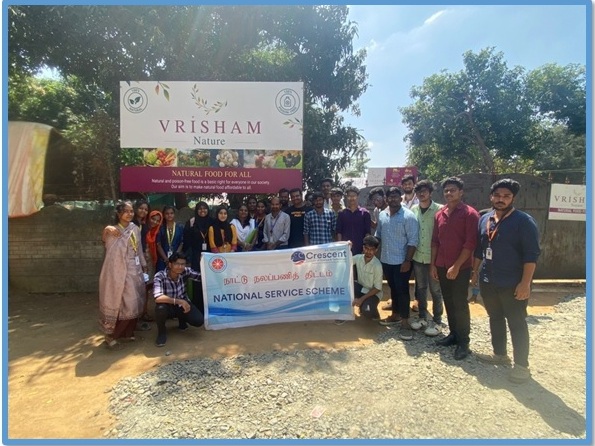
PART – I
sdg17

Advancing Sustainability: A Comprehensive Report on the B.S. Abdur Rahman Crescent Institute of Science and Technology’s Commitment to the Sustainable Development Goals

A. Advancing Sustainable Development Goals at B.S. Abdur Rahman Crescent Institute of Science and Technology
Commitment to Sustainability and the SDGs

The B.S. Abdur Rahman Crescent Institute of Science and Technology has demonstrated a robust commitment to sustainability and the Sustainable Development Goals (SDGs) through extensive partnerships with regional NGOs and government entities. These collaborations enable the university to contribute directly to the development and implementation of SDG-focused policies and initiatives at both local and national levels.

Diverse Partnerships Addressing Sustainability Challenges

The university’s partnerships span a wide range of organizations, each contributing unique expertise and resources. For example, collaboration with the Council of Scientific and Industrial Research (CSIR) – Central Leather Research Institute (CLRI) focuses on innovative biogas technologies to tackle energy and waste management challenges, aligning with SDG 7 (Affordable and Clean Energy) and SDG 12 (Responsible Consumption and Production). Additionally, engagement with the State Level Solid Waste Management Committee allows the university to provide industry-level insights for improving waste management systems, contributing to SDG 6 (Clean Water and Sanitation) and SDG 12.

Holistic Approach to Sustainable Development

The university’s collaborations with organizations such as Aloe Ecell, Cambridge Cleantech, and the Israeli National Center of Blue Economy reflect a deep understanding of the interconnectedness of environmental sustainability, technology, and regional development. These partnerships facilitate knowledge exchange, pilot innovative solutions, and co-create strategies that address complex challenges related to water management, renewable energy, and sustainable industries—all crucial for achieving the SDGs.

Engaging in Cross-Sectoral Dialogue for Sustainable Development

The B.S. Abdur Rahman Crescent Institute actively fosters cross-sectoral dialogue about the SDGs through various initiatives, including the 6th International Conference on Management, Accounting, Banking, Economics, and Business Research for Sustainable Development held on March 1st and 2nd, 2023. This conference served as a vital platform for academia, industry professionals, and policymakers to discuss pressing issues related to sustainable development.

Integrating Sustainability into Business Practices

During the conference, participants engaged in discussions emphasizing the integration of sustainable development principles into business practices. Notable speakers highlighted how entrepreneurship can drive social and environmental sustainability, showcasing the potential for academic and professional communities to contribute valuable insights to SDG policy formulation.

Building a Collaborative Framework for Future Initiatives

The successful execution of the conference laid the groundwork for ongoing relationships between academia, government, and NGOs. By engaging in meaningful discussions and sharing research findings, participants contributed to a collective understanding of the challenges and opportunities related to the SDGs. Moving forward, maintaining open lines of communication among stakeholders will enhance the effectiveness of policies that foster a low-carbon economy and achieve sustainable development.

Fostering International Collaboration for Sustainable Development Goals

The Crescent Institute is committed to international collaboration to advance the SDGs. On May 17, 2023, a significant meeting was organized with Mr. Hiroaki Yumoto, Chairman of the International SDGs Human Resource Support Association from Osaka, to explore collaborative opportunities with Japanese institutions. This cooperation aims to enhance cross-cultural learning experiences and promote knowledge sharing.

Enhancing Sustainable Development through International Internships

The Centre for International Relations (CIR) hosted a meeting focused on international internships related to sustainability projects. This initiative aligns with the university’s commitment to sustainable development by fostering direct involvement in policy development related to the SDGs. Students are provided opportunities to engage in hands-on experiences, enhancing their understanding of adaptive management practices.

Integrating Sustainability into the Academic Curriculum

The integration of sustainability into the academic curriculum is pivotal in fostering a culture of awareness and action among students. The B.Arch and B.Des programs include dedicated sustainability courses, ensuring that students are equipped with the knowledge and skills necessary to tackle contemporary environmental challenges. Furthermore, the curriculum incorporates SDGs into the Programme Educational Objectives (PEOs), reinforcing the importance of sustainable practices in architectural education.

Fostering Knowledge Exchange and Collaboration

The institution actively facilitates platforms for knowledge exchange through events such as international conferences and expert-led workshops. Recent conferences have brought together architects and experts globally to discuss sustainable practices in architecture. Regular engagement with industry experts during curriculum reviews ensures that academic programs remain relevant and responsive to emerging trends.

Research-Driven Solutions: Evaluating and Enhancing Practices

The Crescent Innovation and Incubation Council (CIIC) plays a crucial role in fostering collaboration for best practices in achieving the SDGs. CIIC hosts over 130 start-ups across various sectors and employs a Triple ‘M’ Strategy—Mentor, Money, and Market—to empower entrepreneurs to develop innovative solutions aligned with the SDGs. This strategic approach enhances individual start-up capacities and strengthens the broader societal impact of innovative solutions.

Showcasing Achievements through EDGE Certification

The institute’s commitment to sustainability is further exemplified through its green building projects, certified under the EDGE program. These projects showcase significant energy and water savings, reflecting the university’s dedication to creating a sustainable living and learning environment. The successful implementation of eco-friendly construction practices, such as the use of low-VOC paints and recycled materials, contributes to a smaller environmental footprint.

The B.S. Abdur Rahman Crescent Institute of Science and Technology exemplifies a proactive approach to advancing the Sustainable Development Goals through diverse partnerships, international collaboration, and a commitment to integrating sustainability into education and research. By fostering a culture of innovation and sustainability, the institute is paving the way for impactful solutions that contribute meaningfully to global challenges, reinforcing its dedication to the SDGs.

B. Enhancing Sustainability Literacy at B.S. Abdur Rahman Crescent Institute of Science and Technology

The B.S. Abdur Rahman Crescent Institute of Science and Technology is at the forefront of promoting sustainability literacy through innovative educational initiatives. By integrating sustainability principles into its curriculum and leveraging digital platforms, the institute is equipping students with the knowledge and skills necessary to address pressing global challenges. This comprehensive approach encompasses various programs, including the Social Awareness Club (SAC), the 17-day SDG Activity Challenge, and strategic collaborations with industry partners.

Sustainability Literacy through Digital Platforms
The Role of the Social Awareness Club

The Social Awareness Club (SAC) of the Department of Computer Science and Engineering exemplifies a transformative approach to sustainability literacy. Through its YouTube channel, SAC-CrescentCSE, the club breaks down complex sustainability concepts into accessible content. Each video serves as an educational tool, introducing fundamental principles such as the Sustainable Development Goals (SDGs), ecological interconnectedness, and systemic environmental challenges. By presenting information through engaging narratives and practical demonstrations, the channel enables viewers to develop a nuanced understanding of sustainability beyond traditional academic frameworks.

Critical Thinking and Practical Application

The content strategy of the SAC-CrescentCSE channel actively encourages critical thinking and a systems-based understanding of sustainability. Videos exploring themes like natural food systems and consumption patterns challenge viewers to analyze the interconnections between environmental, social, and economic systems. This holistic perspective cultivates essential critical analysis skills, enabling young audiences to recognize the complex relationships between individual actions and broader global sustainability challenges.

Moreover, the channel bridges theoretical knowledge with practical implementation strategies, providing actionable insights into sustainable practices. By highlighting local contexts and grassroots initiatives, it reinforces the ethical dimensions of sustainability, emphasizing social responsibility and community empowerment.

The 17-Day SDG Activity Challenge
Structured Engagement for Sustainability Literacy

The 17-day SDG Activity Challenge represents an innovative approach to enhancing sustainability literacy among students. This initiative systematically breaks down complex sustainability concepts by providing daily activities mapped to specific SDGs. Students are introduced to comprehensive SDG frameworks, context-specific learning experiences, and opportunities for hands-on learning across different domains.

The challenge promotes critical thinking and a systems approach by requiring daily task completion and reflection. Students are encouraged to submit their work in various formats—photos, artwork, videos, and articles—challenging them to connect individual actions with broader systemic impacts. This multifaceted engagement facilitates a deeper understanding of interconnected sustainability challenges.

Assessment and Future Learning Strategies

To enhance sustainability literacy, the challenge incorporates multiple assessment strategies, including pre and post-challenge evaluations, peer reviews, and performance-based recognition. By transforming passive viewing into active learning, the initiative creates a comprehensive ecosystem of sustainability education that extends beyond digital platforms.

Advancing Research and Innovation through Strategic Collaboration
The CGOM-NanoFold Collaboration

The partnership between Crescent Global Outreach Mission (CGOM) and NanoFold Inc. exemplifies how institutional collaborations can transform educational and research paradigms while addressing critical global challenges. This collaborative project integrates multiple scientific disciplines to tackle issues related to sustainable materials and energy storage.

By connecting academic research with real-world industrial requirements, the collaboration provides practical context to theoretical sustainability concepts. It fosters systems thinking, critical analysis, and problem-solving skills, enabling students and faculty to engage in cutting-edge projects that align with sustainable development goals.

Ethical and Social Responsibility

The CGOM-NanoFold collaboration emphasizes ethical and social responsibility by aligning with national sustainable development goals and promoting responsible innovation. This partnership not only positions the institute as a leader in sustainable research but also inspires future scientific innovators to contribute to the national sustainable development agenda.

Curriculum Integration for Sustainable Development
Commitment to Meaningful Education

The integration of sustainability-focused courses across diverse academic disciplines is vital for preparing a generation capable of meeting the challenges posed by the SDGs. The civil engineering department, for instance, offers courses like “Environmental Studies” and “Water and Wastewater Engineering,” which are aligned with SDG 6, emphasizing clean water and sanitation.

Courses such as “Social Entrepreneurship” within the management studies framework contribute significantly to achieving SDG 8, focusing on decent work and economic growth. By empowering students to create sustainable business models, these courses foster economic empowerment and social change.

Interdisciplinary Collaboration

Interdisciplinary courses like “Green Design and Sustainability” and “Smart Cities” emphasize the collaborative nature of addressing sustainability challenges. By encouraging students from various departments to work together, these programs foster a culture of sustainability across the institution, preparing future professionals to approach environmental, social, and technological challenges holistically.

The B.S. Abdur Rahman Crescent Institute of Science and Technology is making significant strides in enhancing sustainability literacy through innovative educational initiatives, digital engagement, and strategic collaborations. By integrating sustainability principles into its curriculum and fostering critical thinking, practical application, and ethical awareness, the institute is preparing students to become empowered individuals ready to make meaningful contributions to their communities and the world at large. Through these efforts, the institute is not only advancing its educational mission but also playing a crucial role in addressing global sustainability challenges.

PART – II: Progress Measurement

SDG17: Partnerships for the goals

4 to 5There is significant progress in effective implementation compared to the previous year
3 to 4The necessary processes/activities (Relationships with regional NGOs and government for SDG policy, Publication of SDG reports, Education for the SDGs) have been implemented
2 to 3There is an explicit plan to address the ‘Partnerships for the goals’ and necessitated processes have been initiated
1 to 2There is an understanding and willingness to contribute effectively for achieving the UN targets of SDG 17
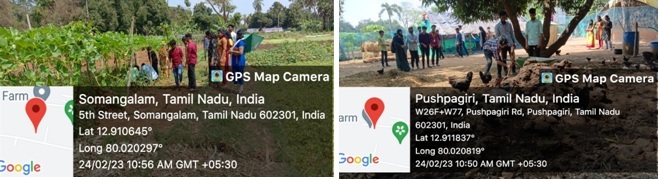
0 to 1There is no/partial willingness and plan to contribute for achieving the UN targets of SDG 17 Partnerships for the goals
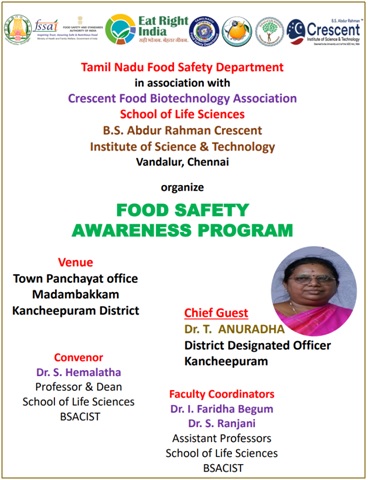
PART – III: SDG Accord

Please find the Report: SDG ACCORD REPORT

EDUCATION FOR THE SDGS COMMITMENT TO MEANINGFUL EDUCATION

SDGs interwoven Curriculum Development considering Washington Accord Graduate Attributes and Professional Competencies

B.S. Abdur Rahman Crescent Institute of Science and Technology has been following outcome-based education since 2013 and adopted the graduate attributes of the National Board of Accreditation (NBA), New Delhi, which is a signatory member of the Washington Accord. Our curriculum of each undergraduate and postgraduate degree program is designed by following an outcome-based framework and Commonwealth curriculum framework for Sustainable Development goals. The revised graduate attributes of WA are:

Table XVII (4.1) – 1: Graduate Attribute Profiles by International Engineering Alliance (IEA)

Differentiating CharacteristicEngineer Graduate
Engineering Knowledge: Breadth, depth and type of knowledge, both theoretical and practicalWA1: Apply knowledge of mathematics, natural science, computing and engineering fundamentals, and an engineering specialization as specified in WK1 to WK4 respectively to develop solutions to complex engineering problems
Problem Analysis Complexity of analysisWA2: Identify, formulate, research literature and analyze complex engineering problems reaching substantiated conclusions using first principles of mathematics, natural sciences and engineering sciences with holistic considerations for sustainable development* (WK1 to WK4)
Design/developm ent of solutions: Breadth and uniqueness of engineering problems i.e., the extent to which problems are original and to which solutions have not previously been identified or codifiedWA3: Design creative solutions for complex engineering problems and design systems, components or processes to meet identified needs with appropriate consideration for public health and safety, whole-life cost, net zero carbon as well as resource, cultural, societal, and environmental considerations as required (WK5)
Investigation: Breadth and depth of investigation and experimentationWA4: Conduct investigations of complex engineering problems using research methods including research- based knowledge, design of experiments, analysis and interpretation of data, and synthesis of information to provide valid conclusions (WK8)
Tool Usage: Level of understanding of the appropriateness of technologies and toolsWA5: Create, select and apply, and recognize limitations of appropriate techniques, resources, and modern engineering and IT tools, including prediction and modelling, to complex engineering problems (WK2 and WK6)
The Engineer and the World: Level of knowledge and responsibility for sustainable developmentWA6: When solving complex engineering problems, analyze and evaluate sustainable development impacts* to: society, the economy, sustainability, health and safety, legal frameworks, and the environment (WK1, WK5, and WK7)
Ethics: Understanding and level of practiceWA7: Apply ethical principles and commit to professional ethics and norms of engineering practice and adhere to relevant national and international laws. Demonstrate an understanding of the need for diversity and inclusion (WK9)
Individual and Collaborative Team work: Role in and diversity of teamWA8: Function effectively as an individual, and as a member or leader in diverse and inclusive teams and in multi-disciplinary, face-to-face, remote and distributed settings (WK9)
Communication: Level of communication according to type of activities performedWA9: Communicate effectively and inclusively on complex engineering activities with the engineering community and with society at large, such as being able to comprehend and write effective reports and design documentation, make effective presentations, taking into account cultural, language, and learning differences.
Project Management and Finance: Level of management required for differing types of activityWA10: Apply knowledge and understanding of engineering management principles and economic decision-making and apply these to one’s own work, as a member and leader in a team, and to manage projects and in multidisciplinary environments.
Lifelong learning: Duration and mannerWA11: Recognize the need for, and have the preparation and ability for i) independent and life-long learning ii) adaptability to new and emerging technologies and iii) critical thinking in the broadest context of technological change (WK8)
*Represented by the 17 UN Sustainable Development Goals (UN-SDG)
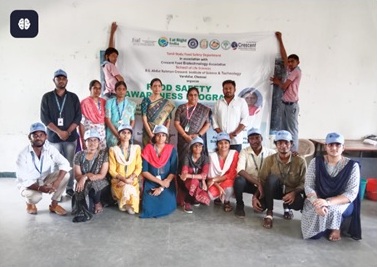
Aim of the Curriculum Framework

The Curriculum Framework is intended to be a flexible, non-prescriptive tool that follows a competency development model through a combination of knowledge, skills, values and attitudes. It also aims to enable the delivery of the SDGs by ensuring that each population has the relevant skills, knowledge, values and attitudes for social, economic and environmental development, and to work in partnership to create peaceful societies.

The Curriculum Framework can support the design, delivery and evaluation of national curricula across the Commonwealth, set the foundations for research and development, provide consistency across programmes for achieving the SDGs, and support the creation of learning and evaluation tools to align with the framework.

This framework will guide degree programmes in defining their contextual needs and the basic requirements related to competencies that must be demonstrated or acquired in order to achieve the objectives of the SDGs through education.

The framework includes the following three components, which make up the competencies that learners develop (i.e. integrated competencies that consist of an interrelated set of competencies including foundational knowledge): (1) knowledge, (2) skills, and (3) values and attitudes. Appropriate knowledge and understanding provide fundamental opportunities for skills development and sharing of values and attitudes, while values and attitudes enable skills to be successfully deployed within the knowledge context.

Purpose of the Curriculum Framework

The purpose of the framework is to develop successful learners, confident individuals, and responsible citizens who are resilient and uphold the core values and principles Core competencies

Sustainable development depends critically on the competencies of all citizens to cover knowledge, skills, values and attitudes that build on individual capacity. These include team building, communication, decision making, problem solving, sense of community, self-esteem, personal responsibility, empathy, moral development, ethics, values, resilience and improved inclination for educational achievement.

Alongside traditional learning outcomes, core competencies for achieving the SDGs are:

  1. Envisioning – being able to imagine a better future. The premise is that when we know where we want to go, we will be better able to work out how to get there. The objective is to establish a link between long-term goals and immediate actions, and to motivate people to take action by harnessing their deep aspirations. Under this competency, key elements are: – identifying relevance and meaning to different people; – exploring how to achieve change; – offering direction and inspiration to take action; and – taking ownership of visions, processes and outcomes.
  2. Critical thinking and reflection – learning to question our current belief systems and to recognise the assumptions underlying our knowledge, perspectives and opinions. Critical thinking helps people learn to examine economic, environmental, social and cultural structures in the context of sustainable development, and challenges people to examine and question the underlying assumptions that influence their world views by having them reflect on unsustainable practices. Critical thinking leads to confidence in addressing the dilemmas and challenges of sustainable development. It encompasses the knowledge, skills and processes associated with intellectual development. Under this competency, key elements are: – developing the ability to participate in change; – providing a new perspective; – promoting alternative ways of thinking; and – developing metacognitive awareness.
  3. Systemic thinking – acknowledging complexities and looking for links and synergies when trying to find solutions to problems. Systemic thinking helps us recognise that the whole is more than the sum of its parts, and it is a better way to understand and manage complex situations. Under this competency, key elements are: – shifts in thinking from ‘things’ to wholes, and linking these to ‘processes’ and functions – understanding the nature of feedback and how feedback affects system behaviour; and – integrating decision-making and adaptive management techniques
  4. Building partnerships – promoting dialogue and negotiation, learning to work together so as to strengthen ownership of and commitment to sustainable action through education and learning. Under this competency, key elements are: – building a shared vision among a diverse range of stakeholders; – motivating and adding value to initiatives; and – communicating, imparting and exchanging information.
  5. Participation in decision-making – empowering oneself and others. This means being involved and involving people in joint analysis, planning and control of local decisions. Under this competency, key elements are: – decision-making and responsibility for outcomes; – a greater sense of ownership of and commitment to responsible action; – building capacity for self-reliance and self-organisation; and – empowering individuals to take action. Competencies relate to an aggregation of corresponding cognitive and practical skills, knowledge, motivation, values and ethics, attitudes, emotions, and other social and behavioural components that can be pulled together to achieve an aim in a specific setting (Rychen and Tiana 2004). According to the Institute of Electrical and Electronics Engineers (IEEE) reusable competency definition, a competency is defined as any form of knowledge, skill, attitude, ability or educational objective that can be described in a context of learning, education or training: ‘The goal of most learning, education and training is to acquire skills, knowledge and ability, i.e. competencies. Recognizing and validating the competencies that individuals have or should acquire are also fundamental to staffing, recruiting, credentialing, personal advancement, workforce development, curriculum development and policy making.
Methodology and review process

The methodology and review process for developing the Curriculum Framework entailed a number of phases: a literature review, including available national curricula, and consultative processes with member countries and relevant experts and partners. These included several technical workshops, as well as internal cross-divisional discussions and feedback.
Integrated competencies and learning outcomes are specified in three categories – knowledge, skills, and values and attitudes are shown in Figure.

Figure XVII (4.1) – 1: The three categories (knowledge, skills, and values and attitudes) of Integrated competencies and learning outcomes

The framework is developed as a matrix model with indicative core competencies that could be used to map the 17 SDGs (or as an auditing tool for the 17 SDGs).
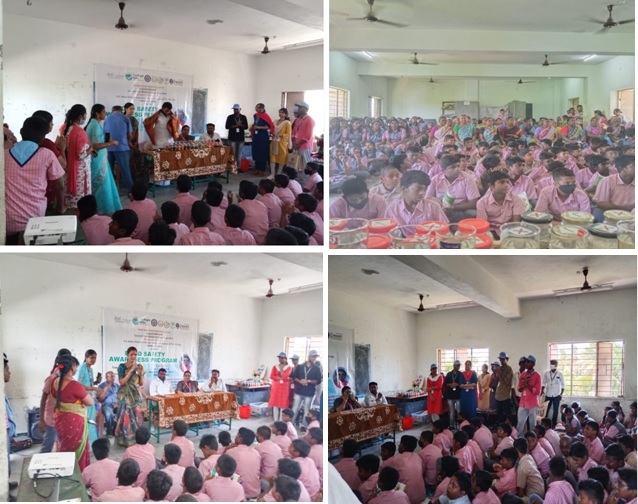
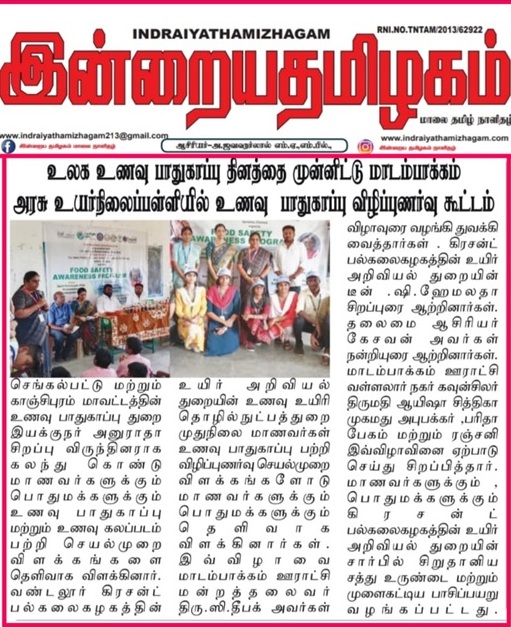
Curriculum Framework mapping: overview

The following tables describe how education across all levels can shape learning outcomes, applying the competencies-based methodology. Each SDG is broken down to illustrate how this systematic methodology can be applied at technical/higher education and across all SDGs for the development of engaged global citizens, driven to support the achievement of the SDGs.

References:

https://www.ieagreements.org/assets/Uploads/IEA-Graduate-Attributes-and-Professional-Competencies-2021.1-Sept-2021.pdf
https://www.greenwich.edu.pk/images/PDFs/CFSDG_UPDF-003.pdf

Table XVII (4.1) – 2: Professional Competencies for all levels of education towards achieving the SDGs 1 – 17
 

Goal 1 – No Poverty

 Knowledge and understandingSkills and applicationsValues and attitudes
TVET
  • Knowledge of different poverty alleviation and eradication strategies.
  • Training for livelihood improvement and poverty reduction, including access to decent work (including informal sectors and non-traditional areas).
  • Training to access decent jobs and support smallholder market and inclusive business models.
  • Micro-finance and youth learning.
  • Training in non-agricultural occupations and non-traditional areas to respond to labour market demand.
  • Sustainable economic enterprises.
  • Training for workers in the informal sector (including small and micro-enterprises) for livelihood improvement and poverty reduction.
  • Developing an understanding of economic sustainability.
  • Understanding of pro-poor and gender-sensitive development strategies, social protection systems and measures.
  • Knowledge of skills and competencies required to succeed in work.
  • Ability to plan, implement and evaluate economic and social empowerment strategies and endeavours.
  • Development of communication and negotiation skills for social development and financial application.
  • Development and application of skills and aptitudes that allow engagement, adaptability and resilience within changing labour markets and economies.
  • Ability to act on opportunities and have an understanding of how these initiatives can meet social and economic needs in the community.
  • Demonstrate the basic skills and behaviours of entrepreneurship – risk, initiative, organisation, confidence, communication and collaboration.
  • Productive participation in society.
  • Self-assessment of personal values in choosing work, considering livelihood generation in relation to personal, community and societal needs.
  • Considers benefits and drawbacks of different choices.
  • Proactive.
  • Contribute to a human resource base that supports poverty reduction and inclusive growth.
Tertiary education
  • Complex understanding of the relationship between poverty, economics, power, conflict, inequality and other environmental, social and economic issues.
  • Research on global development and current societal need to identify skills demand in priority industries.
  • In-depth research on poverty alleviation and sustainable development, locally and globally.
  • Financial education to improve micro-finance projects.
  • Research the relationships between poverty, vulnerability and other stressors that are impacted further by climate change.
  • Complex financial and economic skills.
  • Skills to support development co-operation activities.
  • Ability to explain the relationship between poverty and other economic, social and environmental shocks and disasters.
  • Application of data collection and analysis skills to develop strategies for poverty alleviation (e.g. report on consequences of poverty).
  • Identify methods for mitigation and resilience.
  • Ability to participate in debates related to poverty.
  • Concern for social justice.
  • Pro-poor awareness.
  • Willingness to engage in social, economic and political inclusion of all groups (including vulnerable populations, disadvantaged groups and migrant workers).
  • Motivated to influence decision making related to poverty eradication, and participation in pro-poor development and poverty eradication activities.

Goal 2 – Zero Hunger

 Knowledge and understandingSkills and applicationsValues and attitudes
TVET
  • Entrepreneurial and business skills courses to improve agricultural practices.
  • TVET programmes on sustainable food systems that include environment, people, inputs, processes, infrastructures, institutions, etc., and activities that relate to the production, processing, distribution, preparation and consumption of food.
  • Supply chain food safety management systems.
  • Nutrition, crop diversification and farm management.
  • Farm forestry; non-wood forest products and links with farming; artisanal food production; food tourism.
  • Conducting a community audit to identify hunger and possibilities for food security and food gardens.
  • Rural youth appreciate and enter a broader range of new technical areas such as farm management, agribusiness development, value addition and marketing.
  • Understand and measure the income opportunity of a farm food business in added value food production and/or food tourism.
  • Awareness of the cost issues of animal treatment, husbandry and feed alternatives.
  • Promote best practice to ensure food safety in agriculture sector, food processing industries, food distribution system and in food value chains.
  • Supervisors and managers appreciate nutritional needs of the workforce and ensure improved access to food at work through canteens and meal subsidies.
  • Adaptive capacity among small-scale farmers.
  • Motivated to become successful rural entrepreneurs.
  • Appreciate artisan food production and food tourism as complementary to farming, adding value to entrepreneurial diversification and innovation.
Tertiary education
  • Research on food security and basic nutritional and calorie requirements for human populations.
  • New areas of training in agriculture and food supply: environment and natural resource management, biotechnology, farming systems management and agribusiness.
  • Conservation agriculture and agroforestry for enhancing food production in an ecologically sustainable fashion, and for providing mechanisms to expand and diversify livelihood options.
  • Research on how to optimise conservation agriculture practices, including agroforestry and farmer-managed natural tree regeneration, conservation tillage, contouring and terracing, and mulching for strengthening ecological and social resilience.
  • Impact of climate change on food security (production, access, availability, including transport, processing, storage, marketing and consumption).
  • Climate change, energy, agriculture and food security nexus, within the context of sustaining and enhancing ecosystem services and agrobiodiversity.
  • Building socio-economic resilience of communities through climate-smart agriculture.
  • Ensure sustainable food production systems and implement resilient agricultural practices that increase productivity and production.
  • Ability to consider the relationships between nutrition, lifestyle, health and disease, and take appropriate measures.
  • Understanding of diversity, interdependence and global connections that are critical to achieving and maintaining food security and eliminating hunger.
  • Develop policies for the food and agriculture sectors (both agriculture and fisheries) and welfare policies.
  • Adoption of sustainable land use practices.
  • Understanding of potential interactions between climate change and other key drivers of food prices that act at national, regional, and global scales, and how these can be moderated.
  • Generate human capital for research and advisory services.
  • Commitment to developing national policies and mainstreaming of food security concerns and awareness, at all levels.
  • Adopt transformational change in agriculture and food systems to address environmental, social and economic challenges, and contribute to social equity and environmental stewardship in contexts of natural resource scarcity.
  • Protect, promote and monitor rights and non- discrimination: right to adequate food and to be able to feed oneself in dignity, and all other related rights employment, land and water rights, with a focus on marginalised groups, poor households, children and women.
  • Resilient to climate change impacts on food security including on livestock, fisheries and aquaculture.
  • Respect for traditional medicine and indigenous knowledge systems.
  • Enhanced producers’ capacities for innovation, and generating human capital for research and advisory services.

Goal 3 – Good Health and Well-being

 Knowledge and understandingSkills and applicationsValues and attitudes
TVET
  • Knowledge of different poverty alleviation and eradication strategies.
  • Training for livelihood improvement and poverty reduction, including access to decent work (including informal sectors and non-traditional areas).
  • Training to access decent jobs and support smallholder market and inclusive business models.
  • Micro-finance and youth learning.
  • Training in non-agricultural occupations and non-traditional areas to respond to labour market demand.
  • Sustainable economic enterprises.
  • Training for workers in the informal sector (including small and micro-enterprises) for livelihood improvement and poverty reduction.
  • Developing an understanding of economic sustainability.
  • Understanding of pro-poor and gender-sensitive development strategies, social protection systems and measures.
  • Knowledge of skills and competencies required to succeed in work.
  • Ability to plan, implement and evaluate economic and social empowerment strategies and endeavours.
  • Development of communication and negotiation skills for social development and financial application.
  • Development and application of skills and aptitudes that allow engagement, adaptability and resilience within changing labour markets and economies.
  • Ability to act on opportunities and have an understanding of how these initiatives can meet social and economic needs in the community.
  • Demonstrate the basic skills and behaviours of entrepreneurship – risk, initiative, organisation, confidence, communication and collaboration.
  • Productive participation in society.
  • Self-assessment of personal values in choosing work, considering livelihood generation in relation to personal, community and societal needs.
  • Considers benefits and drawbacks of different choices.
  • Proactive.
  • Contribute to a human resource base that supports poverty reduction and inclusive growth.
Tertiary education
  • Complex understanding of the relationship between poverty, economics, power, conflict, inequality and other environmental, social and economic issues.
  • Research on global development and current societal need to identify skills demand in priority industries.
  • In-depth research on poverty alleviation and sustainable development, locally and globally.
  • Financial education to improve micro-finance projects.
  • Research the relationships between poverty, vulnerability and other stressors that are impacted further by climate change.
  • Complex financial and economic skills.
  • Skills to support development co-operation activities.
  • Ability to explain the relationship between poverty and other economic, social and environmental shocks and disasters.
  • Application of data collection and analysis skills to develop strategies for poverty alleviation (e.g. report on consequences of poverty).
  • Identify methods for mitigation and resilience.
  • Ability to participate in debates related to poverty.
  • Concern for social justice.
  • Pro-poor awareness.
  • Willingness to engage in social, economic and political inclusion of all groups (including vulnerable populations, disadvantaged groups and migrant workers).
  • Motivated to influence decision making related to poverty eradication, and participation in pro-poor development and poverty eradication activities.

Goal 4 – Quality Education

 Knowledge and understandingSkills and applicationsValues and attitudes
TVET
  • Skills for employability and entrepreneurship courses.
  • Sustainable development.
  • Eco-space, ecological footprint, natural capitalism, eco- efficiency.
  • Lifecycles analysis, triple bottom line, environmental management system.
  • Economic literacy, sustainable production/consumption.
  • Managing small enterprises.
  • Application of ‘6 Rs’: reduce, reuse, renew, recycle repair and rethink perspectives.
  • The changing nature of work.
  • Work independently and in teams, with integrity and honour, honesty, punctuality and responsibility.
  • Adapt to varying situations.
  • Identify existing TVET programmes that need to be updated.
  • Use logical–abstract thinking to diagnose problems, research and apply knowledge to propose solutions, and design and implement those solutions.
  • Application of concepts related to sustainable development in the work place.
  • Values education, continues learning and pursues lifelong education in a learning society.
  • Value and unleash the transformative potential of TVET.
  • Plan a quality education awareness campaign or a community teaching and learning project.
  • Envisioning alternative ways of working.
Tertiary education
  • Education as a public good.
  • Education as a global common good.
  • Education as a fundamental human right and a basis for guaranteeing the realisation of other rights.
  • Sustainable development education and lifelong learning.
  • Teacher education, pedagogy and andragogy.
  • Competency–based curriculum and assessment of learning outcomes.
  • Governance and management.
  • Science, technology, engineering and mathematics (STEM)– related programmes and courses.
  • Reconceive education to allow space for diverse ways of knowing and new ways of being and becoming that reflect inclusivity.
  • Build on SDG 4 to find out where people’s true interests lie and help to make training in these fields possible.
  • Describe the relationship between education and sustainable development.
  • Describe the situational context of learning in local and national domains.
  • Analyse the role that educators might play in degendering education.
  • Research factors that affect success in primary and secondary education.
  • Appreciation of the intrinsic value of quality education for all.
  • Ambition to succeed in the larger community and the global realities of work and life.
  • Appreciate and value the social benefits of education.
  • Value different forms of knowledge including indigenous knowledge.
  • Value education as a tool to act upon societal inequities.
  • Appreciate education as a fundamental human right.
  • Living and working with children: growth and development programmes for parents and teachers.
  • Training to improve the capacity of the early childcare workforce.
  • Understanding of the range of human rights as interrelated with education.
  • The situational domain of teaching and learning nationally and globally.
  • Understand the concept of education for sustainable development.
  • Application of knowledge to create age-appropriate learning environments for preschoolers and primary- school pupils.
  • Ability to deliver education based on the multifaceted nature of and the various influences on child development and the universal rights of children (the right to food, shelter, safety and a peaceable existence).
  • Awareness of the value of inclusivity.
  • Appreciation of gender equality.
  • Commitment to the human rights agenda.
  • Contribute to nation building and economic and social development through education.
  • Value ECCE as the starting point for lifelong learning.
  • Empowered kindergarten teachers and mothers, especially from underserved families.

Goal 5 – Gender Equality

 Knowledge and understandingSkills and applicationsValues and attitudes
TVET
  • Gender economics.
  • Barriers to women’s education and economic participation.
  • Gender mainstreaming on issues of budgeting, development, etc.
  • Analyse how gender inequality affects women in health, education, the labour market and national political participation, and develop solutions.
  • Call to action.
  • Analysis of gendered situations.
  • Advocacy for good leadership qualities.
  • Deepen understanding of gender inequality.
Tertiary education
  • Barriers to women’s education and economic participation.
  • Teacher development and awareness of hidden curricula.
  • Teacher development of inclusive education for girls.
  • Encouraging men/boys to participate in discussions on the impact of patriarchal social relations.
  • Focus on boys for developing an understanding of equality.
  • Laws and regulations that guarantee women and men full and equal access to sexual and reproductive health care, information and education.
  • Gender budget tracking.
  • Analyse the role of the hidden curriculum in education.
  • Ability to develop gender-neutral curricula and implement gender-neutral teaching practices.
  • Give equal attention and treatment to boys and girls.
  • Track public allocations for gender equality.
  • Awareness of the hidden curriculum and how this supports gender inequality.
  • Deepen understanding of gender inequality, particularly within education settings.
  • Gender responsive classroom interaction.
  • Greater social accountability.
  • Better design and implementation of programmes and policies that support marginalised girls and women.

Goal 6 – Clean Water and Sanitation

 Knowledge and understandingSkills and applicationsValues and attitudes
TVET
  • Water supply technology: maintenance and monitoring machines and plants for water production, preparing, routing, laying and repairing water pipes.
  • Wastewater technology: preparing wastewater and maintaining wastewater pipe systems, and monitoring and steering operations in sewage treatment plants and canal systems.
  • Recycling and waste disposal management: organising the collection and sorting of waste, its reuse or environmentally sound disposal.
  • Pipe, canal, and industrial services: cleaning, monitoring and attending wastewater pipelines and canals, tanks and waste structures in the private and public spheres.
  • Assessment of energy and water use for wastewater management systems, improved renewable energy use, enhanced water storage and water resource management.
  • Skills and capacity (including through TVET) to use natural resources more sustainably and promote hygiene.
  • Ability to harness wind, solar, hydropower and geothermal energy.
  • Monitor the evolution of knowledge and technology in the water use; identify existing TVET programmes that need to be updated.
  • Involvement in renewable energy technologies.
  • Demonstrate knowledge about the possibilities for keeping water and air clean, for waste disposal and recycling.
  • Promote information about the effects environmental protection measures will have on businesses.
  • Make professional contributions to societal transformation.
  • Take interest in greening TVET institutions.
  • Raise awareness of the need to save water and the link between unsafe drinking water and disease.
Tertiary education
  • Innovation in technology management, including integrated water resource management and treatment, and environmental modelling.
  • Soil and water resource management practices, including improved methods for rainwater harvesting and irrigation.
  • Transdisciplinary water security and research.
  • Research on scarcity of fresh water, particularly in small island states.
  • Governance to address water management crisis.
  • Water security.
  • Sustainable water resource base.
  • Water infrastructure resilience, water governance and adaptive management.
  • Water security complexities including competing demands (e.g. human right v. commodification), transboundary management.
  • Links between water resources, poverty, conflict and the economy.
  • Understanding of inequalities and complexities involved in water resource access and use, pollution, poverty.
  • Use ICT to improve accountability of service providers.
  • Capacity to set up low-cost and easy-to-manage technology to address groundwater scarcity.
  • Implement water audits for populations to appreciate their water situation in a conscious way.
  • Develop financially sustainable models for water projects, using fees and tariff structures that reflect future costs, and manage usage while subsidising water access for the poor.
  • Innovation in technology and governance for sustainable water management.
  • Water demand analysis and management, water demand modelling, water distribution systems analysis.
  • Develop and implement water-related climate change mitigation and adaptation strategies.
  • Applied research to promote access to clean water and sanitation in resource-poor areas.
  • Committed to reducing the ecological footprint by environmentally friendly management of energy, water and other resources, waste management and reducing emissions.
  • Make professional contributions to societal transformation.
  • Raise awareness of current water crises.
  • Reduce water usage and avoid releasing effluent.
  • Solution-minded approach to sustainable water use and ecosystem health.
  • Valuing water and sanitation as a human right, and proactive in addressing inequalities and competing uses.

Goal 7 – Affordable and Clean Energy

 Knowledge and understandingSkills and applicationsValues and attitudes
TVET
  • Different types of energy, with a focus on renewable energy.
  • Renewable energy infrastructure and technologies, and energy efficiencies.
  • Research into green trade opportunities.
  • Highlight link between energy and climate change, mitigation and adaptive strategies.
  • Energy and environmental management, auditing, design and implementation of sustainable energy transitions.
  • Promotion of improved energy conservation and uptake of renewables.
  • Green and renewable energy skills, application of renewable energy technologies.
  • Increased awareness of the need for sustainable energy production.
  • Ethical awareness pertaining to energy production and consumption.
  • Environmental consciousness and advocacy for mainstream change.
Tertiary education
  • Complex understanding of the political, social and economic dimensions of energy, e.g. conflicting interests, rights of indigenous peoples, etc., and environmental and economic policies.
  • In-depth research into green economy (e.g. trade opportunities, green investment, improvement models that support pro-poor growth and development, etc.).
  • Research into sustainable energy development, costs and competition, alternative forms, socio-economic implications, etc.
  • Energy, climate and pro-poor modelling and design.
  • Economic and energy research to drive the transition towards a green economy.
  • Managing and sustaining energy transitions and green trade opportunities.
  • Research and development of energy sources, infrastructure and technological innovations (e.g. energy system engineering and design, wind mapping/modelling, heat storage).
  • Engagement with stakeholders to support co-operative change.
  • Advocate political change for a green economy and participation in development.
  • Collaborative and proactive approach to change, and need for collective action.
  • Focus of expanding and advancing technology, infrastructure and affordable access in developing countries.
  • Motivated to influence cultural shift for sustainable energy adoption and addressing climate change.
  • Concern for equitable access, and availability of safe and affordable energy solutions.

Goal 8 – Decent Work and Economic Growth

 Knowledge and understandingSkills and applicationsValues and attitudes
TVET
  • Contribution of an economy to the well-being of people.
  • Understanding financial systems and their influence on economic development (investment, credit, interest rates, inflation and the stock exchange).
  • Formalised on-the-job training and vocational education, featuring closer interaction between educational institutions and industry.
  • Small and medium-sized enterprise business training.
  • Role of co-operatives in the global economy.
  • Identify children at risk of child labour and work to make sure they attend school.
  • Improve working conditions and social protection.
  • Conduct needs assessment surveys.
  • Ability to conduct a community audit in relation to sustainability.
  • Establish decent work compliance in supply chains.
  • Capacity to set up or manage co-operatives, including utility co-operatives and credit unions.
  • Campaign against forced labour and trafficking.
  • Encourage formalisation and growth of micro, small and medium-sized enterprises including access to financial services.
  • Coping mechanism and resilience in times of hardship and adversity.
  • Limit exposure to physical/mental health risk factors, as well as to chemicals in the workplace.
  • TVET content adapted to life and job market requirements in terms of skills.
  • Training for rural entrepreneurs, including women and young people.
  • Ability to access micro-credit, capacity building, technical support and mentoring to lead business models.
  • Motivated to become entrepreneurs.
  • Respect rights to fair and just conditions of work.
  • Education content and training in line with economic changes and demand for ‘green skills’ and ‘green jobs’.
  • Training for local leaders to improve their practices and responsiveness to enhance local services.
  • Training for labour inspectors.
  • Practical application of ways of increasing access and employment opportunities for others.
  • Ability to respond to employers’ expectations.
  • Knowing that each individual has a role in providing solutions (agency).
  • Take initiative to ensure that the voice of the poor and marginalised is heard.
  • Recognise rural women as farmers and workers.
Tertiary education
  • Changing role of technology.
  • Understanding and matching skills to jobs in a changing environment.
  • Understanding of the labour market requirements and changing educational expectations.
  • Principles of business.
  • Formal and informal labour rights.
  • Individual/psychological effects of unemployment.
  • Nature and condition of work.
  • Impact of current economic decision making on growth of businesses, manufacturing, and availability of decent jobs.
  • Understanding of how present approaches to the world and national economic planning may undermine the potential of youth/adolescent employment roles and opportunities.
  • Theoretical assumptions, models and indicators of economic growth (GDP, Gini index).
  • Structural causes, patriarchal norms, values and practices that do not consider women as individual rights holders, workers and key players for the economic development of countries.
  • Economical use of resources.
  • Analyse labour markets to increase employment impact.
  • Research, analyse and interpret examples of inequality.
  • Critically analyse the root causes and systems of inequality in the labour market and the differentiation of income.
  • Compare the impact of profit-driven capitalism and conscious capitalism in terms of employment opportunities and the availability of decent work.
  • Develop labour migration indicators, including wage gap between migrants and nationals.
  • Develop time-use data (time spent in paid and unpaid work, by gender).
  • Identify roots of inequalities in labour.
  • Capacity to assess risks associated with poverty, exclusion and youth not engaged in the world of work.
  • Ability to respond to social change.
  • Global citizenship.
  • Active citizenship.
  • Resilience.
  • Collaborative problem solving and learning.
  • Sensitivity to geopolitical forces.
  • Appreciation of the value of hard work.
  • Recognise that inequality is human made and can therefore be addressed.
  • Belief in the human ability to solve problems.
  • Valuing all roles in society.
  • Responding and acknowledging interconnectedness.
  • Making ethical choices and taking action to ensure rural women’s access, ownership and control of livelihoods.
  • Women’s participation in decision making, governance and management of productive and natural resources (land, water, forests, livestock, etc.).
  • Resilient, successful workforce.

Goal 9 – Industry, Innovation and Infrastructure

 Knowledge and understandingSkills and applicationsValues and attitudes
TVET
  • Understanding of concepts of sustainable infrastructure and industrialisation, and challenges in achieving sustainability.
  • Knowledge of systemic and sustainable approach to development.
  • An awareness of new opportunities and markets for sustainability innovation, infrastructure and industrial development.
  • Understanding of value chains and markets.
  • Understanding of different regional, national and transborder needs and challenges.
  • Understanding of sustainability, environmental and health standards in industry.
  • Application of specialised skills to build resilient infrastructures, environmentally sustainable technologies and more sustainable industrialisation.
  • Holistic analysis and application of best practice.
  • Planning and design of sustainable infrastructure and management systems.
  • Entrepreneurship.
  • Development of entrepreneurial opportunities and small- scale industrial services.
  • Development and upgrading of technologies; provision of technical support.
  • Innovation to contribute to sustainable infrastructure and development.
  • Developing an awareness/consciousness of the need for sustainability.
  • Proactive in mainstreaming of sustainable infrastructure.
  • Resilient and sustainable economic development.
  • Co-operation and capacity building.
  • Greening of industry, infrastructure and service provision.
  • Appreciation for the need for decent work.
  • Awareness of social and environmental impacts of industrialisation and infrastructure choices.
  • Promotion of best practice and upholding industry standards.
  • Corporate responsibility.
  • Tertiary education
  • Research into innovations to contribute to sustainable infrastructure, development, industrial diversification and mitigating harm from pollution and climate change.
  • The sustainability of transport infrastructure.
  • Understanding of complex economic, social, political, cultural and historic industrial interrelationships (e.g. power dynamics, pollution outsourcing).
  • Education for application of science, technology and innovation in sustainable practices.
  • Development of expertise (e.g. specific economic and infrastructure areas).
  • Research, technological improvements and innovations.
  • Inform economic decision making (e.g. policy development, industrial diversification options).
  • Promotion of economic, social and environmental arguments for private sector and government to increase research and development, knowledge and technology support.
  • Incorporation of integrative and long-term thinking/planning.
  • Research, innovation and ICT application for solutions to sustainable development challenges.
  • Campaign for inclusive and sustainable industrialisation.
  • Encourage technological and financial support across countries.
  • Support for increased financial and human contributions for research and development.
  • Engagement with policy-makers and industry leaders.

Goal 10 – Reduced Inequalities

 Knowledge and understandingSkills and applicationsValues and attitudes
TVET
  • Use of new technologies such as big data and cloud computing to gain new insights to enhance risk and opportunity analysis.
  • Cash remittance technologies.
  • Low-cost, safe and highly accessible remittance services.
  • Regulation and monitoring of global financial markets.
  • Develop strategies to increase access of vulnerable groups to financial services.
  • Leverage new technologies such as mobile money payment services to create more efficient and effective operating and distribution models for new markets, which extends financial inclusion.
  • Devise approaches to facilitate basic infrastructure and financial services in rural and peri-urban areas to improve economic opportunities for poor people.
  • Willingness to serve disadvantaged communities in a philanthropic manner.
Tertiary education
  • Links between poverty, child development outcomes and widening inequalities.
  • Financial education including financial services (innovations in savings, insurance, payments and remittances).
  • ODA, foreign direct investment and migrant remittances.
  • Understand the impact of inequalities across income, age, sex, disability, race, ethnicity, origin, religion, and economic or other status.
  • Designing, planning, monitoring and evaluation of mechanisms for inequality and data on provision of social services, with regular monitoring of social security coverage.
  • Develop strategies to remove structural barriers that may prevent people from exercising rights, to build people’s capabilities, and to provide them with the capacity to choose.
  • Audit global positions of power for representativeness.
  • Develop more inclusive financial markets and transparent, responsible financial services for all.
  • Develop innovative uses of ODA (e.g. for strengthening leadership in developing countries in managing the diversity of finance and the mobilisation of domestic resources).
  • Adopt a rights-based approach to inequality and poverty, viewing people who are poor as rights holders with dignity, aspirations, ambition and the potential to shape their own destiny.
  • Seek to empower girls and women as entrepreneurs, consumers and managers.
  • Appreciate that remittances are a key source of financing for sustainable development and relevant to economic inclusivity.
  • Eliminate discriminatory laws, policies and practices.
  • Empowerment of migrants and respect for their human rights.
  • Act as a voice for developing countries in decision making in global international economic and financial institutions.

Goal 11 – Sustainable Cities and Communities

 Knowledge and understandingSkills and applicationsValues and attitudes
TVET
  • Urban v. rural lifestyles.
  • Spatial planning, planning theory and city planning.
  • Architectural design including design innovation and design at times of social change.
  • Design of roof lights that can separate light and heat.
  • Self-built rentable housing.
  • Environmentally responsive and responsible design in architecture.
  • Management of waste and general pollution.
  • Urban green infrastructure and stormwater management.
  • Human and physical processes that shape urban ecologies and environments.
  • Sustainable design and urbanisation.
  • Master management of waste for efficiency and technological growth to minimise the use of resource and energy.
  • Create affordable, sustainable, safe housing that harmonises with the surrounding environment.
  • Evaluate the sustainability of the work environment.
  • Identify environmental strengths of the work environment and areas where change may be effective.
  • Evaluate how families are affected by new trends in household technologies.
  • Appreciate safe, green spaces and their integral place in well-being.
  • Motivated to restore natural environment to create buffer zones around built communities.
  • Foster ‘culture change’ by engaging in alternative entrepreneurial initiatives.
  • Motivated to engage in recycling industry.
  • Urban agriculture and local food systems.
  • Principles of permaculture.
  • Contextual TVET to address rapid growth of cities in the developing world, coupled with increasing rural-to-urban migration.
  • Apply concepts related to environmental sustainability in the workplace.
  • Equipment maintenance and repair, and understanding technological change.
  • Attention to the repair and recycling of modular components.
  • Resilience and sustainability.
  • Integration opportunities that mitigate urban violence.
  • Adopt a sustainable system approach that does not deplete resources or damage the environment.
  • Urban ecology, waste management, green design, climate change, urban planning, parklands, water systems, environmental justice and ecological restoration.
  • Climate change and cities, and climate justice.
  • TVET programmes aimed at slum dwellers.
  • Regulate urban ecology, human activities in cities and associated water, energy, and chemical fluxes within city boundaries (e.g. vertical carbon fluxes in urban forests) or across rural-to-urban gradients.
  • Consciousness of the need to protect the environment balanced with sustainable housing.
Tertiary education
  • Sustainable energy for cities including residential thermal-energy research, improving efficiency for schools and use of solar water heating.
  • Technical environmental science.
  • Incorporate a range of sustainable technologies and techniques that would maintain a growing urban population.
  • Preserve unique urban cultures against a backdrop of globalisation and the homogenisation of city life.
  • Reconnect with, value and restore the natural environment.
  • Infrastructure and sustainable human settlements including use of green open spaces for urban resilience, spatial planning and infrastructure design.
  • Plan resilient housing (especially in areas that are at risk from flooding) and address carbon emissions mitigation.
  • Apply innovative urban governance.
  • Appreciate how social norms and pressures (e.g. demographic change) affect spaces and shelter requirements, and commit to providing shelter for everyone.
  • Urban networks, governance system development, climate services for adaptation and mitigation, green and safe transport systems and fresh water supply.
  • Adapt and use existing urban spaces to provide food and employment for inner city areas.
  • Build urban climate change resilience.
  • Develop local responses to local issues.
  • Tackle social exclusion.
  • Appreciate and respect the diversity of cultures in urban settings.

Goal 12 – Responsible Consumption and Production

 Knowledge and understandingSkills and applicationsValues and attitudes
TVET
  • Understand ‘decoupling’ of economic growth from environmental impact, and production patterns.
  • Food lifecycle – processing, engineering, energy use, etc.
  • Research and identify opportunities within production and consumption for improved environmental impact.
  • Identify influences on buying decisions, and how to influence sustainable choices.
  • Responsible consumerism.
  • Awareness of links between consumer behaviour and environmental impacts.
  • Proactive in fostering widespread shift towards sustainable production and consumption.
Tertiary education
  • Waste minimisation methods and technologies, conservation and ecosystem health, ecological footprint reduction.
  • Eco-audit and EMAS (Eco-Management and Audit Scheme).
  • Circular economy: remanufacturing, repair, reuse, recycle (including recovery of materials into product design).
  • Advanced product design skills to facilitate resource recovery and reuse.
  • Analyse ecological footprint associated with different products and with consumer choices.
  • Ability to analyse ecosystem effects and impacts of production and management systems.
  • Driven to change wider consumption patterns, and address unsustainable consumer choices.
  • Heightened awareness of responsible consumerism, involving consideration of factors related to the environment (e.g. in development/production of goods, environmental impact/energy efficiency of products/ services).
  • Political economy of production and consumption, policies involved, corporate and consumer responsibility.
  • Dynamics of transition at different scales, resilience and capability, options for greening the developmental phase, technological innovation for sustainable socio-ecological systems, and social learning for sustainability.
  • Management of shared natural resources, including disposal of toxic waste and pollutants.
  • Understanding of different scales of decision making or multilevel governance.
  • Planning and design of corporate social responsibility strategies.
  • Research into adaptation, innovation and resilience.
  • Analyse production and consumption practices for sustainable planning.
  • Appreciation of need to take decisions and co-ordinate resources at the right scale – subsidiarity.
  • Greening of business and government.
  • Importance of addressing interconnections between environment, society and economy to produce holistically sustainable systems.
  • Appreciation of sustainable business models and lifestyles.

Goal 13 – Climate Action

 Knowledge and understandingSkills and applicationsValues and attitudes
TVET
  • Understanding of climate and environment including human influence, environmental degradation, vulnerability, and interrelationship between human actions, climate change and secondary effects.
  • Integrated assessment of the economic, environmental and social aspects of issues.
  • Intergenerational and future dimensions.
  • Green and blue economy.
  • Understanding of climate change and agriculture/food supply, marine resources, energy production/consumption, etc.
  • Mitigation and adaptation solutions.
  • Workplace skills, e.g. ocean management, green-economy planning, energy and natural resources management, energy technology skills (e.g. installation of solar water-heating systems).
  • Develop possible adaptation and mitigation strategies for communities.
  • Systems innovation skills.
  • Holistic approaches to climate change and climate-compatible development.
  • Connection of local actions with global processes.
  • Integrate current and future climate risks into planning and practice.
  • Awareness raising and communication.
  • Solutions-oriented.
  • Corporate responsibility.
  • Committed to sustainable production and consumption.
  • Society, economy and environment are seen as interacting in an interrelated system.
  • Climate-compatible focus.
Tertiary education
  • Research on governance, participation and social-ecological system change to inform policies on climate change, and the development of institutions for adaptation and mitigation, as well as for systemic integration of climate change.
  • Research on adaptive and integrated governance systems to operate across multiple scales, including co-management
  • and transboundary management arrangements for collective management of natural resources.
  • Population, urbanisation, migration and conflict.
  • Climate-resilient pathways.
  • Expertise, understanding complexities, specialised research (e.g. gender-related vulnerabilities, impact and management of climate-related diseases).
  • Research on social change and social vulnerability aspects of climate change.
  • Climate and impact projections.
  • Research on limits to adaptation and transformational approaches to adaptation.
  • Understanding of various technological/economic models, including industrial ecology, agroecology, ecological engineering and social enterprise.
  • Research to identify innovative and creative approaches to enhance national and regional responses to climate change.
  • Climate-resilient pathways to development.
  • Research for strengthened knowledge base and addressing gaps.
  • Integrated research, and development of holistic approaches to sustainable development.
  • Cross-scale, integral systems thinking.
  • Capacity for dealing with complexity (e.g. inequitable impacts).
  • Climate modelling, scenario building and methodological development for adaptation.
  • Understanding and assessments of risks, impacts and vulnerability aspects.
  • Understanding of social, cultural, economic and political dynamics and influences on social practices and society.
  • Strengthening of climate information and climate services through knowledge and research, including modelling, downscaling and scenario development.
  • Capacities to access and manage climate finance.
  • Ability to create linkages between various technologies/economic models.
  • Proactive engagement, and advocating open and transparent governance.
  • Climate compatible and responsive development.
  • Awareness raising; generating interest and developing capacity.
  • Systemic, integrated perspectives on global change and climate-compatible development concerns.
  • Need for collective action; mobilisation for wider change, greater resilience and improved quality of life.
  • Climate ethics.
  • Changes in social practice and habits, which in turn require new values and ethics, learning, social innovation and social learning.
  • Ethical leadership in decision making.
  • Appreciation for technologies/economic models in climate change.

Goal 14 – Life below Water

 Knowledge and understandingSkills and applicationsValues and attitudes
TVET
  • Understand ‘decoupling’ of economic growth from environmental impact, and production patterns.
  • Food lifecycle – processing, engineering, energy use, etc.
  • Research and identify opportunities within production and consumption for improved environmental impact.
  • Identify influences on buying decisions, and how to influence sustainable choices.
  • Responsible consumerism.
  • Awareness of links between consumer behaviour and environmental impacts.
  • Proactive in fostering widespread shift towards sustainable production and consumption.
Tertiary education
  • Waste minimisation methods and technologies, conservation and ecosystem health, ecological footprint reduction.
  • Eco-audit and EMAS (Eco-Management and Audit Scheme).
  • Circular economy: remanufacturing, repair, reuse, recycle (including recovery of materials into product design).
  • Advanced product design skills to facilitate resource recovery and reuse.
  • Analyse ecological footprint associated with different products and with consumer choices.
  • Ability to analyse ecosystem effects and impacts of production and management systems.
  • Driven to change wider consumption patterns, and address unsustainable consumer choices.
  • Heightened awareness of responsible consumerism, involving consideration of factors related to the environment (e.g. in development/production of goods, environmental impact/energy efficiency of products/ services).
  • Political economy of production and consumption, policies involved, corporate and consumer responsibility.
  • Dynamics of transition at different scales, resilience and capability, options for greening the developmental phase, technological innovation for sustainable socio-ecological systems, and social learning for sustainability.
  • Management of shared natural resources, including disposal of toxic waste and pollutants.
  • Understanding of different scales of decision making or multilevel governance.
  • Planning and design of corporate social responsibility strategies.
  • Research into adaptation, innovation and resilience.
  • Analyse production and consumption practices for sustainable planning.
  • Appreciation of need to take decisions and co-ordinate resources at the right scale – subsidiarity.
  • Greening of business and government.
  • Importance of addressing interconnections between environment, society and economy to produce holistically sustainable systems.
  • Appreciation of sustainable business models and lifestyles.

Goal 15 – Life on Land

 Knowledge and understandingSkills and applicationsValues and attitudes
TVET
  • Pollution sources.
  • Resilient landscapes, restoration ecology, conservation science (e.g. integrated ecological–agricultural systems and biodiversity).
  • Environmental protection policies and regulations.
  • Development of technical expertise (e.g. building energy, wind power systems).
  • Sustainable energy and low-carbon development for climate change mitigation.
  • Design and implementation of sustainable management.
  • Application of environmental protection regulations.
  • Integration of environmental thinking into company practices.
  • Application of new and environmentally-friendly techniques and technologies.
  • Identification of new strategies to respond to environmental issues.
  • Willingness to address occupational environmental issues.
  • Respect for land and environment.
  • Integration of environmentally friendly design and thinking into the working environment.
  • Solutions-focused.
  • Motivated to make the transition to low-carbon energy for a resilient future.
Tertiary education
  • Interdisciplinary research for sustainable livelihood generation (e.g. focusing on crop varieties resistant to drought).
  • Sustainable energy and low-carbon development for climate change mitigation.
  • Understanding of complex dimensions that influence human impact (e.g. political, cultural).
  • Advanced research and innovation for sustainable land use.
  • Incorporation of indigenous knowledge into climate-proofing agriculture and food security.
  • Documentation of traditional/indigenous knowledge and practices.
  • Co-operation and transfer of best practices and technology.
  • Commitment to combat ecosystem degradation, and promote sustainable use.
  • Concern for fair and equitable use of resources.
  • Motivated to influence decision making, and to support a cultural shift.
  • Research on resilient landscapes to develop pro-poor, sustainable and productive landscapes (integrated ecological– agricultural systems).
  • Sustainable energy and low-carbon development for climate change mitigation.
  • Development of sustainable land-use management strategies appropriate to the local context.
  • Development of low-carbon development strategies, and application of new technologies.
  • Integration of ecosystem and biodiversity value.
  • Respect for the land and environment.
  • Keenness to make the transition to low-carbon energy for a resilient climate future.

Goal 16 – Peace, Justice and Strong Institutions

 Knowledge and understandingSkills and applicationsValues and attitudes
TVET
  • Virtual reality and cyber security.
  • Supply chain auditing and security.
  • Good governance of extractive and land resources.
  • Skills training for ex-combatants and child soldiers.
  • Identify conflict and governance challenges in the supply chain, and develop solutions.
  • Capacity to audit supply chains for conflict minerals.
  • Implement and apply zero-tolerance policy on bribery and corruption.
  • Rehabilitation in society.
  • Committed to making anti-corruption part of company culture and operations, and to promoting transparency and accountability at work.
  • Advocate peace.
  • Assertiveness and open-mindedness, as opposed to aggression or passivity, when looking for solutions to problems.
  • Effective law enforcement, with adequate anti-corruption and anti-money-laundering training.
  • Training for security and military staff.
  • Rule of law for civilian police.
  • Security technology and infrastructure including radar systems.
  • Ability to counter transnational crime, corruption and terrorism.
  • Identify drug trafficking routes and illegal fishing.
  • Coastguards able to guard small island states that are relatively isolated.
  • Operational skills of law enforcers to investigate links between crimes, corruption and money laundering.
  • Motivated to ensure global security.
  • Reducing violence, promoting the rule of law, combating corruption and bribery.
  • Improve marine conservation efforts and protect the world’s oceans.
  • Protect fundamental freedoms.
Tertiary education
  • Teacher training in sport, music and arts.
  • Gender-based violence, rights and gender justice.
  • Legal education.
  • Conflict resolution.
  • Globalisation and impact on migration and mobility.
  • Co-operation and teamwork
  • Assessing personal abilities and contributing to a group.
  • Demonstrate understanding of globalisation in producing diverse forms of labour and dispossessed populations of migrants.
  • Team building through sports, music and arts.
  • Sportsmanship, respect and camaraderie (e.g. shaking hands after matches and competitions).
  • Gender respect and awareness.
  • Respect for others’ contributions and styles.
  • Motivated to seek solutions to existing problems in human flows.
  • Convention on the Rights of the Child.
  • Social protection.
  • Ability to promote and support the ending of violence against children (including trafficking).
  • Critically reflect on the processes of participation.
  • Taking part responsibly in activities.
  • Willingness to co-operate in building and safeguarding a fair and democratic society.
  • Environmental law and governance.
  • Constitutional law.
  • Legal pluralism.
  • International human rights law.
  • Capacity to ensure social cohesion through environmental law and governance, including water policy and water resource governance, as well as governance of rural livelihoods.
  • Building effective institutions, ensuring responsive and inclusive decision making and public access to information.
  • Promoting non-discriminatory laws and policies.
  • Committed to building democratic societies that are just, sustainable, participatory and peaceful.
  • Legal principles of climate change.
  • Analysis of issues related to climate change, human settlements, migration and land conflicts, and development of solutions.
  • Increase community participation, foster a sense of belonging among migrants and build social cohesion in the face of growing cultural diversity.

Goal 17 – Partnership for the Goals

 Knowledge and understandingSkills and applicationsValues and attitudes
TVET
  • Understanding of tax systems and government regulations.
  • Environmentally sound technology.
  • Social responsibility of the private sector.
  • Training in sector planning to identify national educational targets for effective development co-operation by both the developing country government and providers of development co-operation.
  • Training in monitoring and evaluation for senior officials, technical experts, local governments and non-executive stakeholders for review of progress and bottlenecks.
  • Compliance of tax laws and other regulations.
  • Capacity building.
  • Innovation and technology application and diffusion.
  • Ability to think creatively about new types of partnerships including public-private partnerships.
  • Understanding of ODA, loan agreements, integrated impact assessments (IIAs), Retroactive Terms Adjustment (RTAs), etc.
  • Mobilising and sharing of knowledge, expertise, technology and financial resources to support the achievement of the SDGs.
  • Understanding of tax and fiscal burden.
  • Corporate responsibility.
  • Social benefits of the tax system.
  • Co-operation.
  • Committed to the sharing and transfer of knowledge, technology and technological support.
  • Make available the benefits of new technologies, especially information and communications.
  • Horizontal cooperation across sectors and actors that is key to achieving the SDGs.
Tertiary education
  • Support interventions and practices that allow knowledge produced in universities to be shared with, and also developed with, communities.
  • Building collective ownership to encourage participation and shared leadership.
  • Governance models of partnerships, accountability and stakeholder engagement.
  • Developing a knowledge base for collaboration and trust building among multiple stakeholders.
  • Knowledge that is produced nationally is fed into the community.
  • Ability to review partnership strategy and structures to seize new opportunities.
  • Establish and promote a common agenda across sectors.
  • Apply knowledge to policy choices to drive development priorities.
  • Awareness of bottlenecks to development through peer review and self-assessment.
  • Partnership and engagement for social change practices.
  • Partnership activities scaled up to maximise impact.
  • Foster effective partnerships through enabling environments.
  • Knowledge mobilised, processed, developed and shared.
  • Appreciate the value of data as a powerful tool to compare and learn from partners’ experience.
COMMITMENT TO MEANINGFUL EDUCATION AROUND THE SDGs ACROSS THE UNIVERSITY

B.S. Abdur Rahman Crescent Institute of Science and Technology initiated its curriculum for teaching the next generation to adopt sustainability in their Professional Career and in their personal lives. Targeted to commit a meaningful education around the SDGs, all the UG and PG programmes offered by this institute are framed and mapped with SDGs. Some of the sample courses for selected programmes are shown below. The detailed version of the curriculum and syllabi, which are mapped with SDGs is uploaded in the Institute Website and the links for the same are given below.

Table XVII (4.1) – 3: List of sample courses mapped to SDGs offered to B.Tech Mechanical Engineering students
S. No.Course CodeCourse NameLTPCMapped with SDG
1CHD1181ENGINEERING MATERIALS AND APPLICATIONS30249
2GED 1101ENGINEERING GRAPHICS20239
4GED 1104PROGRAMMING FOR PROBLEM SOLVING10228
5END 1281ENGLISH FOR ENGINEERS30034
6GED 1202BASIC ELECTRICAL AND ELECTRONICS ENGINEERING30243, 8, 12
7GED 1206ENVIRONMENTAL SCIENCES20023, 5, 6, 7, 13
8GED 2101ESSENTIAL SKILLS AND APTITUDE FOR ENGINEER002117
9GED 2201WORKPLACE SKILLS AND APTITUDE FOR ENGINEERS00218
10GED 2202INDIAN CONSTITUTION AND HUMAN RIGHTS200216

Weblink for the entire Curriculum and Syllabus :
https://bsacist.crescent.education/wp-content/uploads/2022/06/Dean-AA-B.Tech_.-Mechanical-R2021-CS-Amended-upto-Feb.2022-23.05.22.pdf

Table XVII (4.1) – 4: Sample Syllabus of B.Tech Mechanical Engineering denoting the SDGs
GED 2201WORKPLACE SKILLS AND APTITUDE FOR ENGINEERSLTPC
SDG: 80021
  COURSE OBJECTIVES:
COB1:To expose them to reading for specific purposes, especially in professional contexts
COB2:To expose them to the process of different kinds of formal writing
COB3:To prepare the students to be successful in their career
COB4:To familiarize various problem-solving techniques in aptitude and puzzles.
MODULE IEXTENSIVE READING & WRITING   07
Reading for comprehension – inferring and note-making – Process of writing- paragraph development – elements of business writing: Email, memos.
MODULE IIINTENSIVE READING & WRITING   08
Intensive reading and reviewing – Interpretation of charts, graphs – Résumé – Letter of enquiry, thanksgiving letters.
MODULE IIIQUANTITATIVE APTITUDE   08
Percentage – Ratio and Proportion – Profit and Loss – Averages, Allegations and Mixtures.
MODULE IVLOGICAL COMPETENCY   07
Syllogism – Blood Relations- Number,          Alpha and Alpha numeric series – Puzzles – Cubes and Dice – Odd One Out-Coding and Decoding
L – 30; TOTAL HOURS – 30
REFERENCES:
1.      Sharma, R.C. and Mohan, Krishna (2010). Business Correspondence and Report Writing. 4th edition. Tata McGraw Hill Education Private Limited, New Delhi 2.      Whitby, Norman (2014). Business Benchmark: Pre-Intermediate to Intermediate. Cambridge University Press, UK 3.      Tyra .M, Magical Book On Quicker Maths, BSC Publishing Company Pvt. Limited, 2009 4.      R. S. Aggarwal , Quantitative Aptitude for Competitive Examinations, S. Chand Limited, 2017 5.      R. S. Aggarwal , A Modern Approach to Verbal & Non-Verbal
SDG 8:Promote sustained, inclusive and sustainable economic growth, full and productive employment and decent work for all.
GED 2202INDIAN CONSTITUTION AND HUMAN RIGHTSLTPC
SDG: 162000
  COURSE OBJECTIVES:
COB1: To explicate the emergence and evolution of Indian Constitution.
COB2: To have an insight into the philosophy of fundamental rights and duties, and Directive Principles.
COB3: To differentiate the structure of executive, legislature and judiciary.
COB4: To understand human rights and its implication – local and international and redressal mechanism.
MODULE IINTRODUCTION AND BASIC INFORMATION ABOUT INDIAN CONSTITUTION  8
Meaning of the constitution law and constitutionalism – Historical Background of the Constituent Assembly – Government of India Act of 1935 and Indian Independence Act of 1947 – The Constituent Assembly of India – Enforcement of the Constitution – Indian Constitution and its Salient Features – The Preamble of the Constitution. Citizenship.
MODULE IIFUNDAMENTAL RIGHTS, DUTIES AND DIRECTIVE PRINCIPLES   7
Fundamental Rights and its Restriction and limitations in different complex situations – Directive Principles of State Policy (DPSP) & its present relevance in our society with examples- Fundamental Duties and its Scope and significance in nation building – Right to Information Act 2005.
MODULE IIIGOVERNANCE IN INDIA   8
The Union Executive – the President and the Vice-President – The Council of Ministers and the Prime Minister – Powers and functions. The Union legislature – The Parliament – The Lok Sabha and the Rajya Sabha, Composition, powers and functions – Government of the State – The Governor – the Council of Ministers and the Chief Minister – Powers and Functions-Elections-Electoral Process and Election Commission of India – Indian judicial system.
MODULE IVHUMAN RIGHTS AND INDIAN CONSTITUTION 7
Human rights – meaning and significance – Covenant on civil and political rights – Covenant on Economic, Social and Cultural rights – UN mechanism and agencies – The Protection of Human Rights Act, 1993 – watch on human rights and enforcement – Roles of National Human Rights
Commission of India – Special Constitutional Provisions for SC & ST, OBC – Special Provision for Women, Children & Backward Classes.
L – 30; TOTAL HOURS –30
TEXT BOOKS:
1.      B.K. Sharma, Introduction to the Constitution of India, 6th ed., PHI Learning Private Limited, New Delhi 2011 2.      Durga Das Basu ―Introduction to the Constitution on India‖, (Students Edition.) Prentice –Hall EEE, 19th / 20th Edn. 2008 3.      M.P. Jain, Indian Constitutional Law, 7th ed., LexisNexis, Gurgaon. 2014.
COURSE OUTCOMES: At the end of the course, the students will be able to
CO1: describe the emergence and evolution of Indian Constitution.
CO2: realize the status and importance of fundamental rights, fundamental duties and directive principles of state policy and relation among them by understanding the articulation of its basic value under the Constitution of India.
CO3: compare the various structure of Indian government.
CO4: recognize the human rights, cultural, social and political rights and its relationship with Indian constitution. .
Board of Studies (BoS) : 4th BoS of SSSH held on 28.06.2021Academic Council: 17th AC held on 15.07.2021
 PO1PO2PO3PO4PO5PO6PO7PO8PO9PO 10PO11PO 12
CO1  M  HMLM M 
CO2  H  MHM  H 
CO3  M  HML  L 
CO4  H  HHMM  H

Note: L – Low Correlation M – Medium Correlation H – High Correlation

SDG 16: Promote peaceful and inclusive societies for sustainable development, provide access to justice for all and build effective, accountable and inclusive institutions at all levels
Application of human, legal and political rights leading to empowerment in real-life situations for protection of fundamental freedoms and freedom from violence, abuse, trafficking and exploitation are at the core of human rights.
Table XVII (4.1) – 5: List of sample courses mapped to SDGs offered to B.Tech Civil Engineering students
S. No.Course CodeCourse NameLTPCMapped with SDG
1PHD 1183MECHANICS OF SOLIDS30244
2CHD 1181ENGINEERING MATERIALS AND APPLICATIONS30249
3CED 2101MECHANICS OF STRUCTURES30039, 11
4CED 2102MECHANICS OF FLUIDS30036
5CED 2103CONCRETE TECHNOLOGY300311
6CED 2104WATER AND WASTEWATER ENGINEERING30246
7CED 2106CONCRETE AND HIGHWAY LABORATORY002111
8GED 2101ESSENTIAL SKILLS AND APTITUDE FOR ENGINEERS002117
9CED 2204ESTIMATION AND COSTING OF INFRASTRUCTURE PROJECTS20238
10CED 2206SURVEY AND SOIL INVESTIGATION CAMP002111

Weblink for the entire Curriculum and Syllabus :
https://bsacist.crescent.education/wp-content/uploads/2022/08/Dean-AA-B.Tech_.-Civil-R2021-CSAmended-upto-Feb.2022-12.08.22.pdf

Table XVII (4.1) – 6: Sample Syllabus of B.Tech Civil Engineering denoting the SDGs
PHD 1183MECHANICS OF SOLIDS (For Civil Engineering)LTPC
SDG: 43024
  COURSE OBJECTIVES: The objectives of the course are to impart knowledge on
COB1: the basic concepts of stresses, strains and deformation     due to internal forces
COB2: the principal stresses, strains and theories of failure
COB3: theory of torsion and stresses and deformation in circular and hallow shafts.
COB4: concept of stresses in thin cylinders and spheres with its application.
COB5: concept of stresses and strains in thick cylinders
MODULE IPROPERTIES OF MATERIALS   9
Introduction – stress – Types of stress – strain – Types of strain – Poisson’s ratio –Hooke’s Law – Elastic constants and their relationship – Volumetric Strain – Plastic deformation of metals; Tensile test – standards for different material (brittle, quasi-brittle, elastic and ductile) – True stress – strain interpretation of tensile test; and hardness of materials;
MODULE IISIMPLE     &     COMPOUND    STRESSES    AND STRAINS9
Deformation of simple and compound bars – Bar with uniform and varying section – Thermal Stresses – Principal Stresses, strain and maximum shear stresses – Mohr’s Circle for Plane stress – Principal theories of failure for a member subjected to biaxial stress.
MODULE IIITORSION   9
Theory of simple torsion – Stresses and deformation in circular and hollow shafts – Stepped shafts – Shafts fixed at both ends – Stresses and deflection of Leaf springs and helical springs.
MODULE IVTHIN CYLINDERS AND SPHERES   9
Thin Cylinders and Spheres- Derivation of formulae and calculations of hoop stress, longitudinal stress in a cylinder, and sphere subjected to internal pressures.
MODULE VTHICK CYLINDERS9
Stresses in Thick cylinders subjected to internal and external pressure and compound cylinders – Stresses and strains in thick spherical shell.
PRACTICALS  
1.   Properties of steel rebar by tension test 2.   Determination of hardness of metal by Rockwell and Brinell hardness test. 3.   Determination of impact strength of metal by Izod and Charpy method. 4.   Investigation of Hooke’s Law using timber and steel. 5.    Determination of Stiffness and Modulus of rigidity of steel specimen by torsion test. 6.   Determination of Stiffness and Modulus of rigidity of open coil spring
L – 45; P – 30; Total Hours – 75
TEXT BOOKS:  
1. Popov, E.P and Balan, T.A., “Engineering Mechanics of Solids”, Pearson India Education Services, 2nd Edition, India, 2018. 2. Stephen Timoshenko, “Strength of Materials: Elementary Theory and Problems”, CBS Publishers & Distributors, 3rd Edition, New Delhi, 2004.
REFERENCES:  
1. Jindal, U.C., “Strength of Materials”, Pearson Education, India, 2012 2. Ramamrutham, S and Narayan, S., “Strength of Materials”, Dhanpat Rai Publishing Company Pvt. Ltd., New Delhi, 2008.
COURSE OUTCOMES: At the end of the course, the student will be able to
CO1: describe stress, strain, elastic constants and their relationship.
CO2: determine the principal stresses and strains based on various methods.
CO3: develop the torsion equation and solve the problems based on torsion.
CO4: determine the stress in thin cylinders and spheres
CO5: determine the stress in thick cylinders and spheres
Board of Studies (BoS) : BOS of Physics was held on 21.6.21Academic Council: 17th AC held on 15.07.2021
   PO1  PO2  PO3  PO4  PO5  PO6  PO7  PO8  PO9PO   10PO   11PO   12  PSO1  PSO2  PSO3
CO1HMLLMMMLLLMM–––
CO2HMMLLMLLLLLM–––
CO3HMMLLLLLLLLM–––
CO4HMMLMMMLLLMM–––
CO5HMMLMMMLLLMM–––

Note: L – Low Correlation M – Medium Correlation H – High Correlation

SDG 4: Ensuring inclusive and equitable quality education for all persons and promote lifelong learning opportunities.
ED 2102MECHANICS OF FLUIDSLTPC
SDG: 6 3003
COURSE OBJECTIVES:
COB1: To impart   understanding   of   key   concepts   and   fundamental principles pertaining to fluid behavior.
COB2: To provide sufficient knowledge to understand the basic concepts of fluid flow.
COB3: To impart the basic knowledge on the dynamics of fluids and flow through pipes.
COB4: To expose to the significance of boundary layer theory and its applications.
COB5: To develop the basic knowledge on the dimensional analysis and model study.
MODULE IFLUID         PROPERTIES          AND        PRESSURE MEASUREMENTS10
Dimensions and units – Properties of Fluids – Ideal and Real fluid – Definition of pressure – Pressure at a point- Pascal’s law- Absolute and Gauge pressure – Measurement of pressure – Simple and Differential Manometer theory and problems – Pressure gauges.
MODULE IIFLUID STATICS AND FLUID KINEMATICS 10
Fluid Statics – Hydrostatic law – Definition of total pressure, Center of pressure, Metacentric height, Buoyant force –Problems on hydrostatic force and depth of center of pressure on plane surfaces and submerged surfaces (Vertical, Inclined and curved). Fluid Kinematics – Velocity and Acceleration- Stream, Streak and Path lines – Classification of flows – Continuity equation (one-, two- and three- dimensional forms) – Stream and Potential functions – Flow nets.
MODULE IIIFLUID DYNAMICS   9
Euler and Bernoulli’s equations – Application of Bernoulli’s equation – Venturimeter–Orifice meter- Laminar flow through pipes– Hagen Poiseuille equation – Turbulent flow – Darcy-Weisbach formula – Major and minor losses of flow in pipes – Pipes in series and in parallel – Moody diagram.
MODULE IVBOUNDARY LAYER   8
Definition of boundary layer – Thickness and classification –Displacement
and momentum thickness – Separation of boundary layer – Development of laminar and turbulent flows in circular pipes.
MODULE VSIMILITUDE AND MODEL STUDY8
Dimensional Analysis – Rayleigh’s method, Buckingham’s Pi- theorem – Similitude and Models- Dimensionless numbers – Scale effect and Distorted models
L –45; Total Hours– 45
TEXT BOOKS:
1.      Bansal R.K.,“A    textbook of Fluid   mechanics and hydraulic machines”, Laxmi Publications (P) Ltd., New Delhi, 10th Edition, 2019. 2.      Modi, P.N. and Seth, S.M.,” Hydraulics and Fluid Mechanics including Hydraulics Machines”, 21st Edition, Standard Book House, New Delhi, 2018. 3.      Som. S.K., Gautam Biswas and Chakraborty. S., “Introduction to Fluid Mechanics and Fluid Machines”, Tata McGraw Hill Education Pvt. Ltd., 2012.
COURSE OUTCOMES: At the end of the course the students will be able to
CO1: describe fluid properties, forces causing flow and will be able to solve problems involving fluid properties and fluid pressure measurements.
CO2: assess the knowledge related to hydrostatic forces acting on the floating bodies and analyze the flow using principles of fluid kinematics.
CO3: solve fluid problems using principle of fluid dynamics, estimate losses in pipelines and analysis of pipes connected in series and parallel.
CO4: demonstrate the concept of boundary layer and its application to find the drag force excreted by the fluid on the flat solid surface.
CO5: formulate the relationship among the parameters involved in the given fluid phenomenon and to predict the performances of prototype by model studies.
Board of Studies (BoS) : 16th BOS of Civil held on 5.1.2022Academic Council: 18th Academic Council held on 24.02.2022
 PO 1PO 2PO 3PO 4PO 5PO 6PO 7PO 8PO 9PO 10PO 11PO 12PSO1PSO2PSO3
CO1HMLLLLMLLLLMLLL
CO2HMLLLLMLLLLMLLL
CO3HMHLLMHLLLLHLLM
CO4HMMMLLMLLLLHLLL
CO5HMMMLLHLLLLHLLL

Note: L – Low Correlation M – Medium Correlation H – High Correlation

SDG 6: Clean, accessible water for all is an essential part of the world we want to live in.

CED 2103CONCRETE TECHNOLOGYLTPC
SDG: 11 3003
COURSE OBJECTIVES: The main objective of this course is to impart adequate knowledge on
COB1:significance of concrete constituent materials
COB2:workability of concrete and concrete mix design
COB3:hardened concrete properties and its significance
COB4: durability properties of concrete
COB5: different types of concrete currently used in the construction projects
  MODULE ICONCRETE CONSTITUENT MATERIALS AND WORKABILITY  9
Overview and significance of concrete constituent materials – Cement : chemical composition and compounds, hydration process, microstructure of concrete–Workability : water-cement ratio, influencing factors, site and laboratory methods to determine workability – Mineral and chemical admixtures : overview
MODULE IICONCRETE MIX DESIGN   9
Manufacture of concrete: Construction practices to be followed in site – Concrete Mix Design: significance, salient parameters, mix design as per Indian Standards and American Concrete Institute method, validation of mix design, fresh concrete properties.
MODULE IIIHARDENED CONCRETE PROPERTIES   9
Hardened concrete properties: overview and significance – compressive strength, flexural strength, splitting tensile strength, modulus of elasticity, bond strength, creep and shrinkage: test methods as per Indian standards, estimation of strength properties – NDT techniques for hardened concrete strength assessment : overview.
MODULE IV DURABILITY PROPERTIES OF CONCRETE 9
Sustainable construction – Durable concrete – life cycle cost benefits – Mechanisms affecting durability of concrete: physical mechanisms and chemical mechanisms : overview – Significance of proper selection of construction materials, mix design and good construction practices – Tests to assess durability of concrete : water absorption, water permeability, water
sorptivity, rapid chloride penetration test, accelerated corrosion test – test procedures and estimation methods.
MODULE VCONCRETE FOR SPECIAL APPLICATIONS9
High performance concrete – fibre reinforced concrete – polymer modified concrete – shotcrete – self compacting concrete
L – 45 ; TOTAL HOURS – 60
TEXT BOOKS:
1. Shetty.M.S., and A.K. Jain “Concrete Technology (Theory and Practice)”, S. Chand and Company Ltd.,2010. 2. Gambhir.M.L., “Concrete Technology”, 5th Edition, Tata McGraw Hill Education, 2017
COURSE OUTCOMES: On completion of the course the student will be able to
CO1: describe the composition and compounds of cement, hydration process and workability of concrete.
CO2: perform mix design of concrete as per Indian Standards and ACI method
CO3: describe the hardened concrete properties including its test method as per Indian Standard
CO4: describe the durability properties of concrete including its test method as per Indian Standard / ASTM
CO5: specify and describe the type of concrete for special applications.
Board of Studies (BoS) : 16thBoS of Civil held on 05.01.2022Academic Council: 18th AC held on 24.02.2022
   PO1  PO2  PO3  PO4  PO5  PO6  PO7  PO8  PO9PO 10PO 11PO 12  PSO1  PSO2  PSO3
CO1          L H  
CO2          M H  
CO3     MM   M H  
CO4     MM   M H  
CO5     MM   H H  

Note: L – Low Correlation M – Medium Correlation H – High Correlation

SDG 11: Make cities and human settlements inclusive, safe, resilient and sustainable
Designing of durable concrete by properly understanding the properties of concrete constituent materials, expected strength, exposure conditions and application; make the human settlements safe and resilient and leads to sustainable development.
Table XVII (4.1) – 7: List of sample courses mapped to SDGs offered to B.Tech EEE students
S. No.Course CodeCourse NameLTPCMapped with SDG
1EED 2201AC Machines30038, 9
2EED 2204Power System Protection30037, 9
3EEDX 62Solar Energy Technology30037, 13
4PHDX 01Non Destructive Testing of Materials30034
5PHDX 03Biomaterials20024, 7, 14
6PHDX 07Fundamentals of Nanotechnology and its Applications20024
7SSDX 02Sociology Of Science And Technology300317
8SSDX 03Industrial Economics and  Management30038, 9
9SSDX 11Economics of Sustainable Development20029, 12
10GEDX 216IPR and Patent Laws30039, 16

Weblink for the entire Curriculum and Syllabus :
https://bsacist.crescent.education/wp-content/uploads/2022/05/Dean-AA-B.Tech_.-EEE-R2021_CS-Amendments-updated-upto-February-2022.pdf

Table XVII (4.1) – 8: Sample Syllabus for the course “Essential Skills and Aptitude for Engineers” mapped with SDGs
GED 2101ESSENTIAL SKILLS AND APTITUDE FOR ENGINEERSLTPC
SDG: 170021
COURSE OBJECTIVES:
COB1:To enable them to make effective business presentations
COB2:To train them to participate in group discussions
COB3:To enhance the problem-solving skills
COB4:To train students in solving analytical problems
MODULE IORAL DISCOURSE   07
Importance of oral communication-verbal and non-verbal communication, Presentation Strategies- one minute presentation (using Audacity/vocaro) – Effective listening skills, listening for specific information
MODULE IIVERBAL COMMUNICATION   08
Understanding negotiation, persuasion & marketing skills – Listening to short conversations & monologues – Group Discussion techniques – Role plays – Interview techniques
MODULE IIIBASIC NUMERACY   08
Simplification and Approximation – Competitive Examination Shortcut Techniques – Number Systems – Simple and Compound Interest-Progression
MODULE IVANALYTICAL COMPETENCY   07
Blood Relations – Clocks and Calendars – Coding and Decoding – Analytical Reasoning(Linear           Arrangement,    Circular Arrangement,    Cross   Variable Relationship and Linear Relationship)– Directions .
L – 30; TOTAL HOURS 30
REFERENCES:
1.    Whitby, Norman (2014). Business Benchmark: Pre-Intermediate to Intermediate. Cambridge University Press, UK 2.    Swan, Michael (2005). Practical English Usage, Oxford University Press 3.    Bhattacharya. Indrajit (2008). An Approach to Communication Skills, Dhanpat Rai& Co., (Pvt.) Ltd. New Delhi.
COURSE OUTCOMES: 
CO1: Make effective business presentations
CO2: Speak English intelligibly, fluently and accurately in group discussions
CO3: To apply the various problem-solving techniques
CO4: Understand and solve aptitude problem
Board of Studies (BoS) : 13thBoS of the Department of English held on 17.6.2021Academic Council: 17th AC held on 15.07.2021
 PO 1PO 2PO 3PO 4PO 5PO 6PO 7PO 8PO 9PO 10PO 11PO 12PSO 1PSO 2PSO 3
CO1         H     
CO2        MH     
CO3    LL         
CO4 M L           
CO5               

Note: L- Low Correlation M – Medium Correlation H – High Correlation

SDG 17: Strengthen the means of implementation and revitalize the global partnership for sustainable development

Table XVII (4.1) – 9: Curricula and Syllabi of B.Tech, MCA and MBA programmes mapped with SDGs
S. No.DegreeName of the ProgrammeWeblink
1B.TechElectronics and Communication Engineeringhttps://bsacist.crescent.education/wp-content/uploads/2022/08/Dean-AA-B.Tech_.-ECE-R2021-CS-Amendments-updated-upto-Feb.2022_17.08.22.pdf
2B.TechElectronics and Instrumentation Engineeringhttps://bsacist.crescent.education/wp-content/uploads/2022/05/Dean-AA-B.Tech_.-EIE-R2021-CS-Amendments-updated-upto-Feb.2022.pdf
3B.TechComputer Science and Engineeringhttps://bsacist.crescent.education/wp-content/uploads/2022/06/B.Tech_.-CSE-R2021-CS-Amended-upto-February-2022-24.06.22.pdf
4B.TechInformation Technologyhttps://bsacist.crescent.education/wp-content/uploads/2022/05/B.Tech_.-IT-R2021CS-Amended-upto-Feb.2022-27.05.22.pdf
5B.TechPolymer Engineeringhttps://bsacist.crescent.education/wp-content/uploads/2022/05/B.Tech_.-Polymer-Engg.-R2021-CS-Amended-upto-Feb.-2022-25.05.22.pdf
6B.TechAeronautical Engineeringhttps://bsacist.crescent.education/wp-content/uploads/2022/05/B.Tech_.-Aeronautical-R2021-CS-Amended-upto-Feb.2022-27.05.22.pdf
7B.TechAutomobile Engineeringhttps://bsacist.crescent.education/wp-content/uploads/2022/06/Dean-AA-B.Tech_.-Automobile-Engg.-R2021-CS-Amended-upto-Feb.2022-19.05.22.pdf
8B.TechBiotechnologyhttps://bsacist.crescent.education/wp-content/uploads/2022/07/Dean-AA-B.Tech_.-Biotech.-R2021-CS-Amended-upto-Feb.-2022-20.07.22.pdf
9MCAMaster of Computer Applicationshttps://bsacist.crescent.education/wp-content/uploads/2022/06/MCA-R2019-CS-Amended-upto-Feb.2022-15.06.22.pdf
10MBAMaster of Business Administrationhttps://bsacist.crescent.education/wp-content/uploads/2022/06/MBA-R2021-CS-Amended-upto-Feb.2022-18.06.22.pdf

VI. Entrepreneurship Courses:

As part of the MoU signed with M/s.Wadhwani Foundation, National Entrepreneurship Network (NEN), Bangalore Basic Course in Entrepreneurship was taught to the students of B.Tech. programmes across discipline.

The course “Advanced Entrepreneurship” was offered as an elective for B.Tech.students aiming to become real-time entrepreneurs.

Table XVII (4.1) – 10: activities undertaken through Wadhwani Foundation, National Entrepreneurship Network (NEN):

Month & Year

Social

Entrepreneurship

Course

Advanced

Entrepreneurship

Course

Total No. of

Students

Enrolled

ODD 2022-23

July – Dec. 2022

28917306

EVEN 2022-23

Jan. – June 2023

452–452
Total74117758

The orientation programme for “Social Entrepreneurship (MSC 3182)” course is arranged on 22.02.2023 for the V Semester students of ECE, EEE, EIE, CSE, CSE (IOT, AI & DS, CS) and IT. The key resource persons are Mr. Naveed Ahmed, Regional Manager and Mr. Ajay Chandran Jakle, Program Manager from Wadhwani Foundation, Bangalore.

 VII. Value-added Courses through IIT Bombay Spoken Tutorial:

 The staff and students of all programmes were encouraged to enroll in value added courses through IIT Bombay Spoken Tutorials portal. The courses help to enrich their knowledge and gather expertise in their areas of interest.

Table XVII (4.1) -11 : The number of courses and students enrolled in IIT Bombay – Spoken Tutorial Courses in the academic year 2022-23:

Details

IIT Bombay – Spoken Tutorial

Odd semester

Even semester

Total number of courses

38

19

Total number of faculty

involved / registered

52

52

Total number of students

2599

2400

The details of the number of courses and students enrolled in SWAYAM/NPTEL

courses in the academic year 2022-23 are:

Table XVII (4.1) -12 : Details of SWAYAM / NPTEL Courses offered during the AY 2021-22

Details

SWAYAM / NPTEL courses

Odd semester

Even semester

Total number of courses

526

319

Total number of faculty

involved / registered

98

125

Total number of students

753

1827

* 86 students pursued 13 NPTEL courses and availed credit transfer.

VIII. Courses offered by L&T Edutech:

 As a part of MoU with L&T Edutech, the following courses were offered through L&T in the odd semester 2022-23 for B.Tech. students:

Table XVII (4.1) -13 : Details of Courses offered during the AY 2021-22 as an outcome of MoU between the Institute and L&T Edu

Sl.No.

Department

Course Name

No. of Students

1

Civil Engineering

Sustainable Design of Buildings

39

2

EEE and E&I

Project Management

52

Policy for Partnerships for the Goals

Issue: 04; Revised on 2023

Policy Created onJuly 2009
1st  Revision amended onIQAC Meeting held on 27th October 2017
2nd Revision amended onIQAC Meeting held on 31st March 2021
3rd Revision amended onIQAC Meeting held on 16th  June 2023

17.1. OBJECTIVE

The primary objective of this policy is to establish and strengthen partnerships among universities, government bodies, NGOs, and the private sector to promote sustainable development through collaborative efforts, knowledge sharing, and resource mobilisation.

17.2 STATEMENT OF POLICY

The following metrics and indicators will guide the implementation of this policy.

  • Research into Partnerships for the Goals: Increase the proportion of academic publications co-authored with low or lower-middle-income countries to foster global collaboration.
  • Relationships to Support the Goals: Develop mechanisms to gather data on SDG progress and promote best practices through cross-sectoral dialogue.
  • Publication of SDG Reports: Institutions must commit to publishing data on their performance against each of the 17 SDGs, ensuring transparency and accountability.
  • Education for SDGs: Ensure a commitment to meaningful education around the SDGs across all university programs relevant to all students.
  • Collaboration for SDG Best Practices: Engage in international collaboration to review and develop best practices for tackling the SDGs.

17.3 RESPONSIBILITIES

  • Establish Collaborative Frameworks:
    • Create Memoranda of Understanding (MoUs) with local and international organizations, NGOs, and government agencies to formalise partnerships.
    • Engage in joint research initiatives that align with SDGs
  • Enhance Sustainability Literacy:
    • Integrate sustainability concepts into the curriculum across all disciplines, ensuring that students acquire the necessary knowledge, skills, and values to contribute to sustainable development.
    • Implement workshops and training sessions for faculty and students to enhance understanding of the SDGs and their interconnections.
  • Promote Cross-Sectoral Dialogue:
    • Organize annual conferences and seminars that bring together stakeholders from academia, industry, and government to discuss progress, challenges, and innovative solutions related to the SDGs.
    • Facilitate platforms for knowledge exchange, such as webinars and collaborative projects, to share best practices and successful case studies.
  • Monitor and Evaluate Partnerships:
    • Develop a robust monitoring and evaluation framework to assess the effectiveness of partnerships and their contributions to achieving the SDGs.
    • Utilize data collected from partnerships to inform policy decisions and improve collaborative efforts.

17.4 IMPLEMENTATION

  • Short-term (1-2 years): Establish partnerships, integrate sustainability literacy into the curriculum, and initiate cross-sectoral dialogues.
  • Medium-term (3-5 years): Expand collaborative research projects, publish annual SDG reports, and evaluate the impact of partnerships.
  • Long-term (5+ years): Foster a culture of sustainability within the institution and the community, ensuring ongoing commitment to the SDGs.

17.5 DISSEMINATION OF POLICY

. A. Signage and Visual Communication

  • Campus Signage:
    • Display clear and informative signage throughout the campus highlighting key aspects of the Partnerships for the Goals policy, focusing on sustainability practices.
    • Utilize engaging visuals and infographics that effectively capture attention and communicate important messages.

B. Awareness Programs

  • Regular Workshops and Seminars:
    • Conduct awareness programs at regular intervals, including workshops, seminars, and training sessions to educate the campus community about the importance of partnerships for sustainability.
    • Use interactive formats to promote engagement, encourage dialogue, and facilitate knowledge sharing among participants.
  • Student and Faculty Involvement:
    • Involve students and faculty in planning and executing awareness programs, fostering a sense of ownership and responsibility towards the policy’s implementation.
    • Encourage student-led initiatives that promote collaboration and sustainability practices across campus.

C. Digital Communication

  • Website Updates:
    • Post the Partnerships for the Goals policy on the Institute’s official website, ensuring easy access for all stakeholders.
    • Regularly update the webpage with new information regarding events, initiatives, and progress related to the policy.
  • Social Media Engagement:
    • Utilize social media platforms to raise awareness about the policy, share success stories, and promote upcoming events related to partnerships and sustainability.
    • Create engaging content, including videos, infographics, and testimonials, to reach a broader audience and enhance visibility.

D . Key Performance Indicators (KPIs)

  • Track the effectiveness of dissemination strategies through metrics.

17.6 ENFORCEMENT OF POLICY

a) The Dean of Schools and Head of the Departments monitor compliance and address breaches.

b) Awareness of the policy among students, staff, and visitors is essential.

c) Breaches may lead to disciplinary action per the Institute’s code of conduct.

                                                                                                           REGISTRAR

SDG 17 – Policy for Partnerships for the Goals

EDUCATION FOR SDGS – SPECIFIC COURSES ON SUSTAINABILITY

EDUCATION FOR SUSTAINABLE DEVELOPMENT: INTEGRATING SUSTAINABILITY INTO CURRICULUM

In today’s rapidly changing world, the pursuit of sustainable development has become imperative, necessitating educational institutions to play a crucial role in equipping students with the knowledge and skills needed to address complex sustainability challenges. To meet this demand, many academic institutions have introduced dedicated courses that focus on sustainability, ranging from full degree programs to elective offerings. These courses are specifically designed to align with the Sustainable Development Goals (SDGs), encouraging students to engage with key sustainability concepts and apply their learning to real-world issues.

A prime example of such integration can be found in the civil engineering department, which offers courses like “Environmental Studies” and “Water and Wastewater Engineering.” These courses are mapped to SDG 6, which emphasizes clean water and sanitation as a fundamental human right. By studying these subjects, students gain a comprehensive understanding of water management principles and engineering practices that aim to tackle urgent issues such as water scarcity and pollution. This practical education not only enhances their academic background but also prepares them for careers focused on addressing environmental challenges.

In addition to engineering, courses like “Social Entrepreneurship” within the management studies framework contribute significantly to achieving SDG 8, which focuses on decent work and economic growth. This course empowers students to create sustainable business models aimed at addressing social issues, fostering economic empowerment, and promoting social change. By integrating sustainability into the curriculum, educational institutions cultivate innovative thinkers who can align economic growth with principles of equity and social responsibility, ultimately inspiring future leaders.

Furthermore, the introduction of courses such as “Industrial Waste Water Treatment” and “Hazardous Waste Management” highlights the urgency of sustainability literacy within engineering disciplines. These courses are aligned with SDG 12, which focuses on ensuring sustainable consumption and production patterns. Through education in these critical areas, students learn the significance of effective waste management and the environmental implications of industrial practices. This knowledge instills a sense of responsibility in students, equipping them with the tools needed to tackle global waste challenges in their future careers.

Interdisciplinary courses such as “Green Design and Sustainability” and “Smart Cities” emphasize the collaborative nature of addressing sustainability challenges. By encouraging students from various departments to work together, these programs foster a culture of sustainability across the institution. They ensure that future professionals are well-prepared to approach environmental, social, and technological challenges holistically. This collaborative learning environment not only enriches students’ educational experiences but also empowers them to craft innovative solutions that contribute to a more sustainable future.

In conclusion, the integration of sustainability-focused courses across diverse academic disciplines is vital for preparing a generation capable of meeting the challenges posed by the SDGs. By providing a robust foundation in sustainability principles, educational institutions contribute significantly to fostering a sustainable future. Through these dedicated courses, students not only develop academic expertise but also emerge as empowered individuals ready to make meaningful contributions to their communities and the world at large.

Table XVII (4.2) – 1: Specific Courses that address sustainability and the SDGs offered by various Departments/Schools with sample syllabus
S. No.Name of the CourseCourse CodeMapped with SDGsOffering Department
1Environmental StudiesGEC 121211,12Civil Engineering
2Computer Programming IIGEC 12134
3Building Construction and PracticesCEC 12127
4Water and Wastewater EngineeringCED 21046
5Social EntrepreneurshipMSC 31828Management Studies
6Communication and soft skill I – Career ChoiceENC 31814English
7Design of Reinforced Concrete StructuresCEC 31027Civil Engineering
8Structural Analysis – IICEC 32114
9Industrial InternshipCEC 41059
10Safety in ConstructionCECX 047,12
11Air & Noise Pollution and ControlCECX 1111
12Industrial Waste Water TreatmentCECX 166
13Hazardous Waste ManagementCECX 176
14Industrial health and SafetyCECX 203
15Urban DesignCECX 2111
16Water proofing of RCC structuresCECX 226
17Advanced Concrete DesignCECX 317
18Repair and Rehabilitation of StructuresCECX 327,11,12
19Housing, Planning and ManagementCECX 359,11
20Building ServicesCECX 367
21Environmental Risk AssessmentCECX 3813
22Earthquake EngineeringCECX 4613
23Ground Water EngineeringCECX 516
24Environmental Impact AssessmentCECX 5215
25Building Information ModelingCECX 567
26Storm Water and Flood ManagementCECX 5913
27Urban & Indoor Air Quality ManagementCECX 6011
28Contract laws and RegulationsCECX 6116
29Smart CitiesCECX 6211
30Electrical materials and batteriesCHCX 037Chemistry
31Fuels and combustionCHCX 057Chemistry
32Green technologyCHCX 077,11
33Polymer science and technologyCHCX 094
34Discrete Mathematics and Graph TheoryMACX 014Maths
35Law for EngineersSSCX 0616Social Science
36Disaster ManagementGECX 10113Civil Engineering
37Energy StudiesGECX 1037, 13
38Knowledge managementGECX 1104
39Vehicle MaintenanceGECX 1167
40Green Design and SustainabilityGECX 20111
41Industrial SafetyGECX 2059
42Advanced MaterialsGECX 2127
43National Service SchemeGECX 21316
44Automotive Pollution and ControlGECX 2147
45Advanced EntrepreneurshipGECX 2198
46Electric VehiclesGECX 2207
47Introduction to Aeronautical EngineeringAEC 12114Aeronautical Engineering
48Aircraft Component Modeling & Drafting LaboratoryAEC 12124, 8
49Aircraft Structure Repair LaboratoryAEC 12134, 8
50Solid MechanicsAEC 21014
51Engineering ThermodynamicsAEC 21024
52Fluid MechanicsAEC 21036
53Basic Electrical and Electronics EngineeringEIC 21814Electronics & Instrumentation
54Air Breathing PropulsionAEC 221311Aeronautical Engineering
55Aircraft Systems and InstrumentsAEC 221411
56Solid Mechanics LaboratoryAEC 22154, 8
57Propulsion LaboratoryAEC 22174, 8
58Compressors and TurbinesAEC 31014, 8
59Aircraft Structural Design and AnalysisAEC 31024, 8
60High Speed AerodynamicsAEC 31034, 8
61Aerodynamics LaboratoryAEC 31044, 8
62Aircraft Structural Analysis LaboratoryAEC 31054, 8
63Rocket PropulsionAEC 32114, 8
64Flight DynamicsAEC 32124, 8
65Aircraft Materials and ProcessesAEC 32134, 8
66Aircraft Design Project – IAEC 32144, 8
67AvionicsAEC 41014, 8
68Finite Element MethodAEC 41024, 8
69UAV and MAV SystemsAEC 41034, 8Aeronautical Engineering
70Aircraft Design Project – IIAEC 41044, 8
71CFD-Structural Analysis LaboratoryAEC 41054, 8
72InternshipAEC 41069
73Project WorkAEC 42114, 8
74Optical Flow DiagnosticsAECX 014, 8
75Hypersonic AerodynamicsAECX 024, 8
76Industrial AerodynamicsAECX 034, 8, 9
77Grid GenerationAECX 044, 8, 9
78Wind Tunnel Model DesignAECX 057
79Theory of ElasticityAECX 064, 8, 9
80Fatigue and Fracture MechanicsAECX 074, 8, 9
81Structural Analysis Tools (NASTRAN and PATRAN)AECX 084, 8, 9
82Smart StructuresAECX 094, 8, 9
83Aircraft Structural Testing and QualificationAECX 104, 8, 9
84Measurement SystemsAECX 114, 8, 9
85NDT techniques for Aircraft StructuresAECX 124, 8, 9
86Airframe Repair and MaintenanceAECX 1311
87Behavior of Materials at High TemperaturesAECX 144, 8, 9
88Heat TransferAECX 154, 8, 9
89Advanced Propulsion SystemsAECX 164, 8, 9
90Micro PropulsionAECX 174, 8, 9
91CryogenicsAECX 184, 8, 9
92Air Traffic Control and Aerodrome DesignAECX 194, 8, 9
93Aviation Rules and RegulationAECX 204, 8, 9
94Experimental AerodynamicsAECX 214, 8, 9
95Computational Fluid DynamicsAECX 224, 8, 9
96Viscous FlowsAECX 234, 8, 9
97Aero-acousticsAECX 244, 8, 9
98Wind EngineeringAECX 2513
99Composite Materials and StructuresAECX 264, 8, 9
100Experimental Techniques For Aircraft StructuresAECX 274, 8, 9
101Vibration and Aero ElasticityAECX 284, 8, 9
102Hyper MeshAECX 294, 8, 9
103CombustionAECX 304, 8, 9
104Rockets and MissilesAECX 314, 8, 9
105Aircraft Cooling SystemsAECX 334, 8, 9

Sample Syllabus denoting the specific courses on sustainability

GECX101DISASTER MANAGEMENTLTPC
SDG 13 3003
OBJECTIVES:     
  • To introduce the concept of various environmental hazards and its management measures.
  • To give exposure on the natural disasters causes and prevention strategies.
  • To give exposure on various man-made disasters causes and prevention strategies.
  • To make them understand the different segments of disaster management.
  • To introduce the concept of different relief measures to be adopted in the time of disaster.
  • To give exposure to various environmental policies & programs in India for disaster management
MODULE IENVIRONMENTAL HAZARDS   7
Environmental hazards, Environmental Disasters and Environmental stress- Meaning and concepts. Vulnerability and disaster preparedness.
MODULE IINATURAL DISASTERS   7
Natural hazards and Disasters – Volcanic Eruption, Earthquakes, Tsunamis, Landslides, Cyclones, Lightning, Hailstorms, Floods, Droughts, Cold waves, Heat waves and Fire.
MODULE IIIMAN-MADE DISASTERS   7
Man induced hazards & Disasters – Soil Erosion, Chemical hazards, Population Explosion
MODULE IVDISASTER MANAGEMENT   8
Emerging approaches in Disaster Management- Preparing hazard zonation maps, Predictability / forecasting & warning, Preparing disaster preparedness plan, Land use zoning, Communication. Disaster resistant house construction, Population reduction in vulnerable areas, Awareness – Rescue training for search & operation at national & regional level – Immediate relief, Assessment surveys, Political, Administrative, Social, Economic, Environmental Aspects.
MODULE VNATURAL DISASTER REDUCTION & MANAGEMENT8
Provision of Immediate relief measures to disaster affected people, Prediction of Hazards & Disasters, Measures of adjustment to natural hazards
MODULE VIENVIRONMENTAL POLICIES & PROGRAMMES IN INDIA8
Regional survey of Land Subsidence, Coastal Disaster, Cyclonic Disaster & Disaster in Hills with particular reference to India. Ecological planning for sustainability & sustainable development in India, Sustainable rural development: A Remedy to Disasters, Role of Panchayats in Disaster mitigations, Environmental policies & programmes in India- Institutions & National Centers for Natural Disaster reduction, Environmental Legislations in India, Awareness, Conservation Movement, Education & training.
Total Hours –45
REFERENCES:  
  1. Satender, “Disaster Management in Hills”, Concept Publishing , New Delhi, 2003.
  2. Singh, B. (Ed.), “Environmental Geography”, Heritage Publishers, New Delhi,1990.
  3. Savinder Singh, “Environmental Geography”, Prayag Pustak Bhawan,1997.
  4. Kates, I. and White, G.F., “The Environment as Hazards”, Oxford University Press, New York, 1978.
  5. Gupta, K., (Ed), “Disaster Management”, University Press, India, 2003.
  6. Singh, B.,“Space Technology for Disaster Mitigation in India (INCED)”, University of Tokyo, 1994.
  7. Bhandani, K., “An overview on Natural & Manmade Disaster & their Reduction”, IIPA Publication, CSIR, New Delhi, 1994.
  8. Gupta, M.C., “Manuals on Natural Disaster management in India”, National Centre for Disaster Management, IIPA Publication, New Delhi, 2001.
OUTCOMES:  

At the end of the course, the students will be able to

  • Describe the origin, changes and management of environmental
  • Develop the knowledge on natural
  • Develop the knowledge on man-made disasters.
  • Discuss the different segments of disaster
  • Explain the concept of different disaster relief
  • Achieve sufficient knowledge on the National Policy on Disaster
SDG 13 : Climate change is a crisis that will affect every part of society, and every country. Universities need to be at the forefront of action to reduce the impact of climate change, especially amongst the poorest who will be the most affected.
CED 2104WATER AND WASTEWATER ENGINEERINGLTPC
SDG: 63024
COURSE OBJECTIVES: The objectives of the course are to impart knowledge on
COB1: The population forecasting, water sources, intake structures, water quality and its treatment
COB2: The advanced water treatment methods, water storage facilities and distribution network
COB3: The sewerage systems, estimation of wastewater flows & storm runoff, wastewater characterization and its primary treatment
COB4: The secondary treatment of wastewater
COB5: The methods for wastewater disposal & sludge handling.
MODULE IWATER TREATMENT   9
Design Period – Population forecasting – Types of water demand -Sources of water – Intakes – Characteristics of water – Standards for drinking water – Principle, function and design of water treatment units – sedimentation, coagulation & flocculation, Filtration – theory & principle of disinfection methods.
MODULE IIADVANCED WATERTREATMENT, STORAGE & DISTRIBUTION  9
Water softening – Iron, Manganese and Phosphorus removal, Defluoridation – Desalination – Membrane filtration – Water storage facilities – Distribution networks & analysis.
MODULE IIIPRIMARY TREATMENT OF WASTEWATER  9
Sewerage systems – Sewage flow estimation – Storm runoff estimation – Sewer materials – Hydraulics of flow in sewer – Sewer appurtenances – Characteristics of sewage – Unit operations and processes – Primary treatment – Principles, functions and design of sewage treatment units – Screens – Grit chamber.
MODULE IVSECONDARY TREATMENT OF WASTEWATER  9
Introduction to Aerobic and Anaerobic treatment process – Functions and design of Activated sludge process and trickling filter – Principles and functions of Membrane Bioreactor, Sequential batch reactor, Waste stabilisation pond, UASB reactor – Onsite sanitation – septic tanks
MODULE VWASTEWATER DISPOSAL & SLUDGE TREATMENT9
Standards for disposal into water bodies – Self-purification of river – Oxygen sag curve – Sewage farming and methods – Sludge thickening & Digestion – Biogas recovery – Sludge conditioning and Dewatering – Sludge drying bed.
PRACTICALS  

List of experiments

  1. Determination of pH and Turbidity
  2. Determination of Dissolved oxygen
  3. Determination of Solids (Total, Suspended and Dissolved solids)
  4. Determination of Conductivity
  5. Determination of Sodium, Potassium and Calcium
  6. Determination of Biochemical Oxygen Demand (BOD)
  7. Determination of Chemical Oxygen Demand (COD)
  8. Determination of Hardness
  9. Determination of Chlorides and Residual Chlorine
  10. Determination of Optimum Coagulant Dosage by Jar Test
  11. Determination of Alkalinity
  12. Determination of Nitrate
  13. Determination of Phosphate
  14. Heavy metals determination using AAS (Demo)
L – 45; P – 30; Total Hours – 75
TEXT BOOKS:  
  1. GargSK, “Water Supply Engineering”, Khanna Publications, 27th Edition, 2015
  2. Mackenzie L. Davis, Ph.D., P.E., BCEE. Water and Wastewater Engineering: Design Principles and Practice, Second Edition (McGraw-Hill Education: New York, 2020
  3. Metcalf and Eddy, “Wastewater Engineering Treatment, Disposal and Reuse”, Tata McGraw Hill, 2007
  4. Modi.P.N., “Sewage Treatment and Disposal and Wastewater Engineering”, Standard Book House, New Delhi, 2008
COURSE OUTCOMES: At the end of the course the student will be able to
CO1: forecast population, estimate quantity of water demand, characterize water quality and design treatment units
CO2: describe advanced treatments for water, water storage facilities and analyze distribution network
CO3: explain the sewerage systems, estimate wastewater flows & storm runoff, characterize quality of wastewater and design the primary wastewater treatment units
CO4:describe the secondary treatment of wastewater
CO5: describe the methods for wastewater disposal & sludge handling.
Board of Studies (BoS) : 16th BoS of Civil held on 05.01.2022.Academic Council: 18th Academic Council held on 24.02.2022
 PO1PO2PO3PO4PO5PO6PO7PO8PO9PO 10PO 11PO 12PSO1PSO2PSO3
CO1––M––LHLMM–ML–H
CO2––L–––HLMM–ML–H
CO3––M––LHLMM–ML–H
CO4––M–––HLMM–ML–H
CO5––L––MHLMM–ML–H

Note: L – Low Correlation M -Medium Correlation H – High Correlation

SDG No.6 : Clean Water and Sanitation
The understanding of water and wastewater treatment leads to the development of sustainable technologies for treatment and management of water and wastewater.
CSCX 167CYBER LAWS AND ETHICSLTPC
SDG 16 2002
OBJECTIVES :
  • To give awareness about the building blocks of Cyber crime.
  • To learn about the ethical values of Internet
  • To learn the theoretical and practical aspects of cyber law
  • To provide an insight knowledge on Intellectual property rights
  • To explore the Computer Security concepts
  • To acquire the knowledge of various Case laws relating to IT
MODULE IINTRODUCTION   10
Cyber crime – Categories – kinds– Internet Security- Computer Security and legal aspects– Copyright – Cyber Space Jurisdiction.
MODULE IICYBER LAW   10
Internet Governance- IT ACT – Scope and Application – Cyber Contraventions- Adjudication- Appellate Tribunal and Offences -Case laws relating to IT ACT.
MODULE IIICYBER ETHICS   10
Internet and ethical values – Ethics of blogging-Facebook threat– Free speech and content controls in cyber space – Intellectual property in cyber space.
L – 30;TOTAL HOURS-30
REFERENCES :
1.Sushma Arora and Raman Arora, ―Cyber Crimes & Laws‖, Taxmann Publications, ISBN: 9789350719879, 2016.
2.Richard A. Spinello, ―Cyber Ethics-Morality and Law in cyberspace‖, Jones and Bartlett Learning, 6th Edition, ISBN: 9781284081398, 2017.
3.Joan Ruttenberg, Paige von Mehren and Julie Yen ―, The OPIA Insider‘s Guide to Intellectual Property And Cyberlaw‖, Bernard Koteen Office of Public Interest Advising Harvard Law School, 7th Edition, ISBN: 978813170205, 2013.
OUTCOMES :

Students who complete this course will be able to

  • Comprehend the concepts and categories of cyber crime
  • Design and implement ethical laws for Internet
  • Develop skills of using IT ACT for solving practical problems.
  • Apply the appropriate ethics while using social networks
  • Analyze the importance of Intellectual property in cyber space.
  • Identify the appropriate laws and ethics required to secure computers.
SDG 16:The rule of law and development have a significant interrelation and are mutually reinforcing, making it essential for sustainable development at the national and international level.
AUC X33POWER PLANT ENGINEERINGLTPC
SDG 7 3003
OBJECTIVES:     
  • Know the functions of various auxiliary combustion equipment
  • Understand the thermal power plant systems.
  • Familiarize with operation of nuclear, Diesel and gas turbine power Plants.
  • Familiarize with renewable energy sources and power plant economics.
MODULE IFUEL COMBUSTION EQUIPMENTS   8
Types of combustion, stokers, fuel and ash handling equipments. Draft – forced, induced and balanced drafts. Selection of fans. Heat recovery equipmentseconomisers, air preheaters and reheaters, different types of superheaters and desuperheaters. Emission control, flue gas cleaning, particulate and gaseous emission control methods.
MODULE IITHERMAL POWER PLANT SYSTEMS   8
Steam generators – forced circulation, high-pressure boilers and super critical boilers, fluidized bed boiler, boiler accessories and mountings. Boiler testing. Condensers: Different types, design factors, air removal, performance calculation. Cooling towers – natural and mechanical draft types.
MODULE IIINUCLEAR POWER PLANTS   7
General nuclear fuels used in reactors, elements of nuclear reactor, moderator, control rods, coolants, description of different types of reactors. Radiation hazards, radioactive waste disposal.
MODULE IVDIESEL AND GAS TURBINE POWER PLANTS  7
Diesel power plant – Classifications, components, selection of engine type. Gas turbine plant – closed and open cycles. Combined power cycles
MODULE VRENEWABLE ENERGY SOURCES   8
Solar energy – measurement, methods of utilization, flat plate and concentrating collectors, water heater, air driers, photovoltaic cell. Wind energy – Horizontal and vertical axis wind turbines. Geothermal plants, tidal power plant, biomass and biogas plants, OTEC plants.
MODULE VIPOWER PLANT ECONOMICS7
Plant load factor and utilization factor, cost economics – Tariff rates, demand changes, load distributions. Energy conservation and audit. Maintenance aspects of power plants.
Total Hours – 45
TEXT BOOKS:  
  1. P.K, “Power Plant Engineering”, Tata McGraw Hill, New Delhi, 3rd edition, 2008.
  2. Arora.S.C and Domkundwar.S, “Power Plant Engineering”, Dhanpat Rai & Sons, New Delhi, 2001.
OUTCOMES:  

The student should be able to

  • Analyze various sub-systems in power plant.
  • Design the power plant sub-system.
  • Analyze entire power plants and its efficiency.
  • Design and develop low cast power plant components.
SDG 7: We are exploring how universities promote and support clean energy, both through research, outreach, and also in their own behaviour and usage.
BLDX 002HEALTH LAWLTPC
SDG 3 3104
OBJECTIVES:

At the end of this course, the students will be able to :

  • The Health Law is designed to look into the essential aspects of Right to Health and its implications in the present legal system
  • The problems that are recently encountered in attributing the right to health are modern challenges of biotechnology, patenting etc.
  • Though health is a State subject, it is an imperative that the students are familiar with the basic aspects of Health and healthcare and essential role of state in formulating legal norms and principles for institutionalizing the health care delivery throughout the nation.
  • The course is designed to provide a better platform for the students to recognize key legal issues in health sector
  • To make them understand the need for possible solutions for the reformation of the sector.
MODULE IINTRODUCTION   12
Concept of health – Different Systems of Medicine- – Right to health and Role of State- Healthcare as a state function – Human Rights perspective of health – International human rights documents on Health- WHO- Indian Constitutional perspective on health – Role of Law Reforming Commissions and Committees on health- Role of Indian Judiciary in securing right to health
MODULE IIRIGHTS AND DUTIES IN HEALTHCARE: ETHICAL AND MORAL CONSIDERATIONS12
Doctor- Patient Relationship- Rights and Duties of Practitioners and Healthcare Service providers- Healthcare Models- Medical Ethical theories: Hedonism, Utilitarianism, Intuitionism, Emotive theory, Moral and non-moral actions – Professional Ethics and standards- Professional Negligence & Abuse- Issues of Confidentiality -Relevance of Consent- Informed Consent – Laws on Healthcare Service Providers- Clinical Establishments Act 2010- Liability under Tort and Contract- Consumer laws on health services- Judicial Expositions
MODULE IIIMEDICAL LAWS IN INDIA12
General Laws – Medical Profession – National Commissions on all forms of Medicine – All Laws related to Medical Council- Central Council Act- Dental Council- Nursing Council -Pharmacy Council- Rehabilitation Council of India Act, 1992- and other statutory councils in healthcare Other Allied Medical Laws – Drug & Cosmetics- Magic Remedies Act- Narcotics & Psychotropic substances act- – Organ transplantation, Neo-Natal Care Laws- Mental Health – Disabled – old age, geriatric care – Medico- legal perspectives and judicial response- Epidemic Diseases Act
MODULE IVRIGHT TO HEALTH: LEGAL PERSPECTIVES12
Criminal Law and health- Relevant provisions of Evidence Act and IPC as applicable to the medical and healthcare professionals Environment Protection Laws and Health- Food laws and health measures- Occupational health Laws- Labour Legislations- Maternity Benefits Act- Health of Women & Children
MODULE VCONTEMPORARY CHALLENGES IN HEALTH LAW12
New Dimensions & Challenges in Health- New Drugs & Drug Validation- Clinical Trials- Biotechnology- Use & Abuse- Legal and ethical implications of stem cell research and therapy, cloning and genomic medical interventions, impact of genetic engineering in healthcare, patenting life forms- Patents and medical & surgical procedures- Novel Epidemics Diseases- Surrogacy etc. – Bio medical waste Management- Health insurance L:45; T:15; TOTAL HOURS – 60

REFERENCES A. ACTS

  1. The Drugs and Cosmetics Act, 1940
  2. The Drugs and Magic Remedies Act, 1955
  3. The Indian Medical Council Act, 1956
  4. Indian Medicine Central Council Act
  5. The Transplantation of Human Organs Act, 1994
  6. Infant Milk Substitutes, Feeding Bottles and Infant Foods (Regulation of Production, Supply and Distribution Act, 1992
  7. Maternity Benefits Act, 1961.

OUTCOMES :

On successful completion of this course, the students must be able to :

  • Familiarize and understand different areas of health law and related social
  • Examine the problems in identifying the legal and ethical obligations of doctors, patients and such other allied professionals and to provide plausible remedies for the same
  • To understand related provisions under constitution and other health related laws in framing the jurisprudence of
  • Analyse the applicability of medical laws in the day-to-day life
  • To familiarize public health and the related attributes of human rights
SDG 3: Ensuring healthy lives and promoting well-being at all ages is essential to sustainable development. There is an urgent need to fully eradicate a wide range of diseases and address many different persistent and emerging health issues.
CAD 8106SOCIAL ENTREPRENEURSHIPLTPC
SDG 8 3003
OBJECTIVES:
  • To understand the fit between individual and their entrepreneurial
  • To identify the customers and find a problem worth solving.
  • To create a business model for solving the problems of customer, forming solution and present the Business Model Canvas
  • To develop a solution for customers’ problem and analyze the problem solution fit & product market fit.
  • To build and demonstrate a Minimum Viable Product (MVP) for startup.
  • To analyze and understand the impact of social entrepreneurship on society and cases.
MODULE ISELF & OPPORTUNITY DISCOVERY9
Finding the flow, Effectuation, Entrepreneurial Style, Business Opportunities, Problem Identification, Design Thinking, Potential solutions, Presentation of the problem- Case Study
MODULE IICUSTOMER , SOLUTION AND BUSINESS MODEL9
Customers and Markets, Identification of Customer Segment, Niche Segment, Customers Jobs, Pain and Gain, Early Adopters, Value Proposition Canvas, Basics of Business Model and Lean Canvas, Risk and Assumptions.
MODULE IIIVALIDATION AND MONEY9
Blue Ocean Strategy, Solution Demo, Problem – Solution Fit, Minimum Viable Product- Product Market Fit, Prototype – Case Study. Cost, Revenues, Pricing, Profitability Checks, Bootstrapping, Initial Financing and Pitching.
MODULE IVTEAM BUILDING,    MARKETING,           SALES& SUPPORT9
Shared Leadership, Hiring, Fitment , Team Role and Responsibilities , collaboration Tools and Techniques, Positioning and Branding, Channels – Sales Planning, Selling Skills, Project Management, Project Tracking, Basic of Business Regulation, Startup.
MODULE VIMPACT OF SOCIAL ENTREPRENEURSHIP ON SOCIETIES AND CASES9
Impact of Social Entrepreneurship, NGO vs For-Profit Companies vs. Social Entrepreneurship. Procedures for registration of small scale industry, Overview of venture capital and angel investment, Social entrepreneurship report preparation by students. Case Study of Social Entrepreneurs
Total Periods- 45

TEXT BOOKS

  1. Entrepreneurship Rajeev Roy oxford, 2012
  2. Learn wise platform – Wadhwani Foundation, 2018
  3. “Social Entrepreneurship and Social    Business”   Christine K Volkmann, Springer Gabler 2012
  4. The Process of social value creation: A multiple case study on Social Entrepreneurship in India, Archana Singh Springer 2016

REFERENCES

  1. Social Entrepreneurship” Manuel London, Routlege, 2012
  2. The Process of social value creation: A multiple case study on Social Entrepreneurship in India, Archana Singh Springer 2016
  3. “Anatomy of Business Plan” – Linda Pinson, OMIM publication, Seventh Edition, 2008

OUTCOMES:

On completion of the course, students will be able to

  • Build an entrepreneurial mindset and reach out the customer to identify the problem using design thinking process
  • Craft solution to the problem through value proposition canvas and develop a business model using lean canvas
  • Provide product solution demo and deliver a minimum viable product
  • Work as a team and create brand strategy marketing for product/service
  • Prepare, make an outstanding sale pitch for
  • Showcase the impact of Social Entrepreneurship on society and
SDG 8: The rise of precarious employment, modern slavery, and uneven growth has created threats to a sustainable future. Universities as employers can lead the way, as teachers can educate for the future, and as innovators can develop new and fairer ways of working.


https://crescent.education/wp-content/uploads/2022/11/17.4.2-Sustainability-courses-mapped-with-SDGs-500-courses.pdf
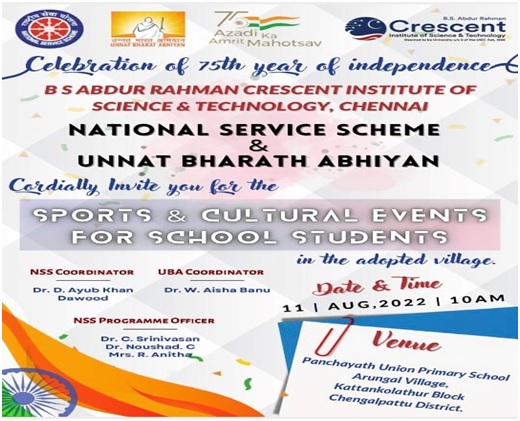
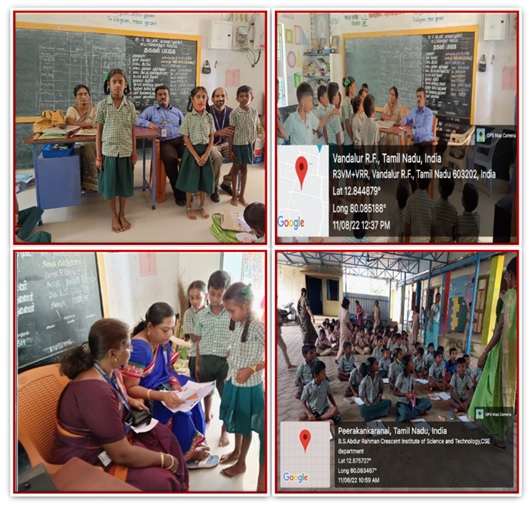
Policy for Partnerships for the Goals

Issue: 04; Revised on 2023

Policy Created onJuly 2009
1st  Revision amended onIQAC Meeting held on 27th October 2017
2nd Revision amended onIQAC Meeting held on 31st March 2021
3rd Revision amended onIQAC Meeting held on 16th  June 2023

17.1. OBJECTIVE

The primary objective of this policy is to establish and strengthen partnerships among universities, government bodies, NGOs, and the private sector to promote sustainable development through collaborative efforts, knowledge sharing, and resource mobilisation.

17.2 STATEMENT OF POLICY

The following metrics and indicators will guide the implementation of this policy.

  • Research into Partnerships for the Goals: Increase the proportion of academic publications co-authored with low or lower-middle-income countries to foster global collaboration.
  • Relationships to Support the Goals: Develop mechanisms to gather data on SDG progress and promote best practices through cross-sectoral dialogue.
  • Publication of SDG Reports: Institutions must commit to publishing data on their performance against each of the 17 SDGs, ensuring transparency and accountability.
  • Education for SDGs: Ensure a commitment to meaningful education around the SDGs across all university programs relevant to all students.
  • Collaboration for SDG Best Practices: Engage in international collaboration to review and develop best practices for tackling the SDGs.

17.3 RESPONSIBILITIES

  • Establish Collaborative Frameworks:
    • Create Memoranda of Understanding (MoUs) with local and international organizations, NGOs, and government agencies to formalise partnerships.
    • Engage in joint research initiatives that align with SDGs
  • Enhance Sustainability Literacy:
    • Integrate sustainability concepts into the curriculum across all disciplines, ensuring that students acquire the necessary knowledge, skills, and values to contribute to sustainable development.
    • Implement workshops and training sessions for faculty and students to enhance understanding of the SDGs and their interconnections.
  • Promote Cross-Sectoral Dialogue:
    • Organize annual conferences and seminars that bring together stakeholders from academia, industry, and government to discuss progress, challenges, and innovative solutions related to the SDGs.
    • Facilitate platforms for knowledge exchange, such as webinars and collaborative projects, to share best practices and successful case studies.
  • Monitor and Evaluate Partnerships:
    • Develop a robust monitoring and evaluation framework to assess the effectiveness of partnerships and their contributions to achieving the SDGs.
    • Utilize data collected from partnerships to inform policy decisions and improve collaborative efforts.

17.4 IMPLEMENTATION

  • Short-term (1-2 years): Establish partnerships, integrate sustainability literacy into the curriculum, and initiate cross-sectoral dialogues.
  • Medium-term (3-5 years): Expand collaborative research projects, publish annual SDG reports, and evaluate the impact of partnerships.
  • Long-term (5+ years): Foster a culture of sustainability within the institution and the community, ensuring ongoing commitment to the SDGs.

17.5 DISSEMINATION OF POLICY

. A. Signage and Visual Communication

  • Campus Signage:
    • Display clear and informative signage throughout the campus highlighting key aspects of the Partnerships for the Goals policy, focusing on sustainability practices.
    • Utilize engaging visuals and infographics that effectively capture attention and communicate important messages.

B. Awareness Programs

  • Regular Workshops and Seminars:
    • Conduct awareness programs at regular intervals, including workshops, seminars, and training sessions to educate the campus community about the importance of partnerships for sustainability.
    • Use interactive formats to promote engagement, encourage dialogue, and facilitate knowledge sharing among participants.
  • Student and Faculty Involvement:
    • Involve students and faculty in planning and executing awareness programs, fostering a sense of ownership and responsibility towards the policy’s implementation.
    • Encourage student-led initiatives that promote collaboration and sustainability practices across campus.

C. Digital Communication

  • Website Updates:
    • Post the Partnerships for the Goals policy on the Institute’s official website, ensuring easy access for all stakeholders.
    • Regularly update the webpage with new information regarding events, initiatives, and progress related to the policy.
  • Social Media Engagement:
    • Utilize social media platforms to raise awareness about the policy, share success stories, and promote upcoming events related to partnerships and sustainability.
    • Create engaging content, including videos, infographics, and testimonials, to reach a broader audience and enhance visibility.

D . Key Performance Indicators (KPIs)

  • Track the effectiveness of dissemination strategies through metrics.

17.6 ENFORCEMENT OF POLICY

a) The Dean of Schools and Head of the Departments monitor compliance and address breaches.

b) Awareness of the policy among students, staff, and visitors is essential.

c) Breaches may lead to disciplinary action per the Institute’s code of conduct.

                                                                                                           REGISTRAR

SDG 17 – Policy for Partnerships for the Goals

EDUCATION FOR SDGS IN THE WIDER COMMUNITY

COMMITMENT TO EDUCATIONAL OUTREACH AND SDGS

The B.S. Abdur Rahman Crescent Institute of Science and Technology (BSACIST) exemplifies a robust commitment to educational outreach that aligns with the Sustainable Development Goals (SDGs), particularly emphasizing quality education (SDG 4) and its interconnectedness with other goals. Through a variety of initiatives, BSACIST actively engages with the wider community, including local residents, alumni, and marginalized groups, to foster inclusive education and lifelong learning. Notably, the organization of educational competitions for school children in adopted villages not only enhances learning experiences but also connects participants to national pride and cultural heritage. These events provide university students with opportunities to serve as role models, inspiring younger generations to pursue higher education and dismantle barriers to educational advancement.

BRIDGING THE DIGITAL DIVIDE

In addition to educational competitions, BSACIST has made significant strides in bridging the digital divide by distributing computers to primary school children in underserved areas, such as Keerapakkam and Karasangal. This initiative equips students with essential technological tools and fosters digital literacy, enhancing learning opportunities and preparing them for future academic and professional endeavors. Tailored lectures and interactive demonstrations conducted by university students and faculty in local schools further create a collaborative learning environment, addressing specific educational needs and empowering both students and community members.

ADDRESSING CRITICAL COMMUNITY ISSUES

BSACIST’s outreach extends beyond education to encompass critical issues such as poverty, hunger, health, gender equality, and environmental sustainability. For instance, in alignment with SDG 1: No Poverty, the institute implements vocational training and skill development programs for local residents, particularly marginalized individuals, equipping them with the necessary skills to secure decent employment. Outreach activities involving alumni serve as a bridge between the university and the community, allowing former students to share their experiences and inspire current students and local residents to pursue educational and professional opportunities.

PROMOTING FOOD SECURITY AND HEALTH

Moreover, BSACIST addresses SDG 2: Zero Hunger by organizing community workshops that educate residents about sustainable agricultural practices and nutrition, promoting food security and healthy eating habits. These workshops foster a collaborative approach to tackling hunger and malnutrition, ensuring community members are equipped with the knowledge to make informed decisions about their food sources. Health and well-being (SDG 3) are prioritized through health awareness campaigns focusing on preventive care, mental health, and wellness, often in partnership with local health organizations to provide screenings and educational sessions.

EMPOWERING WOMEN AND GIRLS

The university also actively promotes gender equality (SDG 5) through educational initiatives that empower women and girls in the community. Programs aimed at fostering leadership skills, entrepreneurship, and self-defense enhance the capabilities of female participants while challenging societal norms that may hinder their progress. By creating safe spaces for dialogue and learning, BSACIST encourages women to take active roles in their communities, contributing to a more equitable society.

FOSTERING A RESILIENT COMMUNITY

In summary, BSACIST’s comprehensive outreach educational activities exemplify a holistic approach to advancing the SDGs within the wider community. By addressing critical issues such as poverty, hunger, health, and gender equality, the university fosters a culture of learning and empowerment that extends beyond its campus. These initiatives not only enhance educational opportunities but also build a more informed and engaged community capable of addressing today’s challenges and contributing to a sustainable future. Through these efforts, BSACIST demonstrates the transformative power of education in creating resilient communities.

SDG 4 – QUALITY EDUCATION

Fostering Community Connection Through Educational Outreach

B.S. Abdur Rahman Crescent Institute of Science and Technology (BSACIST) has strongly committed to educational outreach by organizing competitions for school children in adopted villages during the 76th Independence Day celebrations. This initiative promotes inclusive education and strengthens the university’s support for early learning and community development. By extending educational activities beyond campus, the university effectively breaks down barriers between higher education institutions and local communities, fostering meaningful connections that inspire young learners.

Integrating educational competitions with Independence Day celebrations enhances the learning experience while connecting it to national pride and cultural heritage. This thoughtful approach not only makes the outreach more impactful but also allows university students involved in organizing these activities to serve as role models, potentially motivating younger students from the villages to pursue higher education.

The culmination of the competitions in an award ceremony on campus provides a significant opportunity for the winning students. By inviting them to the university, BSACIST creates a tangible connection between young learners and higher education, helping them visualize themselves in such settings. This exposure can break multi-generational barriers to educational advancement and serves as a powerful motivational tool for aspiring students.

This comprehensive outreach program exemplifies how universities can support early education while fostering lifelong learning aspirations. By creating educational opportunities in adopted villages, BSACIST is dedicated to reducing educational inequalities and enhancing access to quality educational experiences, ultimately building a stronger, more educated community equipped to face future challenges.

Empowering Local Schools with Technology

In a notable initiative, BSACIST distributed computers to primary school children in the adopted villages of Keerapakkam and Karasangal on September 12, 2022. This event, attended by university officials and local leaders, underscores the university’s commitment to improving educational resources in underserved areas and bridging the digital divide.

The distribution of computers is a significant step toward enhancing learning opportunities for young students. By providing access to technology, BSACIST equips children with essential tools for education and fosters digital literacy skills crucial for their future academic and professional endeavours.

In addition to computer distribution, BSACIST’s outreach includes tailored lectures and demonstrations conducted by students and faculty in local schools. These voluntary initiatives aim to engage the community through interactive learning experiences that address specific educational needs, fostering a collaborative learning environment that benefits both students and community members.

Through these outreach activities, BSACIST exemplifies how academic institutions can play a vital role in community empowerment and development. By extending educational initiatives beyond the campus, the university strengthens its ties with the community and ensures that education remains accessible and relevant, contributing to a more informed and capable society.

Educational Outreach –  I

Fostering Community Connection

 The B.S.A. Crescent Institute of Science and Technology, through its National Service Scheme (N.S.S.) and Unnat Bharat Abhiyan (U.B.A.) initiatives, demonstrated exemplary commitment to educational outreach by organizing competitions for school children in their adopted villages as part of the 76th Independence Day celebrations. This initiative inclusive education and the university’s role in supporting early years learning and community development. By extending educational activities beyond campus boundaries, the institution actively works to break down barriers between higher education institutions and local communities, creating meaningful connections that can inspire and motivate young learners.

Figure XVII (4.3) –1: Celebration of 75th Year of Independence

The strategic decision to integrate educational competitions with Independence Day celebrations showcases a thoughtful approach to community engagement. This combination not only enhances the learning experience but also connects it with national pride and cultural heritage, making the educational outreach more impactful and memorable for the participating school children. The involvement of university students through N.S.S. and U.B.A. in organizing these activities creates a valuable mentorship dynamic, where university students serve as role models for younger students from the adopted villages, potentially inspiring them to pursue higher education.

The culmination of these competitions in an award ceremony during the Independence Day event on campus on August 15 adds another significant dimension to the initiative. By inviting the winning students to the university campus, the institution creates a tangible connection between these young learners and higher education. This exposure to the university environment can be transformative, helping students from adopted villages visualize themselves in higher education settings and potentially breaking multi-generational barriers to educational advancement. The prize distribution ceremony serves not just as a recognition of achievement but as a powerful tool for motivation and aspiration-building among young learners.

This comprehensive outreach program exemplifies how universities can effectively support early years’ education while fostering lifelong learning aspirations. By creating these educational opportunities in adopted villages, the university is committed to reducing educational inequalities and providing access to quality educational experiences beyond its immediate campus community. This approach not only enhances the quality of education in the adopted villages but also helps build a stronger, more educated community that is better equipped to address future challenges.

Figure XVII (4.3) – 2: Educational outreach by organizing competitions for school children

Figure XVII (4.3) – 3: Awarding Ceremony @ Crescent Campus

 Figure XVII (4.3) – 4 : Newspaper Coverage

Figure XVII (4.3) – 5: Independence Day Celebration

Educational Outreach – II

Empowering Local Schools through Educational Outreach Initiatives by BSACIST: Fostering Lifelong Learning in the Community

Commitment to Community Development through Educational Outreach

B.S. Abdur Rahman Crescent Institute of Science and Technology (BSACIST) has actively engaged in educational outreach activities beyond its campus, demonstrating a commitment to community development and the enhancement of local education. A notable initiative involved distributing computers to primary school children in the adopted villages of Keerapakkam and Karasangal on September 12, 2022.

This event, presided over by the Honourable Vice Chancellor, Dr A. Peer Mohamed, alongside Dr Raja Hussain, the Registrar of BSACIST, and local panchayat leaders, underscores the university’s dedication to improving educational resources in underserved areas.

Bridging the Digital Divide for Enhanced Learning Opportunities

The distribution of computers is a significant step in bridging the digital divide and enhancing learning opportunities for young students in these villages. By providing access to technology, BSACIST equips children with essential tools for their education and fosters an environment where they can develop digital literacy skills crucial for their future academic and professional endeavours.

This initiative reflects the university’s understanding of integrating technology into education, particularly in rural settings with limited resources.

Engaging the Local Schools through Tailored Computer Educational Initiatives

In addition to the computer distribution, BSACIST’s outreach efforts include tailored lectures and demonstrations conducted by students and faculty in local schools. These voluntary student-run schemes aim to engage the community through interactive learning experiences that address specific educational needs. By bringing knowledge and expertise directly to the local population, the university fosters a collaborative learning environment that benefits students and community members, enhancing the overall educational landscape. Through these outreach activities, BSACIST exemplifies how academic institutions can play a vital role in community empowerment and development.

The university fulfils its mission of promoting lifelong learning by extending educational initiatives beyond the campus. It strengthens its ties with the community, ensuring that education remains accessible and relevant. Such efforts contribute to building a more informed and capable society, highlighting the transformative power of education in fostering positive change.

Figure XVII (4.3) – 6 : Empowering Young Minds: BSACIST’s Educational Outreach Initiative in Padappai and Rattinamangalam – Distributing Computers and Enhancing Learning Opportunities for Local Schools

SDG 6 – CLEAN WATER AND SANITATION

COMMUNITY ACTION FOR CLEAN WATER: NSS VOLUNTEERS TRANSFORM LOCAL POND

INTRODUCTION

Water is an essential resource for life, yet its management and conservation often require concerted community efforts. The B.S. Abdur Rahman Crescent Institute of Science and Technology   NSS (National Service Scheme) Student Volunteers have significantly promoted conscious water usage on 23.09.2023 at Karanai Puducherry Panchayat, Vandalur Taluk, Chengalpattu District of Tamil Nadu through a hands-on conservation initiative centred around a local pond. Their dedication to this cause enhances the water source’s health and cultivates environmental responsibility within the wider community.

FOCUS ON POND CONSERVATION

The B.S. Abdur Rahman Crescent Institute of Science and Technology NSS Student Volunteers have zeroed in on a local pond, recognising its critical role in the ecosystem and community. Their initiative encompasses several vital activities aimed at rejuvenating the pond and fostering a culture of water conservation.

  1. Clean-Up and Maintenance
    • The volunteers are actively engaged in clearing debris from the pond area. By removing litter and waste, they help maintain the water’s quality and contribute to the overall health of the surrounding environment.
    • This hands-on approach cleans the area and showcases the importance of protecting natural habitats from pollution. The volunteers’ commitment is evident as they carry bags filled with collected garbage, representing their dedication to environmental stewardship.
  2. Enhancing Community Awareness
  • The B.S. Abdur Rahman Crescent Institute of Science and Technology NSS Student Volunteers are focused on physical clean-up and educating the community about the significance of conscious water usage. By sharing their experiences and knowledge, they encourage others to recognise the importance of preserving water resources.
  • Through workshops, demonstrations, and community outreach, the volunteers promote practices that lead to responsible water consumption, highlighting simple changes that can make a significant difference.

IMPACT ON THE COMMUNITY

The efforts of the NSS Student Volunteers extend beyond the immediate physical improvements to the pond. Their work fosters a broader sense of environmental consciousness and responsibility within the community:

  • Inspiring Collective Action: By actively participating in clean-up efforts, the volunteers inspire others to take action, creating a ripple effect that encourages community members to engage in similar initiatives.
  • Educating the Next Generation: Through their efforts, these students serve as role models for younger generations, instilling the values of environmental care and the importance of sustainable practices from an early age.
  • Fostering Community Pride: The visible improvements in the pond and surrounding area promote a sense of pride among community members, reinforcing that collective efforts can lead to tangible environmental benefits.

The B.S. Abdur Rahman Crescent Institute of Science and Technology, NSS Student Volunteers, have taken commendable steps to promote conscious water usage and environmental stewardship in their community through their focused efforts on pond conservation. Their activities contribute to the health and sustainability of a vital water source and empower the community through education and engagement. By fostering a culture of responsibility towards water conservation, they set a powerful example of how proactive initiatives can lead to lasting change in environmental attitudes and practices.

Figure XVII (4.3) – 7 :  NSS Student Volunteers –  clean the pond and its surrounding area

THREE-DAY PROGRAM FOCUSED ON THE CONSCIOUS WATER CONSERVATION PROGRAM FOR PRIMARY SCHOOL STUDENTS IN AN ADOPTED VILLAGE – DATED: 23.09.2022

The B.S. Abdur Rahman Crescent Institute of Science and Technology is dedicated to promoting conscious water usage, a critical aspect of sustainable living beyond the campus’s confines. Recently, the National Service Scheme (N.S.S.) and Urban Body Association (U.B.A.) organised a three-day program focused on the Conscious Water Conservation Program for primary school students in an adopted village. This initiative engaged over 30 schoolchildren, highlighting the value of education in fostering a culture of water conservation within the community.

The Conscious Water Conservation Program was designed to educate young minds and instil a sense of responsibility towards water conservation. N.S.S. and U.B.A. volunteers played a crucial role in delivering the content, teaching children about the significance of water as a vital resource for life by emphasising the various uses of water, including drinking, sanitation, and agriculture. The program aimed to create a comprehensive understanding of why water conservation is vital in today’s world. This foundational knowledge is essential for encouraging children to think critically about their water usage habits in the future.

Interactive activities enhanced the learning experience, making it engaging for the young participants. Through discussions and hands-on activities, children explored practical methods of conserving water, such as minimizing waste during daily routines and understanding the importance of rainwater harvesting. These interactive components made learning enjoyable and provided students with tangible actions they could incorporate into their lives to contribute to water conservation efforts.

The program extended beyond just educating children; it also aimed to empower them to become advocates for water conservation in their families and communities. The institute aims to create future leaders who prioritise responsible water usage by instilling a sense of environmental stewardship. When children bring these lessons home, they can influence their families’ habits, amplifying the program’s impact throughout the community.

Collaboration with local community leaders and parents played a vital role in the success of this initiative. By promoting the importance of water conservation through community networks, the institute fosters a collective responsibility towards sustainable water management. Such partnerships pave the way for broader outreach and the potential to enact community-wide changes in behaviour regarding water usage.

Looking ahead, the B.S. Abdur Rahman Crescent Institute of Science and Technology is committed to sustaining these efforts to promote conscious water usage within the community. By expanding initiatives like the water importance program, the institute aims to reinforce the knowledge gained and encourage continuous engagement in responsible water management. As the community becomes more aware and proactive about water conservation, it will contribute to a healthier environment and a more sustainable future for all.

Figure XVII (4.3) – 8 :  Students actively participate in the three-day Conscious Water Conservation Program

SDG 7 – AFFORDABLE AND CLEAN ENERGY

Empowering Communities: Sustainable Technologies and Environmental Stewardship

 In today’s world, energy efficiency and clean energy practices are crucial for sustainable development and combating climate change. Local community outreach plays a vital role in educating residents on the importance of these concepts, equipping them with the knowledge and tools necessary to reduce their energy consumption and transition towards cleaner energy sources. Through targeted programs, communities can foster a sense of responsibility and agency in addressing energy issues, ultimately leading to a more sustainable future.

One of the primary objectives of local outreach programs is to raise awareness about energy efficiency. This involves organizing workshops, seminars, and information sessions that highlight the benefits of energy-saving techniques. Participants learn about simple yet effective measures, such as using energy-efficient appliances, implementing smart thermostats, and embracing renewable energy solutions like solar panels. By demystifying these concepts and presenting them in an accessible manner, outreach initiatives empower community members to take actionable steps toward reducing their energy consumption.

Moreover, hands-on training and demonstrations are effective strategies for engaging residents and promoting energy efficiency. Programs can include home energy audits, where trained volunteers assist families in identifying energy-wasting practices and suggest improvements. Furthermore, community energy challenges can stimulate friendly competition among residents, encouraging them to adopt energy-saving habits while fostering a sense of camaraderie. These interactive approaches not only educate participants but also create a supportive environment that motivates individuals to make lasting changes.

Lastly, collaboration with local governments, non-profit organizations, and businesses is crucial for the success of outreach initiatives. By leveraging resources and expertise, these partnerships can enhance the scope and impact of energy efficiency programs. Providing incentives, such as rebates for energy-efficient appliances, or organizing community events that promote local clean energy projects can further encourage participation. Ultimately, local community outreach for energy efficiency serves as a foundation for cultivating informed, engaged citizens committed to creating a sustainable future for their neighborhoods and beyond.

Activities:

  1. The Crescent Energy Club’s Outreach Initiatives – “Energy 99 – An initiative to practice 9 Energy Mantras” – designed to reduce energy consumption and lower electricity costs
  2. Guest Lecture on “Sustainable Construction Technologies – A Way Forward” – Organized by Department of Civil Engineering
  3. Community Empowerment Through Tree Plantation Initiatives – “Green Tamil Nadu” – NSS, BSACIST jointly organized with the Government of Tamil Nadu
  4. “MeriLiFE – Massive Tree Plantation Drive 2023 – One Student – One Tree” jointly organized with All India Council for Technical Education (AICTE)

A. Energy 99: Empowering Communities Through the 9 Energy Mantras – An Initiative”

The Crescent Energy Club, as outlined in the magazine, is dedicated to fostering a culture of sustainability and energy efficiency within the local community. Through various initiatives and events, the club aims to educate residents about the significance of energy conservation and the adoption of clean energy practices. By engaging with the community, the club not only raises awareness but also empowers individuals to make informed choices that contribute to a sustainable future.

Figure XVII (4.3) – 9 : Crescent Energy Club – ECOGENZ  Magazine

Educational Programs and Initiatives

One of the key programs highlighted is the “Energy 99” initiative, which focuses on educating local households in Mannivakkam village about energy conservation. The club’s team visited over 100 homes, introducing residents to practical tips and the “9 Energy Mantras” designed to reduce energy consumption and lower electricity costs. This hands-on approach not only informs the community about energy efficiency but also encourages them to implement these practices in their daily lives, thereby fostering a sense of responsibility towards environmental stewardship.

Figure XVII (4.3) – 10 : Crescent Energy Club – 9 Energy Mantras designed to reduce energy consumption and lower electricity costs

Community Engagement and Participation

 The club’s outreach efforts extend beyond mere education; they actively involve community members in various activities. This interactive approach not only raises awareness but also builds a network of individuals committed to environmental conservation, demonstrating the club’s dedication to creating a collaborative community focused on energy efficiency.

Figure XVII (4.3) – 11 : Crescent Energy Club – 9
Energy Mantras – Distribution of posters – Creating a  collaborative community focused on energy efficiency

Impact and Future Directions

The outcomes of these outreach programs are significant, as they lead to increased knowledge and awareness of clean energy practices among community members. The Crescent Energy Club’s initiatives have inspired many to adopt energy-efficient habits, contributing to a broader movement towards sustainability. Looking ahead, the club plans to continue its efforts by organizing more educational events and workshops, ensuring that the local community remains engaged and informed about the importance of energy efficiency and clean energy solutions. Through these ongoing initiatives, the Crescent Energy Club aims to create lasting change and promote a culture of sustainability within the community.

B. Community Empowerment through Sustainable Construction Technology Awareness

B.S. Abdur Rahman Crescent Institute of Science and Technology demonstrates a robust approach to local community outreach for energy efficiency through strategic educational initiatives. The institute organized a significant guest lecture on “Sustainable Construction Technologies – A Way Forward” delivered by Dr. Shweta Goyal from Thapar Institute of Engineering & Technology, highlighting the critical importance of sustainable development and energy-efficient practices. This event exemplifies the institution’s commitment to spreading awareness about environmental conservation and innovative construction methodologies that minimize carbon emissions.

The lecture comprehensively addressed key sustainability challenges, emphasizing the concept of zero carbon and zero waste through practical strategies like reduce, reuse, and recycle. Dr. Goyal elaborated on critical aspects of carbon emission reduction, including the importance of energy-efficient infrastructure, utilization of low-carbon alternatives, material reuse, and waste minimization. By introducing advanced concepts such as Life Cycle Assessment (LCA) and highlighting emerging technologies like fiber-reinforced concrete and 3D printed buildings, the program provided local community members with cutting-edge insights into sustainable construction practices and their environmental implications.

The outreach program’s primary objective was to educate participants about sustainable development that meets present needs without compromising future generations’ capabilities. By focusing on practical solutions and innovative technologies, the institute created an interactive platform for knowledge dissemination, encouraging community members to understand and adopt energy-efficient practices. The lecture not only shared theoretical knowledge but also provided actionable strategies for reducing carbon emissions, thereby empowering local residents to contribute meaningfully to environmental conservation and sustainable urban development.

Figure XVII (4.3) – 12 : Invitation for the Guest Lecture – Sustainable Construction Technologies – A way forward

The guest lecture on ‘Sustainable Construction Technology – A way forward’ was delivered by the guest speaker by Dr. Shweta Goyal, Professor, Department of Civil Engineering from Thapar Institute of Engineering & Technology, Patiala, Punjab, which was organised by Department of Civil Engineering, School of Infrastructure, and held on 27th July 2023 at Seminar hall, Department of Management Studies. The event was coordinated by Dr. Nisha Khanam Assistant Professor (Sl. Gr), Department of Civil Engineering. The speaker initiated the talk by stating the contribution she has done in the construction industry pertaining to the sustainability through her research work and publications.

Figure XVII (4.3) – 13 : Engaging Minds: A Workshop on Sustainable Technologies

The speaker highlighted about the sustainable development which is nothing but the development that meets the needs of the present, without compromising the ability of future generations to meet their own needs. In order to attain sustainability first the challenges faced by the industry must be studied. The challenges faced are cost, quality and time taken for the raw materials to be transformed to the final product.

The speaker further mentioned the importance of zero carbon and zero waste by the process of reduce, reuse, and recycle. Zero carbon emission can be divided into embodied and operational carbon. Embodied carbon emission is emitted during the construction and transportation process whereas operational carbon is emitted aftermath the construction.

To reduce the embodied carbon which contributes 49% of carbon the following steps are emphasized

  • Energy efficient infrastructure
  • Use low carbon alternatives
  • Reuse materials
  • Minimise waste

In order to understand the carbon emission, she briefed about LCA – Life Cycle Assessment which is a flow chart of carbon at different levels.

  • Cradle to cradle – from manufacturing till recycle
  • Cradle to grave – till demolition
  • Cradle to handover – till building is hand overed
  • To construction site – carbon emission taking place till construction
  • To gate – carbon reduction at industry level

The steps that can be taken to initiate zero carbon and zero waste are by using supplementary cementitious materials, high performance material, utilization of waste for construction, extending the usable life of a structure. Further she briefed about fibre reinforced concrete, textile reinforced concrete and some new generation technology such as 3D printed buildings which can be implemented in future for sustainable development.

C. Community Engagement for Energy Efficiency and Environmental Sustainability – Collaboration with State Government
B.S. Abdur Rahman Crescent Institute of Science and Technology is committed to fostering a sustainable and energy-conscious community through various outreach programs focused on energy efficiency and clean energy solutions. In addition to educational initiatives, the institute actively participates in community service events, such as the recent tree plantation drive during N.S.S. Day celebrations. The N.S.S. unit planted 200 trees as part of the “Green Tamil Nadu” program, organized by the Tamil Nadu Government. This event, attended by over 300 volunteers and dignitaries including Chief Minister Thiru. M. K. Stalin, showcased the institute’s commitment to environmental stewardship. Such activities not only promote awareness about energy efficiency and clean energy but also engage the local community in practical actions that contribute to sustainability and ecological balance. Through these combined efforts, B.S. Abdur Rahman Crescent Institute aims to empower residents with knowledge and inspire collective action towards a greener future.

Figure XVII (4.3) – 14 : Community Empowerment Through Tree Plantation Initiatives – BSACIST Students

D. Community Outreach for Energy Efficiency Through Tree Plantation Drive – A Collaborative initiative with All India Council for Technical Education (AICTE)

B.S. Abdur Rahman Crescent Institute of Science and Technology actively participates in local community outreach aimed at promoting energy efficiency and clean energy practices. A notable initiative is the “MeriLiFE – Massive Tree Plantation Drive 2023,” which encompasses the theme “One Student – One Tree.” This program, organized by the All India Council for Technical Education (AICTE), encourages students to engage in tree planting as a means of fostering environmental stewardship and raising awareness about sustainable practices.

The tree plantation drive not only contributes to enhancing green cover but also serves as an educational opportunity for participants to learn about the significance of trees in reducing carbon footprints and improving air quality. The event saw enthusiastic participation from students and faculty, who gathered to plant trees and further the cause of sustainability. By combining the efforts of these outreach programs with hands-on activities like tree planting, the institute effectively promotes the importance of energy efficiency and clean energy within the community, encouraging a shift towards more sustainable living practices.

Figure XVII (4.3) – 15 : MeriLiFE: Cultivating a Greener Future Through Student Engagement – One Student-One Tree

OTHER SDGS OUTREACH EDUCATIONAL ACTIVITIES/ INITIATIVES


SDG 1 –  No Povertyhttps://crescent.education/iqac_csi_sdg17_1731_2022-23/
SDG 2 – Zero Hungerhttps://crescent.education/iqac_csi_sdg17_1732_2022-23/
SDG 3 – Good Health and Well-beinghttps://crescent.education/iqac_csi_sdg17_1733_2022-23/
SDG 5 – Gender Equalityhttps://crescent.education/iqac_csi_sdg17_1735_2022-23/
SDG 8 – Decent Work and Economic Growthhttps://crescent.education/iqac_csi_sdg17_1738_2022-23/
SDG 9 – Industry, Innovation and Infrastructurehttps://crescent.education/iqac_csi_sdg17_1739_2022-23/
SDG 10 – Reduced Inequalitieshttps://crescent.education/iqac_csi_sdg17_17310_2022-23/
SDG 11 – Sustainable Cities and Communitieshttps://crescent.education/iqac_csi_sdg17_17311_2022-23/
SDG 12 – Responsible Consumption and Productionhttps://crescent.education/iqac_csi_sdg17_17312_2022-23/
SDG 13 – Climate Actionhttps://crescent.education/iqac_csi_sdg17_17313_2022-23/
SDG 14 – Life Below Waterhttps://crescent.education/iqac_csi_sdg17_17314_2022-23/
SDG 15 – Life On Landhttps://crescent.education/iqac_csi_sdg17_17315_2022-23/
SDG 16 – Peace, Justice and Strong Institutionshttps://crescent.education/iqac_csi_sdg17_17316_2022-23/

Policy for Partnerships for the Goals

Issue: 04; Revised on 2023

Policy Created onJuly 2009
1st  Revision amended onIQAC Meeting held on 27th October 2017
2nd Revision amended onIQAC Meeting held on 31st March 2021
3rd Revision amended onIQAC Meeting held on 16th  June 2023

17.1. OBJECTIVE

The primary objective of this policy is to establish and strengthen partnerships among universities, government bodies, NGOs, and the private sector to promote sustainable development through collaborative efforts, knowledge sharing, and resource mobilisation.

17.2 STATEMENT OF POLICY

The following metrics and indicators will guide the implementation of this policy.

  • Research into Partnerships for the Goals: Increase the proportion of academic publications co-authored with low or lower-middle-income countries to foster global collaboration.
  • Relationships to Support the Goals: Develop mechanisms to gather data on SDG progress and promote best practices through cross-sectoral dialogue.
  • Publication of SDG Reports: Institutions must commit to publishing data on their performance against each of the 17 SDGs, ensuring transparency and accountability.
  • Education for SDGs: Ensure a commitment to meaningful education around the SDGs across all university programs relevant to all students.
  • Collaboration for SDG Best Practices: Engage in international collaboration to review and develop best practices for tackling the SDGs.

17.3 RESPONSIBILITIES

  • Establish Collaborative Frameworks:
    • Create Memoranda of Understanding (MoUs) with local and international organizations, NGOs, and government agencies to formalise partnerships.
    • Engage in joint research initiatives that align with SDGs
  • Enhance Sustainability Literacy:
    • Integrate sustainability concepts into the curriculum across all disciplines, ensuring that students acquire the necessary knowledge, skills, and values to contribute to sustainable development.
    • Implement workshops and training sessions for faculty and students to enhance understanding of the SDGs and their interconnections.
  • Promote Cross-Sectoral Dialogue:
    • Organize annual conferences and seminars that bring together stakeholders from academia, industry, and government to discuss progress, challenges, and innovative solutions related to the SDGs.
    • Facilitate platforms for knowledge exchange, such as webinars and collaborative projects, to share best practices and successful case studies.
  • Monitor and Evaluate Partnerships:
    • Develop a robust monitoring and evaluation framework to assess the effectiveness of partnerships and their contributions to achieving the SDGs.
    • Utilize data collected from partnerships to inform policy decisions and improve collaborative efforts.

17.4 IMPLEMENTATION

  • Short-term (1-2 years): Establish partnerships, integrate sustainability literacy into the curriculum, and initiate cross-sectoral dialogues.
  • Medium-term (3-5 years): Expand collaborative research projects, publish annual SDG reports, and evaluate the impact of partnerships.
  • Long-term (5+ years): Foster a culture of sustainability within the institution and the community, ensuring ongoing commitment to the SDGs.

17.5 DISSEMINATION OF POLICY

. A. Signage and Visual Communication

  • Campus Signage:
    • Display clear and informative signage throughout the campus highlighting key aspects of the Partnerships for the Goals policy, focusing on sustainability practices.
    • Utilize engaging visuals and infographics that effectively capture attention and communicate important messages.

B. Awareness Programs

  • Regular Workshops and Seminars:
    • Conduct awareness programs at regular intervals, including workshops, seminars, and training sessions to educate the campus community about the importance of partnerships for sustainability.
    • Use interactive formats to promote engagement, encourage dialogue, and facilitate knowledge sharing among participants.
  • Student and Faculty Involvement:
    • Involve students and faculty in planning and executing awareness programs, fostering a sense of ownership and responsibility towards the policy’s implementation.
    • Encourage student-led initiatives that promote collaboration and sustainability practices across campus.

C. Digital Communication

  • Website Updates:
    • Post the Partnerships for the Goals policy on the Institute’s official website, ensuring easy access for all stakeholders.
    • Regularly update the webpage with new information regarding events, initiatives, and progress related to the policy.
  • Social Media Engagement:
    • Utilize social media platforms to raise awareness about the policy, share success stories, and promote upcoming events related to partnerships and sustainability.
    • Create engaging content, including videos, infographics, and testimonials, to reach a broader audience and enhance visibility.

D . Key Performance Indicators (KPIs)

  • Track the effectiveness of dissemination strategies through metrics.

17.6 ENFORCEMENT OF POLICY

a) The Dean of Schools and Head of the Departments monitor compliance and address breaches.

b) Awareness of the policy among students, staff, and visitors is essential.

c) Breaches may lead to disciplinary action per the Institute’s code of conduct.

                                                                                                           REGISTRAR

SDG 17 – Policy for Partnerships for the Goals

SUSTAINABILITY LITERACY

SUSTAINABILITY LITERACY: TRANSFORMING DIGITAL AWARENESS INTO COMPREHENSIVE LEARNING

The Social Awareness Club (SAC) of B.S. Abdur Rahman Crescent Institute of Science and Technology, Department of Computer Science and Engineering, exemplifies a transformative approach to sustainability literacy, strategically addressing key dimensions of comprehensive environmental and social understanding. By leveraging digital platforms, the channel systematically develops critical competencies that align with the core principles of sustainability education, focusing on knowledge acquisition, critical thinking, and practical application of sustainable practices.

UNDERSTANDING SUSTAINABILITY THROUGH DIGITAL NARRATIVES

The YouTube channel (https://www.youtube.com/@SAC-CrescentCSE)  demonstrates exceptional capability in breaking down complex sustainability concepts into accessible content. Each video serves as an educational tool that introduces fundamental sustainability principles, including sustainable development goals, ecological interconnectedness, and systemic environmental challenges. By presenting information through engaging narratives and practical demonstrations, the channel effectively transforms abstract concepts into comprehensible knowledge, enabling viewers to develop a nuanced understanding of sustainability beyond traditional academic frameworks.

CRITICAL THINKING AND SYSTEMS PERSPECTIVE

The channel’s content strategy goes beyond mere information dissemination, actively encouraging critical thinking and systems-based understanding. Videos exploring themes like natural food systems, agricultural practices, and consumption patterns challenge viewers to analyse interconnections between environmental, social, and economic systems. This approach cultivates a holistic perspective, enabling young audiences to recognize the complex relationships between individual actions and broader global sustainability challenges, thus developing essential critical analysis skills.

PRACTICAL SUSTAINABILITY LITERACY AND ETHICAL ENGAGEMENT

SAC-CrescentCSE distinguishes itself by bridging theoretical knowledge with practical implementation strategies. The videos provide actionable insights into sustainable practices, demonstrating how individuals can contribute to environmental conservation, responsible consumption, and community development. By highlighting local contexts and grassroots initiatives, the channel reinforces the ethical dimensions of sustainability, emphasising social responsibility, community empowerment, and intergenerational equity.

ASSESSMENT AND FUTURE LEARNING STRATEGIES

To enhance sustainability literacy, the channel could implement structured assessment mechanisms such as:

  • Pre and post-viewing knowledge surveys
  • Interactive comment section discussions
  • Viewer challenge initiatives encouraging practical sustainability actions
  • Collaborative project recommendations
  • Reflective content that prompts personal sustainability commitments

These strategies would transform passive viewing into active learning, creating a comprehensive ecosystem of sustainability education that extends beyond digital platforms.

KEY LITERACY DEVELOPMENT COMPONENTS:

  • Systematic knowledge transmission
  • Critical thinking cultivation
  • Practical skills development
  • Ethical awareness enhancement
  • Community engagement promotion

By integrating these elements, the SAC-Crescent CSE YouTube channel emerges as a pioneering model of digital sustainability literacy, demonstrating how technology can be leveraged to educate, inspire, and mobilize young change-makers committed to sustainable development.

Figure XVII (4.4) – 1 : YouTube – Social Awareness Club – Crescent CSE – Channel

SUSTAINABILITY LITERACY: TRANSFORMING STUDENT ENGAGEMENT THROUGH THE 17-DAY SDG CHALLENGE

The Social Awareness Club’s 17-day SDG Activity Challenge represents an innovative approach to enhancing sustainability literacy among students. It is meticulously designed to address key dimensions of comprehensive sustainability education. This initiative demonstrates a strategic method of transforming theoretical knowledge into practical, experiential learning that aligns perfectly with the core principles of sustainability literacy.

UNDERSTANDING SUSTAINABILITY THROUGH STRUCTURED ENGAGEMENT

The challenge systematically breaks down complex sustainability concepts by providing daily activities mapped to specific Sustainable Development Goals (SDGs). This approach directly addresses the fundamental requirement of understanding sustainability by:

  • Introducing students to comprehensive SDG frameworks
  • Providing context-specific learning experiences
  • Encouraging active exploration of global sustainability challenges
  • Creating opportunities for hands-on learning across different SDG domains

CRITICAL THINKING AND SYSTEMS PERSPECTIVE

The challenge’s design inherently promotes critical thinking and systems approach by:

  • Requiring daily task completion and reflection
  • Encouraging multiple submission formats (photos, artwork, videos, articles)
  • Challenging students to connect individual actions with broader systemic impacts
  • Facilitating a deeper understanding of interconnected sustainability challenges

ASSESSMENT AND LITERACY DEVELOPMENT METHODOLOGY

The challenge incorporates multiple sustainability literacy assessment strategies:

  • Pre and post-challenge knowledge evaluation
  • Diverse submission formats demonstrating understanding
  • Peer and expert review of submissions
  • Performance-based recognition through prizes
  • Documentation of learning journeys

KEY LITERACY DEVELOPMENT COMPONENTS:

  • Structured SDG exploration
  • Practical skill development
  • Critical analysis encouragement
  • Collaborative learning
  • Experiential knowledge acquisition

INNOVATIVE LITERACY ENHANCEMENT STRATEGIES:

  1. Multi-modal learning approaches
  2. Gamification of sustainability education
  3. Peer-driven knowledge sharing
  4. Practical application of theoretical concepts
  5. Recognition and motivation mechanisms

ETHICAL AND SOCIAL RESPONSIBILITY INTEGRATION

The challenge embeds ethical considerations by:

  • Promoting responsible citizenship
  • Encouraging community-oriented thinking
  • Creating platforms for social impact
  • Developing a sense of global interconnectedness

TECHNOLOGICAL AND DIGITAL LEARNING ECOSYSTEM

Leveraging digital platforms for challenge management:

  • Google Classroom for submission tracking
  • Online registration process
  • Digital documentation
  • Social media engagement
  • YouTube channel content integration

INSTITUTIONAL SUPPORT AND COLLABORATION

The challenge benefits from:

  • Faculty mentorship
  • Student leadership
  • Institutional backing
  • Clear communication channels
  • Professional coordination

FUTURE LEARNING OBJECTIVES (2026)

  • Develop comprehensive sustainability literacy benchmarks
  • Create standardised assessment frameworks
  • Expand challenge scope and participant engagement
  • Establish long-term impact measurement strategies

The 17-day SDG Activity Challenge represents a holistic, innovative approach to sustainability literacy, transforming passive learning into active, engaged understanding. By providing structured, meaningful, and enjoyable learning experiences, the initiative demonstrates how educational institutions can effectively cultivate sustainability awareness and competence among young learners.

Figure XVII (4.4) – 3 : Social Awareness Club – 17 days SDG Activity Challenge

Figure XVII (4.4) – 4 : Building Awareness for Sustainable Future

Figure XVII (4.4) – 4 : Building Awareness for Sustainable Future – Brochure

SUSTAINABILITY LITERACY: ADVANCING RESEARCH AND INNOVATION THROUGH STRATEGIC COLLABORATION – CGOM

The landmark Memorandum of Understanding (MoU) between Crescent Global Outreach Mission R&D and NanoFold Inc. represents a sophisticated model of sustainability literacy development. It demonstrates how institutional collaborations can transform educational and research paradigms while addressing critical global challenges.

UNDERSTANDING SUSTAINABILITY THROUGH INTERDISCIPLINARY RESEARCH
The collaborative project embodies comprehensive sustainability literacy by:

  • Integrating multiple scientific disciplines
  • Addressing critical global challenges in sustainable materials and energy storage
  • Connecting academic research with real-world industrial requirements
  • Providing practical context to theoretical sustainability concepts

KEY SUSTAINABILITY LITERACY DIMENSIONS

  1. Systems Thinking
  • Demonstrates interconnectedness of materials science, energy technology, and sustainable development
  • Illustrates complex relationships between technological innovation and environmental solutions
  • Showcases how different scientific domains collaborate to address holistic challenges

2. Critical Analysis and Problem-Solving

  • Develops research frameworks targeting sustainable building materials
  • Explores innovative energy storage solutions
  • Encourages analytical thinking beyond traditional disciplinary boundaries
  • Promotes solution-oriented approach to global sustainability challenges

3. Practical Skill Development

  • Provides hands-on research experience
  • Enables faculty and student engagement in cutting-edge projects
  • Creates opportunities for practical application of theoretical knowledge
  • Develops technical competencies aligned with sustainable development goals

ASSESSMENT AND LITERACY MEASUREMENT STRATEGIES

  1. Research Output Evaluation
  • Tracking project milestones and deliverables
  • Assessing technological innovations generated
  • Monitoring potential market and environmental impacts
  • Documenting knowledge transfer and skill acquisition

2. Collaborative Learning Mechanisms<

  • Interdepartmental knowledge exchange
  • Industry-academia partnership model
  • Exposure to real-world research challenges
  • Mentorship from experienced researchers

ETHICAL AND SOCIAL RESPONSIBILITY COMPONENTS

  • Alignment with national sustainable development goals
  • Potential for transformative technological solutions
  • Addressing global challenges in construction and energy
  • Promoting responsible innovation

Table XVII (4.4) – 1: sustainability literacy development framework

Dimensions

Strategies

Outcomes

Conceptual Understanding

Interdisciplinary Research

Comprehensive Sustainability Insights

Practical Skills

Industry Collaboration

Innovative Technological Solutions

Ethical Awareness

Social Impact Assessment

Responsible Innovation

Critical Thinking

Complex Problem Solving

Adaptive Research Approaches

FUTURE LEARNING AND RESEARCH OBJECTIVES
  • Establish sustainable research collaboration models
  • Create transferable knowledge frameworks
  • Develop industry-relevant curriculum
  • Foster continuous innovation ecosystem

INSTITUTIONAL IMPACT

  • Positioning as a leader in sustainable research
  • Inspiring future scientific innovators
  • Contributing to the national sustainable development agenda
  • Creating knowledge pathways for complex global challenges

 The CGOM-NanoFold collaboration exemplifies an advanced approach to sustainability literacy. It transforms traditional educational boundaries by creating dynamic, interdisciplinary learning environments that prepare students to address complex global challenges through innovative research and technological solutions.

KEY TAKEAWAYS:

  • Integrated approach to sustainability education
  • Practical research-based learning
  • Interdisciplinary collaboration
  • Real-world problem-solving
  • Ethical technological innovation

Figure XVII (4.4) – 4 : Memorandum of Understanding (MoU) between Crescent Global Outreach Mission R&D and Nano Fold Inc.

Chat with a Student Enquire Now