

Crescent Sustainability Initiatives
Clean Water and Sanitation (SDG 6)
Water is a vital resource for any educational institution, and tracking its consumption is essential for sustainable management. This report synthesizes data on the total volume of water used at B.S. Abdur Rahman Crescent Institute of Science and Technology, focusing on sources such as mains supply, desalinated water, and water extracted from natural sources like rivers, lakes, and aquifers.
Water Sources
The Institute relies on multiple sources for its water supply:
- Raw Water from Private Suppliers: Water is transported via tanker lorries from various sources, including rivers, lakes, and aquifers. The total volume of water received from this source during the period of 2023-24 was 17,795 m³.
- University Wells: The Institute has three bore wells and three open wells, which collectively extract approximately 3,157 m³ of water annually. This water is regularly tested to ensure it meets drinking water standards.
- Treated Water: The campus is equipped with five water treatment plants that process water for use in toilets, hostels, and staff quarters. The treatment process ensures that the water is safe for various uses.
Water Consumption Data
The total water consumption for the academic year 2023-24 is detailed in Table VI-2. The breakdown of water consumption by different categories is as follows:
- Faculty: 610 faculty members consumed approximately 5 m³ of water daily.
- Staff: 225 staff members used about 2 m³ daily.
- Students:
- Day scholars (7,485 students) consumed around 58 m³ daily.
- Men’s hostel (1,863 students) accounted for 14 m³ daily.
- Women’s hostel (539 students) used about 4 m³ daily.
- Staff Quarters: 400 residents consumed approximately 3 m³ daily.
- Estate Office: 350 staff members used about 3 m³ daily.
- Kitchen & Canteen: 50 individuals consumed around 0.39 m³ daily.
- General Workers: 280 workers used about 2 m³ daily.
The total number of persons in the Institute is 11,802, leading to an overall water consumption of 92 m³ per day, which translates to 24,05,600 m³ annually.
Summary of Water Treatment
The treatment of water is crucial for ensuring safety and sustainability. The data indicates that the water treatment plants effectively process both lorry water and well water. For instance, in January 2024, 1,143 m³ of lorry water was treated, resulting in 1,039 m³ of usable water. Similarly, well water treatment yielded significant volumes, contributing to the overall water supply.
The B.S. Abdur Rahman Crescent Institute of Science and Technology demonstrates a comprehensive approach to water management, utilizing multiple sources and ensuring quality through regular testing and treatment. The total volume of water consumed reflects the institution’s commitment to sustainability and responsible resource management. Continuous monitoring and improvement of water usage practices will be essential for future sustainability efforts.
B. WATER SOURCES AND CONSUMPTION
The main source of water supply for the Institute includes,
I. RAW WATER FROM PRIVATE SUPPLIERS (EXTRACTED FROM RIVERS, LAKES AND AQUIFERS):
The water is transported to the Institute by means of Tanker Lorries. Two new water lorries were purchased at a total cost of Rs. 48 lakhs.
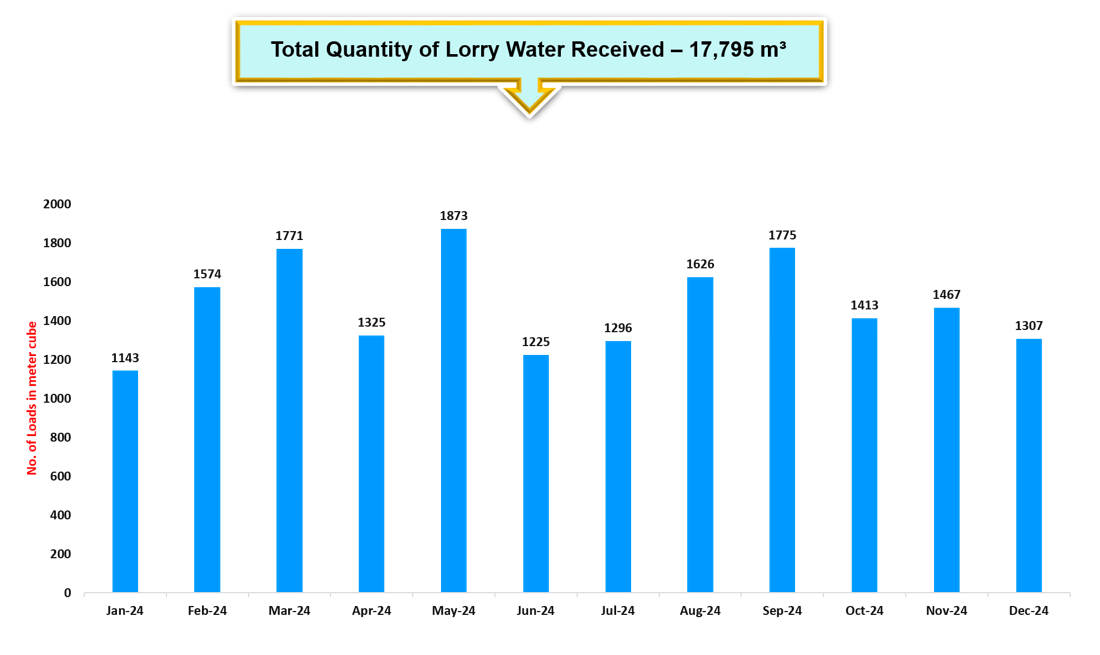
Figure VI (2.1) – 1: The total number of loads for the period 2023-24
II. UNIVERSITY – OPEN WELL & BORE WELLS:
The water required is also met by extracting the water from the bore wells (3 Nos) and open wells (3 Nos) facility available in the Institute. The Annual Extraction of Water is 3,157 m3 per year. The Institute also ensures that the quality of water obtained from the private supply and also from the well meets the drinking water standards by frequently conducting the water quality test.
Figure VI (2.1) – 2: Water extraction from Open wells
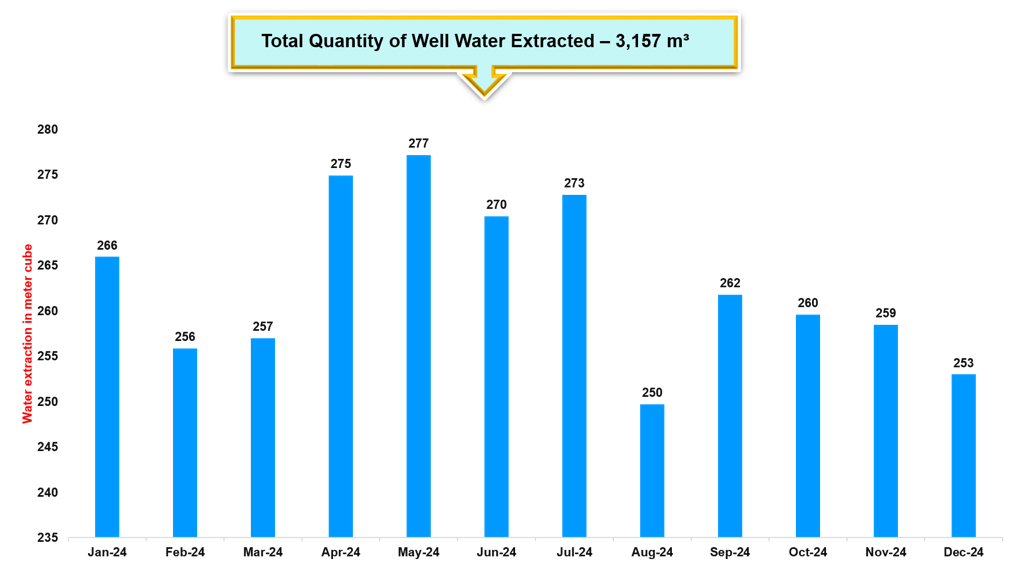
Figure VI (2.1) – 3: Water extraction from Open wells for the period 2023-24
B.S. Abdur Rahman Crescent Institute of Science and Technology measures the total volume of water used in the Institution.
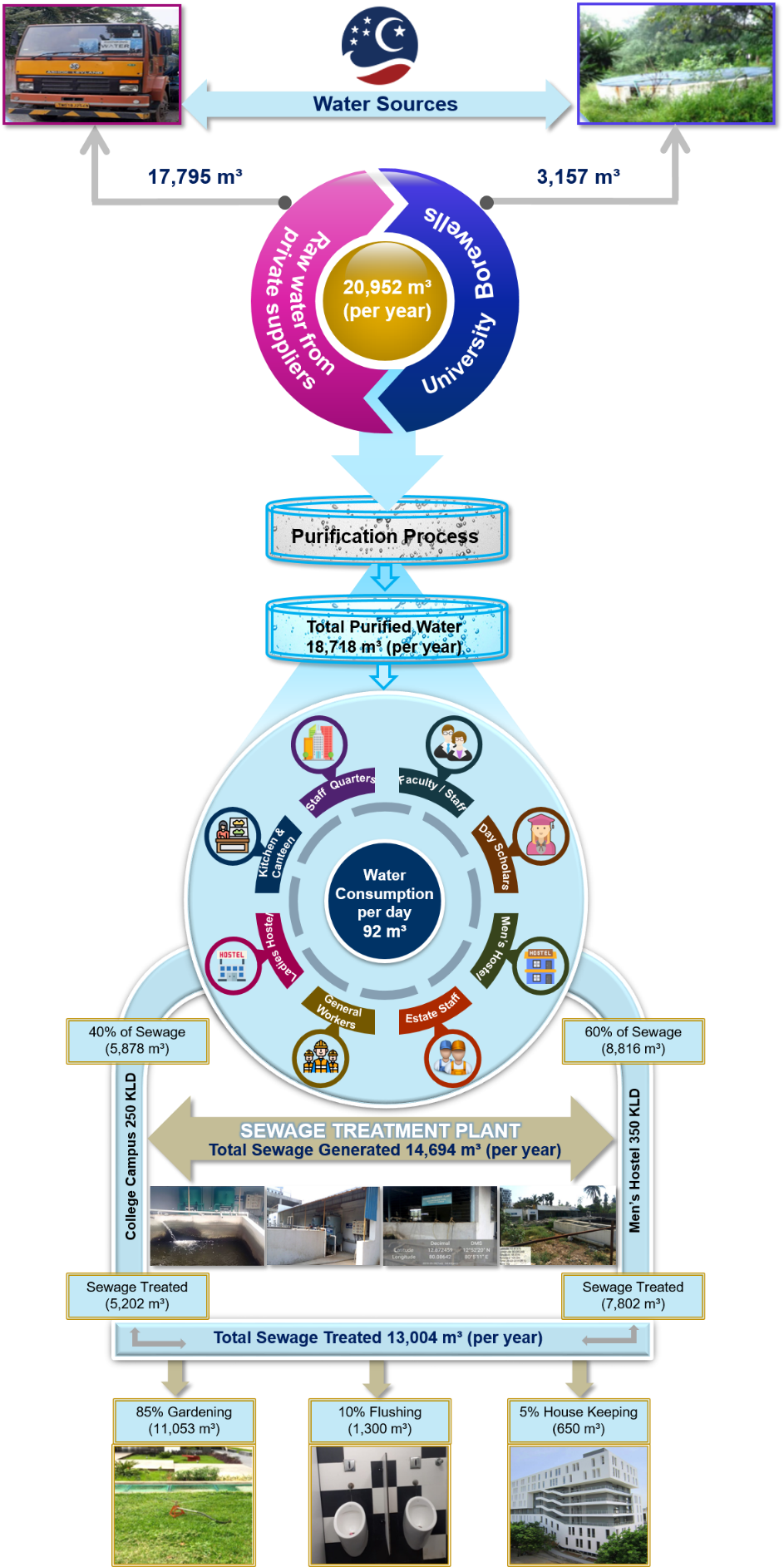
Figure VI (2.1) – 4: Schematic representation for Total volume of Water from Sources / Purified / Consumed, treated (Recycle) and Reuse statistics
The diagram outlines the water management system implemented at the B.S. Abdur Rahman Crescent Institute of Science and Technology, highlighting sources, purification processes, consumption, and sewage treatment.
DESCRIPTION OF THE DIAGRAM (Figure VI – 4):
- Water Sources
- Raw Water Supply: The diagram indicates two primary sources of water, with a total annual supply of 20,952 cubic meters (m³). This is comprised of 17,795 m³ purchased from private suppliers and 3,157 m³ sourced from university wells.
- Purification Process
- Total Purified Water: After purification, the total volume of clean, usable water produced amounts to 18,718 m³ per year. This illustrates the effectiveness of the purification system in making water available for various uses.
- Daily Water Consumption
- Water Usage Breakdown: The diagram provides a snapshot of daily water consumption, which averages 92 m³. Consumption is categorized into different sectors:
- Staff quarters
- Day scholars
- Hostels
- Kitchens and general workers
- Faculty staff and estate staff
- Sewage Generation and Treatment
- Sewage Treatment Plant: The institute generates a total of 14,694 m³ of sewage per year, of which 40% (approximately 5,878 m³) and 60% (approximately 8,816 m³) are treated. The sewage treatment plant (STP) has a capacity of 600 kiloliters per day (KLD).
- Total Sewage Treated: Out of the generated sewage, 13,005 m³ is treated, with distributions as follows:
- ~ 85% for Gardening: 11,053 m³ is reused for landscaping and gardening purposes.
- ~ 10% for Flushing: 1,300 m³ is allocated for toilet flushing.
- ~ 5% for Housekeeping: 650 m³ is used for housekeeping activities.
This diagram effectively illustrates the comprehensive water management strategy at BSACIST, detailing water sources, purification processes, daily consumption, and sewage treatment practices. It emphasizes the institute’s commitment to sustainability through efficient water usage and recycling efforts, showcasing how various sectors of the campus contribute to water conservation.
III. TREATED WATER:
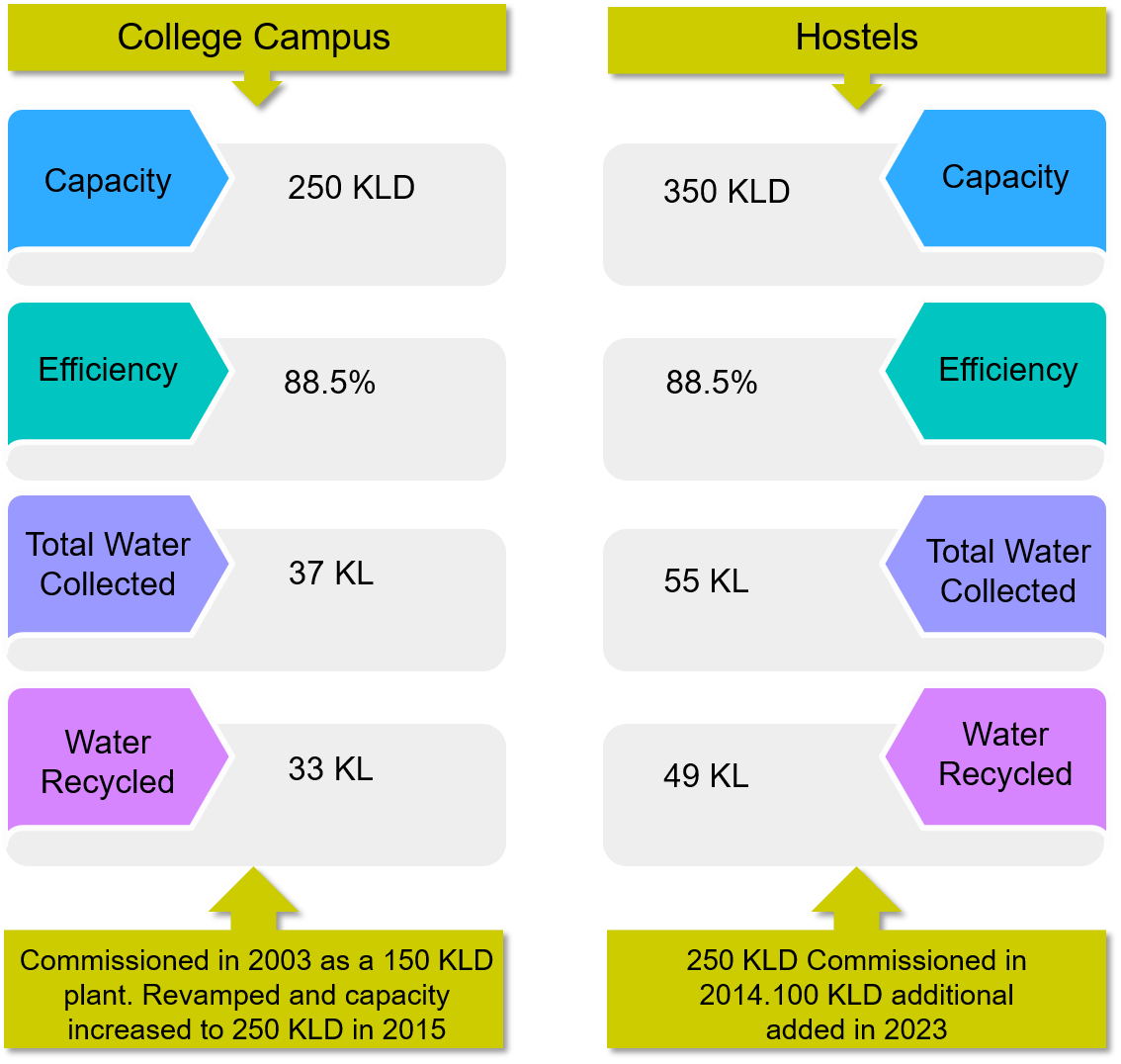
Figure VI (2.1) – 5: Details of Sewage Treatment Plants
DESCRIPTION OF THE DIAGRAM (Figure VI – 5):
1. College Campus
- Capacity: The sewage treatment plant has a capacity of 250 kiloliters per day (KLD).
- Efficiency: The system operates at an efficiency rate of 88.5%, indicating effective treatment and utilization of water resources.
- Total Water Collected: A total of 37 kiloliters (KL)of water is collected for treatment.
- Water Recycled: Out of the collected water, 33 KLis recycled, showcasing a high rate of resource recovery.
- Commissioning Information: The plant was originally commissioned in 2003as a 150 KLD facility and underwent renovations in 2015, increasing its capacity to 250 KLD.
2. Hostels
- Capacity: The hostel’s sewage treatment facility has a capacity of 350 KLD, which provides sufficient treatment for the needs of the hostel residents.
- Efficiency: Similar to the campus, this system also operates at 88.5% efficiency.
- Total Water Collected: The hostel collects a total of 55 KLof water for treatment.
- Water Recycled: From the collected water, 49 KLis recycled, indicating a strong commitment to sustainable water use.
- Commissioning Information: The hostel’s sewage treatment plant was commissioned in 2014as a 250 KLD facility, with an additional 100 KLD added in 2023 to enhance capacity and meet growing demand.
Overall, the diagram illustrates the effective water management systems in place at the College Campus and Hostels of BSACIST. Both systems demonstrate efficient operation, significant water recycling, and a commitment to enhancing infrastructure over time. The comparisons highlight how the university prioritizes sustainable practices in water management to support its growing community.
Table VI (2.1) – 1: Water Data for the period 2023-24
Sl. No. | Month / Year | No. of Loads | Quantity of Lorry Water before treatment (m³) | Lorry Water after treatment (m³) | Well Water before treatment (m³) | Well Water after treatment (m³) | Total Treated Water (m³) | Sewage Generated (m³) | Sewage Treatment (m³) |
1 | Jan-24 | 1143 | 1143 m³ | 1039 | 266 | 242 | 1281 | 1012 | 901 |
2 | Feb-24 | 1574 | 1574 m³ | 1402 | 256 | 233 | 1635 | 1292 | 1150 |
3 | Mar-24 | 1771 | 1771 m³ | 1578 | 257 | 234 | 1812 | 1431 | 1274 |
4 | Apr-24 | 1325 | 1325 m³ | 1181 | 275 | 250 | 1431 | 1130 | 1006 |
5 | May-24 | 1873 | 1873 m³ | 1669 | 277 | 252 | 1921 | 1518 | 1351 |
6 | Jun-24 | 1225 | 1225 m³ | 1091 | 270 | 246 | 1338 | 1057 | 940 |
7 | Jul-24 | 1296 | 1296 m³ | 1155 | 273 | 243 | 1398 | 1090 | 959 |
8 | Aug-24 | 1626 | 1626 m³ | 1449 | 250 | 222 | 1671 | 1303 | 1147 |
9 | Sep-24 | 1775 | 1775 m³ | 1582 | 262 | 233 | 1815 | 1415 | 1245 |
10 | Oct-24 | 1413 | 1413 m³ | 1259 | 260 | 231 | 1490 | 1162 | 1023 |
11 | Nov-24 | 1467 | 1467 m³ | 1307 | 259 | 230 | 1537 | 1199 | 1055 |
12 | Dec-24 | 1307 | 1307 m³ | 1165 | 253 | 225 | 1390 | 1084 | 954 |
Total | 17,795 | 17,795 m³ | 15,876 | 3,157 | 2,842 | 18,718 | 14,694 | 13,005 | |
C. Water Treatment and Sewage Management Report
The following table summarizes the monthly water treatment and sewage management data from January 2024 to December 2024. It documents the quantities of lorry and well water used, the treatment processes undertaken, and the associated sewage generated and treated.
Overview of Water Sources and Treatment Process
- Lorry Water Treatment: Each month, lorry water was collected in various quantities, and after treatment, 90% efficiency was achieved. The data shows a monthly range of lorry water treated, with figures fluctuating from 1039 m³ to 1,669 m³.
- Well Water Treatment: Collected well water, which was fully utilized initially (100%), underwent a similar treatment process at 90% efficiency. This process yielded an average collection close to 222 m³ and peaked at 252 m³ during specific months.
- Total Treated Water: The combined total of treated water from both sources shows a consistent monthly output, indicating effective resource management.
Monthly Water and Sewage Management
- Monthly data from January 2024 to December 2024 showed significant variations, with total water collected each month reflecting operational demands and treatment capacities.
- For instance, January 2024 recorded a collection of 1,039 m³ of lorry water and 242 m³ of well water, generating of sewage 1,012 m³ and 901 m³ of sewage treated. Over the period, the highest recorded sewage generation was 1,518 m³ in May 2024.
- The total treated water from all sources across the reporting period was 18,718 m³, while the total sewage generated reached 14,694 m³. Furthermore, the total sewage treated was 13,005 m³, representing a significant efficiency in sewage management.
The data reflects a proactive approach to managing both water resources and sewage treatment within the facility. The implementation of efficient treatment processes has led to substantial recycling of water, aligning with sustainability goals. Continuous monitoring and analysis of monthly figures ensure that the facility can make informed decisions regarding water usage and treatment efficacy, ultimately contributing to responsible environmental stewardship.
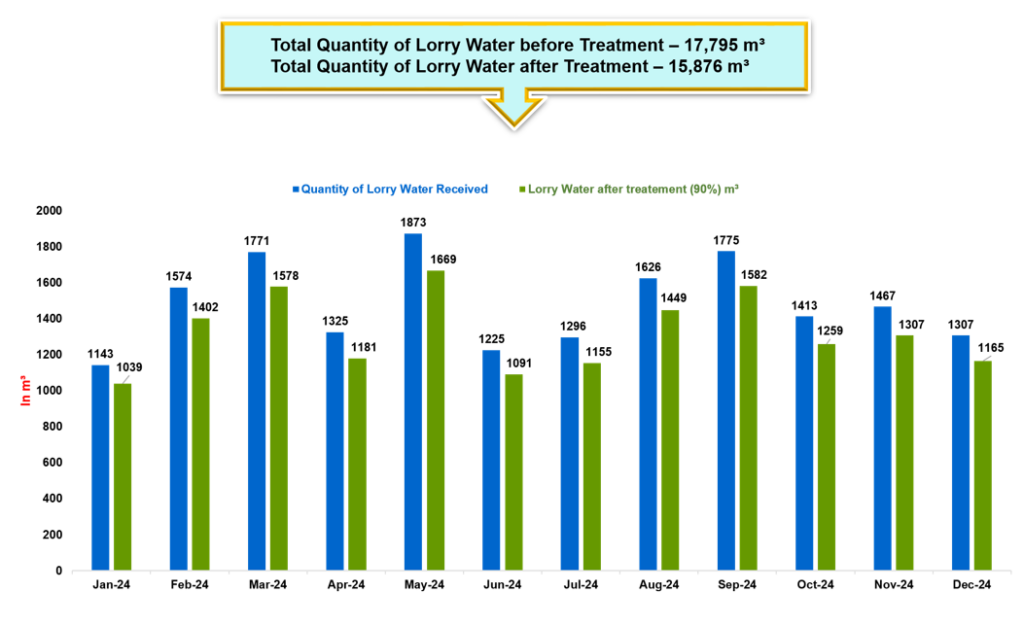
Figure VI (2.1) – 6: Lorry Water before and after Treatment in m³
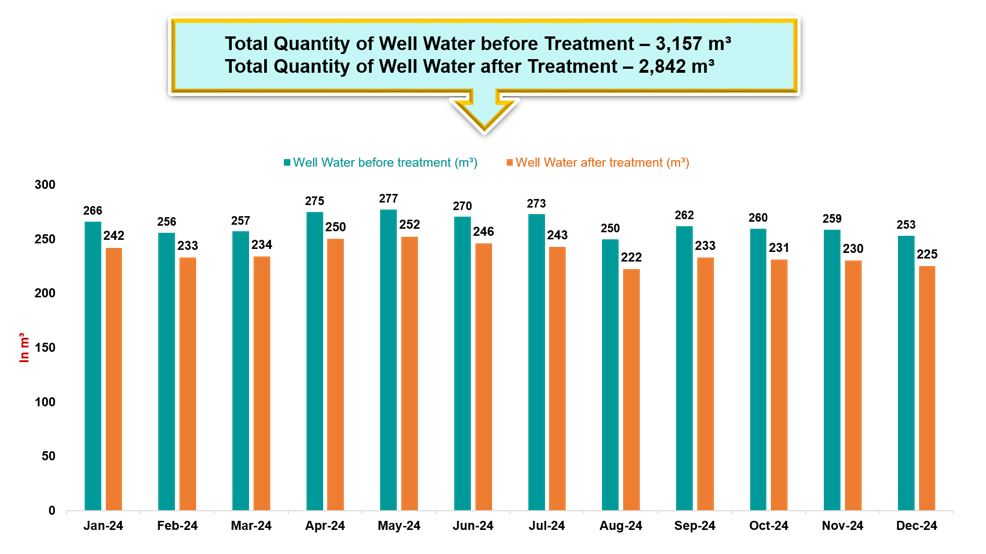
Figure VI (2.1) – 7: Well Water Before and after Treatment in m³
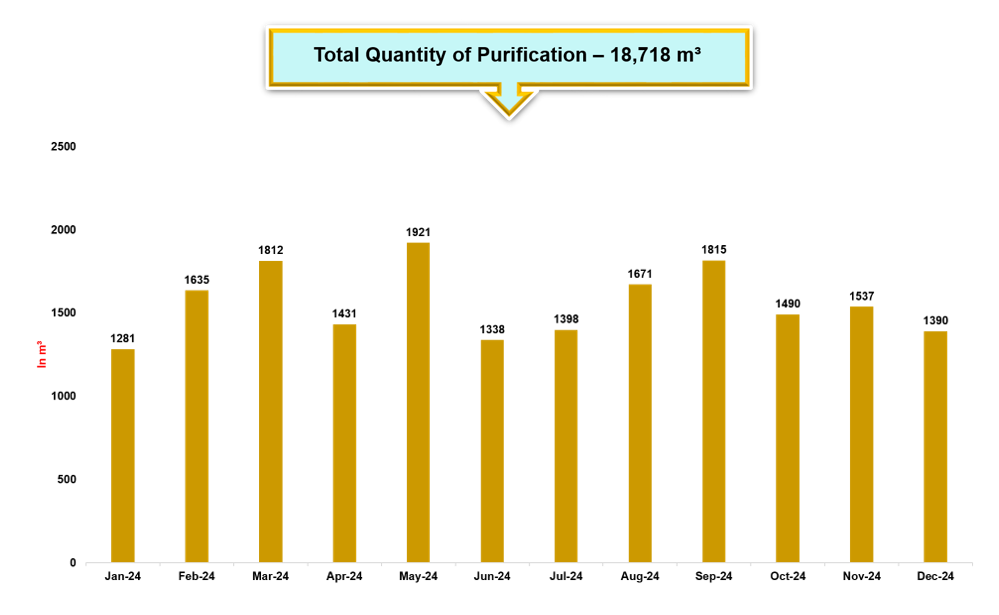
Figure VI (2.1) – 8: Water Purification Data for the year 2023-24 in m³
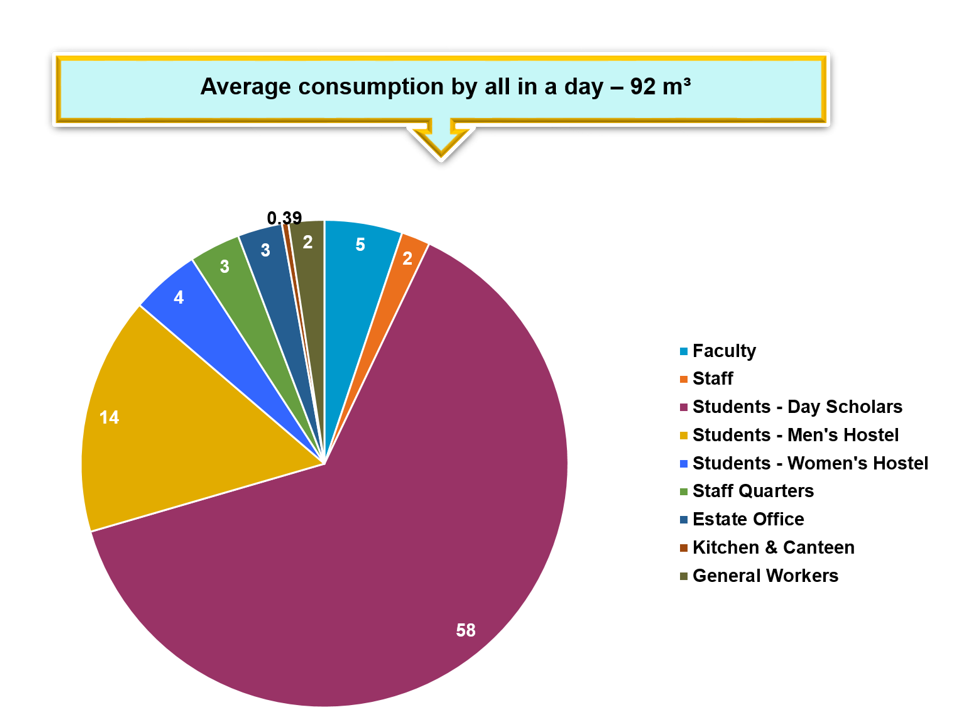
Figure VI (2.1) – 9: Water Consumption : FTE / per day in m³
Table VI (2.1) – 2: Water Consumption Data 2023-24
S. No | Details | No. of persons | No. of days per year | Persons X days | Water consumed by |
1 | Faculty | 610 | 180 | 109800 | 5 |
2 | Staff | 225 | 180 | 40500 | 2 |
3 | Students – Day Scholars | 7485 | 180 | 1347300 | 58 |
4 | Students – Men’s Hostel | 1863 | 250 | 465750 | 14 |
5 | Students – Women’s Hostel | 539 | 250 | 134750 | 4 |
6 | Staff Quarters | 400 | 300 | 120000 | 3 |
7 | Estate Office | 350 | 300 | 105000 | 3 |
8 | Kitchen & Canteen | 50 | 250 | 12500 | 0.39 |
9 | General Workers | 280 | 250 | 70000 | 2 |
Total | 11802 | 2140 | 2405600 | 92 |
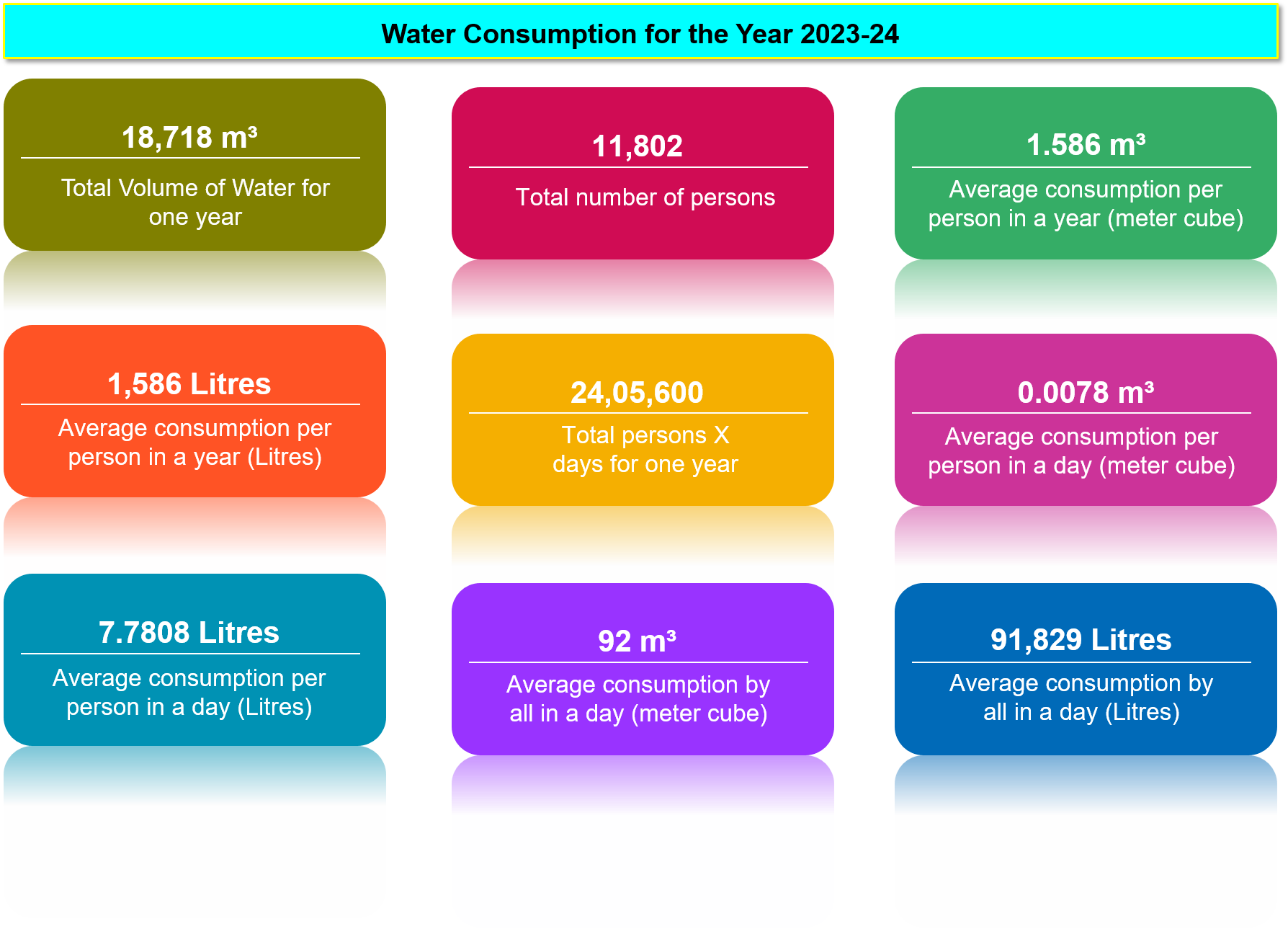
Figure VI (2.1) – 10: Average Water Consumption
D. WATER CONSUMPTION OVERVIEW FOR THE YEAR 2023-24
This infographic provides a clear representation of water consumption metrics for the year 2023-24 at B.S. Abdur Rahman Crescent Institute of Science and Technology.
1. Total Water Volume
- 18,718 m³: This figure indicates the total volume of water consumed throughout the year, emphasizing the scale of water management efforts within the institution.
2. Population Served
- 11,802 : This number reflects the total number of individuals utilizing the water resources, which may include students, staff, and faculty.
3. Average Annual Consumption
- 1,586 Litres : On average, each person consumed approximately 2,405 litres of water over the course of a year, highlighting individual usage patterns concerning water resources.
4. Total Consumption Calculation
- 24,05,600 : This total is derived from multiplying the number of persons by the total days in a year, demonstrating the comprehensive engagement of the population with water consumption.
5. Daily Consumption Insights
- Average Daily Consumption:
- 7.78 Litres: This metric indicates the average daily water consumption per person, allowing for an understanding of daily water usage habits.
- 92 m³: The total average consumption for all users in a day is represented in cubic meters, providing a broader perspective on daily water demand.
6. Micro Consumption Metrics
- 0.0078 m³: This figure translates the average daily consumption per person into cubic meters, underscoring the granularity of water usage data, which is important for detailed management and planning.
- 91,829 Litres: This shows the aggregated total of daily water consumption by all individuals, structured in litres for precision in resource planning and assessment.
Overall, these metrics illustrate a structured approach to monitoring and managing water consumption within the institution. With clear indicators of individual and collective usage, the data supports ongoing efforts to promote sustainability and responsible water management practices. This analysis equips decision-makers with insightful information that can enhance future water conservation strategies and policies.
Water Management and Reuse Policy
Issue: 04; Revised on 2023
| Policy Created on | July 2009 |
| 1st Revision amended on | IQAC Meeting held on 27th October 2017 |
| 2nd Revision amended on | IQAC Meeting held on 31st March 2021 |
| 3rd Revision amended on | IQAC Meeting held on 16th June 2023 |
Responsible Executive : Director (IQAC)
Responsible Office : Internal Quality Assurance Cell,
Student Affairs, Estate Office, Academic Office, Library and SDG Cell
Contacts : Registrar and Director (IQAC)
6.1 STATEMENT OF POLICY
The B.S. Abdur Rahman Crescent Institute of Science and Technology is committed to achieving the following objectives in alignment with Sustainable Development Goal 6 (SDG 6) – Clean Water and Sanitation:
a) Ensure universal and equitable access to safe and affordable drinking water for all stakeholders.
b) Provide adequate and equitable sanitation and hygiene for all, with special attention to the needs of women, girls, and vulnerable groups.
c) Improve water quality by reducing pollution, eliminating dumping, and minimizing the release of hazardous chemicals and materials.
d) Halve the proportion of untreated wastewater and substantially increase recycling and safe reuse globally.
e) Substantially increase water-use efficiency across all sectors and ensure sustainable withdrawals and freshwater supply to address water scarcity.
f) Implement integrated water resources management at all levels, including transboundary cooperation as appropriate.
g) Protect and restore water-related ecosystems, including mountains, forests, wetlands, rivers, aquifers, and lakes.
h) Expand international cooperation and capacity-building support to developing countries in water- and sanitation-related activities and programs.
i) Support and strengthen the participation of local communities in improving water and sanitation management.
6.2 REASON FOR THIS POLICY
The policy aims to provide all stakeholders with adequate water supply, sanitation, and hygiene. It emphasises maximising the collection and treatment of sewage generated and the reuse of treated wastewater sustainably, thereby reducing dependency on freshwater resources. The policy promotes treating wastewater as an economic resource.
6.3 RESPONSIBILITIES
6.3.1 Policy Principles
a) The campus shall provide adequate water supply and maximize water reuse by adhering to the following principles:
- Equitable access to safe and affordable drinking water for all stakeholders.
- Access to adequate sanitation and hygiene, ending open defecation, with special attention to vulnerable groups.
- Calculation of water usage per person (students, staff, and faculty) annually.
- Improving water quality by reducing pollution and increasing recycling and safe reuse.
- Utilization of recycled/treated wastewater for beneficial purposes, such as irrigation and toilet flushing.
- Implementation of integrated water resources management at all levels.
- Protection and restoration of water-related ecosystems on campus.
- Expansion of rainwater harvesting initiatives.
- Collaboration with government, NGOs, and industries in water-related activities.
- Support for student and staff participation in water management.
6.4.1 Water Reuse Policy Objectives
- Establish a comprehensive policy to maximize water reuse across the university.
- Ensure that all new buildings adhere to water-conscious building standards that facilitate water reuse.
- Implement systems for tracking and measuring water consumption and reuse.
6.4.2 Water Reuse
- Water Reuse Policy: maximise water reuse across the university.
- Water Reuse Measurement: Measure water reuse across the university.
6.5 DISSEMINATION OF POLICY
a) Display signage promoting water use efficiency across the campus.
b) Conduct awareness programs at regular intervals to increase water-use efficiency.
c) Post the policy on the Institute’s website and update it as necessary.
6.6 ENFORCEMENT OF POLICY
a) The Director (Planning & Development) and Deputy Director monitor compliance and address breaches.
b) Awareness of the policy among students, staff, and visitors is essential.
c) Breaches may lead to disciplinary action as per the Institute’s code of conduct.
B.S. Abdur Rahman Crescent Institute of Science and Technology exemplifies this commitment through its comprehensive wastewater treatment and liquid waste management strategies, ensuring the sustainable use of water within its campus.
The university has established effective measures for treating wastewater generated on its premises, ensuring that the treated water is reused efficiently. The estate office has implemented sustainable sewage treatment plants designed to handle the university’s wastewater effectively. In 2022, an additional sewage treatment plant (STP) with a capacity of 100 KLD was commissioned at the KBA Men’s Hostel, enhancing the existing sewage treatment plants.
A. Infrastructure Overview
Currently, the university operates two sewage treatment plants, each with a capacity of 250 KLD—one dedicated to the Men’s Hostel and the other serving the institute campus. This infrastructure is critical for managing sewage, which typically contains a mix of organic, inorganic, and suspended solids. The treatment process is structured to remove these pollutants, allowing for effective reuse of the treated water.
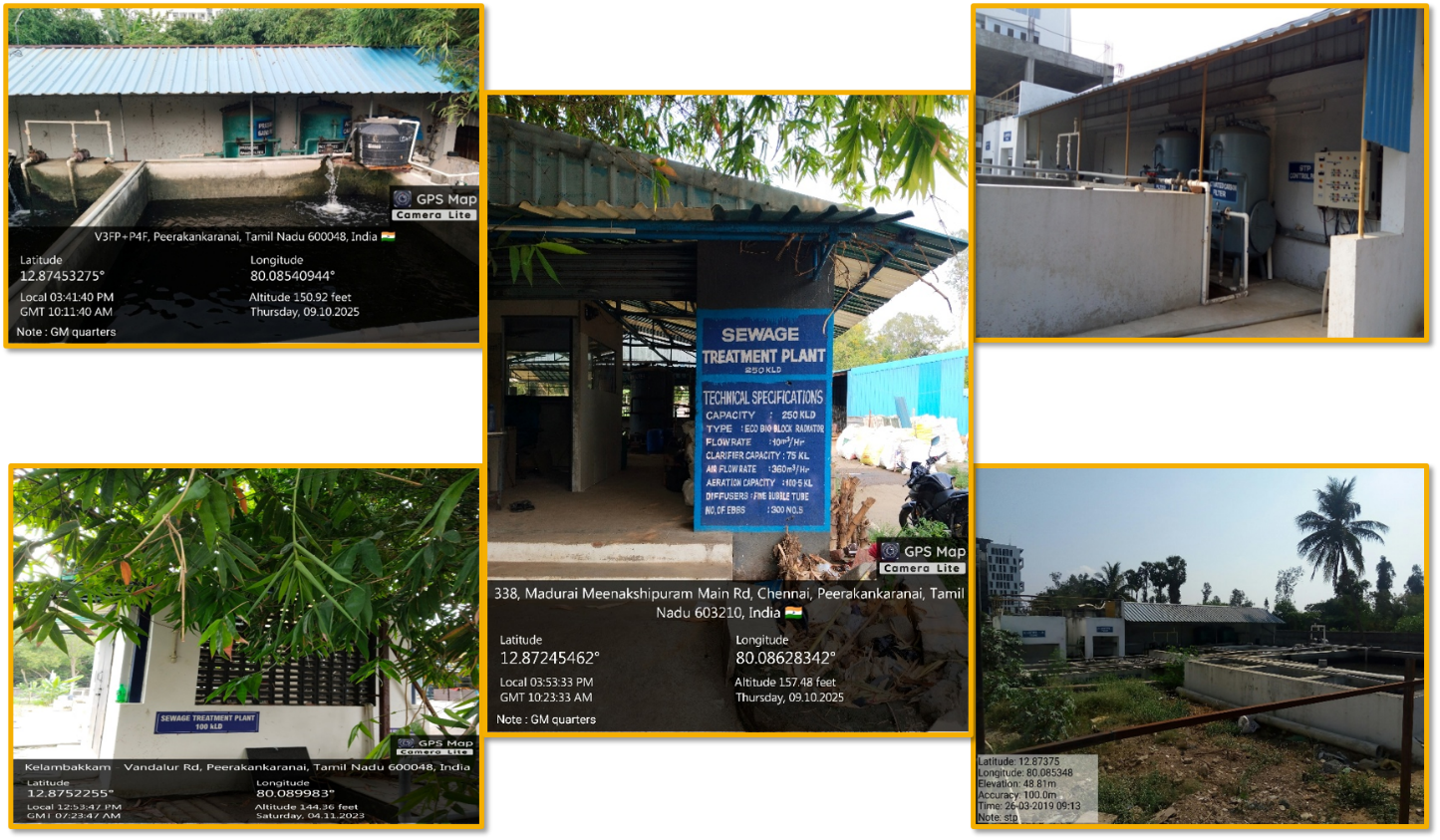
Figure VI (3.1) – 1: 250 KLD and 100 KLD – STP – Geo-tagged photographs
B.Treatment Process
The treatment system comprises several stages, beginning with preliminary treatment to eliminate floating debris and grit. Bar screens filter out plastics and other floating materials, while grit chambers remove sand and silt. The primary sedimentation tank further aids in the removal of suspended solids. Following this, the secondary treatment process employs a biological treatment system to remove organic content from the wastewater.
Eco-bio blocks are incorporated to enhance the efficiency of biological treatment. These blocks facilitate the attachment of beneficial bacteria, improving the removal of organic matter and enabling the system to handle fluctuations in organic loading. The treatment process operates on the principle of an attached growth aerobic system, followed by sand and carbon filters that ensure any residual organics are adequately adsorbed before the treated water is stored in a collection tank.
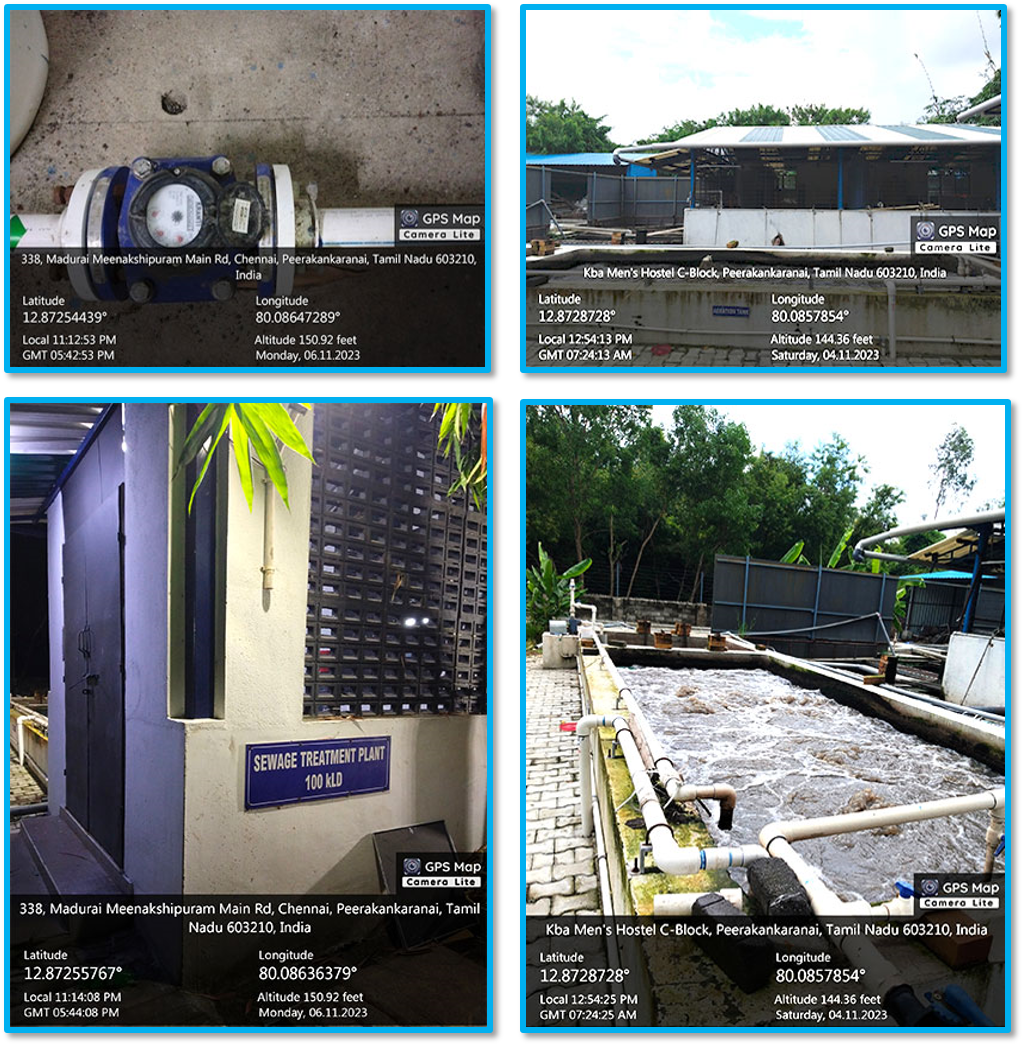
Figure VI (3.1) – 2: Geo-tagged photographs showing two STPs of capacity 250 KLD and 100 KLD
C. Maintenance and Monitoring
Regular maintenance of the sewage treatment plants is a priority, with periodic checks on all pumps and valves to ensure optimal functioning. The treated water is primarily utilized for landscaping and toilet flushing, significantly reducing the university’s dependence on fresh water from wells for gardening purposes.
To ensure the effectiveness of the treatment systems, the physical, chemical, and biological characteristics of the treated water are routinely tested. Key parameters such as pH, solids, Chemical Oxygen Demand (COD), biochemical oxygen demand (BOD), nitrates, and chlorides are monitored to maintain water quality suitable for reuse.
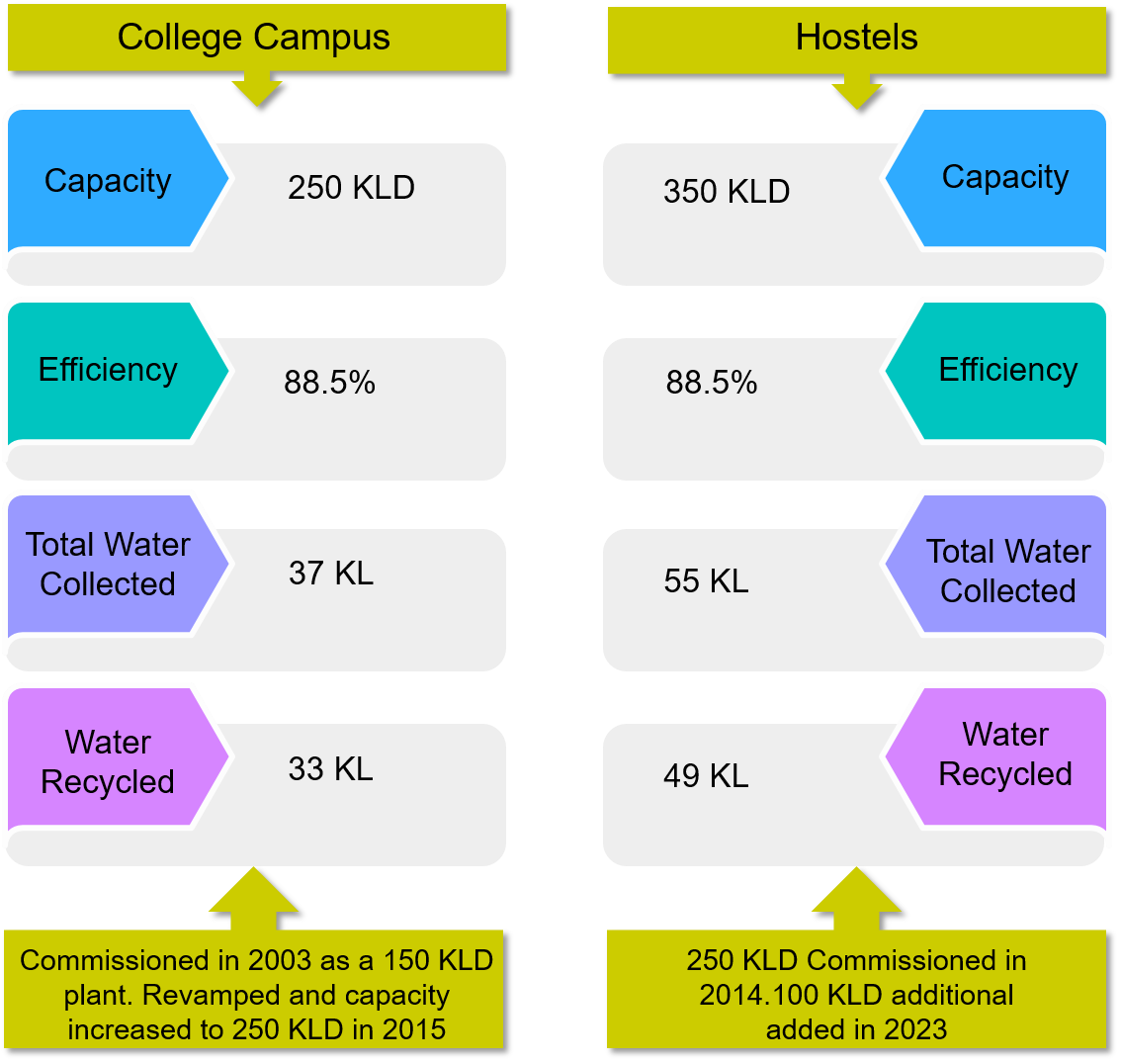
Figure VI (3.1) – 3: Details of Wastewater Recycled
DESCRIPTION OF THE DIAGRAM (Figure VI – 4):
1. College Campus
- Capacity: The sewage treatment plant has a capacity of 250 kiloliters per day (KLD).
- Efficiency: The system operates at an efficiency rate of 88.5%, indicating effective treatment and utilization of water resources.
- Total Water Collected: A total of 37 kiloliters (KL)of water is collected for treatment.
- Water Recycled: Out of the collected water, 33 KL is recycled, showcasing a high rate of resource recovery.
- Commissioning Information: The plant was originally commissioned in 2003as a 150 KLD facility and underwent renovations in 2015, increasing its capacity to 250 KLD.
2. Hostels
- Capacity: The hostel’s sewage treatment facility has a capacity of 350 KLD, which provides sufficient treatment for the needs of the hostel residents.
- Efficiency: Similar to the campus, this system also operates at 88.5% efficiency
- Total Water Collected: The hostel collects a total of 55 KL of water for treatment.
- Water Recycled: From the collected water, 49 KL is recycled, indicating a strong commitment to sustainable water use.
- Commissioning Information: The hostel’s sewage treatment plant was commissioned in 2014 as a 250 KLD facility, with an additional 100 KLD added in 2023 to enhance capacity and meet growing demand.
Overall, the diagram illustrates the effective water management systems in place at the College Campus and Hostels of BSACIST. Both systems demonstrate efficient operation, significant water recycling, and a commitment to enhancing infrastructure over time. The comparisons highlight how the university prioritizes sustainable practices in water management to support its growing community.
Table VI (3.1) – 1: Recycled Water Data for the period 2023-24
Sl. No. | Month / Year | No. of Loads | Quantity of Lorry Water before treatment (m³) | Lorry Water after treatment (m³) | Well Water before treatment (m³) | Well Water after treatment (m³) | Total Treated Water (m³) | Sewage Generated (m³) | Sewage Treatment (m³) |
1 | Jan-24 | 1143 | 1143 m³ | 1039 | 266 | 242 | 1281 | 1012 | 901 |
2 | Feb-24 | 1574 | 1574 m³ | 1402 | 256 | 233 | 1635 | 1292 | 1150 |
3 | Mar-24 | 1771 | 1771 m³ | 1578 | 257 | 234 | 1812 | 1431 | 1274 |
4 | Apr-24 | 1325 | 1325 m³ | 1181 | 275 | 250 | 1431 | 1130 | 1006 |
5 | May-24 | 1873 | 1873 m³ | 1669 | 277 | 252 | 1921 | 1518 | 1351 |
6 | Jun-24 | 1225 | 1225 m³ | 1091 | 270 | 246 | 1338 | 1057 | 940 |
7 | Jul-24 | 1296 | 1296 m³ | 1155 | 273 | 243 | 1398 | 1090 | 959 |
8 | Aug-24 | 1626 | 1626 m³ | 1449 | 250 | 222 | 1671 | 1303 | 1147 |
9 | Sep-24 | 1775 | 1775 m³ | 1582 | 262 | 233 | 1815 | 1415 | 1245 |
10 | Oct-24 | 1413 | 1413 m³ | 1259 | 260 | 231 | 1490 | 1162 | 1023 |
11 | Nov-24 | 1467 | 1467 m³ | 1307 | 259 | 230 | 1537 | 1199 | 1055 |
12 | Dec-24 | 1307 | 1307 m³ | 1165 | 253 | 225 | 1390 | 1084 | 954 |
Total | 17,795 | 17,795 m³ | 15,876 | 3,157 | 2,842 | 18,718 | 14,694 | 13,005 | |
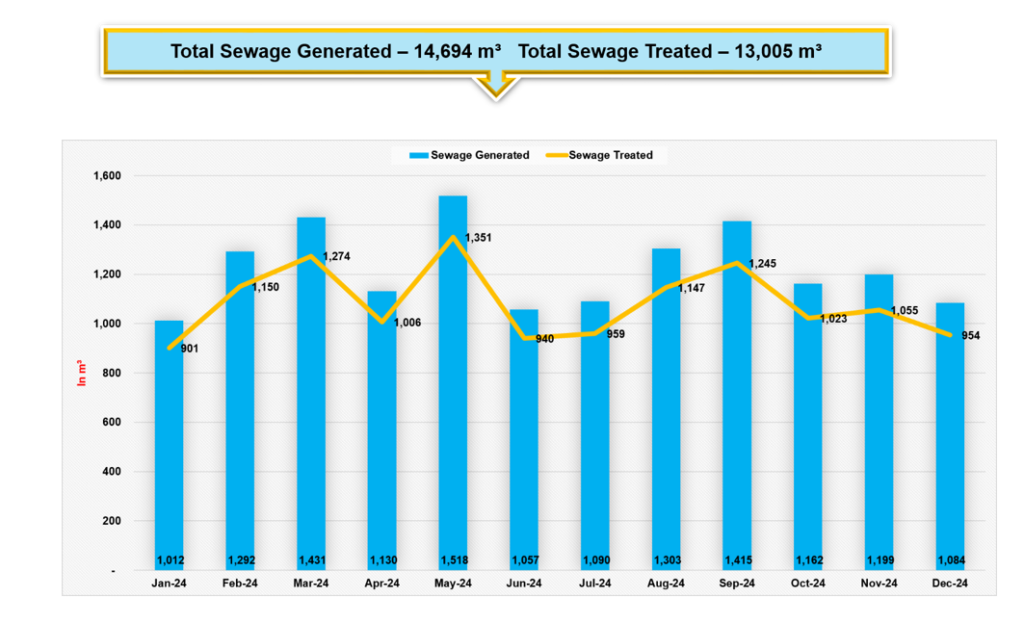
Figure VI (3.1) – 4: Sewage Treated Water for the year 2023-24 in m³
D. Water Treatment and Sewage Management Report
The following table summarizes the monthly water treatment and sewage management data from January 2024 to December 2024. It documents the quantities of lorry and well water used, the treatment processes undertaken, and the associated sewage generated and treated.
Overview of Water Sources and Treatment Process
- Lorry Water Treatment: Each month, lorry water was collected in various quantities, and after treatment, 90% efficiency was achieved. The data shows a monthly range of lorry water treated, with figures fluctuating from 1039 m³ to 1,669 m³.
- Well Water Treatment: Collected well water, which was fully utilized initially (100%), underwent a similar treatment process at 90% efficiency. This process yielded an average collection close toto 222 m³ and peaked at 252 m³ during specific months.
- Total Treated Water: The combined total of treated water from both sources shows a consistent monthly output, indicating effective resource management.
Monthly Water and Sewage Management
- Monthly data from June January 2024 to December 2024 showed significant variations, with total water collected each month reflecting operational demands and treatment capacities.
- For instance, January 2024 recorded a collection of 1,039 m³ of lorry water and 242 m³ of well water, generating of sewage 1,012 m³ and 901 m³ of sewage treated. Over the period, the highest recorded sewage generation was 1,518 m³ in May 2024.
- The total treated water from all sources across the reporting period was 18,718 m³ , while the total sewage generated reached 14,694 m³. Furthermore, the total sewage treated was 13,005 m³, representing a significant efficiency in sewage management.
The data reflects a proactive approach to managing both water resources and sewage treatment within the facility. The implementation of efficient treatment processes has led to substantial recycling of water, aligning with sustainability goals. Continuous monitoring and analysis of monthly figures ensure that the facility can make informed decisions regarding water usage and treatment efficacy, ultimately contributing to responsible environmental stewardship.
Water Management and Reuse Policy
Issue: 04; Revised on 2023
| Policy Created on | July 2009 |
| 1st Revision amended on | IQAC Meeting held on 27th October 2017 |
| 2nd Revision amended on | IQAC Meeting held on 31st March 2021 |
| 3rd Revision amended on | IQAC Meeting held on 16th June 2023 |
Responsible Executive : Director (IQAC)
Responsible Office : Internal Quality Assurance Cell,
Student Affairs, Estate Office, Academic Office, Library and SDG Cell
Contacts : Registrar and Director (IQAC)
6.1 STATEMENT OF POLICY
The B.S. Abdur Rahman Crescent Institute of Science and Technology is committed to achieving the following objectives in alignment with Sustainable Development Goal 6 (SDG 6) – Clean Water and Sanitation:
a) Ensure universal and equitable access to safe and affordable drinking water for all stakeholders.
b) Provide adequate and equitable sanitation and hygiene for all, with special attention to the needs of women, girls, and vulnerable groups.
c) Improve water quality by reducing pollution, eliminating dumping, and minimizing the release of hazardous chemicals and materials.
d) Halve the proportion of untreated wastewater and substantially increase recycling and safe reuse globally.
e) Substantially increase water-use efficiency across all sectors and ensure sustainable withdrawals and freshwater supply to address water scarcity.
f) Implement integrated water resources management at all levels, including transboundary cooperation as appropriate.
g) Protect and restore water-related ecosystems, including mountains, forests, wetlands, rivers, aquifers, and lakes.
h) Expand international cooperation and capacity-building support to developing countries in water- and sanitation-related activities and programs.
i) Support and strengthen the participation of local communities in improving water and sanitation management.
6.2 REASON FOR THIS POLICY
The policy aims to provide all stakeholders with adequate water supply, sanitation, and hygiene. It emphasises maximising the collection and treatment of sewage generated and the reuse of treated wastewater sustainably, thereby reducing dependency on freshwater resources. The policy promotes treating wastewater as an economic resource.
6.3 RESPONSIBILITIES
6.3.1 Policy Principles
a) The campus shall provide adequate water supply and maximize water reuse by adhering to the following principles:
- Equitable access to safe and affordable drinking water for all stakeholders.
- Access to adequate sanitation and hygiene, ending open defecation, with special attention to vulnerable groups.
- Calculation of water usage per person (students, staff, and faculty) annually.
- Improving water quality by reducing pollution and increasing recycling and safe reuse.
- Utilization of recycled/treated wastewater for beneficial purposes, such as irrigation and toilet flushing.
- Implementation of integrated water resources management at all levels.
- Protection and restoration of water-related ecosystems on campus.
- Expansion of rainwater harvesting initiatives.
- Collaboration with government, NGOs, and industries in water-related activities.
- Support for student and staff participation in water management.
6.4.1 Water Reuse Policy Objectives
- Establish a comprehensive policy to maximize water reuse across the university.
- Ensure that all new buildings adhere to water-conscious building standards that facilitate water reuse.
- Implement systems for tracking and measuring water consumption and reuse.
6.4.2 Water Reuse
- Water Reuse Policy: maximise water reuse across the university.
- Water Reuse Measurement: Measure water reuse across the university.
6.5 DISSEMINATION OF POLICY
a) Display signage promoting water use efficiency across the campus.
b) Conduct awareness programs at regular intervals to increase water-use efficiency.
c) Post the policy on the Institute’s website and update it as necessary.
6.6 ENFORCEMENT OF POLICY
a) The Director (Planning & Development) and Deputy Director monitor compliance and address breaches.
b) Awareness of the policy among students, staff, and visitors is essential.
c) Breaches may lead to disciplinary action as per the Institute’s code of conduct.
B.S. Abdur Rahman Crescent Institute of Science and Technology has implemented measures to prevent polluted water from entering the water system, specifically targeting pollution resulting from accidents and incidents.
A. DESCRIPTION OF THE DIAGRAM (FIGURE VI – 1):
The provided diagram outlines the water management infrastructure of the B.S. Abdur Rahman Crescent Institute of Science and Technology, showcasing various types of water lines across the campus.

Figure VI (3.2) – 1: Existing water supply and drainage pipeline layout with width of drains, invert levels & disposal to prevent polluted water from entering the water system
1.OVERALL LAYOUT
- The map depicts the campus layout, highlighting key buildings and areas. Various color-coded lines represent different water types and their management systems.
2. COLOR-CODED SYSTEMS
- Raw Water Lines (Green): These lines indicate the pathways through which untreated or source water is supplied to the campus. This water is typically drawn from local sources before any treatment process.
- STP Treated Water Lines (Yellow): The yellow lines represent water undergoing treatment through the Sewage Treatment Plant (STP). This recycled water is suitable for non-potable uses, such as irrigation and cooling processes, reflecting the institution’s sustainability efforts.
- Sewage Water Lines (Blue): The blue lines illustrate the sewage discharge routes, showing how wastewater is collected and directed to the treatment plant for processing. This ensures effective sanitation and environmental management.
3. INFRASTRUCTURE ELEMENTS
- The diagram highlights important infrastructure components, such as the Sewage Treatment Plant (STP), water tanks, and other critical facilities. These components are strategically located to optimize water flow and management across the campus.
4. OVERALL FUNCTIONALITY
- The design emphasizes an integrated approach to water management, showcasing how raw water is sourced, treated, and utilized effectively while also addressing sewage disposal. This organized system reflects the institute’s commitment to sustainability and efficient resource use.
The map serves as a valuable tool for understanding the water management framework at B.S. Abdur Rahman Crescent Institute of Science and Technology. By clearly outlining the raw water, treated water, and sewage systems, it provides insight into the institution’s initiatives for maintaining water quality and promoting environmental sustainability on campus.
5. PREVENTIVE MEASURES
- Our past experience has shown that remedial actions to clean up polluted sites and water bodies are more expensive than applying measures to prevent pollution. Although a wastewater treatment system has been installed, water pollution remains a problem. Our approach is to prevent the production of wastes from various sources. The following preventive measures have been applied on campus.
- To prevent Kitchen wastewater FOG (Fats, Oils, and Grease) entering the water system
- Kitchen wastewater, especially from Men’s Hostel kitchen, contains high levels of FOG that can clog sewer systems and inhibit biological activity in treatment plants.
- Issues caused by improper discharge of FOG:
- FOG forms a layer on the water surface, reducing light penetration and oxygen transfer, disrupting aquatic ecosystems.
- FOG solidifies and accumulates in sewer pipes, causing blockages and sanitary sewer overflows.
- FOG interferes with wastewater treatment, especially in activated sludge processes.
- Action: A 25 kLD kitchen wastewater FOG treatment plant has been installed to remove pollutants like cooking oils, fats, and food scraps before discharge to the STP. This plant uses a multi-stage process (grease trap plus chemical and filtration steps) to break down and remove contaminants from kitchen wastewater.
- Kitchen wastewater, especially from Men’s Hostel kitchen, contains high levels of FOG that can clog sewer systems and inhibit biological activity in treatment plants.
- To prevent Kitchen wastewater FOG (Fats, Oils, and Grease) entering the water system

Figure VI (3.2) – 2: 25 kLD FOG treatment plan
- To prevent sewage water entering the water system
- A 10 kLD decentralized Sewage Treatment Plant (STP) has been installed for Crescent Incubation Center (CIIC Block) to treat wastewater generated from CIIC Block so it can be reused for non-potable purposes like gardening.
- This STP provides a self-contained system for the CIIC block where connecting to a main sewer line is not feasible due to distance and terrain.
- This approach conserves fresh water and prevents environmental pollution from untreated sewage in septic systems.
- A decentralized FRP-based STP has been installed to address frequent filling of the existing septic tank, preventing sewage percolation into the ground.
- To prevent sewage water entering the water system
B. LAYOUT OF PIPELINES FOR WATER AND WASTEWATER (FIGURE VI – 2)
- PLUMBING AND WATER COLLECTION SYSTEMS
- The institute has established a meticulously planned plumbing facility for the collection and treatment of water. This includes the transportation of water from wells to treatment units, ensuring that pipes are laid at suitable gradients to facilitate safe water transport.
- Regular inspections are conducted to check for leaks in the water pipelines, and immediate replacements are made in case of breakages due to accidents. This proactive maintenance helps prevent polluted water from entering the water system.
- SEPARATE SEWER SYSTEMS
- Wastewater is collected through separate sewer pipelines, which are equipped with sufficient manholes for easy inspection. This segregation ensures that wastewater does not mix with potable water sources, thereby reducing the risk of contamination.
- IDENTIFICATION AND MARKING OF PIPELINES
- The institute employs a colour-coded system for easy identification of water and sewer lines:
- Green: Raw water from wells
- Blue: Treated water from the Sewage Treatment Plant (STP) used for toilet flushing
- This clear marking helps prevent accidental cross-connections that could lead to pollution.
- The institute employs a colour-coded system for easy identification of water and sewer lines:
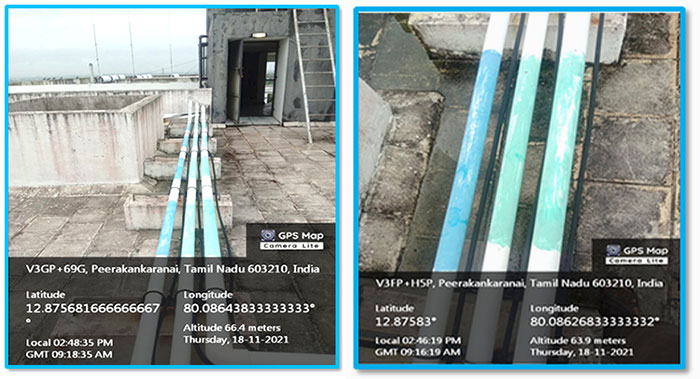
Figure VI (3.2) – 2: Layout of pipelines for water and wastewater – Geo-tagged photographs
C. SOLID WASTE MANAGEMENT PRACTICES (FIGURE VI – 3)
- PREVENTIVE MEASURES AGAINST POLLUTION
- The institute has implemented robust solid waste management practices to prevent water pollution caused by improper waste disposal. Key measures include:
- Segregation of Garbage: Garbage is segregated at entry points, particularly from high-traffic areas like hostels and canteens, to minimize contamination risks.
- Minimization of Waste: Efforts are made to reduce the amount of waste, particularly plastics, that could clog pipelines and affect water quality.
- Regular Clearing of Dumping Yards: Frequent disposal of accumulated waste from dumping yards prevents overflow and potential leaching into the water system.
- The institute has implemented robust solid waste management practices to prevent water pollution caused by improper waste disposal. Key measures include:
- SEWER MANAGEMENT
- The sewer connections to the old biogas plant have been redirected to the STP, ensuring that there is no mixing of sewer and rainwater, which could lead to contamination.
- BOUNDARY MANAGEMENT
- Measures have been taken to close any holes along the boundary of the institute that could contribute to water seepage from neighbouring areas, further protecting the water system from external pollution sources.
- EMERGENCY PREPAREDNESS
- The institute has additional raw water storage tanks that can be utilized during emergencies, ensuring a reliable supply of clean water and reducing the risk of contamination during unforeseen incidents.
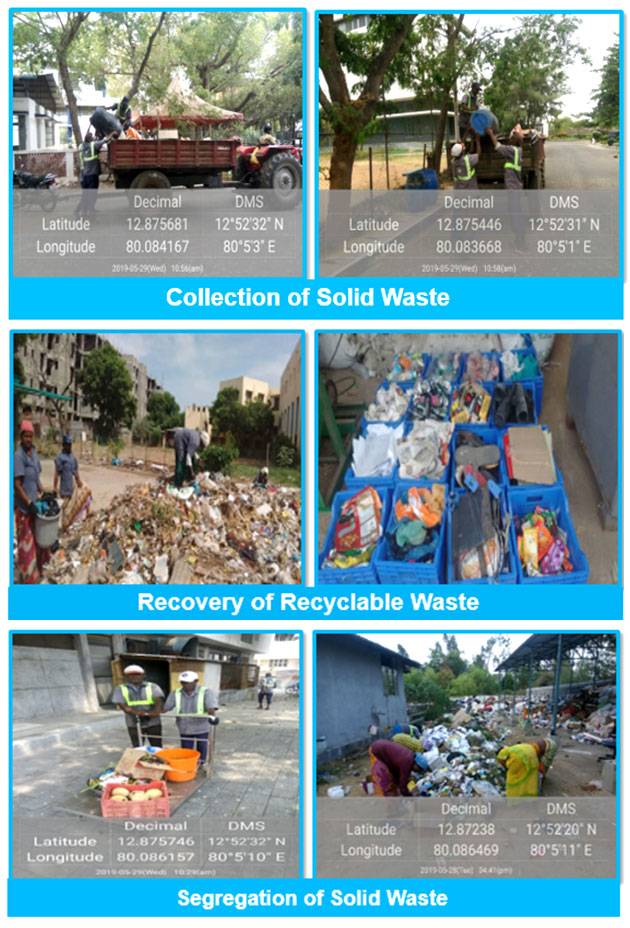
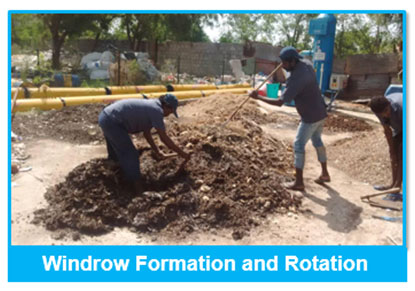
Figure VI (3.2) – 3 : Geo-tagged photographs showing the Collection of Solid Waste, Segregation of Solid Waste, Recovery of Recyclable and Windrow Formation and Rotation
Water Management and Reuse Policy
Issue: 04; Revised on 2023
| Policy Created on | July 2009 |
| 1st Revision amended on | IQAC Meeting held on 27th October 2017 |
| 2nd Revision amended on | IQAC Meeting held on 31st March 2021 |
| 3rd Revision amended on | IQAC Meeting held on 16th June 2023 |
Responsible Executive : Director (IQAC)
Responsible Office : Internal Quality Assurance Cell,
Student Affairs, Estate Office, Academic Office, Library and SDG Cell
Contacts : Registrar and Director (IQAC)
6.1 STATEMENT OF POLICY
The B.S. Abdur Rahman Crescent Institute of Science and Technology is committed to achieving the following objectives in alignment with Sustainable Development Goal 6 (SDG 6) – Clean Water and Sanitation:
a) Ensure universal and equitable access to safe and affordable drinking water for all stakeholders.
b) Provide adequate and equitable sanitation and hygiene for all, with special attention to the needs of women, girls, and vulnerable groups.
c) Improve water quality by reducing pollution, eliminating dumping, and minimizing the release of hazardous chemicals and materials.
d) Halve the proportion of untreated wastewater and substantially increase recycling and safe reuse globally.
e) Substantially increase water-use efficiency across all sectors and ensure sustainable withdrawals and freshwater supply to address water scarcity.
f) Implement integrated water resources management at all levels, including transboundary cooperation as appropriate.
g) Protect and restore water-related ecosystems, including mountains, forests, wetlands, rivers, aquifers, and lakes.
h) Expand international cooperation and capacity-building support to developing countries in water- and sanitation-related activities and programs.
i) Support and strengthen the participation of local communities in improving water and sanitation management.
6.2 REASON FOR THIS POLICY
The policy aims to provide all stakeholders with adequate water supply, sanitation, and hygiene. It emphasises maximising the collection and treatment of sewage generated and the reuse of treated wastewater sustainably, thereby reducing dependency on freshwater resources. The policy promotes treating wastewater as an economic resource.
6.3 RESPONSIBILITIES
6.3.1 Policy Principles
a) The campus shall provide adequate water supply and maximize water reuse by adhering to the following principles:
- Equitable access to safe and affordable drinking water for all stakeholders.
- Access to adequate sanitation and hygiene, ending open defecation, with special attention to vulnerable groups.
- Calculation of water usage per person (students, staff, and faculty) annually.
- Improving water quality by reducing pollution and increasing recycling and safe reuse.
- Utilization of recycled/treated wastewater for beneficial purposes, such as irrigation and toilet flushing.
- Implementation of integrated water resources management at all levels.
- Protection and restoration of water-related ecosystems on campus.
- Expansion of rainwater harvesting initiatives.
- Collaboration with government, NGOs, and industries in water-related activities.
- Support for student and staff participation in water management.
6.4.1 Water Reuse Policy Objectives
- Establish a comprehensive policy to maximize water reuse across the university.
- Ensure that all new buildings adhere to water-conscious building standards that facilitate water reuse.
- Implement systems for tracking and measuring water consumption and reuse.
6.4.2 Water Reuse
- Water Reuse Policy: maximise water reuse across the university.
- Water Reuse Measurement: Measure water reuse across the university.
6.5 DISSEMINATION OF POLICY
a) Display signage promoting water use efficiency across the campus.
b) Conduct awareness programs at regular intervals to increase water-use efficiency.
c) Post the policy on the Institute’s website and update it as necessary.
6.6 ENFORCEMENT OF POLICY
a) The Director (Planning & Development) and Deputy Director monitor compliance and address breaches.
b) Awareness of the policy among students, staff, and visitors is essential.
c) Breaches may lead to disciplinary action as per the Institute’s code of conduct.
The university actively promotes the availability of free drinking water for students, staff, and visitors by installing drinking water fountains throughout the campus. This initiative is essential for ensuring that all members of the university community have easy access to clean and safe drinking water.
A. MONITORING WATER QUALITY
The university ensures the quality of the drinking water through regular testing and monitoring. Parameters such as microbial content and chemical composition are regularly checked to guarantee safe drinking water for the university community. This proactive quality control is crucial for maintaining health standards and instilling confidence in the available drinking water resources.
B. DISTRIBUTION OF WATER DISPENSERS
This section summarizes the distribution of water dispensers and RO units across various buildings on campus:
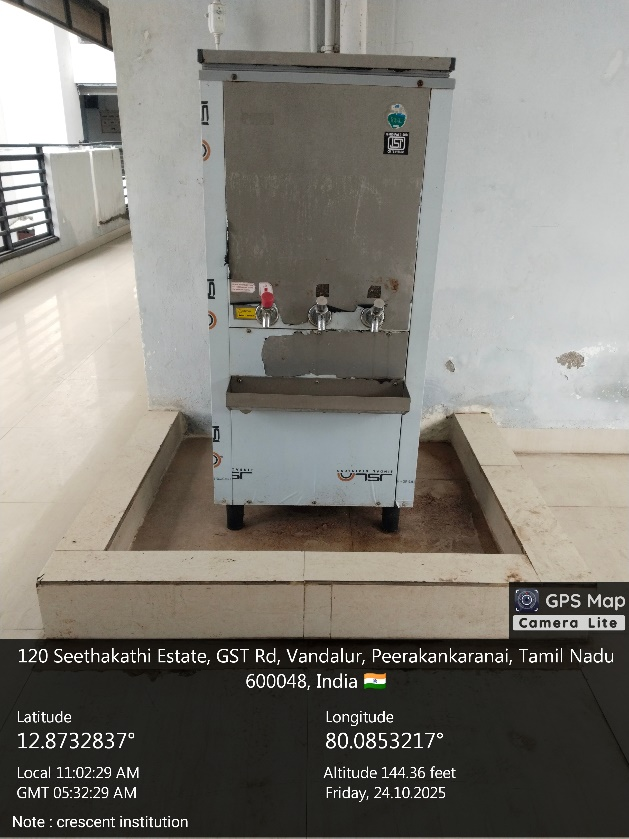
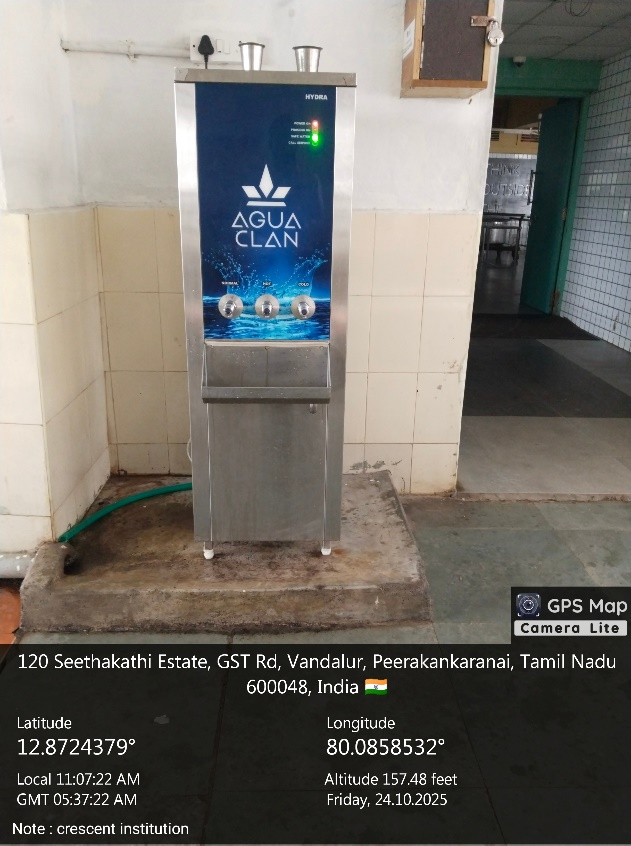
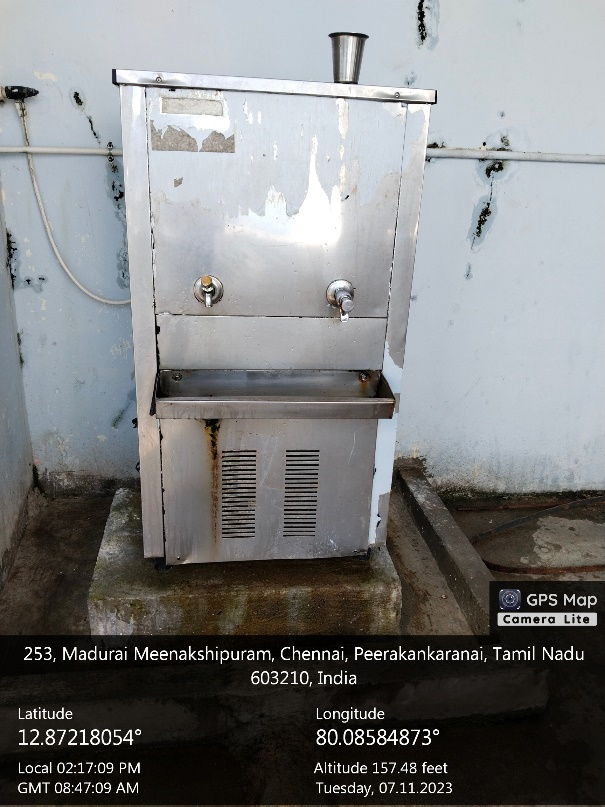
Figure VI (3.3) – 1 depicts a water cooler or dispenser in a men’s hostel, specifically in A Block of the KBA Men’s Hostel in BSACIST.
- Design and Structure: The water cooler has a metallic body with multiple taps for dispensing water. It appears to be mounted on a base, possibly for stability and ease of use.
- Location: The cooler is situated in a common area, likely accessible to residents of the hostel. The surrounding environment includes tiled flooring and walls, indicating a clean and maintained space.
- Details and Conditions: Each image includes GPS coordinates, indicating the exact location of the cooler. The images are timestamped, showing they were taken on October 24, 2025 and November 7, 2023, at various times throughout the day. The cooler appears to be in functional condition, although some areas show signs of wear, such as scratches or marks on the surface.
Figure VI (3.3) – 1: Free Drinking Water dispenser units at different locations
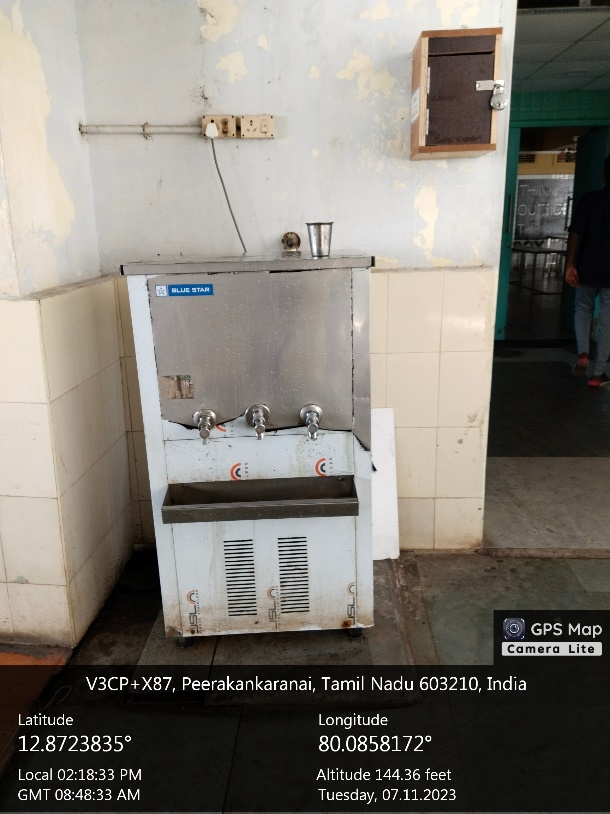
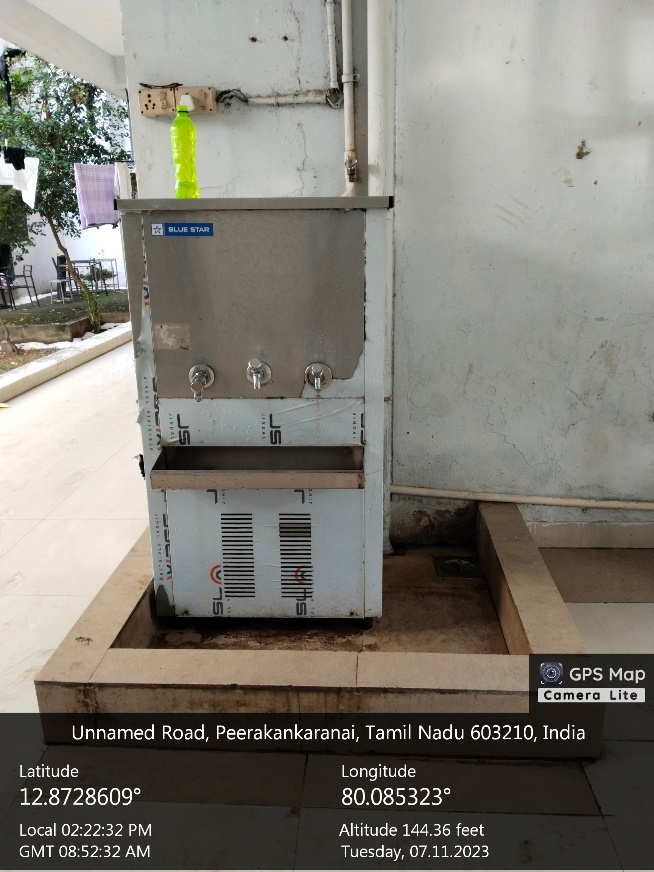
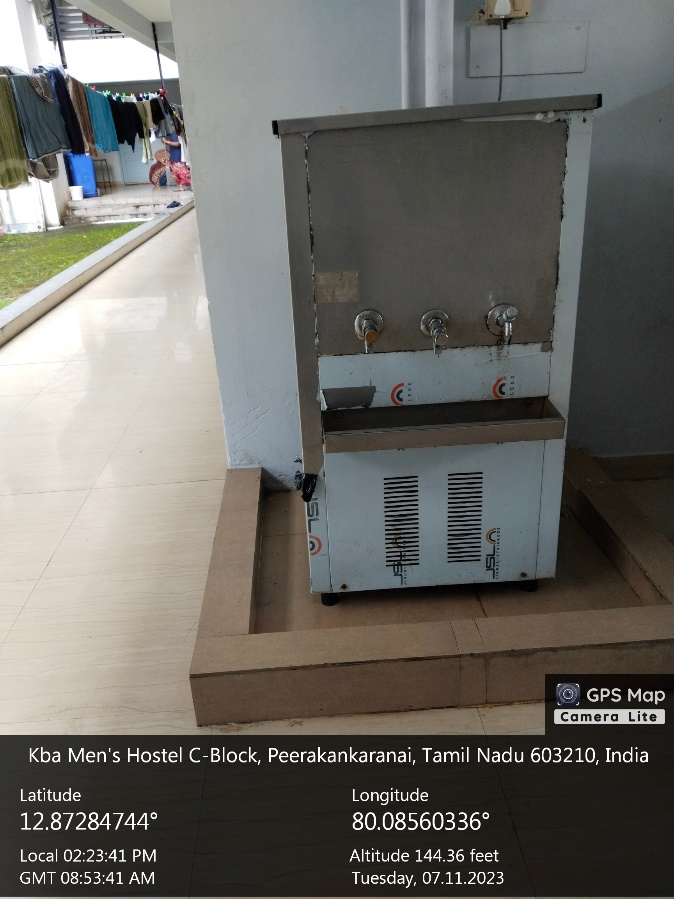
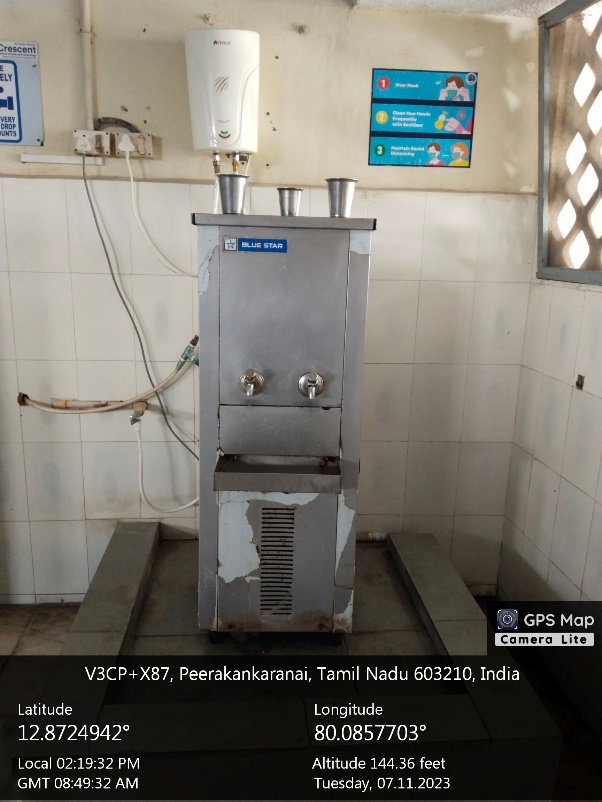
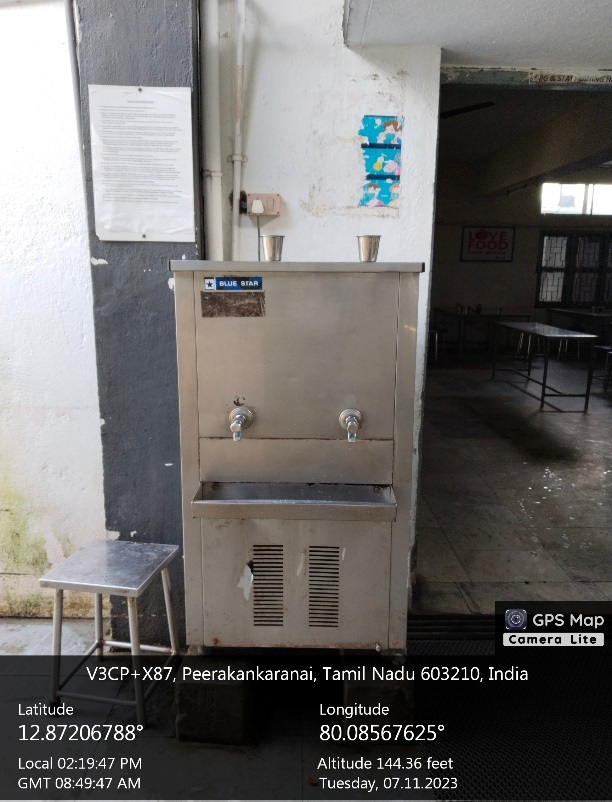
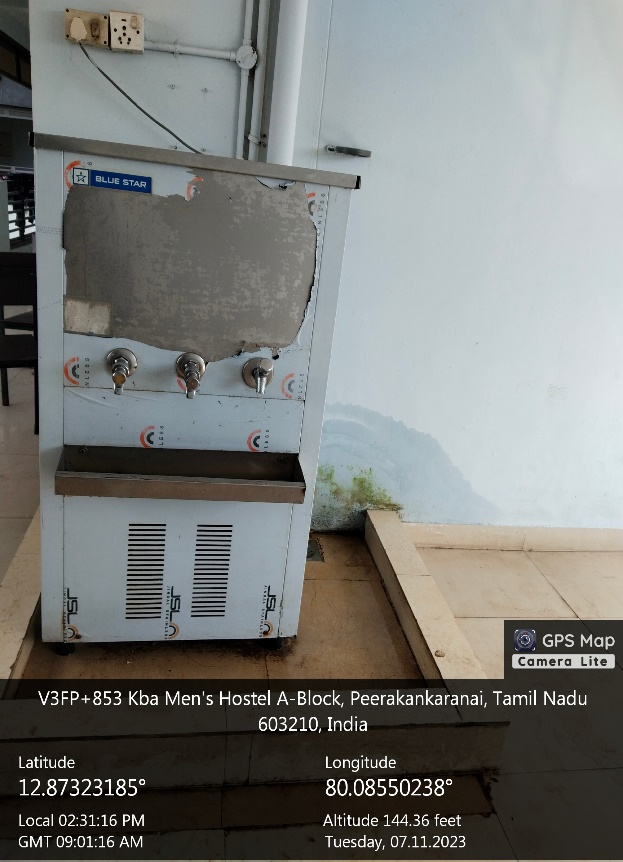
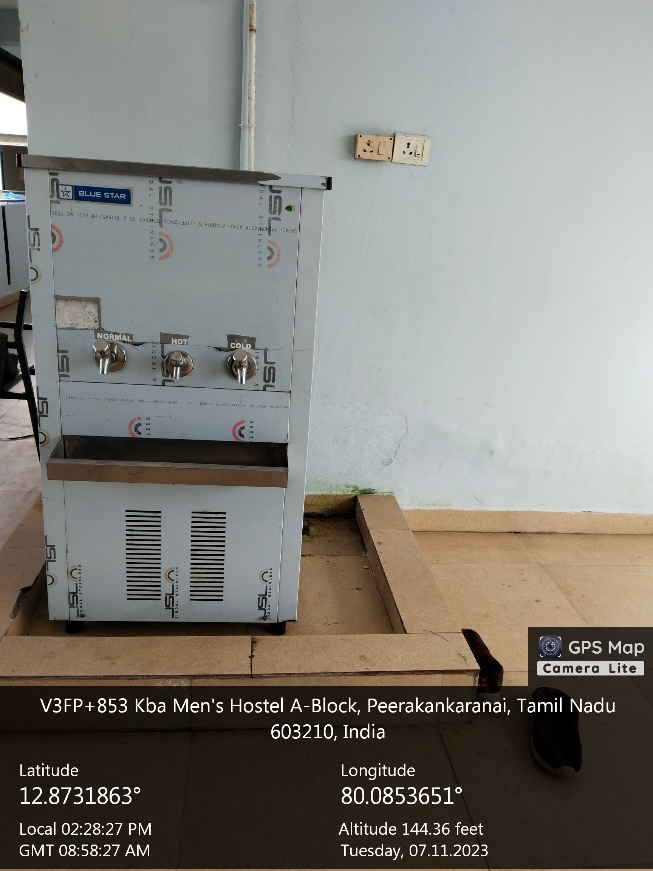
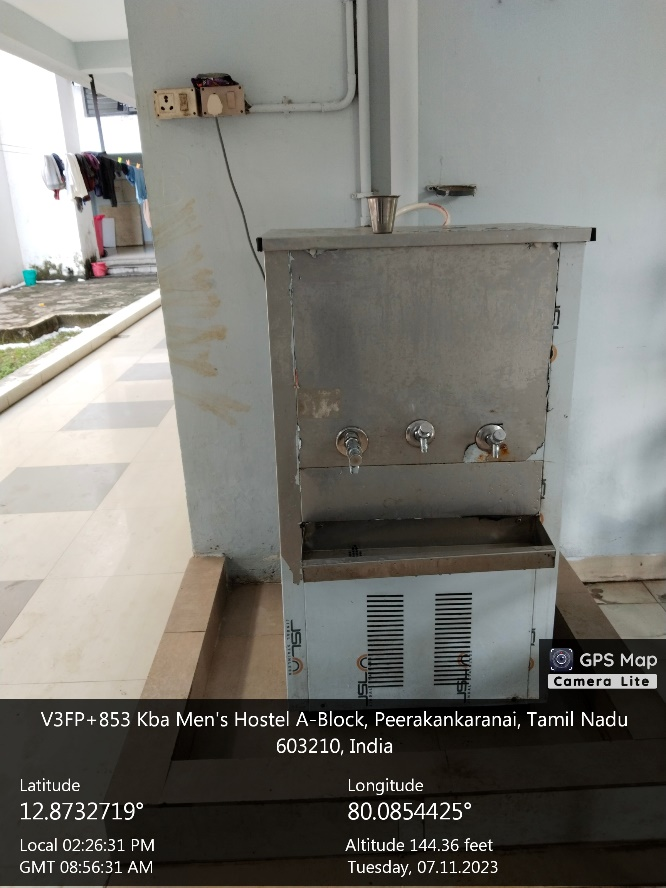
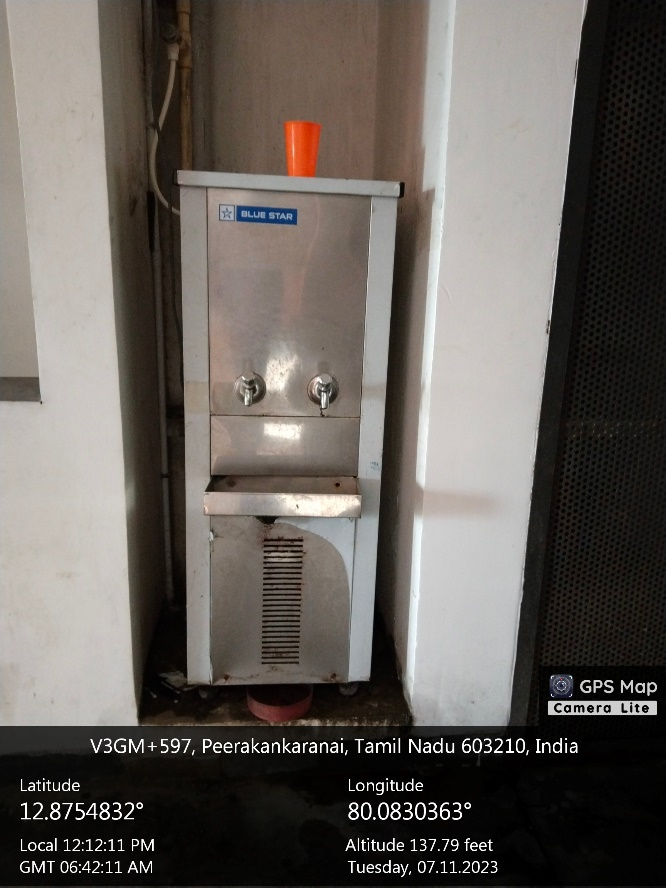
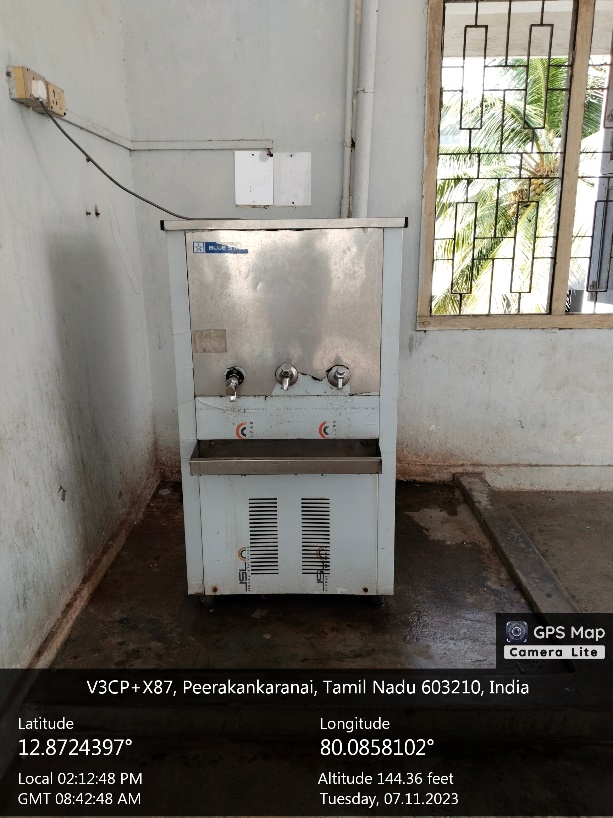
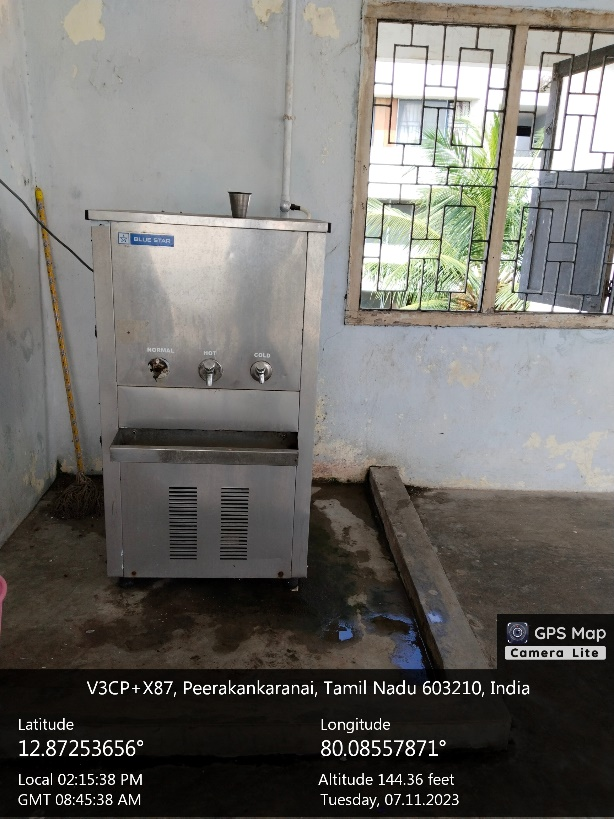
The table VI (3.3) – 1 illustrates that the university has installed a total of 64 water dispensers, each fitted with RO units, across various buildings. The total capacity of these systems amounts to 3,900 litres, ensuring that a significant volume of safe drinking water is available to the campus community.
Table VI (3.3) – 1: Building-wise water dispensers fitted with RO units Data
S.No | Building name | Number of water Dispensers with RO Units | Total capacity |
1 | Electrical Science Block | 4 | 320 |
2 | Crescent Business School | 4 | 320 |
3 | Architecture Block | 5 | 200 |
4 | Science Block | 4 | 320 |
5 | Basic science block | 1 | 80 |
6 | Mechanical block | 4 | 180 |
7 | Life Science block | 8 | 340 |
8 | Main canteen | 3 | 180 |
9 | Men’s hostel A Block | 4 | 320 |
10 | Men’s Hostel B block | 5 | 320 |
11 | Men’s Hostel C block | 3 | 120 |
12 | Men’s Hostel D block | 5 | 320 |
13 | Men’s Hostel Masque | 1 | 80 |
14 | Ladies hostel A Block | 3 | 240 |
15 | Ladies hostel B Block | 3 | 240 |
16 | Ladies hostel C Block | 7 | 320 |
Total | 64 | 3900 | |
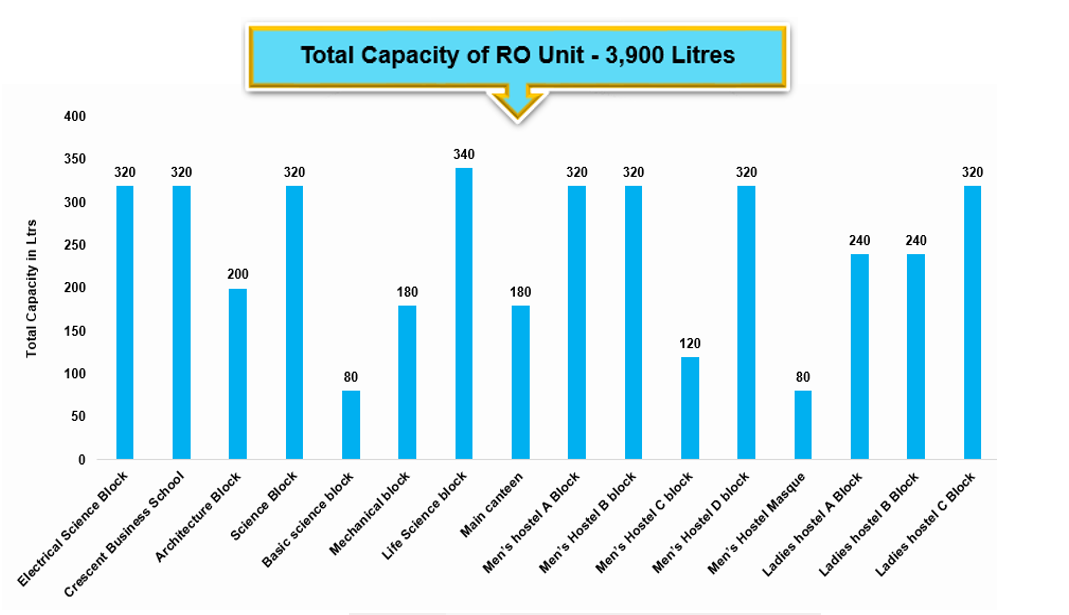
Figure VI (3.3) – 2: Building-wise water dispensers
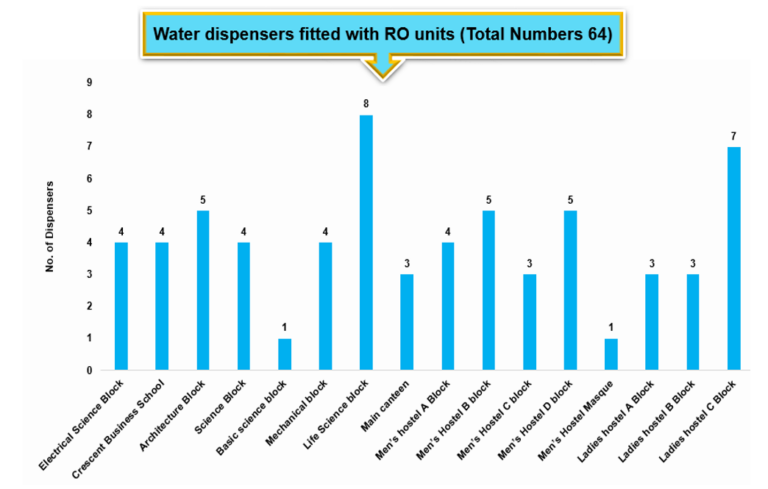
Figure VI (3.3) – 3: Building-wise RO Unit Capacity
The university places a strong emphasis on the maintenance and quality assurance of its water treatment facilities. Regular testing and maintenance of the RO systems ensure that the drinking water provided at every tap meets safety standards. This commitment to quality is essential for safeguarding the health of students, staff, and visitors.
C. RO DRINKING WATER PLANTS
The university has established a network of Reverse Osmosis (RO) plants to supply free drinking water to both the college and hostel facilities. With a total capacity of 13,000 litres per hour and 62,000 litres per day, these systems are designed to meet the hydration needs of the campus community. Water dispensers are strategically located on every floor of each building, ensuring that pure and safe drinking water is readily available at all times.
This table indicates that the total capacity of the RO plants is 13,000 litres per hour, with a total output of 62,000 litres of treated water per day. This extensive capacity ensures that the university can meet the hydration needs of its community effectively.
Table VI (3.3) – 2: RO Plant Capacity
| S. No | Location | Capacity Liters/Hr | Working Hours Per day | Qty. of Treated Water in liters |
| 1 | University Main Plant-Near to Main block | 1500 | 6 | 9000 |
| 2 | Ladies Hostel New block Terrace | 2000 | 4 | 8000 |
| 3 | Men’s Hostel Service block | 4000 | 6 | 24,000 |
| 4 | Aeronautical Block terrace | 1000 | 2 | 2000 |
| 5 | Life Sciences block terrace | 500 | 2 | 1000 |
| 6 | Computer Science Block Terrace | 2000 | 5 | 10,000 |
| 7 | New architecture terrace | 2000 | 4 | 8000 |
| Total treated Water | 13000 | 29 | 62000 | |
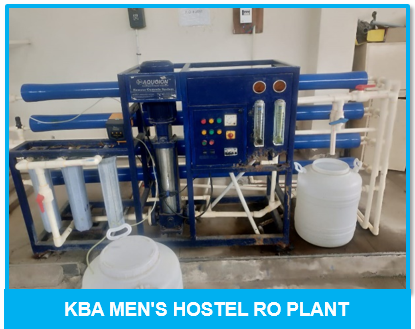
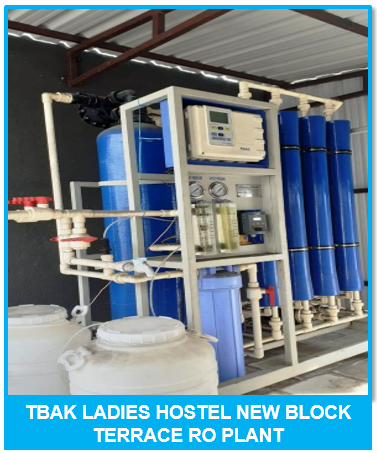
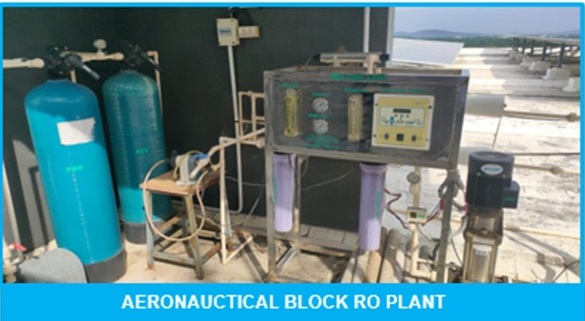
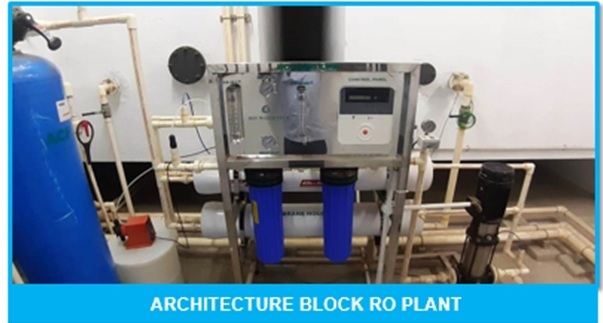
The Figure VI (3.3) – 4 depicts various Reverse Osmosis (RO) plants located in different blocks of the hostel and campus. These RO plants are essential for ensuring access to clean and safe drinking water in the respective hostel blocks and in the campus.
- Aeronautical Block RO Plant: This plant features a compact setup with multiple blue tanks, likely for water storage or filtration. It includes a control panel for monitoring and managing the purification process.
- KBA Men’s Hostel RO Plant: This image shows another RO system, possibly similar in function to the Aeronautical Block plant, designed to provide purified water for the men’s hostel.
- Architecture Block RO Plant: This plant has a more extensive arrangement with visible filtration components and a control panel. It appears to be designed for the architecture block, ensuring clean water supply for its occupants.
- TBAK Ladies Hostel New Block Terrace RO Plant: This setup is located on a terrace and includes large storage tanks. It is specifically designated for the ladies’ hostel, indicating a focus on providing safe drinking water for female residents.
Figure VI (3.3) – 4: RO Plant at different locations
D. WATER QUALITY ANALYSIS REPORT
The RO Plant Report comprises multiple water quality analyses conducted by Bio Green Lab Services (Govt Registered, UAN TN02A0155256, ISO 9001:2015) for M/S B.S. Abdur Rahman Crescent Institute of Science & Technology, covering RO water samples from Ladies Hostel, Life Sciences Block, Men’s Hostel, Library, Campus plants, and STP/Treated water contexts.
Results include physical, chemical, and microbiological parameters aligned to IS 10500:2012 (drinking water) standards and APHA methods. Several samples comply, while some show deviations requiring attention, particularly in turbidity, total dissolved solids, alkalinity, hardness fractions, and certain contaminants (chloride, sulfate, silica, oil/grease, COD/BOD in treated outlet).
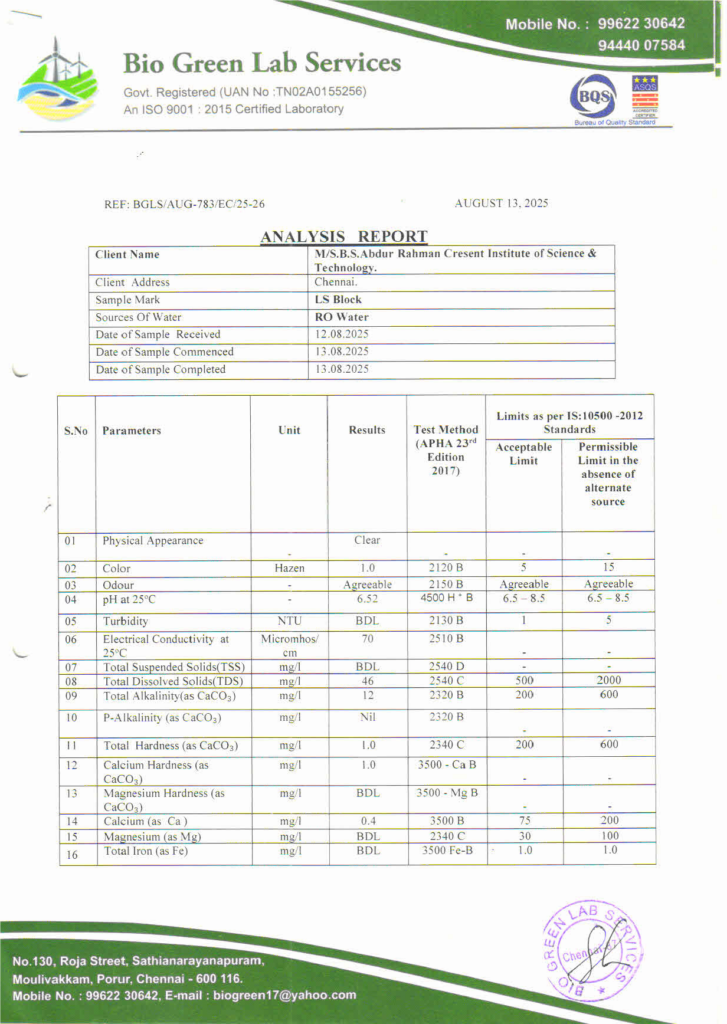
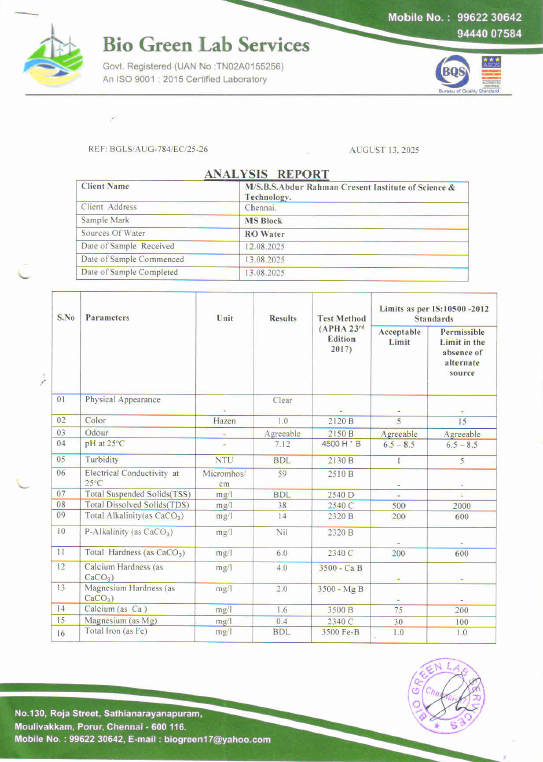
Figure VI (3.3) – 5: Bio Green Lab Services – Water Audit Report (ISO Certified Company)
SUMMARY OF THE TEST REPORT
Executive summary
- Multiple samples analyzed for drinking water quality and RO plant treated outputs (RO water, plant-2, plant-1, STP treated water, etc.).
- Overall, several samples comply with IS 10500:2012 drinking water standards, while others show partial or full non-compliance (notably residual chlorine, certain hardness parameters, silica, and some metals).
- Microbiology results consistently indicate absence of Total Coliforms and E. coli in most samples (compliance), with a few entries showing absence as per IS 10500 requirements.
- Treated water outlet parameters (pH, TDS, TSS, BOD, COD, oil & grease) show mixed results across outlets; some meet TNPCB limits, others do not.
- Reference and general information
- Laboratory: Bio Green Lab Services (UAN TN02A0155256), ISO 9001:2015 certified.
- Sample sources: RO Water, Well Water, Life Sciences Block, Ladies Hostel, Men’s Hostel, Campus canteen, STP Treated Water, etc.
- Reporting dates span mid-August 2025.
- Agencies/standards cited: IS 10500:2012 (drinking water), APHA 23rd Edition (procedures), TNPCB/tolerances, with some methods per 2017 revision.
- Individual sample results and compliance status
A. RO Water – Ladies Hostel
- pH (25°C): 6.5–6.8 range observed in various entries; IS 10500 acceptable range 6.5–8.5.
- Odour: Agreeable; acceptable.
- Turbidity: Below Detection Limit (BDL) to 0.3 NTU (acceptable: ≤ 5 NTU).
- Conductivity: 70–76.9 µS/cm at 25°C (acceptable: ≤ 2500 µS/cm).
- TDS: 40–1128 mg/L across entries (varies by sample; some entries near or above 600 mg/L limit for drinking water (2000 mg/L max under IS 10500); most entries are below 600 mg/L but one shows 1128 mg/L in “TDS” for a college plant sample outlet; this may be a concern if intended as drinking water; confirm sampling point).
- Total Alkalinity as CaCO3: 12–280 mg/L (within 200–600 mg/L acceptable range varies by sample source; IS 10500 does not set strict limits for T.A. in all contexts; ensure within acceptable range per IS 10500).
- P-Alkalinity: Nil to 6.0 mg/L (Nil or low; acceptable as per IS 10500).
- Total Hardness as CaCO3: 7–14 mg/L (low hardness; acceptable).
- Calcium hardness: 4–8 mg/L; Magnesium hardness: 0–6 mg/L.
- Iron: BD L or below 1.0 mg/L (acceptable).
- Chloride: 13–29 mg/L.
- Sulphate: 4.5–11 mg/L.
- Silica (as SiO2): 1.0–1.2 mg/L.
- Free Residual Chlorine: BDL to 0.2 mg/L; some entries show Nil or BDL (acceptable if residual chlorine target is not critical for the downstream use; for drinking water, residual chlorine is typically desired; confirm local requirement).
- Remarks: Some samples “Comply with drinking water specification” while others “Does Not Comply” (notably entries of 7.0–7.4 pH, high TDS 1128 mg/L, and some residual chlorine non-detection if required). See specific notes per sample.
B. RO Water – Ladies Well Water
- pH: 6.5–7.0 (within IS range).
- Odour: Agreeable.
- Turbidity: BD L to 0.3 NTU.
- TDS: 420–948 mg/L (varies; some samples meet ≤ 600 mg/L recommended for drinking water; others exceed).
- Alkalinity: 12–280 mg/L (as CaCO3).
- Total Hardness: 14–420 mg/L (some samples show 420 mg/L; within IS 10500’s typical hardness guidelines? IS 10500 doesn’t specify a single hard-limit; e.g., 600 mg/L as a general external guidance).
- Calcium: 4.3–114.2 mg/L.
- Magnesium: 0–140 mg/L.
- Iron: BD L–1.0 mg/L.
- Chloride: 16–29 mg/L.
- Sulphate: 7.3–98.5 mg/L.
- Free Residual Chlorine: BD L to 0.0–0.2 mg/L.
C. Microbiology – Ladies Hostel / Life Sciences Block / Other RO plant samples
- Total Coliforms: Absent in all listed entries (compliant with IS 10500:2012).
- E. coli: Absent (compliant).
- Remarks consistently indicate compliance for the tested provisions.
D. Treated Water Outputs (Outlets)
- College Plant (Treated Outlet): pH around 7.6–7.7; TDS 1028–1128 mg/L; TSS BD L; BOD 3.0–3.5 mg/L; COD 17–19 mg/L; Oil & Grease BD L.
-
- TNPCB drinking water limits are not explicitly cited here, but high TDS (1128 mg/L) may exceed typical drinking water recommendations (IS 10500 provides guidance; often aims for <= 1000 mg/L). The BOD/COD values appear reasonable.
- STP Treated Water: pH 7.63–7.71; TDS 1028–1128 mg/L; TSS BD L; BOD 3.0–3.5 mg/L; COD 17–19 mg/L; Oil & Grease BD L.
-
- Non-compliance noted for some samples (the August 16, 2025 report indicates “Not Comply with drinking water specification as per IS:10500:2012” for some parameters). In the “Treated Outlet as per TNPCB” table, pH within range; TDS and other parameters may require monitoring.
E. Campus Canteen / Well Water samples
- Turbidity in canteen/well water samples generally within acceptable limits (BDL to 1.2 NTU).
- TDS ranges 38–898 mg/L depending on the source/outlet; some high values observed (e.g., 898 mg/L).
- Chloride: 13–241 mg/L.
- Sulphate: 4.5–153 mg/L.
- Free Residual Chlorine: BD L to Nil (acceptable in distribution systems where chlorine is not required for non-potable uses; for drinking water, residual chlorine is typically desired).
- Total Iron: 0.1–1.89 mg/L (some samples exceed 1.0 mg/L; IS 10500 allows up to 0.3 mg/L for iron? Actually IS 10500 does not specify a strict mg/L limit for iron; many guidelines cite 0.3 mg/L as a limit for iron in drinking water; however the IS 10500 standard for iron is 0.3 mg/L? The data here uses “1.0” as a test method standard; please verify local limit if needed.)
- Calcium/Magnesium: within typical ranges in most entries, some values show magnesium up to 150 mg/L.
F. PM: STP Treated Water
- pH around 7.63–7.71; TDS around 1028–1128 mg/L; BOD 3.0–3.5 mg/L; COD 17–19 mg/L; Oil & Grease BD L; Silica ~12–15.9 mg/L; Free Chlorine BD L or Nil.
- Observations and potential issues
- TDS variability is significant across samples, with several readings well above 600 mg/L (some up to ~1128 mg/L). IS 10500 allows general use drinking water with TDS values typically acceptable up to around 1000 mg/L, but the precise limit depends on use and local norms. Consider post-treatment polishing or source evaluation if drinking water usage is intended for those higher-TDS samples.
- Free residual chlorine is often BD L or very low. If disinfection residual is required for safety, ensure that chlorination is maintained at recommended levels (commonly 0.2–0.5 mg/L) in distribution points.
- For some samples, Calcium Hardness and Magnesium Hardness values are relatively high (e.g., Calcium hardness 60–110 mg/L in some lines; Magnesium hardness up to 150 mg/L). While not always disqualifying, elevated hardness may affect taste/softness and scaling. Consider water softening if softness is required for specific processes or consumer acceptance.
- Iron levels in some samples are BD L to 1.89 mg/L; if IS 10500 is applied strictly, iron limit is around 0.3 mg/L (check latest local limit). If used for drinking water, consider iron removal (filtration/oxidation) where needed.
- Recommendations
- For drinking water outlets showing higher TDS (e.g., > 1000 mg/L), assess source water quality and consider post-treatment steps such as reverse osmosis polishing, ion exchange, or blending with lower-TDS sources to meet recommended drinking water standards.
- Ensure residual chlorine distribution targets are met for safety, particularly at service taps. Regular monitoring and adjustment of disinfection dosing.
- Implement routine microbiological checks (as already performed) with a frequency aligned to supply reliability and occupancy; maintain zero total coliforms and E. coli per IS 10500.
- Review hardness and mineral balance for processes or consumer preference; if taste/scale is an issue, consider softening or remineralization steps as appropriate.
- Maintain documentation of sampling points and ensure samples are taken consistently at representative points (e.g., post-RO output, distribution taps, well water upstream of treatment, etc.)
REPORT LINKS
- BGLS-AUG-782- Ladies well water-RO Test Report 2025
- BGLS-AUG-783-LS block RO test report 2025
- BGLS-AUG-784-MS block- RO test report 2025
- BGLS-AUG-785 – Ladies Hostel – RO Test Report 2025
- BGLS-AUG-786-Men’s Hostel well water- RO Test report 2025
- BGLS-AUG-788-Men’s Hostel RO Test report 2025
- BGLS-AUG-789- Men’s Hostel – RO Test report 2025
- BGLS-AUG-791-College Plant-RO test report 2025
- BGLS-AUG-792-Campus canteen-RO test report 2025
- BGLS-AUG-793-LIfe Science block RO Test report 2025
Water Management and Reuse Policy
Issue: 04; Revised on 2023
| Policy Created on | July 2009 |
| 1st Revision amended on | IQAC Meeting held on 27th October 2017 |
| 2nd Revision amended on | IQAC Meeting held on 31st March 2021 |
| 3rd Revision amended on | IQAC Meeting held on 16th June 2023 |
Responsible Executive : Director (IQAC)
Responsible Office : Internal Quality Assurance Cell,
Student Affairs, Estate Office, Academic Office, Library and SDG Cell
Contacts : Registrar and Director (IQAC)
6.1 STATEMENT OF POLICY
The B.S. Abdur Rahman Crescent Institute of Science and Technology is committed to achieving the following objectives in alignment with Sustainable Development Goal 6 (SDG 6) – Clean Water and Sanitation:
a) Ensure universal and equitable access to safe and affordable drinking water for all stakeholders.
b) Provide adequate and equitable sanitation and hygiene for all, with special attention to the needs of women, girls, and vulnerable groups.
c) Improve water quality by reducing pollution, eliminating dumping, and minimizing the release of hazardous chemicals and materials.
d) Halve the proportion of untreated wastewater and substantially increase recycling and safe reuse globally.
e) Substantially increase water-use efficiency across all sectors and ensure sustainable withdrawals and freshwater supply to address water scarcity.
f) Implement integrated water resources management at all levels, including transboundary cooperation as appropriate.
g) Protect and restore water-related ecosystems, including mountains, forests, wetlands, rivers, aquifers, and lakes.
h) Expand international cooperation and capacity-building support to developing countries in water- and sanitation-related activities and programs.
i) Support and strengthen the participation of local communities in improving water and sanitation management.
6.2 REASON FOR THIS POLICY
The policy aims to provide all stakeholders with adequate water supply, sanitation, and hygiene. It emphasises maximising the collection and treatment of sewage generated and the reuse of treated wastewater sustainably, thereby reducing dependency on freshwater resources. The policy promotes treating wastewater as an economic resource.
6.3 RESPONSIBILITIES
6.3.1 Policy Principles
a) The campus shall provide adequate water supply and maximize water reuse by adhering to the following principles:
- Equitable access to safe and affordable drinking water for all stakeholders.
- Access to adequate sanitation and hygiene, ending open defecation, with special attention to vulnerable groups.
- Calculation of water usage per person (students, staff, and faculty) annually.
- Improving water quality by reducing pollution and increasing recycling and safe reuse.
- Utilization of recycled/treated wastewater for beneficial purposes, such as irrigation and toilet flushing.
- Implementation of integrated water resources management at all levels.
- Protection and restoration of water-related ecosystems on campus.
- Expansion of rainwater harvesting initiatives.
- Collaboration with government, NGOs, and industries in water-related activities.
- Support for student and staff participation in water management.
6.4.1 Water Reuse Policy Objectives
- Establish a comprehensive policy to maximize water reuse across the university.
- Ensure that all new buildings adhere to water-conscious building standards that facilitate water reuse.
- Implement systems for tracking and measuring water consumption and reuse.
6.4.2 Water Reuse
- Water Reuse Policy: maximise water reuse across the university.
- Water Reuse Measurement: Measure water reuse across the university.
6.5 DISSEMINATION OF POLICY
a) Display signage promoting water use efficiency across the campus.
b) Conduct awareness programs at regular intervals to increase water-use efficiency.
c) Post the policy on the Institute’s website and update it as necessary.
6.6 ENFORCEMENT OF POLICY
a) The Director (Planning & Development) and Deputy Director monitor compliance and address breaches.
b) Awareness of the policy among students, staff, and visitors is essential.
c) Breaches may lead to disciplinary action as per the Institute’s code of conduct.


A. INTEGRATED WATER CONSERVATION STRATEGY
B.S. Abdur Rahman Crescent Institute of Science and Technology has pioneered a comprehensive water-conscious building standard that represents a holistic approach to sustainable infrastructure management. The institute’s strategy goes beyond traditional water conservation methods, integrating advanced technological solutions, regulatory compliance, and innovative management practices. By implementing a multi-dimensional approach, the campus has transformed water management from a mere utility concern to a strategic environmental initiative, addressing critical challenges of water scarcity and resource optimization.
TECHNOLOGICAL INNOVATIONS AND INFRASTRUCTURE SOLUTIONS
The water management infrastructure encompasses cutting-edge technologies and systematic interventions. A sophisticated rainwater harvesting system captures and stores precipitation, complemented by advanced sewage treatment plants that recycle water for non-potable applications like gardening and toilet flushing. Smart water management technologies, including IoT-based monitoring systems and digital flow meters, enable real-time tracking and optimization of water consumption. Specialized water-efficient fixtures such as low-flow showerheads, sensor-based taps, and dual-flush water closets further reduce overall water usage, demonstrating the institute’s commitment to technological innovation in resource conservation.
REGULATORY COMPLIANCE AND ENVIRONMENTAL STANDARDS
Adhering to national and international water conservation guidelines, the institute has developed a robust framework that meets stringent environmental standards. The water management approach aligns with the Ministry of Jal Shakthi guidelines (https://jalshakti-dowr.gov.in/guidelines/), groundwater extraction regulations, and comprehensive water conservation protocols. By implementing systematic water distribution management, including precise monitoring of raw water intake and advanced purification processes, the campus ensures optimal resource utilization while maintaining the highest quality standards for water consumption and recycling.
STAKEHOLDER ENGAGEMENT AND AWARENESS
Recognizing that sustainable water management extends beyond technical solutions, the institute has developed an extensive awareness program to engage students, faculty, and staff. Interactive initiatives such as painting competitions, photography contests, and slogan-making events help cultivate a culture of environmental consciousness. These programs not only educate stakeholders about water conservation but also inspire proactive participation in sustainable practices, transforming individual awareness into collective environmental responsibility.
FUTURE VISION AND SUSTAINABLE DEVELOPMENT
Looking forward, the institute’s water management strategy focuses on continuous improvement and progressive goal-setting. Key recommendations include maximizing treated water utilization, reducing groundwater extraction, implementing centralized real-time water monitoring, and developing comprehensive water usage policies. The long-term vision aims to create a replicable model of sustainable infrastructure that can be adopted by other educational institutions and organizations seeking to minimize their environmental footprint.
B. ACHIEVING EDGE CERTIFICATION
B.S. Abdur Rahman Crescent Institute of Science and Technology’s Ladies Hostel, which includes single and triple occupant rooms, has successfully achieved EDGE certification from the Green Business Certification Inc. (GBCI), highlighting the university’s commitment to sustainability and resource efficiency through significant energy, water, and material savings in its building design and operations. For the single-occupant rooms, there is a notable 26% reduction in energy consumption, largely due to energy-efficient features like reflective roofing and solar water heaters, alongside a 28% decrease in water usage thanks to low-flow fixtures, resulting in a remarkable 63% reduction in embodied energy from sustainable construction materials. The triple-occupant rooms reflect similar success, achieving a 27% savings in energy and water usage, with embodied energy in materials reduced by 61%. These accomplishments not only improve living conditions for residents but also align with the university’s broader sustainability goals. The EDGE certification reinforces the institution’s dedication to creating sustainable living environments and sets a benchmark for future construction projects, emphasizing the integration of sustainable practices in architecture and building management. Moving forward, the institute is committed to fostering a culture of sustainability, encouraging awareness and participation among all stakeholders in the pursuit of a greener future.
C. ENVIRONMENT, GREEN, AND WATER AUDIT PROCESS: A COMPREHENSIVE OVERVIEW
B.S. Abdur Rahman Crescent Institute of Science and Technology has developed a multifaceted approach to water management, focusing on diverse sources, efficient storage, and effective distribution systems. The institution utilizes a range of water sources, including reverse osmosis (RO) water for drinking purposes, bore water sourced from depths of up to 300 feet at prominent locations such as the Science Block, and multiple open wells strategically placed near hostels and the main canteen. Additionally, the college incorporates lorry water delivered and an extensive rainwater harvesting system (RWHS) deployed across various building blocks to capture runoff and enhance groundwater levels.
The college employs a detailed analysis of its water utilities to optimise water usage and storage, as outlined in a comprehensive report. For instance, the Main Building includes an underground sump with 80 kilolitres (KLD) capacity, supported by robust motor systems that enable efficient water delivery to multiple sub-units, including the MBA and Canteen blocks. In contrast, the Men’s Hostel features an impressive 1,100 KLD capacity, ensuring adequate supply for residents. Regular maintenance is integral to this system, with the management team ensuring that overhead tanks and storage facilities are cleaned every six months, thus guaranteeing the quality and safety of the water supplied throughout the campus.
The institution places considerable emphasis on sustainability, particularly through its rainwater harvesting initiatives. Rainwater is collected from building rooftops and routed via an effective piping system to dedicated pits that promote groundwater recharge. Plans are underway to expand the number of rainwater harvesting pits and conduct GIS studies to monitor improvements in the groundwater table over time. Such measures highlight the proactive role that B.S. Abdur Rahman Crescent Institute plays in enhancing water conservation and management practices while also addressing community needs through increased water availability.
GREEN BUILDINGS & CERTIFICATION
All existing buildings are registered with Indian Green Building Council (IGBC) for green building certification under IGBC – EB rating
- New buildings are constructed over the last six years and those under construction are registered with GBCI EDGE and USGBC LEED for green building certification for Gold rating.
- GBCI-EDGE Green building certification received for New Ladies Hostel & New staff quarters on 23.04.2018.
- Crescent School of Architecture block is conceived as a Net Zero Energy building and registered under USGBC-LEED for Gold rating certification.
GREEN BUILDING IN CONSTRUCTION
Sustainable and eco-friendly campus development has been adopted with following materials
- Grass Crete: Method of laying Grass paver flooring, walkways, sidewalks and driveways to improve storm water absorption and drainage
- Ash Crete: Fly ash (recycled) content with cement is being used for all Reinforced Cement concrete works.
- Low – VOC paints: Painting with low VOC less than 50gm/liter is using for all painting works – Nippon and Berger
- Engineered wood: MDF (Medium Densified Fibre) wood used for interior partition, doors and furniture’s.
- Structural Insulated Panels (SIP): Foam board wall panels are used for prefab structures such as class room and indoor game space.
- Insulated Concrete Forms: GFRC Technology being adopted to construct parent waiting guest rooms and essential staff quarters.
- Steel: Steel roof panels (recyclable) used for workshop roofing.
- Composites: Roof panels made of composite materials such as foam sandwiched between two metal sheets used for prefab class room ceiling.
- Fibreglass: Fibreglass is also used in insulation in the form of Fibreglass batts for interior partition works.
- AAC Blocks: Autoclaved Aerated Concrete blocks (non- toxic product) are used for the construction of all buildings to reduce low environmental impact.
- Thermatek Roof tile: Heat Resistant Terrace tiles are used for all buildings.
- VAV system: Variable air volume HVAC system is adopted to reduce energy consumption.
EDGE GREEN BUILDINGS AUDIT

Figure VI (3.4) – 1: Photographs showing the BSA Staff Quarters
The B.S. Abdur Rahman Crescent Institute of Science and Technology, located in Chennai, has prepared students in India to pursue careers in engineering, science and technology for over 40 years. In addition to inspiring innovation among its students, the university has also chosen to improve its campus by adding green buildings. The new women’s residences and staff quarters have many green features that have all been implemented at no additional cost to the university. When utility bills are taken into consideration, the result is a positive sum gain.
The university has many green features such as solar hot water collectors and energy-saving lighting systems to reduce energy consumption, and UPVC windows to reduce embodied energy in materials. Located in a region that experiences frequent droughts and shortages of water, the university can also conserve its supply of water with the help of low-flow showerheads and faucets and dual flush water closets. The university hopes to use EDGE for future buildings on the campus, to further its resource-efficient and environmentally-friendly approach.
SUMMARY OF EDGE CERTIFICATION REPORTS
The following reports summarize the achievements of various buildings at BS Abdur Rahman University in terms of energy efficiency, water conservation, and reduced embodied energy in materials. Each building has been certified under the EDGE (Excellence in Design for Greater Efficiencies) program, which is an initiative by the International Finance Corporation (IFC).
BSA Ladies Hostel: Triple Occupants Room (28 Units)
Energy Savings: 27%
Water Savings: 27%
Less Embodied Energy in Materials: 61%
BSA Staff Quarters: 28HK Type (18 Units)
Energy Savings: 36%
Water Savings: 21%
Less Embodied Energy in Materials: 56%
BSA Staff Quarters: 38HK Type (27 Units)
Energy Savings: 37%
Water Savings: 20%
Less Embodied Energy in Materials: 55%
BSA Ladies Hostel: Single Occupant Room (91 Units)
Energy Savings: 26%
Water Savings: 28%
Less Embodied Energy in Materials: 63%
BSA Staff Quarters: 28HK Type (18 Units)
Energy Savings: 36%
Water Savings: 21%
Less Embodied Energy in Materials: 56%
Overall Impact
The certifications demonstrate a commitment to sustainability and resource efficiency across the university’s facilities. The significant energy and water savings, along with reduced embodied energy, contribute to lower operational costs and a smaller environmental footprint. These achievements reflect the university’s dedication to creating a sustainable living and learning environment for its students and staff.
The B.S. Abdur Rahman Crescent Institute has received final EDGE certification from GBCI India.

Figure VI (3.4) – 2: Screenshot showing the gist of Statistics of Audit conducted by EDGE

EDGE GREEN BUILDING CERTIFICATION

Figure VI (3.4) – 3: GBCI-EDGE GREEN BUILDING Certification for Ladies Hostel

Figure VI (3.4) – 4: GBCI-EDGE GREEN BUILDING Certification for Ladies Hostel
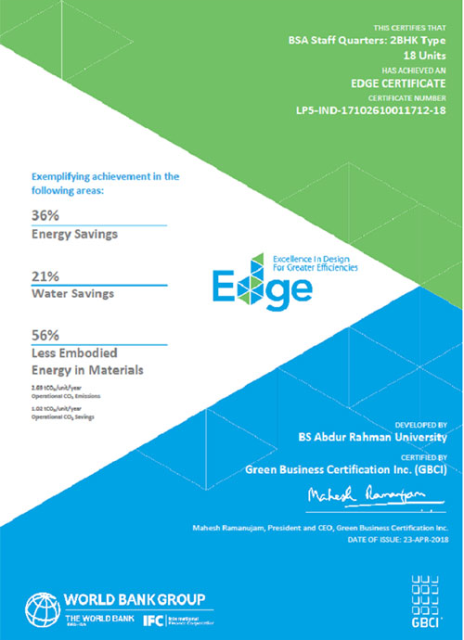
Figure VI (3.4) – 5: GBCI- EDGE Certificate for Staff Quarters

Figure VI (3.4) – 6: GBCI- EDGE Certificate for Staff Quarters
Table VI (3.4) – 1: Indian Standards Adopted / Implemented for water conscious building
| S. No. | Name of the Building | Indian Standards |
| 1 | Extension of Mechanical Block | Loading Standards as per BIS-875, Seismic Force as per BIS-1893 and BIS – 456 https://www.bis.gov.in/ https://standardsbis.bsbedge.com/ https://www.bis.gov.in/standards/technical-department/national-building-code/ |
| 2 | Aeronautical Block | |
| 3 | Staff Quarters | |
| 4 | Ladies Hostel |
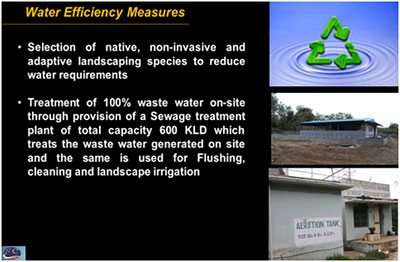
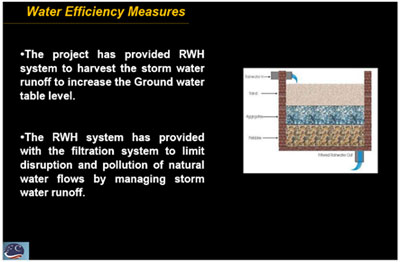
Figure VI (3.4) – 7: Water Efficiency Measures

1. SOURCE OF WATER, STORAGE AND DISTRIBUTION
Table- VI (3.4) – 2 shows the source of water, location of storage along with their application.
Table VI (3.4) – 2: Source of Water, Location of Storage and Application
Type of Water | Source | Application |
Fresh Water | RO Water | Drinking application |
Bore Water | 1. Science Block – 300 Ft | Utensil Cleaning, Bathing, Cloth Washing & Gardening |
Open Well | 1. Ladies Hostel – 30 Ft 2. Mens Hostel – 40 Ft 3. Near Main Canteen – 30 Ft | |
Lorry Water | 1.150 Tankers/Month (10,000/Tank) | |
Rain Water Harvesting System (RWHS) | 1. College/Life Science Block – 1 No 2. New Architecture Block –1 No 3. Computer Science Block – 1 No 4. Pharmacy Block – 1 No 5. MS Block – 5 No’s 6. Ladies Hostel – 3 No’s 7. New Staff Quarters – 6 No’s 8. Mens Hostel – 18 No’s 9. Library Block – 1 No | · Used to increase the ground water · To store building run-off only |
2. DETAILS OF THE WATER UTILITIES, STORAGE, MOTOR CAPACITY AND APPROXIMATE RUN HOURS
The following table VI (3.4) – 3 provides the details of the Water Utilities, Storage, Motor Capacity and Approximate Run Hours available inside the college for regular application.
Table VI (3.4) – 3: Details of the Water Utilities, Storage, Motor Capacity and Approximate Run Hours
S. No. | Location | Tank Capacity | Motor Capacity | Usage |
| 1. | Main Building (UG Sump) (Lorry + Open well) | 80 KLD |
3 * 7.5 H.P/5 kW | Main Block 3,000 – Litters * 5 No’s (Syntax) |
MBA Block 3,000 – Litters * 2 No’s (Syntax) | ||||
1st Year Block 3,000 – Litters * 4 No’s (Syntax) | ||||
Main Canteen 3,000 – Litters * 2 No’s (Syntax) | ||||
| 2. | Science Block | 60 KLD | Science Block | |
| (UG Sump) (Lorry + Open well + Bore well) | 2 * 7.5 H.P/5 kW | 3,000 – Litters * 4 No’s (Syntax) | ||
Pharmacy Block 3,000 – Litters * 2 No’s (Syntax) | ||||
GM Office 3,000 – Litters * 2 No’s (Syntax) | ||||
Power Room 3,000 – Litters * 2 No’s (Syntax) | ||||
3. | Mens Hostel – 1 (Lorry + Open well) | 1,100 KLD (New Sump Room) | 5 * 10 H.P/7.5 kW + 2 * 7.5 H.P/5 kW | A – Block 3,000 – Litters * 7 No’s (Syntax) |
B – Block 3,000 – Litters * 6 No’s (Syntax) | ||||
C – Block 3,000 – Litters * 9 No’s (Syntax) | ||||
D – Block 3,000 – Litters * 11 No’s (Syntax) | ||||
| 4. | Mens Hostel – 1 (Lorry + Open well) | 40 KLD (Main Block + Mess) | 1 * 7.5 H.P/5 kW + 3 * 5 H.P/3.7 kW | Main Block 3,000 – Litters * 10 No’s (Syntax) |
Mess 3,000 – Litters * 5 No’s | ||||
| 5. | Mens Hostel – 2 (Open well) | 60 KLD (PG Block) | 2 * 7.5 H.P/5 kW + 1 * 5 H.P/3.7 kW | Mosque 3,000 – Litters * 2 No’s |
PG Block 3,000 – Litters * 6 No’s | ||||
Incubation Block 3,000 – Litters * 4 No’s | ||||
| 6. | Ladies Hostel (Lorry Water) | 180 KLD | 3 * 5 H.P/3.7 kW | Main Block 3,000 – Litters * 7 No’s |
| 7. | Annuxer Block (Open well) | 30 Ft | 1 * 5 H.P/3.7 kW | RCC Tank 15,000 Litters |
| R.O Water | ||||
| 1. | Main Building RO Plant | Water From Main Block Syntax Tank | Main Block – 3,000 Litter * 1 No MBA Block – 3,000 Litter * 1 No | |
2. | Science Block RO Plant | Water From Science Block Syntax Tank | Science Block+Pharmacy Block+Canteen – 3,000 Litters * 1 No | |
3. | New Architech RO Plant | Water From New Architech Block UG Sump | New Architech – 3,000 Litters * 1 No | |
4. | Auditorium RO Plant | Water From New Architech Block UG Sump | Auditorium – 3,000 Litters * 1 No | |
5. | Old Staff Quaters RO Plant | Water From New Architech Block UG Sump | Old Staff Quarters – 3,000 Litters * 1 No | |
6. | Chanceller Villa RO Plant | Water From New Architech Block UG Sump | Chanceller Villa – 3,000 Litters * 1 No | |
7. | N.Staff Quaters RO Plant | Water From New Architech Block UG Sump | N.Staff Quaters – 3,000 Litters * 1 No | |
8. | MS Block RO Plant | Water From New Architech Block UG Sump |
MS Block – 3,000 Litters * 1 No | |
| 9. | LS Block RO Plant | Water From LS Block UG Sump | LS Block – 3,000 Litters * 1 No | |
| 10. | Mens Hostel RO Plant | Water From New Sump Room | A,B,C,D Block – 3,000 Litters *4 No’s | |
| 11. | Mess + Main Block RO Plant | Water From Mess Block Syntax Tank | Mess + Main Block – 3,000 *2 No’s | |
| 12. | Ladies Hostel RO Plant | Water From New Block Cement Tank | New Block – 5,000 – RCC Tank | |
Note:
- Over Head (OH) tanks are made using
- The maintenance team ensure to clean the tank for six months
- Bleaching power is mostly used to clean the inside
3. TREATED WATER FOR DRINKING APPLICATION
- The college management is keen on providing uninterrupted, safe and healthy drinking water to all; throughout the year.
- Water dispenser are provided at appropriate places offering the treated water for the students (Both Normal and Hot temperature)
- The overhead tanks storing the well water are cleaned at regular intervals and the water management team has been maintaining a cleaning schedule Utensil Cleaning, Bathing & Cloth Washing

Figure VI (3.4) – 8: PVC and Metal Based Taping System for Water Distribution Line
4. WATER SAVINGS IN FOREIGN TOILETS
- The list of availability of Indian & Foreign style toilets are presented in the below Table- VI (3.4) – 4.
Table VI (3.4) – 4: List of Indian & Foreign Style Toilets
S. No. | Location | Description (Quantity) | |||
Indian | Foreign | ||||
1. | Auditorium Block | 29 | 16 | ||
2. | Main Block | 24 | 6 | ||
3. | MBA Block (CBS) | 11 | 8 | ||
4. | Science Block (CSE) | 25 | 7 | ||
5. | Basic Science Block | 27 | 5 | ||
6. | Pharmacy Department | 19 | 6 | ||
7. | Mechanical Science Block | – | 89 | ||
8. | Life Science Block | – | 37 | ||
9. | New Architecture Block | – | 24 | ||
10. | Common Toilet Near Ground | – | 10 | ||
11. | Arabic College & Hostel | 44 | – | ||
12. | New Toilet Near MBA Block | – | 18 | ||
13. | Estate Office | 1 | 3 | ||
14. | Common Toilet in Sports Village | – | 4 | ||
15. | Common Toilet Towards Men’s Hostel | 2 | 6 | ||
16. | Bio Toilet Near Security Cabin & Near DATA Centre | – | 4 | ||
17. | CIIC Block | 5 | 40 | ||
18. | Firest Year Canteen | – | 4 | ||
Total | 187 | 287 | |||
- In general, the flush tank capacity may be 8 to 10 Litres (depends on make and model). Water savings also leads to power saving it saves the operating duration of the water pumps

Figure VI (3.4) – 9: Flush Tank Button for efficient water use
5. RAIN WATER HARVESTING (RWH) – FROM BUILDING ROOF AREA & RUN-OFF AREA
- THE AUDIT TEAM appreciates the effects taken by the management of S. ABDUR RAHMAN CRESCENT INSTITUTE OF SCIENCE AND TECHNOLOGY for harvesting the rain water almost in all buildings.
- The roof area is so arranged to collect the rainwater and then passed through proper piping system, and then bring back to the RWH pits which are located close to each
- The building run off are collected through each pit mostly located in each building. Common area and road run-off are properly collected and routed to nearby water body.
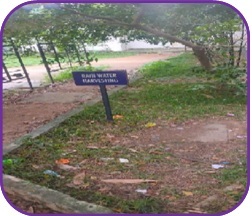
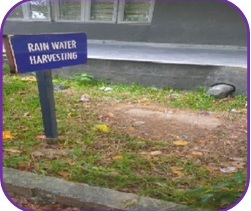
Figure VI (3.4) – 10: Rain Water Harvesting Pit
6. GENERAL RECOMMENDATIONS FOR RAIN WATER HARVESTING
- RWH has been fitted with their specifications indicating their i) year of installation, ii) approximate average rainfall and duration in the RWH location and iii) filter cleaning schedule (if any).
- Conduct a GIS based study on the improvement of ground water table especially before the rainy session and after rainy Compare the data and ensure that the water table improves due to percolation of rain water.
- Similar study mast be conducted (in future) before installing an RWH and after RWH.
- Increase the of RWH pits and may be developed to place at least 2 per building.
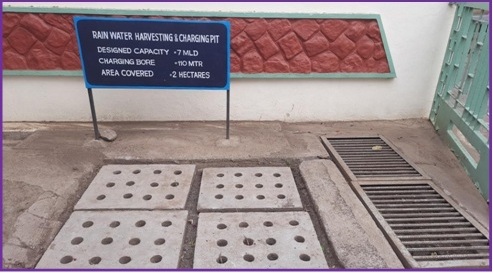
Figure VI (3.4) – 11: Sample Name Board in front a Rain Water Harvesting System
7. GENERAL RECOMMENDATIONS
- It is advisable to replace all the old taps without aerator into aerator-based taps in a phased
- Aerators helps to reduce and regulate water flow and also offer the following benefits;
- Lower Water Bills & Improved Water Pressure
- Increased Filtration & Minimized Splashing
- ll the pump motor must be fitted and controlled by floating sensor and hence the motors are automatically ON and OFF. It avoids the overflow; saves water and electrical energy.
- All the buildings are fitted with water flow meters & hence the water utilization must be properly accounted. Similar to the water flow meter; energy consumption of all pumping motors is recorded using panel board meters.
- Fault and leakage in the water distribution line will be promptly informed by the respective in-charges to the maintenance team and immediately arrested.

Table VI (3.4) – 5 : Environment & Green Audit Report Details
Chapter No. | Description | Page No. |
1 | Acknowledgement | 3 |
2 | Introduction to Environment-Green Audit Process | 6 |
3 | Executive Summary | 10 |
PART-A: ENVIRONMENTAL AUDIT REPORT | ||
4 | Study on Energy Consumption Pattern | 12 |
5 | Estimation of CO2 Emission and Neutralization | 15 |
6 | Usage of Chemicals, Salts & Acids | 18 |
PART-B: GREEN AUDIT REPORT | ||
7 | Water Utilization, Conservation & Water Management | 22 |
8 | Waste Handling & Management | 30 |
9 | Assessment on List of Mature Trees and Green Energy Generation | 38 |
10 | Audit Summary & Conclusion | 45 |
Annexure | Authorised Certificates of Auditor | 48 |

Figure VI (3.4) – 12: Environment and Green Audit Process

Water Management and Reuse Policy
Issue: 04; Revised on 2023
| Policy Created on | July 2009 |
| 1st Revision amended on | IQAC Meeting held on 27th October 2017 |
| 2nd Revision amended on | IQAC Meeting held on 31st March 2021 |
| 3rd Revision amended on | IQAC Meeting held on 16th June 2023 |
Responsible Executive : Director (IQAC)
Responsible Office : Internal Quality Assurance Cell,
Student Affairs, Estate Office, Academic Office, Library and SDG Cell
Contacts : Registrar and Director (IQAC)
6.1 STATEMENT OF POLICY
The B.S. Abdur Rahman Crescent Institute of Science and Technology is committed to achieving the following objectives in alignment with Sustainable Development Goal 6 (SDG 6) – Clean Water and Sanitation:
a) Ensure universal and equitable access to safe and affordable drinking water for all stakeholders.
b) Provide adequate and equitable sanitation and hygiene for all, with special attention to the needs of women, girls, and vulnerable groups.
c) Improve water quality by reducing pollution, eliminating dumping, and minimizing the release of hazardous chemicals and materials.
d) Halve the proportion of untreated wastewater and substantially increase recycling and safe reuse globally.
e) Substantially increase water-use efficiency across all sectors and ensure sustainable withdrawals and freshwater supply to address water scarcity.
f) Implement integrated water resources management at all levels, including transboundary cooperation as appropriate.
g) Protect and restore water-related ecosystems, including mountains, forests, wetlands, rivers, aquifers, and lakes.
h) Expand international cooperation and capacity-building support to developing countries in water- and sanitation-related activities and programs.
i) Support and strengthen the participation of local communities in improving water and sanitation management.
6.2 REASON FOR THIS POLICY
The policy aims to provide all stakeholders with adequate water supply, sanitation, and hygiene. It emphasises maximising the collection and treatment of sewage generated and the reuse of treated wastewater sustainably, thereby reducing dependency on freshwater resources. The policy promotes treating wastewater as an economic resource.
6.3 RESPONSIBILITIES
6.3.1 Policy Principles
a) The campus shall provide adequate water supply and maximize water reuse by adhering to the following principles:
- Equitable access to safe and affordable drinking water for all stakeholders.
- Access to adequate sanitation and hygiene, ending open defecation, with special attention to vulnerable groups.
- Calculation of water usage per person (students, staff, and faculty) annually.
- Improving water quality by reducing pollution and increasing recycling and safe reuse.
- Utilization of recycled/treated wastewater for beneficial purposes, such as irrigation and toilet flushing.
- Implementation of integrated water resources management at all levels.
- Protection and restoration of water-related ecosystems on campus.
- Expansion of rainwater harvesting initiatives.
- Collaboration with government, NGOs, and industries in water-related activities.
- Support for student and staff participation in water management.
6.4.1 Water Reuse Policy Objectives
- Establish a comprehensive policy to maximize water reuse across the university.
- Ensure that all new buildings adhere to water-conscious building standards that facilitate water reuse.
- Implement systems for tracking and measuring water consumption and reuse.
6.4.2 Water Reuse
- Water Reuse Policy: maximise water reuse across the university.
- Water Reuse Measurement: Measure water reuse across the university.
6.5 DISSEMINATION OF POLICY
a) Display signage promoting water use efficiency across the campus.
b) Conduct awareness programs at regular intervals to increase water-use efficiency.
c) Post the policy on the Institute’s website and update it as necessary.
6.6 ENFORCEMENT OF POLICY
a) The Director (Planning & Development) and Deputy Director monitor compliance and address breaches.
b) Awareness of the policy among students, staff, and visitors is essential.
c) Breaches may lead to disciplinary action as per the Institute’s code of conduct.
INTRODUCTION TO WATER-CONSCIOUS PRACTICES
B.S. Abdur Rahman Crescent Institute of Science and Technology has made significant strides in promoting water conservation through its landscaping practices. With approximately 38% of the campus covered in greenery, the institution has strategically integrated drought-tolerant plants into its landscape design. This approach not only enhances the aesthetic appeal of the campus but also plays a crucial role in minimizing water usage, particularly in a region where water scarcity can be a pressing issue. The total built-up area of the campus is 17,04,024 square feet, while the landscaped area covers 8,09,823 square feet, showcasing a commitment to maintaining a balance between built and natural environments.
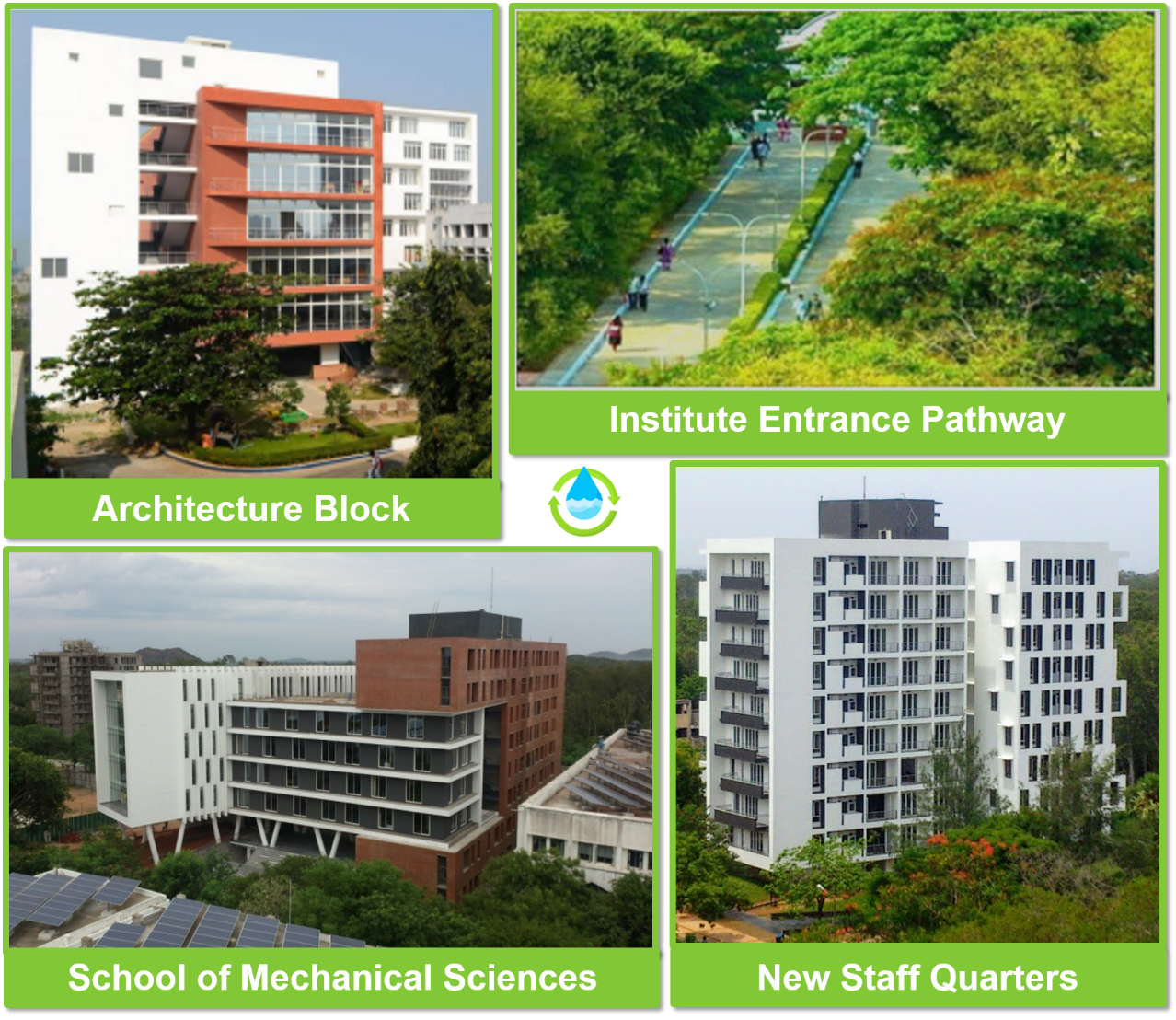
Figure VI (3.5) – 1: Photographs showing the various drought – tolerant plants around various buildings
B. DROUGHT-TOLERANT PLANT SELECTION
The selection of drought-tolerant plants is a cornerstone of the campus’s landscaping strategy. Notable species include Bougainvillea, which thrives in arid climates and requires minimal water, making it an ideal choice for the region. Aloe Vera, another resilient plant, originates from desert environments and exhibits a strong tolerance for dry conditions. Additionally, the Ash Gourd (Benincasa pruriens) is highlighted for its low water requirements, needing irrigation only once every 5-6 days during dry spells. The presence of these plants not only conserves water but also contributes to the biodiversity of the campus.
C. DIVERSE PLANT SPECIES AND THEIR BENEFITS
The campus features a variety of other drought-tolerant species, such as Tecoma stans, commonly known as the Trumpet Flower, which adds vibrant colour while requiring minimal water. Calotropis gigantean, or milkweed, is another species that thrives in dry conditions and is known for its fragrant flowers. Bamboo, while initially requiring more water, becomes drought-tolerant once established, providing an excellent example of how certain plants can adapt to varying water availability. Other species like Oleander, Moringa, and Terminalia catappa further enhance the campus’s green cover while supporting water conservation efforts.
D. MODEL FOR SUSTAINABLE LANDSCAPING
The commitment of B.S. Abdur Rahman Crescent Institute of Science and Technology to water-conscious planting serves as a model for other educational institutions. By integrating drought-tolerant plants into their landscaping, the campus not only reduces water consumption but also fosters an environment that supports local biodiversity. This initiative reflects a broader understanding of sustainable practices, emphasizing the importance of conserving water resources while creating beautiful and functional green spaces. As the campus continues to evolve, its focus on water conservation will undoubtedly inspire similar efforts in other regions facing water scarcity challenges.
1. BOUGAINVILLEA
Bougainvillea is a drought-tolerant plant that thrives in arid climates, making it an excellent choice for regions with limited water availability. Its vibrant flowers add aesthetic value to the landscape while requiring minimal water once established. This resilience to dry conditions ensures that Bougainvillea remains a superb option for sustainable planting in environments where water conservation is crucial.
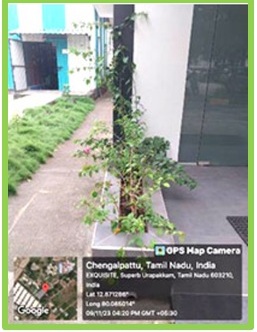
2. ALOE VERA
Aloe Vera originates from desert-like settings characterized by hot weather and sandy soil. This succulent plant flourishes in arid, warm climates and exhibits a strong tolerance for drought. Its limited tolerance to over-watering makes it ideal for water-conscious gardening, as it requires very little water to thrive, contributing to sustainable landscaping practices.
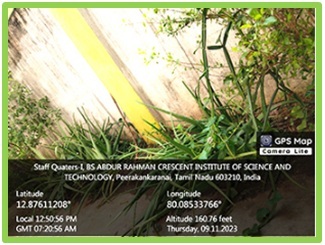
3. ASH GOURD (BENINCASA PRURIENS)
Ash gourds are easy-to-care-for plants that demonstrate significant drought tolerance. They require minimal fertilizer and only need watering once every 5-6 days during dry spells. This makes them a practical choice for sustainable gardening. The plant’s growth cycle begins with male flowers, followed by the appearance of female flowers, showcasing its adaptability in various conditions.

4. TECOMA STANS
Tecoma stans, commonly known as the Trumpet Flower, belongs to the Bigoniaceae family, which includes tropical trees and shrubs. This plant is well-suited for tropical climates and can withstand periods of drought. Known by various names such as Esperanza and Yellow Bells, Tecoma stans requires minimal water once established, making it a low-maintenance option for water-conscious landscaping.
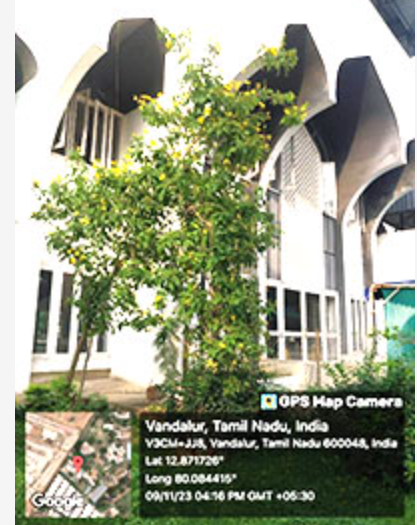
5. CALOTROPIS GIGANTEAN
Calotropis gigantean, commonly referred to as milkweed, is known for the latex it produces. This hardy plant is often found in abandoned farmland and is considered a common weed in some regions. The fragrant flowers are used in making floral tassels, and the plant’s ability to thrive in dry conditions makes it a valuable addition to water-conscious gardens.
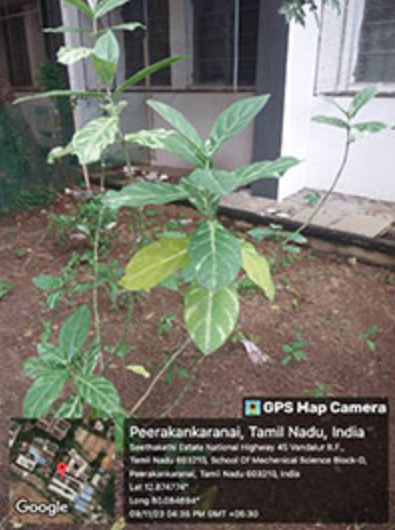
6. BAMBOO PLANTS
Bamboo initially requires a generous amount of water to establish its rhizome root system. However, once established, many species of bamboo can thrive with minimal irrigation. While some varieties may have higher water needs, specific drought-tolerant species are well-suited for water-conscious landscaping, contributing to sustainable practices in garden design.
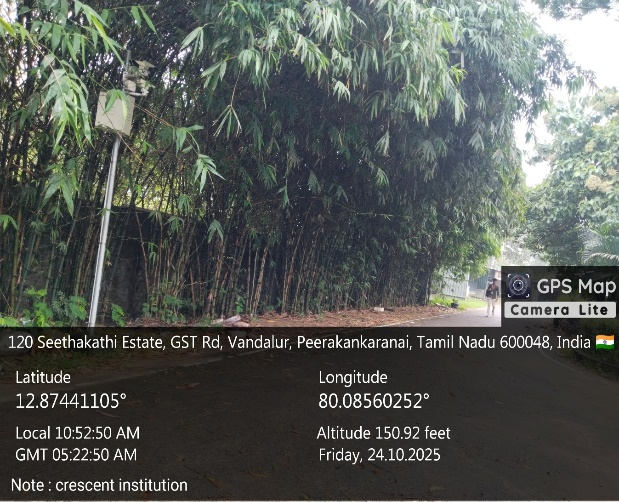
7. OLEANDER
Oleander is a hardy shrub that can withstand dry conditions, making it an ideal choice for water-conscious planting. Once established, it requires little water and thrives in poor soil, making it suitable for xeriscaping. Its vibrant flowers not only enhance the landscape but also contribute to biodiversity in the area.
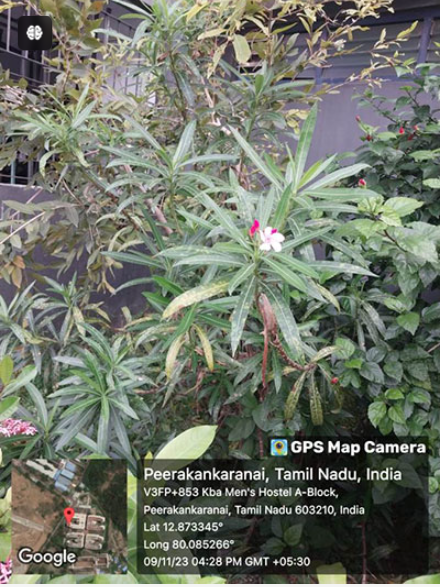
8. MORINGA
Moringa trees are known for their resilience to drought and can survive with minimal water. This versatile plant offers nutritional benefits and is often used in various culinary applications. Its ability to thrive in dry conditions makes it a valuable addition to sustainable landscaping efforts.
9. TERMINALIA CATAPPA
Terminalia catappa, also known as the tropical almond tree, is well-adapted to dry conditions and requires little water once established. This tree not only provides shade but also has various uses, including its leaves and nuts, which contribute to its value in sustainable landscaping.
10. EUCALYPTUS GLOBULUS
Eucalyptus Globulus is known for its ability to thrive in dry environments and can tolerate drought conditions. Once established, this tree requires minimal water, making it suitable for water-conscious planting strategies. Its fast growth and adaptability make it a popular choice for enhancing green spaces while promoting sustainability.
Water Management and Reuse Policy
Issue: 04; Revised on 2023
| Policy Created on | July 2009 |
| 1st Revision amended on | IQAC Meeting held on 27th October 2017 |
| 2nd Revision amended on | IQAC Meeting held on 31st March 2021 |
| 3rd Revision amended on | IQAC Meeting held on 16th June 2023 |
Responsible Executive : Director (IQAC)
Responsible Office : Internal Quality Assurance Cell,
Student Affairs, Estate Office, Academic Office, Library and SDG Cell
Contacts : Registrar and Director (IQAC)
6.1 STATEMENT OF POLICY
The B.S. Abdur Rahman Crescent Institute of Science and Technology is committed to achieving the following objectives in alignment with Sustainable Development Goal 6 (SDG 6) – Clean Water and Sanitation:
a) Ensure universal and equitable access to safe and affordable drinking water for all stakeholders.
b) Provide adequate and equitable sanitation and hygiene for all, with special attention to the needs of women, girls, and vulnerable groups.
c) Improve water quality by reducing pollution, eliminating dumping, and minimizing the release of hazardous chemicals and materials.
d) Halve the proportion of untreated wastewater and substantially increase recycling and safe reuse globally.
e) Substantially increase water-use efficiency across all sectors and ensure sustainable withdrawals and freshwater supply to address water scarcity.
f) Implement integrated water resources management at all levels, including transboundary cooperation as appropriate.
g) Protect and restore water-related ecosystems, including mountains, forests, wetlands, rivers, aquifers, and lakes.
h) Expand international cooperation and capacity-building support to developing countries in water- and sanitation-related activities and programs.
i) Support and strengthen the participation of local communities in improving water and sanitation management.
6.2 REASON FOR THIS POLICY
The policy aims to provide all stakeholders with adequate water supply, sanitation, and hygiene. It emphasises maximising the collection and treatment of sewage generated and the reuse of treated wastewater sustainably, thereby reducing dependency on freshwater resources. The policy promotes treating wastewater as an economic resource.
6.3 RESPONSIBILITIES
6.3.1 Policy Principles
a) The campus shall provide adequate water supply and maximize water reuse by adhering to the following principles:
- Equitable access to safe and affordable drinking water for all stakeholders.
- Access to adequate sanitation and hygiene, ending open defecation, with special attention to vulnerable groups.
- Calculation of water usage per person (students, staff, and faculty) annually.
- Improving water quality by reducing pollution and increasing recycling and safe reuse.
- Utilization of recycled/treated wastewater for beneficial purposes, such as irrigation and toilet flushing.
- Implementation of integrated water resources management at all levels.
- Protection and restoration of water-related ecosystems on campus.
- Expansion of rainwater harvesting initiatives.
- Collaboration with government, NGOs, and industries in water-related activities.
- Support for student and staff participation in water management.
6.4.1 Water Reuse Policy Objectives
- Establish a comprehensive policy to maximize water reuse across the university.
- Ensure that all new buildings adhere to water-conscious building standards that facilitate water reuse.
- Implement systems for tracking and measuring water consumption and reuse.
6.4.2 Water Reuse
- Water Reuse Policy: maximise water reuse across the university.
- Water Reuse Measurement: Measure water reuse across the university.
6.5 DISSEMINATION OF POLICY
a) Display signage promoting water use efficiency across the campus.
b) Conduct awareness programs at regular intervals to increase water-use efficiency.
c) Post the policy on the Institute’s website and update it as necessary.
6.6 ENFORCEMENT OF POLICY
a) The Director (Planning & Development) and Deputy Director monitor compliance and address breaches.
b) Awareness of the policy among students, staff, and visitors is essential.
c) Breaches may lead to disciplinary action as per the Institute’s code of conduct.
PROMOTION / IMPLEMENTATION/ EVIDENCE OF WATER MANAGEMENT AND REUSE POLICY
COMMITMENT TO WATER MANAGEMENT AND REUSE
The B.S. Abdur Rahman Crescent Institute of Science and Technology has established a comprehensive Water Reuse Policy that underscores its commitment to sustainability and responsible resource management. This policy is designed to maximize water reuse across the university, ensuring that water resources are utilised efficiently and effectively. The existence of such a policy is crucial as it provides a structured framework for implementing various water conservation strategies, including rainwater harvesting, wastewater treatment, and advanced technologies for monitoring water consumption. This initiative aligns with Sustainable Development Goal 6 (SDG 6) – Clean Water and Sanitation, emphasizing the importance of equitable access to safe water and the sustainable management of water resources.
IMPLEMENTATION OF EFFECTIVE WATER MANAGEMENT INITIATIVES
Evidence supporting the effectiveness of this policy is demonstrated through the implementation of multiple water management initiatives. The university has developed a sophisticated rainwater harvesting system that captures runoff from building rooftops, significantly enhancing groundwater recharge. Additionally, the institution operates a network of five sewage treatment plants (STPs) that recycle wastewater for non-potable applications, such as gardening and toilet flushing. The total volume of treated water from these initiatives is substantial, with the university recycling approximately 18,718 cubic meters of water annually. Furthermore, the institution generates about 14,694 cubic meters of sewage annually, with 13,005 cubic meters treated effectively, showcasing a proactive approach to addressing water scarcity challenges.
TRANSPARENCY AND PUBLIC ACCESS TO EVIDENCE
The evidence regarding the university’s water management practices is publicly accessible, showcasing the institution’s transparency and accountability in its sustainability efforts. Detailed reports on water consumption, treatment processes, and the effectiveness of various initiatives are available for review on the university’s website. This openness fosters a culture of environmental consciousness among students, faculty, and the broader community, encouraging collective responsibility for water conservation. The public availability of this information not only enhances stakeholder engagement but also serves as a valuable resource for other institutions looking to adopt similar practices.
POLICY REVIEW AND COMMITMENT TO CONTINUOUS IMPROVEMENT
The Water Reuse Policy has undergone several revisions to ensure its relevance and effectiveness, with the most recent review occurring in 2024. This continuous improvement process reflects the university’s proactive approach to adapting to new challenges and advancements in water management practices. Previous revisions were made in 2017, 2021 and 2023, indicating a commitment to evolving practices. This ongoing review process ensures that the university remains at the forefront of sustainable water management, aligning its practices with contemporary sustainability goals and regulatory compliance.
SUMMARY
In summary, the B.S. Abdur Rahman Crescent Institute of Science and Technology’s water management and reuse policy is well-defined and supported by substantial evidence of effective practices. The institution actively promotes the availability of free drinking water through strategically installed water dispensers and Reverse Osmosis (RO) plants, ensuring that clean and safe drinking water is accessible to all campus community members. The public availability of this information further enhances the university’s commitment to sustainability and serves as a model for other institutions aiming to implement similar water conservation strategies. By maximizing water reuse and promoting responsible resource management, the university addresses its own water needs and contributes to broader environmental sustainability efforts, setting a benchmark for responsible water management in educational institutions.
PROMOTION / IMPLEMENTATION/ EVIDENCE OF WATER MANAGEMENT AND REUSE POLICYs
A. WATER REUSE MEASUREMENT AT THE UNIVERSITY
The university has implemented a robust water reuse strategy, demonstrating a commitment to sustainability and efficient resource management. The total wastewater generated from the sewage treatment plant (STP) is approximately 14,694 cubic meters per year.
This water is recycled for various beneficial purposes, significantly reducing the demand for fresh water. The university’s approach aligns with the definition of water reuse, which involves recycling treated wastewater for applications such as irrigation, industrial processes, and toilet flushing.
B. BREAKDOWN OF RECYCLED WATER USAGE
The recycled water is allocated across different uses, with 85% designated for landscaping, 10% for toilet flushing, and 5% for housekeeping. This strategic allocation highlights the university’s focus on maximizing the utility of recycled water in areas that can significantly benefit from it. For instance, using treated wastewater for landscaping not only conserves fresh water but also supports the maintenance of green spaces on campus, enhancing the overall environment for students and staff.
C. MONTHLY WATER REUSE DATA
The monthly data from January 2024 to December 2024 illustrates the university’s ongoing efforts in water recycling. Each month, the quantity of recycled water varies, reflecting seasonal changes and water usage patterns. For example, in May 2024, the university recycled 1,351 cubic meters of water, showcasing a peak in water reuse efforts. The total treated water over the period indicates a consistent commitment to recycling, with a total of 13,005 cubic meters of recycled water recorded, demonstrating the effectiveness of the university’s water management practices.
D. COMMITMENT TO SUSTAINABLE PRACTICES
Overall, the university’s water reuse measurement and practices exemplify a proactive approach to sustainability. By effectively recycling wastewater and utilizing it for essential functions, the institution not only conserves valuable water resources but also sets a standard for other universities to follow.
This commitment to water reuse is crucial in addressing the challenges of water scarcity and promoting environmental stewardship within the academic community.
Total Sewage generated 14,694 m³ and Treated Sewage 13,005 m³ per year.
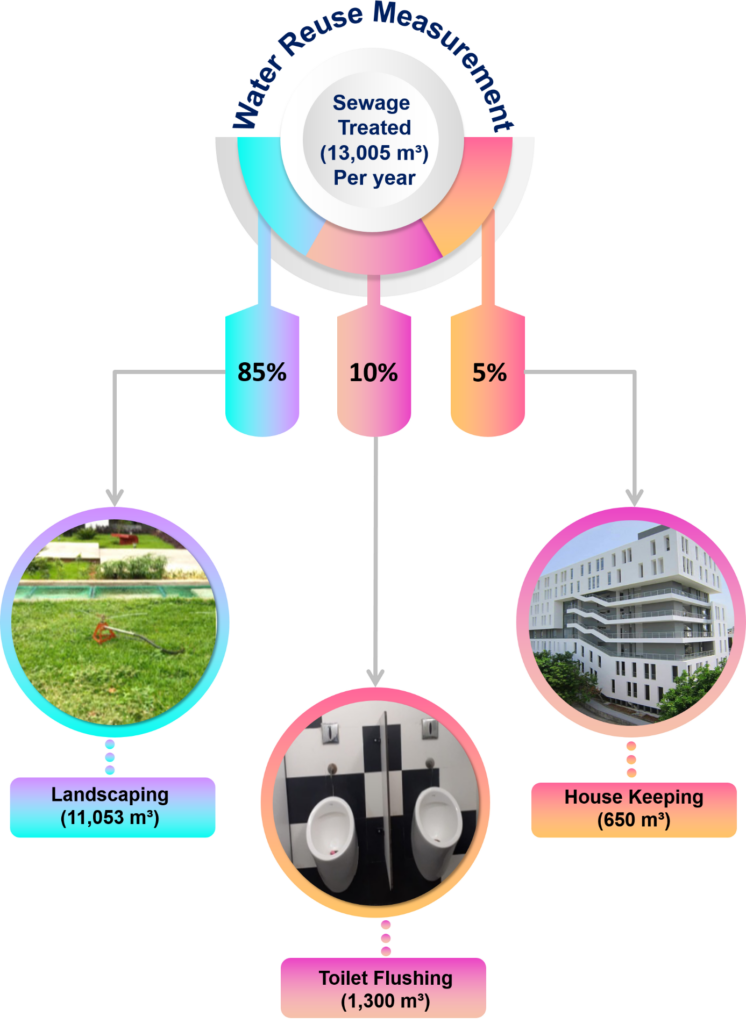
Figure VI (4.2) – 1: Water Reuse Measurement
Table VI (4.2) – 1: Water Reuse Measurement Data for the period 2023-24
Sl. No. | Month / Year | No. of Loads | Quantity of Lorry Water before treatment (m³) | Lorry Water after treatment (m³) | Well Water before treatment (m³) | Well Water after treatment (m³) | Total Treated Water | Sewage Generated (m³) | Sewage Treatment (m³) | |||
1 | Jan-24 | 1143 | 1143 m³ | 1039 | 266 | 242 | 1281 | 1012 | 901 | |||
2 | Feb-24 | 1574 | 1574 m³ | 1402 | 256 | 233 | 1635 | 1292 | 1150 | |||
3 | Mar-24 | 1771 | 1771 m³ | 1578 | 257 | 234 | 1812 | 1431 | 1274 | |||
4 | Apr-24 | 1325 | 1325 m³ | 1181 | 275 | 250 | 1431 | 1130 | 1006 | |||
5 | May-24 | 1873 | 1873 m³ | 1669 | 277 | 252 | 1921 | 1518 | 1351 | |||
6 | Jun-24 | 1225 | 1225 m³ | 1091 | 270 | 246 | 1338 | 1057 | 940 | |||
7 | Jul-24 | 1296 | 1296 m³ | 1155 | 273 | 243 | 1398 | 1090 | 959 | |||
8 | Aug-24 | 1626 | 1626 m³ | 1449 | 250 | 222 | 1671 | 1303 | 1147 | |||
9 | Sep-24 | 1775 | 1775 m³ | 1582 | 262 | 233 | 1815 | 1415 | 1245 | |||
10 | Oct-24 | 1413 | 1413 m³ | 1259 | 260 | 231 | 1490 | 1162 | 1023 | |||
11 | Nov-24 | 1467 | 1467 m³ | 1307 | 259 | 230 | 1537 | 1199 | 1055 | |||
12 | Dec-24 | 1307 | 1307 m³ | 1165 | 253 | 225 | 1390 | 1084 | 954 | |||
Total | 17,795 | 17,795 m³ | 15,876 | 3,157 | 2,842 | 18,718 | 14,694 | 13,005 | ||||
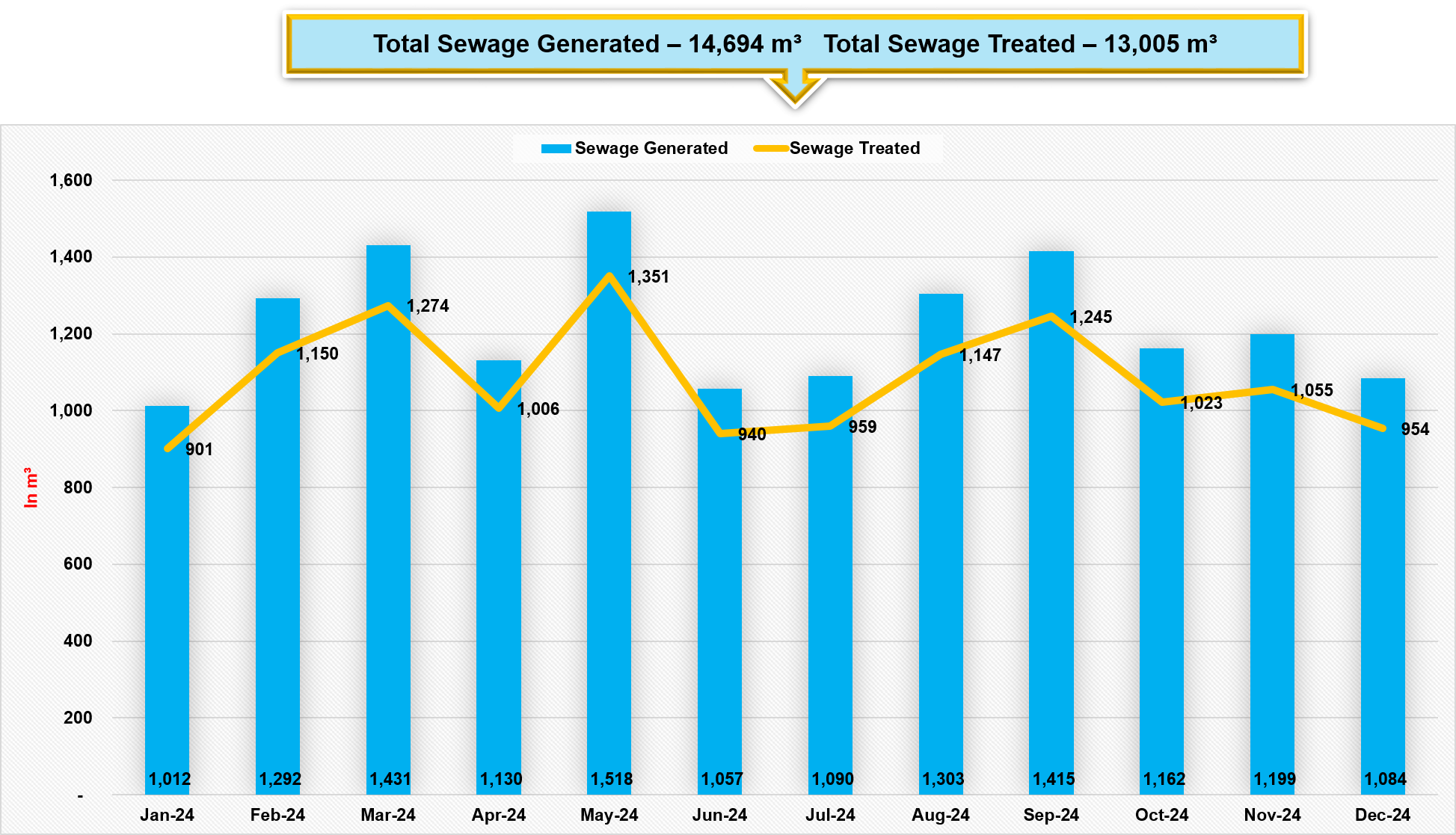
Figure VI (4.2) – 2: Month-wise Water Reuse Data
E. WATER TREATMENT AND SEWAGE MANAGEMENT REPORT
The above table summarizes the monthly water treatment and sewage management data from January 2024 to December 2024. It documents the quantities of lorry and well water used, the treatment processes undertaken, and the associated sewage generated and treated.
OVERVIEW OF WATER SOURCES AND TREATMENT PROCESS
- Lorry Water Treatment: Each month, lorry water was collected in various quantities, and after treatment, 90% efficiency was achieved. The data shows a monthly range of lorry water treated, with figures fluctuating from 1039 m³ to 1,669 m³.
- Well Water Treatment: Collected well water, which was fully utilized initially (100%), underwent a similar treatment process at 90% efficiency. This process yielded an average collection close to 222 m³ and peaked at 252 m³ during specific months.
- Total Treated Water: The combined total of treated water from both sources shows a consistent monthly output, indicating effective resource management.
MONTHLY WATER AND SEWAGE MANAGEMENT
- Monthly data from January 2024 to December 2024 showed significant variations, with total water collected each month reflecting operational demands and treatment capacities.
- For instance, January 2024 recorded a collection of 1,039 m³ of lorry water and 242 m³ of well water, generating of sewage 1,012 m³ and 901 m³ of sewage treated. Over the period, the highest recorded sewage generation was 1,518 m³ in May 2024.
- The total treated water from all sources across the reporting period was 18,718 m³, while the total sewage generated reached 14,694 m³. Furthermore, the total sewage treated was 13,005 m³, representing a significant efficiency in sewage management.
The data reflects a proactive approach to managing both water resources and sewage treatment within the facility. The implementation of efficient treatment processes has led to substantial recycling of water, aligning with sustainability goals. Continuous monitoring and analysis of monthly figures ensure that the facility can make informed decisions regarding water usage and treatment efficacy, ultimately contributing to responsible environmental stewardship.
Water Management and Reuse Policy
Issue: 04; Revised on 2023
| Policy Created on | July 2009 |
| 1st Revision amended on | IQAC Meeting held on 27th October 2017 |
| 2nd Revision amended on | IQAC Meeting held on 31st March 2021 |
| 3rd Revision amended on | IQAC Meeting held on 16th June 2023 |
Responsible Executive : Director (IQAC)
Responsible Office : Internal Quality Assurance Cell,
Student Affairs, Estate Office, Academic Office, Library and SDG Cell
Contacts : Registrar and Director (IQAC)
6.1 STATEMENT OF POLICY
The B.S. Abdur Rahman Crescent Institute of Science and Technology is committed to achieving the following objectives in alignment with Sustainable Development Goal 6 (SDG 6) – Clean Water and Sanitation:
a) Ensure universal and equitable access to safe and affordable drinking water for all stakeholders.
b) Provide adequate and equitable sanitation and hygiene for all, with special attention to the needs of women, girls, and vulnerable groups.
c) Improve water quality by reducing pollution, eliminating dumping, and minimizing the release of hazardous chemicals and materials.
d) Halve the proportion of untreated wastewater and substantially increase recycling and safe reuse globally.
e) Substantially increase water-use efficiency across all sectors and ensure sustainable withdrawals and freshwater supply to address water scarcity.
f) Implement integrated water resources management at all levels, including transboundary cooperation as appropriate.
g) Protect and restore water-related ecosystems, including mountains, forests, wetlands, rivers, aquifers, and lakes.
h) Expand international cooperation and capacity-building support to developing countries in water- and sanitation-related activities and programs.
i) Support and strengthen the participation of local communities in improving water and sanitation management.
6.2 REASON FOR THIS POLICY
The policy aims to provide all stakeholders with adequate water supply, sanitation, and hygiene. It emphasises maximising the collection and treatment of sewage generated and the reuse of treated wastewater sustainably, thereby reducing dependency on freshwater resources. The policy promotes treating wastewater as an economic resource.
6.3 RESPONSIBILITIES
6.3.1 Policy Principles
a) The campus shall provide adequate water supply and maximize water reuse by adhering to the following principles:
- Equitable access to safe and affordable drinking water for all stakeholders.
- Access to adequate sanitation and hygiene, ending open defecation, with special attention to vulnerable groups.
- Calculation of water usage per person (students, staff, and faculty) annually.
- Improving water quality by reducing pollution and increasing recycling and safe reuse.
- Utilization of recycled/treated wastewater for beneficial purposes, such as irrigation and toilet flushing.
- Implementation of integrated water resources management at all levels.
- Protection and restoration of water-related ecosystems on campus.
- Expansion of rainwater harvesting initiatives.
- Collaboration with government, NGOs, and industries in water-related activities.
- Support for student and staff participation in water management.
6.4 WATER REUSE POLICY
6.4.1 Water Reuse Policy Objectives
- Establish a comprehensive policy to maximize water reuse across the university.
- Ensure that all new buildings adhere to water-conscious building standards that facilitate water reuse.
- Implement systems for tracking and measuring water consumption and reuse.
6.4.2 Water Reuse
- Water Reuse Policy: maximise water reuse across the university.
- Water Reuse Measurement: Measure water reuse across the university.
6.5 DISSEMINATION OF POLICY
a) Display signage promoting water use efficiency across the campus.
b) Conduct awareness programs at regular intervals to increase water-use efficiency.
c) Post the policy on the Institute’s website and update it as necessary.
6.6 ENFORCEMENT OF POLICY
a) The Director (Planning & Development) and Deputy Director monitor compliance and address breaches.
b) Awareness of the policy among students, staff, and visitors is essential.
c) Breaches may lead to disciplinary action as per the Institute’s code of conduct.
The NSS Special Camp 2023-24 organized by B.S. Abdur Rahman Crescent Institute of Science and Technology brought together around 120 volunteers for a week of community service under the theme “Green India Clean India.” The program featured a carefully structured schedule that included a village survey, blood donation camp, stress management sessions, reading challenges, self-defense demonstrations, health and hygiene awareness, water conservation drives, and sports outreach. Inaugurated by senior institute officials and local dignitaries, the camp fostered teamwork, discipline, and civic responsibility among participants while engaging Adopted Villages Keerapakkam, Arungal, and Murugamangalam. The activities were designed to empower students with leadership skills, practical service experience, and a deeper understanding of rural dynamics and sustainable development.
Key highlights included a collaborative Blood Donation Camp with Dr. MGR Medical University, emphasizing safe practices and post-donation care; Day 2 stress management sessions addressing emotional well-being and resilience; Day 3 self-defense demonstrations integrating holistic approaches; Day 4 sessions on AI & its future and Health and Hygiene, exploring the role of technology in sustainable living and practical health practices; and Day 5–6 community-oriented efforts such as NEET survey collection, school cleanliness, water conservation, and first aid awareness. The program concluded with a valedictory function, reflecting on the participants’ contributions and the broader impact of NSS initiatives in fostering active citizenship, social transformation, and a lasting spirit of volunteerism in both the campus and the adopted communities.
WATER CONSERVATION AWARENESS
Water conservation was a central focus of Day 5–6 activities, where volunteers conducted community outreach and practical demonstrations to promote sustainable water use. Initiatives included surveying local water resources, identifying leakage points in village systems, and coordinating with residents to implement simple, high-impact practices such as rainwater harvesting, reuse of greywater, and the installation of water-saving devices. Educational sessions highlighted the importance of preserving dwindling groundwater, maintaining clean waterways, and adopting behavioral changes like timely water reporting and mindful irrigation. Through hands-on demonstrations, awareness drives, and collaborative planning with Keerapakkam, Arungal, and Murugamangalam communities, the camp fostered a practical understanding of sustainable water management and empowered participants to champion ongoing conservation efforts beyond the seven-day program.
Figure VI (5.1) – 1: Invitation
Figure VI (5.1) – 2: Programme Schedule
Figure VI (5.1) – 3: Welcome Address by Dr.Ayub Khan Dawood, NSS Coordinator
Figure VI (5.1) – 4: NSS team with guest
Figure VI (5.1) – 5: Honoring the Guest
Brief details about the programme:
Guest Lecture on “Water for Peace – World Water Day 2024”,was organized by the Institution of Engineers (India), Kancheepuram Local Centre in association with the Department of Civil Engineering, School of Infrastructure, B.S.Abdur Rahman Crescent Institute of Science & Technology on 21stMarch 2024 as part of World Water Day Celebrations. Dr.Vasanthi Padmanabhan, Professor & Student Advisor IE(I) School of Infrastructure, B.S.Abdur Rahman Crescent Institute of Science & Technology welcomed the chief guest Dr.Sekhar Raghavan (Rain Man), the honorary secretary of IE(I) – KLC Dr.S.Karthikeyan, and the audience. She appraised the importance of conserving and effectively storing the rainwater and available water for the future use. Dr.S.Karthikeyan, honorary secretary IE(I) felicitated the gathering and briefed the essential role of water in our human life and its importance. He stated that the Institution of Engineers (India) is the National organization of engineering professionals in India. It is the largest multi-disciplinary engineering professional society. He insisted everyone to become member of IEI and encouraged the students to apply for the project proposal for which the fundings are given in order to motivate the students.
About the Lecture
Dr.Sekhar Raghavan is the Director of Rain centre at Adyar, Chennai which was been inaugurated by the Former Chief Minister Late. Dr.J.Jayalalitha. Dr.Sekhar Raghavana is also known as Rain man. The speaker started the lecture explaining the need, relevance and importance of rainwater harvesting. During his lecture he explained to students about his initiating the rain centre which was a part of his Akash Ganga Trust that spreads awareness about rainwater conservation in a country that thirsts for water yet allows the precious fluid to go waste. Hence a universal access to water still remains an issue in India and in particular in Chennai. He also shared his experience in bridging the gaps between society and rainwater harvesting in his life long journey to keep the water-tables high and the groundwater sweet (as opposed to salty groundwater due to over-use and seawater ingress). In this case moving forward to the future generation and needs. It’s that time of year when we should start worrying about our rain water harvesting systems and get them ready for the coming rains. The speaker shared about the most common problems that can be expected in RWH structures for which B.Tech, Civil Engineering participated in the event and got benefited. This lecture was useful and compliments the UG courses viz. CEDX 53 – Stormwater and Flood management, CEDX 51 –Hydrology and CED 2205 –Water Resources Engineering.
Figure VI (5.1) – 6: Programme Schedule
Figure VI (5.1) – 7: Invitation
Figure VI (5.1) – 8: Dignitaries and Professors on the dias Chief Guest : Dr Sekhar Raghavan, Rainman of Chennai
Figure VI (5.1) – 9: Qirath by Mr.Huzafur Rahman, III year B.Tech. Civil
Figure VI (5.1) – 10: Thamizh Thai Vaazthu by Mr.Mohamed Rasmi and Mr.SyedSalavudeen, III year B.Tech. Civil
Figure VI (5.1) – 11: Welcome address by Dr.Vasanthi Padmanabhan, Professor & Student Advisor IE(I)
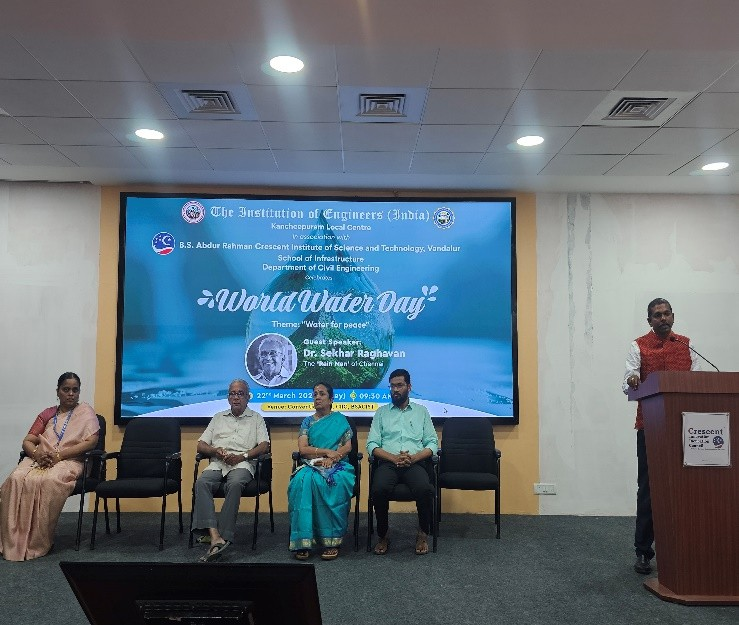
Figure VI (5.1) – 12: Felicitation by Dr.S.Karthikeyan, Honarary Secretary of IE(I), Kanchipuram Local Centre
Figure VI (5.1) – 13: Faculty and students attended the lecture
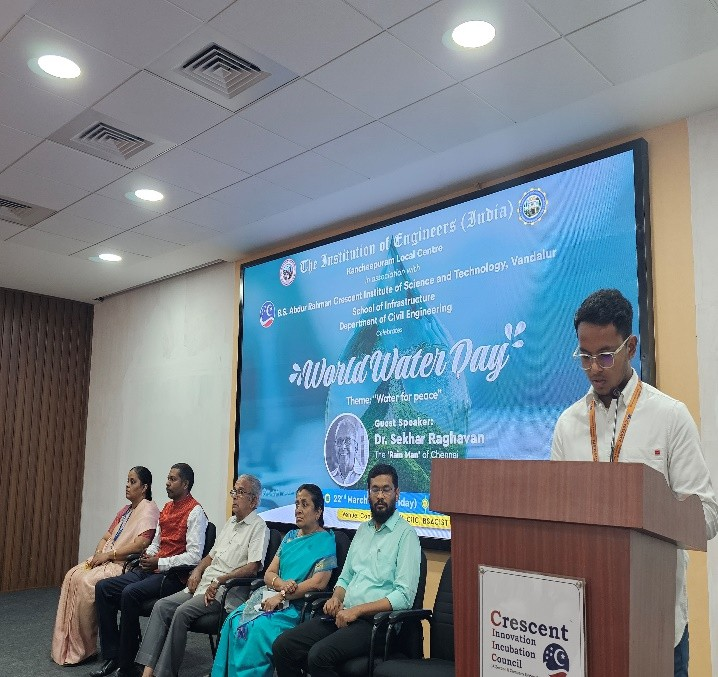
Figure VI (5.1) – 14: Chief Guest Introduction by Mr.Sahal Shamsher, III year B.Tech. Civil
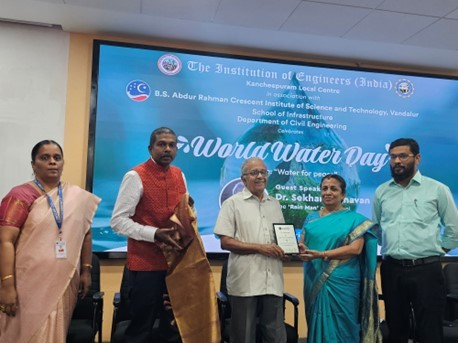
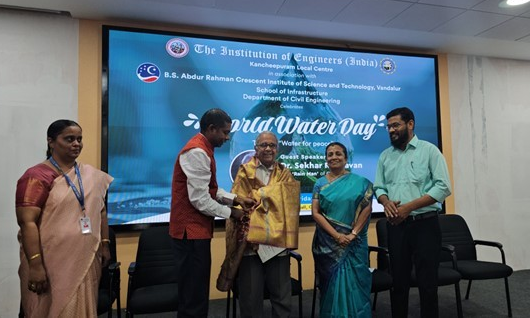
Figure VI (5.1) – 15: Dr.Vasanthi Padmanabhan (Professor) and Dr.S.Karthikeyan (Honorary Secretary) Honoured our esteemed Chief guest Dr.Sekhar Raghavan (Rain Man), Director, Rain Centre, Adyar, Chennai.
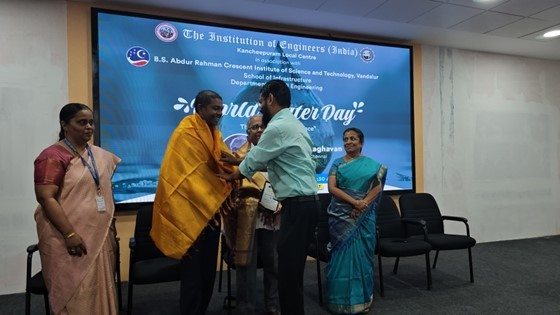
Figure VI (5.1) – 16: Dr.Vasanthi Padmanabhan (Professor) and Dr.N.S.Shafeer Ahamed (Asst.Prof – Sl.G) honoured the Honorary Secretary Dr.S.Karthikeyan, Honarary Secretary IE(I), Kanchipuram Local Centre
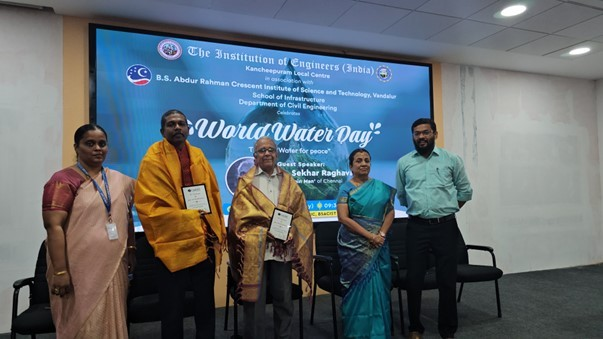
Figure VI (5.1) – 17: Honouring of the dignitaries
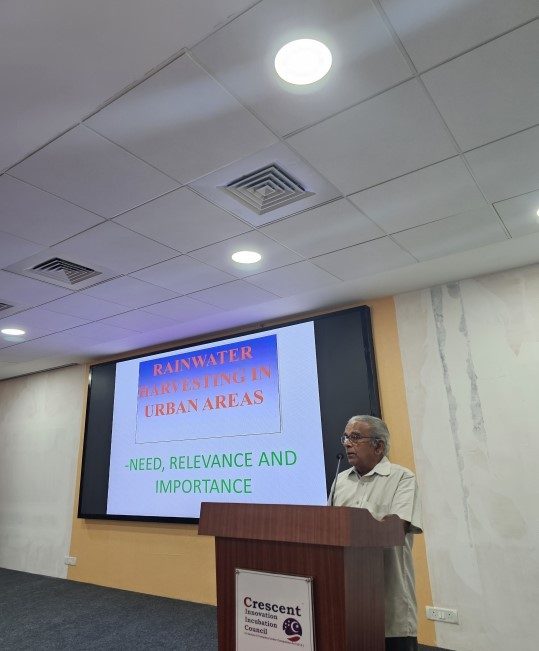
Figure VI (5.1) – 18: Lecture by Dr.Sekhar Raghavan on the Need, Relevance and Importance of Rainwater Harvesting.
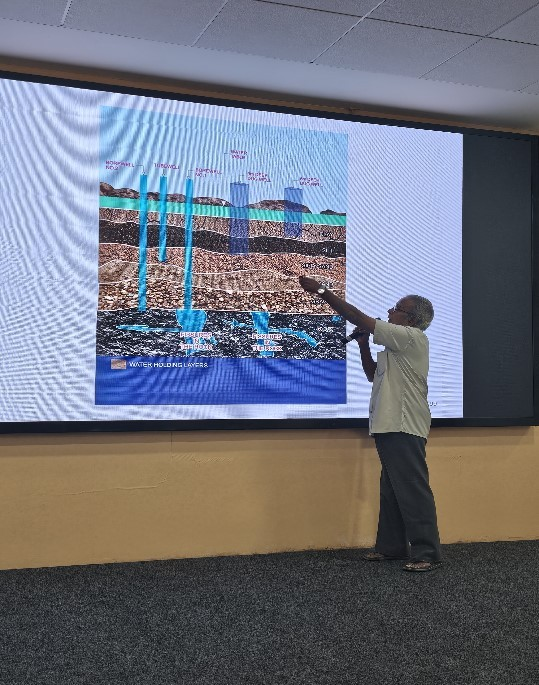
Figure VI (5.1) – 19: The speaker explained about the infiltration of the rainwater into the ground surface as it is more essential.
Figure VI (5.1) – 20: Vote of thanks by Ms.Hemashree, III year B.Tech. Civil
Water Management and Reuse Policy
Issue: 04; Revised on 2023
| Policy Created on | July 2009 |
| 1st Revision amended on | IQAC Meeting held on 27th October 2017 |
| 2nd Revision amended on | IQAC Meeting held on 31st March 2021 |
| 3rd Revision amended on | IQAC Meeting held on 16th June 2023 |
Responsible Executive : Director (IQAC)
Responsible Office : Internal Quality Assurance Cell,
Student Affairs, Estate Office, Academic Office, Library and SDG Cell
Contacts : Registrar and Director (IQAC)
6.1 STATEMENT OF POLICY
The B.S. Abdur Rahman Crescent Institute of Science and Technology is committed to achieving the following objectives in alignment with Sustainable Development Goal 6 (SDG 6) – Clean Water and Sanitation:
a) Ensure universal and equitable access to safe and affordable drinking water for all stakeholders.
b) Provide adequate and equitable sanitation and hygiene for all, with special attention to the needs of women, girls, and vulnerable groups.
c) Improve water quality by reducing pollution, eliminating dumping, and minimizing the release of hazardous chemicals and materials.
d) Halve the proportion of untreated wastewater and substantially increase recycling and safe reuse globally.
e) Substantially increase water-use efficiency across all sectors and ensure sustainable withdrawals and freshwater supply to address water scarcity.
f) Implement integrated water resources management at all levels, including transboundary cooperation as appropriate.
g) Protect and restore water-related ecosystems, including mountains, forests, wetlands, rivers, aquifers, and lakes.
h) Expand international cooperation and capacity-building support to developing countries in water- and sanitation-related activities and programs.
i) Support and strengthen the participation of local communities in improving water and sanitation management.
6.2 REASON FOR THIS POLICY
The policy aims to provide all stakeholders with adequate water supply, sanitation, and hygiene. It emphasises maximising the collection and treatment of sewage generated and the reuse of treated wastewater sustainably, thereby reducing dependency on freshwater resources. The policy promotes treating wastewater as an economic resource.
6.3 RESPONSIBILITIES
6.3.1 Policy Principles
a) The campus shall provide adequate water supply and maximize water reuse by adhering to the following principles:
- Equitable access to safe and affordable drinking water for all stakeholders.
- Access to adequate sanitation and hygiene, ending open defecation, with special attention to vulnerable groups.
- Calculation of water usage per person (students, staff, and faculty) annually.
- Improving water quality by reducing pollution and increasing recycling and safe reuse.
- Utilization of recycled/treated wastewater for beneficial purposes, such as irrigation and toilet flushing.
- Implementation of integrated water resources management at all levels.
- Protection and restoration of water-related ecosystems on campus.
- Expansion of rainwater harvesting initiatives.
- Collaboration with government, NGOs, and industries in water-related activities.
- Support for student and staff participation in water management.
6.4.1 Water Reuse Policy Objectives
- Establish a comprehensive policy to maximize water reuse across the university.
- Ensure that all new buildings adhere to water-conscious building standards that facilitate water reuse.
- Implement systems for tracking and measuring water consumption and reuse.
6.4.2 Water Reuse
- Water Reuse Policy: maximise water reuse across the university.
- Water Reuse Measurement: Measure water reuse across the university.
6.5 DISSEMINATION OF POLICY
a) Display signage promoting water use efficiency across the campus.
b) Conduct awareness programs at regular intervals to increase water-use efficiency.
c) Post the policy on the Institute’s website and update it as necessary.
6.6 ENFORCEMENT OF POLICY
a) The Director (Planning & Development) and Deputy Director monitor compliance and address breaches.
b) Awareness of the policy among students, staff, and visitors is essential.
c) Breaches may lead to disciplinary action as per the Institute’s code of conduct.
A. VETIVER PLANTING TO REDUCE WATER POLLUTION: LOCAL COMMUNITY ENGAGEMENT AND ENVIRONMENTAL BENEFIT (03RD AUGUST, 2023)
Community-driven action by National Service Scheme (NSS) volunteers from B.S. Abdur Rahman Crescent Institute of Science & Technology, in collaboration with local authorities, targeted sewage-induced water pollution in the 27-foot-deep Urapakkam Kolatchiammal temple pond. The intervention focused on planting Vetiver grass along pond banks and upstream catchment areas to stabilize soil, reduce erosion, filter runoff, and enhance infiltration, thereby limiting pollutant transport to the pond. NSS volunteers from B.S. Abdur Rahman Crescent Institute of Science & Technology, alongside participants from SRM University, SRM Valliammai Engineering College, and Aadhi Engineering College, worked with local authorities to implement the plan. Vetiver’s deep, dense, fibrous root system is central to the approach, as it improves soil stability and infiltration, reduces surface runoff, and exhibits pollutant-retention properties. Expected outcomes include reduced sediment and nutrient loads entering the pond, improved groundwater recharge, and long-term soil rehabilitation around the watershed.
COMMUNITY AND GOVERNANCE FOCUS
The Urapakkam Kolatchiammal Temple pond faces long-standing sewage discharge from nearby residences, with unauthorized connections channeling wastewater into stormwater drains that should carry only rainwater. This situation contaminates the pond, accelerates sedimentation, risks eutrophication, and degrades water quality, potentially affecting local biodiversity and the pond’s cultural and community uses. The pollution also poses health risks to nearby residents and undermines the pond’s aesthetic and communal value. Addressing these issues requires a dual approach: managing soil erosion and runoff at the watershed level while simultaneously tackling sewage leakage through governance and infrastructure improvements.
EMPHASIS ON EDUCATION AND STEWARDSHIP
The primary objective is to reduce pollutant loads entering the pond by enhancing soil stability and filtering runoff at the source and along runoff pathways. A secondary aim is to improve soil health and infiltration around the pond to promote groundwater recharge and resilience against erosion. The intervention also seeks to foster collaborative learning and stewardship by involving NSS volunteers from multiple institutes and linking community action with local authorities, thereby building a model for cross-institutional watershed management and pollution prevention.
INTERVENTION DETAILS
Vetiver grass (Chrysopogon zizanioides) was introduced along the pond’s banks and in key erosion-prone zones within the upstream catchment. NSS volunteers from B.S. Abdur Rahman Crescent Institute of Science & Technology and partner institutions, under guidance from local authorities, participated in planting Vetiver. Vetiver was chosen for its deep, dense, and fibrous root system that stabilizes banks, reduces runoff velocity, and improves soil porosity and infiltration in compacted soils. Additionally, Vetiver can act as a biofilter, supporting microbial communities in the rhizosphere that aid in pollutant degradation and sequestration, including uptake of certain nutrients and heavy metals. Planting sites focused on the pond’s banks, upstream catchment areas, and zones most susceptible to runoff entry points.
MECHANISMS BY WHICH VETIVER REDUCES WATER POLLUTION
Vetiver reduces water pollution through several interrelated mechanisms. Its extensive root network anchors soil, significantly reducing bank instability and sediment entrainment during rainfall. Dense vegetative cover slows runoff, promotes infiltration, and lowers both the volume and velocity of runoff that would otherwise transport sediments and attached pollutants to the pond. As a biofilter, Vetiver’s root zone traps particulates and supports uptake of nutrients such as nitrogen and phosphorus, thereby reducing nutrient leakage to the water body. Improved soil structure from root penetration enhances infiltration rates, further diminishing surface runoff. Infiltration improvements also aid groundwater recharge, contributing to watershed resilience. Vetiver’s low-maintenance, drought-tolerant characteristics make it a robust, scalable solution for interfaces between rural and urban environments, supporting long-term sustainability.
EXPECTED ENVIRONMENTAL AND COMMUNITY BENEFITS
The initiative is anticipated to yield several benefits: improved pond water quality through reduced turbidity and nutrient loads; decreased sedimentation, which enhances the pond’s storage capacity and ecological health; strengthened ecosystem resilience with better habitat conditions around the pond; and empowered communities through NSS-led engagement that raises awareness about pollution sources and promotes responsible waste disposal. The approach also holds promise for informing local watershed management plans and anti-pollution strategies, particularly when integrated with proactive sewage management and enforcement of wastewater discharges.
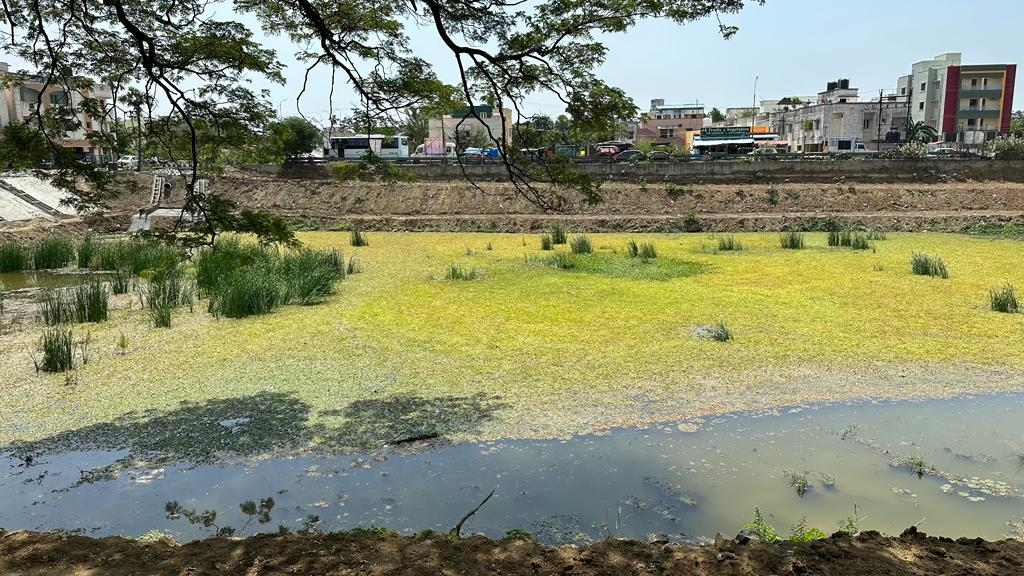
Figure VI (5.3) – 1: Contaminated Pond
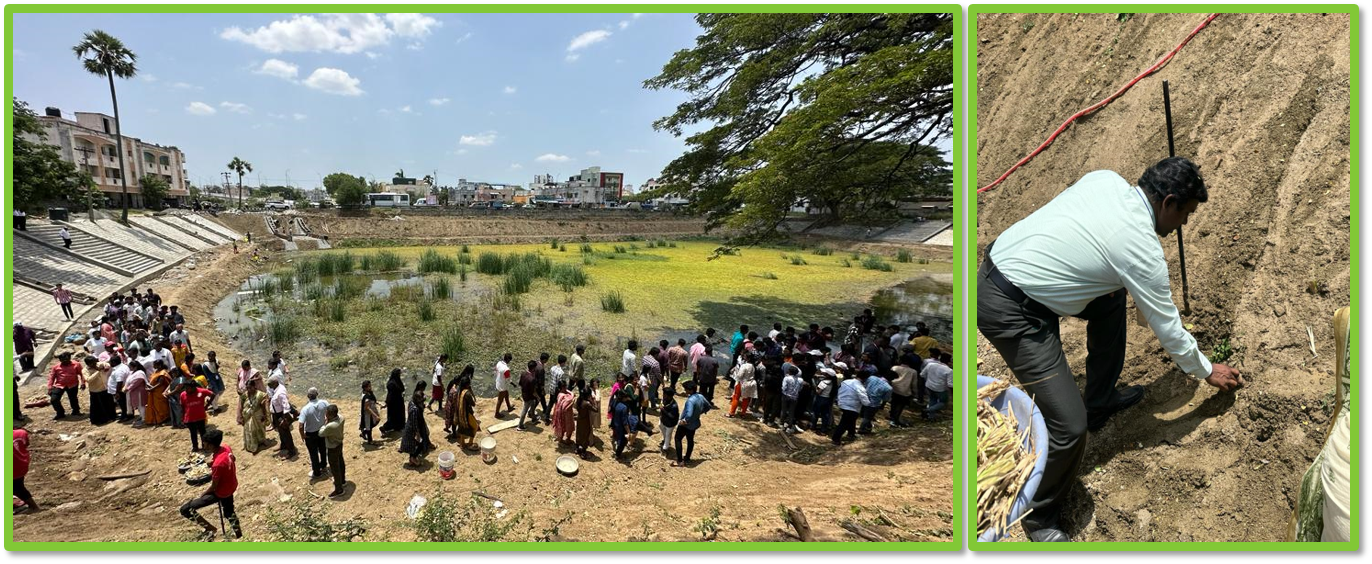
Figure VI (5.3) – 2: NSS Programme Offciers and NSS volunteers jointly worked together

Figure VI (5.3) – 3: NSS Volunteers from Crescent University in Field Work
Figure VI (5.3) – 4: Pond after plantation of Vettiver
Water Management and Reuse Policy
Issue: 04; Revised on 2023
| Policy Created on | July 2009 |
| 1st Revision amended on | IQAC Meeting held on 27th October 2017 |
| 2nd Revision amended on | IQAC Meeting held on 31st March 2021 |
| 3rd Revision amended on | IQAC Meeting held on 16th June 2023 |
Responsible Executive : Director (IQAC)
Responsible Office : Internal Quality Assurance Cell,
Student Affairs, Estate Office, Academic Office, Library and SDG Cell
Contacts : Registrar and Director (IQAC)
6.1 STATEMENT OF POLICY
The B.S. Abdur Rahman Crescent Institute of Science and Technology is committed to achieving the following objectives in alignment with Sustainable Development Goal 6 (SDG 6) – Clean Water and Sanitation:
a) Ensure universal and equitable access to safe and affordable drinking water for all stakeholders.
b) Provide adequate and equitable sanitation and hygiene for all, with special attention to the needs of women, girls, and vulnerable groups.
c) Improve water quality by reducing pollution, eliminating dumping, and minimizing the release of hazardous chemicals and materials.
d) Halve the proportion of untreated wastewater and substantially increase recycling and safe reuse globally.
e) Substantially increase water-use efficiency across all sectors and ensure sustainable withdrawals and freshwater supply to address water scarcity.
f) Implement integrated water resources management at all levels, including transboundary cooperation as appropriate.
g) Protect and restore water-related ecosystems, including mountains, forests, wetlands, rivers, aquifers, and lakes.
h) Expand international cooperation and capacity-building support to developing countries in water- and sanitation-related activities and programs.
i) Support and strengthen the participation of local communities in improving water and sanitation management.
6.2 REASON FOR THIS POLICY
The policy aims to provide all stakeholders with adequate water supply, sanitation, and hygiene. It emphasises maximising the collection and treatment of sewage generated and the reuse of treated wastewater sustainably, thereby reducing dependency on freshwater resources. The policy promotes treating wastewater as an economic resource.
6.3 RESPONSIBILITIES
6.3.1 Policy Principles
a) The campus shall provide adequate water supply and maximize water reuse by adhering to the following principles:
- Equitable access to safe and affordable drinking water for all stakeholders.
- Access to adequate sanitation and hygiene, ending open defecation, with special attention to vulnerable groups.
- Calculation of water usage per person (students, staff, and faculty) annually.
- Improving water quality by reducing pollution and increasing recycling and safe reuse.
- Utilization of recycled/treated wastewater for beneficial purposes, such as irrigation and toilet flushing.
- Implementation of integrated water resources management at all levels.
- Protection and restoration of water-related ecosystems on campus.
- Expansion of rainwater harvesting initiatives.
- Collaboration with government, NGOs, and industries in water-related activities.
- Support for student and staff participation in water management.
6.4.1 Water Reuse Policy Objectives
Establish a comprehensive policy to maximize water reuse across the university.
- Ensure that all new buildings adhere to water-conscious building standards that facilitate water reuse.
- Implement systems for tracking and measuring water consumption and reuse.
6.4.2 Water Reuse
- Water Reuse Policy: maximise water reuse across the university.
- Water Reuse Measurement: Measure water reuse across the university.
6.5 DISSEMINATION OF POLICY
a) Display signage promoting water use efficiency across the campus.
b) Conduct awareness programs at regular intervals to increase water-use efficiency.
c) Post the policy on the Institute’s website and update it as necessary.
6.6 ENFORCEMENT OF POLICY
a) The Director (Planning & Development) and Deputy Director monitor compliance and address breaches.
b) Awareness of the policy among students, staff, and visitors is essential.
c) Breaches may lead to disciplinary action as per the Institute’s code of conduct.
A. COMPREHENSIVE WATER EXTRACTION STRATEGY
The B.S. Abdur Rahman Crescent Institute of Science and Technology has implemented a comprehensive and sustainable water extraction strategy on its campus, focusing on various sources and innovative technologies to optimize water use. The institution utilizes multiple water sources, including reverse osmosis (RO) water for drinking, bore water extracted from depths of up to 300 feet, and open wells strategically located near hostels and canteens. Additionally, the campus receives lorry water deliveries, which supplement its water supply. A sophisticated rainwater harvesting system (RWHS) is also in place, capturing runoff from building rooftops to enhance groundwater recharge and ensure a sustainable water supply.
ADVANCED WATER MANAGEMENT TECHNOLOGIES
The institute’s water management infrastructure incorporates advanced technologies that facilitate efficient water extraction and usage. The rainwater harvesting system is complemented by state-of-the-art sewage treatment plants that recycle water for non-potable applications, such as gardening and toilet flushing. Smart water management technologies, including IoT-based monitoring systems and digital flow meters, allow for real-time tracking of water consumption, enabling the campus to optimize its water usage effectively. This multi-dimensional approach transforms water management from a utility concern into a strategic environmental initiative, addressing critical challenges like water scarcity and resource optimization.
COMMITMENT TO REGULATORY COMPLIANCE
Regulatory compliance is a cornerstone of the institute’s sustainable water extraction practices. The campus adheres to national and international water conservation guidelines, aligning its water management strategies with the Ministry of Jal Shakthi’s regulations and comprehensive water conservation protocols. By implementing systematic water distribution management and advanced purification processes, the institute ensures optimal resource utilization while maintaining high-quality water consumption and recycling standards. This commitment to regulatory compliance enhances the sustainability of water extraction practices and reinforces the institution’s dedication to environmental stewardship.
ENGAGING STAKEHOLDERS FOR WATER CONSERVATION
Stakeholder engagement is vital to the institute’s sustainable water management strategy. The institution has developed extensive awareness programs to educate students, faculty, and staff about the importance of water conservation. Interactive initiatives, such as painting competitions and slogan-making events, foster a culture of environmental consciousness and encourage proactive participation in sustainable practices. The institute cultivates a community that values and actively engages in water conservation efforts by transforming individual awareness into collective responsibility.
CONTINUOUS IMPROVEMENT – EDGE CERTIFICATION
Looking ahead, the institute’s vision for sustainable water extraction includes continuous improvement and progressive goal-setting. Key recommendations focus on maximising the utilisation of treated water, reducing groundwater extraction, and implementing centralized real-time water monitoring systems. The long-term goal is to create a replicable model of sustainable infrastructure that can be adopted by other educational institutions and organizations, further minimising their environmental footprint. The achievement of EDGE certification for various buildings on campus underscores the institute’s commitment to sustainability and resource efficiency, setting a benchmark for future construction projects.
SUSTAINABLE WATER EXTRACTION ON CAMPUS
In summary, the B.S. Abdur Rahman Crescent Institute of Science and Technology exemplifies a proactive approach to sustainable water extraction on campus. By utilizing diverse water sources, integrating advanced technologies, ensuring regulatory compliance, engaging stakeholders, and focusing on continuous improvement, the institution addresses its immediate water needs and contributes to broader environmental sustainability goals. This comprehensive strategy serves as a model for other institutions seeking to implement sustainable water management practices and reduce their ecological impact.
B. EDGE GREEN BUILDING CERTIFICATION
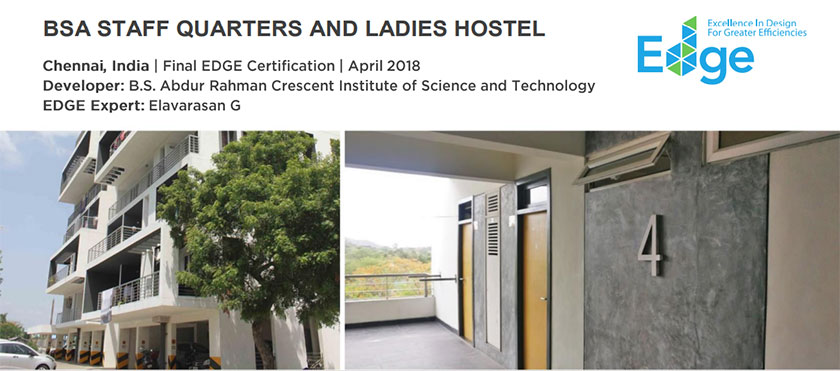
Figure VI (5.4) – 1: Photographs showing the BSA Staff Quarters
The B.S. Abdur Rahman Crescent Institute has received final EDGE certification from GBCI India.
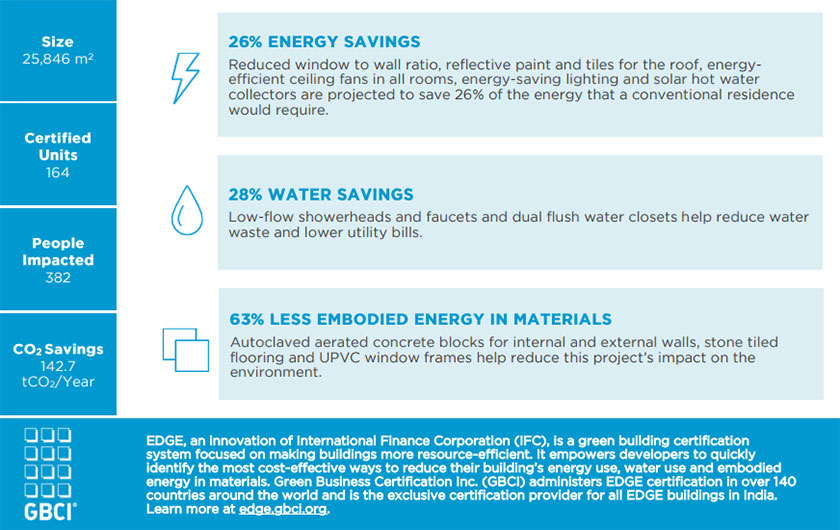
Figure VI (5.4) – 2: Screenshot showing the gist of Statistics of Audit conducted by EDGE
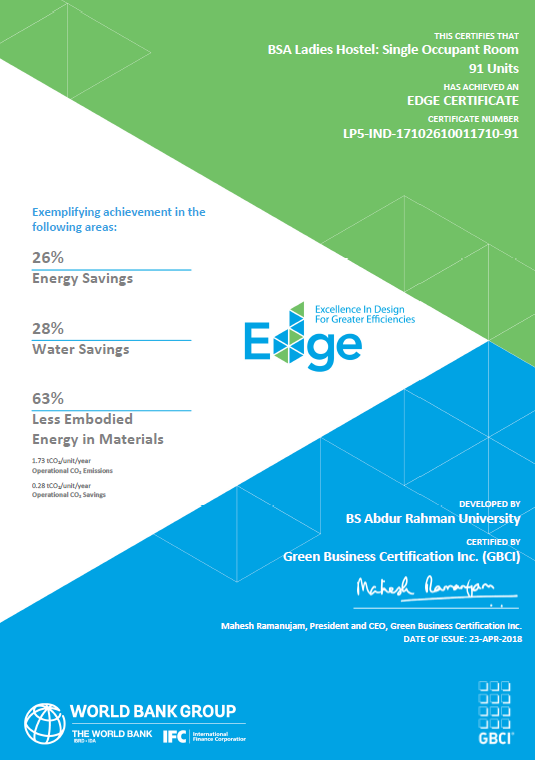
Figure VI (5.4) – 3: GBCI-EDGE GREEN BUILDING Certification for Ladies Hostel
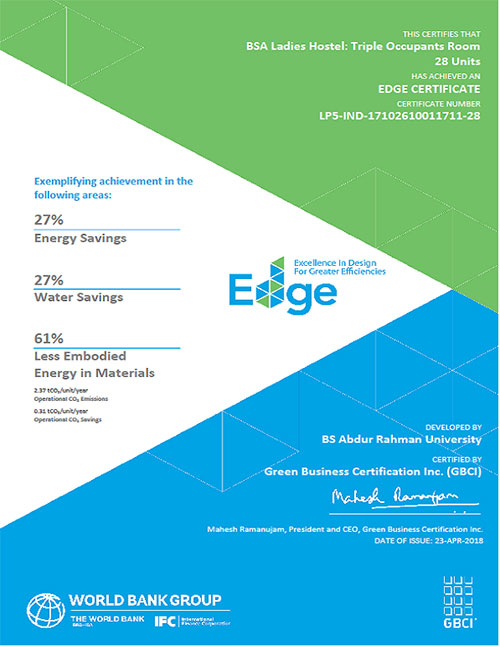
Figure VI (5.4) – 4: GBCI-EDGE GREEN BUILDING Certification for Ladies Hostel
Figure VI (5.4) – 5: GBCI- EDGE Certificate for Staff Quarters
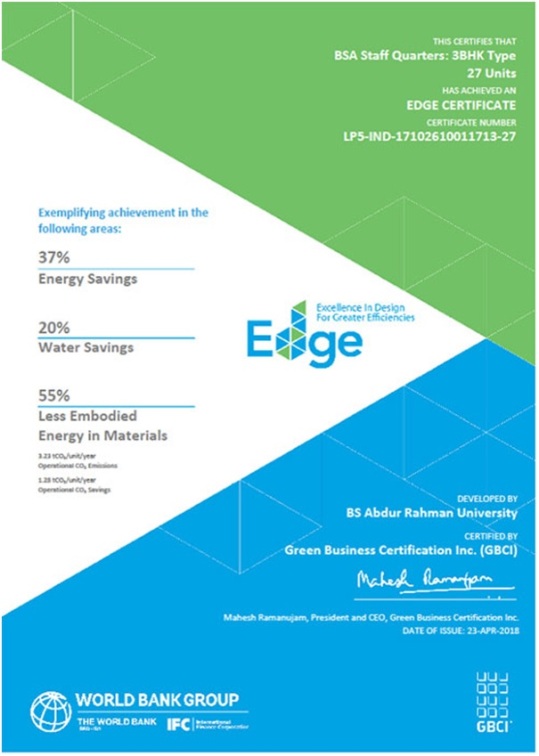
Figure VI (5.4) – 6: GBCI- EDGE Certificate for Staff Quarters
Table VI (5.5) – 1: Indian Standards Adopted / Implemented for water conscious building
| S. No. | Name of the Building | Indian Standards |
| 1 | Extension of Mechanical Block | Loading Standards as per BIS-875, Seismic Force as per BIS-1893 and BIS – 456 https://www.bis.gov.in/ https://standardsbis.bsbedge.com/ https://www.bis.gov.in/standards/technical-department/national-building-code/ |
| 2 | Aeronautical Block | |
| 3 | Staff Quarters | |
| 4 | Ladies Hostel |
Figure VI (5.4) – 7: Water Efficiency Measures
C. INITIATIVES OF THE INSTITUTION
B.S.Abdur Rahman Crescent Institute of Science and Technology takes initiatives to maintain sustainability in several aspects such as water reuse, water conservation, rainwater harvesting, implementing sustainable technologies for water and wastewater treatment etc. One of the major source of water supply for the Institute is from well. Sufficient care is taken that the water is drawn from the well at a constant phase and it is not over exploited. It is also ensured that the motors and other pipe appurtenances are in proper function so that the loss of water during extraction is prevented.
As a sustainable approach, the rainwater harvesting pipelines collecting rain water from the Mens Hostel is being redirected to the one of the wells in the Campus. The rainwater collection pipe discharging rainwater into the well is shown in the figure below. This would serve as a sustainable method to recharge the ground water and it would also reduce the burden of the well for the water supply. Hence the rain water can also be harvested and effectively utilized. The solar panels are also fixed on the surface of the wells inorder to capture the energy form the sunlight. It is further utilized for supplying power to the motors used for extracting water from the well. The Solar powered pumping system is also an approach aiming towards sustainability.
WATER HARVESTING
- B S Abdur Rahman Crescent Institute of Science and Technology is one of the pioneers in implementing solutions to save water.
- The institute has implemented rain water harvesting system in the campus with a strong desire to utilize the rain water at maximum extent.
- The Institute has taken tremendous efforts to reduce the water consumption and also to treat the wastewater generated within the campus so that it can be effectively reused for gardening and toilet flushing.
- In the forefront to save water, our institute of science and technology has initiated and executed the rainwater harvesting in the campus.
- Rainwater harvesting facility is done in all blocks to collect rainwater from the roof of all buildings.
- The harvested water is diverted to open wells in institute campus, Men’s Hostel and ladies hostel.
- The placement of rainwater facility within the campus is decided upon by considering the profile of the land so as to drain the maximum amount of water collected with ease.
- In the buildings, sufficient plumbing connections are provided to trap the rain water from the roof tops.
- Underground connections are ensured to connect the collected water from the roof top to the rainwater recharge pit.
- It was also ensured that the rainwater harvesting structures are constructed as per the norms. The recharge pit provided to collect the rain water is series of filter bed.
- This initiative took shape when the institute faced shortage of water during summer. Cost of buying water was becoming a financial burden. The only alternative to the water crisis was to use the available water more effectively.
- The features of the recharge pit are described below.
- A mesh is provided at the inlets of rain water pipes so that solid waste/debris is prevented B.S.Abdur Rahman Crescent Institute of Science and Technology has taken initiatives to install rain water harvesting pits in the campus from entering the pit system.
- The recharge pits are of size 2m x 2m x 2m is excavated
- The recharge pit comprises different set of filter media. The filter media comprises of thick layers of boulders at the bottom followed by layers of gravels and coarse sand.
- This enables the filtration of water and also prevents the deposition of silt on the recharge pit.
- Access Manhole frames and covers are provided.
- The rain water is also stored in Underground sumps of Life Science block, Mechanical Science Block and New Staff Quarters.
RAIN WATER HARVESTING STRUCTURES AND UTILIZATION IN THE CAMPUS
B.S. Abdur Rahman Crescent Institute of Science and Technology has taken initiatives to install rain water harvesting pits in the campus.
D. RAIN WATER HARVESTING
Rainwater harvesting facility is done in all blocks to collect rain water from the terrace. The harvested water is diverted to open wells in institute campus, Men’s Hostel and ladies hostel. The rain water is also stored in Underground sumps of Life Science block, Mechanical Science Block and New Staff Quarters. The rain water is stored after passing through the pre-filter as shown in Figure below.
Table VI (5.4) – 2: Block-wise Rainwater Harvesting
S. No | CAMPUS/BLOCKS | Number of Rain Water Harvesting | Quantity of Water Collected(L) |
1 | College/Life Sciences Block | 1 | 10000 (Approx) |
2 | New Architecture Block | 1 | 10000 (Approx) |
3 | Computer Science block | 1 | 10000 (Approx) |
4 | Pharmacy Block | 1 | 10000 (Approx) |
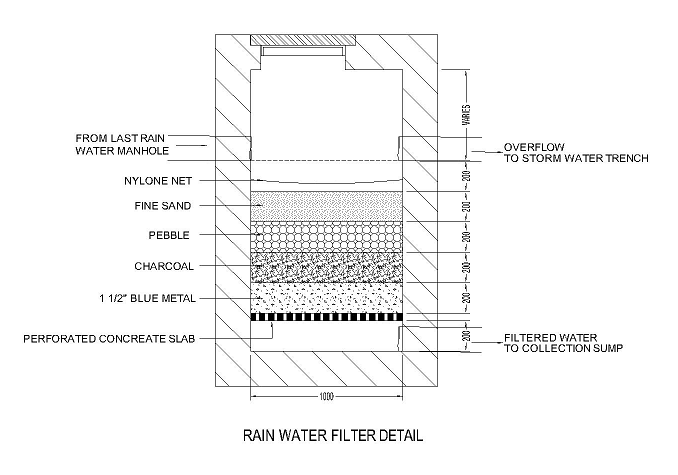
Figure VI (5.4) – 8: Rain Water Harvesting Filter Pit
The special features of the filtration unit connected with the rain water harvesting system is given as follow
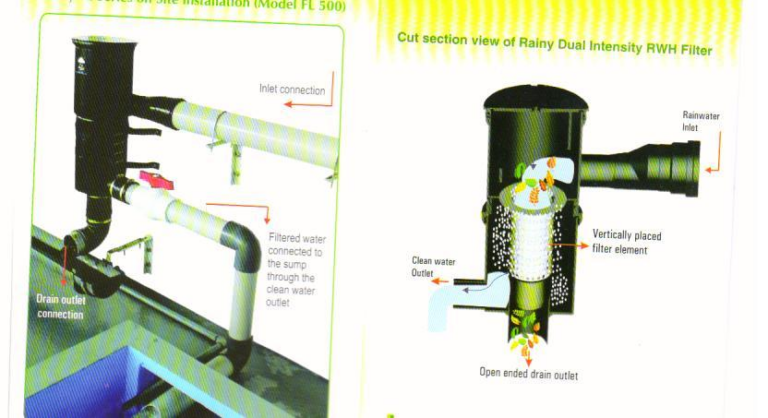
Figure VI (5.4) – 9: Rain water filtered using Dual Intensity filters and stored in underground sumps
Special Features:
- Dual Intensity Filter works on the principle of cohesive & centrifugal force.
- Works on Gravitational force (No external energy required)
- Compact in size and wall mounted
- Automatic flush out of dirt particles
- Flexibility in pipe connection to any angle and degree
- Provision of bypass valve
In our Institute Rainy filter –FL 500 is used as part of the rainwater harvesting system. Thetechnical specifications of Model FL 500 is given below.
Rainy Filter –FL 500:
Table VI (5.4) – 3: Technical Specifications & Parameters of Model FL 500
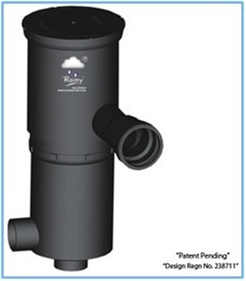
Suitable up to area: | 500 SQMTRS |
Max: Intensity of Rainfall: | 75 mm/hr |
Working Principle : | Cohesive Force & Centrifugal force |
Operating Pressure: | Less than 2 feet of head (0.060kg/cm2) |
Capacity: | 480 LPM |
Filter Element: | SS-304 Screen |
Mesh Size: | 250 Microns |
Inlet: | 110 MM |
Clean Water Outlet: | 90 MM |
Drain Outlet: | 110 MM |
Housing: | High Density Polyethylene |
Efficiency of Filter: | Above 90% |
Source of Power: | Gravity |
The characteristic features of FL Series Dual Intensity RWH Filter are its capacity to take up the load up to 10 to 500 square meters of Roof area with variable intensity of rainfall of 5 to 75 mm/ hour with a discharge capacity of 10 To 480 Liters per minute.
RAIN WATER HARVESTING STRUCTURES IN CAMPUS
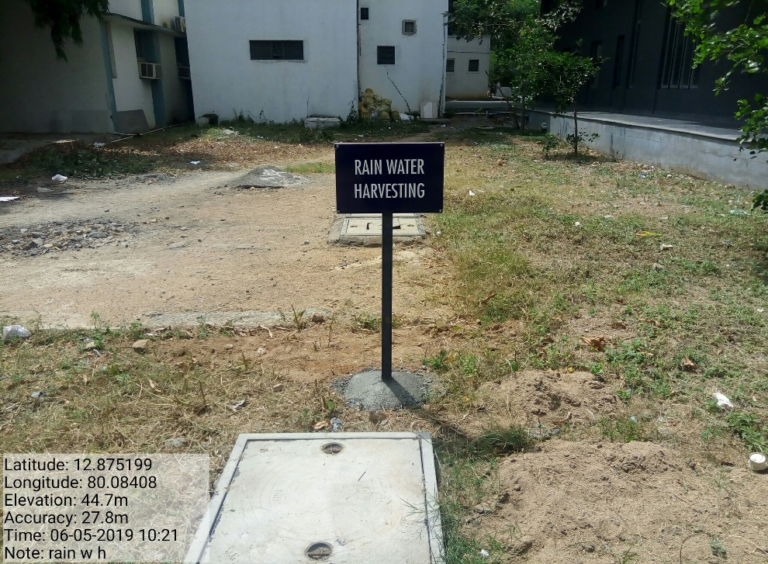
Figure VI (5.4) – 10: Rainwater harvesting pit
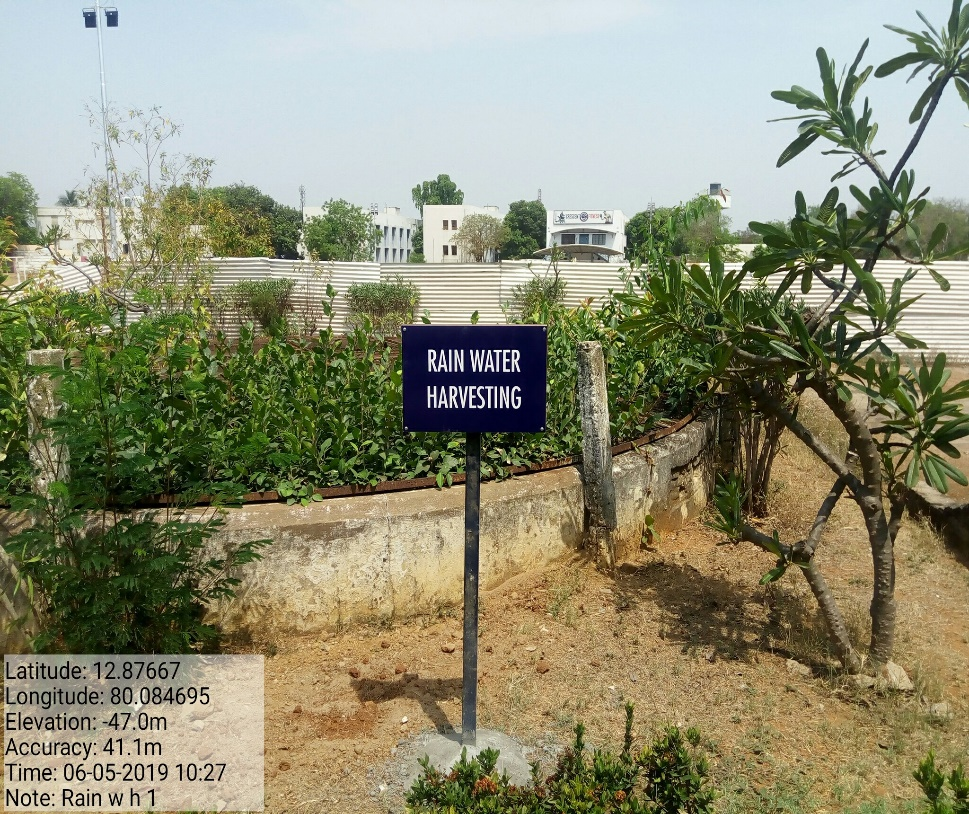
Figure VI (5.4) – 11: Rainwater collection well
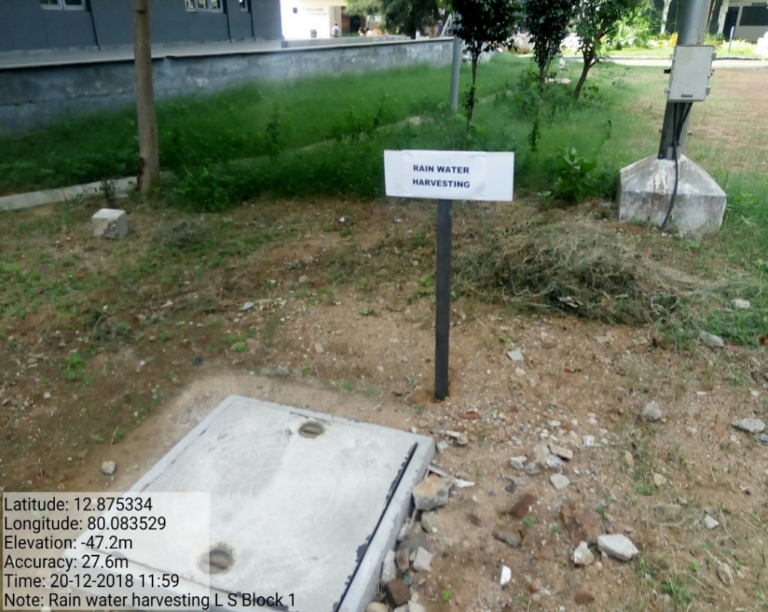
Figure VI (5.4) – 12: Rainwater harvesting pit at life science block
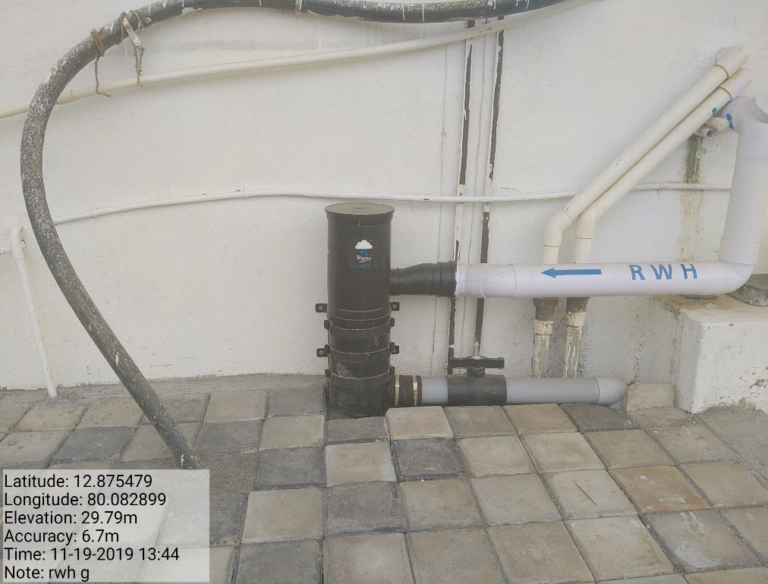
Figure VI (5.4) – 13: Filter unit in rainwater harvesting system (architectural block)
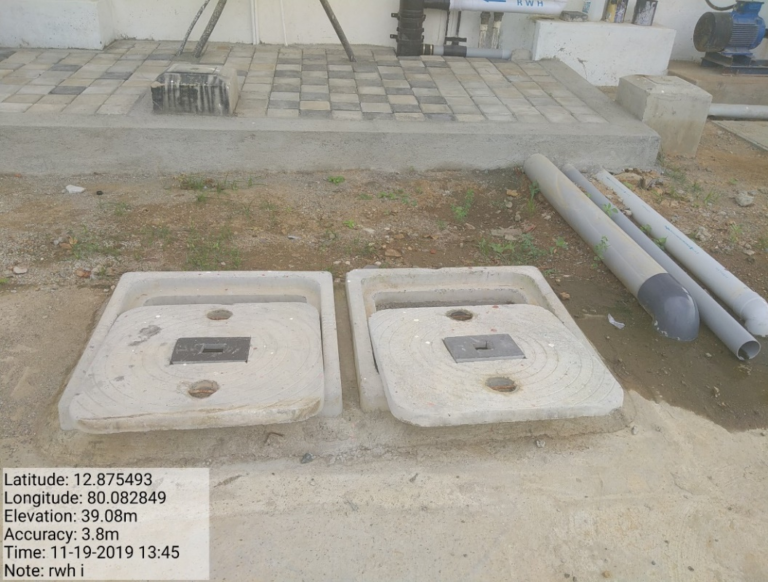
Figure VI (5.4) – 14: Rainwater collection sump (architectural block)
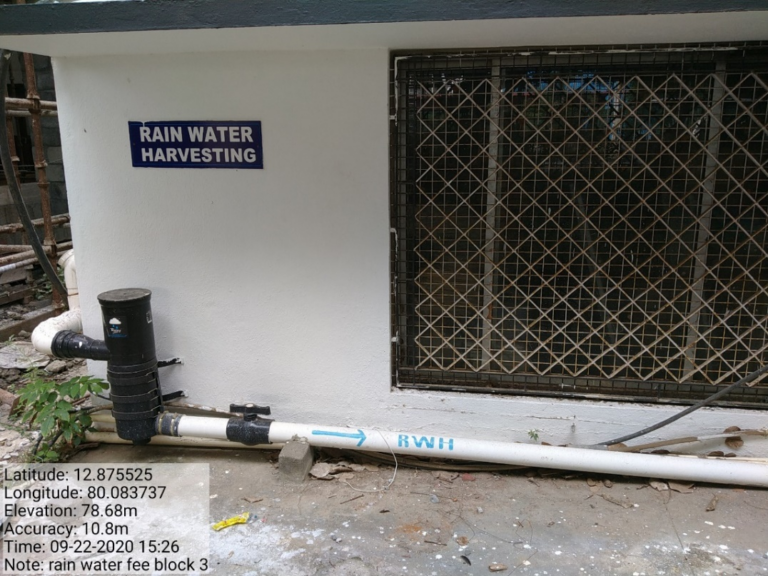
Figure VI (5.4) – 15: Filter unit in rainwater harvesting system (computer science block)
Rainwater harvesting facility is done in all blocks to collect rain water from the terrace. The details are listed below.
Table VI (5.4) – 4: Rain Water Harvesting Details
S. No | Inlet Pit Detail | Area (sq. m) | Rain water filter capacity (Litres) | Location |
1 | Inlet pit-1 | 156 | 200 | Mechanical Science Block |
Inlet pit-2 | 122 | 200 | ||
Inlet pit-3 | 296 | 300 | ||
Inlet pit-4 | 175 | 200 | ||
Inlet pit-5 | 243 | 300 | ||
2 | Inlet pit-1 | 191 | 200 | Ladies Hostel-New Block |
Inlet pit-2 | 188 | 200 | ||
Inlet pit-3 | 132 | 200 | ||
3 | Inlet pit-1 | 68 | 100 | New Staff quarters |
Inlet pit-2 | 65 | 100 | ||
Inlet pit-3 | 81 | 100 | ||
Inlet pit-4 | 66 | 100 | ||
Inlet pit-5 | 81 | 100 | ||
Inlet pit-6 | 66 | 100 | ||
4 | Inlet pit-1 | 61 | 100 | Men’s Hostel-A&B BLOCK |
Inlet pit-2 | 71 | 100 | ||
Inlet pit-3 | 43 | 100 | ||
Inlet pit-4 | 132 | 200 | ||
Inlet pit-5 | 132 | 200 | ||
Inlet pit-6 | 43 | 100 | ||
Inlet pit-7 | 71 | 100 | ||
Inlet pit-8 | 61 | 100 | ||
5 | Inlet pit-1 | 297 | 300 | Men’s Hostel -C& D BLOCK |
Inlet pit-2 | 297 | 300 | ||
6 | Inlet pit-1 | 71 | 100 | Men’s Hostel -PG BLOCK |
Inlet pit-2 | 71 | 100 | ||
Inlet pit-3 | 71 | 100 | ||
Inlet pit-4 | 71 | 100 | ||
Inlet pit-5 | 71 | 100 | ||
Inlet pit-6 | 71 | 100 | ||
Inlet pit-7 | 71 | 100 | ||
Inlet pit-8 | 71 | 100 | ||
7 | Inlet pit-1 | 275 | 300 | Pharmacy Block |
8 | Inlet pit-1 | 340 | 300 | Library Block |
RAIN WATER HARVESTING WELL DETAIL UNDER PROCESS
The project outlines a rain water harvesting initiative involving 82 proposed wells with a total project cost of 1.61 Crores (excluding GST). The work is divided into two stages: Stage 1 covers 35 wells, of which 14 have been completed as of 23.11.2024, with the remaining 21 expected to be finished by 31.12.2025. Stage 2 comprises 47 wells, slated to commence on 30.11.2024 and be completed by May 2025. The wells vary in capacity, contributing to a cumulative ground recharge rain water total of 9,01,000 liters. The distribution includes 9 wells of 4’x15’ capacity (46,800 liters), 26 wells of 5’x15’ capacity (2,13,200 liters), 47 wells of 3’x10’ capacity (1,41,000 liters), and a single large well of 30’x25’ capacity (5,00,000 liters).
Sustainable Water Extraction on Campus: In aggregate, these installations are designed to maximize aquifer recharge by capturing and storing rainfall across multiple well configurations, aligning with a total ground recharge target of 9,01,000 liters.
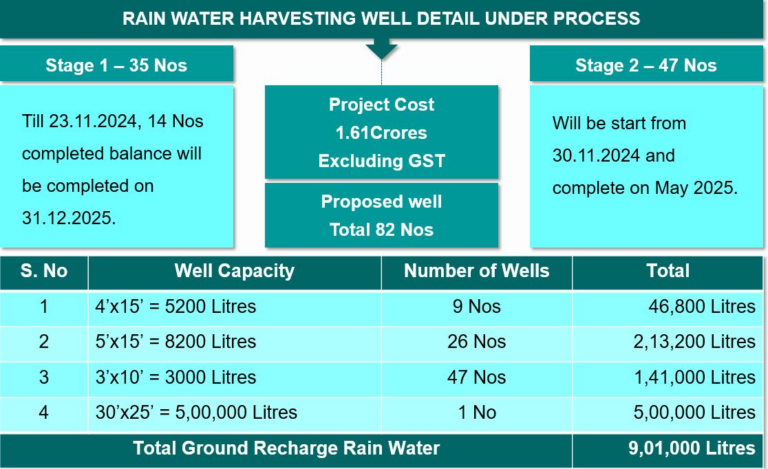
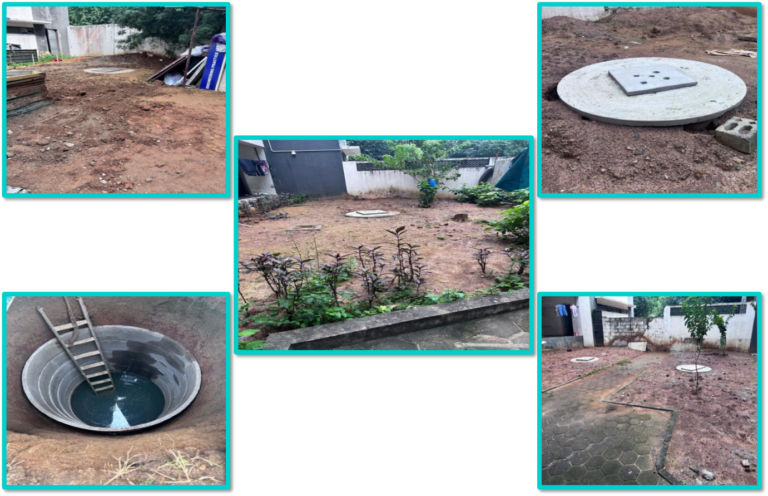
Figure VI (5.4) – 16: Rain water harvesting well – under process
E. VETIVER PLANTING TO REDUCE WATER POLLUTION: LOCAL COMMUNITY ENGAGEMENT AND ENVIRONMENTAL BENEFIT (03RD AUGUST, 2023)
Community-driven action by National Service Scheme (NSS) volunteers from B.S. Abdur Rahman Crescent Institute of Science & Technology, in collaboration with local authorities, targeted sewage-induced water pollution in the 27-foot-deep Urapakkam Kolatchiammal temple pond. The intervention focused on planting Vetiver grass along pond banks and upstream catchment areas to stabilize soil, reduce erosion, filter runoff, and enhance infiltration, thereby limiting pollutant transport to the pond. NSS volunteers from B.S. Abdur Rahman Crescent Institute of Science & Technology, alongside participants from SRM University, SRM Valliammai Engineering College, and Aadhi Engineering College, worked with local authorities to implement the plan. Vetiver’s deep, dense, fibrous root system is central to the approach, as it improves soil stability and infiltration, reduces surface runoff, and exhibits pollutant-retention properties. Expected outcomes include reduced sediment and nutrient loads entering the pond, improved groundwater recharge, and long-term soil rehabilitation around the watershed.
COMMUNITY AND GOVERNANCE FOCUS
The Urapakkam Kolatchiammal Temple pond faces long-standing sewage discharge from nearby residences, with unauthorized connections channeling wastewater into stormwater drains that should carry only rainwater. This situation contaminates the pond, accelerates sedimentation, risks eutrophication, and degrades water quality, potentially affecting local biodiversity and the pond’s cultural and community uses. The pollution also poses health risks to nearby residents and undermines the pond’s aesthetic and communal value. Addressing these issues requires a dual approach: managing soil erosion and runoff at the watershed level while simultaneously tackling sewage leakage through governance and infrastructure improvements.
EMPHASIS ON EDUCATION AND STEWARDSHIP
The primary objective is to reduce pollutant loads entering the pond by enhancing soil stability and filtering runoff at the source and along runoff pathways. A secondary aim is to improve soil health and infiltration around the pond to promote groundwater recharge and resilience against erosion. The intervention also seeks to foster collaborative learning and stewardship by involving NSS volunteers from multiple institutes and linking community action with local authorities, thereby building a model for cross-institutional watershed management and pollution prevention.
INTERVENTION DETAILS
Vetiver grass (Chrysopogon zizanioides) was introduced along the pond’s banks and in key erosion-prone zones within the upstream catchment. NSS volunteers from B.S. Abdur Rahman Crescent Institute of Science & Technology and partner institutions, under guidance from local authorities, participated in planting Vetiver. Vetiver was chosen for its deep, dense, and fibrous root system that stabilizes banks, reduces runoff velocity, and improves soil porosity and infiltration in compacted soils. Additionally, Vetiver can act as a biofilter, supporting microbial communities in the rhizosphere that aid in pollutant degradation and sequestration, including uptake of certain nutrients and heavy metals. Planting sites focused on the pond’s banks, upstream catchment areas, and zones most susceptible to runoff entry points.
MECHANISMS BY WHICH VETIVER REDUCES WATER POLLUTION
Vetiver reduces water pollution through several interrelated mechanisms. Its extensive root network anchors soil, significantly reducing bank instability and sediment entrainment during rainfall. Dense vegetative cover slows runoff, promotes infiltration, and lowers both the volume and velocity of runoff that would otherwise transport sediments and attached pollutants to the pond. As a biofilter, Vetiver’s root zone traps particulates and supports uptake of nutrients such as nitrogen and phosphorus, thereby reducing nutrient leakage to the water body. Improved soil structure from root penetration enhances infiltration rates, further diminishing surface runoff. Infiltration improvements also aid groundwater recharge, contributing to watershed resilience. Vetiver’s low-maintenance, drought-tolerant characteristics make it a robust, scalable solution for interfaces between rural and urban environments, supporting long-term sustainability.
EXPECTED ENVIRONMENTAL AND COMMUNITY BENEFITS
The initiative is anticipated to yield several benefits: improved pond water quality through reduced turbidity and nutrient loads; decreased sedimentation, which enhances the pond’s storage capacity and ecological health; strengthened ecosystem resilience with better habitat conditions around the pond; and empowered communities through NSS-led engagement that raises awareness about pollution sources and promotes responsible waste disposal. The approach also holds promise for informing local watershed management plans and anti-pollution strategies, particularly when integrated with proactive sewage management and enforcement of wastewater discharges.
Figure VI (5.3) – 1: Contaminated Pond
Figure VI (5.3) – 2: NSS Programme Offciers and NSS volunteers jointly worked together
Figure VI (5.3) – 3: NSS Volunteers from Crescent University in Field Work
Figure VI (5.3) – 4: Pond after plantation of Vettiver
Water Management and Reuse Policy
Issue: 04; Revised on 2023
| Policy Created on | July 2009 |
| 1st Revision amended on | IQAC Meeting held on 27th October 2017 |
| 2nd Revision amended on | IQAC Meeting held on 31st March 2021 |
| 3rd Revision amended on | IQAC Meeting held on 16th June 2023 |
Responsible Executive : Director (IQAC)
Responsible Office : Internal Quality Assurance Cell,
Student Affairs, Estate Office, Academic Office, Library and SDG Cell
Contacts : Registrar and Director (IQAC)
6.1 STATEMENT OF POLICY
The B.S. Abdur Rahman Crescent Institute of Science and Technology is committed to achieving the following objectives in alignment with Sustainable Development Goal 6 (SDG 6) – Clean Water and Sanitation:
a) Ensure universal and equitable access to safe and affordable drinking water for all stakeholders.
b) Provide adequate and equitable sanitation and hygiene for all, with special attention to the needs of women, girls, and vulnerable groups.
c) Improve water quality by reducing pollution, eliminating dumping, and minimizing the release of hazardous chemicals and materials.
d) Halve the proportion of untreated wastewater and substantially increase recycling and safe reuse globally.
e) Substantially increase water-use efficiency across all sectors and ensure sustainable withdrawals and freshwater supply to address water scarcity.
f) Implement integrated water resources management at all levels, including transboundary cooperation as appropriate.
g) Protect and restore water-related ecosystems, including mountains, forests, wetlands, rivers, aquifers, and lakes.
h) Expand international cooperation and capacity-building support to developing countries in water- and sanitation-related activities and programs.
i) Support and strengthen the participation of local communities in improving water and sanitation management.
6.2 REASON FOR THIS POLICY
The policy aims to provide all stakeholders with adequate water supply, sanitation, and hygiene. It emphasises maximising the collection and treatment of sewage generated and the reuse of treated wastewater sustainably, thereby reducing dependency on freshwater resources. The policy promotes treating wastewater as an economic resource.
6.3 RESPONSIBILITIES
6.3.1 Policy Principles
a) The campus shall provide adequate water supply and maximize water reuse by adhering to the following principles:
- Equitable access to safe and affordable drinking water for all stakeholders.
- Access to adequate sanitation and hygiene, ending open defecation, with special attention to vulnerable groups.
- Calculation of water usage per person (students, staff, and faculty) annually.
- Improving water quality by reducing pollution and increasing recycling and safe reuse.
- Utilization of recycled/treated wastewater for beneficial purposes, such as irrigation and toilet flushing.
- Implementation of integrated water resources management at all levels.
- Protection and restoration of water-related ecosystems on campus.
- Expansion of rainwater harvesting initiatives.
- Collaboration with government, NGOs, and industries in water-related activities.
- Support for student and staff participation in water management.
6.4.1 Water Reuse Policy Objectives
- Establish a comprehensive policy to maximize water reuse across the university.
- Ensure that all new buildings adhere to water-conscious building standards that facilitate water reuse.
- Implement systems for tracking and measuring water consumption and reuse.
6.4.2 Water Reuse
- Water Reuse Policy: maximise water reuse across the university.
- Water Reuse Measurement: Measure water reuse across the university.
6.5 DISSEMINATION OF POLICY
a) Display signage promoting water use efficiency across the campus.
b) Conduct awareness programs at regular intervals to increase water-use efficiency.
c) Post the policy on the Institute’s website and update it as necessary.
6.6 ENFORCEMENT OF POLICY
a) The Director (Planning & Development) and Deputy Director monitor compliance and address breaches.
b) Awareness of the policy among students, staff, and visitors is essential.
c) Breaches may lead to disciplinary action as per the Institute’s code of conduct.
B.S. Abdur Rahman Crescent Institute of Science and Technology, developed in follow with the Government of India and the State Department of Water Resources, River Development and Ganga Rejuvenation, aims to promote sustainable water governance through education, awareness, and practical action. By aligning policy objectives with hands-on learning, the program fosters a culture of responsible water use, conservation, and innovation among students, faculty, and the broader community.
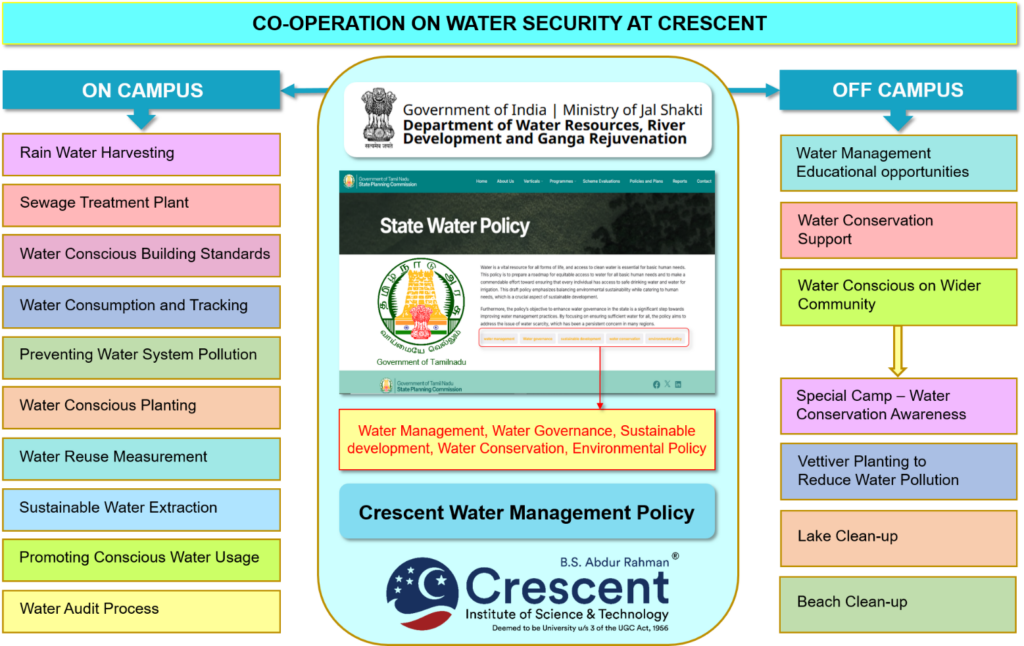
A. ON-CAMPUS INITIATIVES
B.S. Abdur Rahman Crescent Institute of Science and Technology offers an on-campus, comprehensive suite of water sustainability modules designed for hands-on learning and real-world impact. Rain Water Harvesting and Water Reuse Measurement focus on capture, storage, and efficient reuse, while Sewage Treatment and Sustainable Water Extraction address treatment processes and ecological limits. Water Conscious Building Standards and Water Consumption and Tracking emphasize design, monitoring, and data-driven decision making. Preventing Water System Pollution, Water Conscious Planting, and Promoting Conscious Water Usage foster proactive stewardship through practical practices, landscaping, and behavior-change campaigns. Finally, the Water Audit Process ties everything together with systematic assessment, benchmarking, and actionable improvement plans to achieve campus-wide water efficiency gains.
1. Rain Water Harvesting
This initiative focuses on the design, installation, and monitoring of rainwater capture systems. Students learn to size storage, select appropriate conveyance, and assess treatment needs for reuse. It covers practical hands-on activities from guttering to filtration and distribution for non-potable uses. Emphasis is placed on systems that integrate with campus buildings and landscaping. The goal is to maximize local water supply while reducing stormwater runoff and demand on municipal sources.
2. Sewage Treatment Plant
This module provides exposure to wastewater treatment processes, from preliminary screening to advanced treatment and discharge considerations. Students explore microbiological and mechanical treatment principles, safety protocols, and environmental impacts. It includes simulations or visits to treatment facilities to understand reuse and resource recovery. Understanding regulatory frameworks and monitoring parameters is a key outcome. The aim is to foster responsible stewardship of wastewater, protecting water bodies and public health.
3. Water Conscious Building Standards
Participants examine sustainable building practices that minimize water use and wastage. Topics include low-flow fixtures, rainwater reuse, and landscape irrigation strategies. The module integrates with architecture and facilities management to evaluate whole-building water footprints. Students assess lifecycle costs and performance metrics to promote water efficiency in campus projects. The objective is to embed water-conscious design into campus development and maintenance.
4.Water Consumption and Tracking
This initiative trains students to monitor both personal and institutional water usage. They learn methods for data collection, metering, and baseline establishment. The focus is on identifying patterns, leaks, and opportunities for conservation through targeted interventions. Analytical tools and dashboards help communicate findings to stakeholders. The end goal is continuous improvement through transparent, data-driven water governance.
5. Preventing Water System Pollution
Education and practical activities teach how contaminants can enter water systems and the measures to prevent them. Students study pollution sources, containment strategies, and best practices for safe handling and disposal. The module emphasizes prevention planning, emergency response, and community awareness. It fosters proactive behavior to protect water quality across campus operations. The overarching aim is to safeguard drinking water and ecological health.
6. Water Conscious Planting
This initiative promotes landscaping with water-efficient species and smart irrigation. Students plan and implement drought-tolerant landscapes, soil moisture management, and rainfall-based irrigation schedules. They learn to balance aesthetics with conservation, including mulching and soil health practices. The module covers maintenance routines and monitoring to ensure long-term water savings. The result is a resilient, attractive campus environment that uses less water.
7. Water Reuse Measurement
Participants quantify reclaimed water use and evaluate system performance. They design measurement protocols, collect data, and analyze efficiency and reliability. The module covers quality checks, regulatory considerations, and practical reporting. Students compare different reuse schemes and their impact on campus water budgeting. The objective is to demonstrate tangible benefits and optimize reuse operations.
8. Sustainable Water Extraction
This initiative examines how to align water extraction with natural recharge and ecological limits. Students analyze local hydro resources, seasonal variability, and ecological flows. They learn to model sustainable yields and assess risk factors for over-extraction. The module emphasizes governance, policy alignment, and stakeholder engagement. The goal is to ensure campus usage supports long-term water sustainability.
9. Promoting Conscious Water Usage
Behavior change campaigns encourage reduced water waste and greater stewardship. Students design outreach strategies, messaging, and incentives to influence daily habits. They study social, cultural, and psychological factors affecting water use. The module includes peer-led initiatives, campaigns, and campus events. The aim is to cultivate a culture of mindful water consumption across the campus community.
10. Water Audit Process
A systematic evaluation of water use and opportunities for improvement, this module guides students through audit methodologies. They perform site surveys, data collection, and benchmarking against best practices. Students develop actionable recommendations and prioritized improvement plans. The process emphasizes transparency, stakeholder involvement, and ongoing monitoring. The outcome is a clear roadmap for campus water efficiency gains.
B. OFF-CAMPUS INITIATIVES
1.Water Management Educational Opportunities
This program engages the public and external stakeholders with workshops, seminars, and hands-on demonstrations on water management. It partners with local schools, NGOs, and government bodies to spread best practices for water conservation and pollution prevention. The curriculum covers rainwater harvesting, wastewater reuse, and safe water handling. Community centers host recurring events to raise awareness and empower residents to implement efficient water use at home. Outcomes include increased adoption of water-saving technologies beyond campus borders.
- Special Camp – Water Conservation Awareness
A special camp program focuses on immersive awareness and hands-on learning about water conservation. Activities include interactive demonstrations, field trips to local water bodies, and student-led outreach projects. The camp fosters youth leadership in environmental stewardship and provides materials for teachers to integrate water topics into curricula. Outcomes target increased knowledge retention and replication of camp concepts in schools and community groups.
- Water for Peace – World Water Day Celebration
A guest lecture titled “Water for Peace – World Water Day Celebration” was held on 21 March 2024, organized by the Institution of Engineers (India), Kancheepuram Local Centre, in collaboration with the Department of Civil Engineering, Crescent Institute. Dr. Sekhar Raghavan, the Rain Man and Director of the Rain Centre, Chennai, spoke on rainwater harvesting, emphasizing its critical role in water security for India and Chennai. The talk covered preventing silt deposition, maintaining filters, and ensuring proper roof drainage to sustain water access. He highlighted the Akash Ganga Trust and encouraged students to pursue project proposals with IEI funding opportunities. About 70 B.Tech Civil students attended, linking the lecture to courses in Stormwater, Hydrology, and Water Resources Engineering. The session concluded with felicitation and a vote of thanks, underscoring water stewardship and community engagement.
2. Water Conservation Support
A dedicated support network offers technical guidance, funding information, and resource referrals for external communities undertaking water-saving projects. The institute shares dashboards, case studies, and problem-solving sessions to help partners tailor solutions to local conditions. Services include site assessments, feasibility analyses for retrofits, and monitoring plans to track savings and environmental impact. The aim is to scale campus expertise into municipal or neighborhood-scale conservation efforts. Stakeholder engagement remains central to sustained impact.
- Vetiver Planting to Reduce Water Pollution
The initiative uses Vetiver grass to stabilize soil, reduce runoff, and mitigate pollution in catchment areas around water systems. Training covers plant selection, placement strategies, and maintenance to maximize pollutant filtration and erosion control. Partnerships with nurseries and landscape architects help scale Vetiver deployment in public spaces and rural sites. The program also monitors ecological benefits and documents improvements in water quality and soil health.
3. Water Conscious on Wider Community
This initiative extends water stewardship beyond the campus by collaborating with neighborhood associations and public spaces to promote water-wise landscaping, efficient irrigation, and leak detection. Workshops demonstrate low-water-use techniques and drought-tolerant plantings suitable for local climates. The program also enables community gardens to model sustainable water use, serving as living laboratories for students and residents alike. Regular outreach builds a culture of mindful consumption across the wider community.
- Lake Clean-up
Organized lake clean-up drives mobilize volunteers, students, and local residents to remove litter and pollutants from nearby water bodies. The effort includes pre-event planning, safety protocols, and post-cleanup data collection to measure pollutant loads and ecosystem recovery. Educational components emphasize watershed protection and pollution prevention practices. The initiative strengthens community ties and raises awareness of the link between land-use decisions and water quality.
- Beach Clean-up
Beaches and coastal areas around the region are prioritized for periodic cleanup events. Volunteers collect marine debris, monitor plastic pollution, and report findings to local authorities for remediation. Educational briefings highlight the impact of waste on marine life and human health, plus strategies for reducing single-use plastics. The program encourages student internships and community involvement for sustained environmental stewardship beyond campus.
Water Management and Reuse Policy
Issue: 04; Revised on 2023
| Policy Created on | July 2009 |
| 1st Revision amended on | IQAC Meeting held on 27th October 2017 |
| 2nd Revision amended on | IQAC Meeting held on 31st March 2021 |
| 3rd Revision amended on | IQAC Meeting held on 16th June 2023 |
Responsible Executive : Director (IQAC)
Responsible Office : Internal Quality Assurance Cell,
Student Affairs, Estate Office, Academic Office, Library and SDG Cell
Contacts : Registrar and Director (IQAC)
6.1 STATEMENT OF POLICY
The B.S. Abdur Rahman Crescent Institute of Science and Technology is committed to achieving the following objectives in alignment with Sustainable Development Goal 6 (SDG 6) – Clean Water and Sanitation:
a) Ensure universal and equitable access to safe and affordable drinking water for all stakeholders.
b) Provide adequate and equitable sanitation and hygiene for all, with special attention to the needs of women, girls, and vulnerable groups.
c) Improve water quality by reducing pollution, eliminating dumping, and minimizing the release of hazardous chemicals and materials.
d) Halve the proportion of untreated wastewater and substantially increase recycling and safe reuse globally.
e) Substantially increase water-use efficiency across all sectors and ensure sustainable withdrawals and freshwater supply to address water scarcity.
f) Implement integrated water resources management at all levels, including transboundary cooperation as appropriate.
g) Protect and restore water-related ecosystems, including mountains, forests, wetlands, rivers, aquifers, and lakes.
h) Expand international cooperation and capacity-building support to developing countries in water- and sanitation-related activities and programs.
i) Support and strengthen the participation of local communities in improving water and sanitation management.
6.2 REASON FOR THIS POLICY
The policy aims to provide all stakeholders with adequate water supply, sanitation, and hygiene. It emphasises maximising the collection and treatment of sewage generated and the reuse of treated wastewater sustainably, thereby reducing dependency on freshwater resources. The policy promotes treating wastewater as an economic resource.
6.3 RESPONSIBILITIES
6.3.1 Policy Principles
a) The campus shall provide adequate water supply and maximize water reuse by adhering to the following principles:
- Equitable access to safe and affordable drinking water for all stakeholders.
- Access to adequate sanitation and hygiene, ending open defecation, with special attention to vulnerable groups.
- Calculation of water usage per person (students, staff, and faculty) annually.
- Improving water quality by reducing pollution and increasing recycling and safe reuse.
- Utilization of recycled/treated wastewater for beneficial purposes, such as irrigation and toilet flushing.
- Implementation of integrated water resources management at all levels.
- Protection and restoration of water-related ecosystems on campus.
- Expansion of rainwater harvesting initiatives.
- Collaboration with government, NGOs, and industries in water-related activities.
- Support for student and staff participation in water management.
6.4.1 Water Reuse Policy Objectives
- Establish a comprehensive policy to maximize water reuse across the university.
- Ensure that all new buildings adhere to water-conscious building standards that facilitate water reuse.
- Implement systems for tracking and measuring water consumption and reuse.
6.4.2 Water Reuse
- Water Reuse Policy: maximise water reuse across the university.
- Water Reuse Measurement: Measure water reuse across the university.
6.5 DISSEMINATION OF POLICY
a) Display signage promoting water use efficiency across the campus.
b) Conduct awareness programs at regular intervals to increase water-use efficiency.
c) Post the policy on the Institute’s website and update it as necessary.
6.6 ENFORCEMENT OF POLICY
a) The Director (Planning & Development) and Deputy Director monitor compliance and address breaches.
b) Awareness of the policy among students, staff, and visitors is essential.
c) Breaches may lead to disciplinary action as per the Institute’s code of conduct.
Brief details about the programme:
Guest Lecture on “Water for Peace – World Water Day 2024”,was organized by the Institution of Engineers (India), Kancheepuram Local Centre in association with the Department of Civil Engineering, School of Infrastructure, B.S.Abdur Rahman Crescent Institute of Science & Technology on 21stMarch 2024 as part of World Water Day Celebrations. Dr.Vasanthi Padmanabhan, Professor & Student Advisor IE(I) School of Infrastructure, B.S.Abdur Rahman Crescent Institute of Science & Technology welcomed the chief guest Dr.Sekhar Raghavan (Rain Man), the honorary secretary of IE(I) – KLC Dr.S.Karthikeyan, and the audience. She appraised the importance of conserving and effectively storing the rainwater and available water for the future use. Dr.S.Karthikeyan, honorary secretary IE(I) felicitated the gathering and briefed the essential role of water in our human life and its importance. He stated that the Institution of Engineers (India) is the National organization of engineering professionals in India. It is the largest multi-disciplinary engineering professional society. He insisted everyone to become member of IEI and encouraged the students to apply for the project proposal for which the fundings are given in order to motivate the students.
About the Lecture
Dr.Sekhar Raghavan is the Director of Rain centre at Adyar, Chennai which was been inaugurated by the Former Chief Minister Late. Dr.J.Jayalalitha. Dr.Sekhar Raghavana is also known as Rain man. The speaker started the lecture explaining the need, relevance and importance of rainwater harvesting. During his lecture he explained to students about his initiating the rain centre which was a part of his Akash Ganga Trust that spreads awareness about rainwater conservation in a country that thirsts for water yet allows the precious fluid to go waste. Hence a universal access to water still remains an issue in India and in particular in Chennai. He also shared his experience in bridging the gaps between society and rainwater harvesting in his life long journey to keep the water-tables high and the groundwater sweet (as opposed to salty groundwater due to over-use and seawater ingress). In this case moving forward to the future generation and needs. It’s that time of year when we should start worrying about our rain water harvesting systems and get them ready for the coming rains. The speaker shared about the most common problems that can be expected in RWH structures for which he has given few tips to follow. The issues are deposit of silt picked up by rainwater from dirty rooftops and driveways. Take preventive measures like pruning tree branches, empty and clean the filters, wash, dry and fill them. Regularly check the roof top pipes for leaks and replace where necessary. Finally, the speaker concluded by saying save rainwater as it is free. Around 70 students from IV and VI semester B.Tech, Civil Engineering participated in the event and got benefited. This lecture was useful and compliments the UG courses viz. CEDX 53 – Stormwater and Flood management, CEDX 51 –Hydrology and CED 2205 –Water Resources Engineering.
Programme Schedule
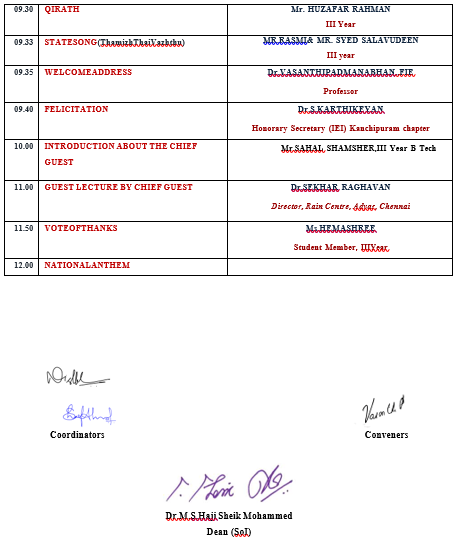
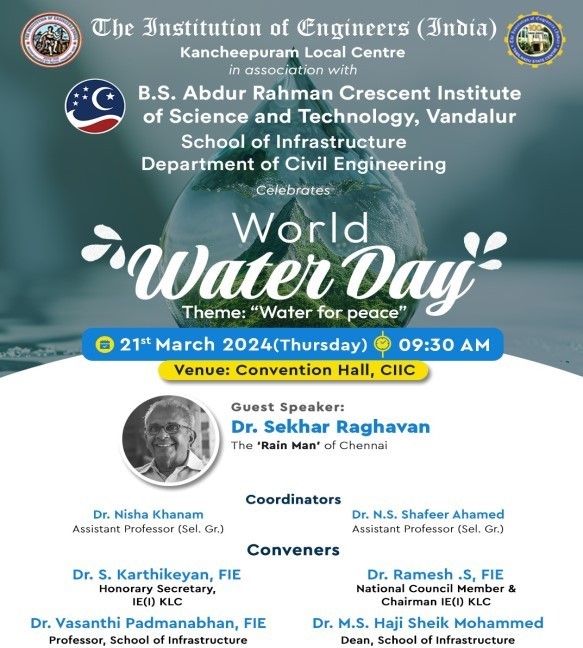
Figure VI (5.1) – 1: Invitation
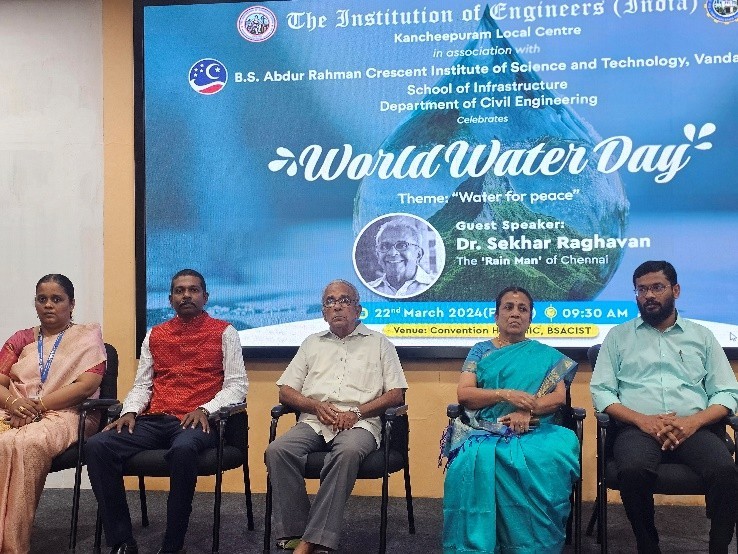
Figure VI (5.1) – 2: Dignitaries and Professors on the dias Chief Guest : Dr Sekhar Raghavan, Rainman of Chennai |
Figure VI (5.1) – 3: Qirath by Mr.Huzafur Rahman, III year B.Tech. Civil
Figure VI (5.1) – 4: Thamizh Thai Vaazthu by Mr.Mohamed Rasmi and Mr.SyedSalavudeen, III year B.Tech. Civil
Figure VI (5.1) – 5: Welcome address by Dr.Vasanthi Padmanabhan, Professor & Student Advisor IE(I)
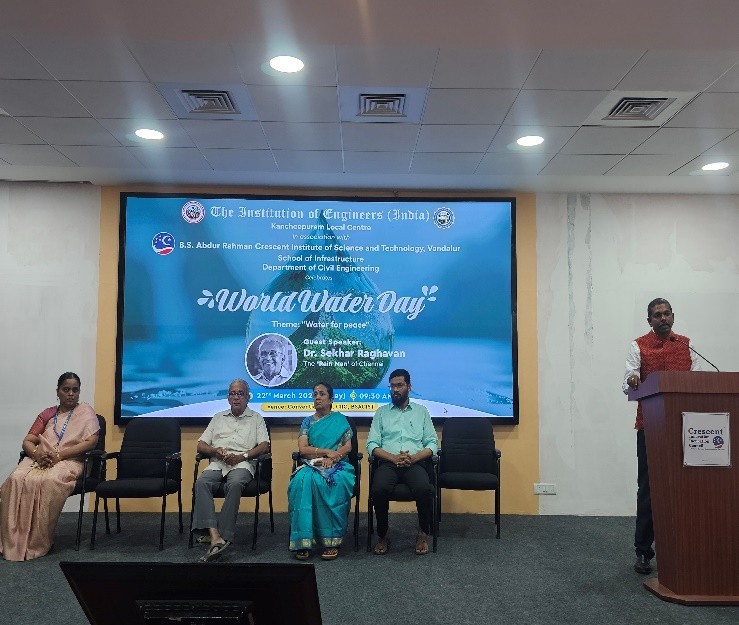
Figure VI (5.1) – 6: Felicitation by Dr.S.Karthikeyan, Honarary Secretary of IE(I), Kanchipuram Local Centre
Figure VI (5.1) – 7: Faculty and students attended the lecture
Figure VI (5.1) – 8: Chief Guest Introduction by Mr.Sahal Shamsher, III year B.Tech. Civil
Figure VI (5.1) – 9: Dr.Vasanthi Padmanabhan (Professor) and Dr.S.Karthikeyan (Honorary Secretary) Honoured our esteemed Chief guest Dr.Sekhar Raghavan (Rain Man), Director, Rain Centre, Adyar, Chennai.
Figure VI (5.1) – 10: Dr.Vasanthi Padmanabhan (Professor) and Dr.N.S.Shafeer Ahamed (Asst.Prof – Sl.G) honoured the Honorary Secretary Dr.S.Karthikeyan, Honarary Secretary IE(I), Kanchipuram Local Centre
Figure VI (5.1) – 11: Honouring of the dignitaries
Figure VI (5.1) – 12: Lecture by Dr.Sekhar Raghavan on the Need, Relevance and Importance of Rainwater Harvesting.
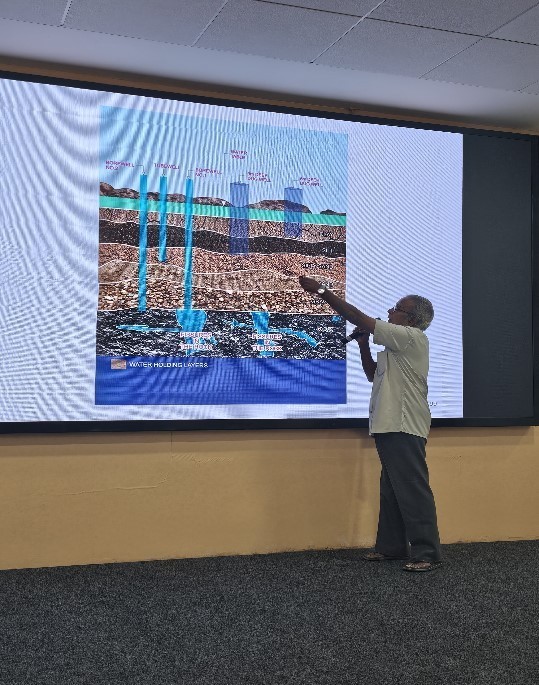
Figure VI (5.1) – 13: The speaker explained about the infiltration of the rainwater into the ground surface as it is more essential.
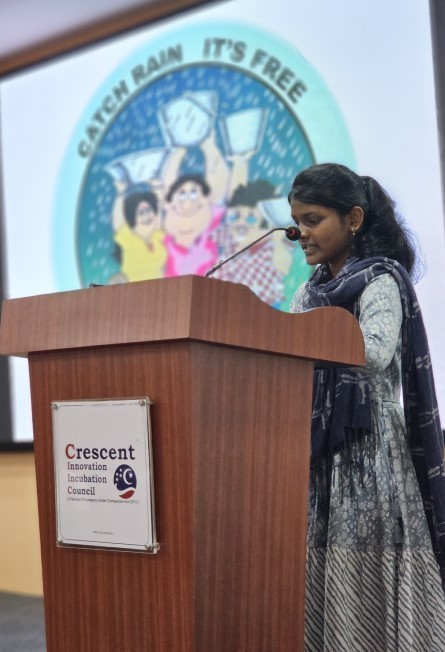
Figure VI (5.1) – 14: Vote of thanks by Ms.Hemashree, III year B.Tech. Civil
B. CAMPUS GUIDELINES AND OPERATIONAL PROTOCOLS
Enhance water-use efficiency comprehensively across various sectors and guarantee the sustainable extraction and provision of freshwater. B.S. Abdur Rahman Crescent Institute of Science and Technology has released guidelines and operational protocols aimed at minimizing water usage.
WATER AND WASTE MANAGEMENT
SAVE WATER
There is no life without water. Water is not only important for human beings but for the entire ecosystem. Hence prioritizing water management helps us to eliminate water waste and keep our water infrastructure operating in peak condition. Therefore, we kindly request our staff and students to close the water taps immediate after usage.
WASTE MANAGEMENT
Maintaining a clean environment is indeed a great place to live. If we keep our premises neat & clean in-turn our mind will be fresh and campus ambiance will be good, therefore we request our staff and students of our campus to drop the waste item in appropriate dustbins placed in the campus.
SIGNAGE BOARD(S)
Water is becoming a costly commodity and 80 % of the water requirements of this campus are met by the out sourced contract. As a result, we are promoting the conscious usage of water by all the stakeholders of the campus viz., students, scholars, faculty members, supporting staff and their families. In addition, awareness programmes such as World Water Day Celebration, Seminar on Water Usage etc., are being regularly organized.
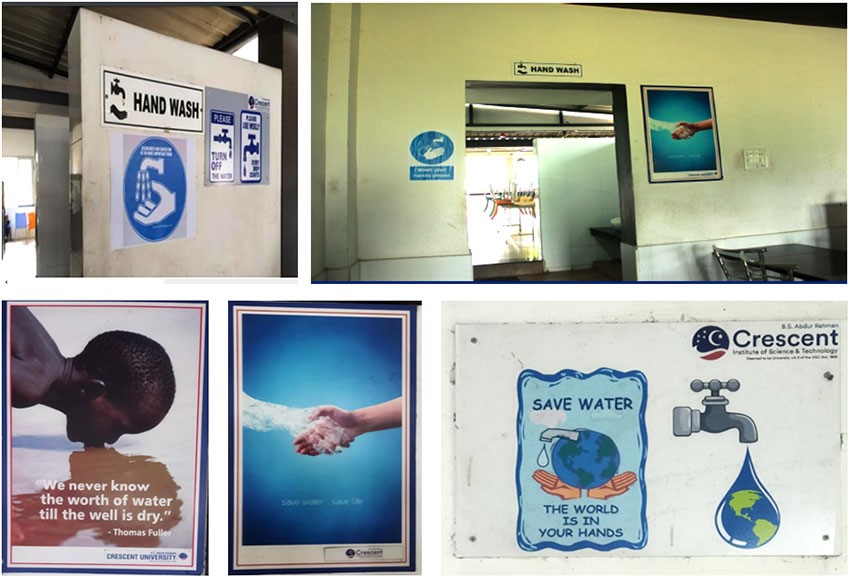
Figure VI (5.6) – 15 : Water conscious usage – Signage Boards at Crescent Canteen
Water Management and Reuse Policy
Issue: 04; Revised on 2023
| Policy Created on | July 2009 |
| 1st Revision amended on | IQAC Meeting held on 27th October 2017 |
| 2nd Revision amended on | IQAC Meeting held on 31st March 2021 |
| 3rd Revision amended on | IQAC Meeting held on 16th June 2023 |
Responsible Executive : Director (IQAC)
Responsible Office : Internal Quality Assurance Cell,
Student Affairs, Estate Office, Academic Office, Library and SDG Cell
Contacts : Registrar and Director (IQAC)
6.1 STATEMENT OF POLICY
The B.S. Abdur Rahman Crescent Institute of Science and Technology is committed to achieving the following objectives in alignment with Sustainable Development Goal 6 (SDG 6) – Clean Water and Sanitation:
a) Ensure universal and equitable access to safe and affordable drinking water for all stakeholders.
b) Provide adequate and equitable sanitation and hygiene for all, with special attention to the needs of women, girls, and vulnerable groups.
c) Improve water quality by reducing pollution, eliminating dumping, and minimizing the release of hazardous chemicals and materials.
d) Halve the proportion of untreated wastewater and substantially increase recycling and safe reuse globally.
e) Substantially increase water-use efficiency across all sectors and ensure sustainable withdrawals and freshwater supply to address water scarcity.
f) Implement integrated water resources management at all levels, including transboundary cooperation as appropriate.
g) Protect and restore water-related ecosystems, including mountains, forests, wetlands, rivers, aquifers, and lakes.
h) Expand international cooperation and capacity-building support to developing countries in water- and sanitation-related activities and programs.
i) Support and strengthen the participation of local communities in improving water and sanitation management.
6.2 REASON FOR THIS POLICY
The policy aims to provide all stakeholders with adequate water supply, sanitation, and hygiene. It emphasises maximising the collection and treatment of sewage generated and the reuse of treated wastewater sustainably, thereby reducing dependency on freshwater resources. The policy promotes treating wastewater as an economic resource.
6.3 RESPONSIBILITIES
6.3.1 Policy Principles
a) The campus shall provide adequate water supply and maximize water reuse by adhering to the following principles:
- Equitable access to safe and affordable drinking water for all stakeholders.
- Access to adequate sanitation and hygiene, ending open defecation, with special attention to vulnerable groups.
- Calculation of water usage per person (students, staff, and faculty) annually.
- Improving water quality by reducing pollution and increasing recycling and safe reuse.
- Utilization of recycled/treated wastewater for beneficial purposes, such as irrigation and toilet flushing.
- Implementation of integrated water resources management at all levels.
- Protection and restoration of water-related ecosystems on campus.
- Expansion of rainwater harvesting initiatives.
- Collaboration with government, NGOs, and industries in water-related activities.
- Support for student and staff participation in water management.
6.4.1 Water Reuse Policy Objectives
- Establish a comprehensive policy to maximize water reuse across the university.
- Ensure that all new buildings adhere to water-conscious building standards that facilitate water reuse.
- Implement systems for tracking and measuring water consumption and reuse.
6.4.2 Water Reuse
- Water Reuse Policy: maximise water reuse across the university.
- Water Reuse Measurement: Measure water reuse across the university.
6.5 DISSEMINATION OF POLICY
a) Display signage promoting water use efficiency across the campus.
b) Conduct awareness programs at regular intervals to increase water-use efficiency.
c) Post the policy on the Institute’s website and update it as necessary.
6.6 ENFORCEMENT OF POLICY
a) The Director (Planning & Development) and Deputy Director monitor compliance and address breaches.
b) Awareness of the policy among students, staff, and visitors is essential.
c) Breaches may lead to disciplinary action as per the Institute’s code of conduct.
B S Abdur Rahman Crescent Institute of Science & Technology, National Service Scheme organized the LAKE CLEAN-UP WITH SEED BALL PLANTATION in collaboration with the Environmentalist Foundation of India (EFI), brought volunteers together on 04.10.2023 at 10:00 am to revive a local water body in Kolapakkam village near Vandalur. This initiative underscores the dual aim of cleaning polluted lakes and restoring ecological balance through community-driven conservation. EFI’s science-based approach, paired with NSS’s youth leadership, highlights how practical, on-the-ground actions—such as removing litter and monitoring water quality—can catalyse broader environmental stewardship and neighborhood resilience against ongoing threats to freshwater ecosystems.
A key component of the effort was the deployment of seed balls, a simple yet effective method for reintroducing native vegetation to degraded landscapes. Comprising seeds, soil, clay, and organic materials, these seed balls can be scattered over hard-to-reach areas, facilitating natural germination and growth. As the seeds establish, they are expected to enhance soil health, reduce erosion, and promote biodiversity, ultimately supporting the lake’s ecological recovery. The event was coordinated by NSS Programme Officers Dr. C. Srinivasan, Dr. Noushad.C, and Dr. R. Anitha, with Dr. D. Ayub Khan Dawood serving as NSS Coordinator, reflecting a collaborative effort between faculty, students, and EFI to advance sustainable water management and habitat restoration in the region.
Lakes and ponds often bear the brunt of modern day human negligence. Most of India’s freshwater bodies are polluted/contaminated due to human activity. E.F.I focuses on scientific revival of these freshwater bodies through a community based collaborative conservation effort.
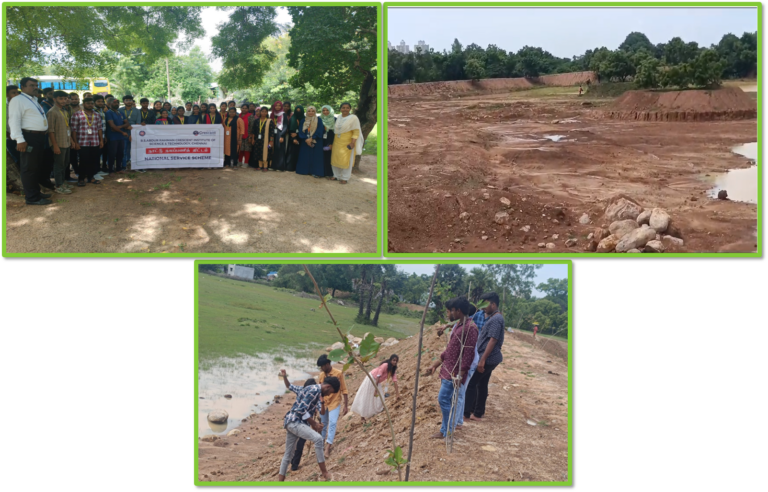
Figure VI (5.7) – 1: Crescent NSS Volunteers in Field Work
Overview
B.S. Abdur Rahman Crescent Institute of Science & Technology, in collaboration with the National Service Scheme (NSS), organized a community-centered environmental initiative titled “Lake Clean-Up with Seed Ball Plantation.” The event aimed to restore a locally polluted lake and initiate ecological restoration through seed-ball planting. Volunteers from NSS, including students and faculty, came together to demonstrate practical environmental stewardship and community resilience in the face of ongoing threats to freshwater ecosystems.
Partnership and Purpose
- Partners: Crescent Institute and the Environmentalist Foundation of India (EFI).
- Focus: Combine academic resources with community action to address lake degradation.
- Activities: Litter removal, debris collection, and periodic water-quality monitoring, with seed-ball planting to promote habitat restoration.
- Impact: Demonstrates how organized cleaning efforts can catalyze broader environmental stewardship and healthier lake ecosystems.
Why Lake Cleaning Matters
Lake pollution arises from human activities such as improper waste disposal, industrial effluents, agricultural runoff, and urban runoff. Cleaning and restoration yield multiple benefits:
- Public health: Reduces waterborne diseases and exposure to hazardous substances.
- Ecosystem restoration: Supports habitat recovery, biodiversity, and ecosystem services like flood control, groundwater recharge, and climate regulation.
- Economic and social benefits: Boosts tourism, fishing, and community well-being; lowers potable-water treatment costs.
- Resilience and sustainability: Regular cleanups, combined with prevention and waste management, strengthen resilience to climate change and urbanization.
- Educational impact: Engages communities, raises environmental awareness, and empowers youth in conservation.
Seed Ball Plantation as a Core Intervention
A central component of the event was seed-ball deployment—a simple, scalable method for reintroducing native vegetation to degraded shoreline and lake-adjacent habitats. Seed balls consist of seeds, soil, clay, and organic binders, designed for easy dispersal in areas difficult to access with traditional planting. After dispersion, balls break down and germinate in suitable microhabitats, promoting natural regeneration. Expected benefits include improved soil structure, increased moisture retention, reduced shoreline erosion, enhanced biodiversity, and a gradual return of native flora to support local fauna and habitat resilience. This approach aligns with EFI’s community-driven restoration philosophy and complements ongoing conservation efforts in the region.
Role of NSS and EFI
- Coordination: NSS Programme Officers Dr. C. Srinivasan, Dr. Noushad C., and Dr. R. Anitha; NSS Coordinator Dr. D. Ayub Khan Dawood led the event.
- Collaboration: Faculty mentors, student volunteers, and EFI representatives worked together to ensure organized deployment, safe field activities, and integration of scientific guidance with hands-on action.
- Impact: EFI provided the scientific framework for restoration, while NSS mobilized youth participation, fostering leadership, civic engagement, and environmental literacy.
Field Activities and Observations
- Community Participation: A large turnout of students, faculty, and community members demonstrated solidarity and enthusiasm for environmental restoration.
- Lake Clean-Up: Volunteers removed waste and debris from the lake perimeter and nearby pathways, yielding immediate improvements in cleanliness and sanitation.
- Seed Ball Deployment: Seed balls were prepared and strategically dispersed across degraded shoreline zones to maximize germination potential and future vegetative cover.
- Site Assessment: Visual observations indicated recovery potential, with seed-ball planting intended to complement existing restoration measures and encourage ongoing monitoring.
Impact and Future Prospects
The Lake Clean-Up with Seed Ball Plantation serves as a practical model of university–NGO collaboration to address local ecological challenges. Key outcomes include:
- Immediate improvements in site cleanliness.
- Long-term ecological benefits from native vegetation restoration and improved habitat structure.
- Enhanced community empowerment and awareness around freshwater conservation and sustainable water management.
- A framework for continued collaboration among Crescent Institute, EFI, and NSS on future restoration projects, water-quality monitoring, and educational outreach.
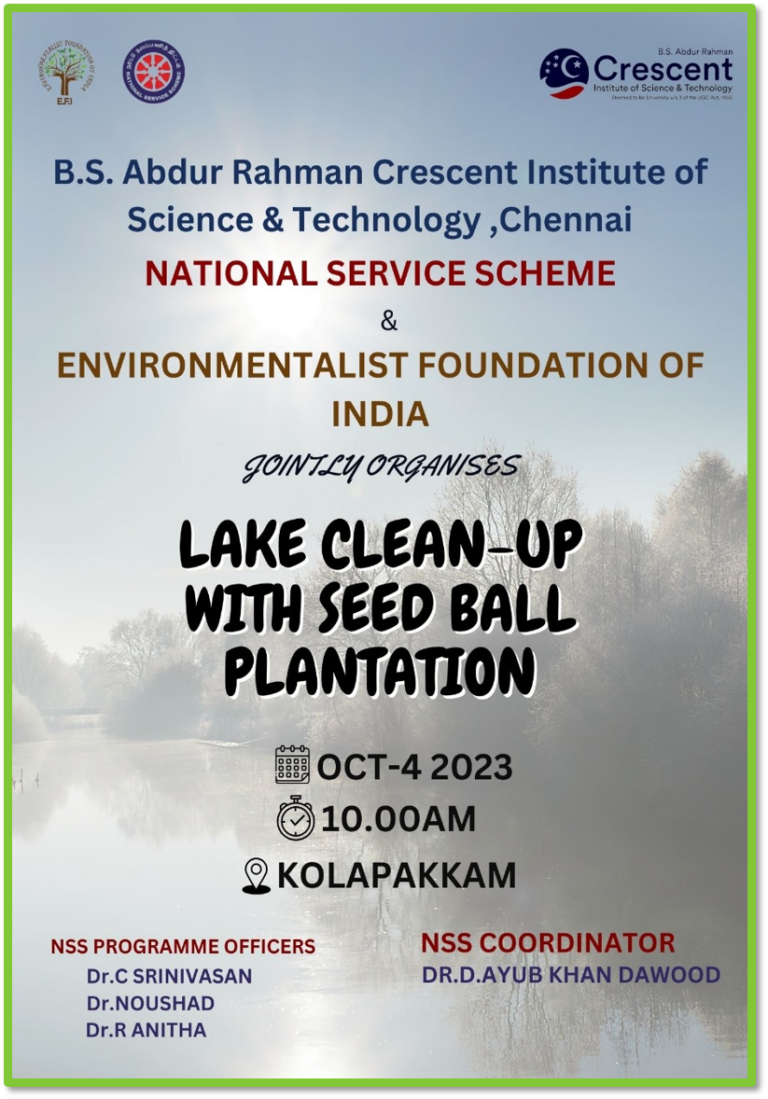
Figure VI (5.7) – 2: Invitation of the Event
1: Water-Smart Beach Clean-Ups: Integrating Conservation into Community Action
Promoting conscious water usage across the wider community hinges on turning beach and coastal clean-up efforts into opportunities for sustained water stewardship. By foregrounding water conservation within every cleanup, communities can align environmental restoration with daily habits that protect aquatic health. Building on established NSS-led beach clean-ups and partnerships with NGOs, organize regular, well-publicized events that tackle plastic pollution—the most visible and direct threat to both water quality and marine life. When these events are designed to educate as they clean, participants leave with a clearer understanding of how reduced plastic waste translates into safer, healthier waterways for recreation, fishing, and everyday use.
2: From Cleanup to Change: Data-Driven Guidance for Everyday Water Stewardship
A data-informed approach strengthens the impact of these initiatives. Systematically tracking debris types and volumes during each cleanup enables communities to identify pollution sources and track trends over time. This data becomes a powerful tool for advocacy, informing targeted improvements in waste collection schedules, shoreline management, and public awareness campaigns. By translating findings into straightforward, actionable recommendations for residents—such as minimizing single-use plastics, ensuring proper disposal, and adopting water-conserving behaviors at home and during beach visits—the effort moves from episodic events to lasting behavioral change.
3: Broad Stakeholder Engagement: Expanding Reach and Resources
Engagement with a broad network of stakeholders is essential for scalability and resilience. Involve local fishing communities, schools, coastal residents, and environmental organizations to extend reach beyond campus boundaries. Leverage partnerships with NGOs and national campaigns (like Swachh Bharat and related initiatives) to amplify messaging and resources. Utilizing diverse channels—social media, short videos, and local media—helps share success stories, present debris data transparently, and offer practical tips for reducing plastic use and conserving water in daily life. Recognizing sustained volunteers with certificates and public acknowledgments can incentivize ongoing participation and nurture a culture of collective responsibility around water stewardship.
4: Building a Data-Driven Framework: Communicating Debris Insights to Residents
A data-driven, community-facing framework should underpin ongoing efforts. Collect and analyze debris data not only to inform local policy discussions with authorities about waste management scheduling and shoreline care but also to communicate findings in accessible formats that resonate with residents. Translate complex data into simple, actionable steps that individuals can implement at home and during beach visits. Regular, collaborative actions paired with transparent reporting create a long-term ethos of conscious water usage, turning coastal clean-ups into catalysts for healthier waterways and more resilient aquatic ecosystems.
5: Sustaining Momentum: Institutionalizing Water-Conscious Practices
To sustain momentum, embed these practices within local institutions and plans. Develop a schedule that ensures consistency in cleanup events and data collection, accompanied by regular briefings that connect the dots between plastic pollution, water health, and community well-being. Encourage schools and community organizations to adopt similar water-conscious practices, extending the reach and reinforcing the message across generations. In doing so, communities not only improve shoreline conditions but also cultivate a proactive culture that prioritizes clean water, protected ecosystems, and a shared sense of stewardship for coastal environments.
C. KOVALAM BEACH CLEAN-UP 2024: ADVANCING WATER CONSERVATION THROUGH COMMUNITY ACTION DATED: 02ND OCTOBER 2024
The Beach Clean-Up on October 2, 2024, at Kovalam Beach was a collaborative effort led by the National Service Scheme (NSS) and UNNAT BHARAT ABHIYAN (UBA) of B. S. Abdur Rahman Crescent Institute of Science and Technology, in association with the Environmental Foundation of India (EFI) as part of Swachhata Hi Seva 2024. Under NSS Coordinator Dr. Ayub Khan Dawood, volunteers worked in teams to promote waste-free coastal environments and raise awareness about plastic pollution as a major threat to water health and marine ecosystems. The event ran from 7:00 a.m. to 9:00 a.m., with volunteers collecting litter—particularly non-biodegradable plastic waste—and coordinating disposal with local waste management services. The drive underscored the pervasive issue of plastic pollution in coastal environments and reinforced the collective responsibility to protect coastal beauty for recreation, fishing, and daily life. The overarching message throughout was the importance of Water Conservation as a foundational practice for healthier waterways.
The initiative demonstrated that well-organized, publicized beach clean-ups can mobilize significant volunteer effort and deliver tangible environmental benefits. Collaboration among students, NSS officers, EFI, and the university administration highlighted the value of cross-institutional partnerships in achieving sustainable outcomes. A certificate program recognized student volunteers, reinforcing a culture of service and environmental stewardship, while the event also served as an educational touchpoint to illuminate the link between plastic waste and water health. Looking ahead, the project team plans more regular clean-ups, expanded volunteer participation, and data-driven assessments to inform local waste management scheduling and shoreline care decisions, with a continued emphasis on educating about Water Conservation as an integral component of coastal stewardship.
Figure VI (5.7) – 3: Invitation of the Event
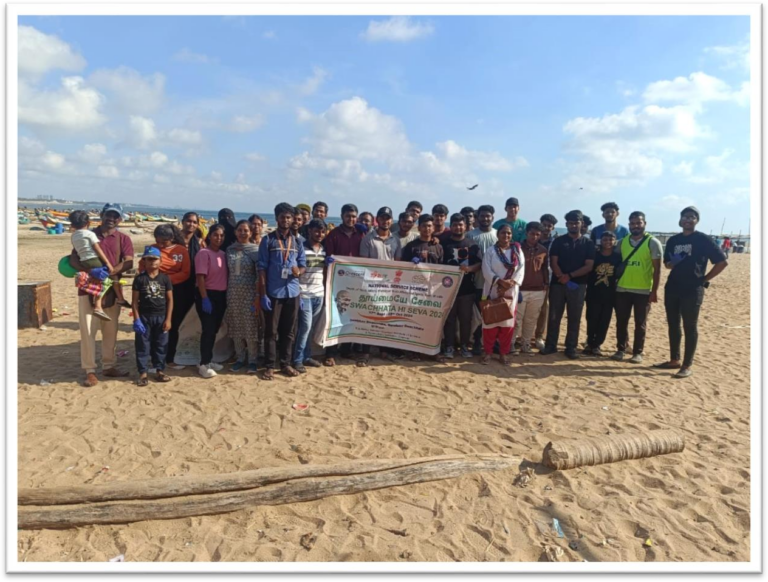
Figure VI (5.7) – 4: A total of 40 volunteers participated in the beach cleaning event as part of the “Swachhata Hi Seva campaign”
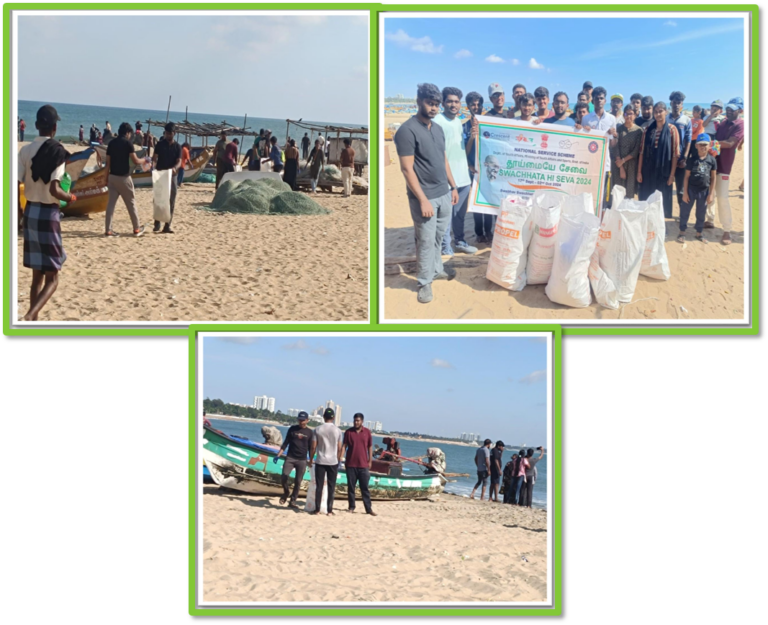
Figure VI (5.7) – 5: Crescent Students and volunteers participate in a beach clean-up, promoting water conservation and plastic pollution awareness.
D. KOVALAM BEACH CLEAN-UP 2023 — INTEGRATING WATER CONSERVATION WITH PLASTIC POLLUTION AWARENESS DATED : 10TH OCTOBER 2023
The Beach Cleaning & Plastic Awareness Program, held on 10 October 2023 at Kovalam Beach, was a collaborative effort organized by the National Service Scheme (NSS) in association with VIDHAIYIN SIRAGUGAL (Social Welfare Association) and the B.S. Abdur Rahman Crescent Institute of Science & Technology. The initiative aimed to protect coastal ecosystems by removing waste that harms marine life and impedes water quality, while also collecting data on debris to inform future conservation strategies. As the program highlighted the detrimental effects of plastic pollution on water health, participants were reminded that reducing litter directly supports healthier waterways and aquatic habitats, underscoring Water Conservation as a foundational element of coastal stewardship.
NSS students, along with social activists and community partners, joined hands at Kovalam Beach to implement practical cleanup actions, engaging in litter removal and debris documentation to monitor pollution trends. The effort demonstrated how organized volunteer activities can mobilize communities to safeguard water resources, protect aquatic species, and improve beach aesthetics—benefiting residents and coastal livelihoods alike. Moving forward, organizers and participants aim to expand the program, enhance data collection, and promote Water Conservation as an integral component of ongoing coastal health initiatives and plastic pollution awareness campaigns.
Figure VI (5.7) – 6: Invitation of the Event
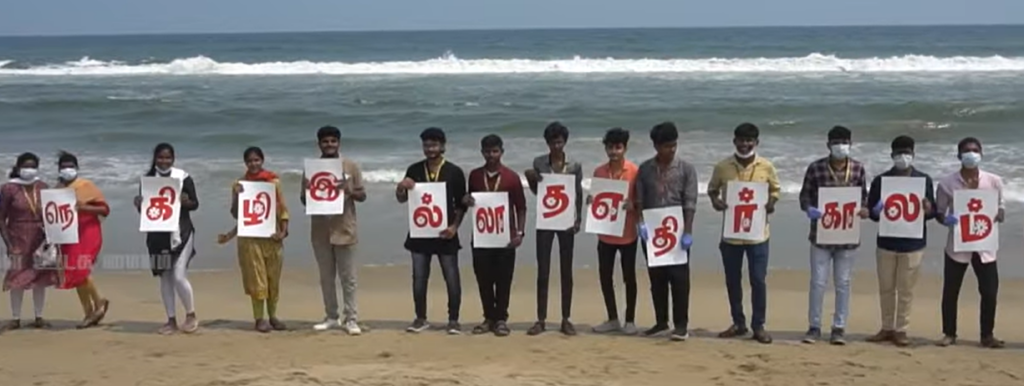
Figure VI (5.7) – 7: Raising awareness about plastic pollution and Water Conservation during a Kovalam Beach clean-up event.
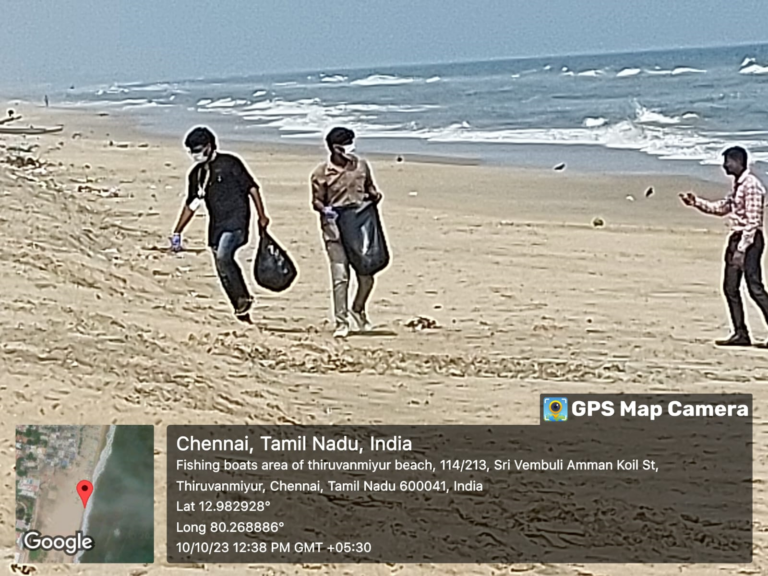
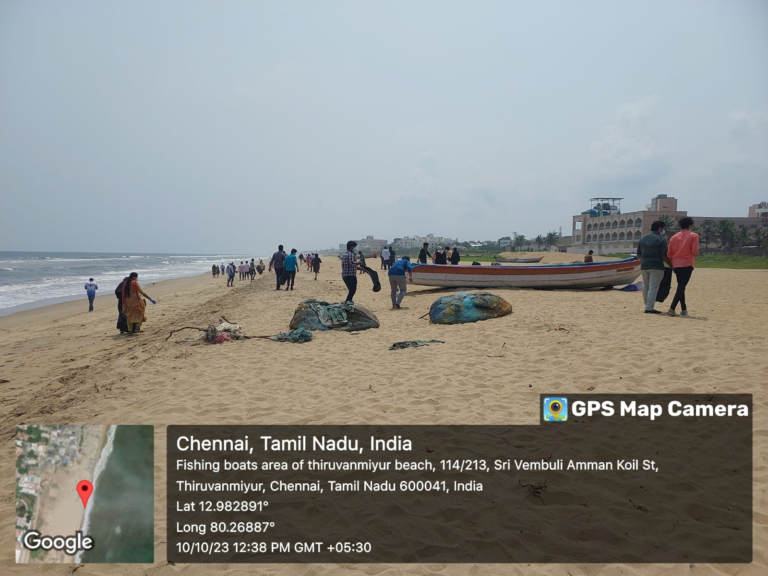
Figure VI (5.7) – 8: CLEANING PROCESS IN BEACH BY BSACIST NSS STUDENTS
Water Management and Reuse Policy
Issue: 04; Revised on 2023
| Policy Created on | July 2009 |
| 1st Revision amended on | IQAC Meeting held on 27th October 2017 |
| 2nd Revision amended on | IQAC Meeting held on 31st March 2021 |
| 3rd Revision amended on | IQAC Meeting held on 16th June 2023 |
Responsible Executive : Director (IQAC)
Responsible Office : Internal Quality Assurance Cell,
Student Affairs, Estate Office, Academic Office, Library and SDG Cell
Contacts : Registrar and Director (IQAC)
6.1 STATEMENT OF POLICY
The B.S. Abdur Rahman Crescent Institute of Science and Technology is committed to achieving the following objectives in alignment with Sustainable Development Goal 6 (SDG 6) – Clean Water and Sanitation:
a) Ensure universal and equitable access to safe and affordable drinking water for all stakeholders.
b) Provide adequate and equitable sanitation and hygiene for all, with special attention to the needs of women, girls, and vulnerable groups.
c) Improve water quality by reducing pollution, eliminating dumping, and minimizing the release of hazardous chemicals and materials.
d) Halve the proportion of untreated wastewater and substantially increase recycling and safe reuse globally.
e) Substantially increase water-use efficiency across all sectors and ensure sustainable withdrawals and freshwater supply to address water scarcity.
f) Implement integrated water resources management at all levels, including transboundary cooperation as appropriate.
g) Protect and restore water-related ecosystems, including mountains, forests, wetlands, rivers, aquifers, and lakes.
h) Expand international cooperation and capacity-building support to developing countries in water- and sanitation-related activities and programs.
i) Support and strengthen the participation of local communities in improving water and sanitation management.
6.2 REASON FOR THIS POLICY
The policy aims to provide all stakeholders with adequate water supply, sanitation, and hygiene. It emphasises maximising the collection and treatment of sewage generated and the reuse of treated wastewater sustainably, thereby reducing dependency on freshwater resources. The policy promotes treating wastewater as an economic resource.
6.3 RESPONSIBILITIES
6.3.1 Policy Principles
a) The campus shall provide adequate water supply and maximize water reuse by adhering to the following principles:
- Equitable access to safe and affordable drinking water for all stakeholders.
- Access to adequate sanitation and hygiene, ending open defecation, with special attention to vulnerable groups.
- Calculation of water usage per person (students, staff, and faculty) annually.
- Improving water quality by reducing pollution and increasing recycling and safe reuse.
- Utilization of recycled/treated wastewater for beneficial purposes, such as irrigation and toilet flushing.
- Implementation of integrated water resources management at all levels.
- Protection and restoration of water-related ecosystems on campus.
- Expansion of rainwater harvesting initiatives.
- Collaboration with government, NGOs, and industries in water-related activities.
- Support for student and staff participation in water management.
6.4.1 Water Reuse Policy Objectives
- Establish a comprehensive policy to maximize water reuse across the university.
- Ensure that all new buildings adhere to water-conscious building standards that facilitate water reuse.
- Implement systems for tracking and measuring water consumption and reuse.
6.4.2 Water Reuse
- Water Reuse Policy: maximise water reuse across the university.
- Water Reuse Measurement: Measure water reuse across the university.
6.5 DISSEMINATION OF POLICY
a) Display signage promoting water use efficiency across the campus.
b) Conduct awareness programs at regular intervals to increase water-use efficiency.
c) Post the policy on the Institute’s website and update it as necessary.
6.6 ENFORCEMENT OF POLICY
a) The Director (Planning & Development) and Deputy Director monitor compliance and address breaches.
b) Awareness of the policy among students, staff, and visitors is essential.
c) Breaches may lead to disciplinary action as per the Institute’s code of conduct.